负利率

Search documents
国有大行利率又降了!普通家庭如何让存款不缩水?3个思路说透了
Sou Hu Cai Jing· 2025-05-05 14:59
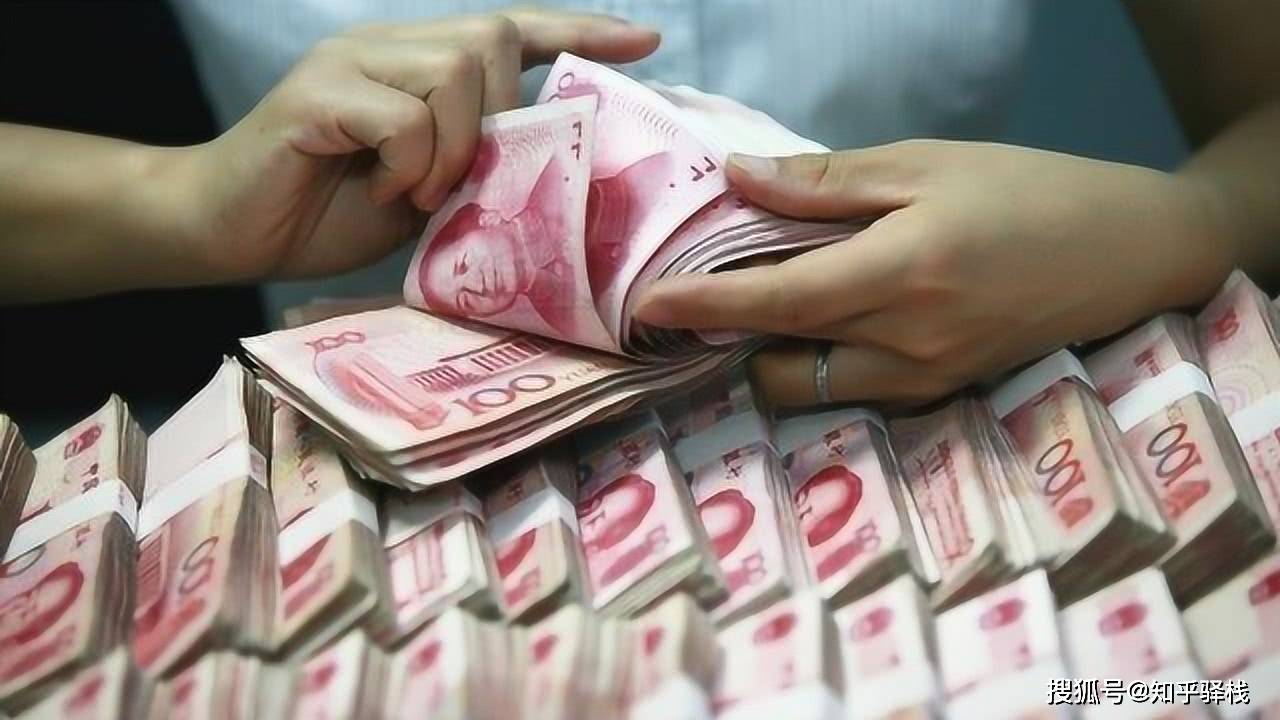
Group 1 - The recent collective reduction of deposit rates by six major state-owned banks has caused significant concern among ordinary households, with three-year fixed deposit rates falling below 1.5% and large-denomination certificates of deposit yielding only 1.9% [1] - Over the past decade, there has been a clear downward trend in bank deposit rates, with three-year fixed deposit rates dropping from around 5% in 2015 to 1.5% today, leading to a substantial decrease in interest income for depositors [1] - The phenomenon of "negative interest rates" is pressuring many conservative investors and retirees who rely on deposit interest for income, as real returns may be negative when considering inflation [1] Group 2 - Investors are increasingly turning to the stock market as a response to shrinking savings, although the stock market carries its own risks and is not a guaranteed safe haven [1] - The annualized return of the Shanghai Composite Index over the past decade has been 5.8%, significantly higher than the current deposit rates, but this figure is accompanied by many investors' losses [1] Group 3 - Stock market investment requires caution, and investors should adhere to principles such as only using idle funds that are not needed for three years, limiting individual stock investments to no more than 20% of total assets, and focusing on essential sectors like consumer goods and healthcare [3] - Diversification is recommended for investors with lower risk tolerance, with options including high-quality bonds, money market funds, gold, and bank wealth management products [5] Group 4 - Ordinary households should enhance their financial literacy to rationally cope with the pressure of declining deposits, focusing on understanding different investment products and avoiding blind speculation [7] - It is essential to adopt a long-term investment perspective and optimize household financial structures to improve risk resilience, including reducing unnecessary expenses and increasing income sources [7]

瑞士接近通缩,加大央行重新转向负利率可能性
news flash· 2025-05-05 07:40
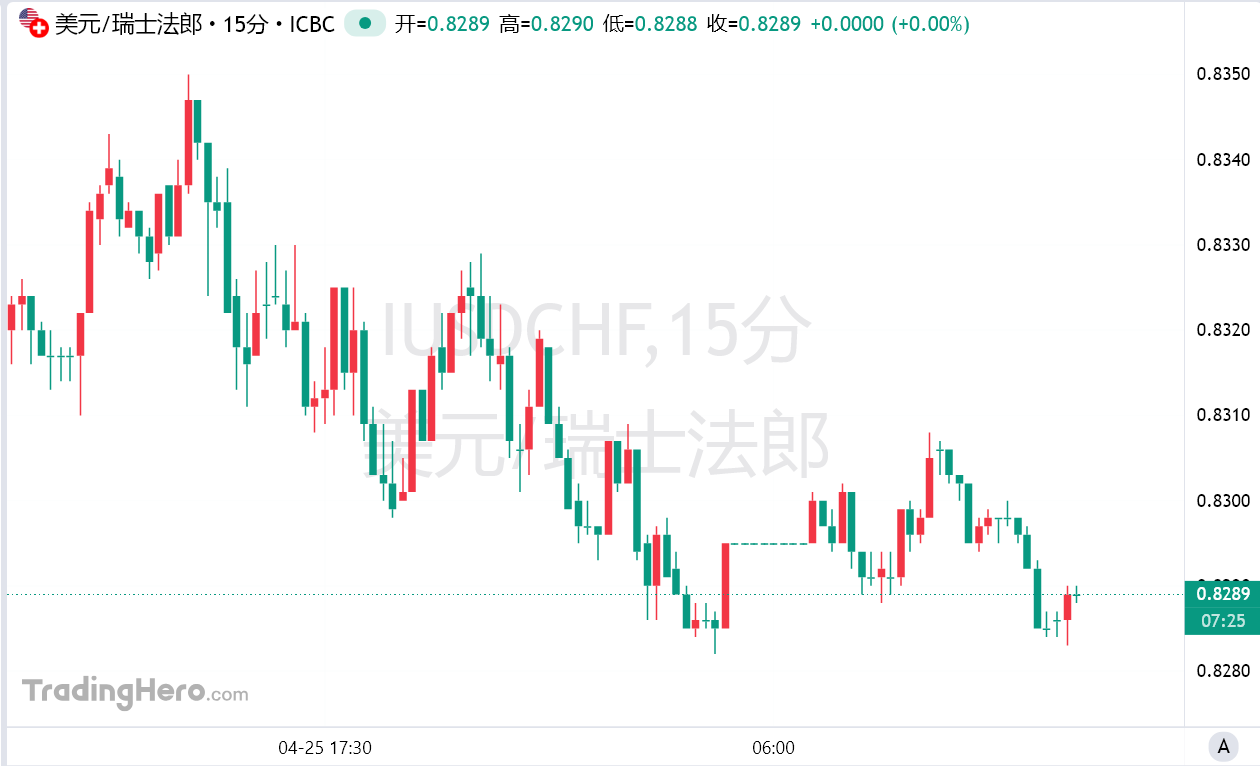
瑞士接近通缩,加大央行重新转向负利率可能性 金十数据5月5日讯,今年4月,瑞士CPI跌至接近通缩水平的水平,这加大了瑞士央行在未来一年转向 负利率的可能性。该国2月份的通胀年率为0.0%,低于3月份的0.3%,服装、食品和航空运输价格的上 涨受到住宿和国内度假价格下跌的抑制。投资者普遍预计6月份瑞士央行将把基准利率从0.25%下调至 0%。由于投资者在特朗普关税闪电战中买入避险货币,瑞郎最近兑美元升值,引发了瑞士央行可能进 一步降息以限制货币强势的呼声。瑞士央行此前将利率维持在零以下近8年,直到2022年。 ...
金十整理:瑞郎一路狂飙 瑞士两难之下是选择拥抱“负利率”还是冒险干预汇市?
news flash· 2025-04-28 09:25
金十整理:瑞郎一路狂飙 瑞士两难之下是选择拥抱"负利率"还是冒险干预汇市? 经济面临重重难关 1. 瑞郎升值:避险资金无视基本面涌入瑞郎,仅在4月,瑞郎兑美元汇率一度上涨了9%。 2. 通胀低迷:最新数据显示,瑞士通胀年率仅为约0.3%,已经处于央行0%至2%目标范围的低端。 3. 国际贸易依赖:瑞士人口只有900万,是一个严重依赖进出口的市场经济国家,出口部门占GDP的近 70%。瑞郎升值将不利于出口,并加剧通缩压力。 4. 面临高额关税:美国对瑞士实施的对等关税税率为31%,高于欧盟对瑞士的税率。综合外媒报导,瑞 士对美出口额占总出口的10%以上。 5. 前景阴云密布:据瑞士国家银行的最新预测,2025年瑞士的GDP增长率预计在1%至1.5%之间,显著 低于其历史平均水平1.8%。 负利率还是外汇干预?陷入两难... 1. 政策空间有限 抑制瑞郎升值"黔驴技穷" 瑞士政策利率已经达到0.25%,若经济状况进一步恶化,剩下的常规弹药就所剩无几了,进一步降息将 走向负利率。 2. 高盛集团:预测瑞士央行将在9月之前连续两次降息25个基点,使政策利率降至-0.25%。 3. 机构调查:大多数机构预计瑞士将把利率 ...
整理:每日全球外汇市场要闻速递(4月24日)
news flash· 2025-04-24 07:04
金十数据整理:每日全球外汇市场要闻速递(4月24日) 美元: 欧元: 1. 欧洲央行:预计今年工资增长将大幅放缓。 1. 英国利率掉期预计到2025年底降息84个基点,而此前的预期是90多个基点。 2. 英国宣布措施防止未来倾销定价不公平的进口产品,英国将重新审查低价值进口商品的关税。 3. 英国财政大臣里夫斯:英国不会急于美国展开贸易谈判,英国不会放松汽车、食品、网络安全标准以 争取达成与美国的贸易协议。 1. 中国央行逆回购操作当日实现净回笼275亿元。 2. 泰国政府考虑推出价值5000亿泰铢的经济刺激计划。 3. 阿根廷央行副行长:我们预计阿根廷比索将触及较低的区间。 4. 波兰央行官员Wnorowski:利率可能在五月份降低50个基点。 5. 野村证券:预计瑞士央行将再次采用负利率,并预计将在九月份达到终端利率为-0.25%的水平。 6. 市场减少了对欧洲央行降息的押注,预计到12月存款利率将降至1.65%左右,此前预期为1.55%。 英镑: 4. 路透调查:所有67位经济学家均预测英国央行将在5月8日将基准利率下调25个基点至4.25%。预计到 2025年底,英国央行将每季度下调基准利率25个基点 ...
野村改口:预计瑞士央行再降息两次 重启负利率
news flash· 2025-04-24 06:25
Core Viewpoint - Nomura Securities predicts that the Swiss National Bank will implement two more rate cuts this year, each by 25 basis points, contrary to their previous stance that no further cuts would occur after March [1] Group 1: Monetary Policy Actions - The Swiss National Bank is expected to take action to curb the strength of the Swiss franc, which is currently at its highest effective exchange rate since 2008 [1] - The anticipated rate cuts are seen as a response to the ongoing economic uncertainty driven by further rate cuts from the European Central Bank and U.S. tariff policies [1] - The expected actions in June and September meetings may signal a return to negative interest rates, marking an end to the normalization of monetary policy post-COVID-19 [1]

野村证券预计瑞士央行将再次采用负利率,并预计将在九月份达到终端利率为-0.25%的水平。
news flash· 2025-04-23 11:18
野村证券预计瑞士央行将再次采用负 利率,并预计将在九月份达到终端利率为-0.25%的水平。 ...
机构调查:瑞士央行似乎不会采取负利率来对抗瑞郎升值
news flash· 2025-04-14 07:06
金十数据4月14日讯,经济学家表示,瑞士央行今年将避免将利率降至零以下,以努力遏制瑞郎的走 强。在彭博社对分析央行货币政策走向的分析师进行的调查中,高盛集团是唯一预测利率将回归负值的 投行。大多数人预测,官方将把利率维持在目前0.25%的水平。这一前景表明,在特朗普的关税战引发 市场动荡之际,政策制定者可能需要转而抛售瑞郎,以遏制瑞郎兑美元升至10年来最高水平的涨势。瑞 士央行一直小心翼翼地不排除负利率的可能性,以防止消费者价格下跌过大,并使该国出口商免受本币 走强的影响。但官员们承认,他们给金融体系造成的痛苦并不理想。 机构调查:瑞士央行似乎不会采取负利率来对抗瑞郎升值 ...
债海观潮,大势研判:盘整等待方向
Guoxin Securities· 2025-04-03 02:43
Group 1 - The bond market experienced a tightening of funds in March, with economic data showing stability and improvement, leading to a divergence in the performance of interest rate bonds and credit bonds [5] - In March, the yields on 1-year, 3-year, and 5-year interest rate bonds increased, while the credit spreads for short-term credit bonds narrowed significantly, with reductions exceeding 20 basis points [5][11] - The default amount in March slightly decreased to 3.78 billion, down from 3.82 billion in the previous month, with no new defaulting entities reported [31] Group 2 - The U.S. service sector showed signs of recovery, with a slight increase in new employment, while core inflation in the U.S. declined, maintaining high inflation expectations [5][41][42] - Domestic economic indicators suggest a steady improvement, with a GDP growth rate of approximately 5.1% year-on-year for January-February, slightly lower than the previous month, but still above the annual target [5][53] - The domestic demand continues to show signs of recovery, while external demand remains resilient, although the effect of export competition has noticeably weakened [5][57] Group 3 - The monetary policy meeting in the first quarter emphasized the implementation of a moderately loose monetary policy and increased coordination between monetary and fiscal policies [5][102] - The high-frequency macro diffusion index from Guosen Securities indicates a continuous rise, suggesting improved economic growth momentum, particularly in real estate and infrastructure [5][75][71] - The report highlights the importance of monitoring the relationship between policy rates and market rates, especially in the context of a potential "negative interest rate" environment [5][107]
金价突破历史新高:三重驱动力下的避险狂欢
Sou Hu Cai Jing· 2025-04-01 14:20
Core Insights - The surge in gold prices, reaching a historic high of $3135 per ounce, reflects a significant shift in the global economic order driven by geopolitical tensions, changing monetary policies, and structural supply-demand imbalances [2][3]. Price Movement - Gold prices have increased over 19% since the beginning of 2025, significantly outperforming the S&P 500 index, with key price milestones being surpassed in late March to early April [3]. Market Sentiment - The market sentiment has shifted from caution to enthusiasm, as evidenced by substantial inflows into Asian gold ETFs, indicating a surge in regional risk aversion [4]. - The COMEX gold futures market shows a high level of speculative long positions, with 67% of open interest being held by speculative traders, indicating increased volatility [5]. Volatility Indicators - The Gold Volatility Index (GVZ) has surpassed 25, reaching a 12-month high, signaling that investors are preparing for potential significant price fluctuations due to upcoming policy changes and geopolitical events [6]. Driving Forces - Geopolitical risk premium accounts for 40% of the current gold price surge, influenced by trade tensions and rising inflation expectations, with significant impacts from U.S. tariffs and Middle Eastern conflicts [7][8]. - Expectations of a shift in monetary policy contribute 35% to the gold price dynamics, as markets anticipate potential interest rate cuts and a decline in the dollar's dominance [9][10]. - Structural supply-demand imbalances make up 25% of the driving factors, with central banks increasing gold purchases and mining output facing constraints [11][12][13]. Short-term and Long-term Outlook - Short-term volatility is anticipated as the U.S. tariff decision approaches, with potential profit-taking by speculative traders [14]. - Long-term support for gold prices is expected from ongoing de-dollarization trends and structural supply-demand issues, with Goldman Sachs projecting a price increase to $3300 by the end of 2025, and possibly reaching $4200 under certain conditions [15]. - Investors are advised to adopt a multi-faceted strategy to balance risks, particularly in gold mining stocks, as the geopolitical and economic landscape continues to evolve [16].