
贸易多元化

Search documents
加拿大总理8年来首次访华,有何看点?
第一财经· 2026-01-14 08:38
Group 1 - The visit of Canadian Prime Minister Carney to China from January 14 to 17 marks his first official visit to China since taking office and is the first visit by a Canadian Prime Minister to China in eight years, highlighting the importance of strengthening dialogue and cooperation between the two countries [4][6] - Carney's visit comes at a critical time for Canada, as it seeks to diversify its trade relationships and reduce economic dependence on the United States, especially in light of recent economic challenges and the impact of U.S. tariffs [6][8] - Canada aims to double its exports to non-U.S. markets over the next decade, with China being a key partner, as bilateral trade has grown significantly from $150 million in 1970 to an estimated $93 billion in 2024 [6][7] Group 2 - The focus of Carney's visit will include trade, energy, agriculture, and international security, with particular attention on potential breakthroughs in electric vehicle tariffs and agricultural trade, which have been significant barriers to expanding trade relations [11][12] - Recent polling indicates that 54% of Canadians support reaching a trade agreement with China, reflecting a shift in public sentiment towards enhancing economic ties [12] - The energy sector is a critical area of cooperation, with Canada exporting nearly 100 million barrels of crude oil and over 200,000 tons of liquefied natural gas to China in the first 11 months of 2025, as Canada seeks to reduce its reliance on the U.S. market [8][9]

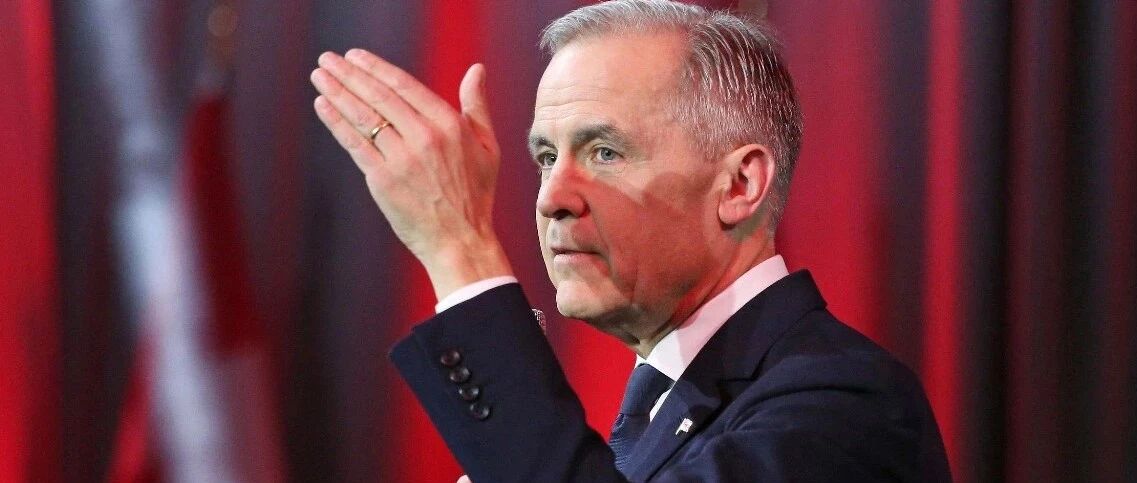
加拿大总理8年来首次访华,有何看点?为何而来?
Di Yi Cai Jing· 2026-01-14 08:05
Group 1 - The visit of Canadian Prime Minister Carney to China from January 14 to 17 is significant as it marks his first visit to China since taking office and the first visit by a Canadian Prime Minister in eight years, indicating a potential shift in diplomatic relations [2][4] - The visit is seen as both an economic action and a political signal, reflecting Canada's need to diversify its trade relationships and reduce dependence on the U.S. amid ongoing trade tensions [4][6] - Canada aims to double its exports to non-U.S. markets over the next decade, with China being a key partner, as bilateral trade has grown significantly from $150 million in 1970 to an estimated $93 billion in 2024 [4][5] Group 2 - The current economic challenges in Canada, including a projected GDP decline of 0.3% in October 2025, highlight the urgency for Canada to seek increased exports to China and attract Chinese investments [4][6] - The trade relationship between Canada and China remains complementary, with Canada exporting primarily energy and agricultural products to China, while importing electronics and machinery [5][6] - Key issues for discussion during the visit include potential breakthroughs in electric vehicle tariffs and agricultural trade, which have been significant barriers to expanding trade relations [8][9] Group 3 - The delegation accompanying Carney includes key cabinet ministers, indicating a comprehensive approach to addressing trade, energy, agriculture, and international security [8] - Recent public opinion polls show that a majority of Canadians support reaching a trade agreement with China, reflecting a potential shift in public sentiment towards strengthening bilateral ties [9]
(经济观察)2025年中国外贸在压力下“突围”
Zhong Guo Xin Wen Wang· 2026-01-14 06:05
Core Viewpoint - In 2025, China's foreign trade is expected to achieve a total import and export value of 45.47 trillion yuan, marking a year-on-year growth of 3.8%, with exports reaching 26.99 trillion yuan, a 6.1% increase, despite facing complex global challenges [1][2]. Group 1: Trade Performance - China's import and export value in 2025 is projected to reach 45.47 trillion yuan, a record high, with exports contributing 26.99 trillion yuan [1]. - This marks the ninth consecutive year of growth in China's foreign trade, the longest period since joining the WTO [1]. - High-tech product exports reached 5.25 trillion yuan, growing by 13.2%, contributing 2.4 percentage points to overall export growth [1]. Group 2: Market Diversification - By 2025, China is expected to engage in trade with 249 countries and regions, with growth in trade with over 190 of them [1]. - China has become the main export destination for 79 countries and regions, an increase of three from the previous year [2]. - Trade diversification is identified as a long-term strategy for China to adapt to external environmental changes [2]. Group 3: Future Challenges and Strategies - The external environment for China's foreign trade is anticipated to remain "severe and complex," with increased uncertainties expected in 2026 [2][3]. - The Chinese government plans to strengthen trade stability efforts, promote innovative trade development, and optimize goods trade while encouraging service exports and digital trade [3]. - A new Foreign Trade Law will take effect on March 1, 2026, enhancing the legal framework for cross-border service trade and showcasing a commitment to high-level opening up [3]. Group 4: Competitive Advantages - China's advantages in institutional, market, industrial systems, and talent resources are becoming more pronounced, enhancing its resilience against risks [4]. - The combination of robust policies, a large market potential, and a complete industrial system is expected to support stable growth in foreign trade [3][4].
环球时报社评:民意期待为加拿大总理访华“预热”
Xin Lang Cai Jing· 2026-01-09 22:52
Group 1 - Canadian Prime Minister Mark Carney is set to visit China from January 13 to 17, marking the first visit by a Canadian Prime Minister to China since 2017, with discussions focused on trade, energy, and security issues [1] - There is a growing public sentiment in Canada favoring improved relations with China, as indicated by a poll showing that the percentage of Canadians holding a positive view of China has increased from 16% in early 2022 to 27% [1][2] - Over 60% of Canadians support the complete removal of tariffs on Chinese electric vehicles in exchange for China lifting its retaliatory measures, reflecting a significant shift in public opinion towards expanding trade relations with China [1][2] Group 2 - The deterioration of Canada-China relations in recent years has adversely affected Canadian farmers, who have been particularly impacted by tariffs imposed by both countries [2] - The Canadian government has been urged by provincial leaders to reconsider tariffs on China, with a focus on resolving issues related to canola seed exports [2] - The strategic awareness in Ottawa has been heightened due to the high costs of following the U.S. in imposing tariffs on China, leading to a determination to diversify trade and reduce reliance on the U.S. [3] Group 3 - Recent diplomatic engagements between Canada and China, including constructive conversations and meetings between leaders, signal a potential shift towards a more pragmatic and cooperative relationship [4] - The Canadian government has been sending signals of willingness to engage with China, with a timeline of increasing diplomatic interactions aimed at recalibrating the bilateral relationship [4] - The expectation is that Prime Minister Carney's visit will serve as a new starting point for rebuilding a practical cooperation framework between the two countries [4]
敏感时刻,加拿大总理访华有何不同寻常?
Xin Jing Bao· 2026-01-09 06:32
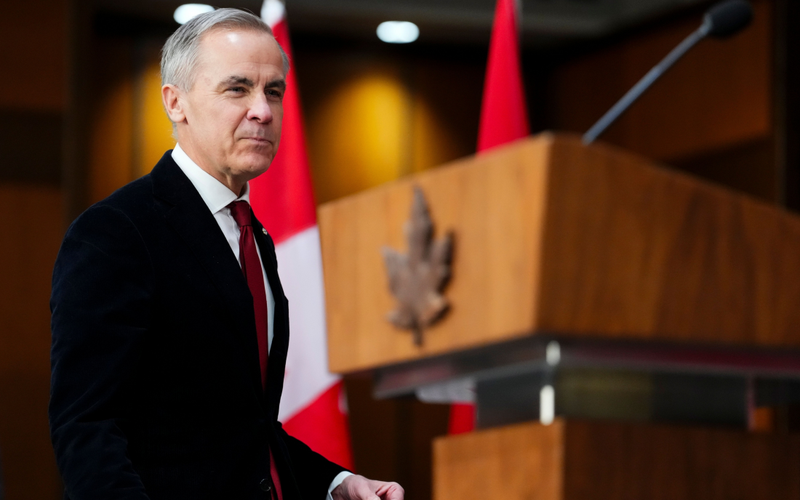
▲资料图:加拿大总理卡尼。图/IC photo 据环球网援引加拿大《环球邮报》、路透社等多家外媒报道,加拿大总理办公室当地时间7日宣布,加拿大总理卡 尼将于13日至17日访华。 报道称,此访是加拿大总理自2017年以来再次访华。加拿大总理办公室表示,卡尼将在访华期间与中方讨论贸 易、能源、农业和国际安全等议题。 双方关系触底反弹 2017年,加拿大前总理特鲁多访华时,双方解决了一些长期悬而未决的问题,中加双方还举行了四轮中加自贸协 定联合可行性研究暨探索性讨论。 然而,随着特朗普第一次总统任期内奉行对华遏制和强迫盟国"选边站"的战略,加中关系自2018年底起急转直 下,尤其在孟晚舟事件后,两国关系彻底降温。此后虽略有回暖,但随后又因加方无理指责中国而陷入低谷。 特鲁多执政末期,为配合美国政府对中国贸易战,加拿大追随美国脚步,对中国出口的电动汽车等施加高额惩罚 性关税,中国则在油菜籽、畜产品、钾肥等加拿大输华关键产品上予以反制。 2025年初,曾长期从事与中国相关工作的卡尼继任总理,对中国政策松动的迹象日趋明朗。 当地时间2025年10月31日,国家主席习近平在韩国出席亚太经合组织第三十二次领导人非正式会议期间 ...
超日赶德,印度宣布已成为全球第四大经济体
Xin Lang Cai Jing· 2026-01-01 10:33
Group 1 - India's economy has surpassed Japan, becoming the fourth largest globally, with a GDP of approximately $4.18 trillion, and is projected to reach about $7.3 trillion by 2030 [1] - The International Monetary Fund (IMF) predicts that India will surpass Japan by 2026, with an estimated GDP of $4.51 trillion [1] - The Indian government aims to achieve developed country status by 2047, marking the centenary of its independence [1] Group 2 - The report titled "2025, a Key Year for India's Economic Growth" indicates that India is one of the fastest-growing major economies, with a real GDP growth of 8.2% year-on-year in Q2 of FY 2025-26, up from 7.8% in the previous quarter [2] - The current economic environment is described as a "Goldilocks" period, characterized by high growth and low inflation, supported by strong corporate balance sheets and ongoing structural reforms [2] - Domestic demand, particularly strong private consumption, is the primary driver of India's economic growth, alongside a rapidly developing service sector [2] Group 3 - In response to external challenges, the Indian government has implemented significant tax reforms, including simplifying the Goods and Services Tax (GST) and introducing labor law reforms to enhance investment attractiveness [6] - The GST was streamlined from four tax brackets to two, with reductions in rates for essential goods and services, aimed at stimulating domestic demand [6] - The new labor laws consolidate 29 existing laws into four, marking the largest structural reform since India's economic liberalization in 1991 [6] Group 4 - India's export performance has improved, with merchandise exports reaching $38.13 billion in November 2025, supported by sectors like engineering, electronics, pharmaceuticals, and oil products [7] - The country is diversifying its trade partnerships, strengthening ties with nations such as the UK, Oman, and New Zealand, while also expanding trade with major economies like China and Germany [7] - Despite challenges in negotiations with the US, there is optimism about reaching a trade agreement that could lower tariffs significantly [7] Group 5 - The IMF's report highlights that India's economic growth is expected to remain robust, supported by favorable domestic conditions, with an upward revision of growth forecasts from 6.8% to 7.3% for FY 2025-26 [8] - Factors contributing to this growth include strong domestic demand, tax optimization, and a favorable monetary environment [8] - The overall inflation rate has significantly decreased, aided by stable food prices and resilient financial and corporate sectors [8] Group 6 - Despite recent improvements, challenges remain, including low per capita income and significant disparities in economic development between northern and southern India [10] - The World Bank reports that India's per capita GDP in 2024 is $2,694, significantly lower than that of developed economies like Japan and Germany [10] - The government faces the challenge of creating high-quality jobs for its large youth population, which is crucial for sustainable growth [10] Group 7 - The Indian rupee has depreciated, reaching a historical low against the US dollar, with a cumulative decline of about 5% in 2025 [11] - The stock market has underperformed, with significant foreign portfolio investment outflows, contrasting with previous inflows [11] - The manufacturing sector's contribution to GDP has decreased, falling short of the government's target of 25%, due to bureaucratic hurdles and restrictive policies [11]

2025年终报道②丨被美国“不稳定关税”反复折磨的加拿大,将目光投向北美之外
Sou Hu Cai Jing· 2025-12-23 14:49
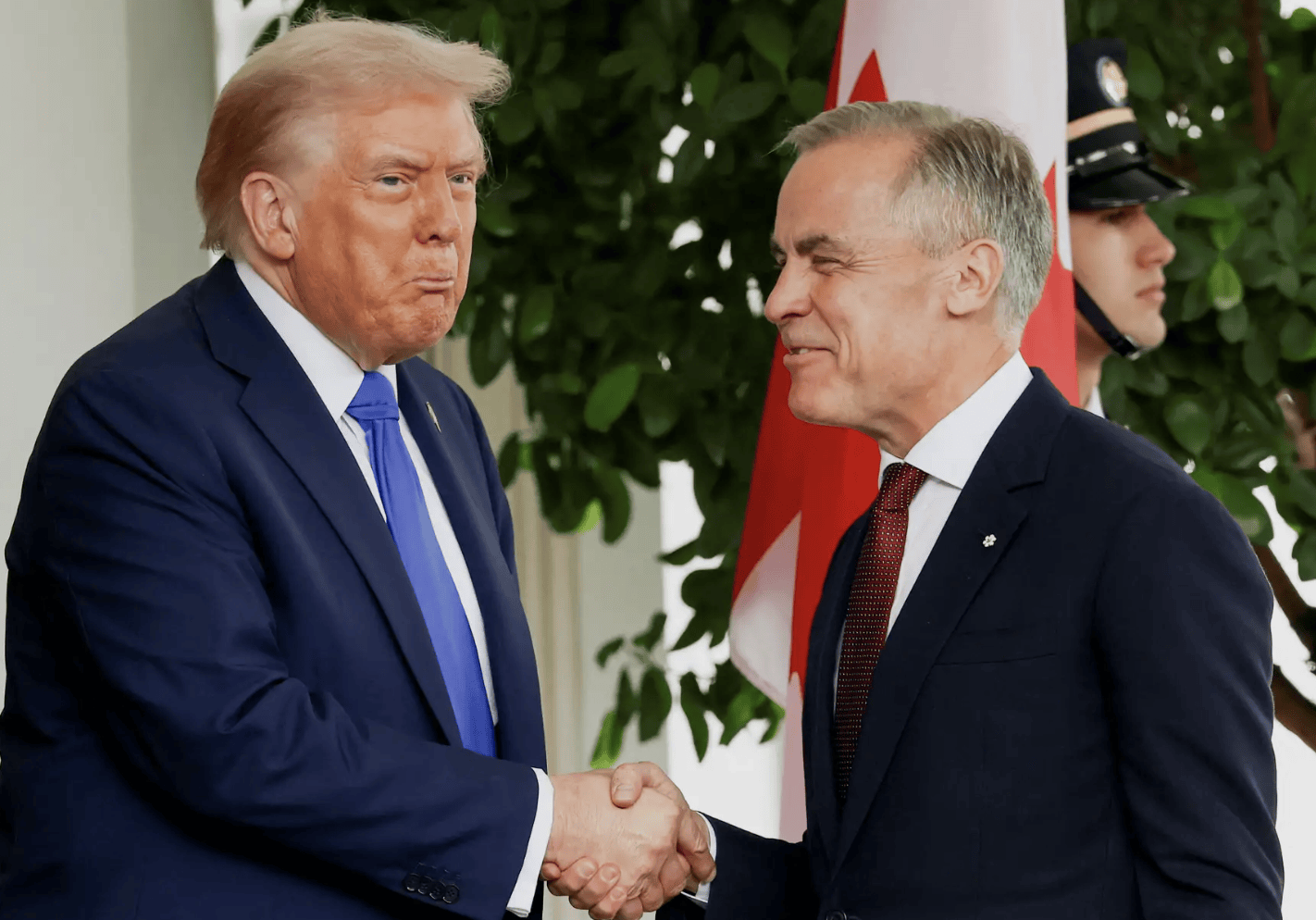
"要让加拿大成为美国第51个州""要给加拿大加关税""要停止与加拿大的贸易谈判"……自今年重返白宫以来,特朗普组建的政府多次挥舞"关税大棒"施压相 关国家与之谈判,而与之相邻的加拿大便成了重点目标。 在特朗普政府的反复威胁下,加拿大也掀起一阵"抵美风波":多地爆发抗议活动,加拿大商店下架美国酒类……如今,加拿大经济在美关税政策带来的"不 确定性"中颠簸。 加拿大独立企业联合会(CFIB)负责国际贸易与市场竞争的总监米歇尔·奥格尔在接受红星新闻采访时称,对加拿大企业,尤其是中小型企业而言,美国的 关税政策变化就意味着不确定性的增加,而这种不确定性会转化为切实的经济损失。奥格尔说,当下维系北美市场贸易的规则被打乱,贸易紧张局势动摇了 人们的信心,也让不少加企选择将业务重心从美国转移。 ▲特朗普与加拿大总理卡尼(资料图) 近半企业利润下滑 "保生存"成企业重点 在"给加拿大加关税"的问题上,特朗普政府呈现出反反复复的态度。有评价称,加拿大可能最终会与美国达成贸易协议,但没人知道到底是多久,"当我们 满怀希望看着总理(卡尼)和美总统之间的关系向好时,美商务部长卢特尼克就会带来坏消息。"奥格尔认为,美国这种不稳定的关税 ...
加拿大终于想通了,特朗普不可信,必须与中国合作,但为时已晚
Sou Hu Cai Jing· 2025-12-22 08:17
Group 1 - Canadian Prime Minister Carney is seeking to diversify trade partnerships, particularly with China, as a response to pressures from the Trump administration [1][3][5] - The relationship with the U.S. has been strained due to tariffs imposed by Trump, leading Canada to reconsider its heavy reliance on the American market [3][7] - Carney's outreach to China has been characterized by cautious optimism, emphasizing the need for a "safety net" in sensitive areas while expressing a desire for cooperation [5][7] Group 2 - China's response to Canada's overtures has been welcoming but conditional on rebuilding strategic trust and mutual interests [8] - There are mixed opinions on whether Canada's shift towards China is too late, with some experts arguing that the market has already been captured by other countries [11][13] - The 55th anniversary of diplomatic relations between China and Canada presents an opportunity for renewed engagement, provided Canada approaches with sincerity and practicality [13]

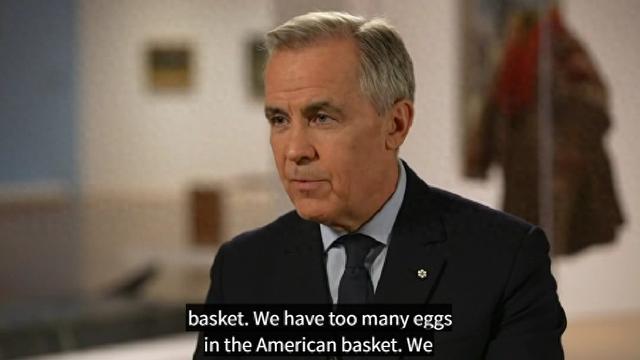
加拿大总理:太多鸡蛋装美国篮子里了,要拓展与中国、印度的关系
Xin Lang Cai Jing· 2025-12-20 14:58
【文/观察者网 阮佳琪】 谈及此处,卡尼强调加拿大应重新审视与美国的关系深度,其核心诉求是扩大贸易伙伴范围,减少对美 国市场的过度依赖。 "我们国家正面临一个战略性问题:鉴于加美两国已深度融合,且双边贸易关系正发生转变,加拿大与 美国在敏感领域的合作,究竟该保持在何种程度?"他说道。 年终专访 加拿大广播公司视频截图 和美国特朗普政府闹掰后,今年以来,3月新上任的加拿大总理卡尼一改前任特鲁多政府的行事风格, 多次公开表态有意推动重启对华关系。近日接受年终专访时,卡尼再次释放寻求加中双边关系新进展的 信号。 根据加拿大广播公司(CBC)20日发布的专访片段,当被问到是否担心与中国深化经济合作存在所 谓"风险"时,卡尼直言,"永远不要把所有鸡蛋放在同一个篮子里。现在我们在美国这个篮子里放了太 多鸡蛋了。我们希望维系好与美国的关系,同时拓展其他双边关系,而且必须是大力拓展。" 对于希望拓展的合作对象名单,卡尼首先点出了中国和印度。加拿大与这两国的关系均在特鲁多执政时 期陷入僵局。 他接着说道,"问题的关键在于,(与这些国家的)关系要发展到何种深度,以及围绕这一关系的'护 栏'措施要划定得多清晰。" 卡尼声称,在人工 ...
欧盟与南美这项重大贸易协定推迟,“冯德莱恩遭遇明显挫折”
第一财经· 2025-12-19 15:43
2025.12. 19 本文字数:2042,阅读时长大约4分钟 作者 | 第一财经 冯迪凡 "我已经明确表示,如果我们现在不最终敲定这项协议,巴西在我任期内就不会再寻求这项贸易协 议。"卢拉17日在巴西利亚举行的一次内阁会议上表示。 卢拉将这项协议视为加强南方共同市场和实现贸易伙伴多元化的核心举措,他对包括意大利总理梅洛 尼和法国总统马克龙在内的欧洲领导人表示失望,尽管他与马克龙一直保持着良好的关系。 欧盟委员会主席冯德莱恩原计划于12月20日前往巴西与南方共同市场(Mercosur)成员国签署这 项自由贸易协议,若正式签署,这将创建一个覆盖约7.7亿人口的全球性自由贸易区,且这有望成为 欧盟有史以来达成的最大贸易协定。 而就在近期,欧盟成员国内部因该协议的签订发生"对峙",然而签署上述协定必须在本周内获得欧 盟成员国的事先批准。 据报道,当地时间18日,欧盟委员会主席冯德莱恩在欧盟峰会上向成员国领导人表示,欧盟与南方 共同市场自由贸易协定将不会按原计划于本周六(20日)签署,而是推迟至明年1月。 据知情人士透露,官员们的目标是将新的签署日期定在1月12日。此次冯德莱恩没能在沟通中消除法 国等国在农业利益等方 ...
