资产证券化

Search documents
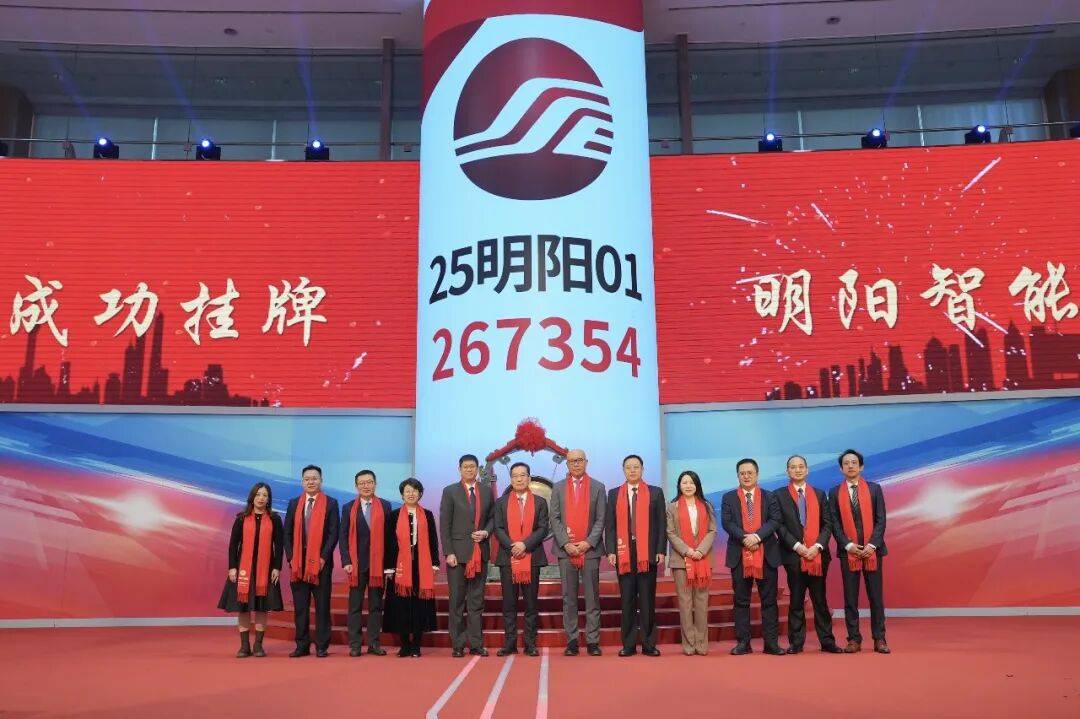
献礼回A上市七周年 明阳智能机构间REIT成功挂牌上市
Sou Hu Cai Jing· 2026-01-23 09:41
Core Viewpoint - The successful listing of "CITIC Construction Investment - Mingyang Smart New Energy Holding Real Estate Asset Support Special Plan" marks a significant milestone for Mingyang Smart, establishing a dual asset revitalization platform through public and inter-institutional REITs, setting a new benchmark for asset securitization in the renewable energy sector [1][3]. Group 1: REITs Issuance Details - The issuance scale of Mingyang Smart's inter-institutional REITs reached 812.67 million yuan, attracting a diverse group of investors including insurance asset management, bank wealth management, and local state-owned capital, achieving a premium issuance at the upper limit of the inquiry range [3]. - The underlying asset of the REIT is a 150MW wind farm located in Yulin City, Shaanxi Province, complemented by the Jishanliang booster station, enhancing the asset's scarcity [3]. - The product employs a "benchmark return + excess return" distribution mechanism, relying solely on the net cash flow generated from wind power operations as the distribution source, reflecting its equity attributes [3]. Group 2: Company Vision and Strategy - Mingyang Smart, as a leading enterprise in the industry with a comprehensive portfolio including "source-network-load," "wind-solar-storage," and "hydrogen-ammonia-alcohol," adheres to its mission of "innovating clean energy for the benefit of humanity" and follows a development path of "high-end manufacturing + independent innovation" [3][5]. - The successful listing of the inter-institutional REITs constructs a capital platform comprising "IPO + public REIT + private REIT," representing a solid action in line with the national multi-level REITs market construction strategy and the "14th Five-Year Plan" [3][5]. - Mingyang Smart aims to enhance the quality of its operations and maintain investor trust, focusing on innovation-driven and green development, while continuously injecting quality assets to build a healthy REITs market ecosystem [5]. Group 3: Industry Impact and Future Outlook - Mingyang Smart, as a global leader in wind turbine manufacturing and clean energy solutions, optimizes its asset structure across various fields including onshore wind, offshore wind, photovoltaics, and energy storage, continuously supplying high-quality assets to the dual REITs platform [7]. - The dual REITs platform creates a capital closed loop for the wind power industry, effectively addressing the challenges of high funding demand and long investment cycles [7]. - The company plans to deepen the synergy between production and finance through the dual platform, continuously releasing the value of clean energy assets, contributing to the transformation of China's energy structure and the innovation of green finance [7].


风电龙头明阳智能成功发行机构间REIT 开辟绿色融资新路径
Jing Ji Wang· 2026-01-23 09:25
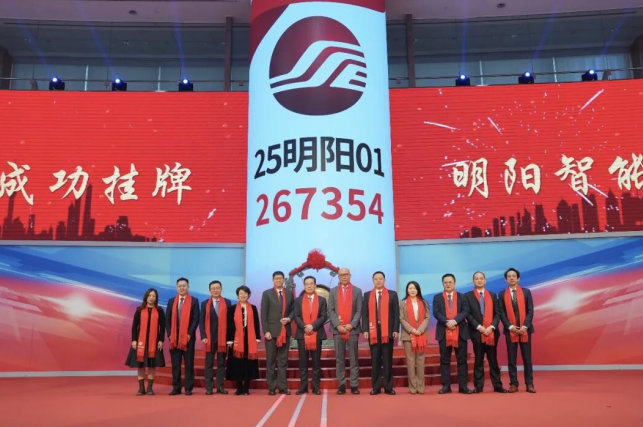
Core Viewpoint - The successful listing of "CITIC Construction Investment - Mingyang Smart Energy Institutional REIT" on the Shanghai Stock Exchange marks a significant milestone for Mingyang Smart Energy, establishing a dual asset activation platform of "public REITs + institutional REITs" and setting a new benchmark for asset securitization in the renewable energy sector [1][3]. Group 1: REITs Issuance and Market Response - The issuance scale of Mingyang Smart Energy's institutional REIT reached 812.67 million yuan, attracting a diverse group of investors including insurance asset management, bank wealth management, and local state-owned capital, achieving a premium issuance at the upper limit of the inquiry range, reflecting strong market recognition [3]. - The underlying asset of the institutional REIT is a 150MW wind farm located in Yulin City, Shaanxi Province, complemented by the Jishanliang booster station, enhancing the asset's scarcity [3]. Group 2: Company Strategy and Vision - Mingyang Smart Energy, as a leading enterprise in the industry with a comprehensive portfolio including "source-network-load," "wind-solar-storage," and "hydrogen-ammonia," adheres to its mission of "innovating clean energy for the benefit of humanity" and follows a development path of "high-end manufacturing + independent innovation" [3][5]. - The successful listing of the institutional REIT is a significant step in implementing the national multi-level REITs market construction strategy and advancing the "14th Five-Year Plan," while also marking an important milestone in the company's transition towards high-end manufacturing and light asset transformation [3][5]. Group 3: Future Outlook and Industry Impact - Mingyang Smart Energy aims to leverage its dual REITs platform to deepen the synergy between production and finance, continuously releasing the value of clean energy assets, and setting an industry example for energy structure transformation and green financial innovation [7]. - The dual REITs platform creates a capital closed loop for the wind power industry, effectively addressing the challenges of high funding demand and long investment cycles [7].
汽车租赁ABN市场观察
Hui Yu Bo Hua· 2026-01-23 08:56
Investment Rating - The report does not explicitly state an investment rating for the automotive leasing ABN market Core Insights - The automotive leasing ABN market in China began in 2017 and is expected to see a significant rebound in issuance scale by 2025, with characteristics such as a recovery in public trading proportion, continuous growth in green transactions, and substantial changes in the composition of initiating institutions [1][3] - The issuance rate of automotive leasing ABNs has shown a downward trend, with significant differences in the security stratification between manufacturer-related and non-manufacturer-related transactions [1][10] - The asset performance of manufacturer-related public automotive leasing ABNs has seen a dynamic overdue rate and cumulative default rate significantly higher than the car loan ABS market since 2023, primarily due to specific samples and a reduction in ongoing transactions [1][34] Summary by Sections Issuance Overview - The automotive leasing ABN market saw a significant rebound in 2025, with a total issuance of 23 transactions amounting to 45.64 billion, doubling from the previous year, although it remains the smallest among the three automotive ABS sub-markets [3][4] - The issuance scale of automotive leasing ABS also turned positive in 2025, while the car loan ABS market continued to decline, indicating a higher level of market vitality in automotive financing leasing compared to car loans [3][4] Market Characteristics - Public trading proportion has rebounded, with public transactions providing more comprehensive information disclosure, which is crucial for market research [5] - The issuance of asset-backed commercial paper (ABCP) has declined, with only 2 transactions in 2025 [5] - Green transactions have seen continuous growth, with 54.3% of automotive leasing ABN issuance in 2025 being green, significantly outpacing the automotive leasing ABS and car loan ABS markets [6] Initiating Institutions - The composition of initiating institutions has changed significantly, with a majority of non-manufacturer-related transactions being initiated by internet-backed financing leasing companies [8] - In 2025, manufacturer-related transactions accounted for 75.9% of the issuance scale, remaining stable compared to the previous year [8] Security Characteristics - The issuance rates of automotive leasing ABNs have generally followed market trends, with a notable increase in 2022, but have since shown a downward trend [10] - The average issuance rate for non-manufacturer-related transactions was 2.33%, while for manufacturer-related transactions it was 1.94% in 2025 [10] - The proportion of priority securities in manufacturer-related transactions has been significantly higher than in non-manufacturer-related transactions [12] Asset Characteristics - The average asset pool size for manufacturer-related public automotive leasing ABNs is approximately 2.83 billion, significantly smaller than that of car loan ABS [19] - The average initial loan-to-value (LTV) ratio for manufacturer-related public automotive leasing ABNs is 70.3%, which is 6.5 percentage points higher than that of car loan ABS [23] - The asset pools predominantly consist of new car leasing payments, with minimal inclusion of used car assets [25] Asset Performance - The dynamic overdue rates for manufacturer-related public automotive leasing ABNs have been significantly higher than those of car loan ABS since 2023, influenced by specific high-LTV transactions [34] - The cumulative default rates for automotive leasing ABNs have shown an upward trend, particularly for transactions issued in 2023 and 2024, largely due to a few high-risk samples [39] - The early repayment rates for automotive leasing ABNs have shown seasonal fluctuations, generally remaining higher than those of car loan ABS [42]
酒店没钱没客怎么办?发行2万份RWA权益,轻松回笼4000万资金
Sou Hu Cai Jing· 2026-01-23 08:12
一、模式的应用场景: 本方案聚焦酒店、民宿等重资产住宿领域,利用区块链技术将客房、物业等实体资产转化为链上数字通证。该模式打通了消费者、投资者与运营方之间的壁 垒,构建"资产即权益、消费即投资"的全新商业闭环。 分润与增值机制 权益流通机制 NFG支持转赠、拆分及二级市场交易,用户可将闲置住宿权益转为投资标的,实现"消费即投资"的灵活转换。 使用分润:用户持NFG入住时,酒店按房费10%收取服务费; 收益分润:NFG持有者共享酒店整体经营分红,权益价值随营收增长同步提升; 增值逻辑:单份NFG最终价值=酒店5年总营收÷发行总量;年化增值率=(最终价值-发行价)÷发行价÷5年。 针对传统酒店重资产、回本慢、流动性差等难题,RWA方案通过以下方式破局: 三、解决的核心痛点 资金压力:提前回笼资金,实现"发行即变现"; 资产僵化:权益可流通、可交易,激活资产流动性; 投资门槛:支持碎片化认购,降低参与成本; 用户留存:消费即投资,用户共享经营红利,增强粘性; 会员体系:权益可转赠、可增值,提供灵活退出路径。 二、核心算法和机制 资产数字化与权益发行 将酒店未来5年运营收益权拆解为标准化、可交易的数字权益凭证(NFG ...

政策与市场双轮驱动 REITs扩容激活商业地产新周期
Zhong Guo Jing Ying Bao· 2026-01-23 04:53
Core Insights - The Chinese real estate investment trust (REITs) market, particularly in commercial real estate, is poised for significant expansion by the end of 2025, marking a pivotal shift in real estate financial policy and indicating a transition from "development and sales" to "operation and management" [1] Market Overview - The Chinese real estate market is currently in a phase of "stabilization," undergoing profound structural changes amid ongoing policy support and market adjustments [2] - The primary market for new homes shows signs of bottoming out due to policy incentives, while inventory pressure remains across various cities [2] - The secondary housing and office markets are characterized by a "price for volume" strategy to stimulate transaction activity [2] - The commercial retail market demonstrates resilience through consumption upgrades and inventory transformations, while the bulk investment market has cooled significantly, with institutional investors adopting a cautious stance [2] - In Beijing, the total transaction volume for bulk property investments in 2025 was approximately 23.88 billion yuan, a decline of over 30% year-on-year, reaching a low not seen in over a decade [2] Policy Changes and Institutional Reform - Recent years have seen a concentration of policy benefits in the residential sector, with insufficient attention to commercial real estate assets [3] - A series of high-profile policies aimed at addressing liquidity issues in commercial real estate were introduced at the end of 2025, including the release of the "63rd Document" and the "21st Announcement" by the China Securities Regulatory Commission [3] - The "63rd Document" outlines a systematic framework for the high-quality development of the REITs market, while the "21st Announcement" initiates pilot programs for commercial real estate REITs, significantly broadening the scope of underlying assets [3] Commercial Real Estate and REITs - The inclusion of commercial real estate in the REITs framework is seen as a critical step in revitalizing the real estate sector, addressing the challenges of asset liquidity and promoting effective capital circulation [5] - The pilot policies set high-quality standards for underlying assets, compelling owners to enhance operational management to generate stable cash flows, thus creating a virtuous cycle of asset upgrading and capital recovery [6] - The move towards transparency and efficiency in the valuation of commercial real estate is expected to facilitate better asset pricing and liquidity premiums for quality projects [6] International Comparisons - The U.S. and Japan serve as benchmarks for successful REIT markets, where commercial real estate constitutes a significant portion of REIT market capitalization, underscoring its importance for long-term market health [7] - The expansion of China's REITs to include commercial real estate aligns with international best practices and signals a fundamental shift in the operational focus of real estate companies from high turnover development to sustainable cash flow management [7]
十五五期间,中国银行业如何处置房地产不良资产
Sou Hu Cai Jing· 2026-01-22 08:20
Core Viewpoint - The article emphasizes the need for a comprehensive system to address non-performing real estate assets in China's banking sector during the 14th Five-Year Plan period (2026-2030), focusing on market-oriented, professional, legal, and social approaches, while drawing lessons from successful experiences in the US, Japan, South Korea, and Ireland [1]. Group 1: Policy Recommendations for Asset Disposal - Establish a national joint conference for the disposal of real estate non-performing assets, led by the Ministry of Finance, involving key financial and regulatory bodies, with a mandate for the four major Asset Management Companies (AMCs) to acquire and manage these assets [1]. - The Ministry of Finance will inject 500 billion yuan into each of the four major AMCs to facilitate the acquisition of non-performing real estate assets, with a target of acquiring at least 3 million units within three years [1]. - Create a cooperative mechanism between AMCs and local governments, establishing a special fund of approximately 2 trillion yuan to support the "guarantee delivery" of housing projects and the revitalization of quality assets [1]. Group 2: Legal and Policy Framework - Introduce a specific legislative framework for the disposal of non-performing real estate assets, including clear pricing rules and streamlined judicial processes to reduce disposal time from 18-24 months to 6-8 months [3]. - Implement differentiated tax incentives, including a 50%-100% reduction in taxes related to the disposal of non-performing assets, to lower costs and attract market participation [3]. - Establish a unified national real estate mortgage registration platform to enhance transparency and simplify property transfer processes [3]. Group 3: Market-Oriented Disposal Tools - Promote bulk transfers and asset securitization, expanding the scale of real estate asset securitization to attract long-term capital from insurance and pension funds [4]. - Develop a combination model of "debt restructuring + asset development" to support quality developers and revive stalled projects [4]. - Introduce international advanced disposal tools and experiences, including a fixed price plus performance sharing model to incentivize asset value enhancement [4]. Group 4: Targeted Risk Mitigation Strategies - Differentiate disposal strategies for developers based on risk levels, employing rapid recovery methods for high-risk assets and supportive measures for medium-risk assets [5]. - Implement humane solutions for individual housing loan defaults, prioritizing non-judicial methods and providing debt relief options for families in distress [5]. - Enhance the value of commercial real estate through transformation and professional management, utilizing asset securitization for efficient exits [5]. Group 5: Risk Prevention and Long-term Mechanisms - Establish a comprehensive risk management system for real estate loans, limiting concentration ratios for banks to prevent excessive risk accumulation [6]. - Encourage financial innovation in real estate, such as developing Real Estate Investment Trusts (REITs) to reduce reliance on bank credit [6]. - Create a monitoring and early warning mechanism for real estate market risks, including a risk indicator system to prevent risk accumulation [6]. Group 6: Balancing Financial Stability and Social Welfare - Prioritize the "guarantee delivery" of housing projects, establishing a collaborative mechanism among government, banks, developers, and contractors to protect buyers' rights [7]. - Guide the banking sector towards supporting affordable housing and new real estate development models, reducing reliance on traditional development loans [7]. - Allocate 30% of net proceeds from the disposal of non-performing assets to a housing security fund to support affordable rental housing and subsidies for struggling families [7].

从“规模扩张”到“质量跃升”:西安开启城市运营新篇章
Zhong Guo Jing Ying Bao· 2026-01-22 06:48
从依赖土地增量扩张转向追求空间质量与运营效率的提升。房地产行业随之从纯粹的开发销售,进入存 量盘活、城市更新与精细化运营并重的深水区。 这种转变背后,是国家战略的强力叠加与本土产业实力的厚积薄发。近年来,西安凭借雄厚的科教人才 基础,通过链式招商带动总部经济与产业集群加速形成。 王蒙豪指出,城市正从"产业高地"向"创新策源地"迈进,这一趋势成为戴德梁行持续加码西安市场的核 心逻辑。 西安的发展故事,是解读中国内陆核心城市转型升级的一个典型样本。近日,戴德梁行西安公司总经理 王蒙豪在接受《中国经营报》记者专访时表示,二十年来西安经历了从"规模扩张"到"质量跃升"的深刻 转变。 "二十年前,这里还是以传统制造与商贸服务为主的城市骨架,如今已成为'硬科技+先进制造+现代服 务'并进的产业高地。" 王蒙豪透露一个关键观察:房地产行业正从增量开发主导,进入存量提质、城市更新与资产运营并重的 全新阶段。 这种城市发展逻辑的变迁,催生了专业服务市场的结构性机会,也见证了像戴德梁行这样的国际顾问机 构如何从跨国企业选址的"单点服务",演变为深度参与城市"策略—空间—资本—运营"全周期发展 的"落地合伙人"。 城市进入"运营时 ...
2025年融资租赁ABS市场分析:市场稳健主体扩容,政策赋能结构优化
Lian He Zi Xin· 2026-01-21 12:41
1. Report Investment Rating for the Industry No information regarding the industry investment rating is provided in the report. 2. Core Viewpoints of the Report - In 2025, with the dual - wheel drive of policy guidance and market demand, the financial leasing ABS market developed steadily, with an increase in the proportion of micro - leasing ABS, an expansion of specific - label products, and obvious leading effects among issuers. The market is expected to see continuous optimization of business structures, an increase in the diversity of issuers, and a growth in the market's recognition and activity [8][39]. - The policy environment in 2025 was favorable, with multiple departments introducing policies to support the financial leasing industry, promoting its return to the origin of "financing + leasing of physical assets" and strengthening support for key areas of the real economy [4]. 3. Summary by Relevant Catalogs 3.1 Financial Leasing ABS - Related Policy Summaries - **Asset Securitization - Related Policies**: In March 2025, the Asset Management Association of China issued the "Detailed Rules for Due Diligence in the Securitization Business of Debt - Type Assets". In May 2025, the Shanghai Stock Exchange revised relevant guidelines and issued a notice on pilot projects for bond re - issuance and asset - backed securities expansion [5]. - **Support for Key Areas**: Throughout 2025, relevant departments issued policies to support new industrialization, small and micro - enterprise financing, and green and low - carbon development, guiding the industry to return to its origin and strengthen support for key areas and weak links of the real economy [6]. 3.2 Market Operation of Financial Leasing ABS - **Market Issuance**: In 2025, 251 financial leasing ABS were issued, with a total issuance scale of 225.72 billion yuan, representing year - on - year increases of 11.06% and 6.93% respectively. The exchange market was the main issuance venue, and the proportion of micro - leasing ABS increased [9][11][13]. - **Issuing Entities**: In 2025, there were 118 issuing entities in the financial leasing ABS market, with 37 new ones compared to 2024. The top ten issuing entities accounted for 40.67% of the total issuance scale, with a slight decrease of 4.53 percentage points [19]. - **Leased Assets**: In 2025, the leased assets in financial leasing ABS were mainly mechanical equipment. The proportion of public - service - related leased assets decreased, while that of mechanical equipment increased. Green and intelligent leased assets and emerging industrial leased assets showed growth [23]. - **Credit Enhancement Methods**: In 2025, 94.75% of financial leasing ABS introduced external credit enhancement methods. Parent companies/shareholders, original equity holders, and third - party professional institutions provided credit enhancements, with high - credit - grade entities as the main credit enhancers [26]. - **Issuance Interest Rates**: In 2025, the average issuance interest rates of AAAsf and AA + sf priority securities of financial leasing ABS decreased by 40bps and 20bps respectively compared to the previous year [29]. - **Initial Ratings**: In 2025, AAAsf and AA + sf priority securities accounted for 90.02% and 2.88% of the total scale respectively, with the proportion of AAAsf remaining stable [32]. - **Rating Adjustments**: By the end of 2025, among the 866 outstanding priority securities of financial leasing ABS, 14 had their ratings upgraded, with no downgrades [35]. - **Secondary - Market Transactions**: In 2025, the total trading volume of financial leasing ABS in the whole market was 150.005 billion yuan, a year - on - year increase of 12.51%. It accounted for 8.50% of the total trading volume of asset - backed securities, ranking fifth in the market [38]. 3.3 Future Outlook for Financial Leasing ABS - **Business Structure Optimization**: Financial leasing companies will continue to optimize their business structures to better serve the real economy. - **Diversification of Issuing Entities**: Local state - owned financial leasing companies will gradually participate in the issuance of financial leasing ABS, while leading comprehensive leasing companies will maintain their leading positions. - **Asset Type and Label Changes**: In the short term, the proportion of micro - leasing ABS may continue to increase. In the long term, mechanical equipment - type leased assets will grow steadily, and specific - label products will continue to expand. - **Market Recognition and Activity**: The quality of underlying assets in financial leasing ABS is expected to improve, and the market's recognition and activity are likely to increase [39][41].
银行间资产证券化市场2025年报:规模增长近八成 精准灌溉实体经济关键领域
Xin Hua Cai Jing· 2026-01-21 03:31
Core Insights - The interbank asset securitization market in China is experiencing robust growth in 2025, significantly contributing to national strategies and optimizing financing structures [1][2] Group 1: Market Growth and Performance - In 2025, the issuance scale of Asset-Backed Notes (ABN) in the interbank market reached 571.825 billion yuan, showing substantial growth compared to the previous year [1] - The market has seen a continuous increase in issuance scale, number of issuances, and the number of enterprises served over the past three years, establishing itself as a vital financial tool for asset optimization and financing [1] Group 2: Targeted Financing and Sector Support - Funds are strategically directed towards key areas of national development, with over 22 billion yuan provided for financing technology enterprises in sectors like new materials and the Internet of Things [1] - The green finance channel has become more accessible, with over 70 billion yuan raised for green projects and assets, reflecting strong market response [1] - Continuous capital inflow into rural revitalization has effectively supported agricultural enterprises and projects [1] Group 3: Inclusive Finance and Economic Support - In 2025, the interbank market supported the issuance of securitized products exceeding 35 billion yuan for internet platforms and car rental institutions, benefiting numerous small and micro enterprises and individual consumers [2] - Successful pilot programs for supply chain bill securitization and the expansion of collateral asset ranges for private enterprise asset-backed bonds have provided more flexible financing solutions for small and medium-sized enterprises [2] Group 4: Infrastructure and Service Enhancements - The launch of the ABN underlying asset information disclosure system in 2025 aims to enhance market transparency and risk identification capabilities [2] - The association has improved services for issuers and investors through specialized services, research, and ongoing training [2]
筑牢国资安全线,保障商户稳经营,优化招商提质效
Xin Lang Cai Jing· 2026-01-20 16:47
Core Insights - The completion of property certificate processing for the shops in Guandu Ancient Town, which has been established for 17 years, marks a significant milestone supported by the district committee and government [2] Group 1: Property Rights and Asset Management - The issuance of property certificates strengthens the foundation for the preservation and appreciation of state-owned assets, addressing historical ownership issues [2] - This development effectively alleviates operational concerns for merchants, thereby enhancing their investment confidence [2] Group 2: Investment and Commercial Attraction - The completion of the property certificate process significantly boosts the attractiveness of the scenic area for investment, creating favorable conditions for the introduction of high-quality commercial resources [2] - It lays the groundwork for future asset securitization efforts [2]