
全球化

Search documents
三一重工港股上市董事长向文波:将持续推进全球化、数智化、低碳化战略
Xin Lang Cai Jing· 2025-10-28 11:32
Core Viewpoint - Sany Heavy Industry officially listed on the Hong Kong Stock Exchange on October 28, 2023, marking a significant step in its capital layout and globalization strategy after over 20 years since its initial listing in Shanghai [1][3]. Group 1: Listing Details - Sany Heavy Industry's stock code on the Hong Kong Stock Exchange is "06031.HK," with an initial share price of HKD 21.30 per share [1][3]. - The company issued approximately 632 million H-shares globally, with an additional 15% over-allotment option, raising a total of USD 759 million from 21 cornerstone investors [3]. Group 2: Strategic Goals - The company aims to leverage Hong Kong as a "super hub" for cross-border capital flow to advance its "globalization, digitalization, and low-carbon" strategy [3]. - Sany Heavy Industry's low-carbon strategy includes product electrification and reducing carbon footprints in factories and suppliers, with over 40 new energy products planned for 2024 [3][4]. Group 3: Performance Metrics - In the first half of 2023, Sany Heavy Industry reported revenue of CNY 44.534 billion and a net profit attributable to shareholders of CNY 5.216 billion, reflecting year-on-year growth of 14.96% and 46.00%, respectively [4]. - According to a report by Frost & Sullivan, Sany Heavy Industry ranked first globally in excavator sales and concrete machinery revenue from 2020 to 2024 [4].


德尔玛(301332) - 301332德尔玛投资者关系管理信息20251028
2025-10-28 11:30
Group 1: Financial Performance - In the first three quarters of 2025, the company achieved a revenue of 23.84 million yuan and a net profit attributable to shareholders of 8,872.47 million yuan, with the third quarter alone contributing 6.99 million yuan to the net profit [2][3] - The water health business experienced double-digit growth, driven by strong performance in countertop water purifiers and filter products [4][5] Group 2: Strategic Development - The company adheres to a "multi-brand, multi-category, globalization" core strategy, focusing on the "Delmar" and "Philips" dual-brand approach to expand in home environment, water health, and personal health categories [3] - Future goals include enhancing product innovation, supply chain efficiency, and global channel layout, with an emphasis on green, energy-saving, and intelligent high-quality development [3] Group 3: Market and Operational Insights - The company is actively participating in e-commerce events like "Double Eleven," but the overall market environment is experiencing structural changes, leading to cautious consumer sentiment [3] - The new factory is expected to increase the proportion of self-produced products, positively impacting overall gross margin [5] Group 4: Future Plans and Acquisitions - The company is considering strategic acquisitions focused on emerging technologies and high-quality overseas brands and channels [5]
三一重工港股上市,A+H双平台锚定全球化战略
Zhong Guo Jin Rong Xin Xi Wang· 2025-10-28 11:08
Core Viewpoint - Sany Heavy Industry Co., Ltd. officially listed on the Hong Kong Stock Exchange on October 28, marking a significant step in its capital layout and globalization strategy, establishing an A+H dual-platform listing structure [1][3] Group 1: Listing Details - The company issued approximately 632 million H-shares at an offering price of HKD 21.30 per share, with a 15% over-allotment option [3] - The IPO attracted 21 cornerstone investors who collectively subscribed to USD 759 million of the offering, indicating strong confidence from international capital markets [3] Group 2: Strategic Focus - Sany Heavy Industry is advancing three core strategies: globalization, digitalization, and low-carbonization [5][6] - The company is recognized as the third largest globally and the largest in China in the construction machinery sector, with products sold in over 150 countries [5] - Sany's overseas revenue is projected to grow at a compound annual growth rate of 15.2% from 2022 to 2024, showcasing its leading global operational capabilities [5] Group 3: Digitalization and Manufacturing - The company is enhancing its manufacturing, operations, and service processes through digitalization, aiming for quality improvement and efficiency breakthroughs [5] - Sany Heavy Industry is the only company in the global construction machinery sector with two World Economic Forum-certified lighthouse factories, demonstrating its advanced manufacturing competitiveness [5] Group 4: Low-Carbon Initiatives - Sany Heavy Industry is among the leading companies in the global low-carbon construction machinery sector, with over 40 new energy products launched in 2024 [6] - Revenue from new energy machinery products reached approximately RMB 4.025 billion, significantly exceeding the global industry average [6] - The company leads in sales of electric excavators, electric mixers, and electric dump trucks in China [6]

“技术创新+全球化”双轮驱动 上能电气前三季度营收增长16.15%
Zheng Quan Shi Bao Wang· 2025-10-28 10:55
Core Viewpoint - The company, Sungrow Power Supply Co., Ltd., reported a revenue of 3.565 billion yuan for the first three quarters of 2025, marking a year-on-year increase of 16.15%, and a net profit of 311 million yuan, up 2.99% year-on-year, reflecting strong market demand in the low-carbon transition and energy structure adjustment [1][2] Group 1: Company Performance - For the first three quarters of 2025, the company achieved a revenue of 35.65 billion yuan, representing a 16.15% increase year-on-year [1] - The net profit attributable to shareholders was 3.11 billion yuan, showing a year-on-year growth of 2.99% [1] - The company has established a strong presence in overseas markets, signing significant supply agreements, including a 500MW storage product framework supply agreement in Turkey and a 150MW/300MWh storage project in Egypt [1][2] Group 2: Industry Trends - The global energy storage and photovoltaic industry is experiencing high demand, with inverter exports from China reaching 48.5 billion yuan in the first three quarters of 2025, an increase of 8% year-on-year [1] - The global energy storage market is expected to grow significantly, driven by supportive policies and increasing renewable energy installations, particularly in Europe and emerging markets in Asia, Africa, and Latin America [2] - The company is positioned to benefit from the dual strategy of "technological innovation + globalization," aiming to create long-term stable value for investors through the execution of benchmark projects [2]
三一重工港股上市 “A+H”双平台锚定全球化新征程
Sou Hu Cai Jing· 2025-10-28 10:39
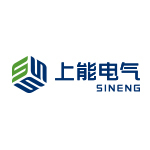
Core Viewpoint - Sany Heavy Industry Co., Ltd. officially listed on the Hong Kong Stock Exchange on October 28, marking a significant step in its capital layout and globalization strategy, establishing an A+H dual-platform listing structure [1][3] Group 1: Listing Details - The company issued approximately 632 million H-shares at an offering price of HKD 21.30 per share, with an additional 15% over-allotment option [5] - The IPO attracted 21 cornerstone investors who collectively subscribed for USD 759 million of the offered shares, indicating strong confidence from the international capital market [5] Group 2: Globalization Strategy - Sany Heavy Industry is recognized as the third largest globally and the largest in China in the engineering machinery sector, with products sold in over 150 countries and regions [5] - The company is projected to have the highest cumulative sales of excavators and revenue from concrete machinery globally from 2020 to 2024, with a compound annual growth rate of 15.2% in overseas revenue from 2022 to 2024 [5] Group 3: Digitalization Strategy - The company is enhancing its manufacturing, operations, and service processes through digitalization, focusing on advanced manufacturing technologies [6] - Sany Heavy Industry is the only company in the global engineering machinery sector with two World Economic Forum-certified lighthouse factories, showcasing its leading manufacturing competitiveness [6] Group 4: Low-Carbon Strategy - The company is among the leaders in low-carbon engineering machinery, with over 40 new energy products launched by 2024, contributing approximately RMB 4.025 billion in revenue [6] - Sany's sales of electric excavators, electric mixers, and electric dump trucks rank first in China, significantly exceeding the global industry average in revenue contribution from new energy products [6]

三一重工港股上市 双平台锚定全球化新征程
Zheng Quan Ri Bao Wang· 2025-10-28 09:22
Core Insights - Sany Heavy Industry officially listed on the Hong Kong Stock Exchange on October 28, marking a significant step in its capital layout and globalization strategy, establishing an "A+H" dual-platform listing structure [1][2] - The company aims to leverage Hong Kong as a global capital flow hub to enhance its international financing channels and market presence, focusing on globalization, digitalization, and low-carbon strategies [2][3] Company Overview - Sany Heavy Industry's IPO involved a global offering of approximately 632 million H-shares at an issue price of HKD 21.30 per share, with a 15% over-allotment option [2] - The IPO attracted 21 cornerstone investors who collectively subscribed to USD 759 million of the offering, indicating strong recognition from international capital markets [2] Strategic Focus - The company has transformed from a single product and country operation to a diversified, globally operating leader in the engineering machinery industry, with a compound annual growth rate (CAGR) of 15.2% in overseas revenue from 2022 to 2024 [3] - Sany Heavy Industry is advancing its digital transformation by upgrading manufacturing processes and enhancing operational efficiency, aiming to establish a leading global manufacturing competitiveness [3] - The company is recognized as one of the leading firms in low-carbon engineering machinery, with over 40 new energy products expected to generate approximately RMB 4.025 billion in revenue in 2024 [3] Market Recognition - The successful issuance of H-shares is seen as a major breakthrough in Sany Heavy Industry's global capital strategy and reflects deep recognition from international capital markets for China's high-end manufacturing leaders [3] - The involvement of top international institutions as cornerstone investors validates market expectations for the recovery of the engineering machinery industry and highlights Sany's competitive advantages in technology, globalization, and ESG practices [3]
三一重工港股今日上市 构建“A+H”双平台加速全球化运营
Sou Hu Cai Jing· 2025-10-28 07:13
Core Viewpoint - Sany Heavy Industry officially listed on the Hong Kong Stock Exchange on October 28, marking a significant step in its capital layout and globalization strategy, successfully establishing an "A+H" dual-platform listing structure [1][4]. Group 1: Listing Details - The company issued approximately 632 million H-shares at an offering price of HKD 21.30 per share, with a 15% over-allotment option [5]. - A total of 21 cornerstone investors participated in the IPO, collectively subscribing to USD 759 million worth of shares [5]. Group 2: Strategic Initiatives - Sany Heavy Industry is advancing its three core strategies: globalization, digitalization, and low-carbon initiatives [7][8]. - The company is recognized as the largest engineering machinery enterprise in China and the third largest globally, with products sold in over 150 countries and regions [7]. - From 2022 to 2024, the company's overseas revenue is expected to grow at a compound annual growth rate of 15.2% [7]. Group 3: Product and Market Performance - Sany Heavy Industry has achieved the highest cumulative sales of excavators and the highest cumulative revenue from concrete machinery globally from 2020 to 2024 [7]. - The company plans to launch over 40 new energy products in 2024, with revenue from these products projected to be approximately CNY 4.025 billion, significantly exceeding the global industry average [8]. - Sany's electric excavators, electric concrete mixers, and electric dump trucks rank first in sales in China [8].

三一重工港股上市,“A+H”双平台锚定全球化新征程
Zheng Quan Shi Bao Wang· 2025-10-28 04:34
Core Viewpoint - Sany Heavy Industry Co., Ltd. officially listed on the Hong Kong Stock Exchange on October 28, marking a significant step in its capital layout and globalization strategy, establishing an A+H dual-platform listing structure [1][3] Group 1: Listing Details - The company issued approximately 632 million H-shares at an offering price of HKD 21.30 per share, with a 15% over-allotment option [3] - The IPO attracted 21 cornerstone investors who collectively subscribed to USD 759 million of the offering, indicating strong confidence from the international capital market [3] Group 2: Strategic Focus - Sany Heavy Industry is advancing its three core strategies: globalization, digitalization, and low-carbon development [4][6] - The company is recognized as the third largest globally and the largest in China in the construction machinery sector, with products sold in over 150 countries [4] - Sany Heavy Industry achieved the highest cumulative sales of excavators and revenue from concrete machinery globally from 2020 to 2024, with a projected overseas revenue compound annual growth rate of 15.2% [5] Group 3: Digitalization and Low-Carbon Initiatives - The company is enhancing its manufacturing, operations, and services through digitalization, aiming for quality improvement and efficiency breakthroughs [5] - Sany Heavy Industry is the only company in the global construction machinery sector with two World Economic Forum-certified lighthouse factories, showcasing its advanced manufacturing capabilities [5] - The company has launched over 40 new energy products, contributing approximately RMB 4.025 billion in revenue, significantly exceeding the global industry average [5]
余永定:全球化关键是如何实现更公平的收益分配
Di Yi Cai Jing· 2025-10-28 04:16
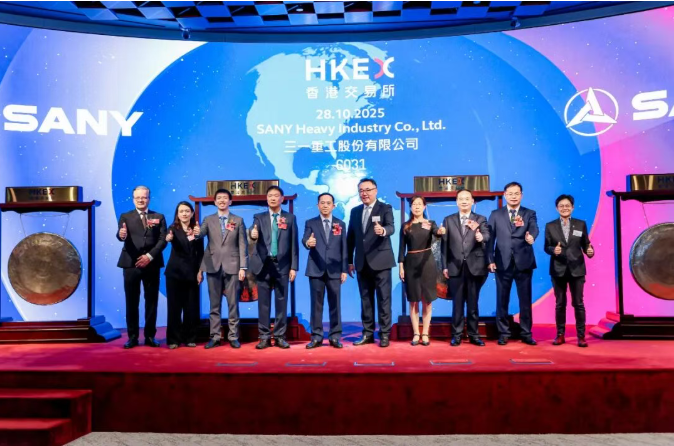
Group 1 - The core principle of international division of labor benefits all countries, enhancing productivity through global supply chains [1] - The main issue lies in the equitable distribution of the benefits brought by globalization, both between countries and within domestic groups [3] - The U.S. should focus on upgrading infrastructure and improving benefit distribution to ensure that ordinary workers and blue-collar groups gain more from global supply chains [3] Group 2 - China has maintained a long-term surplus in its current and trade accounts, which was necessary in the past for foreign exchange reserves, but should now aim for balance by relying more on domestic demand [3] - The trade surplus as a percentage of China's GDP has decreased from over 10%-11% in 2006-2007 to around 2%-3% currently, indicating significant progress [3] - Progress has been made in promoting the use of the renminbi for cross-border settlements, but achieving its status as an international reserve currency remains a long-term goal with limited advancements [4]
英伟达不甘心,阿斯麦不安心 安世中国不屈服
Mei Ri Jing Ji Xin Wen· 2025-10-28 02:12
Group 1: Nvidia's Challenges - Nvidia's CEO expressed deep regret over the company's forced exit from the Chinese market, noting a drop in market share from 95% to 0% in AI chips [3][4] - The revenue from Nvidia's Chinese market for Q2 2026 was $2.769 billion, a decrease of nearly $900 million compared to the same period in 2025 [4] - The company faces increasing competition from domestic Chinese firms, particularly from Cambrian, which reported a 1332.52% year-on-year revenue increase in Q3 2025 [4][6] Group 2: ASML's Market Position - ASML reported that its sales in the Chinese market accounted for 42% of total sales, a record high, but the CEO anticipates a significant decline in 2026 [5][6] - ASML's reliance on DUV lithography machines, which contribute 70% of its revenue in China, poses a risk due to U.S. export restrictions [6][7] - The company's market share for DUV machines in China has decreased from 85% in 2022 to 52% in 2025, indicating a shift in the competitive landscape [7] Group 3: Ansys China's Resistance - Ansys Semiconductor, a subsidiary of Wintech Technology, is facing severe repercussions from U.S. export controls, with the Dutch government freezing its assets and operations [8][9] - Wintech Technology has publicly condemned the Dutch government's actions and is pursuing legal recourse, emphasizing its commitment to operate within Chinese laws [9][10] - Ansys China's production capacity accounts for 70% of the entire group's output, showcasing its strong localization capabilities [10]


