
太空算力

Search documents
突然,直线涨停!三大利好,重磅驱动!
券商中国· 2025-11-07 04:36
Core Viewpoint - The commercial aerospace sector in China is experiencing a significant surge, driven by recent developments in reusable rocket technology, supportive government policies, and competitive dynamics in the global market [1][2][4]. Group 1: Recent Developments - Beijing's Xinghe Power Aerospace successfully completed the ground testing of the first stage power system for the reusable liquid rocket, Zhishen-1, marking the completion of all major ground tests and preparing for its maiden flight [2][5]. - The successful static ignition test of the reusable rocket Zhuque-3 has also been completed, indicating readiness for its first launch [5]. - The commercial aerospace concept has gained momentum, with several companies like Shanghai Huguang and others experiencing significant stock price increases [1][4]. Group 2: Policy Support - The 14th Five-Year Plan emphasizes the construction of a manufacturing powerhouse, quality powerhouse, aerospace powerhouse, and other strong nations, highlighting the importance of commercial aerospace [2][6]. - The 2024 Government Work Report aims to actively develop commercial aerospace and low-altitude economy as new growth engines, further reinforcing the policy framework for the sector [6]. Group 3: Global Competition - Elon Musk announced plans to expand SpaceX's Starlink V3 satellite scale and establish data centers in space to address the growing demand for computing power in the AI era, indicating a rising interest in space-based computing resources [2][6]. - The U.S. has launched over 10,000 satellites, significantly impacting global communications, and China is expected to accelerate its launch schedule in the coming years [4][9]. Group 4: Market Potential - The global commercial aerospace market is projected to reach $480.3 billion by 2024, accounting for 78% of the global aerospace economy [9]. - China's commercial aerospace market is expected to grow from 324.44 billion yuan in 2017 to 713.32 billion yuan by 2024, with a compound annual growth rate of 11.9% [9]. - The competition for satellite orbits and frequency resources is intensifying, with countries recognizing the strategic value of low Earth orbit and frequency resources [9]. Group 5: Future Outlook - By the end of 2025, China is anticipated to witness a series of maiden flights for various reusable rockets, including those from China Aerospace Science and Technology Corporation and other private companies [10].



太空算力竞赛中国率先组网 国星宇航“零碳太空计算中心”领跑
Zheng Quan Ri Bao Wang· 2025-11-06 08:17
Core Insights - China has taken a leading position in the global space computing race by successfully implementing its "Star Computing" plan, which aims to launch 2,800 computing satellites to create a space-based intelligent computing infrastructure [1][2] - The first batch of 12 satellites from the "Star Computing" plan was successfully launched in May 2023, marking the world's first operational space computing satellite constellation [2] - The "Zero Carbon Space Computing Center" has achieved a single satellite computing power of 744 TOPS and a constellation computing capability of 5 POPS, establishing the strongest space computing capability globally [3] Group 1 - The "Star Computing" plan aims to provide AI services to global southern countries and promote the inclusive application of AI [1] - The total computing power of the completed constellation is projected to reach 100,000 P, functioning as a "supercomputer" in space [2] - The "Zero Carbon Space Computing Center" operates entirely on solar power and utilizes the cold environment of space for radiation cooling, achieving zero carbon emissions [2][3] Group 2 - The space computing center has already provided in-orbit computing services to various research institutions, including the Zhijiang Laboratory and the Chinese Academy of Sciences [3] - The project is expected to significantly reduce the cost of building space computing centers compared to traditional ground networks, marking a potential cost breakthrough in space computing [3] - The successful launch and operation of the "Star Computing" plan within a year demonstrate China's rapid advancement in the field of commercial space and AI integration [3]
AI算力竞赛卷上太空!谷歌英伟达竞相押注“太空数据中心”
AI前线· 2025-11-05 05:09
Core Insights - The article discusses the increasing demand for computing power in the AI era, highlighting a "computing power famine" faced by tech giants like Microsoft due to power shortages in data centers [2] - Google has proposed an innovative "AI Computing Moonshot Plan" called "Project Suncatcher," aiming to deploy Tensor Processing Units (TPUs) in space to create a scalable AI computing cluster [2][5] - The initiative is seen as a potential solution to the limitations of terrestrial data centers, which are projected to consume as much electricity as Japan by 2030 [6][11] Group 1 - Google's plan involves launching satellites powered by solar energy to form a computing network in space, which could significantly reduce land and water resource consumption on Earth [5][12] - The expected energy efficiency in space is highlighted, with solar panels potentially capturing eight times more energy than ground-based systems, while also eliminating the need for water cooling [11][12] - The project aims to improve energy utilization by keeping computing in space rather than transmitting energy back to Earth, thus enhancing overall efficiency [13] Group 2 - Google plans to launch the first two satellites of the project by 2027, with a focus on controlling launch costs to ensure commercial viability [15][16] - The anticipated reduction in launch costs to below $200 per kilogram by the mid-2030s is crucial for the project's success [16] - The article also mentions NVIDIA's recent launch of its H100 GPU into space, marking a significant step in the development of "space computing" [19][20] Group 3 - The H100 GPU is expected to perform various tasks in space, including real-time analysis of Earth observation data, showcasing the potential for on-orbit computing [23][26] - The initiative could lead to a tenfold reduction in carbon emissions compared to terrestrial data centers, while also enabling efficient real-time monitoring [26] - The article concludes with a reflection on the implications of moving computing power to space, suggesting a redefinition of AI's boundaries [31][32]


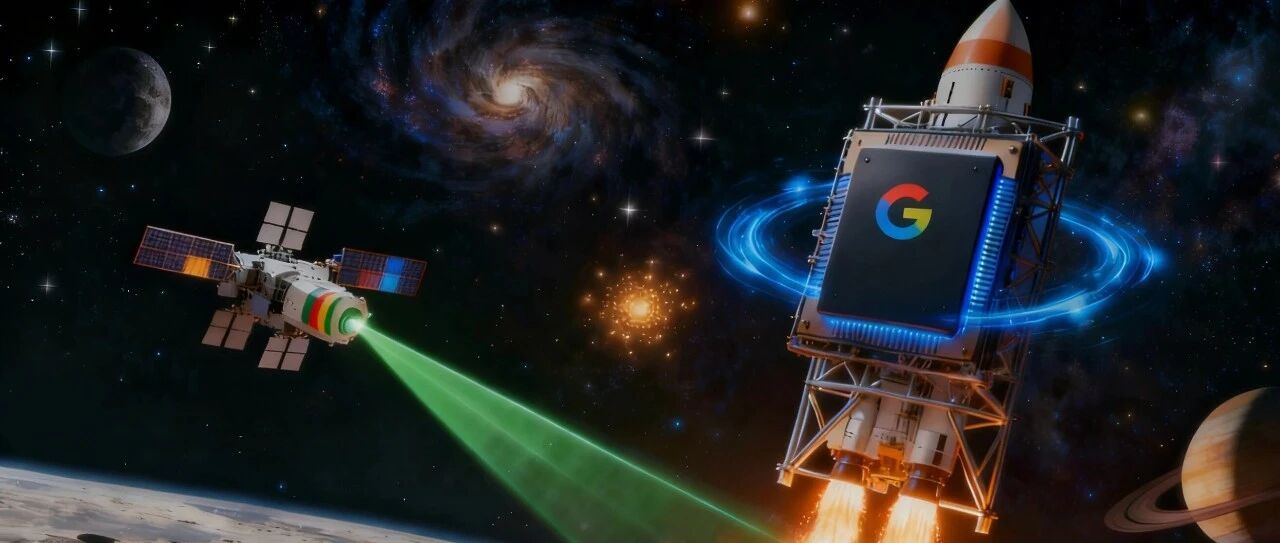
AI算力大战打到太空!英伟达前脚H100入轨,谷歌TPU后脚上天,中国玩家笑而不语
量子位· 2025-11-05 02:08
Core Viewpoint - The article discusses the competition between Nvidia and Google in deploying AI computing capabilities in space, highlighting the advancements made by a Chinese company, Starcloud, which has already launched its satellite for this purpose [1][5][31]. Group 1: Company Initiatives - Nvidia has successfully launched the Starcloud-1 satellite equipped with the H100 chip, which weighs 60 kg and is comparable in size to a small refrigerator [7][8]. - Starcloud aims to establish a 5-gigawatt space data center, with plans to start commercial services next year and to send additional satellites into orbit [11][12]. - Google plans to launch its TPU satellites under the "Project Suncatcher," with the first two prototype satellites expected to be launched in early 2027 [14][15]. Group 2: Advantages of Space Deployment - Starcloud claims that the energy cost in space is only one-tenth of that on Earth, even when accounting for launch expenses [21]. - Google estimates that if the cost of launching to Low Earth Orbit (LEO) drops to $200 per kilogram, the annual cost of power per kilowatt could be reduced to $810, comparable to current U.S. data center costs [22]. - Solar energy in space can be harnessed more efficiently, with solar panels potentially generating eight times more energy than on Earth, thus reducing reliance on batteries [24]. Group 3: Technical Challenges and Solutions - Starcloud has developed a vacuum cooling architecture to manage heat from the H100 chip, utilizing high thermal conductivity materials [25]. - Google has successfully tested high-speed optical communication links for satellite clusters, achieving 800 Gbps unidirectional and 1.6 Tbps bidirectional communication [27]. - Both companies acknowledge significant engineering challenges remain, such as thermal management and high-bandwidth ground communication [30]. Group 4: Competitive Landscape - Starcloud's "Three-body Computing Constellation" has already been operational for six months, featuring 12 satellites capable of space computing and interconnectivity, achieving a total in-orbit computing power of 5 Peta Operations Per Second (POPS) [32][34]. - The entry of Nvidia and Google into the space AI race is expected to intensify competition in this emerging sector [35].
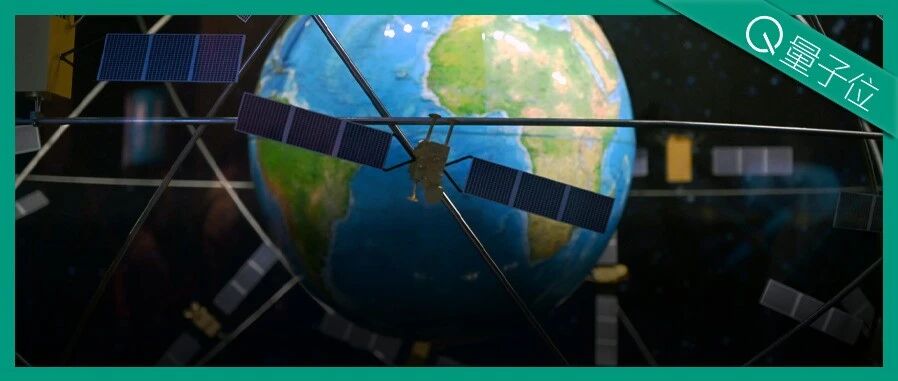
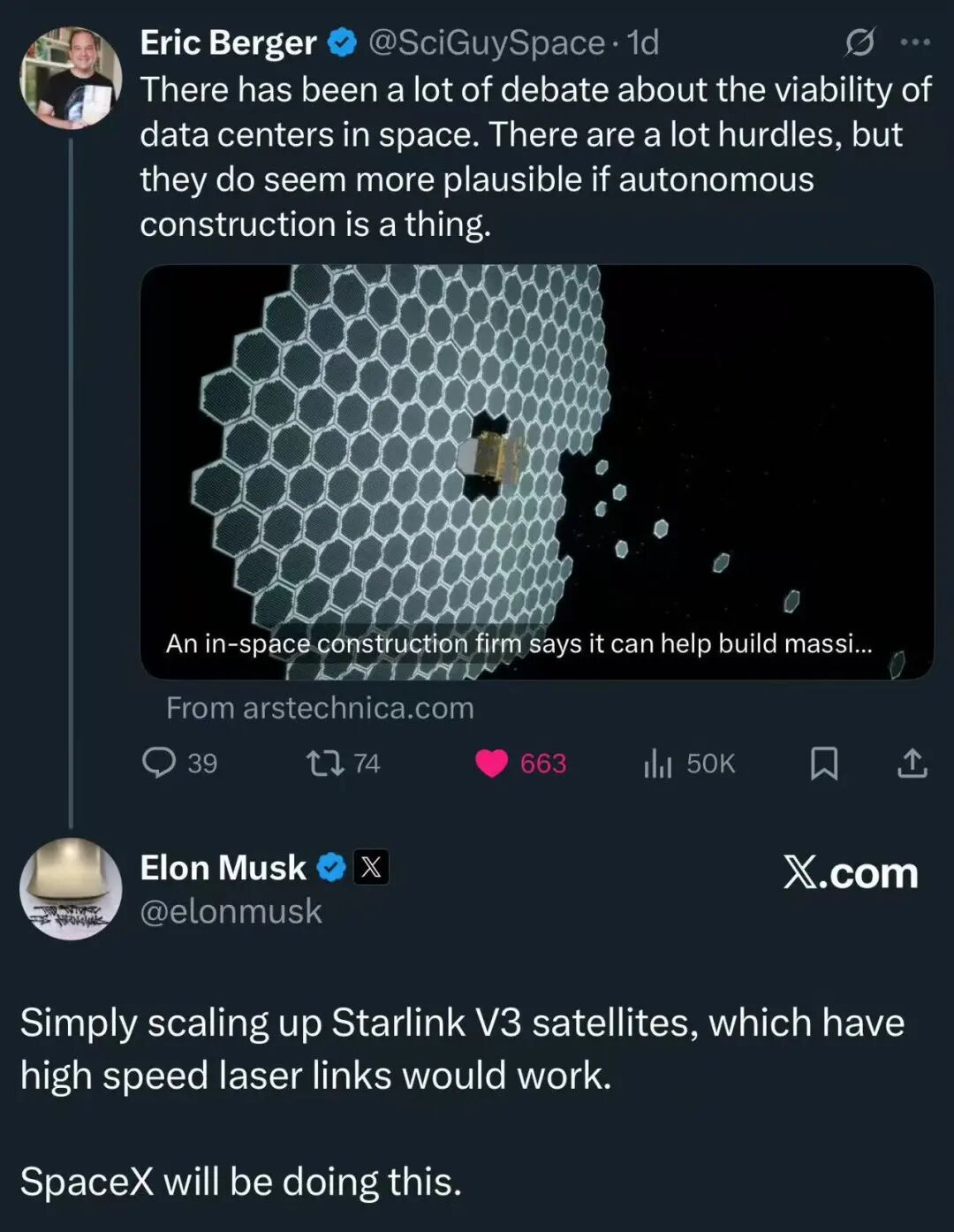
Elon Musk:扩大Starlink V3规模,进军太空算力
3 6 Ke· 2025-11-04 01:05
Core Viewpoint - Elon Musk announced that SpaceX will expand the scale of Starlink V3 satellites and begin constructing data centers in space to address the growing demand for computing power in the AI era [1][3]. Group 1: Space-Based Computing - The interest in space-based computing is rapidly increasing due to the significant growth in computing power demand driven by artificial intelligence [3]. - SpaceX's current Starlink V2 mini-satellites have a maximum downlink capacity of approximately 100 Gbps, while the V3 satellites are expected to increase this capacity tenfold to 1 Tbps [3][5]. Group 2: Unique Value of Space-Based Data Centers - Space-based data centers are modular computing infrastructures deployed in orbit, designed to process massive amounts of data directly in space, overcoming physical expansion limitations faced by ground-based data centers [5][7]. - By utilizing efficient solar arrays, space-based data centers can generate power from solar energy, achieving five times the power generation per unit area compared to ground facilities [5][12]. Group 3: Advantages Over Traditional Data Centers - Space-based data centers exhibit disruptive advantages in technology architecture, cost structure, deployment mode, energy efficiency, and scalability compared to traditional ground data centers [10][12]. - The total cost for operating a 40 MW cluster in space for ten years is estimated at approximately $8.2 million, significantly lower than the $167 million cost for a similar ground-based operation [12][13]. Group 4: Technical Challenges - Key technical challenges for space-based computing include radiation resistance and hardware reliability, heat dissipation system design, stable energy supply, communication bottlenecks, and launch costs [14][15][20]. - Solutions being explored include using military-grade equipment to withstand radiation, innovative cooling systems, and large solar arrays for energy generation [15][17]. Group 5: Major Players in Space-Based Computing - Major players in the space-based computing sector include startups like Starcloud, Axiom Space, and Lonestar, as well as tech giants like NVIDIA, Amazon, and Microsoft [21][22]. - Starcloud aims to launch the first AI satellite equipped with NVIDIA H100 chips, targeting the construction of a gigawatt-level orbital data center [21]. Group 6: Industry Chain Overview - The upstream of the space-based computing industry chain involves satellite manufacturers and launch service providers, including companies like Maxar, Thales Alenia, and SpaceX [23]. - The midstream includes companies providing space-hardened computing hardware and high-speed communication technologies, while the downstream focuses on applications that convert technological advantages into productivity [24].
学习贯彻党的二十届四中全会精神·权威访谈丨坚持以科技创新引领产业创新推动高质量转型发展——访鹤壁市委书记赵宏宇
He Nan Ri Bao· 2025-11-04 00:01
Core Insights - The 20th Central Committee's Fourth Plenary Session outlines a strategic plan for China's economic and social development over the next five years, emphasizing the importance of modernization and the need for effective implementation of policies [1] Group 1: Economic Development Strategy - The "14th Five-Year Plan" period is crucial for achieving socialist modernization, with a focus on systematic research and development of economic and social measures [1] - The city of Hebi aims to align its development plans with national and provincial directives, considering international trends and technological advancements [1] Group 2: Industrial Transformation and Innovation - There is a strong emphasis on driving industrial transformation and upgrading through technological innovation, particularly in traditional industries like functional new materials and electronics [2] - The city plans to promote the development of emerging industries such as commercial aerospace, biomanufacturing, and semiconductors, while enhancing the integration of technology and industry [2] Group 3: Infrastructure and Research Development - The establishment of key research facilities, such as the Qihe Laboratory, is aimed at advancing core technologies in fields like artificial intelligence and life sciences [2] - The city is focused on creating more pilot platforms to facilitate the application of scientific research outcomes and improve the business environment for innovation [2] Group 4: Safety and Environmental Initiatives - The city is committed to enhancing safety measures and environmental quality through targeted actions and pollution prevention strategies [2] - There is a call for a comprehensive approach to ensure high-quality development while maintaining high levels of safety [2]
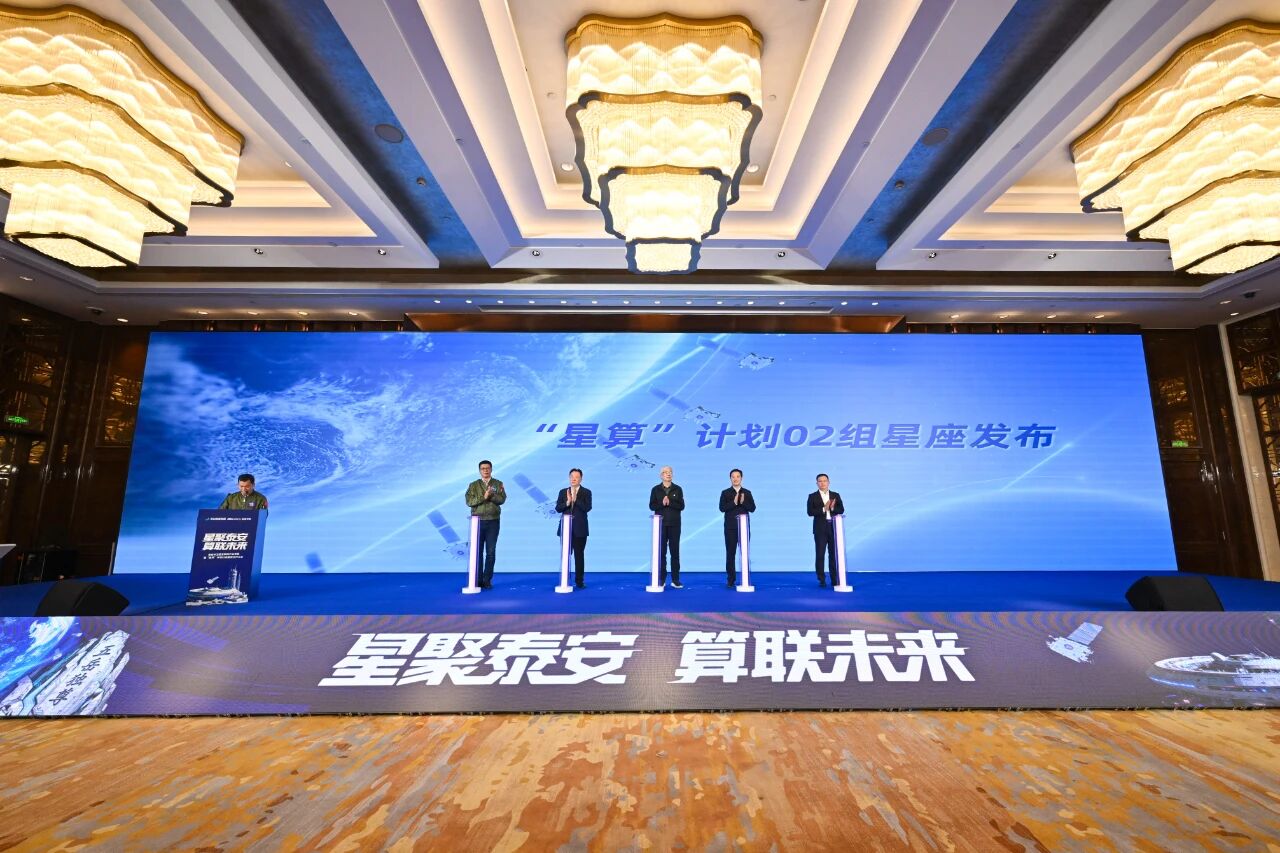
AI太空基础设施加速成型:“星算”计划02组星座发布
Guan Cha Zhe Wang· 2025-10-15 08:49
Core Insights - The "Xingcuan" Plan's second satellite constellation has been officially launched, featuring the "Tianchen-10" satellite with a single satellite computing power exceeding 10P [1][5] - The deployment of the "Xingcuan" Plan has transitioned from initial technology validation to large-scale deployment, marking a significant step towards a global AI space infrastructure [3][14] Group 1: Space Computing Advantages - Space computing reduces reliance on ground systems, lowers information latency, and enhances global information acquisition and processing capabilities [6][12] - Satellites can process observational data directly in space, enabling immediate analysis and result transmission, which is crucial for disaster monitoring and environmental warnings [11][13] Group 2: Industry Trends and Collaborations - The development of space computing is included in national strategies like Digital China, with enterprises and research institutions seizing opportunities [14][16] - Companies like Starcloud and Lonestar Data Holdings are exploring the establishment of data centers in space, indicating a growing interest in space computing solutions [13][16] Group 3: Technical and Commercial Challenges - Despite the potential of space computing, challenges remain in technology breakthroughs and commercialization, with significant cost increases for deploying equivalent computing power in space compared to ground scenarios [16][17] - Current technology must be adapted for space conditions, including addressing reliability issues caused by cosmic rays and optimizing energy consumption and algorithms for space deployment [16][17]
2028年前欲发布首批100颗AI智算卫星,全产业链优势能否撑起国星宇航估值?
Zhi Tong Cai Jing· 2025-09-19 08:09
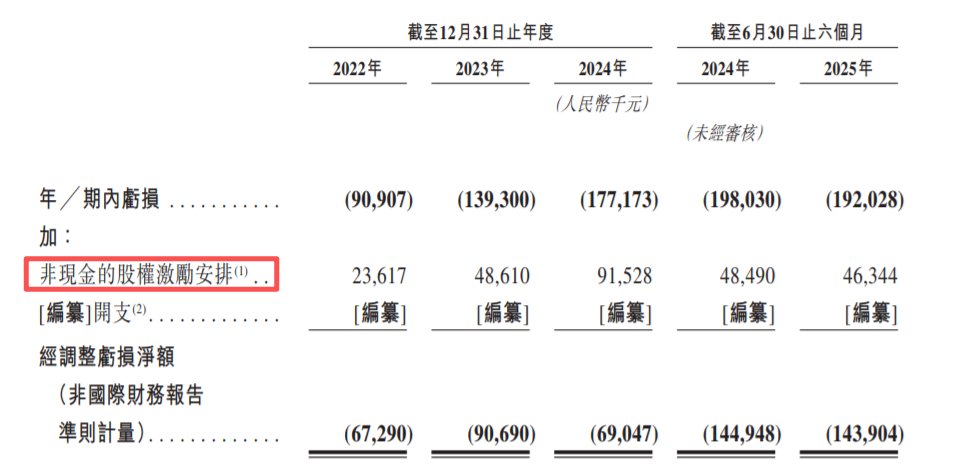
Core Viewpoint - The explosive growth in computing power demand, driven by large projects like "Stargate" and increased capital expenditures from global cloud service providers, has made AI computing power a hot sector in the capital market, leading to the emergence of numerous strong stocks in the industry chain [1][2]. Group 1: Company Overview - Guoxing Aerospace, established in 2018, is a full-chain participant in China's commercial aerospace industry, focusing on the research, development, manufacturing, sales, and operation of low Earth orbit commercial satellites, particularly AI satellites [3][4]. - The company has launched China's first AI application satellite and AI computing satellite, marking significant milestones in the evolution of China's space computing capabilities [3][4]. Group 2: Technological Advancements - Guoxing Aerospace has developed a proprietary engine that enhances remote sensing data capabilities, allowing for the automatic conversion of 2D satellite images into 3D models [4]. - The company successfully launched the world's first AI computing satellite constellation composed of 12 satellites, establishing a foundation for integrated AI infrastructure [5][4]. Group 3: Financial Performance - Guoxing Aerospace's revenue has shown rapid growth, with figures of 177 million, 508 million, and 553 million RMB from 2022 to 2024, while the adjusted net losses were 67.29 million, 90.69 million, and 69.04 million RMB during the same period [6][8]. - The company reported a revenue increase of 65.11% to 241 million RMB in the first half of 2025, with adjusted net losses of approximately 144 million RMB [6][8]. Group 4: Market Position and Future Plans - Guoxing Aerospace ranks eighth among China's top ten private commercial aerospace companies in terms of revenue, holding a market share of 2% [13]. - The company plans to launch the first batch of 100 AI computing satellites by 2028 as part of its long-term space computing initiative, which aims to establish a network of 2,800 AI satellites [16][17].
航天宏图(688066.SH):自主研发的PIE-Engine时空云计算平台是公司空间计算的基础平台
Ge Long Hui· 2025-09-18 07:48
Core Viewpoint - The company is focusing on the development of space computing capabilities, transitioning from traditional data processing methods to in-orbit data processing, which enhances efficiency and application in various fields [1] Group 1: Space Computing Infrastructure - Space computing refers to deploying data processing facilities, such as servers and AI chips, in space to handle massive data in orbit, moving from "ground processing" to "in-space processing" [1] - The company's self-developed PIE-Engine cloud computing platform serves as the foundational platform for space computing, providing data and computing power [1] Group 2: Technological Advancements - The PIE-Engine cloud platform integrates with the DeepSeek model, achieving a disaster recognition accuracy rate of 92%, showcasing strong data processing and analytical capabilities [1] - The VR/XR team leverages its experience in virtual reality to support future space computing initiatives alongside the three-dimensional platform [1] Group 3: Strategic Framework - The company has established a three-dimensional strategy combining satellite operations, low-altitude economy, and data elements, creating a closed loop of "data collection - processing - application" [1] - Through the "Nüwa Constellation," the company collects data, processes it on its platform, and applies it across multiple sectors, positioning itself to benefit from the growth of the space computing industry [1]

光模块下一步看什么?——交付
2025-09-15 14:57
Summary of Conference Call on Optical Module Industry Industry Overview - The optical module industry is expected to benefit significantly from the advent of the optical CPU era, which will lead to a substantial increase in the number of board-level connection interfaces, thereby improving supply and demand dynamics in the industry [1][2] - The optical communication market is projected to expand significantly in the coming years, potentially reaching a market capacity of several hundred billion yuan, driven by new technologies such as Ruby, Ultra, and FIMAN [1][8] Key Companies - Leading companies like Yizhongtian are well-positioned to capitalize on ecosystem development and demand growth, solidifying their market position [1][2] - Yizhongtian and other top manufacturers possess strong delivery capabilities and are expected to continue to perform well in their quarterly reports [1][5] - These companies are becoming crucial players in the global optical communication supply chain, with their market share steadily increasing due to supply-demand tightness [1][10] Competitive Advantages - Yizhongtian and other leading firms have significant competitive advantages, including superior data transmission capabilities, strong delivery capacity, and effective supply chain management [1][4] - The self-developed silicon photonic chips are anticipated to enhance profit margins for leading manufacturers by reducing costs and improving product performance [1][6] Technological Developments - The Ruby architecture update is expected to expand the scale-up space in the optical communication industry, increasing card quantities and accelerating iteration speed [1][7] - Recent technological advancements showcased at the Optical Expo, including optical switching and silicon photonics, indicate a positive trend in the industry, with improved yield rates [1][11] Market Dynamics - The demand for 800G and 1.6T products is optimistic for 2026, with delivery capability becoming a critical factor for manufacturers [1][17] - Companies with strong material support and production capacity, especially those with overseas capabilities, are likely to gain market share [1][17] Emerging Trends - The concept of space computing is gaining traction, utilizing inter-satellite and ground communication to address energy supply and heat dissipation issues on Earth [1][18][19] - Companies like StarCloud are planning to launch satellites equipped with NVIDIA H100 chips by 2025, indicating a growing interest in space-based computing solutions [1][23] Conclusion - The optical module industry is on the brink of significant growth, driven by technological advancements and increasing demand for high-capacity data transmission solutions. Leading companies are well-positioned to leverage these trends, while emerging concepts like space computing present new opportunities for innovation and expansion [1][25]