银发经济

Search documents
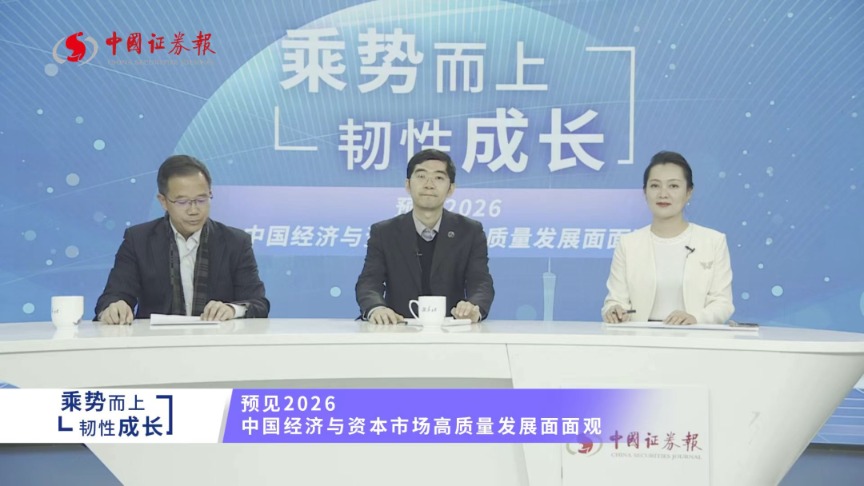
2026年资本市场有哪些机会?专家解读来了
Zhong Guo Zheng Quan Bao· 2026-01-01 14:34
Group 1 - The central economic work conference emphasizes the integration of investment in goods and investment in people, highlighting opportunities in industries such as artificial intelligence, financial technology, and elder care services due to existing supply gaps [3] - The focus on new production capacities and boosting domestic demand in the 2026 industrial policy suggests that sectors related to artificial intelligence and low-altitude economy, as well as domestic consumption, are worth monitoring [3] - The active capital market is crucial for supporting the development of emerging industries, which in turn promotes employment and enhances the effectiveness of "investment in people" [4] Group 2 - The conference signals a strong emphasis on domestic demand as a primary driver, indicating that expanding domestic demand is both a short-term challenge and a long-term strategic choice [6] - The two main directions for the 2026 economic policy are ensuring "quantitative expansion" through domestic demand and "qualitative improvement" via innovation [6] - The macroeconomic policy for 2026 is expected to be more proactive, with an emphasis on moderately loose monetary policy and more active fiscal policy, aiming for a coordinated macro policy approach [7] Group 3 - The capital market is anticipated to experience a positive trend in 2026, driven by improved operating conditions for listed companies, ample liquidity, and a favorable external environment [9] - Key sectors to watch include technology, electronics, and artificial intelligence, which are expected to present new opportunities [9] - The performance of the artificial intelligence and chip industries in 2025 indicates significant growth potential, with ongoing opportunities in various "AI+" sectors [9]

2025年十四大事件
Xin Lang Cai Jing· 2025-12-31 16:02
Core Insights - The year 2025 marks a significant "paradigm shift" in the global business landscape, transitioning from visions of AI, consumption, and geopolitics into practical industrial applications [1][40]. Group 1: AI and Technology Developments - DeepSeek's emergence and Manus's $1 billion sale to Meta signify a pivotal moment in China's AI technology sector, reducing reliance on foreign models and initiating a trend towards open-source large models [2][41]. - The rapid competition in the AI field has led to numerous emerging competitors for DeepSeek, including Doubao, Qianwen, Lingguang, and Antifufu, alongside established players like Baidu and Kimi [4][43]. - AI models have evolved from mere chat tools to autonomous decision-making agents, with companies shifting from "buying models" to "nurturing agents" for task execution [6][45]. Group 2: Economic and Market Trends - The low-altitude economy in China is projected to exceed 1.5 trillion yuan, with cities like Shenzhen and Guangzhou pioneering eVTOL urban routes and drone deliveries becoming standard for logistics giants [8][46]. - The year 2025 is recognized as the year of humanoid robots entering factories, with significant orders surpassing 10,000 units, indicating a shift from experimental technology to industrial-grade products [10][49]. - Global trade dynamics are shifting, with the normalization of tariff battles between the US and Europe against Chinese electric vehicles and solar industries, prompting a "global localization" strategy among Chinese firms [12][51]. - The introduction of solid-state batteries in China, including the first national standards, addresses electric vehicle charging anxieties and strengthens China's position in the global renewable energy value chain [13][52]. Group 3: Consumer Behavior and Cultural Shifts - The establishment of the Hainan Free Trade Port marks a critical step in China's institutional openness, attracting global capital and talent [15][54]. - The rise of the "silver economy" in response to China's aging population is expected to create a trillion-yuan market for elder care products and services [28][67]. - The backlash against high-priced pre-made dishes, highlighted by public figures like Luo Yonghao, reflects a growing consumer demand for transparency and value, signaling the end of the "arrogant brand era" [24][63]. - The decline of the Labubu toy series from a speculative investment to a more accessible product illustrates a shift in consumer sentiment towards value-driven purchases [29][72]. Group 4: Capital and Investment Trends - The focus of global capital is shifting from generic large models to investments in "sovereign AI" infrastructure, with data centers becoming strategic national assets [16][57]. - Starbucks' decision to sell part of its Chinese operations to local investors signifies the end of the era where foreign brands dominated the market solely through globalization [34][73].

2025年十四大事件
首席商业评论· 2025-12-31 13:49
Core Insights - The year 2025 marks a significant paradigm shift in China's and the global business landscape, transitioning from vision to industrial implementation of AI, consumption, and geopolitical changes [3][4]. Group 1: AI and Technology Developments - DeepSeek's emergence in early 2025 signifies a pivotal moment for China's AI technology sector, reducing reliance on foreign models and initiating a trend towards open-source large models [5]. - The rapid competition in the AI field has led to the emergence of numerous competitors, including Doubao, Qianwen, and Lingguang, alongside established players like Baidu and Kimi [7]. - AI has evolved from a simple chat tool to a productivity employee, marking the beginning of an era of automated decision-making [10]. Group 2: Economic and Market Trends - The low-altitude economy is projected to exceed 1.5 trillion yuan in 2025, with cities like Shenzhen and Guangzhou leading the way in eVTOL operations and drone deliveries becoming standard for logistics giants [11]. - The year 2025 is recognized as the year of humanoid robots entering factories, with significant orders surpassing 10,000 units, indicating a shift from experimental technology to industrial applications [14][16]. - Global trade dynamics are shifting, with the normalization of tariff battles between the US and Europe against Chinese electric vehicles and solar industries, prompting a move towards localized global strategies [18][20]. - The introduction of solid-state batteries in China is set to revolutionize the electric vehicle market, addressing energy storage concerns and enhancing safety [21][23]. Group 3: Consumer Behavior and Cultural Shifts - The "silver economy" is emerging as a key driver of domestic demand, with policies targeting the aging population leading to a surge in consumption in this sector [38][40]. - The rise of GLP-1 drugs is reshaping health and lifestyle industries, significantly impacting consumer habits and the broader economic landscape [41]. - The decline of speculative trends in collectible toys, such as Labubu, reflects a shift in consumer sentiment towards value-driven purchases rather than hype [42][44]. - The backlash against high-priced pre-made dishes, highlighted by public figures like Luo Yonghao, indicates a growing demand for transparency and value in branding [35][37]. Group 4: Corporate Strategies and Capital Trends - Starbucks' decision to sell part of its Chinese operations to local investors marks the end of the era where foreign brands dominated solely through globalization, necessitating a more localized approach [45][46]. - The capital landscape is shifting towards investments in sovereign AI infrastructure, with data centers becoming critical national assets [27]. Group 5: Overall Business Landscape - The events of 2025 illustrate a transition to a new business paradigm where technology, market efficiency, consumer sovereignty, and localized capital strategies are paramount [48][49][52][54].

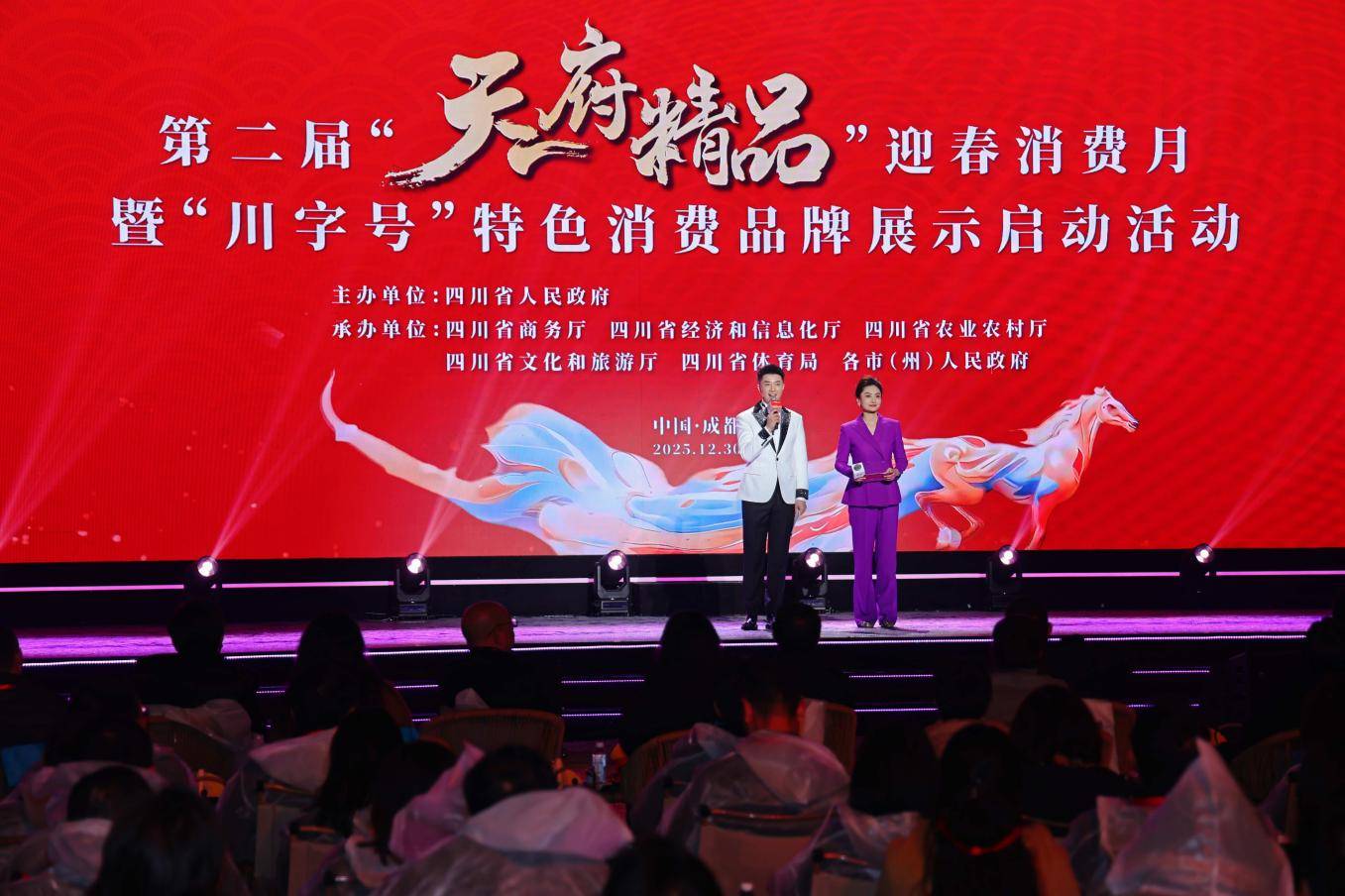
第二届“天府精品”迎春消费月启幕,解锁 61 天消费新体验
Sou Hu Cai Jing· 2025-12-31 13:18
Core Viewpoint - The second "Tianfu Boutique" Spring Consumption Month and "Chuan Brand"特色消费品牌展示 has been launched in Chengdu, aiming to enhance consumer experience and promote local products and services [1][3][4]. Group 1: Event Overview - The event is themed "Tianfu Boutique·Beautiful Encounter" and will run from December 30, 2025, to February 28, 2026, covering 61 days and featuring nine key activities along with numerous consumer promotion events [3][10]. - The event aims to meet diverse consumer needs during the New Year and Spring Festival, focusing on four main themes: "Fashion·Shopping," "Culinary·Feasting," "Leisure·Enjoyment," and "Comfort·Travel" [3][10]. Group 2: Product and Service Highlights - The "Chuan Brand"特色消费品牌展区 showcases over 150 products from 15 cities in Sichuan, with more than 90% being local brands or products manufactured in Sichuan [9]. - The event features innovative products such as ice cream robots and AI plush toys, highlighting the transition from traditional manufacturing to intelligent manufacturing in Sichuan [8][9]. Group 3: Consumer Engagement Activities - Key activities include the Sichuan E-commerce Festival in January 2026, which will involve over 100 key enterprises and thousands of merchants, featuring more than 200 live-streaming events showcasing Sichuan products [10]. - The 29th China (Sichuan) New Year Shopping Festival will host various themed exhibition areas with participation from nearly 30 countries and regions, creating a "global New Year flavor" experience for consumers [10]. Group 4: Economic and Market Impact - The event aims to promote a shift in consumption structure from product-focused to a balanced emphasis on both product and service consumption, highlighting the potential of service consumption as a new growth area [11][13]. - The collaboration between Sichuan and Chongqing will facilitate over 300 promotional activities, enhancing consumer access to local products and services [14][17].
2026年社会服务行业投资策略报告:向阳花木易为春-20251231
Wanlian Securities· 2025-12-31 10:04
Core Insights - The report highlights a shift in China's consumption structure from a focus on goods to a balanced emphasis on both goods and services, with experience-driven service consumption expected to be a major growth engine. The current valuation of the sector is at historical lows, indicating potential for recovery. The central economic work conference continues to prioritize domestic demand and building a strong domestic market, with consumption policies remaining stable. However, due to adjustments in household balance sheets, a fundamental recovery will take time, and the social service sector is expected to see structural opportunities in the first half of 2026. Long-term growth prospects for service consumption are promising, driven by the demands of Generation Z and the elderly population [2][3]. Group 1: Market Overview - As of 2025, domestic service consumption has risen to 47%, entering a rapid growth phase and becoming a major component of household consumption. The long-term stability and focus of policies on service consumption have been emphasized, with the current sector's price-to-earnings ratio still below the five-year average, indicating room for recovery [3][12][16]. - The travel sector is experiencing pressure on revenue, with notable disparities in performance among tourist attractions. The introduction of extended holiday periods and the implementation of the spring and autumn holiday system are expected to enhance travel demand and improve industry conditions [3][42][43]. - The duty-free market is undergoing significant changes, with the introduction of international duty-free retailers and airport equity investments expected to revitalize the market. Policy benefits and the closure effect are catalyzing a surge in duty-free consumption on the islands [3][42]. Group 2: Consumer Trends - The report identifies a structural change in consumption driven by the needs of Generation Z and the elderly population. These demographics are expected to significantly influence service consumption trends, with Generation Z favoring emotional value and personalized experiences, while the elderly market is expanding due to increasing demand for healthcare and leisure services [3][39][41]. - The rise of new consumption platforms is enhancing user engagement and efficiency in service consumption, with concert events and sports competitions becoming key drivers of market expansion [4][39]. Group 3: Policy and Economic Environment - The government's focus on boosting consumption and optimizing supply-demand structures is evident in the 2025 government work report, which prioritizes expanding domestic demand. The policy direction is expected to remain stable into 2026, with an emphasis on both demand-side stimulation and supply-side optimization [17][20]. - Various measures have been introduced to support service consumption, including financial incentives for service industry operators and initiatives to enhance service quality and accessibility [21][24]. Group 4: Investment Opportunities - The report suggests focusing on sectors that are likely to benefit from policy catalysts, such as travel-related companies, duty-free leaders in the Hainan Free Trade Port, and chain restaurants poised for expansion. Additionally, early investments in emerging experiential sectors like sports events and concerts are recommended [2][41].
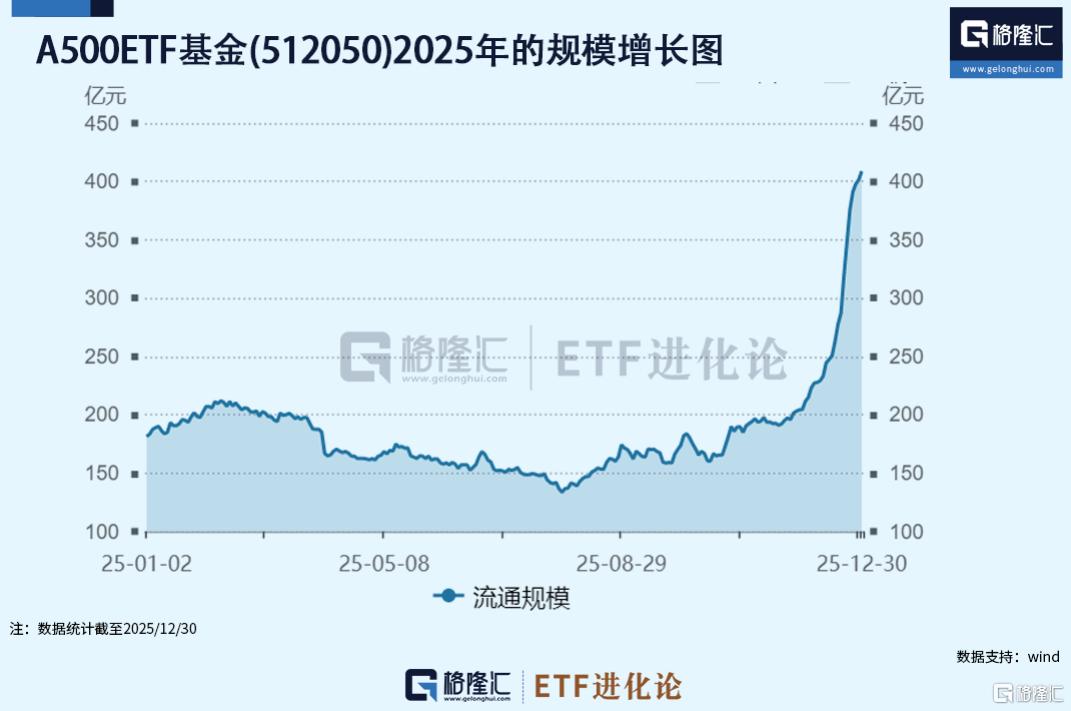
2025年格隆汇十大核心ETF跑赢市场10%,A500ETF基金(512050)上涨25%,12月“吸金”193亿元
Ge Long Hui· 2025-12-31 09:19
Group 1 - The Chinese stock market concluded 2025 with the Shanghai Composite Index rising 0.09%, marking an 11-day winning streak and an annual increase of 18.41%, the highest in a decade [1] - The Shenzhen Component Index rose 29.87% for the year, while the ChiNext Index saw a decline of 1.23% but still achieved a significant annual increase of 49.57% [1] - The Wind Micro Index led with an 81.65% increase, while the ChiNext 50 Index and the Sci-Tech 100 both recorded a 57.45% annual rise [1] Group 2 - The Hong Kong stock market saw the Hang Seng Index increase by 27.77%, achieving its best annual performance since 2017 [2] - The Hang Seng Tech Index and the Hang Seng China Enterprises Index rose by 23.45% and 22.27%, respectively [2] - The A500 ETF (512050) experienced a net inflow of 184.8 billion yuan for the year, with a significant 193.49 billion yuan inflow in December alone [2] Group 3 - The A500 Index has rapidly gained market recognition since the release of the New National Nine Articles, becoming the second-largest broad-based index in A-shares by the end of 2024 [4] - The A500 ETF's latest scale reached 408.75 billion yuan, a 122% increase from the beginning of the year [2][4] - The index employs an "industry-neutral" methodology, effectively avoiding overexposure to specific sectors and mitigating risks during market style shifts [4] Group 4 - The index significantly overweights emerging industries such as electronics, renewable energy, and pharmaceuticals, while underweighting traditional sectors like finance, aligning with China's economic upgrade direction [4] - The index selects leading companies based on their growth potential and profitability rather than solely on market capitalization, showcasing stronger growth elasticity compared to mainstream broad-based indices [4] - The index's compilation incorporates criteria such as connectivity and ESG, facilitating long-term capital allocation in A-shares [4] Group 5 - The Consumer ETF (159928) was the only ETF to decline in 2025, falling by 2.94%, focusing on essential consumer sectors [5] - The top holdings in the Consumer ETF include industry leaders like Kweichow Moutai and Yili, which possess strong brand barriers and cash flow generation capabilities [5] - Analysts suggest that after a period of adjustment, some consumer stocks may present valuation switching opportunities by the end of the year [5] Group 6 - Analysts highlight potential turning points in the white liquor, dairy, and large dining sectors in 2026, emphasizing the importance of the health and wellness sector [6] - The aging population and the expansion of younger consumer demographics are expected to drive innovation and growth in these sectors [6]
2025,中国经济热词
Jing Ji Wang· 2025-12-31 08:35
Economic Development - In 2025, China's economy is advancing under pressure, focusing on new and improved quality [1] - The "15th Five-Year Plan" emphasizes the importance of the period for laying a solid foundation for achieving socialist modernization by 2035 [3] Future Industries - The "15th Five-Year Plan" suggests a forward-looking layout for future industries, promoting sectors like quantum technology, biomanufacturing, hydrogen energy, and nuclear fusion as new economic growth points [7][8] - Future industries are expected to significantly impact international competition and create new products, services, and consumption patterns over the next 5-10 years [8] Investment in Human Capital - The 2025 government work report calls for increased investment in human resources and services for people's livelihoods, focusing on education, health, and skills [10] - The implementation of a childcare subsidy system reflects a commitment to enhancing disposable income for families, thereby boosting consumption [15] Silver Economy - The "15th Five-Year Plan" aims to actively develop elderly human resources and the silver economy, indicating a direction for industrial innovation and market development [13] - In the first half of 2025, demand for products suitable for the elderly surged, with sales growth exceeding the national manufacturing average [13] Artificial Intelligence - The "Artificial Intelligence+" initiative is positioned as a strategic pivot for China to gain a competitive edge in global technology, integrating AI into various sectors [17] - The initiative aims to transform research paradigms and enhance the application of AI across industries, culture, and social governance [17] Urban Renewal - Policies for urban renewal are accelerating, with significant improvements in living conditions and quality of life for residents [19] - Over 240,000 old urban communities have been renovated, benefiting over 41 million households [19] Robotics Industry - The humanoid robotics sector is experiencing significant investment interest, comparable to the solar energy boom in 2018, though there are concerns about overvaluation [25] - The industry is still developing, with expectations for future advancements and applications [25] Cultural Products - The LABUBU toy has gained immense popularity both domestically and globally, resonating with young consumers and showcasing the potential of Chinese cultural products [27] - The success of LABUBU and similar products highlights the global appeal of culturally significant Chinese creations [27]

湖南:到2035年养老产业体系成熟定型
Zheng Quan Shi Bao Wang· 2025-12-31 07:52
人民财讯12月31日电,湖南省人民政府办公厅发布关于壮大养老产业促进银发经济发展的实施意见,到 2029年,基本形成适合我省省情的养老产业格局,养老服务能力显著增强,银发经济初具规模;到2035 年,养老产业体系成熟定型,银发产品供给与老龄人口发展需求总体平衡,实现银发经济高质量发展。 ...
国投证券:银发经济与自我保健时代迎来发展新机遇 未来行业将更加鼓励科技创新
Zhi Tong Cai Jing· 2025-12-31 06:55
Group 1 - The health food industry has a vast market potential, with increasing consumer demand for specialized health products related to immune systems, bones, and anti-aging beauty [1][2] - The global health food market is expected to exceed $140 billion by 2025, growing at a rate of 4.62%, while China's market is projected to reach 240 billion yuan, with a growth rate of 4.30% [1] - The online sales proportion of health food is expected to reach 63.3% by 2025, significantly surpassing traditional offline sales channels, driven by the growth of cross-border e-commerce [1][2] Group 2 - The introduction of a dual-track registration system in 2016 has lowered market entry barriers, leading to significant market growth, particularly with an aging population exceeding 220 million by 2024 [2] - The trend of regulatory relaxation is expected to lead to an influx of long-tail brands in the health food sector, providing more opportunities for third-party manufacturers [3] - The current market concentration in China's health food industry remains low, with a CR3 of around 21%, but is anticipated to increase as consumer demand for product efficacy strengthens [3]
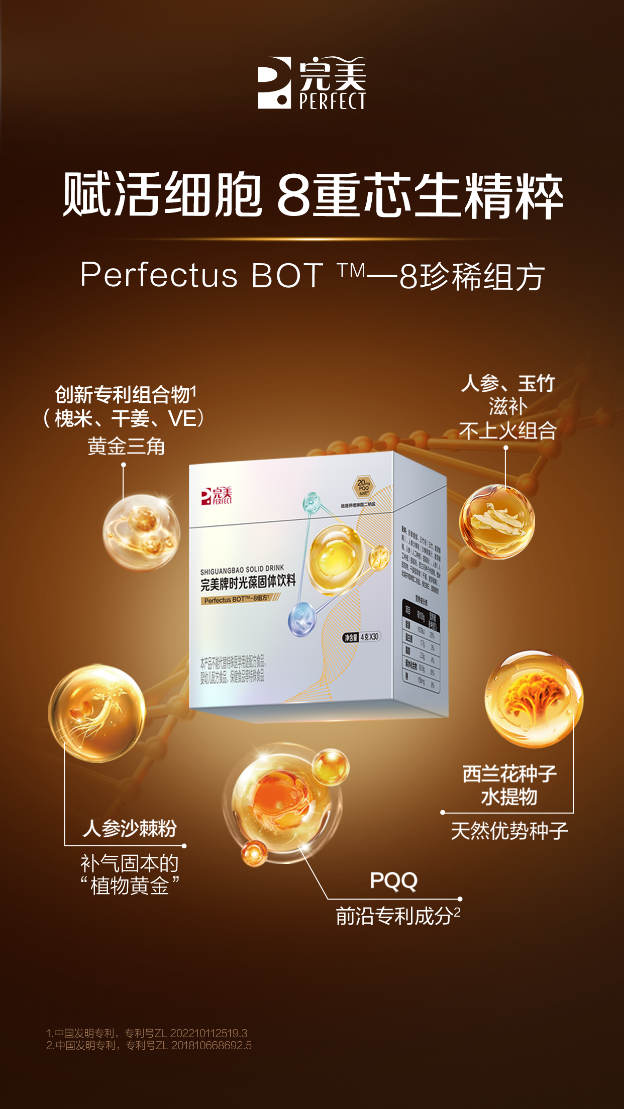
完美公司荣获“年度创新引领力品牌”,树立大健康产业发展新标杆
Xin Jing Bao· 2025-12-31 05:41
Core Viewpoint - Perfect (China) Co., Ltd. has been awarded the "Annual Innovation Leadership Brand" for its core product, Perfect Time Capsule solid beverage, highlighting its achievements in scientific research, marketing innovation, and ecological construction [1] Group 1: Product Innovation - Perfect Time Capsule focuses on "cell health" and integrates cutting-edge technology with national sentiment and health ecology, transitioning the industry from "mystical concepts" to "quantitative science" [2] - The product is based on the Perfectus BOT-8 rare formula, which includes eight core ingredients such as PQQ, broccoli seed extract, and sea buckthorn powder, providing comprehensive protection for consumers [3] - The product's development is supported by two Chinese invention patents, showcasing its uniqueness and exclusivity, and employs a complete evaluation system for scientific validation [6] Group 2: Marketing and Ecosystem Innovation - The company has adopted a multi-dimensional marketing strategy that combines "champion IP + authoritative media + scenario ecology," enhancing brand visibility and user engagement [7] - The involvement of authoritative media, such as Xinhua Net, during product launches has amplified brand influence and credibility [8] - The company has initiated the "Perfect Vitality Renewal Plan," collaborating with nutrition experts and fitness influencers to promote a comprehensive health lifestyle [8] Group 3: Social Responsibility and Industry Leadership - The recognition as an "Annual Innovation Leadership Brand" reflects the company's commitment to social responsibility and industry development, aligning with national health strategies [9] - The launch of Perfect Time Capsule meets the health needs of various age groups, tapping into the potential of the silver economy [9] - The company emphasizes the importance of scientific integrity and consumer trust, advocating for industry standards and collaborative governance [9] Group 4: Future Outlook - The innovative practices of Perfect Time Capsule have established a replicable industry model, combining technological research, cross-industry marketing, and ecological operations [10] - The company aims to continue leveraging technological innovation in the health sector, striving to enhance the well-being of individuals across all age groups [10]