
能源转型

Search documents
双碳研究 | 高电价困局,德国能源转型遇阻
Sou Hu Cai Jing· 2025-12-30 14:46
高电价困局 德国能源转型遇阻 【The Munich Eye网12月27日报道】 综上,尽管德国已经实施针对性能源政策措施,并且在扶持消费者与工业企业方面取得显著进展,但仍 面临诸多重大挑战。该国能否成功实现宏大的能源转型目标,关键在于能否持续发力,构建一个稳定、 具有国际竞争力且区域均衡的电力市场,统筹产业发展与气候治理双重目标。 今日,勃兰登堡州政府声明,电价持续高企,德国可再生能源转型正面临严峻考验。为缓解消费者和企 业的压力,联邦政府已出台一系列政策,包括实行工业电价、下调电网使用费等,但能源密集型产业的 竞争力问题仍未消解。 钢铁、化工、制药等德国经济支柱产业受高电价冲击尤甚。这些产业正是该国实现气候中和经济战略的 核心。该战略力图实现从化石燃料向可再生能源转型,大幅减少温室气体排放。 欧盟近期调整政策,允许成员国提高高耗能产业补贴,助力企业对冲欧盟碳排放交易体系带来的财务影 响,因为该体系会对二氧化碳排放征收费用。尽管此番调整方向正确,但德国各州领导人仍强调,为确 保本国产业竞争力,仍需采取进一步措施。 当前所施行的措施,包括计划推行的补贴性工业电价,以及面向家庭和企业的电网费用下调方案,均属 积 ...


2025年市场风云录:贵金属大涨与能源的黄昏
Sou Hu Cai Jing· 2025-12-30 11:40
Core Insights - The global commodity market in 2025 is characterized by a stark contrast, with precious metals like gold and silver experiencing significant price increases, while international oil prices are under pressure due to oversupply and weak demand [2][19]. Precious Metals - The precious metals sector has seen a comprehensive surge, with silver outperforming gold and becoming the "star commodity" of the year, driven by a combination of safe-haven demand, loose monetary policy, supply-demand imbalances, and speculative sentiment [3][7]. - Gold prices rose from $2,624.50 per ounce at the beginning of the year to $4,387.06, marking a 67.16% increase [4]. - Silver prices surged from $28.91 per ounce to $75.63, achieving a remarkable 161.60% increase [5]. Demand Factors - Geopolitical risks have bolstered safe-haven demand for precious metals, with ongoing U.S. sanctions on Venezuelan oil supplies and rising uncertainty prompting global investors to increase their holdings in gold and silver [7]. - The escalating global debt situation has enhanced the value of hard currencies, with significant capital outflows from the bond market into precious metals due to rising long-term interest rate expectations [7]. - The Federal Reserve's shift towards looser monetary policy in 2025, including interest rate cuts and quantitative easing, has reduced the opportunity cost of holding precious metals, directly driving up their prices [7]. Supply Factors - The silver market is experiencing significant supply constraints, with a lack of physical reserves compared to gold, making it more susceptible to price volatility during demand surges [9]. - Global silver production is limited due to declining ore grades and insufficient new project developments, compounded by regulatory and environmental restrictions in major silver-producing countries [10]. Short-term Impacts - Early 2025 saw speculation about potential tariffs on silver, leading to a preemptive accumulation of silver in warehouses, which exacerbated inventory shortages when demand surged in October [13]. - Speculative activities have intensified price volatility in the silver market, with a lower trading volume making it more susceptible to sharp price movements [13]. Copper Market - Copper prices have also seen significant increases, with London copper prices rising over 40% in 2025, driven by policy expectations, supply uncertainties, and structural demand growth [16][18]. - The U.S. government's tariff signals on copper have created arbitrage opportunities, leading to a shift in inventory dynamics and regional supply-demand imbalances [18]. Oil Market - In contrast to the strong performance of precious metals and copper, international oil prices have been in a downward trend, with Brent crude falling from $74.48 per barrel to around $61.47, a decline of 17.47% due to oversupply and weak demand [19]. - OPEC+'s shift towards increased production has contributed to the oversupply, while weak demand from major economies has limited any potential price recovery [19]. Stock Market Impact - The divergence in commodity prices has directly influenced stock market performance, with metal mining stocks benefiting from rising gold, silver, and copper prices, while oil stocks have faced pressure due to declining oil prices [21].


从低效同质竞争迈向高质量新赛道 《关于维护磷酸铁锂材料行业健康有序发展的倡议》发布
Xin Lang Cai Jing· 2025-12-30 11:09
Core Viewpoint - The China Chemical and Physical Power Industry Association has issued an initiative to promote the healthy and orderly development of the lithium iron phosphate (LFP) materials industry, addressing challenges such as persistent losses among companies, volatile lithium resource prices, low overall capacity utilization, and frequent low-level redundant construction [1][5]. Group 1: Market Environment and Challenges - The global energy transition has accelerated, leading to a surge in demand for LFP materials, with China's production capacity expected to exceed 95% of global capacity by the end of 2025 [1][5]. - The industry faces significant challenges, including ongoing losses for many companies, severe price fluctuations in lithium resources, low capacity utilization rates, and issues related to redundant construction [1][5]. Group 2: Initiatives for Industry Improvement - The association advocates for the establishment of a "LFP product cost price index" to provide objective pricing references and to combat malicious price competition [1][5]. - It calls for upstream and downstream companies to strengthen strategic collaboration to build a resilient supply chain ecosystem, addressing the impact of raw material price volatility [2][6]. Group 3: Capacity Management and Industry Standards - Companies are encouraged to manage capacity utilization dynamically, with a recommendation to pause new capacity investments if utilization falls below 70%, and to eliminate outdated production lines [3][7]. - The initiative promotes the establishment of high industry entry standards based on existing regulations, aiming to accelerate the exit of inefficient capacity and optimize the industry structure [3][7]. Group 4: Innovation and Quality Focus - Companies are urged to shift their competitive focus from price to technological innovation, product performance, and service enhancement, with an emphasis on increasing R&D investment [4][8]. - The association aims to foster a high-quality industry ecosystem driven by innovation, adhering to national regulations and promoting a culture of quality and safety [4][9].
视频丨年处理600万吨!这项工程让大湾区用气更高效、更低碳
Yang Shi Xin Wen Ke Hu Duan· 2025-12-30 09:37
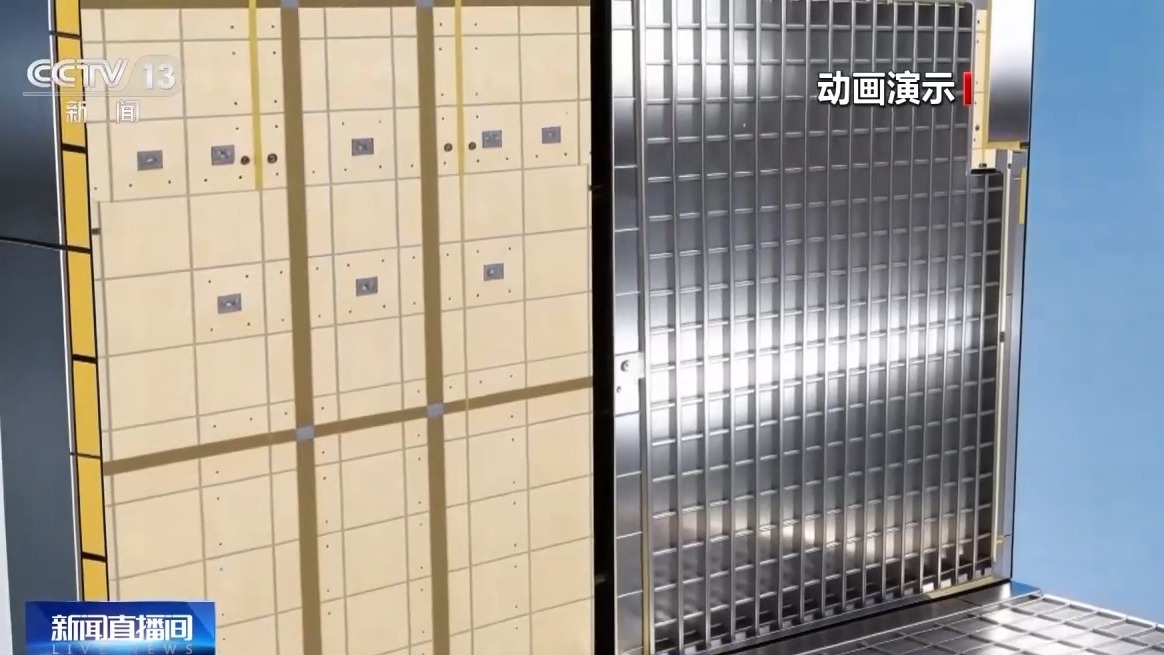
Core Viewpoint - The construction of the LNG storage project at the Eastern Guangdong LNG receiving station has officially commenced, marking a significant technological breakthrough in China's large-scale LNG storage and transportation facilities [1][4]. Group 1: Project Overview - The project will build the world's largest land-based membrane LNG storage tanks, with a total gas storage capacity of 470 million cubic meters across three tanks [1][4]. - The total gas storage capacity of the Eastern Guangdong LNG receiving station will increase to 780 million cubic meters, with an annual processing capacity of 6 million tons [6]. Group 2: Technological Advancements - The new membrane tank technology is more space-efficient and economically advantageous, reducing overall carbon emissions by over 25% and allowing for flexible storage of various cryogenic media [3][10]. - The membrane tanks consist of a concrete outer tank and a stainless steel inner tank, designed to expand and contract with temperature changes while ensuring leak-proof storage [10][12]. Group 3: Industry Growth and Future Projections - Since the start of the 14th Five-Year Plan, China's LNG receiving station construction has rapidly developed, with the annual receiving capacity expected to exceed 200 million tons by 2030 [15][20]. - The number of operational LNG receiving station operators has increased from 9 to 16, with a significant rise in the share of private enterprises, which now account for nearly one-third of the supply capacity [17]. - The national LNG storage capacity has seen a substantial increase from 10.7 million cubic meters in 2020 to 28.68 million cubic meters by 2025, representing a growth of 168% [17].

年处理600万吨!这项工程让大湾区用气更高效、更低碳
Huan Qiu Wang· 2025-12-30 08:14
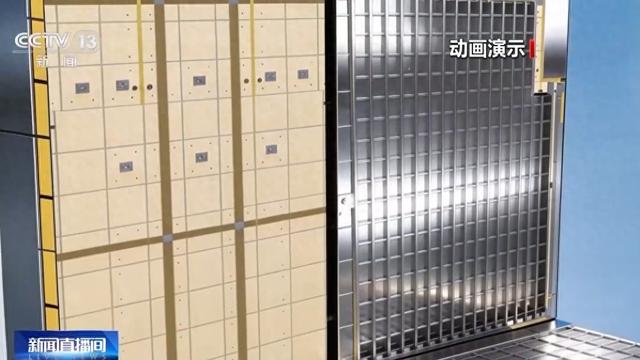
Core Viewpoint - The construction of the Yuedong LNG receiving station's gas storage project has officially commenced, marking a significant technological breakthrough in China's large-scale LNG storage and transportation facilities. Group 1: Project Overview - The Yuedong LNG receiving station will feature the world's largest land-based membrane LNG storage tanks, with a total gas storage capacity of 470 million cubic meters from three tanks [1] - The project is a core expansion and upgrade initiative for the receiving station, utilizing advanced membrane tank technology [1] - The total gas storage capacity of the Yuedong LNG receiving station will increase to 780 million cubic meters, with an annual processing capacity of 6 million tons [5] Group 2: Environmental and Technical Aspects - The new technology offers advantages in space utilization and economic efficiency, while also reducing overall carbon emissions by over 25% [3] - The membrane tanks can flexibly store various cryogenic media, including LNG, liquid ammonia, ethane, ethylene, and liquefied petroleum gas, facilitating seamless integration across multiple market demands [3] - Membrane tanks are designed with a nitrogen protection system and a full-process monitoring system to enhance operational safety [10] Group 3: Industry Growth and Future Projections - Since the start of the 14th Five-Year Plan, China's LNG receiving station construction has accelerated, with the annual receiving capacity expected to exceed 200 million tons by 2030 [10][16] - By the end of 2025, there will be 39 operational LNG receiving stations in China, with a total receiving capacity of 16 million tons per year, an increase of 7.34 million tons per year compared to the end of the 13th Five-Year Plan [12] - The number of operational entities in the LNG receiving station sector has diversified, increasing from 9 to 16, with a significant rise in the share of private enterprises [14]
从“被动承载”走向“主动参与” 需求侧成为推动能源转型向纵深发展的关键变量
Zhong Guo Zhi Liang Xin Wen Wang· 2025-12-30 06:47
Core Insights - China's energy transition is at a critical stage, shifting from quantitative to qualitative changes, with demand-side resources becoming key players in this transformation [1] - The development of demand-side resources is seen as essential for supporting the stability and safety of the power system, particularly through flexible regulation and diversified applications in the industrial sector [1][2] Group 1: Demand-Side Resource Development - The active regulation of electricity demand is identified as a core strategy for promoting green and low-carbon transitions in the new power system [2] - Policies such as zero-carbon parks, green electricity direct supply, and virtual power plants have been introduced to enhance the role of demand-side resources [2] - Challenges such as inconsistent standards, high scheduling difficulties, and limited business models for virtual power plants need to be addressed through institutional and technological innovations [2] Group 2: Industrial Sector's Role - The industrial sector is both a major energy consumer and carbon emitter, making it crucial for the absorption of renewable energy and deep carbon reduction [2] - Accelerating the collaboration between renewable energy and industrial loads is essential for advancing China's dual carbon goals [2] Group 3: Market Mechanisms and Policy Support - A report presented at the conference emphasizes the need for a long-term mechanism that balances effective markets with proactive government involvement to realize the systemic value of demand-side resources [3] - The report highlights challenges such as poor price signal transmission and a single revenue model in the demand-side market, particularly at the distribution network level [4] - Recommendations include revising national laws to establish market positions for new entities like virtual power plants and load aggregators, and creating mandatory standards for grid connection and communication protocols [4]
2025思想市场年度话题|#气候搅动社会
Xin Lang Cai Jing· 2025-12-30 06:40
Group 1: Climate and Environmental Issues - The focus on climate action in 2025 emphasizes the need for radical changes rather than gradual transitions, highlighting the urgency of addressing the climate crisis [1][2] - The critique of the mainstream "energy transition" narrative suggests that it serves as an ideological tool for fossil fuel industries, advocating for a more aggressive approach to eliminate fossil fuel reliance [2] - The call for a new perspective from the Global South advocates for an ecological civilization and a rejection of Western capitalist models, emphasizing the importance of collective action and local experiences [3] Group 2: Social and Economic Structures - The critique of individualism and free-market climate strategies suggests a shift towards community-based approaches and direct democratic mechanisms for ecological planning [4] - The historical analysis of ecological agriculture movements in France highlights the political mobilization of farmers against industrial agriculture, emphasizing the need for economic autonomy and social solidarity [5] - The transformation of urban spaces through green initiatives reflects the interplay between social dynamics and ecological governance, indicating that green transitions require attention to cultural and social factors [6] Group 3: Psychological and Cultural Reflections - The emergence of "climate anxiety" among youth underscores the psychological impact of environmental threats, necessitating a multi-layered response that includes social connections and actionable environmental engagement [8] - The exploration of new female writing perspectives emphasizes the need to broaden the scope of women's literature beyond traditional themes, advocating for a connection with nature and the universe [7]
德国人的日子不好过了
Sou Hu Cai Jing· 2025-12-30 05:02
Core Insights - The article highlights the significant impact of rising food prices on German households, with 45% of respondents admitting to cutting back on food spending due to these increases [1][5][12] - It emphasizes a shift in consumer behavior and sentiment, indicating a growing sense of caution among the population regarding their financial future [6][8][15] Group 1: Economic Sentiment - Nearly half of Germans are feeling pressured to adjust their food spending, reflecting a broader economic concern rather than individual financial distress [1][12] - A survey shows that 52% of respondents have a negative outlook on their personal financial situation for the coming year, indicating a shift in sentiment from optimism to caution [6][8] - The article suggests that this cautious mindset is a significant warning sign for a society traditionally known for its stability [6][11] Group 2: Consumer Behavior - The rising cost of food is not just a financial issue but also affects individuals' sense of security, as it represents unavoidable daily expenses [3][12] - Many households are opting for cheaper food alternatives, which can lead to a decline in nutritional quality, particularly affecting middle and low-income families [5][12] - The change in consumer behavior is subtle but pervasive, with individuals increasingly scrutinizing prices and making adjustments to their purchasing habits [9][11] Group 3: Structural Economic Changes - The article argues that the pressure from rising living costs is leading to a structural change in consumer behavior and expectations, which may not easily revert even if economic conditions improve [13][15] - The accumulation of silent dissatisfaction among the population could pose risks if policymakers underestimate these micro-level changes [11][15] - The article concludes that the current economic situation in Germany is characterized by a tightening rather than a collapse, suggesting a slow but steady shift in societal attitudes towards consumption and financial security [13][15]

铜市场激情被点燃 结构性失衡成导火索
Qi Huo Ri Bao· 2025-12-30 00:35
铜作为重要的工业金属,广泛应用于电力、建筑、交通和科技领域,其价格动态常被视为全球经济的晴 雨表。全球铜价持续走高,并创下历史新高,这一现象背后反映了深层次的市场变化。疫情之后,全球 经济复苏与能源转型加速,铜的供需格局发生显著转变。供给不足与需求激增的矛盾日益突出,金融市 场则放大了价格波动。 金融投资是铜价上涨的重要放大器。铜作为大宗商品,其金融属性日益凸显,投资者通过期货、ETF和 基金等工具参与市场,推高了价格。尤其是在今年美联储的降息周期持续以及其从缩表转变为再次扩表 的情况下,全球流动性再度宽松,对冲基金和投机资本大量涌入铜期货市场,未平仓合约量创历史新 高。这些投资行为基于对供需缺口的预期,往往放大基本面波动。 铜的期货价格常出现"超调"现象,即价格涨幅超过实物供需变化,这源于程序化交易和杠杆效应。金融 投资者关注铜的长期前景,提前布局导致价格提前反映未来需求。同时,铜作为通胀对冲工具,在宏观 经济不确定性下吸引避险资金流入。金融投资的介入虽提升了市场流动性,但也增加了价格泡沫风险, 需警惕回调压力。 总体而言,全球铜价创历史新高,是供给不足、需求爆发、短期失衡及金融投资共同作用的结果。供给 端 ...
从突破关键价位看战略金属的价值重估
Qi Huo Ri Bao· 2025-12-29 23:59
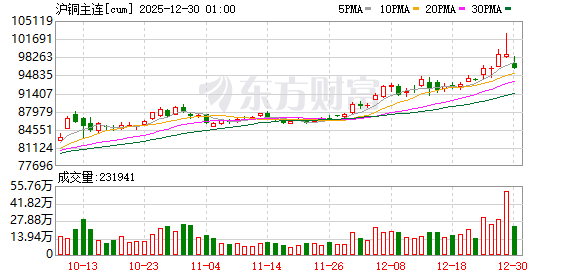
Core Viewpoint - The copper futures price is expected to rise strongly and historically exceed 100,000 yuan per ton by the end of 2025, driven by macroeconomic policies, supply constraints, and structural shortages [1] Group 1: Macroeconomic Environment - China's macroeconomic policy for 2026 is set to focus on "stability while seeking progress," aiming to expand domestic demand and optimize structure, which will resonate with the copper market fundamentals [1] - The global macroeconomic environment is characterized as "stable but fragile," with uncertainties from policy shifts, geopolitical conflicts, and protectionism affecting copper prices [2] - The Federal Reserve is expected to shift its policy focus and begin a rate-cutting cycle in September 2025, which will support copper prices through a weaker dollar [2] Group 2: Supply Constraints - The global copper supply faces fundamental challenges due to hard resource constraints, with limited new discoveries since 2015 and a long lead time for new projects [3] - The average grade of global copper mines has declined from 0.68% in 2001 to 0.45% in 2023, leading to increased mining costs and reduced efficiency [3] - Supply chain disruptions in 2025, including power outages and natural disasters, have significantly impacted copper production, exacerbated by geopolitical risks and policy changes in key producing countries [3] Group 3: Industry Dynamics - The copper concentrate processing fees have sharply declined, marking the industry’s entry into a "zero processing fee era," with significant implications for profitability [4] - Despite the profit squeeze, China's electrolytic copper production increased by 11.76% year-on-year in the first 11 months of 2025, supported by long-term contracts and favorable prices for by-products [4] - The industry is undergoing a supply-side reform, shifting focus from expansion to resource security and reasonable profits, driven by policy constraints and industry self-discipline [5] Group 4: Import Trends - In the first 11 months of 2025, China's electrolytic copper imports decreased by 8.12% year-on-year, with a notable decline in the second half of the year [6] - The Democratic Republic of the Congo has surpassed Chile as China's largest supplier of electrolytic copper, driven by increased imports of cost-effective "non-registered" brand copper [6] Group 5: Demand Drivers - Investment in the power sector is shifting towards grid upgrades, with significant investments expected to support copper demand, particularly in the context of energy transition [7] - The automotive industry is experiencing strong growth, especially in the electric vehicle segment, which has a higher copper usage per vehicle, driving marginal demand for copper [7] - Copper is increasingly recognized as a strategic resource essential for global energy transition and AI infrastructure, enhancing its long-term price outlook [8]