智能网联汽车

Search documents
频受国际巨头青睐 自主品牌新能源车迈向技术输出新阶段
Xin Hua Wang· 2025-08-12 05:49
Core Insights - Xiaopeng Motors has signed a strategic cooperation framework agreement with Volkswagen Group to jointly develop two B-class electric vehicle models based on Xiaopeng's G9 platform and advanced driver assistance systems, marking a shift in China's automotive industry from technology importation to exportation [1][2][5] Group 1: Strategic Partnerships - Xiaopeng Motors and Volkswagen plan to develop two electric vehicle models for the Chinese mid-size car market, expected to launch in 2026, with Volkswagen investing approximately $700 million for a 4.99% stake in Xiaopeng [2] - Audi has deepened its collaboration with SAIC Group to expand its high-end intelligent connected electric vehicle product lineup, aiming to develop new localized platforms for next-generation smart vehicles [3][4] Group 2: Market Dynamics - The Chinese automotive market has become the largest in the world, with new energy vehicle sales led by companies like BYD, which maintained monthly sales above 200,000 units, while Xiaopeng and other new energy vehicle brands are gaining recognition for their innovation and technology [5][6] - Volkswagen's global electric vehicle deliveries reached 321,600 units in the first half of the year, a 48% increase, but still only accounted for 7.4% of total deliveries, highlighting the competitive pressure from local brands like BYD, which saw a 95.78% year-on-year increase in sales [5][6] Group 3: Technological Advancements - Xiaopeng Motors emphasizes the importance of smart driving technology, with its XNGP system expected to cover multiple cities without relying on high-precision maps, indicating a significant advancement in autonomous driving capabilities [6] - The collaboration between Xiaopeng and Volkswagen is seen as a milestone in the domestic automotive industry, showcasing the recognition of Chinese brands' electric and intelligent capabilities on a global scale [6]


车市产销两旺带动上游订单增长 18家汽车零部件公司前三季度业绩预喜
Xin Hua Wang· 2025-08-12 05:48
Group 1 - A total of 24 automotive parts listed companies in A-shares have released their performance forecasts for the first three quarters, with 18 companies expecting positive results [1] - Six companies, including Wan'an Technology and Feilong Co., are projected to have a net profit growth rate exceeding 100% year-on-year, driven by sufficient orders and strong sales of core products [1] - Feilong Co. anticipates a net profit of 205 million to 230 million yuan for the first three quarters, representing a year-on-year increase of 252.82% to 295.84%, attributed to increased export revenue and substantial growth in operating income [1] Group 2 - The overall profitability of parts manufacturers is increasing due to the rising sales scale in the automotive market, with domestic car sales hitting new highs from June to September [2] - In the first three quarters, China's automotive production and sales reached 21.075 million and 21.069 million units, respectively, marking year-on-year growth of 7.3% and 8.2% [2] - The electric and intelligent transformation in the automotive industry is expected to further boost consumer policies, leading to significant growth in the market for automotive parts, especially in the fields of new energy and intelligent connected vehicles [2]

与九识无人车共赴智能未来
Zhong Guo Qi Che Bao Wang· 2025-08-12 02:56
Core Insights - The 2025 Yangtze River Delta (Kunshan) Embodied Intelligence Application Competition marks a significant event in the intelligent connected vehicle industry in China, showcasing advancements in autonomous driving technology [2][7] - Jiushi Intelligent's Z5 model demonstrates its leading capabilities in the field of embodied intelligence, particularly in logistics and urban delivery scenarios [2][6] Technology Advancements - Jiushi Intelligent's Z5 features an innovative modular cargo box, signifying a shift towards customizable urban delivery solutions, while achieving a 30% improvement in driving range and reducing carbon emissions by over a thousand tons annually [3][6] - The vehicle employs dual 3D perception technology, achieving millimeter-level environmental awareness and enhancing safety standards through real-time monitoring [3][6] - The upgraded Jupiter autonomous driving system processes 12 types of complex road conditions with a decision response time of 35ms, four times faster than the industry average, and achieves a perception accuracy of 99.8% in critical areas [5][6] Competitive Edge - Jiushi Intelligent's Z5 competes in the autonomous transportation segment, successfully navigating complex environments with advanced mapping, dynamic path planning, and obstacle avoidance capabilities [4][6] - The vehicle's hardware features a modular design, contributing to superior testing performance and adaptability in various weather conditions [5][6] Industry Impact - The competition highlights a transformative phase in the intelligent connected vehicle industry, driven by data accumulation from over ten million kilometers of operational data across more than 200 cities [6][7] - Jiushi Intelligent's focus on efficient logistics through autonomous vehicles addresses challenges such as fatigue driving and adverse weather, enhancing delivery speed and reducing delays [6][7] - The company's commitment to green logistics aligns with global sustainability goals, contributing to carbon reduction efforts and meeting the demand for environmentally friendly transportation solutions [6][7]

汽车与汽车零部件行业周报、月报:智界转向独立化运营,理想i8调价-20250812
Guoyuan Securities· 2025-08-12 02:17
Investment Rating - Maintain recommendation [6] Core Insights - The wholesale of passenger cars is growing faster than retail, with a stable and rapid growth in the passenger car market. In July 2025, the national retail of passenger cars reached 1.834 million units, a year-on-year increase of 7%, while wholesale reached 2.192 million units, a year-on-year increase of 12% [1][20] - The new energy vehicle market is also showing strong growth, with retail sales of 1.003 million units in July, a year-on-year increase of 14%, and a cumulative retail of 6.472 million units this year, up 30% year-on-year [1][20] - The penetration rate of new energy vehicles in the passenger car market reached 54.7% in July, indicating a significant shift towards electric vehicles [1][20] Summary by Sections 1. Weekly Market Review - The automotive sector rose by 2.68% in the week of August 2-8, 2025, outperforming the Shanghai Composite Index by 1.45 percentage points [12] - The motorcycle and other segments saw the highest increase of 8.24%, while the passenger car segment experienced a slight decline of 0.65% [15] 2. Weekly Data Tracking - Passenger car retail and wholesale data for July 1-31, 2025, showed retail at 1.834 million units and wholesale at 2.192 million units, both reflecting year-on-year growth [20] - The new energy vehicle segment's wholesale reached 1.179 million units in July, with a year-on-year increase of 25% [20] 3. Industry News - Chery and Huawei signed a strategic cooperation agreement for the Zhijie brand, committing over 10 billion yuan and increasing the R&D team to 5,000 people [2][49] - Li Auto announced a price reduction for the Li One model, now priced at 339,800 yuan, reflecting the competitive nature of the mid-to-high-end electric vehicle market [3][41] - The integration of autonomous driving teams within Geely aims to streamline operations and enhance technological capabilities [32] 4. Investment Suggestions - Focus on leading automotive companies enhancing their competitive edge in differentiated markets and the potential for brand reputation to create a snowball effect [4]
多家车企发布7月份销售数据,智能网联汽车ETF(159872)上涨近2%
Xin Lang Cai Jing· 2025-08-11 03:34
Group 1 - The China Securities Car Networking Theme Index (930725) has seen a strong increase of 1.64%, with significant gains in constituent stocks such as Wutong Technology (002331) up 10.06%, Aerospace Science and Technology (000901) up 10.03%, and Dongfeng Technology (600081) up 4.89% [1] - BYD continues to lead the market with July sales of 344,300 vehicles, showing a year-on-year growth of only 0.6%, but cumulative sales for the year are approaching 2.5 million units, indicating sustained scale effects [1] - SAIC Motor's vehicle sales reached 338,000 units in July, marking a year-on-year increase of 34.2%, achieving seven consecutive months of growth [1] - Geely Automobile Group reported July sales of 237,700 vehicles, a year-on-year increase of 58%, with sales exceeding 200,000 units for 11 consecutive months [1] - The new energy vehicle sector showed remarkable performance with monthly sales of 130,100 units, a year-on-year increase of 120%, and a penetration rate of 55% [1] - New entrants in the market, such as Leap Motor and Xpeng, have experienced significant growth driven by popular products [1] Group 2 - Everbright Securities highlights that the commercialization scale of domestic and international Robotaxi may reach a turning point, favoring autonomous driving companies with advantages in technology, ecosystem, and operations [2] - The industry is expected to shift from price-cutting strategies to technology upgrades and cost reductions, with attention on the implementation of anti-involution strategies at the local level [2] - The Smart Connected Vehicle ETF closely tracks the China Securities Car Networking Theme Index, which includes companies related to content and service providers, software providers, hardware providers, and automobile manufacturers to reflect the overall performance of car networking listed companies [2] - As of July 31, 2025, the top ten weighted stocks in the China Securities Car Networking Theme Index include SAIC Motor (600104), CATL (300750), Hongfa Technology (600885), Dahua Technology (002236), Desay SV (002920), iFlytek (002230), Huichuan Technology (300124), Huayu Automotive (600741), OFILM (002456), and BYD (002594), collectively accounting for 49.41% of the index [2]



汽车行业周报(20250804-20250810):8月传统车企有望加码营销活动,下半年销量展望乐观-20250810
Huachuang Securities· 2025-08-10 11:14
Investment Rating - The report maintains a "Recommend" rating for the automotive industry, with an optimistic outlook for the second half of the year [1]. Core Insights - Traditional automakers are expected to ramp up marketing activities in August, leading to a positive sales outlook for the second half of the year. The market is still digesting weak investment sentiment, and patience is advised while waiting for the release of semi-annual reports [1]. Data Tracking - In July, new energy vehicle deliveries showed significant growth for Xpeng, with a year-on-year increase of 2.3 times, while Li Auto saw a decline of 39.7% year-on-year. BYD delivered 344,296 vehicles, a slight increase of 0.6% year-on-year, but a decrease of 10.0% month-on-month [2][18]. - Traditional automakers also saw notable sales growth, with Geely's sales reaching 238,000 units, up 57.6% year-on-year. SAIC Group led the sales with 338,000 units, a 34.2% increase year-on-year [20]. Discount Rates and Amounts - The average discount rate in late July was 10.0%, a slight increase of 0.1 percentage points from early July, and the average discount amount was 22,311 yuan, up 126 yuan from early July [3][22]. Industry News - The report highlights significant developments in the automotive sector, including the launch of new models by various manufacturers, such as the new Audi A5L and Q6L e-tron, and the introduction of the third-generation UNI-V by Changan [28][29]. - The penetration rate of new energy vehicles reached 54.0% in July, marking a 2.7 percentage point increase year-on-year, with new energy vehicles accounting for 21.4% of the market share [28]. Market Performance - The automotive sector saw a weekly increase of 2.35%, ranking 9th among 29 sectors. The overall market indices also showed positive growth, with the Shanghai Composite Index rising by 2.11% [7].



周红波在调研交通运输工作时强调
Nan Jing Ri Bao· 2025-08-09 01:43
Group 1 - The core viewpoint emphasizes the importance of comprehensive transportation as a crucial support for urban status and capability, playing a foundational, leading, and strategic role in promoting high-quality development [2] - The city aims to integrate into national strategies, enhance transportation connectivity, and accelerate the construction of a modern comprehensive transportation system, focusing on key projects in the Nanjing metropolitan area [2] - There is a strong emphasis on innovation-driven development in the transportation sector, including the promotion of low-altitude economy and intelligent connected vehicles as future industries [2] Group 2 - The city is committed to enhancing the effectiveness of transportation services for the public, optimizing public transport networks, and developing green transportation [2] - Continuous strengthening of party building and work style is highlighted, with a focus on maintaining and safeguarding the rights of new employment groups such as ride-hailing and freight drivers [3]
全球汽车产业面临大洗牌,升级后的中国长安汽车会成为关键变量吗?
华尔街见闻· 2025-08-08 09:49
Core Viewpoint - The global automotive industry is undergoing a significant transformation, with China leading the way in the electric vehicle (EV) market, particularly through the strategic upgrade of Changan Automobile Group, which aims to enhance its global competitiveness and high-end positioning [1][4][13]. Group 1: Industry Transformation - As of June 2025, global sales of new energy passenger vehicles reached 1.8 million units, marking a 24% year-on-year increase, with China accounting for 1.11 million units sold, representing a 28% growth [1]. - Traditional automotive giants are struggling with electrification, while Chinese brands leverage their first-mover advantage in the new energy sector to reshape the global automotive landscape [1]. Group 2: Establishment of Changan Automobile Group - On July 29, 2023, Changan Automobile Group was officially established as China's third automotive state-owned enterprise, following FAW Group and Dongfeng Motor, consolidating 117 subsidiaries with total assets of 308.7 billion yuan and approximately 110,000 employees [4]. - This strategic adjustment is seen as a crucial move in optimizing China's automotive industry layout, aligning with national goals of building a strong automotive and technology nation [4][5]. Group 3: Performance and Future Goals - In the first half of 2023, Changan Automobile achieved total revenue of 146.9 billion yuan, with new energy vehicle sales increasing by 49.1% year-on-year and overseas sales growing by 5.1% [5]. - The company aims to reach a production and sales scale of 5 million vehicles by 2030, with new energy vehicles accounting for over 60% of sales and overseas sales exceeding 30% [8]. Group 4: Strategic Brands and Product Plans - Changan's three major new energy brands—Avita, Deep Blue, and Changan Origin—are set to collaborate strategically, each targeting different market segments to support the new state-owned enterprise's ambitions [8][10]. - Avita plans to launch 17 new models by 2030, focusing on luxury smart electric vehicles, while Deep Blue aims to introduce 30 new mainstream and differentiated models over the next five years [10]. - Changan Origin targets mainstream family users, with a goal of exceeding 1 million global sales by 2027 and 1.8 million by 2030, with several new models set to launch in the near future [10]. Group 5: Global Supply Chain Innovation - The newly established subsidiary, Chanjin Parts, is expected to play a significant role in driving global supply chain collaborative innovation [11]. Group 6: Historical Significance - The upgrade of Changan Automobile represents a pivotal moment for China's automotive industry, embodying the transition from a large automotive market to a strong one, with the potential to leave a lasting impact on the global automotive industry [13].

车展来啦!2025齐鲁车展(秋季)9月4日-8日即将启幕!
Qi Lu Wan Bao· 2025-08-08 02:55
Core Viewpoint - The 2025 Qilu Auto Show (Autumn) is set to take place from September 4 to 8, 2025, at the Shandong International Convention and Exhibition Center, showcasing the growth of the automotive market in Shandong and serving as a barometer for automotive consumption trends [1][14]. Group 1: Policy and Incentives - The Chinese automotive market is experiencing a historic opportunity with strong policy incentives, including the continuation of tax exemptions for new energy vehicles and increased subsidies for trade-in programs [2][4]. - The second round of automotive consumption subsidies in Jinan, starting from August 1, 2025, offers a total of 12 million yuan in subsidies for purchasing new non-operational passenger vehicles, with varying amounts based on the purchase price [2][4]. Group 2: Consumer Opportunities - The autumn of 2025 is considered a prime time for consumers to purchase vehicles, with multiple incentives creating an excellent environment for discounts, especially during large exhibitions like the Qilu Auto Show [4]. - The show is expected to provide significant competitive pricing and promotional offers from various brands, enhancing the purchasing experience for consumers [4][9]. Group 3: Technological Advancements - The 2025 Qilu Auto Show will highlight cutting-edge automotive technologies, with a focus on electric, intelligent, and connected vehicles, as the penetration rate of new energy vehicles surpasses 50% in China [5][7]. - Consumers will have the opportunity to experience various smart features and configurations, such as intelligent cockpits and advanced driver assistance systems, reflecting the industry's rapid technological evolution [7][12]. Group 4: Cultural and Community Engagement - The Qilu Auto Show has evolved from a simple trading platform to a cultural symbol of the automotive industry, incorporating cultural activities alongside purchasing incentives [9][12]. - The event will feature a "mass car purchase" activity, leveraging partnerships with multiple automotive brands to offer exclusive deals to consumers [9][11].
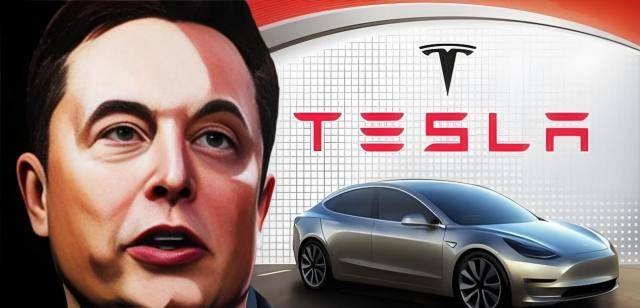
特斯拉17亿天价判赔背后,中美自动驾驶产业的竞赛与隐忧
Sou Hu Cai Jing· 2025-08-08 02:54
Core Viewpoint - The recent jury ruling in Florida regarding Tesla's Autopilot system, which holds Tesla responsible for 33% of the liability and requires a payment of $243 million, marks a significant milestone in the history of autonomous driving, potentially influencing future legal precedents in the industry [2][16]. Group 1: Industry Competition - The global autonomous driving landscape has evolved into a competitive framework primarily between the US and China, with the US focusing on legal clarity through case law and China accelerating commercialization through policy [2]. - The competition features key players such as Waymo and Tesla in the US, while Chinese companies like Baidu and WeRide are making significant advancements in practical applications [2][11]. Group 2: Policy Development - The US has a longer history of autonomous driving legislation, starting with Nevada's AB511 in 2011, while China began its policy development in 2015, resulting in a higher density of regulations by 2025 [6][10]. - Both countries are continuously refining safety and liability regulations, with the US focusing on specific technologies like V2X and China emphasizing a comprehensive development model [7][8]. Group 3: Regulatory Environment - The US regulatory framework is characterized by state-level legislation leading the way, resulting in a diverse regulatory landscape, while China adopts a more centralized approach with national guidelines complemented by local adaptations [8][9]. - The US relies on binding legislation, whereas China often issues guidelines and strategic plans that provide direction without strict enforcement [10]. Group 4: Robotaxi Market Dynamics - The Robotaxi sector is witnessing intense competition, with Tesla launching its Robotaxi service in Austin, while Chinese companies are rapidly advancing their own services [11][12]. - China has a more extensive city coverage for Robotaxi operations compared to the US, with major players like Baidu and WeRide operating in multiple cities [12][13]. Group 5: Operational Metrics - Both the US and China have comparable numbers of Robotaxi vehicles, but China significantly outpaces the US in terms of real-world testing mileage, reflecting the advantages of its complex road conditions [13]. - In terms of commercial activity, while the US shows higher order volumes, China's market is projected to grow at a much faster rate, indicating a substantial growth potential [14][16]. Group 6: Financial Implications - The recent ruling against Tesla highlights the financial risks associated with autonomous driving technology, raising concerns about the ability of other companies to absorb similar liabilities [16][17]. - The profitability of Chinese automakers varies significantly, with only a few companies capable of handling substantial compensation claims, which could pose a threat to their financial stability in the event of similar legal challenges [17][18]. Group 7: Future Considerations - The ruling serves as a cautionary tale for the autonomous driving industry, emphasizing the need for a comprehensive risk management framework that integrates safety into the technology development process [18]. - The ongoing evolution of regulations and market dynamics suggests that the industry is at a pivotal moment, with significant implications for the future of autonomous driving technology and its commercialization [18].