零重力座椅

Search documents
吉利周大永:用技术创新支撑中国汽车全球化发展
Zhong Guo Qi Che Bao Wang· 2026-02-13 07:00
Core Insights - The development of zero-gravity seats is a significant aspect of the high-end transformation of Chinese automobiles, focusing on quality and comfort for consumers [1] - The automotive industry in China is experiencing a shift towards innovation and leadership, particularly in the dimensions of intelligence ("智") and quality ("质") [3] Group 1: Intelligence ("智") - Intelligent tools such as AI have been integrated into every stage of automotive development, significantly reducing the time and cost associated with physical testing [4] - The transition from experience-driven to data-driven development has led to substantial improvements in efficiency and quality [4] Group 2: Quality ("质") - The introduction of the All-Domain Safety 2.0 technology system by Geely represents a significant upgrade in automotive safety, incorporating a comprehensive view of safety that includes "public domain safety" [5] - Geely has established a global safety center to enhance its verification capabilities, ensuring compliance with global regulations and addressing real-world complexities [5] Group 3: Collaborative Innovation - The enhancement of automotive safety performance requires collaborative efforts across the industry, moving from a follower to a leader role [6] - The integration of various disciplines within automotive development is essential for rapid iteration and systemic responses to technological innovations [6] Group 4: Case Study - Zero-Gravity Seat - The development of the zero-gravity seat involved creating a unique testing dummy to simulate collision impacts for non-standard seating positions, showcasing Geely's commitment to innovation in safety verification [8] - This initiative reflects a broader goal of establishing Chinese standards in global safety testing frameworks [8] Group 5: Globalization and Future Strategy - Geely is preparing for globalization by fostering cross-disciplinary talent and establishing deeper collaborations within the industry [9] - The aim is to ensure that Chinese automotive products and technologies are competitive globally, adapting to various market needs and regulations [9]


从小切口透视大行业 ——2025年汽车供应链变革“风暴眼”
Zhong Guo Qi Che Bao Wang· 2026-01-06 02:18
Core Insights - The automotive industry's core competitiveness is shifting from traditional mechanical performance to smart technology, safety, and integration with energy networks [3] - Eight key component areas have emerged as focal points for change in the automotive supply chain by 2025 [3] Group 1: AI and Smart Technology - AI large models, including VLA and VLM, are reshaping the perception, decision-making, and interaction systems in smart vehicles [4] - Companies like Li Auto and XPeng are actively developing and deploying VLA-based autonomous driving systems, with plans for mass production by 2026 [4] - The competition in AI models is intensifying, with a focus on the underlying support systems like computing power and data [4] Group 2: Vehicle-to-Grid (V2G) Interaction - V2G is becoming a hot topic as electric vehicles can act as distributed energy storage units within new energy systems [5] - Government policies are driving the adoption of V2G, with pilot projects and plans to expand the scope of V2G applications by 2027 [5][6] - Companies like GAC Group are implementing V2G functionalities in their models and developing charging infrastructure to support this transition [6] Group 3: Battery Safety Standards - The new national standard for electric vehicle batteries, effective July 2026, emphasizes safety by requiring batteries to be "non-flammable and non-explosive" [7] - The updated standards will compel battery manufacturers to innovate in materials, design, and production processes to meet stricter safety requirements [7] - Leading battery companies like BYD are already adapting to these new standards, which will enhance safety and consumer trust in electric vehicles [7] Group 4: Door Handle Innovations - Electric hidden door handles are becoming a focal point due to safety concerns arising from their failure in collision scenarios [8][9] - New regulations are being proposed to ensure that all door handles, including electronic ones, have a mechanical release function for emergency situations [9] Group 5: Solid-State Batteries - Solid-state batteries are gaining traction due to their advantages in energy density and safety, with several companies planning to launch new products or production lines [10] - The development of solid-state batteries is seen as a key competitive factor for companies in the next generation of electric vehicles [10][11] Group 6: Human-Car-Home Ecosystem - The "Human-Car-Home" ecosystem is emerging, integrating automotive, home, and personal devices into a cohesive smart system [12] - Companies like Haier and Midea are collaborating with automotive brands to create interconnected systems that enhance user experience [12][13] Group 7: Humanoid Robots - The automotive industry is increasingly intersecting with humanoid robotics, with companies exploring the integration of robotic technology into manufacturing processes [14][15] - The demand for precision and adaptability in manufacturing is driving the development of humanoid robots tailored for automotive applications [14] Group 8: Zero-Gravity Seats - Zero-gravity seats are becoming a key feature in mid to high-end vehicles, enhancing passenger comfort and experience [16] - The lack of standardized regulations for these seats poses challenges, particularly regarding safety during vehicle operation and collisions [16]

20万元级“豪华堆料王”登场,铂智7成2025广马“最美领航车”
Zhong Guo Qi Che Bao Wang· 2025-12-21 14:16
Core Viewpoint - GAC Toyota's new electric vehicle, the Platinum 7, is positioned as a luxury flagship model in the electric sedan market, showcasing advanced technology and design while being accessible at a competitive price point of around 200,000 yuan [1][11]. Group 1: Product Features - The Platinum 7 features a length exceeding 5 meters, a wheelbase over 3 meters, and a width close to 2 meters, directly competing with high-end luxury models like Porsche Panamera and Bentley Flying Spur [3]. - It incorporates the latest Toyota design language, achieving a classic sedan proportion with a 1.3 golden aspect ratio, exuding an executive presence on the road [3]. - The vehicle includes a HarmonySpace 5 cockpit with intuitive smartphone-like interactions and over 150 voice control functions, enhancing user experience [6]. Group 2: Technology and Performance - The Platinum 7 is equipped with a comprehensive intelligent driving assistance system powered by Momenta R6, utilizing 27 high-spec sensors and 3 billion kilometers of real-world data for full-scenario coverage [6]. - It features a dual-chamber air suspension and SDC dampers, allowing real-time adjustment of damping to filter road bumps effectively, providing superior handling [8]. - The car is powered by Huawei's DriveONE electric drive system, offering seamless acceleration and braking experiences [6]. Group 3: Luxury and Comfort - The interior is designed for comfort, featuring NASA-recommended zero-gravity seats that alleviate fatigue during long rides [8]. - High-quality materials are used throughout, including Nappa leather seats and a Yamaha 7.1.4 surround sound system, aiming to redefine luxury in mainstream sedans [10]. - The vehicle's sound insulation is comparable to the Mercedes EQS, ensuring a quiet and relaxing cabin environment [10]. Group 4: Market Position and Strategy - GAC Toyota has been a partner of the Guangzhou Marathon for 11 years, showcasing its commitment to the local market and the development of electric vehicles [11]. - The launch of the Platinum 7 marks a significant step in GAC Toyota's strategy to strengthen its electric vehicle offerings in China, following the success of the Platinum 3X model [11]. - The Platinum 7 is currently available for blind booking and is part of a nationwide promotional tour across 131 cities, with an official launch planned for the first quarter of 2026 [11].

汽车圈,快没甲方了
汽车商业评论· 2025-12-18 23:05
Core Viewpoint - The article emphasizes the importance of a healthy payment cycle (60 days) in the automotive supply chain, highlighting its role in fostering trust and collaboration between manufacturers and suppliers, ultimately leading to sustainable development and innovation in the industry [4][5][13]. Payment Cycle Importance - A healthy payment cycle is crucial for the sustainable development of the entire value chain, as it impacts investment in new technologies and production capacity [4][23]. - The 60-day payment policy has been adopted by several major automotive companies, reflecting a shift towards a more supportive relationship between manufacturers and suppliers [5][7]. - Suppliers view the 60-day payment cycle as essential for maintaining cash flow, which is necessary for innovation and operational stability [7][19]. Shift in Manufacturer-Supplier Relationships - The relationship between manufacturers and suppliers is evolving from a traditional supply-demand dynamic to a more collaborative, long-term partnership model [7][30]. - Manufacturers recognize that the success of their operations is intertwined with the financial health of their suppliers, leading to a more symbiotic relationship [7][21]. - The emergence of the Tier 0.5 model signifies a qualitative leap in collaboration, where suppliers are involved early in product development, enhancing innovation and responsiveness to market changes [9][30]. Tier 0.5 Model - The Tier 0.5 model emphasizes co-creation and innovation, allowing suppliers to participate in defining products and responding to consumer feedback more effectively [9][30]. - This model fosters deep mutual trust and collaboration, enabling both manufacturers and suppliers to innovate and adapt to rapidly changing market conditions [9][33]. - Suppliers are increasingly seen as partners in the innovation process, contributing ideas and capabilities from the early stages of product development [9][35]. Global Market Expansion - The collaborative efforts between manufacturers and suppliers are essential for successfully entering global markets, particularly in the context of increasing competition [10][56]. - Companies are focusing on building strong supply chains that can support international expansion, leveraging the capabilities of both domestic and international partners [10][59]. - The automotive industry is witnessing a shift towards a more integrated approach to global market strategies, where collaboration across the supply chain is key to success [10][60].

陷阱与馅饼:零重力座椅舒适革命
汽车商业评论· 2025-11-25 23:06
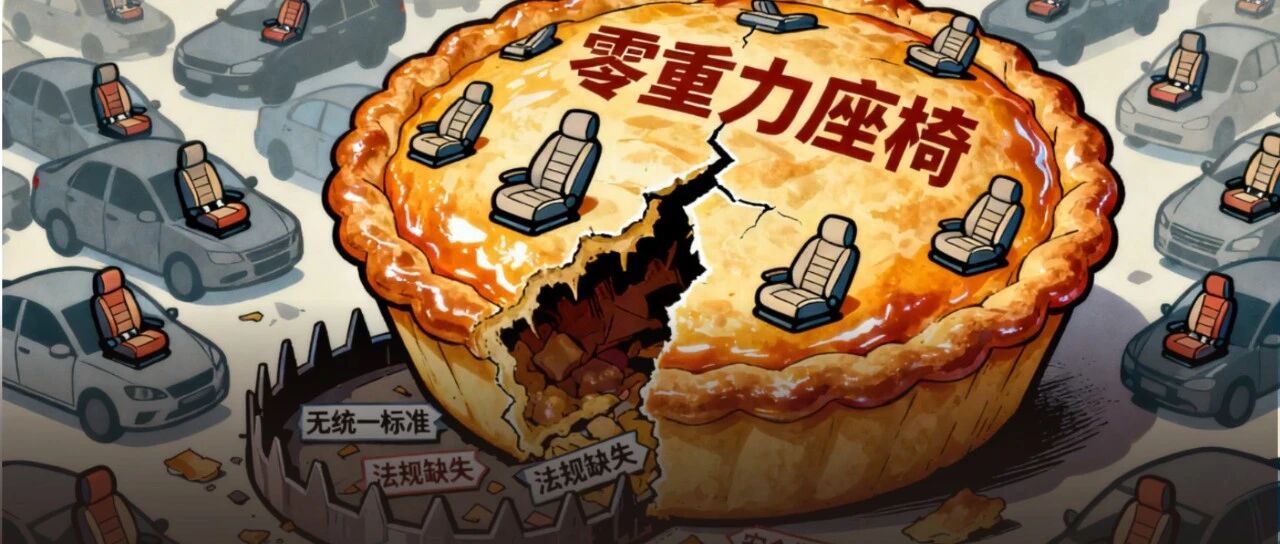
Core Viewpoint - The article discusses the safety challenges associated with "zero-gravity seats" in vehicles, highlighting the need for advancements in safety belt technology to ensure passenger protection during collisions while maintaining comfort [4][10][17]. Group 1: Zero-Gravity Seat Safety Concerns - Research indicates that zero-gravity seats can significantly increase the risk of injury during collisions, with injury values for AIS3 and AIS4 levels exceeding 70% [5]. - The concept of zero-gravity seating originated in the aerospace industry to alleviate spinal pressure, and it has been adopted by automotive manufacturers since 2005 [6]. - The number of domestic models equipped with zero-gravity seats has surged from 32 in 2022 to 117 in 2024, with models priced under 200,000 yuan increasing from 12% to 47% [8]. Group 2: Traditional Safety Belt Limitations - Traditional three-point safety belts, designed for standard seating positions, fail to provide adequate protection in non-standard postures such as those found in zero-gravity seating [10][12]. - The design of safety belts is based on fixed anchor points, which become ineffective when seat angles are adjusted significantly [12]. - In a collision, traditional safety belts may not prevent passengers from sliding out of their seats or may cause neck injuries due to improper restraint [14]. Group 3: Innovations in Safety Belt Technology - The industry is exploring two main technological paths for safety belt systems: active adjustment and passive protection [22][25]. - The first vehicle allowing the use of zero-gravity seats while driving, the Huawei Hongmeng Zhixing and Jianghuai Automobile's luxury electric sedan, features a safety belt system that adjusts the seat angle and tightens the belt in anticipation of a collision [17]. - The i-ARS Safety system by ZF includes multi-sensor occupant recognition and adaptive restraint systems, aiming to provide protection across various seating positions and collision scenarios [21]. Group 4: Regulatory Developments - A new group standard for "large angle seats" has been initiated, defining seats with backrest angles greater than 45° and establishing testing parameters for occupant protection [28]. - The revision of the national standard GB15083-2019 is underway, which will include safety requirements for zero-gravity seats and ensure effective restraint systems during driving [29]. - Industry debates continue regarding the maximum allowable backrest angle during driving, with some manufacturers advocating for greater flexibility based on safety data [30].
零百加速需≥5秒!汽车安全新国标意见征询,还涉旋转座椅等
Nan Fang Du Shi Bao· 2025-11-13 14:29
Core Viewpoint - The new national standard for motor vehicles in China aims to impose stricter regulations on performance and safety features of new energy vehicles, addressing concerns over rapid acceleration and safety mechanisms [1][2][3]. Group 1: New Standards Overview - The new national standard, titled "Motor Vehicle Operation Safety Technical Conditions," is open for public consultation starting November 10, 2023, and is set to be implemented six months after its release [1][5]. - This standard is a revision of the existing 2017 version, which has become inadequate in addressing the rapid development of new technologies and safety management needs in the automotive sector [1]. Group 2: Performance Regulations - A key requirement is that passenger vehicles must have a default acceleration time of no less than 5 seconds for 0 to 100 km/h after each ignition, aimed at reducing the risk of acceleration-related accidents [2]. - The rationale behind this regulation is to ensure that drivers are better prepared for high acceleration modes, thereby minimizing the likelihood of misuse [2]. Group 3: Safety Features - New regulations mandate that all car doors, except for the tailgate, must have mechanical release functions, ensuring that doors can be opened in emergencies, even if they are locked [3]. - The standard also addresses the safety of innovative seating designs, requiring that adjustable and rotating seats must be securely fixed in a forward position while the vehicle is in motion [3]. Group 4: Entertainment and Distraction Prevention - The new standard prohibits the use of entertainment systems that play videos or games when the vehicle is traveling over 10 km/h, aiming to reduce driver distraction [4]. - This regulation is part of a broader effort to enhance road safety by minimizing distractions from in-car entertainment systems [4]. Group 5: Battery Safety and Monitoring - The standard emphasizes the importance of battery safety, requiring that electric vehicles automatically cut off power in the event of significant speed changes or emergencies to prevent secondary accidents [4]. - Additionally, it mandates enhanced monitoring and warning systems for battery conditions, ensuring that any anomalies are detected and communicated effectively [4].
岚图知音:犹豫未选八千小桌板而后悔,零重力座椅狂砍一单又一单
车fans· 2025-10-21 00:30
Core Insights - The market performance of the new Zhiyin model has been mixed, with a decline in customer visits due to surrounding construction affecting accessibility [2][4] - The most popular configuration is the rear-drive Qiankun version, with white and gold being the preferred colors, while blue has seen poor sales [4][10] - Customer demographics show that two-thirds are ordinary families looking for daily commuting vehicles, with a notable interest in intelligent driving features [6][10] Market Performance - Daily customer visits have decreased from around 10 groups to about 6, primarily due to road construction nearby [2] - The waiting period for the most popular configuration is estimated at 1-2 weeks, while less popular options may take up to 2 months [4] Customer Preferences - The most frequently compared models are the Shangjie H5 and the Zhiji LS6, with concerns about electric range being a significant factor in customer decision-making [10][11] - Customers are particularly drawn to the intelligent driving capabilities and the comfort of the zero-gravity seats [13][14] Purchase Behavior - Financing options include a 5-year loan with no interest for the first 2 years, and additional incentives such as a free upgrade package and discounts for trade-ins [17][18] - Many customers express regret for not opting for additional features after purchase, indicating a tendency to be cost-conscious initially [22] Maintenance and Costs - Regular maintenance is required every year or every 10,000 kilometers, with a standard check costing around 120 yuan [23]
“豪华车”的定义更丰富了
Ren Min Ri Bao Hai Wai Ban· 2025-08-27 23:00
Core Insights - The definition of "luxury cars" is evolving in China, with consumers increasingly valuing technological features and user experience over traditional metrics like price and brand recognition [3][6][8] - Chinese automotive brands are making significant strides into the luxury car market, offering high-end features that were once exclusive to imported luxury vehicles [5][7][10] Group 1: Changing Consumer Perceptions - Consumers are redefining luxury cars, focusing on features like air suspension, smart driving experiences, and comfort rather than just price [3][5][6] - The younger generation emphasizes technological sophistication, with features like voice interaction and seamless connectivity becoming key selling points [5][6] Group 2: Technological Advancements - Chinese automotive companies are innovating with high-end technologies such as air suspension, which has seen a price drop from 500,000 yuan to around 200,000 yuan due to local development [5][7] - The shift towards electric and smart vehicles is transforming cars into "large smart terminals," changing the criteria for luxury from price to functionality and experience [6][8] Group 3: Market Dynamics - In the market for vehicles priced above 300,000 yuan, Chinese brands are increasing their market share, with companies like NIO and Li Auto successfully targeting high-end consumers [7][8] - Data shows that in the first half of the year, Chinese brands sold 9.27 million passenger vehicles, a 25% increase year-on-year, capturing 68.5% of the market share [8][10] Group 4: International Expansion - Chinese luxury vehicles are gaining traction in international markets, with brands like NIO and BYD achieving significant sales in Europe and the Middle East [10][11] - Traditional luxury brands are facing challenges in China, with sales declines prompting them to accelerate their electric vehicle strategies and collaborate with local tech firms [11][12]
零部件穿越周期系列之座椅:空间、格局和盈利,三维视角再看座椅赛道
Changjiang Securities· 2025-08-21 04:42
Investment Rating - The report maintains a "Positive" investment rating for the industry [11] Core Insights - The domestic seat market is expected to exceed 1567 billion yuan by 2030, with a CAGR of 5.9% from 2024 to 2030, driven by the dual trends of general configuration downscaling and high-end innovation [4][10] - The transition to electric and intelligent vehicles is increasing the demand for faster response times and cost control from seat manufacturers, providing opportunities for domestic companies like Jifeng [4][8] - Profitability in the seat market can be improved through vertical integration of the supply chain and product upgrades, as the current low gross margins are influenced by parts self-manufacturing rates and the value of each vehicle [4][9] Summary by Sections Space - The seat market is expanding as electric and intelligent vehicle upgrades accelerate, with the average value of seats increasing. By 2030, the domestic seat market is projected to reach 1567 billion yuan, with a CAGR of 5.9% from 2024 to 2030 [7][58] - In the under 200,000 yuan segment, vehicles focus on general configurations and some upgraded features, while above 200,000 yuan, new types of seats like zero-gravity are becoming key selling points [7][22] Structure - The domestic seat market has been historically dominated by foreign companies, but the shift towards electric vehicles is creating opportunities for local manufacturers like Jifeng to gain market share. By 2024, Jifeng and Tiancai's market shares are expected to reach 3% and 1%, respectively [8][63] - The market share of foreign companies is projected to decline from 58% in 2022 to 55% in 2024, while domestic companies are rapidly increasing their presence [8][63] Profitability - The gross margin for domestic passenger car seats is significantly lower than the overall level for passenger car parts, primarily due to material costs and labor. If all seat components are self-manufactured, material costs could decrease by 16% [9][72] - Domestic companies can enhance profitability through vertical integration and product upgrades, as the average gross margin for domestic seat manufacturers is above 15%, compared to below 10% for foreign counterparts [9][72]

车展来啦!2025齐鲁车展(秋季)9月4日-8日即将启幕!
Qi Lu Wan Bao· 2025-08-08 02:55
Core Viewpoint - The 2025 Qilu Auto Show (Autumn) is set to take place from September 4 to 8, 2025, at the Shandong International Convention and Exhibition Center, showcasing the growth of the automotive market in Shandong and serving as a barometer for automotive consumption trends [1][14]. Group 1: Policy and Incentives - The Chinese automotive market is experiencing a historic opportunity with strong policy incentives, including the continuation of tax exemptions for new energy vehicles and increased subsidies for trade-in programs [2][4]. - The second round of automotive consumption subsidies in Jinan, starting from August 1, 2025, offers a total of 12 million yuan in subsidies for purchasing new non-operational passenger vehicles, with varying amounts based on the purchase price [2][4]. Group 2: Consumer Opportunities - The autumn of 2025 is considered a prime time for consumers to purchase vehicles, with multiple incentives creating an excellent environment for discounts, especially during large exhibitions like the Qilu Auto Show [4]. - The show is expected to provide significant competitive pricing and promotional offers from various brands, enhancing the purchasing experience for consumers [4][9]. Group 3: Technological Advancements - The 2025 Qilu Auto Show will highlight cutting-edge automotive technologies, with a focus on electric, intelligent, and connected vehicles, as the penetration rate of new energy vehicles surpasses 50% in China [5][7]. - Consumers will have the opportunity to experience various smart features and configurations, such as intelligent cockpits and advanced driver assistance systems, reflecting the industry's rapid technological evolution [7][12]. Group 4: Cultural and Community Engagement - The Qilu Auto Show has evolved from a simple trading platform to a cultural symbol of the automotive industry, incorporating cultural activities alongside purchasing incentives [9][12]. - The event will feature a "mass car purchase" activity, leveraging partnerships with multiple automotive brands to offer exclusive deals to consumers [9][11].