AI大模型

Search documents
多领域创新发展取得突破!“数”说澎湃动能 感知中国经济强劲活力
Yang Shi Wang· 2025-12-05 05:17
Group 1 - China's trade with France reached $68.75 billion from January to October 2025, marking a year-on-year increase of 4.1% [4] - The total investment between China and France has exceeded $27 billion, indicating stable growth in bilateral investments [4] - The economic cooperation between China and France has been significantly enhanced under the strategic guidance of the two countries' leaders, serving as a "ballast" and "accelerator" for their relationship [4] Group 2 - The world's longest single-route civil aviation flight officially commenced on December 4, 2023, connecting Shanghai to Buenos Aires, reducing travel time by over 4 hours [6] - The new flight route spans approximately 20,000 kilometers, crossing both hemispheres [6] Group 3 - China's first major national technology infrastructure in the information and communication sector, the Future Network Test Facility, has passed national acceptance and is now operational [8] - This facility has achieved breakthroughs in multiple core technologies and operates in an all-weather mode, covering 40 cities nationwide [8] - It provides a high-bandwidth, high-throughput network environment essential for AI model training and meets the urgent demand for high-quality data circulation, sharing, and exchange across various industries [8] Group 4 - The Future Network Test Facility can transmit 72TB of data in just 1.6 hours, a significant improvement from the previous requirement of 699 days using the internet [10] - Future advancements may reduce the data transmission time to just over 20 minutes [10]

百度被曝大批裁员三季度巨亏112亿:广告主加速逃离、在线营销业务连降6季 AI仍处投入期或难挑大梁
Xin Lang Cai Jing· 2025-12-05 05:10
Core Viewpoint - Baidu is undergoing significant layoffs across multiple business units, which is directly linked to its declining performance and is seen as a strategic shift towards focusing on AI, smart cloud, and autonomous driving sectors [1][12]. Financial Performance - In Q3 2025, Baidu reported total revenue of 31.2 billion yuan, a year-on-year decrease of 7%, with a net loss of 11.2 billion yuan and an adjusted net profit of 3.8 billion yuan, down 36% year-on-year [1][12]. - The online marketing revenue, which constitutes a major part of Baidu's income, fell to 15.3 billion yuan, marking an 18% decline year-on-year, while non-online marketing revenue grew by 21% to 9.3 billion yuan, driven by the growth of the smart cloud business [2][13]. Business Segmentation - Baidu's core business is experiencing severe polarization, with online marketing revenue declining for six consecutive quarters, while non-online marketing revenue is on the rise [3][14]. - The online marketing revenue figures for the last six quarters are as follows: 19.2 billion yuan, 18.8 billion yuan, 17.9 billion yuan, 16.0 billion yuan, 16.2 billion yuan, and 15.3 billion yuan, with respective year-on-year changes of -2%, -4%, -7%, -6%, -15%, and -18% [3][14]. Market Dynamics - The search market in China is evolving, with users increasingly relying on super apps like Douyin, Xiaohongshu, and Weibo, which integrate search functions, leading to a decline in dependence on traditional search engines like Baidu [5][16]. - Baidu's app has reached 708 million monthly active users as of September 2025, showing only a 1% year-on-year growth, and its position among advertisers has dropped to ninth place, behind competitors like Douyin and Xiaohongshu [6][17]. AI Business Growth - Baidu's AI-related revenue is showing promising growth, with smart cloud infrastructure revenue reaching 4.2 billion yuan, up 33% year-on-year, and AI native marketing services revenue growing by 262% to 2.8 billion yuan, accounting for 18% of the core online marketing revenue [19][22]. - Despite the growth in AI, Baidu's overall performance remains under pressure due to ongoing losses in its core advertising business and the need for continued investment in AI development, which has exceeded 100 billion yuan since March 2023 [11][22].

摩尔线程今日登陆A股,沐曦股份开启申购
2 1 Shi Ji Jing Ji Bao Dao· 2025-12-05 00:33
Core Viewpoint - Muxi Co., Ltd. (688802.SH), known as the "second domestic GPU stock," has initiated its subscription with an issue price of 104.66 yuan per share, benefiting from the surge in demand for computing power driven by AI models and the domestic substitution trend [1][2]. Company Overview - Muxi Co., Ltd. was established in September 2020, focusing on the independent research and development of high-performance GPU chips and computing platforms. The core team has over ten years of experience in high-performance GPU development and mass production [1]. - The founder, Chen Weiliang, previously served as the global GPU SoC design director at AMD. The hardware chief architect, Peng Li, is AMD's first female scientist (Fellow) and the software chief architect, Yang Jian, is the first scientist (Fellow) in AMD's Greater China region [1]. Shareholding Structure - CEO Chen Weiliang holds a direct and indirect stake of 22.94%, making him the actual controller of Muxi. The company has notable backing from various investors, including the state-owned China National Enterprise Structural Adjustment Fund (1.96% stake) and prominent investors like Ge Weidong and Sequoia Capital [1]. Financial Performance - Muxi's revenue has seen exponential growth, with projected revenues of 42.64 million yuan, 53.02 million yuan, and 743 million yuan from 2022 to 2024, reflecting a compound annual growth rate of 4074.52%. The company expects to achieve revenues between 1.5 billion yuan and 1.98 billion yuan in 2025, representing a year-on-year growth of 101.86% to 166.46% [2]. - Despite the revenue growth, Muxi remains in a loss position, with net profits of -777 million yuan, -871 million yuan, and -1.409 billion yuan from 2022 to 2024. As of March 2025, the cumulative undistributed profits amounted to -1.048 billion yuan [2]. Future Outlook - Muxi anticipates that the cumulative losses will persist post-IPO, preventing cash dividends to shareholders for a certain period. The company estimates that it may reach its breakeven point as early as 2026 [2].
摩尔线程今日登陆A股,沐曦股份开启申购
21世纪经济报道· 2025-12-05 00:29
Group 1 - The core viewpoint of the article highlights the significant growth potential of Muxi Co., Ltd. (沐曦股份), which is set to launch its IPO with a share price of 104.66 yuan, benefiting from the surge in demand for computing power driven by AI models and domestic substitution trends [1] - Muxi Co., Ltd. was established in September 2020, focusing on the independent development of high-performance GPU chips and computing platforms, with a core team possessing over a decade of experience in GPU research and production [1] - The company has attracted notable investors, including the state-owned China Structural Adjustment Fund, which holds 1.96%, and prominent venture capital firms such as Sequoia Capital and Matrix Partners [1] Group 2 - The company's revenue projections show a dramatic increase, with expected revenues of 42.64 million yuan in 2022, 530.21 million yuan in 2023, and 743 million yuan in 2024, resulting in a compound annual growth rate of 4074.52% [2] - For the first quarter of 2025, Muxi Co., Ltd. reported revenue of 320 million yuan, and it anticipates full-year revenues between 1.5 billion yuan and 1.98 billion yuan, representing a year-on-year growth of 101.86% to 166.46% [2] - Despite the revenue growth, Muxi Co., Ltd. is currently operating at a loss, with net profits projected to be -777 million yuan in 2022, -871 million yuan in 2023, and -1.409 billion yuan in 2024, with cumulative undistributed profits of -1.048 billion yuan as of March 2025 [2]

8点1氪:塔斯汀90天闭店907家;新东方员工发长文控诉加班遭秒删;乐视网回应“负债238亿拟花1.8亿炒股”
36氪· 2025-12-05 00:12
Group 1 - Tasting opened 968 new stores and closed 907 stores in the past 90 days, resulting in approximately 10,296 operating stores currently [2][3] - The brand has rapidly expanded in lower-tier markets and is now entering first-tier cities, achieving the status of a "10,000-store brand" in the second half of this year [5] Group 2 - New Oriental employees expressed grievances about excessive overtime and unrealistic performance targets, highlighting a "996" work culture [6][7] - The company has acknowledged the issue and stated that it will follow up on the matter through its internal reporting mechanisms [6] Group 3 - Micron Technology announced its exit from the retail storage business to focus on advanced storage chips for the AI era [23] - Palantir Technologies launched an operating system for AI infrastructure in the U.S., partnering with companies like NVIDIA [23]


8点1氪丨塔斯汀90天闭店907家;新东方员工发长文控诉加班遭秒删;乐视网回应“负债238亿拟花1.8亿炒股”
3 6 Ke· 2025-12-05 00:11
Group 1 - The core point of the news highlights the significant developments in various companies and industries, including the challenges faced by New Oriental and the financial strategies of LeEco [1][2][3][4][5][6][7][8][9][10][11][12][13][14][15][16][17][18][19][20][21][22][23][24]. Group 2 - New Oriental employees expressed grievances about excessive working hours, claiming a "996 single rest" routine, which contradicts their labor contracts [1][2]. - LeEco announced plans to invest 1.8 billion yuan in stock purchases despite having a debt of 238 billion yuan, clarifying that the investment aims to enhance capital operation returns [3][4]. - Xiaomi's president, Lu Weibing, reported that the company's advancements in AI models and applications have exceeded expectations [5]. - The Hong Kong government is providing financial relief to residents affected by a recent fire, including tax reductions and fee waivers [6]. - The new national standard for food delivery platforms aims to address issues like "ghost deliveries" and enhance merchant management [7]. - ByteDance refuted rumors regarding management changes and clarified that there are no new policies regarding employee management [15]. - Apple is set to open its sixth retail store in Beijing, emphasizing sustainable design practices [8]. - Meta has hired a top design executive from Apple, indicating its commitment to advancing in AI consumer devices [9].
我国多领域创新发展取得突破 “硬核”数据彰显经济“稳+进”发展态势
Yang Shi Wang· 2025-12-04 16:10
Economic Development - China's economy shows a steady and progressive development trend, with the latest economic data indicating positive growth [1] - From January to October, the trade volume between China and France reached $68.75 billion, representing a year-on-year increase of 4.1% [1] - The total investment between China and France has exceeded $27 billion, indicating stable growth in bilateral investments [1] Bilateral Cooperation - Under the strategic guidance of the leaders of both countries, significant achievements have been made in various fields of economic and trade cooperation between China and France [3] - The relationship between China and France is described as both a "ballast" and a "propeller" for economic cooperation [3] Infrastructure and Technology - China's first national major scientific and technological infrastructure in the information and communication field, the Future Network Experimental Facility, has passed national acceptance and is officially operational [7] - This facility has overcome multiple core technologies and operates in an all-weather mode, covering 40 cities nationwide [7] - It provides essential high-bandwidth and high-throughput network environments for AI model training, meeting the urgent demand for high-quality data circulation, sharing, and exchange across various industries [7]
人形机器人观点更新及重点个股汇报
2025-12-04 15:36
Summary of Key Points from the Conference Call Industry Overview - The humanoid robot market is driven by both policy and technology, with the US and China governments viewing it as a future competitive frontier, leading to a positive long-term outlook [1][3] - The market exhibits cyclical trading patterns, allowing investors to position themselves during quieter periods [1][4] Market Performance - In 2025, the humanoid robot market experienced two significant upswings: from February to April and from August to September, driven by expectations from Tesla for 1 million units [1][6] - Core stocks such as Sanhua, Top, and Hengli performed well, with a smaller pullback compared to previous years, indicating an implied pricing of 500,000 to 800,000 humanoid robot options [1][6] Investment Opportunities - Investors should focus on high-certainty stocks that have secured large orders or established new relationships, particularly those benefiting from government support and technological advancements [1][7][8] - Short-term catalysts include Tesla's Autopilot V43 demonstration and further government support from the US and China [1][8] Core Stock Evaluation - Core stocks should be evaluated based on three dimensions: value and positioning, fundamental performance, and stock price position [1][5][7] - Companies like Hengli Hydraulic, Longxi Co., and Huichuan Technology are recommended for their advantages in bulk orders and component supply [1][11] Company-Specific Insights - **Hengli Hydraulic**: Strong fundamentals with a projected profit of 2.8 to 2.9 billion yuan in 2025, making it a solid choice for core stock allocation [1][12] - **Longxi Co.**: Holds over 70% market share in humanoid robot joint bearings, with significant positioning advantages [1][13] - **Huichuan Technology**: Steady growth in orders and revenue, with a strong ability to seize opportunities in the humanoid robot sector [1][14][15] - **Wuzhou Xinchun**: A key player in the robot supply chain with comprehensive coverage and strong partnerships, enhancing its market position [1][17][18] - **Feilongda**: Notable for its acquisition of a dexterous hand subsidiary and advancements in cooling technology, crucial for humanoid robot efficiency [1][19][20] - **Xinjie Electric**: Traditional industrial control company with a focus on humanoid robots, currently at a low valuation but with significant potential for growth [1][21][22] Market Trends and Future Outlook - The humanoid robot market is expected to see significant growth, with potential sales increasing from 1 million to 2-3 million units, presenting new investment opportunities [1][10] - The overall market volatility is anticipated to increase, driven by fundamental developments and option pricing [1][10] Stock Selection Criteria - Stock selection should consider the value and positioning of humanoid robots, the company's fundamentals, and the current stock price position [1][23]

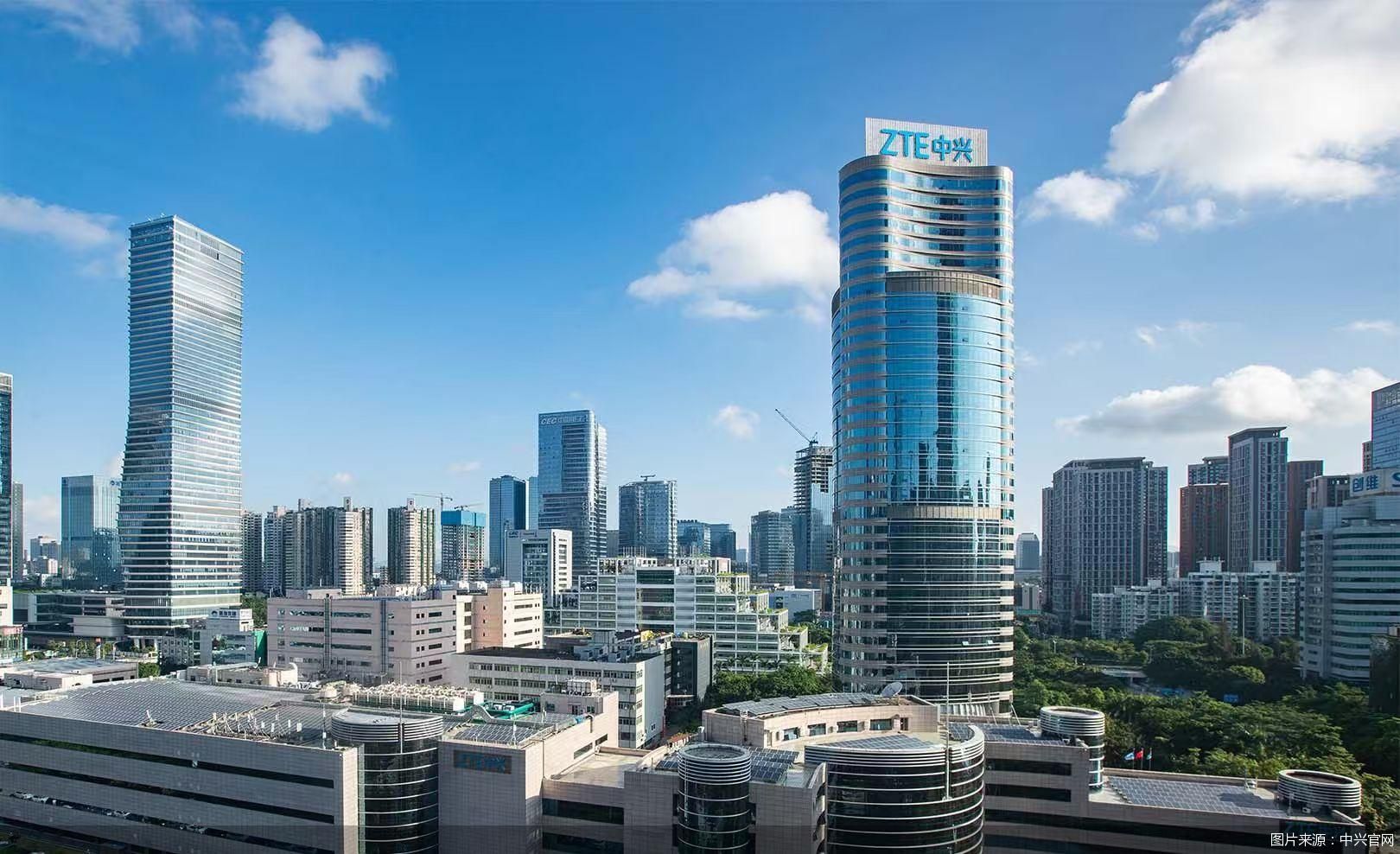
被豆包砸中的中兴手机
Bei Jing Shang Bao· 2025-12-04 14:37
Core Insights - The collaboration between ByteDance's Doubao model and ZTE has officially launched, resulting in the Nubia M153 smartphone selling out quickly at a price of 3499 yuan, generating significant market buzz [1] - The secondary market has seen prices for the Nubia M153 exceed expectations, with some listings reaching up to 9999 yuan, indicating a premium of over 100% [1] - ZTE's stock surged, hitting a market cap of over 210 billion yuan following the announcement, marking a significant milestone for the company [1] Group 1: Market Dynamics - The Nubia M153 is positioned as an "engineering sample" aimed at industry professionals needing to experience the Doubao assistant, highlighting ZTE's strategic focus on niche markets [2] - ZTE's long-standing position in the second tier of the smartphone market makes this collaboration with a leading AI model provider particularly beneficial, although the opportunity may be fleeting [2][6] - The collaboration is seen as a potential game-changer for ZTE, which has struggled to break into the top tier of smartphone brands [4][5] Group 2: Competitive Landscape - The partnership allows ZTE to leverage ByteDance's AI capabilities while providing a hardware platform for the Doubao model, creating a mutually beneficial relationship [5][9] - The smartphone market is increasingly competitive, with leading brands like Huawei and Xiaomi developing their own AI ecosystems, which poses a challenge for ZTE [5][13] - The collaboration is viewed as a way for ZTE to enhance its brand image and market presence, particularly as it aims to recover from declining revenues [6][10] Group 3: Future Outlook - The partnership is expected to drive ZTE's mobile business revenue growth by over 40% in 2024, as the company introduces innovative AI-enabled devices [9] - Analysts suggest that to convert short-term gains into long-term competitiveness, ZTE must deepen the integration of AI with its communication technology and enhance its marketing strategies [10][12] - The evolving smartphone market is likely to see AI as a central competitive factor, with companies needing to effectively integrate AI capabilities into their hardware and software ecosystems [12][14]

多只半导体ETF涨超3%;12月新基发行热度不减丨ETF晚报
2 1 Shi Ji Jing Ji Bao Dao· 2025-12-04 13:10
Group 1: ETF Industry News - Major indices showed mixed performance, with several semiconductor ETFs rising over 3% [1] - The Semiconductor Equipment ETF (561980.SH) increased by 3.63%, while the Sci-Tech Semiconductor Equipment ETF (588710.SH) rose by 3.14% [1] - Domestic semiconductor equipment industry is expected to experience rapid growth due to advancements in storage technology and expansion projects by major local manufacturers [1] Group 2: Bond Fund Performance - Bond funds have distributed over 155.79 billion yuan in dividends this year, accounting for 72.56% of total fund dividends [2] - The total number of public fund dividend distributions has exceeded 6700, with a total amount reaching 214.71 billion yuan [2] Group 3: New Fund Issuance - Over 60 new funds are scheduled for issuance in December, with 28 funds launched on a single day [3] - The total number of new funds issued this year has surpassed 1400, exceeding last year's total of 1143 and marking a three-year high [3] Group 4: Market Overview - The A-share market showed mixed results, with the Shanghai Composite Index down 0.06% and the Shenzhen Component Index up 0.4% [4] - The ChiNext Index increased by 1.01%, with the Nikkei 225 and Sci-Tech 50 also showing positive performance [4] Group 5: Sector Performance - The machinery, electronics, and defense sectors performed well today, with daily increases of 0.9%, 0.78%, and 0.55% respectively [6] - In the past five trading days, non-ferrous metals, communications, and defense sectors have shown strong performance, with increases of 3.92%, 2.55%, and 2.01% respectively [6] Group 6: ETF Market Performance - Cross-border ETFs had the best average daily performance at 0.86%, while commodity ETFs had the worst at -0.22% [7] - The top-performing ETFs included the Semiconductor Equipment ETF (561980.SH) and the Robotics 50 ETF (159559.SZ), with daily returns of 3.63% and 3.16% respectively [10] Group 7: ETF Trading Volume - The A500 ETF (512050.SH) led in trading volume with 6.309 billion yuan, followed by the A500 ETF Huatai-PineBridge (563360.SH) at 4.888 billion yuan [13] - The Short-term Bond ETF (511360.SH) also had significant trading volume at 19.716 billion yuan [15]