
一揽子金融政策

Search documents
一揽子金融政策发布,设立5000亿元“服务消费与养老再贷款”背后有何考量?
Sou Hu Cai Jing· 2025-05-07 13:59
Core Viewpoint - The Chinese government is implementing a comprehensive set of monetary policies aimed at stabilizing the market and expectations, with a focus on promoting high-quality economic development through measures such as reserve requirement ratio cuts and interest rate reductions [1][4]. Group 1: Monetary Policy Measures - The People's Bank of China (PBOC) will lower the reserve requirement ratio by 0.5 percentage points, which is expected to provide approximately 1 trillion yuan in long-term liquidity to the market [1][4]. - The PBOC will also reduce policy interest rates and the rates of structural monetary policy tools, including lowering the housing fund loan rates [1][4]. - Specific measures include a phased reduction of reserve requirements for auto finance and financial leasing companies from 5% to 0%, enhancing their credit supply capabilities [4][6]. Group 2: Structural Policy Tools - The new policies include an increase in the re-lending quota for technological innovation and technical transformation from 500 billion yuan to 800 billion yuan, and the establishment of a 500 billion yuan re-lending facility for service consumption and elderly care [6][7]. - An additional 300 billion yuan will be allocated to support agriculture and small enterprises, which will work in conjunction with the lowered re-lending rates to boost lending in these sectors [6][7]. - The total amount for capital market support tools will be combined to 800 billion yuan, including 500 billion yuan for securities fund insurance company swaps and 300 billion yuan for stock repurchase loans [6][7]. Group 3: Economic Context and Expectations - The policies are designed to address the changing international trade environment and its potential impacts on investment and consumption, reflecting a forward-looking approach to stabilize market expectations [4][5]. - The measures are seen as timely and targeted, with a strong emphasis on supporting specific sectors such as technology innovation, consumption, and agriculture, which are crucial for economic recovery and growth [5][6].

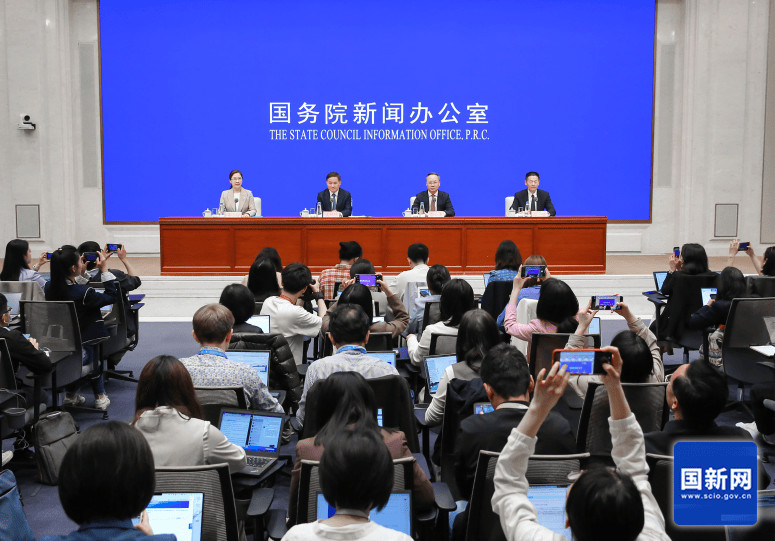
关键时间节点的发布会:一揽子金融政策稳市场稳预期
Yin He Zheng Quan· 2025-05-07 13:55
Monetary Policy Measures - The People's Bank of China (PBOC) reduced the reserve requirement ratio by 0.5 percentage points, releasing 1 trillion yuan in long-term liquidity[2] - The 7-day reverse repurchase rate was lowered by 0.1 percentage points to guide the Loan Prime Rate (LPR) downwards, aiming to reduce financing costs for the real economy[5] - The PBOC increased the quota for technology innovation re-loans from 500 billion yuan to 800 billion yuan, and lowered the interest rate from 1.75% to 1.5%[18] Real Estate Sector Support - The personal housing provident fund loan interest rate was reduced by 0.25 percentage points, with the first home rate dropping from 2.85% to 2.6%, saving residents over 20 billion yuan annually in interest payments[15] - Policies focus on stimulating demand and alleviating risks in the real estate sector, promoting a shift towards a new development model[17] Support for Small and Micro Enterprises - The PBOC increased the quota for re-loans supporting agriculture and small enterprises by 300 billion yuan, bringing the total to 3 trillion yuan[23] - A comprehensive policy package is being developed to support financing for small and private enterprises, enhancing their operational vitality[23] Capital Market Support Policies - The PBOC will optimize two monetary policy tools to support the capital market, merging a total quota of 800 billion yuan for securities and stock repurchase[30] - The China Securities Regulatory Commission (CSRC) is revising regulations to support mergers and acquisitions, enhancing the role of capital markets in resource allocation[40] A-Share Market Outlook - As of May 7, the A-share index has increased by 0.50% year-to-date, with the overall market showing resilience despite external pressures[47] - The A-share index's price-to-earnings ratio stands at 18.78, indicating it is at a historical median level, while the price-to-book ratio is at 1.53, suggesting relatively low valuations compared to global markets[47] Risks and Challenges - Potential risks include uncertainty regarding domestic policy effectiveness, geopolitical disturbances, and market sentiment instability[54]
国新办“一揽子金融政策支持稳市场稳预期”发布会点评:增量政策巩固市场回稳向好势头,看好非银Beta属性
Shenwan Hongyuan Securities· 2025-05-07 13:44
Investment Rating - The report maintains an "Overweight" rating for the non-bank financial sector, indicating a positive outlook for the industry compared to the overall market performance [3][6]. Core Insights - The report highlights the implementation of a comprehensive financial policy package aimed at stabilizing the market and enhancing expectations, which includes a series of monetary policy measures such as a 0.5% reduction in the reserve requirement ratio and a 0.1% cut in policy interest rates [3][4]. - It emphasizes the expansion of long-term equity investment trials for insurance funds, with an additional 600 billion yuan approved for investment, which is expected to inject more capital into the market [5]. - The report notes the optimization of solvency regulations for insurance companies, allowing for a higher equity allocation limit, which is projected to increase the total equity allocation limit to 9.29 trillion yuan, up by 505.5 billion yuan from previous regulations [5]. - It discusses the push for long-term investment strategies and the alignment of assessment cycles with the investment horizons of insurance funds, which is expected to facilitate greater market participation by long-term capital [5][6]. Summary by Sections Non-Bank Financial Sector - The report outlines three key measures by the financial regulatory authority to stabilize and invigorate the capital market, including expanding the scope for insurance capital to invest in equities and optimizing solvency regulations [4][5]. - It highlights the need for public funds to enhance their service capabilities for long-term capital, with a focus on improving the efficiency of equity fund registrations and the introduction of performance-based fee structures [6]. Market Analysis - The report indicates that the current valuation levels of A-shares are low compared to global markets, suggesting a potential for asset allocation value in China, which could support market recovery [6]. - It recommends focusing on the non-bank sector's beta attributes, particularly in brokerage firms, which are expected to benefit directly from the supportive policies and market stabilization efforts [6]. Investment Recommendations - The report suggests specific investment opportunities within the brokerage sector, recommending firms such as China Galaxy, CICC, and GF Securities based on their performance elasticity and market positioning [6]. - It also advises monitoring insurance companies that are likely to benefit from the strategic focus on stabilizing the capital market, with particular attention to firms like New China Life and China Pacific Insurance [6].





一揽子金融政策点评
Ping An Securities· 2025-05-07 13:41
Monetary Policy Measures - The People's Bank of China announced a comprehensive monetary policy package, including a 0.5% reserve requirement ratio cut, providing approximately 1 trillion yuan in long-term liquidity[3] - Policy interest rates were reduced by 10 basis points for OMO and LPR, and housing provident fund loan rates were lowered by 25 basis points, enhancing support for credit and stabilizing the real estate market[3] - An additional 3,000 billion yuan in re-loans was allocated for technological innovation and small enterprises, with a total of 5,000 billion yuan for service consumption and elderly care support[3] Economic Impact - The reduction in interest rates is expected to stimulate private investment, which grew by 0.4% year-on-year in Q1 2025, indicating increased participation in public sectors and manufacturing[3] - Government bond interest payments are projected to rise to 9.2% of the 2025 general fiscal budget revenue, up from 7.8% last year, indicating a growing fiscal burden[3] Market Reactions - The Shanghai Composite Index opened strongly on May 7, recovering previous losses and nearing levels seen on April 3, 2025, reflecting positive market sentiment[4] - The bond market showed a steepening yield curve, with short-term rates declining and long-term rates rising due to improved economic expectations[4] Risk Considerations - Potential risks include the possibility of growth policies not meeting expectations, escalating geopolitical conflicts, and overseas economic downturns[4]
“一揽子金融政策支持稳市场稳预期”新闻发布会点评:降准降息落地,政策协同加强
Shanxi Securities· 2025-05-07 13:35
Monetary Policy Measures - The People's Bank of China has implemented a 0.5 percentage point reserve requirement ratio (RRR) cut, expected to inject approximately 1 trillion yuan into the market[2] - The 7-day reverse repurchase rate has been lowered by 0.1 percentage points, likely leading to a similar decrease in the Loan Prime Rate (LPR) by about 0.1 percentage points[2] - The personal housing provident fund loan interest rate has been reduced by 0.25 percentage points[2] Support for Capital Markets - A series of measures have been deployed to stabilize and activate capital markets, including enhancing the role of the Central Huijin Investment Ltd. as a stabilizing fund[2] - Efforts are being made to increase the scale and proportion of long-term funds entering the market, including the implementation of a high-quality development action plan for public funds[2] Technology Innovation Support - The government is enhancing support for technology innovation, including reforms to the Sci-Tech Innovation Board and the Growth Enterprise Market to improve institutional adaptability[3] - The issuance process for technology innovation bonds will be optimized, and banks are encouraged to establish specialized technology finance institutions[4] Real Estate Market Stability - New financing regulations will be introduced to support the real estate market, including measures for real estate development and personal housing loans[4] - Financial institutions are guided to maintain stable real estate financing to meet housing demand effectively[4] Trade and Export Support - Measures are being taken to assist enterprises affected by U.S. tariffs, including optimizing regulatory arrangements for equity pledges and refinancing[5] - Export credit insurance policies are being improved to enhance underwriting capacity and provide favorable rates to stabilize export confidence[5]
知名私募,积极加仓
Zhong Guo Ji Jin Bao· 2025-05-07 13:27
Group 1 - The core viewpoint of the news is that the recent financial policies introduced by the People's Bank of China and other regulatory bodies are stronger than expected, which has boosted market confidence and provided significant support for both the financial market and the real economy [1][2][3] - The policies aim to stabilize the market and expectations by reducing stock investment risk factors, enhancing the role of the Central Huijin Investment Company, and addressing external risks, particularly in response to tariff impacts [2][3] - The central bank's decision to lower the reserve requirement ratio by 0.5 percentage points is expected to provide approximately 1 trillion yuan in long-term liquidity to the market, which aligns with market expectations [4][5] Group 2 - The financial policies include targeted support for foreign trade enterprises and technological innovation, with measures such as the establishment of a risk-sharing mechanism for technology bonds and specific services for companies affected by tariffs [5][6] - Private equity firms are maintaining a medium to high position in their portfolios, focusing on sectors such as technology and consumer goods, indicating a positive outlook for the A-share market [6] - The recent interest rate cuts, including a 10 basis point reduction in the benchmark rate and a 25 basis point decrease in housing loan rates, are expected to stabilize credit demand across the economy [4][5]
释放积极政策信号!公募火速解读
券商中国· 2025-05-07 13:26
一揽子金融政策有效提振市场情绪。 5月7日,央行、金融监管总局、证监会负责人介绍"一揽子金融政策支持稳市场稳预期"有关情况。 本次发布会出台了降准降息、结构性货币政策工具降价扩容、险资入市加码、公募费率改革等众多增量政策。 公募基金普遍认为,会议释放积极政策信号,有效提振市场情绪。 发布会超预期 此次发布会上,央行发布三类共10项货币政策,延续货币政策适度宽松基调,强化逆周期调节和支持实体经济 发展。 金融监管总局发布8项增量政策,覆盖房地产、资本市场、小微民营企业、外贸及科技创新等多个领域。 博时基金首席权益策略分析师陈显顺分析,此次会议凸显多部门协同发力稳定市场的政策决心,释放以下三大 信号。一是政策协调性强化。央行、金融监管总局、证监会联合部署,传递系统性维稳意图,提振市场信心。 二是重点风险化解加码。明确支持房企合理融资、推进地方债务重组,并严控IPO节奏缓解资金分流压力,结 构性纾困政策有望降低系统性风险。三是 引入 长线资金。推动险资、养老金等入市,优化分红回购机制,引 导市场从短期博弈转向长期价值投资,夯实估值底部。 景顺长城基金指出,本次央行、金融监管总局、证监会三部委出台多项举措,释放积极政 ...

【深度】如何纾解关税战影响?国新办这场发布会给出答案
Xin Lang Cai Jing· 2025-05-07 12:59
Core Viewpoint - The Chinese government is implementing targeted financial support measures for businesses significantly impacted by tariffs, focusing on "one enterprise, one policy" precision services to stabilize operations and expand markets [1][2]. Group 1: Financial Support Measures - The government aims to provide precise services to market entities heavily affected by tariffs, particularly small and private enterprises facing financing difficulties [2][8]. - A financing coordination mechanism has been established, with over 67 million businesses visited and loans amounting to 12.6 trillion yuan issued, one-third of which are credit loans [2][8]. - The People's Bank of China announced an increase in re-lending quotas for small and micro enterprises to 3 trillion yuan, with a reduction in re-lending rates to enhance financial support [8][9]. Group 2: Identification of Affected Enterprises - Accurate identification of enterprises affected by tariffs is crucial, focusing on those primarily engaged in exports, especially those with a high proportion of exports to the U.S. [2][3]. - Supply chain enterprises, although not directly exporting, also face indirect impacts due to reliance on export orders and should be included in the identification process [3][4]. - Factors such as the nature, scale, employment impact, and financial status of enterprises should be considered to prioritize support [3][4]. Group 3: Export Stability and Domestic Sales Expansion - Policies to stabilize exports include ensuring continuous lending to affected enterprises and supporting cross-border e-commerce and overseas warehouses [6][7]. - Measures to assist in expanding domestic sales involve providing financing guarantees for export-to-domestic sales transitions and reducing barriers for pure foreign trade enterprises entering domestic markets [7][8]. - The government emphasizes the need to streamline domestic certification and approval processes to facilitate quicker market entry for products transitioning from export to domestic sales [7][8]. Group 4: Focus on Small and Micro Enterprises - Small and micro enterprises are identified as a key focus for support due to their significant role in employment and their vulnerability to tariff impacts [8][9]. - The overall export volume for 2024 is projected at 3.58 trillion USD, with private enterprises accounting for 64.6% of this, highlighting their importance in stabilizing foreign trade [8][9]. - Policies aim to enhance the financing environment for small and micro enterprises by improving credit access and reducing financing costs [9][10].
招商基金研究部首席经济学家李湛:增量财政政策空间有望在三季度打开
news flash· 2025-05-07 12:51
Core Viewpoint - The chief economist of China Merchants Fund, Li Zhan, indicates that the incremental fiscal policy space is expected to open up in the third quarter, following a series of macroeconomic policies aimed at stabilizing the market and economy after the Politburo meeting in April [1] Group 1 - The recent press conference by the State Council Information Office marks the beginning of a series of macroeconomic policies to stabilize the market and economy [1] - The initial market reaction to the press conference was focused on the unexpected "double cut" by the central bank [1] - Li Zhan emphasizes that the true stability of the economy and market relies on the coordination of monetary and fiscal policies, especially in light of the emerging tariff impacts [1] Group 2 - It is anticipated that a comprehensive financial policy package will continue to be implemented in the second quarter [1] - The opening of incremental fiscal space in the third quarter is expected to follow the ongoing implementation of these financial policies [1]
简评5月7日三部委新闻发布会
ZHONGTAI SECURITIES· 2025-05-07 12:48
Group 1: Policy Announcement - The press conference on May 7, 2025, by three ministries introduced a "package of financial policies to stabilize the market and expectations" which exceeded market expectations[2] - The announcement included a reduction in the reserve requirement ratio (RRR) by 0.5 percentage points and a cut in policy interest rates by 0.1 percentage points[2] - The policies aim to stabilize the real estate and stock markets, responding to weaker-than-seasonal manufacturing PMI data in April[2] Group 2: Market Reaction - The market response was relatively stable, with the onshore RMB exchange rate fluctuating narrowly and long-term interest rates rising[2] - Compared to the previous press conference in September 2024, the market sentiment was more optimistic due to effective stabilization policies implemented since then[2] - The anticipation of a dual reduction in RRR and interest rates had already been priced in by the market[2] Group 3: Comprehensive Policy Deployment - The financial policy package included both quantitative and qualitative measures, with eight new policies aimed at supporting real estate, insurance investments in stocks, and small and private enterprises[2] - The focus is on stabilizing and activating the capital market, emphasizing the service of new productive forces and promoting long-term capital inflows[2] Group 4: Future Market Focus - Future market attention will be on the progress of US-China tariff negotiations, with expectations of potential tariff reductions in Q2[2] - The timing of new policies to expand domestic demand will depend on May's economic data, with new measures likely to be introduced in June[2] - The advancement of supply-side policies is expected to be slower than in 2016 due to employment stability considerations[2] Group 5: Risk Factors - Risks include the possibility of policy implementation not meeting expectations and the potential escalation of geopolitical conflicts[2]