全球化

Search documents
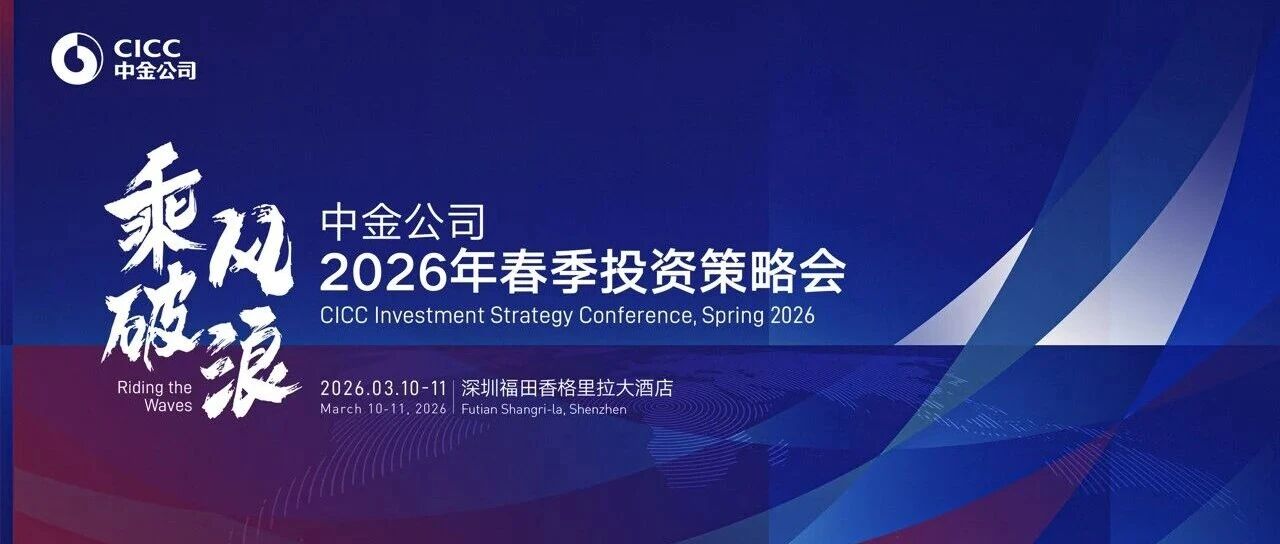
乘风破浪 | 中金公司2026年春季投资策略会
中金点睛· 2026-03-06 11:03
Core Insights - The article discusses the upcoming CICC Investment Strategy Conference scheduled for March 10-11, 2026, in Shenzhen, focusing on macroeconomic outlooks and investment opportunities across various sectors [2][3]. Group 1: Keynote Speakers and Topics - Notable speakers include Wei Lun Professor of Economics at The Chinese University of Hong Kong, the Chief Economist of CICC, and the Senior Managing Director & Chief Strategist of CICC [5][8][11]. - The conference will feature a keynote speech on the macroeconomic outlook for China and the United States, highlighting the global economic landscape [16]. Group 2: Market Outlook Sessions - Sessions will cover A-share market outlook, Hong Kong and overseas market perspectives, and major asset class forecasts [18]. - Specific discussions will address the real estate market trends, fixed income market developments, and the growth of multinational enterprises in a globalized context [19]. Group 3: Sector-Specific Discussions - The conference will include breakout sessions focusing on various sectors such as AI, telecommunications, consumer goods, and renewable energy [20][21][22]. - Topics will explore investment opportunities in the automotive industry, logistics, and the impact of AI on different sectors [21][22][31]. Group 4: Participating Companies - A range of companies from different sectors will participate, including banks, non-bank financial institutions, and technology firms [23][24][26]. - Notable participants include major banks like CITIC Bank and Minsheng Bank, as well as companies in the energy and materials sectors [23][24].

中联重科20260305
2026-03-06 02:02
Summary of Conference Call for Zoomlion Heavy Industry Science and Technology Co., Ltd. Company Overview - **Company**: Zoomlion Heavy Industry Science and Technology Co., Ltd. - **Industry**: Engineering Machinery Key Points Industry and Market Outlook - The domestic non-excavation sector is expected to recover starting Q1 2025, with a cumulative shipment of 8.5 billion RMB in January-February 2026, a 50% increase year-on-year, indicating a positive outlook for the year [2][5] - For 2026, the company projects a 10% increase in domestic revenue, a 20% increase in overseas revenue, and a total revenue growth of 15%-20% [2][25] - Profit targets for 2026 are set to grow by 25%-30%, driven by high-margin overseas sales and cost reductions [2] Strategic Goals - The company aims for a revenue target of 150 billion RMB and profits exceeding 15 billion RMB by 2030, expanding its serviceable market from 200 billion RMB to 2.5-3 trillion RMB [2] - Emerging sectors are expected to see significant growth, with excavator revenue projected to reach 10 billion RMB by 2025, and mining and agricultural machinery targets set at 6-7 billion RMB for 2026 [2] International Expansion - The company is deepening its overseas presence, with a 20% share in Europe and a focus on high-end markets in Europe and Australia [2] - The overseas market is expected to grow over 20% in early 2026, driven by urbanization and industrialization in developing countries, re-industrialization in Europe and the US, and high demand in the mining sector [3][4] Business Segments and Performance - The excavator segment is crucial for the company, with a revenue target of over 30 billion RMB in 2023, increasing to 60 billion RMB in 2024, and nearing 100 billion RMB by 2025 [11] - The mining business is expected to double its revenue to 6 billion RMB in 2026, with a long-term goal of over 20 billion RMB by 2030 [12][17] - The agricultural machinery segment aims for 60-70 billion RMB in 2026 and 300 billion RMB by 2030, focusing on tractors and harvesters [14][15] Financial Performance and Projections - The company reported a shipment of 8.5 billion RMB in early 2026, reflecting strong demand and positive market conditions [5] - The overall profit margin is expected to improve due to a higher contribution from overseas markets and an enhanced product mix [19] - The company anticipates a significant increase in revenue, profit, and earnings per share (EPS) in the medium to long term, supported by global expansion and diversification [26][27] Risks and Challenges - External uncertainties, such as regional conflicts and shipping disruptions, have not yet significantly impacted orders or delivery schedules [9][10] - The company is cautious about potential price wars in the agricultural machinery sector but currently sees no immediate threat [15][16] Robotics Business Development - The robotics segment plans to achieve mass production in 2026, focusing on smart manufacturing and logistics applications [20][21] - The company aims to deliver 10,000 units annually, with a diverse product range including various robotic forms [22] Conclusion - The company is positioned for robust growth in the engineering machinery sector, with a clear strategy for international expansion and diversification into emerging markets. The financial outlook remains positive, with significant targets set for revenue and profit growth in the coming years.

李东生:我想说的话
经济观察报· 2026-03-05 12:58
Core Viewpoint - The article emphasizes the need for a more efficient business system in China that minimizes unnecessary consumption and allows the market to function effectively [1] Group 1: Company Overview - TCL, founded by Li Dongsheng, has evolved from a consumer electronics brand to a global technology conglomerate with total revenue reaching 356 billion yuan, driven by its core businesses in semiconductor displays and renewable energy [2] - The semiconductor display business is projected to exceed 100 billion yuan in revenue with a net profit of over 8 billion yuan by 2025, while the renewable energy sector is currently facing supply-demand imbalances [2][4] Group 2: Challenges Faced - The first challenge is the distortion in policy execution, where local governments impose unnecessary requirements for subsidies, leading TCL to establish approximately 540 new legal entities, increasing operational costs without adding social value [3][25] - The second challenge involves excessive local capital intervention in the market, with local funds often holding a significant stake in new photovoltaic projects, even when market conditions suggest a halt in expansion [4][16] - The third challenge is the difficulty in securing financing for large-scale semiconductor manufacturing projects, where financial institutions require a minimum of 40% equity from companies, complicating the funding process [6][9] Group 3: Market Dynamics - In 2025, China's television sales are expected to decline by 8.5% to 32.895 million units, contrasting with the U.S. market, which is projected to sell 49.9 million units, highlighting a disparity in content service attractiveness [7][29] - The article suggests that enhancing content services and promoting differentiated consumption could stimulate domestic demand, which is currently lagging behind GDP growth [28][30] Group 4: Recommendations for Improvement - Li Dongsheng proposes that local funds should have clear exit mechanisms and limited liability to prevent excessive market interference [5][22] - He advocates for a more streamlined financing process for heavy asset industries, suggesting that regulatory bodies should create special channels for these sectors to facilitate easier access to capital [9][10] - The article also emphasizes the importance of mergers and acquisitions to clear excess capacity in the renewable energy sector, suggesting that a conducive environment for such activities should be established [13][14] Group 5: Globalization and Supply Chain - TCL's global revenue reached 170.1 billion yuan, with a significant portion generated from overseas operations, indicating the importance of establishing local supply chains to enhance competitiveness [36] - The company aims to shift from merely exporting products to building supply chain capabilities abroad, which is essential for sustainable growth in the global market [35][36] Group 6: Future Outlook - The article discusses the potential for TCL's joint venture with Sony, which aims to leverage both companies' strengths to enhance competitiveness in the television market [38][40] - It highlights the necessity for local governments to support industries like semiconductors while ensuring that their involvement does not distort market dynamics [22][25]


2026胡润全球富豪榜发布:中国10亿美元企业家达1110位超过美国
证券时报· 2026-03-05 09:12
Core Insights - The 2026 Hurun Global Rich List reveals a record high of 4,020 billionaires from 2,914 companies across 73 countries, marking a 17% increase from last year, with total wealth rising by 28% [1][2]. Group 1: Billionaire Rankings - China has surpassed the United States to become the country with the most billionaires, boasting 1,110 billionaires, an increase of 287 from last year, while the U.S. has 1,000 billionaires, up by 130 [2]. - The threshold to enter the top ten of the Hurun Global Rich List has doubled every five years, reaching 1.1 trillion RMB this year, compared to 240 billion RMB ten years ago [3]. - Elon Musk retains his title as the world's richest person for the fifth time in six years, with a wealth increase of 89% to 5.5 trillion RMB, driven by the soaring valuations of SpaceX and Tesla [3]. Group 2: Wealth Growth Drivers - Jeff Bezos ranks second with a wealth of 2.1 trillion RMB, a 13% increase, attributed to Amazon's dominance in AI cloud computing and e-commerce [4]. - Larry Page and Sergey Brin, with wealth of 1.9 trillion RMB and 1.7 trillion RMB respectively, benefit from Alphabet's market capitalization exceeding 4 trillion RMB, fueled by the success of the Gemini 4 AI model and rapid growth in Google Cloud [4]. - The AI wave is identified as the strongest engine for wealth creation, with significant contributions from companies like Nvidia and emerging AI startups [7][8]. Group 3: Chinese Entrepreneurs - Zhang Yiming, founder of ByteDance, becomes China's richest person with a wealth of 550 billion RMB, marking a 32% increase [6]. - The industrial products sector shows remarkable performance, with over 80 new billionaires, while the semiconductor industry adds 18 new billionaires, reflecting China's push for chip self-sufficiency [6]. - Shenzhen leads in new billionaire additions, followed by Shanghai, Hangzhou, and Suzhou [6]. Group 4: Sector-Specific Wealth Increases - The AI sector has seen substantial wealth growth, with figures like Huang Renxun's wealth rising by 34% to 1.2 trillion RMB, and Brett Adcock's wealth skyrocketing over tenfold to 110 billion RMB due to his company's valuation [8]. - The consumer electronics industry also experiences significant wealth increases, driven by AI data center demands, with notable figures like Wang Weixiu's wealth reaching 1.05 trillion RMB [9].

腾讯阿里投的自行车,在欧洲卖爆年入5亿,要冲刺港股IPO
21世纪经济报道· 2026-03-04 11:11
Core Viewpoint - TENWAYS, a Shenzhen-based E-Bike brand, is set to list on the Hong Kong Stock Exchange, aiming to become the first E-Bike company on the Hong Kong market, backed by prominent investors like Hillhouse Capital, Tencent, Alibaba, and LVMH [1][3]. Company Overview - Founded in 2021, TENWAYS has rapidly grown in the European E-Bike market, leveraging insights into local preferences and the efficiency of the Chinese supply chain [3][5]. - The company was established by Liang Xiaoling, who has a strong background in the bicycle industry through his family's business, TRINX [5][6]. - TENWAYS has adopted a "globalization from birth" strategy, with design and sales in Europe and supply chain operations in Asia [6][7]. Market Performance - TENWAYS is recognized as the fastest-growing company in the European E-Bike sector, particularly in the Benelux region, with a projected market share of approximately 5.9% by 2024 [7]. - The CGO800S model has sold over 50,000 units and won a German design award, contributing significantly to the brand's recognition [7]. - By the end of September 2025, TENWAYS products will be available in over 1,400 retail stores across 29 European countries, with 97.7% of revenue coming from Europe [7]. Financial Highlights - TENWAYS' revenue is projected to reach €60.6 million in 2024, reflecting a 26.2% year-on-year growth, with an expected annual revenue of 500 million RMB for 2025 [11]. - The company's gross margin has improved from 25.8% in 2023 to 31.8% in the first three quarters of 2025, attributed to cost optimization and localized production strategies [11]. Industry Trends - The global E-Bike market is expected to grow from approximately €11.9 billion in 2020 to €17.9 billion by 2024, with a compound annual growth rate (CAGR) of 10.7% [12]. - The European E-Bike market is projected to grow from about €10.6 billion in 2020 to €15 billion by 2024, with a CAGR of 9.1% [12]. - TENWAYS is well-positioned in this growing market, benefiting from China's robust supply chain and technological advancements in the E-Bike sector [12][13]. Competitive Advantage - TENWAYS differentiates itself through smart features and a dedicated app for monitoring riding data and GPS tracking, which enhances its appeal compared to traditional European brands [13]. - The company plans to use IPO proceeds for product innovation and AI system upgrades, further enhancing its competitive edge [13][14].

2月车市“寒流”:新势力分化显著,多家车企集团新能源承压
经济观察报· 2026-03-03 10:20
Core Viewpoint - The automotive industry is experiencing pressure on new energy vehicle (NEV) sales while exports are showing significant growth, with only Geely and Changan maintaining year-on-year growth in NEV sales among seven major automotive groups [2][7]. Group 1: February Sales Performance - In February, several leading new energy vehicle companies showed a clear divergence in sales performance, with NIO delivering 20,797 vehicles, a year-on-year increase of 57.6% [3]. - Li Auto delivered 26,421 vehicles, marking a slight year-on-year increase of 0.60%, the first positive growth since June 2025 [4]. - Xpeng Motors faced a significant decline, delivering 15,256 vehicles, a year-on-year drop of 49.90% [4]. Group 2: Export Growth - SAIC Group reported total sales of 269,500 vehicles in February, a year-on-year decline of 8.64%, but NEV sales were 71,300 vehicles, down 17.18%. However, exports grew by 46.12% to 99,000 vehicles [8]. - Geely Automotive Group's February sales reached 206,200 vehicles, a 1% increase, with NEV sales at 117,500 vehicles, up 19%, and exports at 60,900 vehicles, soaring 138% [9]. - BYD's February sales were 190,200 vehicles, down 41.1%, with exports accounting for 100,600 vehicles [9]. Group 3: Brand Performance - Chery Group sold 160,800 vehicles in February, a year-on-year decrease of 11.15%, with NEV sales at 35,700 vehicles, down from 44,400 vehicles last year [10]. - Changan Automobile sold 151,900 vehicles, down 5.89%, but NEV sales increased by 6.42% to 42,300 vehicles [10]. - GAC Group's sales were 86,500 vehicles, down 12.43%, with NEV sales at 17,000 vehicles, down 11.22% [11]. Group 4: Other Notable Performances - Dongfeng Motor and BAIC Group have not yet released overall sales data, but some brands have reported figures, such as Lantu Automotive with 8,358 vehicles delivered, a year-on-year increase of 4.31% [12]. - BAIC New Energy reported sales of 7,034 vehicles, up 18.26% year-on-year [13].





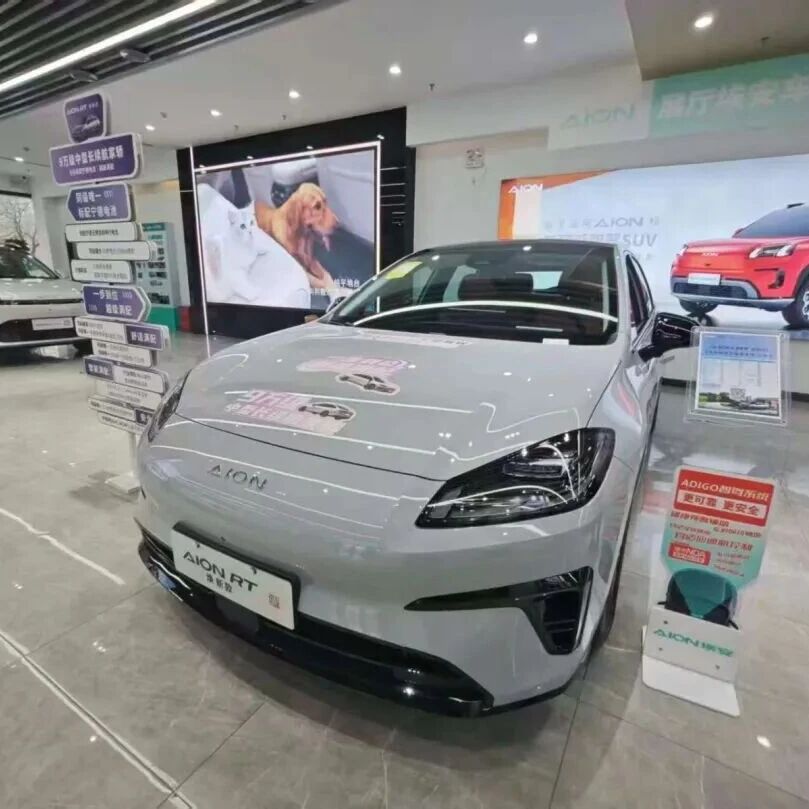
汽车行业:2月车市表现偏淡,关注新能源“全球化与智能化”机遇
BOCOM International· 2026-03-03 04:35
Investment Rating - The report assigns a "Buy" rating to several companies in the automotive sector, including BYD, NIO, Geely, and XPeng, indicating expected total returns above the industry average over the next 12 months [4]. Core Insights - February saw a decline in new energy vehicle sales, influenced by the Spring Festival holiday and policy rollbacks, with nine companies experiencing a year-on-year and month-on-month sales drop of -24.8% and -19.1% respectively [2][3]. - BYD's passenger car sales in February were 187,782 units, down 41.0% year-on-year and 8.6% month-on-month, but its export sales grew by 41.4% to 100,151 units, marking a significant milestone with overseas sales exceeding 50% [2]. - NIO delivered 20,797 vehicles in February, a year-on-year increase of 57.6%, while XPeng's deliveries fell by 49.9% year-on-year to 15,256 units, highlighting the volatility in delivery numbers [2][3]. - The overall automotive market is expected to stabilize in March due to new consumer promotion policies, with a shift towards competition in AI driving technology and globalization in the new energy vehicle sector [2]. - The report emphasizes two main investment themes: the progress of companies in overseas commercialization and the establishment of competitive advantages in their underlying intelligent systems [2]. Summary by Relevant Sections Sales Performance - February sales data shows a significant decline across major automotive companies, with BYD, XPeng, and NIO experiencing notable fluctuations in their delivery numbers [3]. - The total sales for the automotive market in February were 358,760 units, reflecting a 24.8% decrease year-on-year [3]. Company-Specific Insights - BYD's sales were impacted by domestic policy changes, but its international performance remains strong [2]. - NIO's new model deliveries are gaining traction, while XPeng is focusing on expanding its overseas market presence [2]. - Geely and XPeng are highlighted for their strategic moves in product launches and market expansion [2]. Investment Recommendations - The report suggests focusing on companies like XPeng, Geely, and BYD for their potential growth in overseas markets and product offerings [2].
携程算是踢到钢板了
商业洞察· 2026-03-02 09:25
Core Viewpoint - Ctrip is facing a critical juncture as it reports impressive financial results while simultaneously experiencing significant leadership changes and regulatory scrutiny, raising questions about the sustainability of its growth and market position [5][7]. Financial Performance - In 2025, Ctrip achieved a revenue of 62.4 billion yuan, a year-on-year increase of 17%, nearly double the overall growth rate of domestic tourism consumption at 9.2% [10]. - The net profit attributable to shareholders reached 33.294 billion yuan, soaring by 94.74% year-on-year, marking the highest profit record since the company's inception, with a net profit margin exceeding 50% [10]. - A significant portion of the profit, 21.321 billion yuan, came from "other income," which surged by 860%, primarily due to the sale of a stake in the Indian OTA platform MakeMyTrip, contributing 17 billion yuan [12]. - Excluding a one-time investment gain of 19.9 billion yuan, over 60% of Ctrip's net profit was not derived from its core business, indicating a reliance on asset disposals for financial performance [14]. Business Structure and Challenges - Ctrip's core business segments, accommodation and transportation, contributed 78% of revenue, but only the accommodation segment showed steady growth, while transportation ticketing growth slowed [19]. - The revenue from the accommodation booking segment was 26.1 billion yuan, up 21%, while transportation ticketing revenue was 22.5 billion yuan, growing only 11% [20]. - Rising costs are squeezing profit margins, with operating costs increasing by 21% to 12.122 billion yuan and sales and marketing expenses rising by 25% to 14.904 billion yuan [21]. Strategic Responses - Ctrip's management is attempting to counter market concerns through narratives of globalization, AI innovation, and inbound tourism, but these strategies are heavily reliant on policy benefits and may not deliver immediate commercial value [23]. - The international platform business saw a 35% revenue increase, but this growth is largely attributed to the relaxation of visa policies, which may diminish as competitors enter the market [23]. - The company's significant increase in sales and marketing expenses is a response to competition from platforms like Douyin and Meituan, indicating a shift in customer acquisition costs [23]. Leadership Changes and Regulatory Environment - The resignation of co-founders Fan Min and Ji Qi has raised concerns about the company's future amid ongoing antitrust investigations, suggesting a potential restructuring to address regulatory pressures [35]. - Ctrip's board has undergone a significant overhaul, with independent directors now holding a majority, signaling a commitment to compliance and governance in light of regulatory scrutiny [36]. - The company's stock price has seen a substantial decline, dropping approximately 34.7% from its peak, reflecting market concerns over its regulatory challenges and competitive landscape [36].

携程算是踢到钢板了
虎嗅APP· 2026-03-01 02:46
Core Viewpoint - Ctrip is experiencing significant financial success, but underlying issues in its core business and management changes raise concerns about its future sustainability [5][8][30]. Financial Performance - In 2025, Ctrip achieved a revenue of 62.4 billion yuan, a year-on-year increase of 17%, nearly double the overall growth rate of the domestic tourism sector at 9.2% [6]. - The net profit attributable to shareholders reached 33.294 billion yuan, a staggering increase of 94.74%, marking the highest profit record since the company's inception, with a net profit margin exceeding 50% [6]. - However, the surge in net profit is largely attributed to non-core business activities, with "other income" accounting for 21.321 billion yuan, a dramatic increase of 860% [12]. Management Changes - The announcement of the resignation of co-founders Fan Min and Ji Qi has caused significant market reactions, with Ctrip's stock dropping over 4% on the day of the announcement [8]. - This leadership change occurs amidst a backdrop of impressive financial results but raises questions about the company's future direction and stability [8][34]. Core Business Analysis - Ctrip's core business profitability is declining, with operating profit for 2025 at only 13.4 billion yuan, a decrease of 16.1% from 2024 [13]. - The company's revenue structure is increasingly unbalanced, with accommodation and transportation contributing 78% of total revenue, but only accommodation showing steady growth [19]. - Rising costs are squeezing profit margins, with operating costs increasing by 21% and sales and marketing expenses rising by 25%, outpacing revenue growth [20]. Strategic Initiatives - Ctrip is attempting to counteract market concerns through globalization, AI innovation, and inbound tourism, but these initiatives are heavily reliant on policy changes and may not deliver immediate commercial value [23]. - The international platform business saw a 35% revenue increase, but this growth is largely driven by favorable policy changes rather than sustainable competitive advantages [23]. Market Position and Competition - Ctrip maintains a dominant market position in the domestic OTA industry, with a GMV market share of approximately 56%, and over 80% in the high-star hotel online booking market [28]. - The company's high gross margin of over 80% is primarily due to its market dominance rather than product differentiation, leading to significant profit disparities within the industry [26][30]. Regulatory Challenges - Ctrip faces increasing scrutiny from regulatory bodies regarding its market practices, including allegations of monopolistic behavior and unfair restrictions on partner businesses [32]. - The recent leadership changes may be a strategic move to address regulatory pressures and facilitate compliance efforts [34][36].

天娱数科拟更名“去地域化” 战略升级深度锚定数字化、智能化、全球化
Zheng Quan Ri Bao Wang· 2026-02-28 03:56
Core Viewpoint - Tianyu Digital Technology (Dalian) Group Co., Ltd. is changing its name and revising its articles of association to align with its new strategic focus on "digitalization, intelligence, and globalization" [1][2][5] Company Name Change - The company will change its name from "Tianyu Digital Technology (Dalian) Group Co., Ltd." to "Tianyu Digital Technology Group Co., Ltd." to better reflect its strategic upgrade and global ambitions [1][2] - This name change aims to enhance brand influence and eliminate regional labels that may hinder national and global expansion [1][2] Revision of Company Purpose - The original company purpose focused on internet cultural entertainment product development and emphasized Chinese cultural output; the revised purpose will focus on "digitalization, intelligence, and globalization" [2][5] - The new purpose aims to establish an innovative service platform centered on data flow, facilitating digital transformation and intelligent upgrades across various industries [2][5] Strategic Transition - Tianyu Digital has transitioned from a traditional entertainment company to a digital technology enterprise, with a new strategic direction proposed in early 2025 [3][4] - The company aims to integrate data elements with artificial intelligence, focusing on AI marketing, embodied intelligence, cross-border services, and data flow ecosystems [3][4] Business Capabilities - The company has developed a comprehensive capability matrix to support its new strategy, including operations in digital ecosystems and AI marketing [4] - It operates the Shanxi Data Flow Valley, aggregating nearly 800 enterprises, and has built a robust data system with over 150 million 3D data points and 650,000 multimodal data points [4] Global Expansion - Tianyu Digital has established a regional headquarters in Indonesia and obtained service provider qualifications in multiple regions, including Thailand, the U.S., Latin America, and the Middle East [4] - The company has transitioned from merely exporting products to exporting capabilities, achieving a significant upgrade in its global outreach [4][5]