长期主义

Search documents
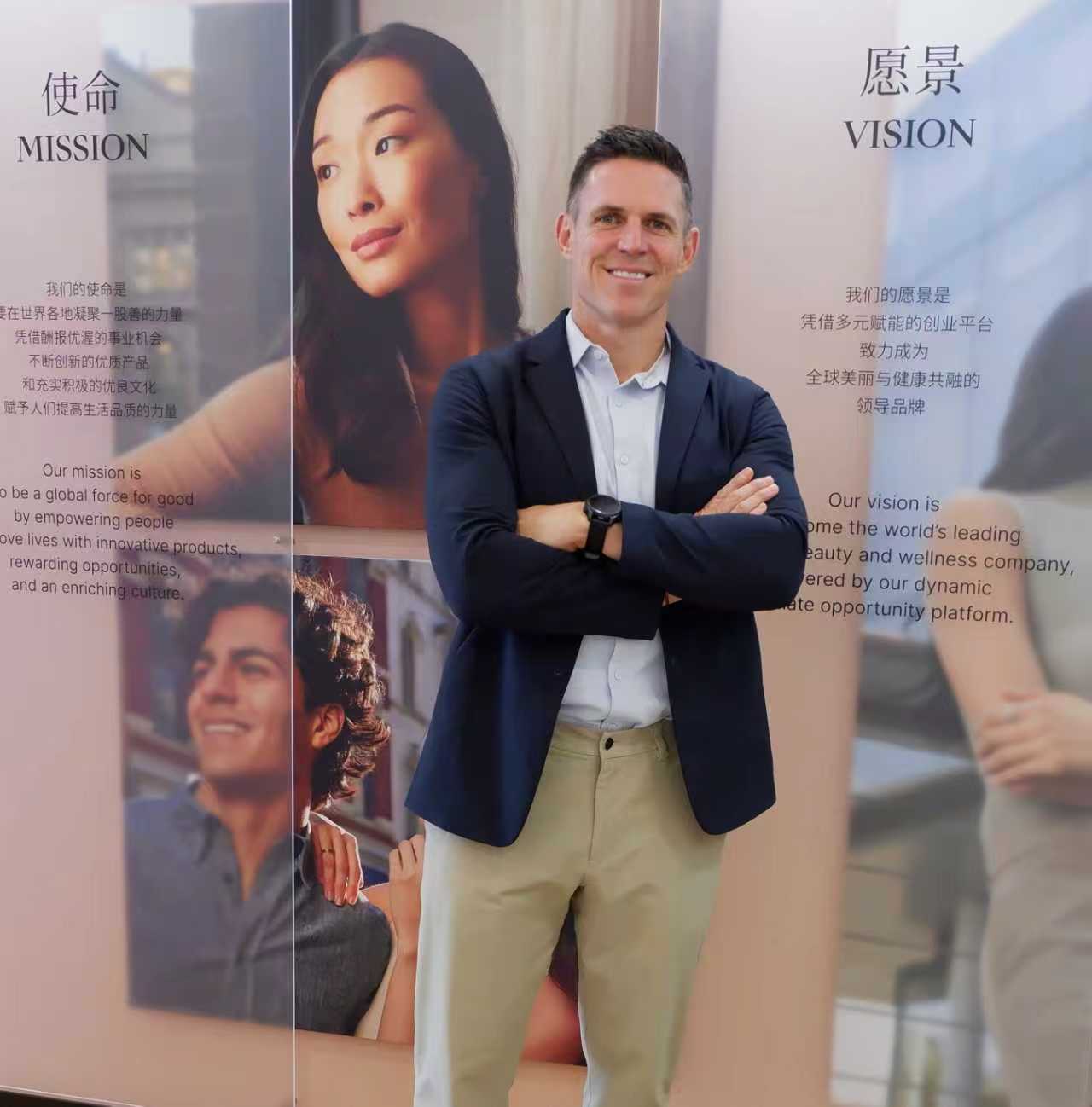
专访如新宁怀恩:坚守长期主义,深耕中国市场
Zhong Guo Jing Ji Wang· 2025-09-03 07:08
Core Viewpoint - The health industry in China is rapidly transforming under the "Healthy China 2030" strategy, presenting significant opportunities for multinational companies like Nu Skin to align their strategies with national health goals and consumer needs [1][6]. Group 1: Long-term Commitment and Strategic Development - Nu Skin views China as a strategic market and innovation hub, emphasizing its long-term commitment to the region [3]. - Recent interactions with local government, such as a meeting with the Shanghai Municipal Commission of Commerce, highlight the company's collaborative approach to leveraging consumption upgrades and promoting high-quality industrial development [4]. - The company plans to increase investments in Shanghai, launching new products and services tailored to local market demands [4]. Group 2: Capacity and Talent Development - Nu Skin has invested approximately 360 million RMB in the second phase of its Greater China Innovation Headquarters, enhancing production efficiency through advanced automation [4]. - The company is focused on talent development, particularly expanding its "Nutrition Health Consultant" program to cultivate skilled professionals in health management [5]. - Nu Skin is also fostering partnerships with local enterprises to integrate global technology with local needs [5]. Group 3: Technological Innovation for Health - Nu Skin is committed to advancing health through technology, aligning with national priorities such as metabolic disease prevention and cognitive health intervention [6]. - The company is shifting from one-size-fits-all products to personalized health solutions, utilizing cutting-edge technologies like gene expression science and AI [6][8]. - Upcoming innovations include the TRME body management plan and the PRYSM iO hyperspectral scanner, aimed at improving metabolic health and sleep quality [7]. Group 4: Digital Transformation and Sustainable Development - Digital transformation is a key pillar for Nu Skin, enhancing operational efficiency and enabling personalized consumer services [9]. - The company has partnered with Alibaba Cloud since 2017 to drive its digital strategy, exemplified by the launch of the Vera skin assessment system [9]. - Nu Skin is committed to sustainability, integrating environmental, social, and governance (ESG) principles into its operations and emphasizing the importance of ecological health alongside human health [9]. Group 5: Future Outlook - Looking ahead, Nu Skin aims to deepen local innovation, expand production capacity, and upgrade digital services in response to the "Healthy China 2030" strategy [10]. - The company's practices serve as a model for how multinational corporations can align with China's health strategy and contribute to industrial upgrades [10].

21社论丨企业重视研发投入,长期主义必会带来更多增量
21世纪经济报道· 2025-09-02 23:52
Core Viewpoint - The article emphasizes the increasing importance of R&D investment among Chinese listed companies, indicating a structural shift in the growth engine of the Chinese economy from traditional drivers to innovation-driven growth [1][4]. Group 1: R&D Investment Trends - In the first half of the year, the total operating revenue of listed companies reached 35.01 trillion yuan, with a slight year-on-year growth of 0.16%, while R&D investment amounted to 745.69 billion yuan, growing by 2.68% [1]. - Many leading companies, especially in strategic emerging industries, have maintained double-digit growth in R&D expenses despite challenges such as demand fluctuations and rising costs [1][2]. - The focus on R&D is seen as a necessary shift for companies to build a "technological moat" and remain competitive globally, moving away from reliance on scale expansion and cost advantages [1][3]. Group 2: Market and Investor Perspectives - The article notes a change in investor valuation models, where traditional PE ratios are becoming less effective for evaluating high R&D investment tech companies. Investors are increasingly willing to pay a premium for companies that prioritize long-term technological leadership over short-term profits [2][3]. - This shift in perspective encourages a positive cycle for companies that commit to long-term R&D, providing them with essential capital support [3]. Group 3: Implications for the Chinese Economy - The collective increase in R&D investment among A-share listed companies is not just a strategy for individual growth but also contributes to national industrial upgrading and economic transformation [4]. - The article highlights the transition from "Made in China" to "Created in China," aiming for a more advantageous position in the global value chain [4].
21社论丨企业重视研发投入,长期主义必会带来更多增量
2 1 Shi Ji Jing Ji Bao Dao· 2025-09-02 22:19
近日,中国上市公司协会(简称"中上协")发布的数据显示,今年上半年,全市场上市公司实现营业收 入35.01万亿元,同比增长0.16%。值得注意的是,同期,全市场的研发投入为7456.87亿元,同比增长 2.68%。 而我们把视角切换到市场上来看,资本市场作为经济的晴雨表,其反应最为敏锐。一个值得关注的现象 是,投资者的估值模型也正在悄然迭代。传统的市盈率(PE)估值体系在评估许多高研发投入的科技 型企业时,开始显得力不从心。投资者们正逐渐学会"看懂"研发投入的长期价值,愿意为那些暂时牺牲 短期利润以换取未来技术领先地位和广阔市场空间的企业,给予更高的估值溢价。这其实也是一种价值 发现的进化。投资者不再仅仅关注企业"现在能赚多少钱",而是更加关心"未来能创造多大价值"。研发 强度、专利数量、技术路线的先进性以及在全球产业链中的卡位,正成为比短期盈利波动更为重要的价 值标尺。 这种从"看现在"到"看未来"的视角转变,为那些坚持长期主义、深耕技术的企业提供了宝贵的资本支 持,形成了一个鼓励创新的正向循环。 当然,要想实现从研发投入到商业成功,中间依然隔着巨大的不确定性,这既是科技创新的魅力所在, 也是其风险所在。高 ...
贝壳:轻舟已过万重山
凤凰网财经· 2025-09-02 12:57
Core Viewpoint - The article emphasizes that Beike has successfully navigated the challenges of the real estate market through a long-term survival philosophy, focusing on building foundational capabilities and restoring industry trust, even during market adjustments [3][4]. Group 1: Market Dynamics - The Chinese real estate market is undergoing a "K-shaped recovery," characterized by significant differentiation between cities and even within the same city, marking the end of the previous era of uniform price increases [5]. - Beike's performance in Q2 2025 was notable, with a total transaction volume (GTV) of 878.7 billion yuan, a year-on-year increase of 4.7%, and net revenue of 26 billion yuan, up 11.3% [6][8]. Group 2: Business Model and Strategy - Beike's stock business has become a stable anchor, with Q2 GTV for existing homes reaching 583.5 billion yuan and net revenue of 6.7 billion yuan, showcasing its resilience during market fluctuations [10]. - The company has adopted a light-asset platform model, with 58,664 active stores and nearly 500,000 active agents by mid-2025, emphasizing efficiency through scientific management and AI tools [11][12]. - Beike's "One Body, Three Wings" strategy aims to create a comprehensive ecosystem covering the entire housing lifecycle, with significant contributions from home decoration, rental, and quality development services [13][15]. Group 3: Financial Performance and Capital Allocation - Beike has executed a stock buyback plan, repurchasing 2.5 billion USD worth of shares in Q2 2025, with a total buyback amount reaching 2.02 billion USD since the plan's initiation in September 2022, representing 10.3% of the total share capital [22][23]. - The increase in buyback authorization from 3 billion to 5 billion USD indicates a long-term capital allocation strategy, reflecting management's confidence in the company's value [25][26]. Group 4: Long-term Vision and Market Position - Beike's approach to transforming low-frequency real estate transactions into high-frequency interactions through a comprehensive service ecosystem has established a strong platform barrier, enhancing matching efficiency and user engagement [30]. - The company's long-termism philosophy is seen as a key factor in its ability to withstand market fluctuations and achieve sustained growth, providing valuable insights for other low-frequency industries [31].


吴世春最新笔记:创业是新时代的科举,成功就可以改变命运和阶层
创业家· 2025-09-02 10:08
Core Viewpoint - The article emphasizes the significant opportunities arising from the current global landscape, particularly highlighting the competition between China and the United States as a driving force for innovation and investment in technology [4][5][9]. Group 1: Global Opportunities - The current era is characterized by unprecedented changes, presenting a "once in 500 years" opportunity with the rise of China and the decline of the West [5]. - The primary opportunities in the global market are centered around two major players: China and the United States, with AI being the main focus in the U.S. and "AI+" in China [6][7]. - The competition between China and the U.S. is seen as a grand drama of the century, where technological advancements are spurred by this rivalry [9][10]. Group 2: Entrepreneurship and Investment - Entrepreneurship is likened to a modern-day examination system, where success can significantly alter one's fate and social status [15][16]. - Investment is viewed as a means of identifying and nurturing promising ventures, with a current challenging environment serving as a period of reshuffling in the market [18][19]. - The article suggests that the current market conditions present a favorable time for investments, particularly in the primary market, as great companies often emerge during downturns [21][22]. Group 3: Adaptability and Resilience - The ability to survive and thrive in changing environments is crucial, with a focus on adaptability rather than sheer strength [22]. - Investment firms are encouraged to understand the needs of state-owned enterprises and adapt their strategies accordingly to survive [23][24]. - The article stresses the importance of maintaining a positive mindset and resilience in the face of challenges, advocating for a long-term perspective in business endeavors [34][35][37]. Group 4: Collaboration and Learning - The article promotes the idea of collaboration and learning from stronger competitors, suggesting that joining forces can lead to greater strength [43]. - It highlights the importance of continuous learning and adaptation in entrepreneurship, encouraging a mindset of being "on the road" and ready to pivot when necessary [46][47]. - The upcoming event in Sichuan is presented as an opportunity for entrepreneurs to engage in deep learning and networking, aimed at fostering innovation and growth [56][70].

招行行长王良最新发声:“办银行是马拉松比赛,不是百米冲刺”
中国基金报· 2025-09-02 04:01
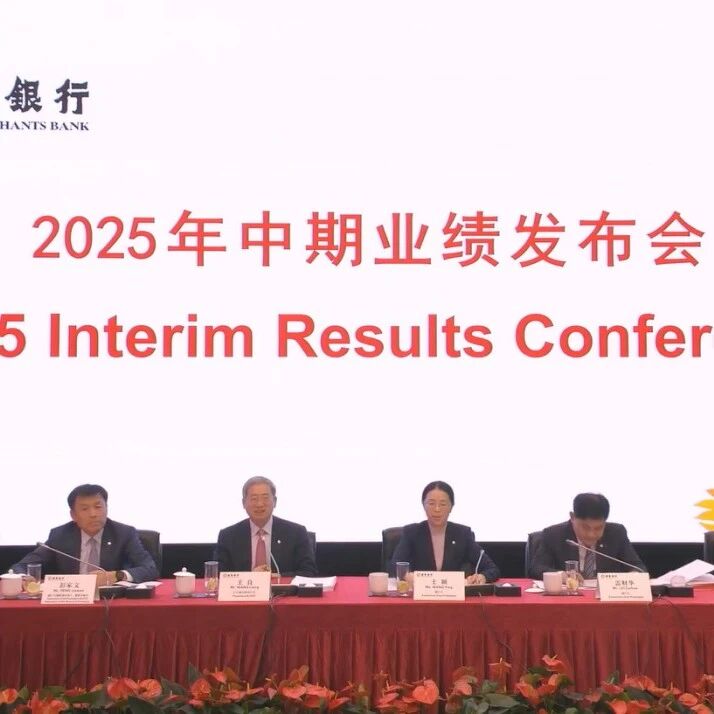
Core Viewpoint - The management of China Merchants Bank (CMB) expressed confidence in achieving steady progress and completing the annual budget goals despite recent challenges in the banking sector [2][4]. Group 1: Annual Performance Outlook - CMB's net profit growth turned positive in the first half of the year, with the second quarter performing better than the first, which faced significant pressure due to loan repricing [3][4]. - The bank aims to implement strategic development, enhance cost management, promote non-interest income, and strengthen asset quality to maintain a positive growth trajectory [4]. Group 2: Retail Business Strengths - CMB's retail business is supported by three key factors: technological capabilities, a dedicated workforce, and a customer-centric value system [5][6][7]. - Retail assets under management (AUM) reached 16.03 trillion yuan, with the highest growth in recent years, and retail wealth management income increased by 6% year-on-year [5]. Group 3: Balancing Short-term and Long-term Goals - The bank emphasizes the importance of balancing short-term performance with long-term sustainability, likening banking operations to a marathon rather than a sprint [8]. - CMB aims to solidify its foundational aspects, including customer base and management, while focusing on long-term strategic goals [8]. Group 4: Changes in Customer Risk Preferences - There has been a shift in retail customers' risk preferences, with a gradual improvement in their inclination towards equity assets, although a conservative approach remains predominant [9]. - CMB is committed to providing a stable and comprehensive wealth management experience to meet evolving customer needs [9]. Group 5: Return on Equity (ROE) Management - CMB has established a financial management system focused on ROE, which currently stands at 13.85%, significantly higher than the industry average of around 9% [10][11]. - The bank aims to balance profit growth, net asset accumulation, and dividends to maintain a competitive ROE and meet investor expectations [11][12]. Group 6: Internationalization Strategy - CMB is accelerating its internationalization efforts, recognizing it as a new growth point amid increasing global integration and domestic market saturation [13]. - The bank has already established a network of overseas branches and is enhancing the capabilities of its international operations [13].

彭总专访:携手贝塔证券,为投资人朋友提供逻辑清晰透明,稳健可持续的投资可选项
贝塔投资智库· 2025-09-02 04:00
Investment Philosophy - Richard Peng emphasizes a client-first approach, prioritizing customer interests to achieve mutual long-term success [3][4] - The investment strategy focuses on stability and absolute returns, aiming for an annual return of 10%-15% regardless of market fluctuations [4][6] - Influences on Richard Peng's investment philosophy include Warren Buffett's "slow wealth accumulation" and Nassim Taleb's concepts of risk and uncertainty [5] Asset Management Products - Beta International Securities has obtained a Type 9 asset management license and plans to launch a fund targeting high-net-worth clients in the Hong Kong stock market [6][9] - The fund will focus on the primary market for new stock offerings, leveraging communication with issuers to secure favorable long-term returns [6][9] - The investment threshold for the fund is set at HKD 1 million, with a requirement for liquid financial assets of over HKD 8 million, targeting a projected annual return of over 20% [9] Future Outlook - The company aims to develop "midfield master-level" investment products that provide steady returns, catering to clients seeking more than just basic financial products [10] - Richard Peng believes that the recent regulatory changes in the Hong Kong IPO market will benefit institutional investors and enhance market fairness [7][10] - The company is committed to cautious and diligent management, recognizing the inherent uncertainties in the market [11]

小菜园:以长期主义深耕大众餐饮赛道
Zheng Quan Ri Bao· 2025-09-01 16:15
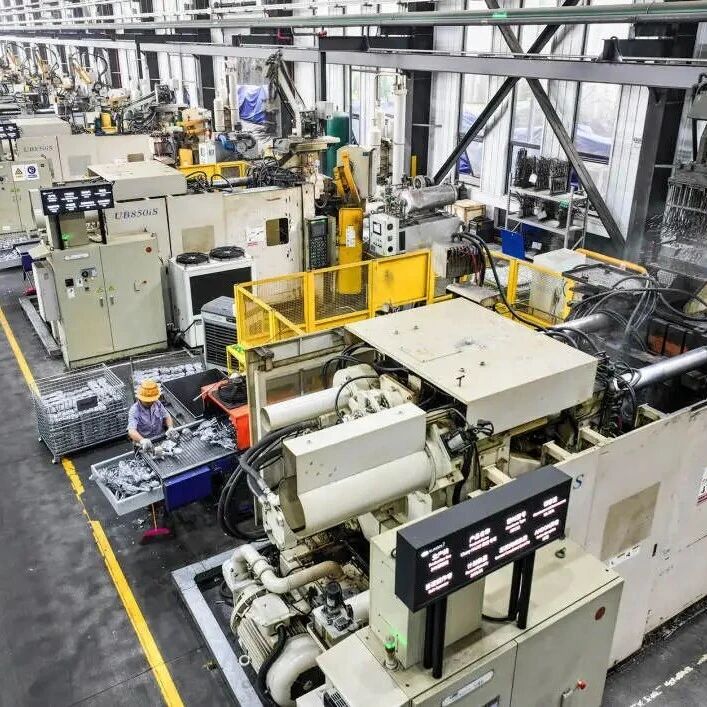
Core Viewpoint - Xiaocaiyuan International Holdings Limited has demonstrated that success in the restaurant industry relies on customer satisfaction, employee engagement, and a well-functioning supply chain rather than rapid capital growth [1] Group 1: Company Overview - Xiaocaiyuan was officially registered in 2012 and opened its first store in Tongling, Anhui [2] - The company plans to open 800 stores by 2025, having already reached 100 stores in 2018 and another 100 in 2019 [2] - Xiaocaiyuan went public on the Hong Kong Stock Exchange on December 20, 2024, with an issue price of HKD 8.5 per share, raising HKD 860 million [2] - As of August 28, 2025, the company's market capitalization reached HKD 13.1 billion [2] Group 2: Financial Performance - In the first half of 2025, Xiaocaiyuan achieved revenue of CNY 2.714 billion, a year-on-year increase of 6.5% [4] - The company's net profit attributable to shareholders was CNY 382 million, reflecting a year-on-year growth of 35.7% [4] - Dine-in revenue grew by 2.2% to CNY 1.647 billion, while takeaway revenue increased by 13.7% to CNY 1.057 billion, with takeaway orders rising from 12.8 million to 16.8 million [4] Group 3: Business Model and Strategy - Xiaocaiyuan employs a unique "partner system" where each new store is co-owned by a regional manager, head chef, and store manager, aligning employee interests with store performance [2] - The company focuses on providing affordable and quality food, driven by a philosophy of "practical management" [3] - The optimization of store models has led to a reduction in average store size from 300 square meters to approximately 220 square meters, enhancing profitability [4] Group 4: Supply Chain Management - Xiaocaiyuan has established a robust supply chain, transitioning from independent store procurement to a centralized cold chain logistics system [5] - The company has built 15 regional warehouses, each serving 40 to 60 stores daily to ensure fresh and timely delivery of ingredients [5] - A new factory in Ma'anshan, with an investment of CNY 450 million, is expected to support 3,000 stores and enhance food safety and supply chain efficiency [6]
韧性穿越——我爱我家上半年业绩增长的周期密码
Zheng Quan Ri Bao Wang· 2025-09-01 12:45
Core Viewpoint - I Love My Home (我爱我家) reported a net profit of 38.4 million yuan for the first half of 2025, marking a 30.8% increase year-on-year, and a non-net profit of 49.9 million yuan, up 213.89% year-on-year, demonstrating resilience in a challenging industry environment [1] Group 1: Business Strategy - The company focuses on core city operations, emphasizing a "precision farming" approach, which has become increasingly significant amid macroeconomic and policy challenges [2] - I Love My Home has deepened its presence in key cities like Beijing, Shanghai, and Hangzhou for over 20 years, with a total of 859,000 second-hand housing listings across 10 cities as of August 7, 2025 [2] - The company has maintained a strong market share in major cities, with continuous growth in Shanghai and stable positions in Beijing and Hangzhou [2][3] Group 2: Management Team - The management team at I Love My Home is experienced, with an average tenure exceeding 10 years, providing stability and insight during market fluctuations [4] - Many leaders have over 15 years of experience in key cities, having risen from frontline positions, which fosters a strong alignment with the company's culture and strategic goals [4] Group 3: Talent Development - The company invests continuously in talent development, viewing agents as core assets, which supports its resilience during industry adjustments [5][6] - I Love My Home has established a robust talent pipeline with clear selection and evaluation standards, ensuring high-quality personnel across various management levels [6] - Initiatives like the "Spark Plan" and leadership academy are in place to cultivate future leaders and maintain organizational vitality [6]
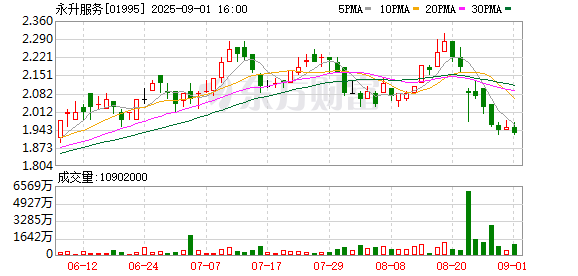
周洪斌升任永升服务副董事长 林祝波接任总裁
Zheng Quan Ri Bao· 2025-09-01 12:42
Group 1 - Yongsheng Service Group announced the promotion of Zhou Hongbin to Vice Chairman of the Board and Lin Zhubo to President and Executive Director, effective September 1, 2025, as part of its long-term strategic development and governance optimization [2] - Zhou Hongbin, who joined Yongsheng Service in 2017, played a crucial role in the company's successful IPO in 2018 and has been instrumental in its transformation from a residential management service provider to a smart city service brand, increasing the managed area from 33.34 million square meters in 2017 to 355 million square meters by mid-2025 [2] - Lin Zhubo expressed commitment to enhancing service standards and quality, focusing on market expansion and optimizing value-added services to maintain growth momentum amid the real estate industry's deep adjustments [3]