
食品安全

Search documents
市场监管部门抽检饮料11.19万批次 不合格率0.57%
Yang Shi Xin Wen· 2025-08-13 07:36
市场监管部门已经对抽检不合格产品立即采取下架、封存、召回等措施控制风险;督促饮料生产经营者 严格落实食品安全主体责任,加强生产过程质量安全控制,优化生产工艺,对相关违法违规行为依法从 严查处,切实维护市场秩序和消费者合法权益。 市场监管总局提醒广大消费者:饮料产品开封后需尽快饮用,减少微生物繁殖;拒绝购买包装破损、密 封不良的产品,避免污染;控制含糖饮料摄入,保持饮食健康;警惕虚假宣传,勿信饮料具有治疗功 效。 记者今天了解到,市场监管总局发布最新统计数据显示:截至7月底,全国市场监管部门共对饮料产品 开展监督抽检11.19万批次,涵盖微生物、质量指标、食品添加剂、重金属、有机污染物等8个类别94个 项目,检出不合格样品636批次,不合格率0.57%,不合格问题主要为微生物指标不达标、质量指标不 符合标准等,饮料类食品整体质量安全状况良好。 (文章来源:央视新闻) ...
山西省晋中市左权县市场监督管理局2025年食品安全监督抽检信息公告(第3期)
Zhong Guo Zhi Liang Xin Wen Wang· 2025-08-13 07:30
Summary of Key Points - The announcement reports the results of 152 batches of food safety inspections across 22 categories, including biscuits, beverages, and meat products, with 148 samples passing and 4 failing [1][2][3] - The local market supervision authority has taken legal action against the non-compliant products and encourages consumers to report any found non-compliant food items [1][2] - The inspection results are part of ongoing efforts to ensure food safety and compliance with national standards [1][3]

江苏省淮安市2025年食品安全监督抽检信息公告(第7期)
Zhong Guo Zhi Liang Xin Wen Wang· 2025-08-13 07:25
Summary of Key Points Overall Situation - A total of 231 batches of food were tested in the recent food safety supervision sampling, with 225 batches passing and 6 batches failing the quality standards [4]. Breakdown of Tested Items - The tested items included: - Biscuits: 2 batches - Catering food: 101 batches - Starch and starch products: 4 batches - Condiments: 11 batches - Bean products: 3 batches - Pastries: 5 batches - Alcohol: 6 batches - Frozen drinks: 5 batches - Grain processing products: 21 batches - Meat products: 17 batches - Dairy products: 4 batches - Edible agricultural products: 37 batches - Edible oils and fats: 7 batches - Vegetable products: 3 batches - Frozen foods: 3 batches - Beverages: 2 batches [4]. Specific Cases of Non-compliance - The announcement includes an attachment detailing the specific cases of non-compliance, which provides insights into the types of food products that failed the safety tests [4].
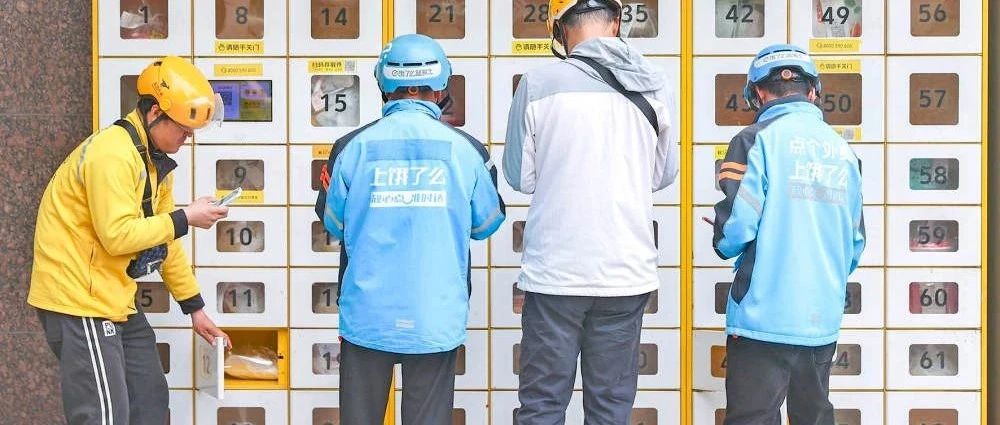
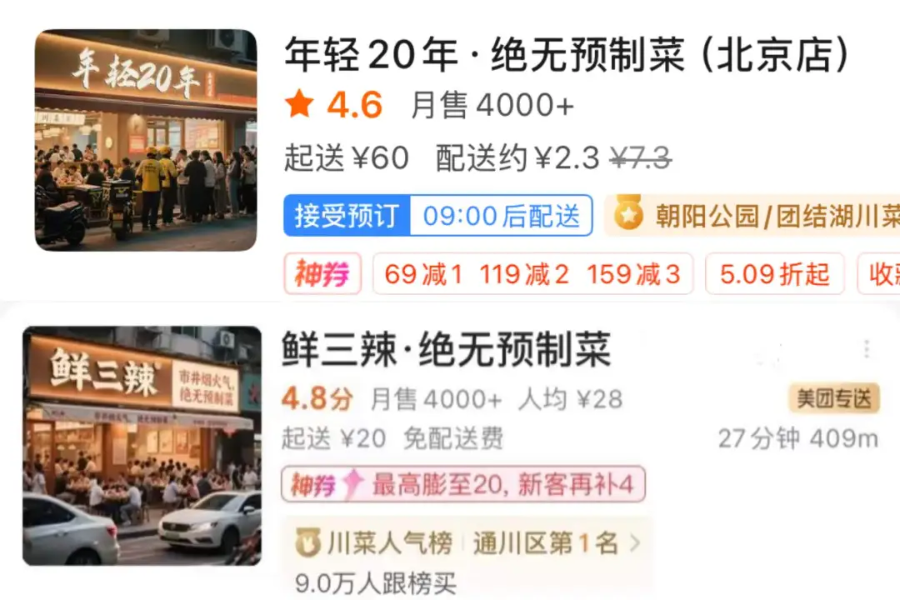
外卖门店图用AI生成,市监总局出手了
21世纪经济报道· 2025-08-13 07:18
Core Viewpoint - The article discusses the newly released draft regulations by the State Administration for Market Regulation (SAMR) aimed at enhancing food safety responsibilities for online food trading platforms, amidst a competitive landscape marked by significant subsidy wars among major players like JD.com, Ele.me, and Meituan [1][3]. Group 1: Regulatory Framework - The draft regulations cover various online food trading platforms, including delivery services, live streaming, social media, short video platforms, community group buying, and self-built websites [1]. - The regulations consist of 23 articles focusing on five main areas: overall requirements, responsibility allocation, personnel requirements, violations, and penalties [3]. Group 2: Responsibilities and Compliance - Platforms are required to ensure that their branches, agents, and partners comply with food safety management responsibilities [3]. - If platforms engage in self-operated food sales, they must fulfill the responsibilities of food sales enterprises [4]. Group 3: Personnel and Monitoring - The regulations mandate platforms to establish a "daily control, weekly inspection, monthly scheduling" system and appoint food safety directors and personnel commensurate with transaction volumes [4]. - Food safety personnel are encouraged to utilize AI and big data for compliance monitoring and risk assessment of food producers and sellers on the platform [4]. Group 4: Addressing Food Safety Risks - The article highlights that previous regulations lacked clarity in management responsibilities, necessitating more detailed guidelines for platforms to implement food safety management effectively [5]. - Instances of food safety risks have been noted, with platforms being urged to adhere strictly to food safety laws and regulations following multiple discussions with regulatory authorities [6]. Group 5: AI and Marketing Practices - The article points out concerns regarding the use of AI-generated images by merchants, which can mislead consumers about the actual conditions of food establishments [6][9]. - Platforms like Meituan and JD.com have responded by tightening their review processes for merchant images to prevent misleading marketing practices [8][9].


茉酸奶重塑品质防线:以“零容忍”态度打造舌尖上的安全
Guan Cha Zhe Wang· 2025-08-13 02:47
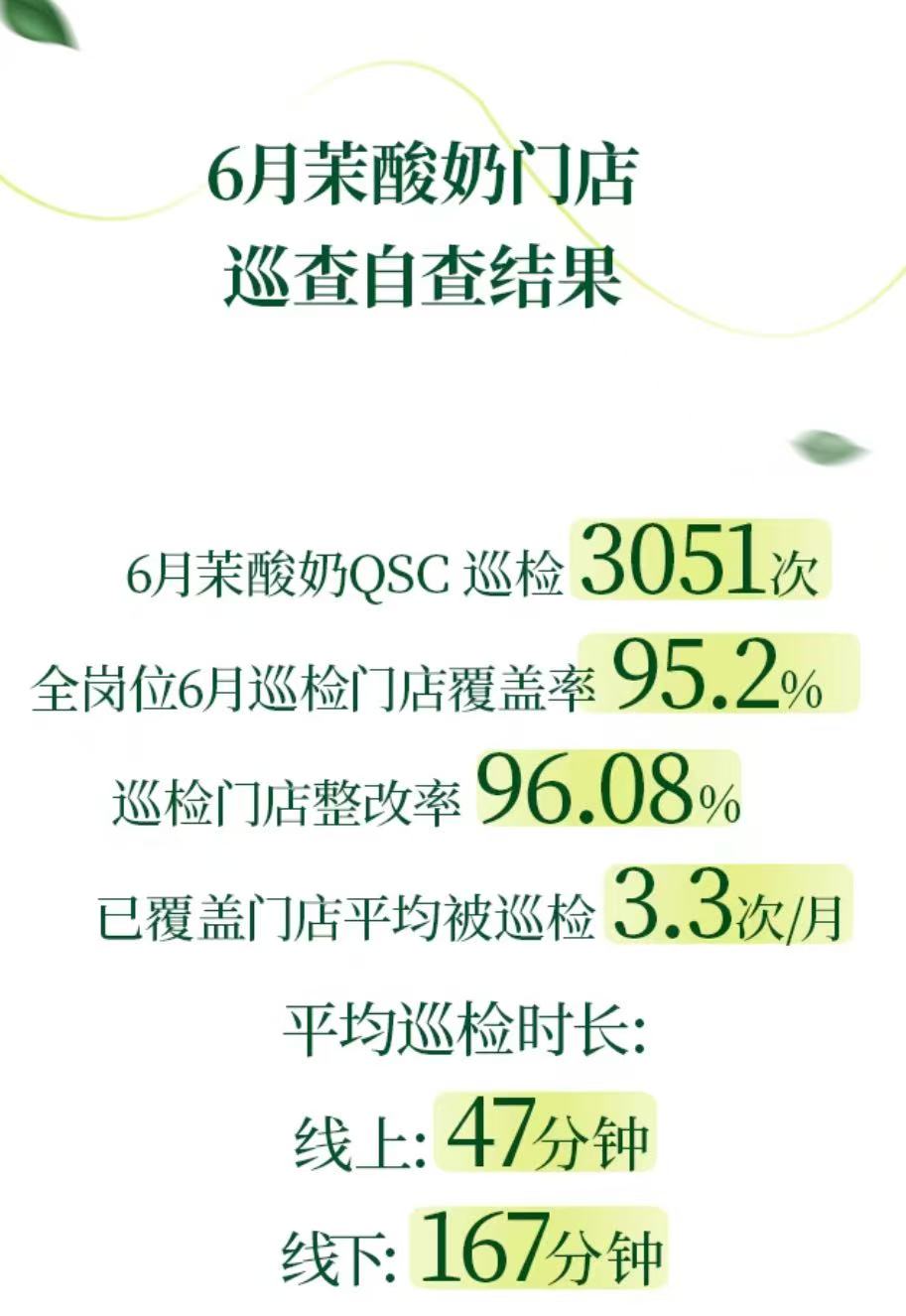
Core Insights - After rapid expansion, the company is now focusing on internal reform through its "Food Safety 2.0 Upgrade Plan," establishing new safety standards in the fresh yogurt industry [1][3] - The brand is transitioning from aggressive growth to quality control, emphasizing food safety as a core aspect of its business strategy [3] Group 1: Strategic Shift - The company has shifted its strategy from "accelerated growth" to "internal strengthening," focusing on quality control and food safety [2][3] - Since its establishment in 2004, the company has rapidly increased its market share and store count, becoming a representative brand in the fresh yogurt sector [2] - The introduction of organic upgrades and the integration of B420 probiotics into its product line are part of the company's commitment to enhancing product quality [2] Group 2: Food Safety Initiatives - The company has established a comprehensive food safety system that spans from raw material sourcing to end-store management, setting a new paradigm for high-quality development in the industry [3][4] - A traceable system has been implemented at the raw material level, sourcing milk from a large organic farm in Shijiazhuang, ensuring high-quality fresh milk production [4] - The production process utilizes advanced technology and automation, ensuring a sterile environment and high standards of hygiene [5] Group 3: Store Management and Transparency - All stores are equipped with surveillance cameras for 24/7 monitoring, allowing real-time oversight of key operational processes [6] - The company has introduced a "Safety Credit" system for employees, requiring them to pass monthly assessments to maintain their positions [6] - A regular publication of food safety self-inspection reports enhances transparency and builds consumer trust [6][10] Group 4: Continuous Improvement and Response Mechanisms - The company has established a rigorous daily, weekly, and monthly inspection system to identify and mitigate food safety risks [9] - A dedicated team conducts unannounced inspections across all stores, ensuring compliance with safety standards [9] - The company has a "1-hour response" mechanism for complaints, with a high problem resolution rate and quick feedback to consumers [10]
谁对外卖食品安全负责?市监总局拟新规,三大平台商家规范升级中
2 1 Shi Ji Jing Ji Bao Dao· 2025-08-12 12:41
Core Viewpoint - The State Administration for Market Regulation (SAMR) has released a draft regulation aimed at enhancing food safety responsibilities for online food trading platforms, including delivery, live streaming, social media, short video platforms, community group buying, and self-built websites [1][2]. Group 1: Regulatory Framework - The draft regulation consists of 23 articles covering five main areas: overall requirements, responsibility allocation, personnel requirements, roles and responsibilities, and penalties for violations [2]. - Platforms are required to ensure that their branches, agents, and partners comply with unified food safety management responsibilities [3]. Group 2: Food Safety Management - Platforms engaging in self-operated food sales must assume the responsibilities of food sales enterprises [4]. - The regulation mandates platforms to establish a "daily control, weekly inspection, monthly scheduling" system and appoint food safety directors and personnel commensurate with transaction volume [4]. Group 3: Risk Management and Compliance - Upon identifying food safety risks, platforms must take actions such as blocking, removing, or deleting food information or links, and halting related sales activities [5]. - Previous regulations have highlighted the platforms' obligations to audit and manage merchants, but practical implementation has revealed ambiguities in responsibility allocation [5]. Group 4: AI and Marketing Practices - The regulation addresses the use of AI-generated images by merchants, which has raised concerns about misleading marketing practices [6]. - Platforms like Meituan and JD have implemented stricter review requirements for images used by merchants, particularly those generated by AI, to prevent misleading consumers [8].
研判2025!中国藕粉行业市场政策、产业链、市场规模、竞争格局及发展趋势分析:海外市场有望成为行业新的增长点[图]
Chan Ye Xin Xi Wang· 2025-08-12 01:19
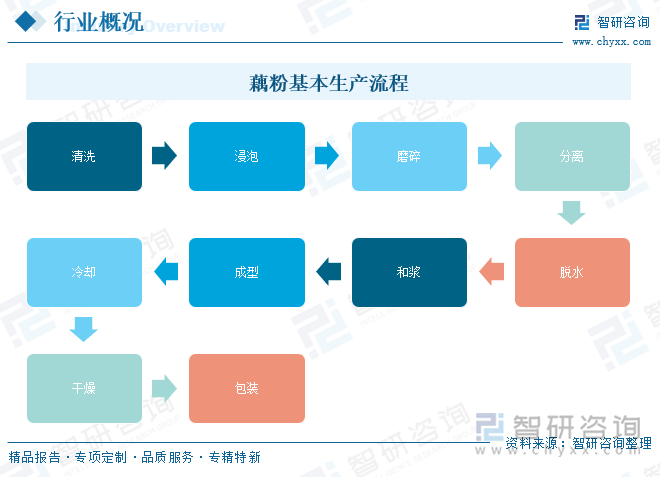
Core Viewpoint - The demand for low-calorie, high-nutrition foods is increasing due to rising health awareness among consumers, leading to significant growth in the lotus root powder market, which is projected to reach a market size of 2.629 billion yuan in 2024, with a year-on-year growth of 30.22% [1][15]. Market Overview - Lotus root powder is rich in dietary fiber and various vitamins, offering health benefits such as cooling blood and nourishing the body, aligning with current consumer health trends [1][15]. - The market for lotus root powder is expected to expand further as the "Belt and Road" initiative promotes Chinese dietary culture globally, opening new overseas markets [1][15]. Market Policies - The Chinese government has implemented strict standards for food safety, including GB/T25733, which took effect on May 1, 2023, ensuring quality and safety in lotus root powder production [4][6]. Industry Chain - The lotus root powder industry consists of upstream (lotus root cultivation, procurement, processing equipment, packaging materials), midstream (processing and production), and downstream (sales channels including supermarkets, specialty stores, and e-commerce) segments [9][11]. Upstream Supply - Lotus root is the primary raw material for lotus root powder, with significant production in southern provinces such as Jiangsu, Zhejiang, and Hunan. The production volume is projected to reach 13.231 million tons in 2024, reflecting a year-on-year increase of 1.58% [11][15]. Downstream Demand - The consumer demographic for lotus root powder is predominantly aged 18-35, accounting for 36% of the market, with a strong preference for low-sugar and convenient packaging options. Female consumers represent over 50% of the market, often seeking beauty and health benefits [13][15]. Competitive Landscape - The lotus root powder industry is characterized by a fragmented competitive landscape with numerous participants. Key players include Weiyi Food and Beverage Co., Ltd., Hangzhou Tiantang Food Co., Ltd., and Liangpin Shop, among others [17][20]. - Hangzhou Tiantang Food Co., Ltd. is recognized as a leading producer, known for its "Tiantang" brand lotus root powder, which is well-received domestically and exported to Japan, Europe, and Southeast Asia [17][20]. Development Trends - The industry is expected to trend towards high-end, functional foods, with an emphasis on quality raw materials and advanced processing techniques. Future products may include low-sugar, low-fat, and high-fiber options, as well as flavors that incorporate local ingredients [23].


被投诉喝出苍蝇,加盟商承受巨大压力,库迪咖啡能否完成5万店目标?
Xin Jing Bao· 2025-08-11 14:39
Group 1 - The core issue revolves around food safety complaints against Kudi Coffee, with multiple consumers reporting finding foreign objects, including flies, in their drinks [1][3][4] - Kudi Coffee has rapidly expanded its store count, aiming for 50,000 locations by the end of 2025, but faces skepticism from industry insiders regarding the feasibility of this target [2][9] - The company has introduced a convenience store model as part of its strategy to penetrate the coffee market further, but this has led to challenges for franchisees, including financial losses due to high operational costs [6][7][8] Group 2 - Kudi Coffee's marketing strategy includes a low-price approach, with drinks priced at 9.9 yuan, which has contributed to its rapid growth in a competitive market [1][2] - The company has faced criticism for its handling of food safety issues, with consumers demanding higher compensation than what has been offered [3][4][5] - The convenience store initiative has been met with mixed results, as franchisees report difficulties in profitability and competition from other brands [7][8][11] Group 3 - Kudi Coffee's rapid expansion has resulted in market saturation in some areas, leading to complaints from franchisees about declining sales due to the opening of new stores nearby [11][12] - The company has attempted to diversify its offerings by introducing food items like boxed meals and breakfast options, but these efforts have not yet proven to be significantly profitable [10][11] - Kudi Coffee's growth strategy is under scrutiny as it competes with established brands like Luckin Coffee and others, which have shown strong performance and expansion [12]
浙江省台州市市场监督管理局食品安全监督抽检信息通告(2025年第17期)(“你点我检”专项)
Zhong Guo Zhi Liang Xin Wen Wang· 2025-08-11 08:54
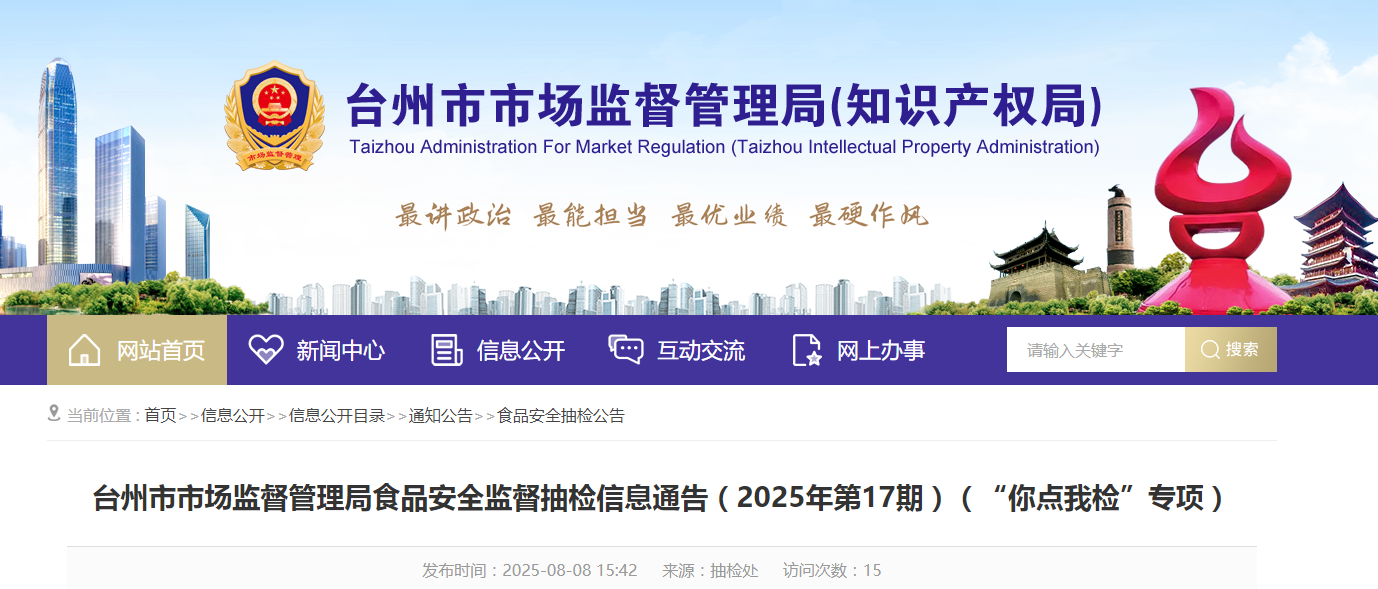
近期,台州市市场监督管理局收集群众抽检需求对粮食加工品、食用油、油脂及其制品、调味品、饮料、方便食品、饼干、罐头、冷冻饮品、速冻食品、薯 类和膨化食品、糖果制品、酒类、蔬菜制品、淀粉及淀粉制品、糕点、炒货食品及坚果制品、食糖、肉制品、水产制品、蜂产品、餐饮食品、食用农产品等 22类食品164批次样品进行抽检,根据食品安全国家标准检验和判定:抽检检验合格160批次、不合格4批次(见附件)。不合格项目涉及食品添加剂超标、 兽药残留超标、重金属污染等。具体情况通告如下: 一、食品添加剂超标 (一)温岭市石塘美地电子商务商行在抖音(网店)销售的温岭年糕,山梨酸及其钾盐(以山梨酸计)不符合食品安全国家标准规定。 (二)温岭市城西轰隆电子商务商行(个体工商户)在抖音(网店)销售的舟山野生红虾,二氧化硫残留量不符合食品安全国家标准规定。 二、兽药残留超标超标 (一)温岭市箬横晶薇食品店(个体工商户)在抖音(网店)销售的新鲜散养土鸡蛋,甲硝唑不符合食品安全国家标准规定。 三、重金属污染 (一)台州市黄岩浙农农产品供应链有限公司销售的嫩姜,铅(以Pb计)、镉(以Cd计)不符合食品安全国家标准规定。台州市黄岩浙农农产品供应链有限 ...
百果园董事长“雷语”炸翻舆论 深陷闭店、食品安全等泥潭
Jing Ji Guan Cha Bao· 2025-08-11 04:18
Core Viewpoint - The controversy surrounding Baiguoyuan's chairman's remarks has intensified public scrutiny over the company's declining performance, store closures, and food safety issues, leading to questions about its business model and brand value [1][2]. Financial Performance - In 2024, Baiguoyuan reported a revenue of 10.273 billion yuan, a year-on-year decline of 9.8% [2] - The company experienced a net loss of 386 million yuan, marking a staggering year-on-year drop of 206.7%, representing its first loss since going public [2] - The number of stores decreased from 6,093 in 2023 to 5,127 in 2024, resulting in the closure of 966 stores, averaging 2.64 closures per day [2] - The gross profit margin fell from 11.5% to 7.4%, indicating a significant decline in profitability [2] Strategic Issues - Baiguoyuan's high-end pricing strategy has failed, as evidenced by the need to implement low-price promotions to attract customers, despite the chairman's insistence on not lowering prices [2] - The company's focus on "educating consumers" has alienated its customer base, particularly in lower-tier markets where price sensitivity is high [3] - Rapid expansion has led to a decline in supply chain and quality control capabilities, exacerbating the challenges faced by franchisees and contributing to the wave of store closures [3] Brand and Market Perception - The company's high-end image has been severely damaged by food safety scandals, including the use of rotten fruit in products and lack of proper food handling certifications [2] - Consumer backlash has been significant, with numerous complaints about product quality, leading to a perception of Baiguoyuan as out of touch with market demands [1][2] - Comparisons have been drawn between Baiguoyuan and other failed brands, highlighting the risks of high pricing combined with low quality [1]