产品创新

Search documents
山东威海钓具“钓”起百亿元产业
Zhong Guo Chan Ye Jing Ji Xin Xi Wang· 2025-06-08 22:20
Core Insights - The fishing tackle industry in Weihai, known as the "Fishing Tackle Capital of China," has over 1,000 production and supporting enterprises, employing nearly 50,000 people, with an annual output value exceeding 10 billion yuan [1][3] - Weihai's fishing tackle industry has established a complete industrial chain covering raw materials, manufacturing equipment, components, and finished products, making it a global hub for fishing tackle research and manufacturing [1][3] - Continuous innovation is a key factor driving the industry, with companies like Weihai Guangwei Outdoor Equipment Co., Ltd. focusing on personalized customization and allocating 5% of sales revenue to R&D annually [1][2] Industry Transformation - The Weihai fishing tackle industry is undergoing a "smart manufacturing revolution," transitioning from labor-intensive production to automated processes, significantly improving efficiency and product quality [2] - Automation in production has led to a 20% improvement in product quality and a reduction of labor costs by two-thirds, as demonstrated by companies like Shandong Handing Sports Goods Co., Ltd. [2] - The use of advanced technology in components, such as high-precision digital printing for fishing lures, has resulted in a 50% increase in sales volume in the first quarter compared to the same period in 2024 [2] Global Market Position - Weihai Guangwei Outdoor Equipment Co., Ltd. holds an 1/8 share of the global fishing tackle market, exporting 8.6 million fishing rods last year, with an export value growth of 18.7% [3] - The city produces 40 million fishing rods annually, accounting for over 60% of the global market share, with more than 700 local companies exporting products worldwide [3] - Weihai Customs has implemented policies to facilitate exports, resulting in a 16.9% year-on-year increase in product exports, reaching 3.54 billion yuan last year, with a 21.2% increase in the first quarter of this year [3]
2025中国高端房地产市场现状报告-MCR嘉世咨询
Sou Hu Cai Jing· 2025-06-07 01:35
Core Insights - The high-end residential market in China is showing strong resilience and vitality amidst a slowing macroeconomic growth, changing policy environment, and diversified asset allocation needs of residents [1][17] - The market is characterized by significant stratification and differentiation, with distinct segments including super luxury, luxury, and improved high-end residences [2][27] Market Performance - The market exhibits a three-tier structure: super luxury (total price above 30 million yuan), luxury (price above 120,000 yuan per square meter), and improved high-end residences (total price around 20 million yuan) [2][27] - In 2024, Shanghai accounted for 60.4% of new home transactions above 30 million yuan, with 2,600 units sold, reflecting a 141% year-on-year increase in transactions over 100 million yuan [2][27] - First-tier cities, particularly Shanghai, lead in transaction volume and value, while second-tier cities like Hangzhou and Chengdu also show strong performance [2][30] Product Innovation - The high-end residential market is experiencing multi-dimensional innovations, including design concepts, technical applications, and functional configurations [3][36] - The adoption of fourth-generation residential designs is becoming widespread, enhancing living quality through innovative features like tiered terraces and improved usable area [3][37] - Smart home systems and sustainable materials are increasingly integrated into high-end residential projects, improving overall living experience and environmental sustainability [3][36] High-Net-Worth Individual Behavior - High-net-worth individuals are diversifying their asset allocation, with a growing focus on scarce assets and overseas investments [4][5] - The motivations for purchasing high-end residences include asset preservation, social status, and enhanced living quality [4][5] Future Trends - Continuous policy support and product differentiation are expected to drive the development of the high-end residential market [5][18] - Rental yield is projected to exceed 3% as product innovation and market maturity enhance investment value and living quality [5][26]


加力支持 精准滴灌 多方协同——金融护航外贸发展观察
Xin Hua Wang· 2025-06-06 12:19
Core Viewpoint - The article emphasizes the strong resilience and international competitiveness of China's foreign trade in the face of external shocks, highlighting the increased support from financial institutions to ensure stable growth in foreign trade [1]. Group 1: Financial Support Measures - Financial institutions are intensifying support for foreign trade, implementing various measures to assist struggling enterprises, enhance financing support, and promote the integration of domestic and foreign trade [2][3]. - The Export-Import Bank has issued 37 billion yuan in financial bonds specifically for foreign trade credit, with 460 billion yuan in loans allocated to the foreign trade sector in the first five months of the year [3]. Group 2: Product Innovation - Banks are innovating products to cater to the unique needs of small and micro foreign trade enterprises, such as the "Yi Payment Credit Loan" which provides quick financing based on foreign exchange settlement records [4]. - Digitalization is enhancing loan efficiency, with banks like Citic Bank and the Export-Import Bank launching fully online financing products tailored for small and micro foreign trade enterprises [4]. Group 3: Trade Facilitation - Recent measures have improved trade facilitation, significantly reducing the time and effort required for processing trade commission payments, as evidenced by a cross-border trade enterprise in Fuzhou [5]. Group 4: Collaborative Efforts - Collaborative efforts between banks, government, and enterprises are strengthening financial services for foreign trade, with initiatives like the partnership between the Export-Import Bank and retail giants to support the domestic sales of export products [6]. - From January to April, China's total goods import and export volume increased by 2.4% year-on-year, indicating the resilience of foreign trade amid supportive measures [6]. Group 5: Future Policy Directions - The People's Bank of China is focusing on precise measures to stabilize foreign trade, including the creation of new structural monetary policy tools to support investment in technology innovation and consumption [7].


石头科技拟在港交所上市,应对贸易环境变数和提升盈利是挑战
Di Yi Cai Jing· 2025-06-06 11:10
Group 1 - Company plans to list on the Hong Kong Stock Exchange to raise funds for international expansion, product development, and operational support [2] - The company faces challenges in maintaining overseas business stability amid changing international trade conditions and increasing competition in the clean appliance market [2] - In 2024, the company's domestic revenue reached 5.531 billion yuan, a year-on-year increase of 25.39%, while overseas revenue was 6.388 billion yuan, up 51.06%, indicating that overseas revenue has surpassed domestic revenue [2] Group 2 - In 2024, the company leads the global smart vacuum cleaner market with a 16% share in volume and 22.3% in sales revenue, with a year-on-year shipment growth of 20.7% [3] - The company has adopted proactive product and market strategies in overseas markets starting in 2024, which is expected to attract more international investors and enhance global brand influence [3] - Despite significant revenue growth, net profit has declined, with 2024 revenue at 11.95 billion yuan (up 38%) and net profit at 1.977 billion yuan (down 3.63%) [3] Group 3 - The clean appliance market is attracting new players, increasing competition, and the company must focus on product innovation and brand premium to maintain profit levels [4] - The company plans to enhance its governance structure post-Hong Kong listing by increasing board members from 6 to 8, including new independent and non-independent directors [4]

家清日化场景消费研究白皮书
一库· 2025-06-06 09:20
Investment Rating - The report indicates a positive investment outlook for the household cleaning and personal care industry, with a projected market size growth from 556.1 billion yuan in 2023 to over 700 billion yuan by 2028, reflecting a robust demand trend [7][9]. Core Insights - The household cleaning and personal care market in China has shown a significant growth trend, driven by urbanization, changing demographics, and increased consumer demand for quality cleaning products [8][9]. - The market is characterized by a shift towards premium products, with consumers increasingly prioritizing efficiency, safety, and environmental sustainability in their purchasing decisions [20][27]. - The competitive landscape features strong international brands dominating the high-end market, while domestic brands focus on cost-effectiveness and localized marketing strategies [18][19]. Market Overview - The market size of household cleaning products in China grew from 34.77 billion yuan in 2015 to 55.61 billion yuan in 2023, with expectations to reach 58.39 billion yuan in 2024 [7]. - The growth is attributed to factors such as accelerated urbanization, demographic changes, and increased R&D investments by companies [8]. Consumer Trends - There is a noticeable trend towards quality and specialized cleaning products, with consumers showing a preference for high-efficiency and finely crafted cleaning tools [20]. - The demand for home decor items has surged, with certain categories experiencing over tenfold growth in sales, indicating a shift towards enhancing home aesthetics [22]. - Consumers are increasingly concerned about product safety and environmental impact, with 71% expressing a desire for enhanced antibacterial properties in cleaning products [27][28]. Consumer Demand Analysis - Basic cleaning functionality remains a primary consumer need, but there is a growing expectation for convenience and efficiency in products [33]. - Different age groups exhibit varying preferences, with younger consumers favoring brand and style, while older consumers prioritize practicality and value [35]. - Safety and environmental considerations are paramount, with consumers seeking natural and non-toxic ingredients, especially for products intended for children and pregnant women [36][38]. Consumer Behavior Analysis - The purchasing decision process is influenced by lifestyle, cultural background, and personal preferences, with consumers increasingly relying on social media and peer recommendations for information [42]. - Product quality and brand image significantly impact brand loyalty, with high-quality products fostering trust and repeat purchases [52][54]. Brand Analysis - Leading brands like Blue Moon have maintained a strong market position through effective brand building and product innovation, continuously meeting consumer needs [57]. - Emerging brands are leveraging social media and innovative marketing strategies to capture market share, demonstrating the dynamic nature of the industry [65][66]. Market Channel Analysis - The online sales channel is rapidly growing, with significant increases in sales and volume on platforms like Taobao and Tmall, indicating a shift in consumer purchasing behavior [70][71]. - Traditional retail channels still hold a significant market share, but there is a clear trend towards integrating online and offline sales strategies [51][80]. Future Trends and Challenges - The industry is expected to see continued innovation in product efficacy, safety, and design, with a focus on specialized cleaning solutions for various scenarios [93]. - Competition is intensifying, with established brands leveraging their strengths while new entrants adopt differentiated marketing strategies to gain traction [94]. - Consumer demand is evolving towards high-efficiency, health-conscious, and environmentally friendly products, necessitating ongoing adaptation by companies [95].
霸王茶姬一季报:净收入增35.4%,用户数突破1.9亿
Chang Jiang Shang Bao· 2025-06-06 02:40
Core Insights - Bawang Chaji (NASDAQ: CHA) reported strong financial performance in its first quarterly earnings post-IPO, with total net revenue of 3.39 billion yuan, a year-on-year increase of 35.4%, and a net profit of 677 million yuan, up 13.8% [1][2][5] Financial Performance - The company's total GMV (Gross Merchandise Volume) reached 8.23 billion yuan, reflecting a year-on-year growth of 38% [2] - The net profit margin for the first quarter was 20%, consistent with the previous year's margin of 20.3%, indicating a strong position relative to industry averages [2][5] Store Expansion - As of the end of the first quarter, Bawang Chaji had a total of 6,681 stores globally, with an increase of 241 stores in the quarter and a year-on-year increase of 2,598 stores [4] - The majority of stores (6,512) are located in China, with 169 stores overseas [4][6] User Growth - The company added approximately 15 million new members in the first quarter, bringing the total registered members to 192.4 million, a year-on-year increase of 109.6% [4] - The number of active users for the quarter was reported at 44.9 million [4] Strategic Transition - Bawang Chaji is transitioning from a rapid penetration growth strategy to a same-store sales growth strategy, focusing on new product development and enhancing customer experience [5][9] - The company emphasizes three strategic pillars: global expansion, differentiated product innovation, and a healthy user ecosystem [5][9] Global Expansion - The overseas GMV for the first quarter reached 178 million yuan, marking an 85.3% year-on-year increase, with 13 new overseas stores opened [5][6] - The company has established a presence in Malaysia, Singapore, and Thailand, with plans for further expansion in Indonesia [6] Product Innovation - Bawang Chaji launched the "Light Cause" product series in March 2025, catering to consumer preferences and enhancing product differentiation [6][7] - The company is actively engaging with consumers through initiatives like the "Listening to Consumer" project and seasonal product offerings [9]
瑞幸咖啡及行业更新:饮茶or喝咖啡?
2025-06-06 02:37
Summary of Luckin Coffee and Industry Update Company and Industry Overview - **Company**: Luckin Coffee - **Industry**: Coffee and Tea Beverage Industry Key Points and Arguments 1. **Product Innovation and Promotions**: Luckin Coffee maintains competitiveness through product innovations like light milk tea and lemon tea, along with short-term promotions such as 5.6 and 5.9 yuan, which significantly boost summer store sales without affecting coffee delivery efficiency [1][2][16] 2. **Store Opening Pace**: The company is opening stores at a faster-than-expected rate, with a new store opening ratio of approximately 60% in high-tier cities and 40% in lower-tier cities, indicating ongoing user education and increased consumption frequency in high-tier cities. The total number of new stores is expected to exceed the initial guidance of 4,000 for the year [1][3][15] 3. **Impact of Delivery Business**: The delivery business has significantly driven growth for Luckin Coffee and the entire restaurant industry. Despite reduced platform subsidies, the brand has maintained store revenue growth by increasing its own subsidies, with delivery orders accounting for nearly 30% of total orders [1][6][17] 4. **Coffee Futures Price Fluctuations**: Recent fluctuations in Arabica coffee futures prices have impacted costs, but prices have recently decreased by 17%. The company has signed large procurement contracts and launched high-margin new products to alleviate cost pressures and improve gross margins [1][18] 5. **Tea Beverage Brands Performance**: Tea brands are performing well on delivery platforms, benefiting from high delivery order ratios and platform subsidies. Brands like Mixue Ice City and Tea Baidao are actively participating in delivery activities, showing growth in both store numbers and same-store sales [1][21] 6. **Same-Store Sales Growth**: Luckin Coffee's same-store sales have improved both sequentially and year-over-year, with May showing over 10% growth driven by sales volume, while prices have stabilized due to the introduction of lower-cost products [2][16] 7. **Challenges in Supply Chain Management**: The current market environment presents challenges for supply chain management due to uncertainties in platform subsidies and demand fluctuations, requiring companies to adapt their supply chain strategies [9] 8. **Market Trends in New Consumption**: The coffee and tea industry has shown signs of differentiation, with no strong new brands emerging since last year. This indicates that current market demand has been effectively met, making it difficult for new supply to enter the market [12][13] 9. **Performance of Tea Brands**: Tea brands are experiencing significant growth, with some brands like Mixue Ice City opening approximately 1,000 new stores monthly and achieving same-store sales growth exceeding 20% in May [21] 10. **Future Industry Outlook**: The delivery platform subsidies and upcoming hot summer weather are expected to continue driving growth in the coffee and tea industry, although data may slow down or face marginal pressure in the fourth quarter [24] Additional Important Insights - **LP Exit Clarification**: Recent exits of limited partners (LPs) are normal adjustments and not indicative of major shareholder sell-offs, which will not negatively impact the company [4] - **Management Changes**: The appointment of the CEO as chairman is seen as a logical step in the company's globalization and capitalization process, aimed at addressing potential structural issues [5] - **User Retention and Supply Chain Challenges**: User retention rates need further observation, especially after subsidy cessation, which may lead to mismatches in actual order volumes and supply chain capabilities [20]

lululemon(LULU) - 2026 Q1 - Earnings Call Transcript
2025-06-05 21:30
Financial Data and Key Metrics Changes - Total revenue increased by 7% or 8% on a constant currency basis to $2.4 billion in Q1 [7][23] - Gross margin increased by 60 basis points to 58.3% compared to the previous year [7][26] - Earnings per share were $2.6, exceeding expectations [7] - SG&A expenses were $943 million, or 39.8% of net revenue, compared to 38.1% in the same period last year [27] Business Line Data and Key Metrics Changes - Men's revenue increased by 8%, while women's revenue increased by 7% [25] - Accessories and other categories grew by 8% [25] - Comparable sales increased by 1% overall [23] Market Data and Key Metrics Changes - In North America, revenue grew by 3% or 4% in constant currency, with Canada seeing a 9% increase [24][25] - In China Mainland, revenue increased by 21% or 22% in constant currency, with comparable sales up by 8% [25] - The Rest of World segment saw a revenue increase of 16% or 17% in constant currency [25] Company Strategy and Development Direction - The company aims to maximize existing markets while expanding into new ones, with recent store openings in Denmark and Turkey [10] - Plans to enter Italy as a new company-operated market and Belgium and The Czech Republic under a franchise model later this year [10] - Focus on product innovation and community engagement through brand activations [13][14] Management's Comments on Operating Environment and Future Outlook - Management remains confident in maintaining revenue guidance for the full year, expecting 7% to 8% growth [6][10] - The company is well-positioned to navigate tariff impacts and is focusing on strategic pricing and supply chain efficiencies [16][19] - Management acknowledges cautious consumer behavior in the U.S. but is optimistic about market share gains [9][70] Other Important Information - The company repurchased $430 million of stock during the quarter, reflecting confidence in long-term prospects [7] - Inventory increased by 23% in dollars and 16% in units, impacted by tariffs and foreign exchange [29] Q&A Session Summary Question: Can you expand on the mitigation efforts regarding guidance for the balance of the year? - Management plans to take strategic price increases on a small portion of the assortment and pursue sourcing efficiencies [42][43] Question: What are the comp drivers and traffic trends? - There was a decline in store traffic, but an uptick in average transaction size was noted [52][53] Question: How are tariffs impacting margins and pricing strategy? - Tariffs are expected to have a significant impact on margins, with strategic pricing adjustments planned [56][58] Question: What is the outlook for inventory and markdowns? - Inventory levels are being closely monitored, with markdowns expected to increase slightly due to macroeconomic concerns [64][80] Question: How is the company performing in China? - The company has 154 stores in China and plans to reach approximately 200, with strong double-digit growth expected [101][104]

Rent the Runway(RENT) - 2026 Q1 - Earnings Call Transcript
2025-06-05 21:30
Financial Data and Key Metrics Changes - The company ended Q1 2025 with 147,157 active subscribers, up approximately 1% year over year, and the highest number of ending subscribers in company history [31] - Total revenue for Q1 2025 was $69.6 million, down $5.4 million or 7.2% year over year [31] - Gross margins decreased to 31.5% in Q1 2025 from 37.9% in Q1 2024, reflecting higher revenue share costs and fulfillment costs [33] - Adjusted EBITDA for Q1 2025 was negative $1.3 million, compared to positive $6.5 million in Q1 2024 [34] - Free cash flow for Q1 2025 was negative $6.4 million, a decrease from negative $1.4 million in Q1 2024 [35] Business Line Data and Key Metrics Changes - Subscription and reserve rental revenue decreased by 6.2% year over year in Q1 2025, primarily due to lower average revenue per subscriber [32] - Fulfillment costs were $20.4 million in Q1 2025, slightly down from $20.6 million in Q1 2024 [32] - The company launched 36 new brands and over 1,000 new styles, resulting in a 24% year-over-year increase in inventory volume received [8][9] Market Data and Key Metrics Changes - The company reported a 23% higher share of views, 46% more hearts, and a 14% higher love rate for its spring 2025 inventory compared to the previous year [9] - April add-on gross bookings increased by 11% year over year, indicating higher customer engagement [9] Company Strategy and Development Direction - The company is focused on a transformation strategy that includes increasing inventory breadth and depth, innovating products, and enhancing customer service [4][5] - Plans for Q2 2025 include launching over 40 new brands and posting over 2,700 new styles [12] - The company aims to improve customer retention through personalized services and a new rewards program [19][20] Management's Comments on Operating Environment and Future Outlook - Management expressed confidence in the effectiveness of their inventory and product strategies, noting the strongest quarterly customer retention in four years [23] - The company anticipates continued improvement in subscriber growth and retention throughout fiscal year 2025 [30] - Management acknowledged the uncertain environment but emphasized the value of renting over buying for consumers [38] Other Important Information - The company has shifted its marketing strategy towards transparency and community engagement, resulting in a 163% increase in social media engagement [21] - The company is planning to scale customer service initiatives, including a concierge service for new and rejoining customers [16][18] Q&A Session Summary Question: Why has it taken until fiscal year 2025 to implement these strategies? - Management explained that previous focus was on managing cash consumption and reducing costs, which limited inventory purchases until now [26][28] Question: What are the expectations for subscriber growth and revenue? - Management expects double-digit growth in ending active subscribers for fiscal year 2025, with revenue growth lagging behind due to higher promotional spending [36][30] Question: How does the company plan to handle potential tariff impacts? - Management stated that their guidance does not factor in potential tariff impacts, as they have already placed orders for most inventory receipts for fiscal year 2025 [37]

海尔马来西亚Q1拔头筹 凭啥逆势增长?
Sou Hu Cai Jing· 2025-06-05 18:05
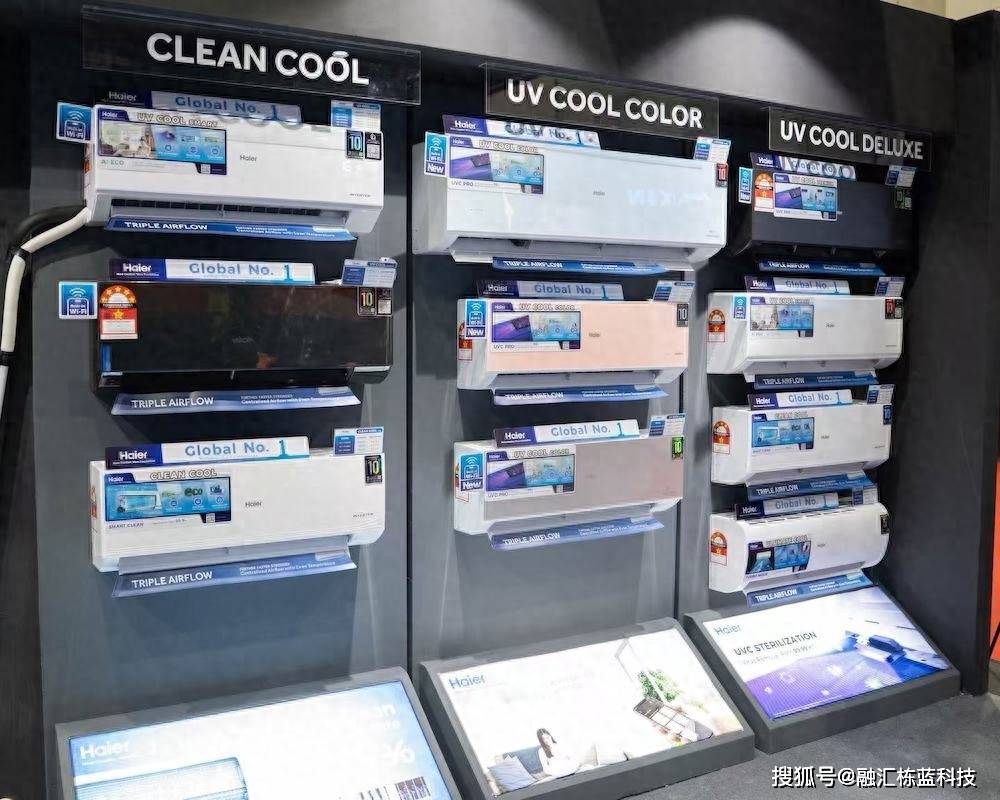
Group 1: Industry Overview - The air conditioning industry in Malaysia experienced a significant decline in consumer sentiment in Q1, with sales dropping compared to the same period last year due to lower temperatures, a tightening consumer market, rising electricity costs, and inventory pressure on distributors [1] - Many brands in the air conditioning sector saw a decrease in market share, highlighting the overall industry pressure [3] Group 2: Company Performance - Haier is one of the few brands in the air conditioning sector that maintained growth, with its market share increasing from 15.1% in Q1 2024 to 16.7% in Q1 2025 [3] - Haier's refrigerator sales revenue grew by 46% year-on-year in Q1, with multi-door and TM700 models showing the largest increases of 43% and 198%, respectively [3] - The success of Haier is attributed to its long-term strategic planning, product innovation, and user-oriented philosophy [3] Group 3: Product Strategy - Haier's high-end variable frequency product line has become a key driver of growth in Malaysia, reflecting the company's early commitment to high-end products [4] - The UV Color series air conditioners are designed to meet the needs of tropical climates, emphasizing antibacterial, dehumidifying, and energy-saving features [4] - Haier's focus on value-driven growth rather than price competition has led to the popularity of its high-end products [4] Group 4: Market Position in Freezer Segment - Haier holds over 40% market share in the freezer segment in Malaysia, maintaining a leading position in the industry [5] - The company's growth in the freezer market is supported by its channel strategy and product innovation, targeting specific user groups such as the Chinese community and small businesses [7] - Haier's product offerings in the freezer segment include high-end features like convertible refrigeration and smart temperature control, making them preferred choices in various market scenarios [7] Group 5: User Experience and Brand Value - Haier has a leading advantage in the field of user experience, which has been a significant factor in its growth despite market challenges [9] - The company has built trust in the Malaysian market through product quality, responsive service, and a comprehensive distribution network [10] - Haier's approach emphasizes "value creation" over "price-driven" strategies, demonstrating a replicable model for growth even in a declining market [10]