债务危机

Search documents
同德化工债务危机蔓延,法院强制执行8920万元,转型豪赌陷生死局
Zhong Guo Neng Yuan Wang· 2025-11-11 09:13
Core Viewpoint - Tongde Chemical is facing a severe debt crisis, with overdue debts amounting to 203.9 million yuan as of October 2025, stemming from a failed transformation gamble into the biodegradable plastic sector, which has led to significant financial losses and multiple lawsuits [1][4][8]. Debt Crisis - The recent court ruling requires Tongde Chemical and its subsidiary to fulfill their obligations or face asset freezes and other enforcement actions [1]. - The debt crisis originated from a financing lease transaction in March 2024, where Tongde's subsidiary failed to meet payment obligations due to liquidity issues, leading to multiple lawsuits totaling over 240 million yuan in claims [2][3]. Financial Performance - In 2024, Tongde Chemical reported a net loss of 71.99 million yuan, marking its first loss since going public, with a year-on-year decline of 116.43% [4]. - The company's revenue for the first half of 2025 was 256 million yuan, down 19.32% year-on-year, and the net profit further declined to a loss of 9.94 million yuan in Q3 2025, a drop of 125.28% [4][5]. Transformation Gamble - The company's current difficulties trace back to a 32 billion yuan investment in a PBAT project aimed at transitioning from traditional explosives to new materials, which has yet to commence production despite 95.5% construction completion [6][8]. - The PBAT project was expected to benefit from increasing demand for biodegradable plastics due to environmental regulations, but it has instead become a financial burden [6]. Asset Sales - To alleviate financial pressure, Tongde Chemical has been selling off its core explosives business, which generated 97.39% of its total revenue in 2024 [7][8]. - The company has transferred stakes in several subsidiaries to raise funds, but this strategy risks undermining its long-term cash flow stability [7]. Rescue Efforts - In response to the crisis, Tongde Chemical has engaged with government entities to form a creditor committee to negotiate with financial institutions for better loan terms [9]. - The controlling shareholder has also pledged shares to repay debts and is seeking partners for the PBAT project to secure additional funding [10][11].

美元“荒”与全球“慌”?
2025-11-11 01:01
Summary of Key Points from Conference Call Industry Overview - The discussion primarily revolves around the **U.S. liquidity crisis** and its impact on **global risk assets** and the **AI sector**. The focus is on the implications of the Federal Reserve's actions and market dynamics. Core Insights and Arguments 1. **Liquidity Crisis and Its Causes** The liquidity crisis is attributed to the Federal Reserve's balance sheet reduction, decreased bank reserves, and increased short-term liquidity demands, compounded by market sentiment fluctuations and concerns over AI bubbles [1][10][6]. 2. **Impact on Global Risk Assets** Tightening U.S. liquidity has negatively affected global risk assets, with the dollar index rising above 100. However, fundamental factors do not support a significant decline in the dollar [3][4]. 3. **Current Market Conditions** The market is experiencing a downturn, particularly in the tech sector, with the Nasdaq showing volatility. The Hong Kong stock market is also affected, fluctuating around 26,000 points [3][4][13]. 4. **AI Bubble Concerns** While there are concerns about an AI bubble, the valuation of major tech companies remains below 35 times earnings, which is not extreme compared to the internet bubble era. Key metrics such as demand, capability, leverage, and valuation do not indicate overheating [11][2]. 5. **Federal Reserve's Historical Context** The Fed's previous balance sheet reduction in 2019 led to a liquidity crisis, prompting a return to expansionary policies. Currently, the Fed has halted balance sheet reduction to prevent similar issues [9][10]. 6. **Future Dollar Trends** The dollar is expected to strengthen slightly in Q4 2023 to Q1 2024, influenced by potential aggressive policies from Trump and overall economic uncertainty [12]. 7. **E-commerce Performance** The performance of major e-commerce platforms during the Double Eleven shopping festival showed a slowdown, with Alibaba and JD.com experiencing single-digit growth, while Pinduoduo and Kuaishou saw double-digit growth [18][19]. 8. **AI Technology Integration** AI technology has been increasingly integrated into e-commerce platforms, enhancing user experience and operational efficiency. Companies like Alibaba are leveraging AI for various applications, indicating a growing trend in the sector [21][22]. 9. **Investment Outlook for Internet Sector** Caution is advised for the internet sector in Q4 due to consumer pressure and high base effects, but long-term optimism remains, particularly regarding technological advancements and AI investments [22][24]. 10. **Cloud Computing's Role in AI** Cloud computing is crucial for AI development, providing the necessary resources for model training and inference. The demand for AI is expected to benefit the cloud computing sector significantly [26]. Other Important Insights - **Market Sentiment and Investment Trends** The current market sentiment reflects a cautious approach, with investors advised to focus on dividend strategies and potential cyclical stock opportunities as the credit cycle peaks [13][17]. - **Future Capital Expenditure Projections** Capital expenditure growth expectations for major cloud service providers have been revised upward to 20%, indicating strong demand and backlog in orders [27]. - **Software Sector's Importance** A shift from hardware to software demand in the AI sector is anticipated, with strong performance in SaaS companies potentially supporting sustainable growth in AI investments [28][30]. This summary encapsulates the critical points discussed in the conference call, providing insights into the current market dynamics, challenges, and future outlooks within the relevant industries.
金价创新高,专家说美元会大幅贬值,滑向上世纪大萧条时代
Sou Hu Cai Jing· 2025-11-07 06:42
Core Viewpoint - The Federal Reserve's interest rate cuts have not led to a decrease in gold prices, which have reached new highs, indicating that monetary policy alone cannot resolve the underlying issues in the U.S. economy [1][3]. Gold Market Analysis - Goldman Sachs has reported that international gold prices have entered a bull market, projecting prices to reach $6,000 per ounce, with current prices exceeding $3,770 per ounce, reflecting a nearly 2% increase [3][4]. - The domestic price of gold jewelry has surpassed 1,100 yuan per gram, while the spot trading price has exceeded 865 yuan per gram, marking unprecedented high prices [3][4]. - Gold prices have been adjusted for inflation, surpassing historical peaks from 45 years ago, with 31 new price highs recorded in 2025 alone [3][4]. Economic Implications - The continuous rise in gold prices suggests a depreciation of the U.S. dollar against gold, with predictions of significant dollar devaluation in the next 5 to 7 years [4][5]. - The U.S. is facing increasing fiscal and trade deficits, with the potential for a fiscal crisis, which could lead to a loss of confidence in the dollar and a shift towards gold as a safe-haven asset [8][10]. - Global experts, including Ray Dalio from Bridgewater Associates, have expressed concerns about the U.S. economic policies, warning of a possible debt crisis reminiscent of the Great Depression [8][10]. Market Sentiment - The ongoing concerns regarding the U.S. economic outlook have contributed to the sustained bull market in gold, even after inflation adjustments [10]. - The political interference in the Federal Reserve's operations has raised doubts about its independence and credibility, further driving investors towards gold [12].

澳门知名娱乐场,停止运营
Nan Fang Du Shi Bao· 2025-11-07 03:18
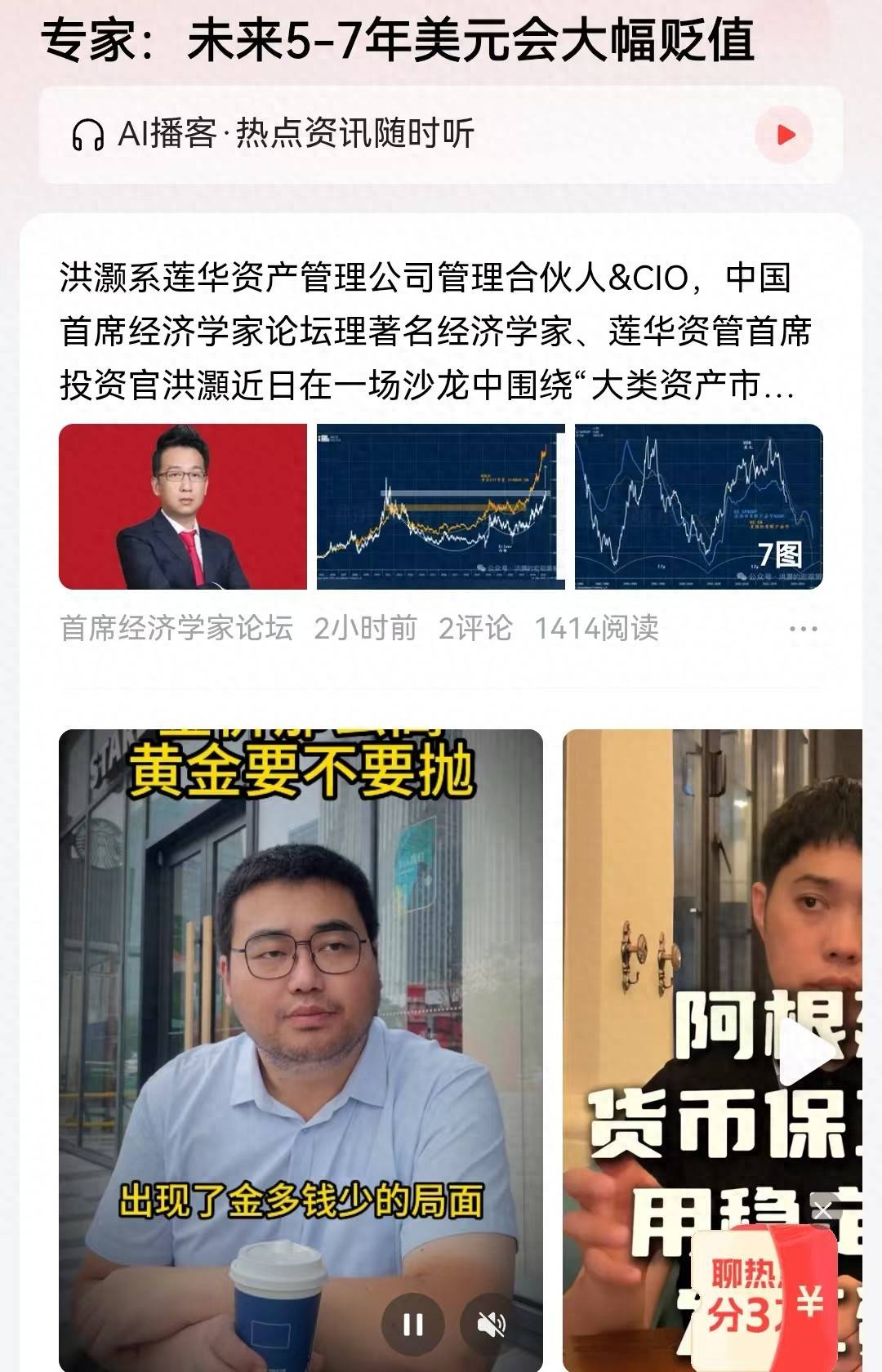
Core Viewpoint - Emperor Entertainment Hotel (00296.HK) announced the termination of its gaming operations at the Emperor Palace Casino, effective October 30, 2023, following an agreement with SJM Holdings [1][6][8]. Group 1: Termination of Operations - The Emperor Palace Casino ceased operations at 23:59 on October 30, 2023, as part of a mutual agreement between Emperor Entertainment's subsidiary, Tianhao, and SJM Holdings [6][8]. - This decision follows SJM Holdings' earlier announcement on June 9, 2023, regarding the discontinuation of gaming operations at several satellite casinos, including the Emperor Palace Casino [5][6]. Group 2: Financial Performance and Debt Issues - Emperor Entertainment Hotel reported a revenue of approximately HKD 1.2 billion for the fiscal year ending March 31, 2007, indicating strong initial performance [8]. - The company is currently facing significant financial challenges, with HKD 16.6 billion in overdue loans, raising concerns about its ongoing viability [15]. - Emperor International (00163.HK) reported total revenue of HKD 1.376 billion for the fiscal year 2024-2025, a 41.5% increase year-on-year, but also saw losses increase from HKD 20.28 billion to HKD 48.4 billion, a 138% rise [12][14]. Group 3: Future Business Direction - Despite the termination of gaming operations, Emperor Entertainment Hotel will continue its hotel business, including properties like the Emperor Scenic Hotel in Hong Kong [8]. - The company aims to maintain stable income from hotel and rental apartment operations for the fiscal years ending March 31, 2024, and 2025 [8].

美国政府停摆或将放大美元信用危机
2 1 Shi Ji Jing Ji Bao Dao· 2025-11-06 22:55
Core Points - The U.S. government shutdown has reached its 36th day, breaking the previous record for the longest shutdown [1] - The shutdown is a result of the failure to pass a temporary funding bill, which requires congressional approval for federal spending [1] - Historical patterns show that government shutdowns often stem from disputes over healthcare, social welfare spending, and immigration issues [2] Group 1: Government Shutdown Context - The current shutdown is primarily driven by disagreements over healthcare and welfare spending, with significant implications for millions of Americans [2] - The 1974 Congressional Budget and Impoundment Control Act mandates that federal spending must be authorized by Congress, leading to shutdowns when funding is not approved [1][2] Group 2: Economic Implications - The U.S. federal debt has reached nearly $40 trillion, with a debt-to-GDP ratio of 126.79%, significantly exceeding the IMF's warning threshold of 90% [3] - The ongoing political stalemate over spending is exacerbating the fiscal deficit, potentially leading to a cycle of debt crises, government shutdowns, and economic stagnation [3] Group 3: Market Reactions - The prolonged government shutdown has contributed to rising gold prices, as investors seek alternatives amid declining confidence in the dollar and U.S. Treasury bonds [4] - The shutdown has prompted a negative response in U.S. stock indices, indicating market concerns over the economic impact of the political deadlock [4]
【环球财经】智库称英国政府面临债务危机
Xin Hua She· 2025-11-06 17:45
Core Viewpoint - The report from the UK think tank "Centre for a Better Britain" indicates that the UK is heading towards a debt crisis, emphasizing the need for urgent government measures if market confidence in the government's ability to repay debt wanes [1][4]. Group 1: Report Findings - The report, co-authored by former Conservative cabinet minister John Redwood and RBC BlueBay Asset Management's CIO Mark Dowding, outlines potential actions the government should take in response to a loss of market confidence [1][4]. - Redwood warns of the risks associated with excessive borrowing, which could lead to emergency fiscal and tax measures that no government would want to face [4]. - The report draws parallels between the current situation and the 1976 pound crisis, which forced the Labour government to seek assistance from the International Monetary Fund (IMF) [4]. Group 2: Recommendations - The report suggests that the Bank of England should stop paying interest on reserves held by commercial banks, estimating that this could save approximately £13 billion by 2029 [4]. - It also recommends an immediate halt to the sale of active gilt securities, which are high-grade securities issued by the government or large corporations, characterized by government credit backing and strong liquidity [4]. Group 3: Contributors - Dowding expresses his involvement in the think tank's work due to his long-term investment in gilt securities, noting the struggles faced by the UK [5]. - The report also includes contributions from two anonymous bond traders [5].

智库称英国政府面临债务危机
Xin Hua She· 2025-11-06 09:00
Core Viewpoint - The report by the think tank "Better for Britain" warns that the UK is heading towards a debt crisis, emphasizing the need for urgent fiscal measures if market confidence in the government's ability to repay debt falters [1] Group 1: Report Contributors and Context - The report is co-authored by former Conservative cabinet minister John Redwood and Mark Dowding, Chief Investment Officer at RBC BlueBay Asset Management [1] - Redwood compares the current situation to the 1976 pound crisis, which led to the Labour government seeking assistance from the International Monetary Fund (IMF) [1] Group 2: Recommendations and Financial Implications - The report suggests that the Bank of England should stop paying interest on reserves held by commercial banks, estimating this could save approximately £13 billion by 2029 [1] - It also recommends an immediate halt to the sale of active gilt securities, which are high-grade securities issued by the government or large corporations [1]
澳门知名娱乐场英皇宫殿停运,老板是英皇杨受成
凤凰网财经· 2025-11-05 13:27
Core Viewpoint - The recent closure of the Emperor Palace Casino in Macau highlights the ongoing challenges faced by the gaming industry in the region, particularly for companies like Emperor Entertainment Hotel and its affiliates, amid financial difficulties and operational changes [1][3][10]. Group 1: Casino Operations - Emperor Palace Casino ceased operations on October 30, 2023, as part of a termination agreement between its parent company, Tianhao, and Aoyou [1][3][10]. - Aoyou Holdings had previously announced on June 9, 2023, that it would stop operating gaming activities in several satellite casinos, including Emperor Palace [5]. - New Macau International Development also announced that its satellite casinos would end operations by the end of this year [6]. Group 2: Financial Performance - Emperor Entertainment Hotel reported stable income from hotel and rental apartment operations for the fiscal years ending March 31, 2024, and 2025, with cash reserves of approximately HKD 526 million and no bank borrowings [11]. - Emperor International's total revenue for the fiscal year 2024-2025 reached HKD 1.376 billion, a 41.5% increase year-on-year, but the loss increased from HKD 2.028 billion to HKD 4.84 billion, a 138% rise [14][16]. - As of March 31, 2023, Emperor International had HKD 16.6 billion in overdue bank loans, raising concerns about its ability to continue as a going concern [16]. Group 3: Debt Crisis and Asset Sales - The company is facing a significant debt crisis, with overdue loans potentially triggering immediate repayment demands [12][16]. - In response to financial pressures, Emperor Group has accelerated asset sales, including residential projects in Hong Kong and properties in Macau, totaling over HKD 2.23 billion in sales contracts [17][18]. - The company's financial troubles have roots in previous business failures, such as the closure of its cinema operations in late 2022, which led to bankruptcy due to high net liabilities [19].

澳门知名娱乐场英皇宫殿停运,老板是英皇杨受成!大堂曾铺满78公斤千足黄金 开业时成龙、刘德华捧场
Mei Ri Jing Ji Xin Wen· 2025-11-05 11:43
Core Viewpoint - The recent closure of the Emperor Palace Casino in Macau marks a significant shift in the operations of Emperor Entertainment Hotel and reflects broader challenges within the gaming industry in the region [2][4][6]. Group 1: Company Operations - Emperor Palace Casino ceased operations on October 30, 2023, at 23:59, following a termination agreement between its subsidiary, Tianhao, and AUB [4][6]. - Emperor Entertainment Hotel will continue its hotel business, including properties like the Emperor Jockey Club Hotel in Hong Kong, despite the closure of the casino [8]. - The company reported stable income from hotel and rental apartment operations for the fiscal years ending March 31, 2024, and 2025 [8]. Group 2: Financial Performance - Emperor International reported a total revenue of approximately HKD 1.375 billion for the fiscal year ending March 31, 2025, a 41.5% increase from HKD 972.55 million in the previous year [12]. - However, the company also faced significant losses, with a net loss attributable to shareholders increasing from HKD 2.091 billion to HKD 2.321 billion, marking a 10.9% increase [12]. - As of March 31, 2023, Emperor International had HKD 16.6 billion in overdue bank loans, raising concerns about its ongoing viability [12][13]. Group 3: Market Context - The Emperor Palace Casino was once a prominent player in Macau's competitive gaming market, having opened in January 2006 and generating approximately HKD 1.2 billion in revenue for the fiscal year ending March 31, 2007 [8]. - The closure of the casino is part of a broader trend, as AUB had previously announced its decision to cease operations at several satellite casinos, including the Emperor Palace [4][6]. - The financial struggles of Emperor International have led to significant stock price declines, with shares dropping over 15% following the announcement of its financial difficulties [13].


澳门知名娱乐场英皇宫殿停运,老板是英皇杨受成!大堂曾铺满78公斤千足黄金,开业时成龙、刘德华捧场
Mei Ri Jing Ji Xin Wen· 2025-11-05 11:29
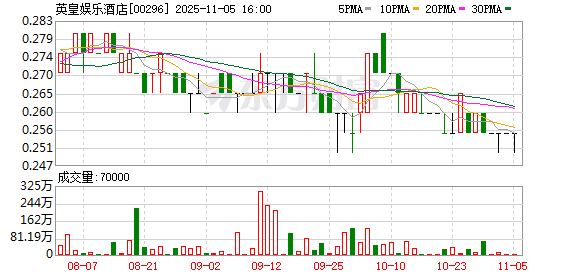
Core Viewpoint - The recent closure of the Emperor Palace Casino in Macau marks a significant shift in the local gaming landscape, with implications for the Emperor Group and its financial health [1][2][9]. Group 1: Company Operations - Emperor Palace Casino ceased operations on October 30, 2023, at 23:59, following a termination agreement between its subsidiary, Tianhao, and AUB [2][9]. - The Emperor Entertainment Hotel will continue its hotel business, including properties like the Emperor Scenic Hotel in Hong Kong, despite the casino closure [10]. - The casino was known for its lavish opening in 2006, featuring a lobby adorned with 78 kilograms of gold, and had generated approximately HKD 1.2 billion in revenue for the fiscal year ending March 31, 2007 [10]. Group 2: Financial Performance - Emperor International reported a total revenue of HKD 1.375 billion for the fiscal year ending March 31, 2025, a 41.5% increase from the previous year, but the net loss increased from HKD 20.28 billion to HKD 48.4 billion, a 138% rise [13][15]. - As of March 31, 2023, Emperor International had HKD 16.6 billion in overdue bank loans, raising concerns about its ongoing viability [15]. - The company has been actively selling assets to improve its financial situation, including properties in Hong Kong and London, with significant price reductions [16][18]. Group 3: Industry Context - The closure of the Emperor Palace Casino is part of a broader trend, as other operators like AUB and Melco International have also announced the cessation of operations at satellite casinos [5][6]. - The gaming industry in Macau is facing increased competition and regulatory scrutiny, impacting the profitability of existing casinos [10].