十五五规划建议

Search documents
湖南省政府参事、湖南大学经济与贸易学院教授李琳:发挥“空间枢纽”战略叠加效应 长江中游城市群加快打造“第五极”
Mei Ri Jing Ji Xin Wen· 2025-11-25 15:42
Core Viewpoint - The Yangtze River Middle Reaches Urban Agglomeration is designated as a key area for development in the "14th Five-Year Plan," aiming to enhance regional collaboration and become a significant growth pole in central China [1][4]. Group 1: Regional Development Strategy - The "14th Five-Year Plan" emphasizes the need to promote the development of the Yangtze River Middle Reaches Urban Agglomeration, positioning it as a crucial support for high-quality growth in the central region [1][3]. - The urban agglomeration is seen as a "spatial hub" within the national economic framework, connecting various major city clusters and facilitating the flow of resources and collaboration [3][4]. Group 2: Innovation and Industry Development - There are existing challenges in the Yangtze River Middle Reaches Urban Agglomeration, including insufficient foundational research, lack of collaborative innovation efforts, and weak support for resource supply [2][6]. - The region aims to enhance its innovation capabilities by establishing collaborative innovation platforms and focusing on technology-driven industrial development [5][7]. Group 3: Collaborative Mechanisms - The establishment of cross-regional innovation corridors, such as the proposed "Wuhan-Yueyang-Changsha" corridor, is essential for fostering collaboration and integrating technological advancements with industrial growth [5][8]. - The need for more "second transmitters" or provincial sub-centers is highlighted, as cities like Xiangyang and Yichang in Hubei are identified as potential growth drivers that can amplify innovation from central cities [9].
李家超:“十五五”规划建议为国家未来五年发展作出顶层设计
2 1 Shi Ji Jing Ji Bao Dao· 2025-11-25 09:17
Core Insights - The "14th Five-Year Plan" outlines strategic goals for China's development over the next five years, emphasizing support for Hong Kong's integration into national development and enhancing its role as a global financial, shipping, and trade center [1][2] Group 1: Economic Development - The plan aims to promote Hong Kong's long-term prosperity and stability by adhering to the "One Country, Two Systems" principle and enhancing its unique advantages as a bridge between China and the world [1] - Hong Kong is positioned as a key player in expanding high-level international cooperation and trade, leveraging its strengths in finance, shipping, and professional services [2] Group 2: Financial Sector - Hong Kong ranks third globally among financial centers in 2024 and is the largest asset management and private wealth management center in Asia, handling approximately 80% of global offshore RMB settlements [2] - The city is encouraged to enhance its offshore RMB business and optimize its securities market to facilitate bilateral investments [2] Group 3: Trade and Shipping - Hong Kong's role as an international trade and shipping center is reinforced through the development of smart ports and a commodities trading ecosystem, serving as a vital link in domestic and international dual circulation [2] - The city is expected to deepen cooperation with mainland China to explore pathways for institutional openness [2] Group 4: Innovation and Technology - Hong Kong is identified as an international innovation and technology center, with potential to enhance international tech collaboration and high-level talent cultivation [2]
中非治国理政交流对话会在多哥举行
人民网-国际频道 原创稿· 2025-11-25 08:57
Core Viewpoint - The dialogue meeting on governance between China and Africa emphasizes the importance of collaboration and mutual learning to enhance development strategies, particularly in the context of China's 14th Five-Year Plan and Togo's 2020-2025 government roadmap [1] Group 1: Key Points from the Meeting - The meeting was co-hosted by the Chinese Embassy in Togo and the University of Lome, highlighting the significance of academic and diplomatic collaboration [1] - Chinese Ambassador Wang Min stated that the combined population of China and Africa is 2.8 billion, representing one-third of the world's population, underscoring the global impact of Sino-African modernization [1] - The "14th Five-Year Plan" is viewed as a successful strategy for China's governance, and there is an intention to align this with Togo's new development roadmap [1] Group 2: Perspectives from Togo - Togo's representative, Sanbegi, acknowledged the relevance of China's 20th Central Committee's Fourth Plenary Session and the "14th Five-Year Plan" as important references for Togo's strategic planning [1] - There is a commitment from Togo to learn from China to strengthen the comprehensive strategic partnership between the two nations [1] - The meeting included discussions among scholars on the 20th Central Committee's decisions, global governance initiatives, and new prospects for Sino-African cooperation [1]
感悟“十五五”规划建议里的民生温度
Ren Min Ri Bao· 2025-11-23 22:17
浓浓的民生情怀,深深地印刻在神州大地上—— 党的二十届四中全会后首次国内考察期间,习近平总书记从广东省广州市出发,辗转三个多小时,来到 梅州市梅县区雁洋镇。 为什么要来这里看一看? 在和乡亲们交流时,习近平总书记讲述缘由:"这是一片红色土地。广东作为改革开放前沿,发展有不 平衡的地方,这也是我的牵挂。" 中国式现代化是全体人民共同富裕的现代化。小康路上"一个都不能少",共同富裕路上"一个都不能掉 队"。 党的二十届四中全会审议通过的"十五五"规划建议,在指导思想中突出强调"全体人民共同富裕迈出坚 实步伐"。 "这是指导'十五五'时期经济社会发展的一个总体性要求。"习近平总书记在作规划建议说明时强调。 坚持以人民为中心的发展思想,加大保障和改善民生力度,发展成果将更多更公平惠及全体人民,百姓 幸福生活的底色将更加鲜亮。 把造福人民作为根本价值取向 中国式现代化,民生为大。 习近平总书记深刻指出:"我们要坚守人民至上理念,突出现代化方向的人民性""让现代化更好回应人 民各方面诉求和多层次需要"。 纵观每一个五年规划(计划),把我国建设成为社会主义现代化国家的主题一以贯之,为人民谋幸福的 初心始终如一。 我国已建成 ...
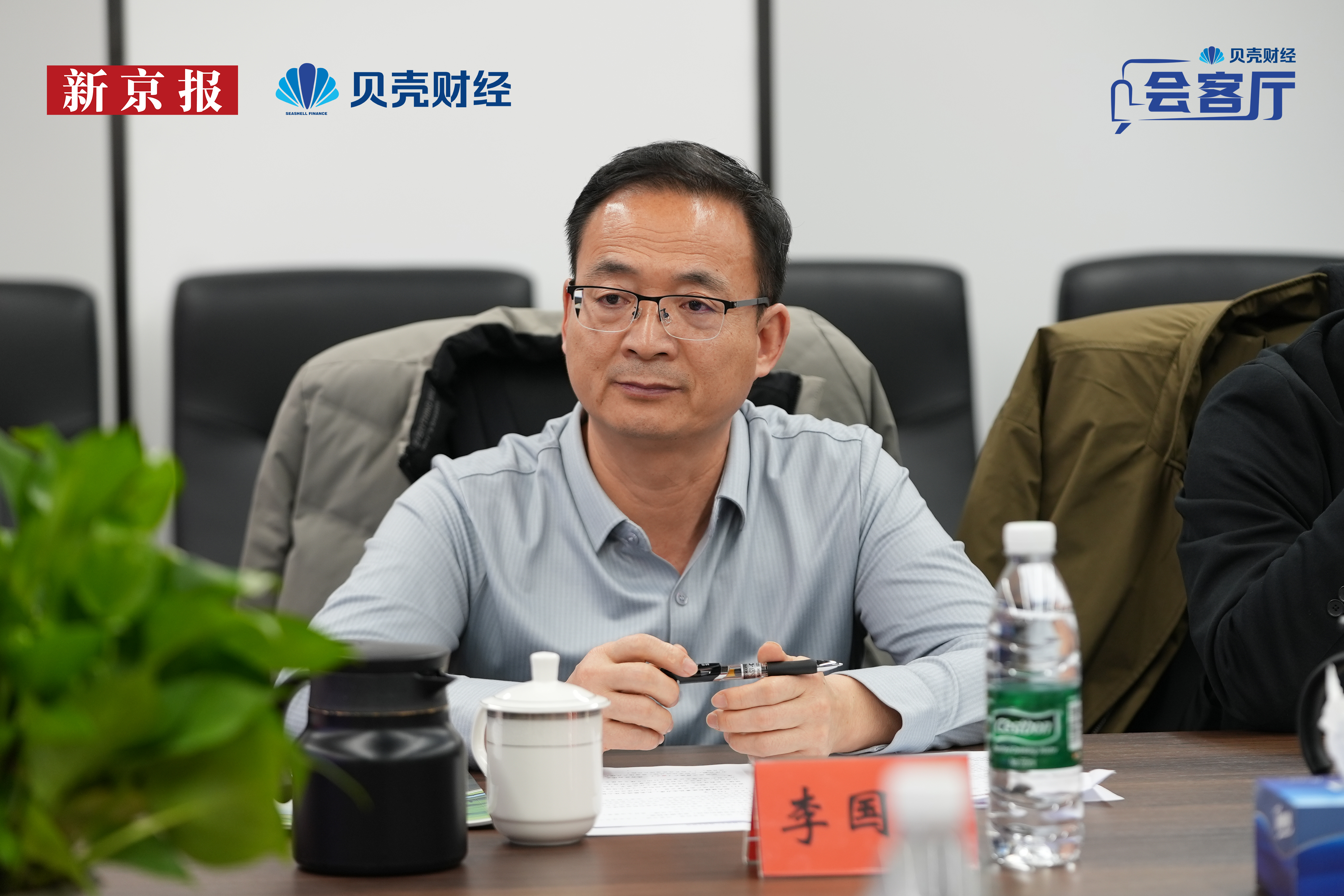
贝壳财经会客厅|民生为本+品质为王 “十五五”房地产迎大变革
Bei Ke Cai Jing· 2025-11-22 03:15
Core Insights - The real estate industry is undergoing a fundamental transformation in its development logic, shifting from a focus on "supply of goods" to prioritizing "people" and ensuring public welfare [4][8] - The "14th Five-Year Plan" had limited focus on real estate, while the "15th Five-Year Plan" emphasizes high-quality development and risk management in the sector [7][31] Group 1: Policy Signals and Development Logic - The "15th Five-Year Plan" includes key proposals for the real estate sector, such as building "safe, comfortable, green, and smart" homes and optimizing the supply of affordable housing [3][4] - The central government is placing significant emphasis on risk prevention in real estate, recognizing its impact on local government debt and financial institutions [7][31] Group 2: Industry Transformation and Quality Improvement - The industry is transitioning from a focus on scale to enhancing product quality, with a new standard for housing that includes safety, comfort, and sustainability [8][12] - The concept of "good housing" is being defined with specific criteria, including safety measures, comfort metrics, and green building materials [13][18] Group 3: Corporate Strategies and Market Dynamics - Real estate companies are shifting their roles from merely building and selling homes to providing comprehensive lifecycle services [14][30] - Companies like Beixin Building Materials are already implementing strategic transformations to focus on quality and service, addressing consumer pain points [14][19] Group 4: Industry Collaboration and Ecosystem Development - There is a consensus on the need for an upgraded industrial chain to support the construction of "good housing," which will drive demand and stimulate economic growth [24][31] - The integration of industrialization, green technology, and digitalization is essential for breaking down barriers in design, production, and construction [26][27]


乌兹别克斯坦总统米尔济约耶夫会见王毅
Xin Hua She· 2025-11-21 17:00
Core Viewpoint - The meeting between Uzbekistan President Mirziyoyev and Chinese Foreign Minister Wang Yi emphasizes the strong bilateral relations and mutual support between Uzbekistan and China, highlighting the commitment to cooperation and development despite external influences [1][2]. Group 1: Bilateral Relations - President Mirziyoyev expressed gratitude for China's long-term support and reaffirmed Uzbekistan's commitment to the One China principle, aiming to strengthen friendship and partnership with China [1]. - Wang Yi reiterated China's support for Uzbekistan's sovereignty and development initiatives, emphasizing the importance of the "New Uzbekistan" construction [1]. Group 2: Economic Cooperation - The two sides aim to accelerate strategic alignment and achieve a trade target of $20 billion, with aspirations for even greater goals [2]. - There is a focus on enhancing cultural exchanges and local cooperation to deepen the relationship between the two nations [2]. Group 3: Global Initiatives - Both parties expressed a desire to implement the four global initiatives proposed by President Xi Jinping and to strengthen collaboration within the framework of the Shanghai Cooperation Organization [2]. - The commitment to building a closer China-Central Asia community of shared destiny was highlighted, indicating a strategic partnership in regional development [2].
尼中合作新机遇 全球发展新动能
人民网-国际频道 原创稿· 2025-11-19 07:36
Core Insights - The "14th Five-Year Plan" emphasizes a shift towards high-quality, sustainable development driven by innovation and green technology, reshaping the regional economic landscape and providing development opportunities for countries like Nepal [1][2] - The plan highlights China's focus on developing new productive forces, achieving self-reliance in core technologies, and balancing economic goals with environmental sustainability in response to challenges such as climate change and geopolitical tensions [1] - The plan aims to attract investment for sustainable infrastructure development in countries of the Global South, while also enhancing data security, regulatory standards, and localizing supply chains [1] Group 1 - The "14th Five-Year Plan" proposes to promote reform and development through openness, reflecting China's confidence in engaging with the world [2] - The focus has shifted from merely expanding trade volume to improving quality, ensuring fairness, and actively attracting advanced technologies and high-end talent [2] - The plan aims to contribute to regional and global stability through predictable long-term policies centered on green transformation, innovation, and peaceful development [2] Group 2 - China emphasizes international cooperation and connectivity, particularly through platforms like the Belt and Road Initiative, which is expected to narrow regional development gaps and promote shared prosperity in Asia and beyond [2]
商务部原副部长魏建国:中国经济下一步的增长红利是服务业升级和国际化 要扩大新型消费比重
Mei Ri Jing Ji Xin Wen· 2025-11-18 13:23
Group 1: Core Objectives of the 15th Five-Year Plan - The 15th Five-Year Plan emphasizes significantly increasing the resident consumption rate as a primary goal, focusing on expanding domestic demand and promoting consumption [1] - The plan proposes a combination of improving public service spending and removing unreasonable restrictions on consumption in sectors like automobiles and housing [1][6] Group 2: Economic Growth and Consumption - The reasonable growth range for China's economy during the 15th Five-Year period is projected to be between 4.5% and 5.5%, with a focus on maintaining a balance between growth and risk management [2][3] - The plan aims to enhance resident consumption by addressing both income and supply sides, including expanding the middle-income group and increasing public service expenditure [3][4] Group 3: Role of Real Estate and Automotive Sectors - The real estate and automotive sectors are identified as crucial for driving economic growth due to their large consumer bases and ability to stimulate related industries [6][7] - The removal of unreasonable restrictions in these sectors is expected to release pent-up consumer demand, contributing to economic stability [6][7] Group 4: New Consumption Trends - The plan highlights the need to shift towards new types of consumption that prioritize human needs over material goods, focusing on sectors like the silver economy, baby products, and women's economy [5][10] - It emphasizes the importance of diversifying consumption scenarios beyond basic needs, promoting digital, green, and health-related consumption [5][10] Group 5: Future Economic Contributions - Consumption is projected to play a dual role as both a "ballast" and a "main engine" for economic growth, with expectations that it will contribute over 60% to GDP growth in the coming five years [10][11] - Investment is seen as a key driver for optimizing economic structure, transitioning from traditional infrastructure to high-tech sectors [10][11] Group 6: Service Sector Development - The shift in focus towards expanding the service sector is viewed as a strategic move to enhance China's economic competitiveness and growth potential [12][13] - The service sector's contribution to GDP has surpassed 50%, indicating a significant transformation in domestic demand and economic structure [13]
【权威访谈】坚持和加强党的全面领导
Yang Shi Wang· 2025-11-18 11:53
Group 1 - The core viewpoint emphasizes the importance of the Party's comprehensive leadership as a fundamental principle for economic and social development during the "14th Five-Year Plan" period [1] - The "Six Persistences" outlined by the 20th Central Committee highlight the necessity of maintaining the Party's comprehensive leadership as the foremost principle [1] - The proposal includes measures to enhance the implementation mechanism of major decisions made by the Central Committee, ensuring effective execution and communication [1] Group 2 - The proposal stresses the need to adhere to the spirit of the Central Eight Regulations and combat various forms of misconduct, promoting a normalized and long-term approach to improving work styles [2] - It calls for a thorough effort to reduce the burden on grassroots levels by addressing formalism [2] - The proposal aims to improve the Party and national supervision system, committing to a sustained and comprehensive anti-corruption campaign [2]
魏建国:中国经济下一步的增长红利是服务业升级和国际化,要扩大新型消费比重
Mei Ri Jing Ji Xin Wen· 2025-11-17 14:19
Core Points - The "15th Five-Year Plan" emphasizes significantly increasing the resident consumption rate as a primary goal, focusing on expanding domestic demand and promoting consumption [1] - The plan proposes a combination of investments in goods and people, increasing public service spending, and removing unreasonable restrictions on consumption in sectors like housing and automobiles [1][4] Economic Growth Targets - The reasonable economic growth rate for China during the "15th Five-Year Plan" is projected to be between 4.5% and 5.5%, considering the large economic base and potential growth rate [4][5] - The plan aims to align with the long-term goal of achieving a per capita GDP comparable to that of moderately developed countries by 2035 [4] Resident Consumption Rate - To address the low resident consumption rate, strategies should focus on expanding the middle-income group and increasing public service spending to enhance consumer confidence [5][6] - New consumption patterns should prioritize human-centered consumption, with a focus on sectors like the silver economy, infant products, and women's economy [6] Role of Real Estate - The real estate market is expected to experience slight growth over the next five years, with its stability being crucial for consumer confidence and financial system stability [7][8] - The removal of unreasonable restrictions on housing and automobiles is aimed at releasing suppressed consumer demand, which is vital for economic growth [7] Consumption, Investment, and Export Dynamics - Consumption is projected to play a dual role as both a "ballast" and a "main engine" for economic growth, with expectations that it will contribute over 60% to GDP growth [12] - Investment will serve as an "incubator" and "accelerator," focusing on optimizing economic structure and transitioning to high-quality development [13] - Exports will act as a "stabilizer," maintaining their importance despite potential fluctuations, supported by China's comprehensive industrial system [12][13] Service Industry Development - The shift in focus towards expanding the service sector reflects a strategic change, with the service industry expected to drive future economic growth and competitiveness [19][20] - The growing middle-income group and the increasing share of services in GDP highlight the need for improved service quality and international engagement in service management [20]