
能源转型

Search documents
能源转型新浪潮:水电项目发展及合规关注要点
Xin Lang Cai Jing· 2025-12-18 14:24
(一)水电分类 笔者结合在水电项目领域的法律服务经验,对水电项目的市场发展现状、相关政策法规、合规发展要点等进行梳理和总结。 作者丨朱颖 程平 林思汉 陆涵 一、引言 水电兼具可再生、无污染、技术成熟、调峰能力强等特点,在"双碳"战略目标的推进下,清洁能源优势日益凸显。根据国家能源局统计数据,2024年全国 新增水电装机容量1378万千瓦(常规水电625万千瓦、抽水蓄能753万千瓦),全国水电发电量14239亿千瓦时,全国规模以上水电平均利用小时数为3349 小时。[1]此外,截至2025年10月,全国水电累计装机容量达4.4388亿千瓦,同比增长3%。[2] 值得关注的是,2025年7月19日,备受瞩目的雅鲁藏布江下游水电开发工程(简称"雅江水电工程")正式在西藏自治区林芝市开工。雅江水电工程主要采 取截弯取直、隧洞引水的开发方式,建设五座梯级电站,总投资约1.2万亿元。工程电力以外送消纳为主,兼顾西藏本地自用需求。[3]作为全球最大水电 站项目,雅江水电工程的正式开工,引发市场对水电领域的新一轮投资热潮与战略聚焦。 此外,2025年7月23日,国网新源控股有限公司增资扩股项目在北京产权交易所成功签约,募集 ...

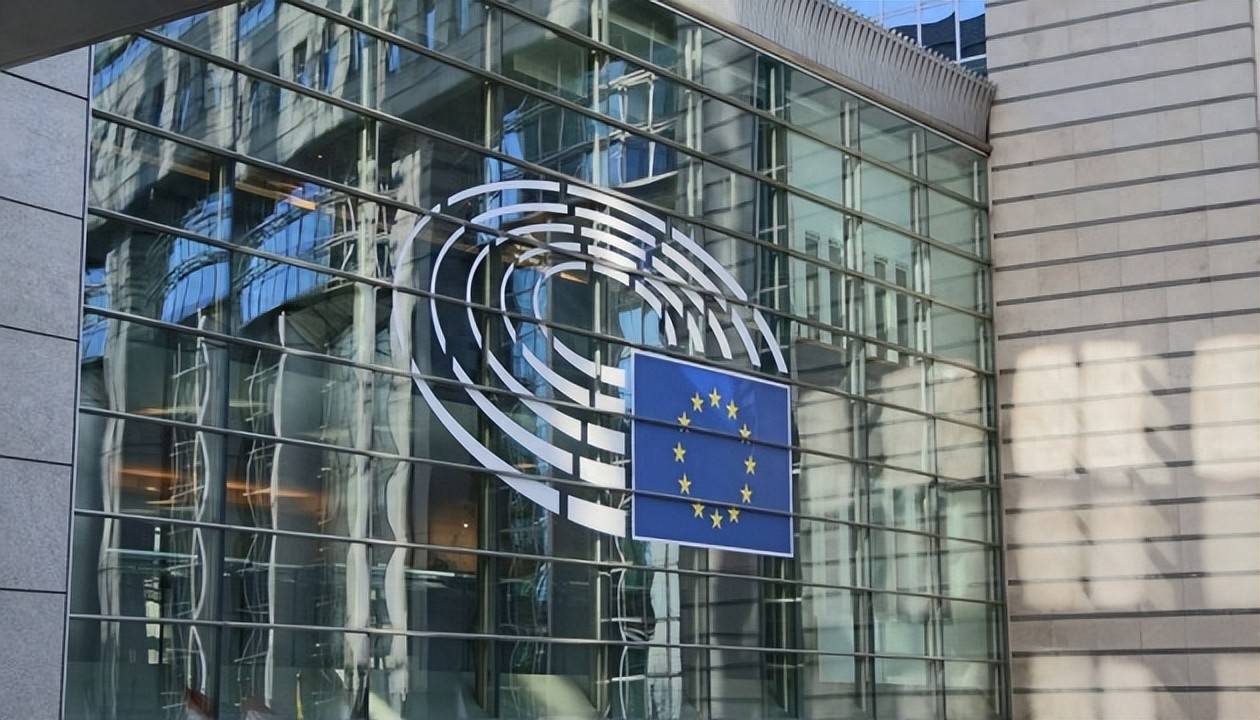
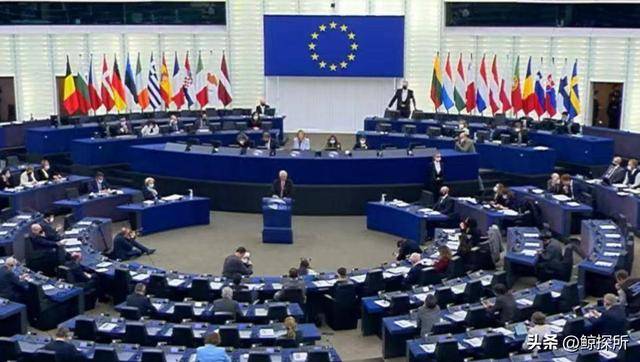
500票通过!欧洲议会决定:最晚2027年与俄天然气彻底“分手”
Sou Hu Cai Jing· 2025-12-18 12:49
Core Points - The European Parliament has approved a historic resolution to phase out imports of Russian natural gas by the end of 2027, marking a significant step towards energy independence from Russia [1][3] - The resolution passed with a vote of 500 in favor, 120 against, and 32 abstentions, indicating strong political support for the initiative [1] - The decision includes a phased ban on Russian gas, with immediate prohibition on new contracts six weeks after the resolution takes effect, and specific deadlines for existing contracts [1][3] Summary by Sections Resolution Details - The resolution mandates a ban on new Russian pipeline gas and LNG contracts six weeks after enactment, with transitional periods for existing contracts [1] - Short-term contracts for LNG will be banned by April 25, 2026, and for pipeline gas by June 17, 2026 [1] - Long-term contracts will see LNG bans starting January 1, 2027, and pipeline gas bans by September 30, 2027 [1] Enforcement and Future Legislation - Gas operators must provide detailed proof of origin to customs before importing or storing gas to prevent circumvention of the ban [1] - The European Parliament has urged the European Commission to propose legislation to ban Russian oil by early 2026, ensuring that the ban is in place by the end of 2027 [1] Strategic Implications - The resolution is seen as a major achievement for the EU and a historic turning point in European energy policy, reinforcing the commitment to energy diversification and security [1][3] - Since 2022, the EU has been actively working to reduce dependence on Russian gas, with imports dropping from about 40% in 2021 to less than 15% in 2023 [3] - The decision is not only an energy policy but also a significant geopolitical statement, aiming to strengthen the internal energy market and reduce reliance on single external suppliers [3] Challenges Ahead - Despite broad political support, challenges remain for some member states, particularly in Central and Eastern Europe, regarding infrastructure and energy transition [3] - The global natural gas market may experience price volatility due to the EU's exit from the Russian gas market [3] - The legislative process will require formal approval from the EU Council, expected to be completed by early 2025, testing the effectiveness of regional cooperation and energy transition efforts [3]
电力设备行业公司持续加码海外布局
Zheng Quan Ri Bao Wang· 2025-12-18 12:46
Group 1 - The core viewpoint of the articles highlights the increasing trend of Chinese power equipment companies expanding their overseas operations driven by global energy transition and infrastructure demands in emerging markets [1][2][3] - Companies like Sanbian Technology are establishing subsidiaries in strategic locations such as Greece to enhance their market reach in Eastern and Southern Europe, as well as the Middle East, capitalizing on local energy transition initiatives [1][2] - The shift from a single product export model to a comprehensive "equipment + service + investment" model is evident, as companies adapt to market demands and enhance their competitiveness in international markets [2][3] Group 2 - Emerging markets require complete infrastructure solutions, while Western markets prioritize technological adaptability and localized services, which can elevate companies' positions in the industry and strengthen their resilience [3] - Companies are urged to enhance their core capabilities in areas such as technology research and development, market expansion, marketing, after-sales service, and project investment management to succeed in overseas ventures [3] - Recommendations include increasing R&D investment, developing customized products and services for different markets, building localized teams and channels, and improving project evaluation and operational capabilities to ensure profitability and sustainability of overseas investments [3]

出大事了,欧盟新法案落地,正面硬刚俄罗斯,能源清零进入倒计时
Sou Hu Cai Jing· 2025-12-18 12:20
欧洲议会这波操作直接炸翻全球能源圈。 500票赞成、120票反对,压倒性投票结果一出炉,就给全球能源市场扔下了颗重磅炸弹。 真正的终局在2026年底俄LNG长期合同全面终止,9月30日管道气彻底停供,最迟不能晚于11月1日。 但有个前提成员国的天然气库存得充足,为了防漏洞欧盟还要求能源商必须提交产地溯源证明,敢偷偷 买的等着成员国的统一处罚。 更狠的是,天然气还没断石油禁令已在路上,欧洲议会正逼着欧盟委员会,2026年初必须拿出全面禁止 进口俄罗斯石油的提案,目标和天然气同步清零。 欧洲议会正式拍板这个决定,2027年底前欧盟要彻底停止进口俄罗斯天然气,从曾经45%的供应依赖到 如今铁腕断供,欧洲人真的不怕冬天挨冻吗。 那么,这场博弈背后藏着什么不知道的门道? "禁令不是一刀切" 12月17日欧洲议会以绝对优势通过法案,给俄罗斯天然气画了道死亡线,但这可不是明天就断气,欧盟 玩的是精准切割,时间线卡得明明白白。 2026年就是破冰期,俄罗斯液化天然气的短期合同先失效,到6月17日管道天然气的短期供应也得停, 连现货市场的俄气都别想进欧盟大门。 各国也得交自救计划,法国要把核电占比扩到50%,西班牙盯着北非的管 ...
全球能源投资大转向,未来每年5.6万亿元将涌入这两大领域
Sou Hu Cai Jing· 2025-12-18 11:26
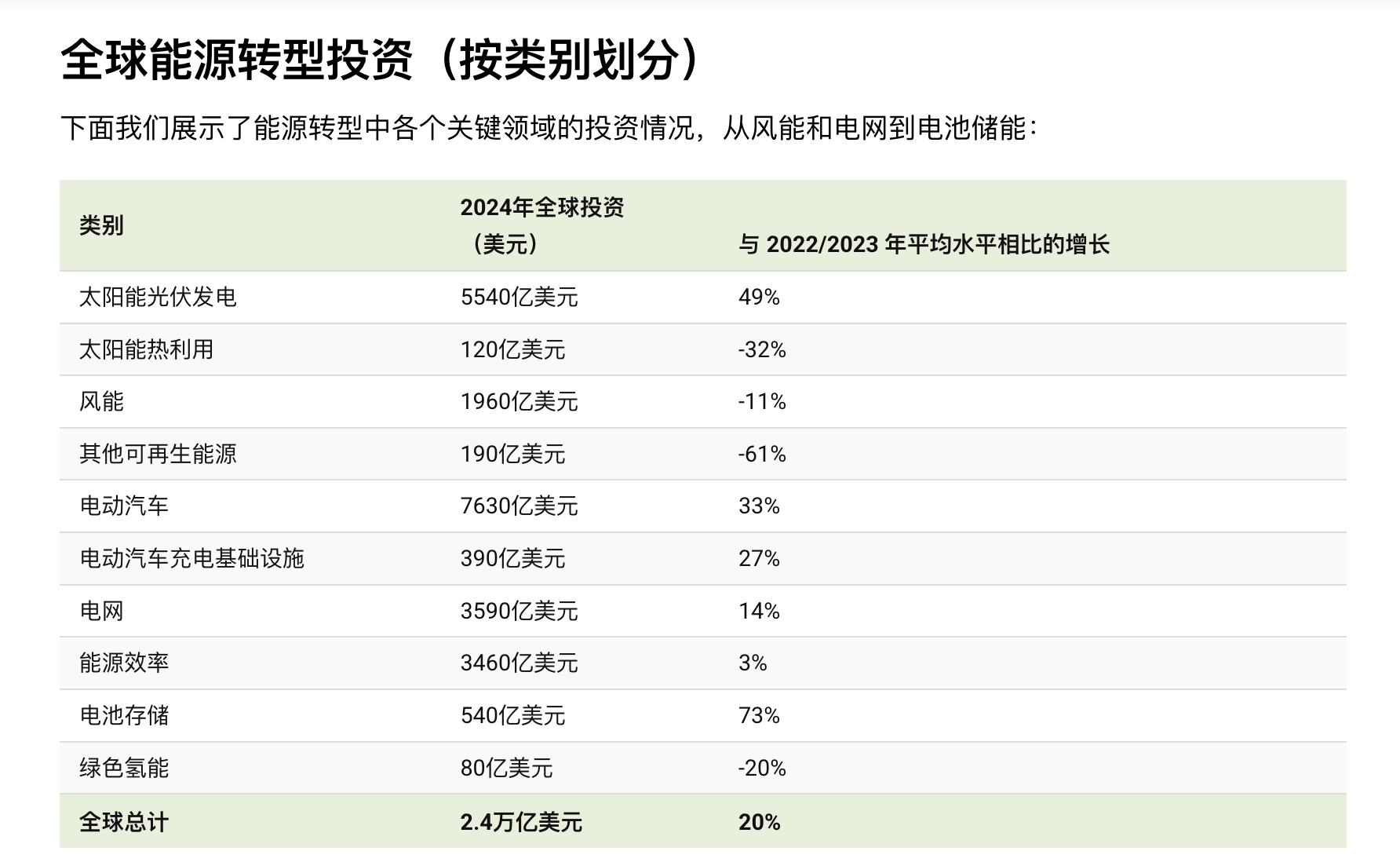
Core Insights - The focus of energy investment is shifting from power generation to grid and energy storage, with global annual investments in grid upgrades and energy storage expected to exceed $800 billion (approximately 5.6 trillion RMB) by 2030, representing a significant increase of over 50% from current levels [1] Investment Trends - Global investment in solar photovoltaic power is projected to reach $554 billion in 2024, a 49% increase compared to 2022 [2] - Investment in electric vehicles is expected to be $763 billion, marking a 33% increase [2] - Battery storage investments are anticipated to grow by 73% to $54 billion in 2024, which is 11 times the average level from 2019-2020 [3] Energy Transition Characteristics - The energy transition is characterized by three main trends: 1. Divergence in transition paths influenced by political and economic factors, with the U.S. and EU showing contrasting approaches [6] 2. China emerging as a leader in green low-carbon development, with significant advancements in wind and solar capacity [6] 3. Electrification becoming a common pathway for global energy transition, with electricity demand projected to grow by 32% over the next decade [6] Future Energy Consumption - Global energy consumption growth is expected to slow, with a projected increase of 1.7% during the "15th Five-Year Plan" period, down 1.1 percentage points from the previous period [7] - China's non-fossil energy is predicted to become the dominant energy source, with its share of total power generation expected to reach 50% by 2035 and 91% by 2060 [7][8] Carbon Emissions Outlook - Global carbon emissions from energy combustion are projected to reach 36.1 billion tons by 2030, with a plateau phase expected [11] - China's energy-related carbon emissions are anticipated to stabilize around 1.06 billion tons, with a potential reduction of 10% from peak levels by 2035 [11] Hydrogen Energy Potential - The hydrogen industry is expected to play a significant role in achieving carbon neutrality, with green hydrogen demand projected to reach 1.2 million tons by 2030 [12] - By 2060, the hydrogen sector could contribute to a reduction of 600 million tons of carbon emissions, accounting for approximately 10% of China's carbon neutrality goals [12]

欧洲议会批准逐步停止进口俄天然气,2027年9月30日前逐步停止,最迟不得晚于11月1日
Sou Hu Cai Jing· 2025-12-18 11:05
Core Viewpoint - The European Parliament has approved a bill to gradually stop importing Russian natural gas by the end of 2027, pending formal approval from the EU Council and publication in the EU Official Journal [1] Group 1: Legislative Details - The bill will prohibit the entry of Russian liquefied natural gas into the EU market once it comes into effect in early 2026 [1] - Pipeline gas imports will be gradually halted by September 30, 2027, with a final deadline of November 1, 2027, provided that storage levels are sufficient [1]
ZoomInfo Technologies Inc. (GTM) Seen Emerging From Down-Cycle Pressure, According to KeyBanc
Insider Monkey· 2025-12-18 10:24
Core Insights - Artificial intelligence (AI) is identified as the greatest investment opportunity of the current era, with a strong emphasis on the urgency to invest now [1][13] - The energy demands of AI technologies are significant, with data centers consuming as much energy as small cities, leading to concerns about power grid capacity and rising electricity prices [2][3] Investment Opportunity - A specific company is highlighted as a critical player in the AI energy sector, owning essential energy infrastructure assets that are poised to benefit from the increasing energy demands of AI [3][7] - This company is not a chipmaker or cloud platform but is positioned as a "toll booth" operator in the AI energy boom, collecting fees from energy exports [5][6] Financial Position - The company is noted for being debt-free and holding a substantial cash reserve, which is nearly one-third of its market capitalization, providing a strong financial foundation [8][10] - It is trading at less than 7 times earnings, indicating a potentially undervalued investment opportunity compared to its peers [10] Market Trends - The company is strategically aligned with several market trends, including the onshoring boom driven by tariffs, a surge in U.S. LNG exports, and a unique position in nuclear energy [14][7] - The influx of talent into the AI sector is expected to drive continuous innovation and advancements, further solidifying the importance of investing in AI-related companies [12] Future Outlook - The potential for significant returns is emphasized, with projections suggesting a possible 100% return within 12 to 24 months for investors who act now [15] - The company is positioned to capitalize on the disruption caused by AI, which is reshaping traditional industries and creating new opportunities for growth [11][12]


钠离子电池产业化前景可期
Huan Qiu Wang Zi Xun· 2025-12-18 09:29
成本接近经济性拐点 从资源禀赋看,钠离子电池突出的优势在于其原材料的广泛性与稳定性。据了解,钠元素在地壳中的丰 度约为锂元素的1000倍,同时还广泛存在于海水中,获取成本与供应风险相对可控。与之形成鲜明对比 的是,锂资源分布相对集中,受地缘政治、资源开发节奏以及市场情绪影响较大,价格波动明显。 2020年至2024年,碳酸钠价格基本维持在每吨100至500美元区间,而碳酸锂价格则在每吨6000美元至 83000美元之间大幅波动,两者差距显著。这种长期存在的原材料价格差异,为钠离子电池在理论成本 结构上的"低起点"提供了重要支撑,也成为其被视为低成本技术路线的重要基础。 来源:中国能源报 国际可再生能源机构近日发布最新报告指出,钠离子电池在成本控制方面正展现出明显潜力,当前已降 至每千瓦时90美元至125美元区间,正逐步趋近于锂离子电池的75美元至105美元区间水平。预计随着产 业链逐步成熟、规模化生产加速推进,钠离子电池成本有望在未来进一步下降,最低可能降至每千瓦时 40美元左右。 在全球能源转型持续深化、对绿色低碳与供应链安全要求不断提高的背景下,钠离子电池能否借助成本 快速下降的窗口期实现规模化应用拓展, ...
两年内再度换帅!英国石油(BP.US)深陷转型困境后挖角澳洲能源巨头掌门人 回归本源聚焦油气业务
智通财经网· 2025-12-18 09:15
Group 1 - The core point of the article is the significant leadership change at BP, with Meg O'Neill being appointed as the new CEO, marking her as the first external and female CEO in the company's history [1][2] - O'Neill will take over from Murray Auchincloss, who has been in the position for only two years, and will officially assume her role in April 2024 [1][2] - The leadership change comes as BP faces challenges in its transition to renewable energy and has been under pressure from activist investors to refocus on traditional oil and gas operations [2][3] Group 2 - O'Neill has a strong background in the industry, having led Woodside Energy and previously worked at ExxonMobil for 23 years, where she focused on natural gas assets [2][3] - The appointment of O'Neill signals a strategic shift for BP, moving back towards its core oil and gas business after a period of exploring renewable energy [3] - Analysts expect this leadership change to positively impact BP's stock price, as there is pressure for the company to adopt a more aggressive approach in its strategy and operations [4]
中企承建的突尼斯光伏项目实现商业运营
人民网-国际频道 原创稿· 2025-12-18 05:39
Fatma Thabet Chiboub在致辞中表示,该项目的正式投产是突尼斯能源转型进程中的重要里程碑, 不仅有助于提升国家能源安全水平,也为推动清洁、可持续能源发展奠定了坚实基础。 Hussain AlNowais表示,凯鲁万光伏电站是突尼斯在特许经营模式下首个投入商业运营的可再生能 源项目,也是首个并入225千伏高压电网的可再生能源设施。项目将持续为突尼斯提供清洁、可靠电 力,增强能源安全,体现了AMEA电力公司对突尼斯长期可再生能源发展的坚定承诺。 EPC团队是由中国能源建设集团天津电力建设有限公司与中国电力工程顾问集团西北电力设计院有 限公司组成的联营体负责设计、采购、施工、调试及运维工作。 人民网开罗12月17日电(记者黄培昭)12月16日,由中国能源建设集团承建的突尼斯凯鲁万100兆 瓦光伏电站在突尼斯中部凯鲁万省举行商业运营仪式,标志着该项目正式投入商业运行。 突尼斯国家工业、矿业和能源部部长 Fatma Thabet Chiboub,突尼斯国家电力天然气公司(STEG) 首席执行官 Faical Tarifa,凯鲁万省省长 Dhakar Bargaoui,突尼斯能源转型国务秘书 Ouael ...
