
全国统一大市场

Search documents
供需偏紧,碳酸锂继续领涨新能源金属
Zhong Xin Qi Huo· 2025-11-11 02:28
投资咨询业务资格:证监许可【2012】669号 中信期货研究(新能源⾦属每⽇报告) 2025-11-11 供需偏紧,碳酸锂继续领涨新能源金属 新能源观点:供需偏紧,碳酸锂继续领涨新能源⾦属 交易逻辑:碳酸锂供需双增,供需延续偏紧格局,库存去化加快;工 业硅和多晶硅供需也偏紧,主要是受益于西南地区枯水期减产;电解 钴产量快速下滑,过剩局面缓解。中短期来看,现实供需偏好,碳酸 锂去库加快,碳酸锂领涨新能源金属,关注碳酸锂短多机会。长期来 看,硅供应端收缩预期较强,尤其多晶硅,价格重心可能抬升;锂矿 产能还处于上升阶段,但需求预期也在不断拔高,碳酸锂长期供需走 向需要重新审视。 ⼯业硅观点:枯⽔期减产叠加仓单去化,硅价⽀撑较强。 多晶硅观点:产量边际下滑,多晶硅⾼位震荡。 碳酸锂观点:需求持续超预期,股期联动锂价⼤涨。 ⻛险提⽰:供应扰动;国内政策刺激超预期;美联储鸽派不及预期; 国内需求复苏不及预期;经济衰退。 有⾊与新材料团队 研究员: 郑非凡 从业资格号F03088415 投资咨询号Z0016667 白帅 从业资格号F03093201 投资咨询号Z0020543 杨飞 从业资格号F03108013 投资咨询号 ...
视频丨进博会吸引力缘何越来越强?中国市场的强大之处几分钟讲清楚→
Yang Shi Xin Wen Ke Hu Duan· 2025-11-10 23:58
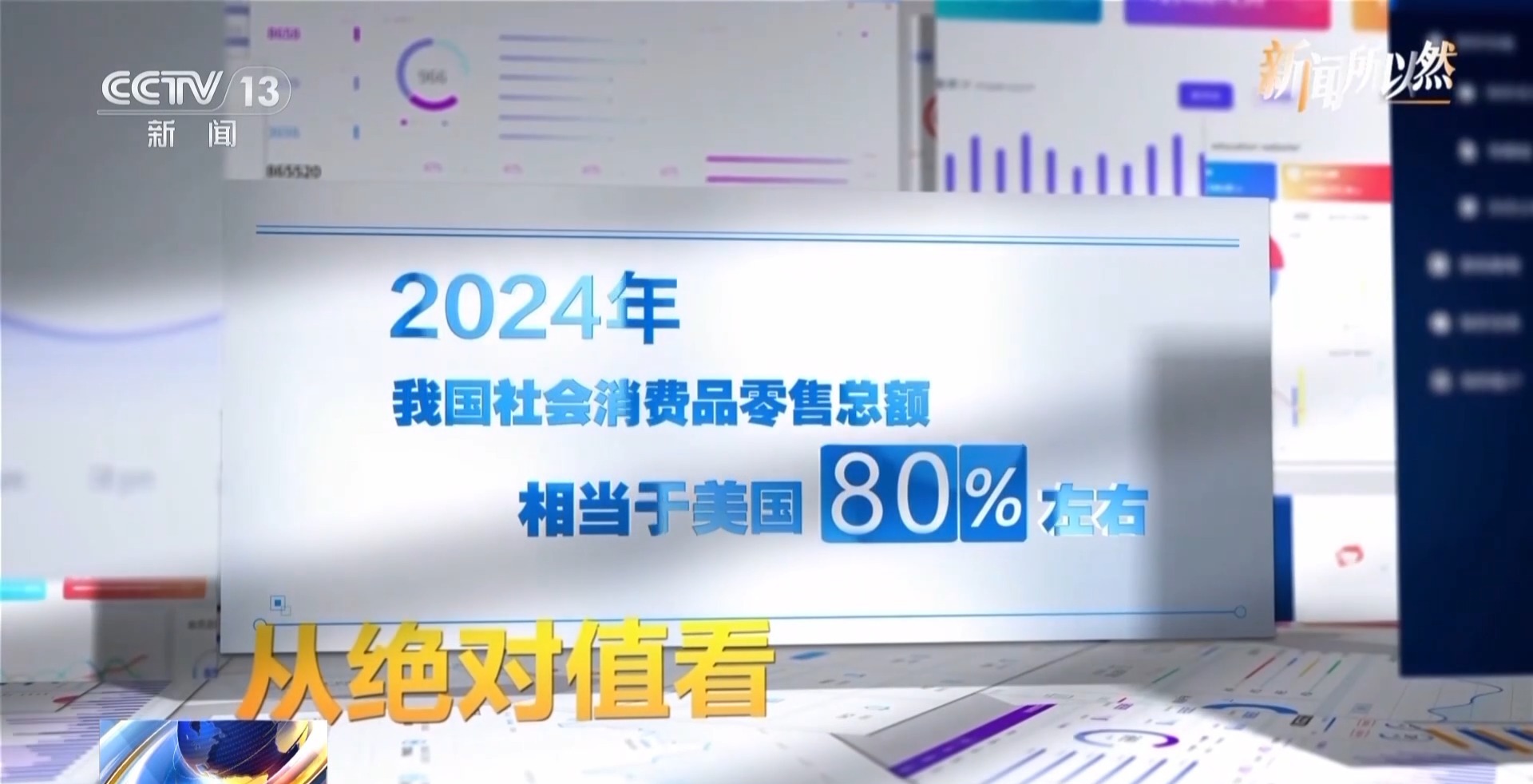
Core Insights - The China International Import Expo (CIIE) has demonstrated increasing attractiveness, reflecting a robust global interest amid challenges posed by unilateralism and protectionism [1][27] - China's consumer market is characterized by significant growth potential, with a retail sales total equivalent to approximately 80% of the United States, and a purchasing power parity that exceeds it by 60% [3][5] - The middle-income group in China is projected to grow from over 400 million to more than 800 million in the next decade, indicating a vast market opportunity [7][9] Market Characteristics - China boasts a diverse market with varying consumer needs, from high-end products to basic necessities, catering to different demographics across urban and rural areas [11][13] - The country is particularly receptive to technological innovations, with a notable increase in the adoption of new energy vehicles, which have seen a 5.4 times growth in ownership from 2020 to 2024 [17][19] - The CIIE featured 461 new products and technologies, many specifically developed for the Chinese market, highlighting China's role as a fertile ground for global innovation [19][21] Participation and Opportunities - The expo attracted a wide range of exhibitors, including multinational corporations and businesses from 123 Belt and Road Initiative countries, emphasizing the accessibility of the Chinese market for quality products [25] - Companies like Honeywell have consistently participated in the CIIE, showcasing numerous innovative technologies that have successfully entered the Chinese market [21] - The event serves as a platform for global businesses to explore opportunities in China, which is increasingly seen as a stable and promising market amid global uncertainties [27]

财政部印发通知 压实会计工作责任
Zhong Guo Xin Wen Wang· 2025-11-10 23:31
Core Viewpoint - The Ministry of Finance has issued an opinion to strengthen accounting responsibilities and enhance the implementation of accounting laws and regulations, aiming to clarify responsibilities across various entities involved in accounting work [1][2]. Summary by Sections Overall Requirements - The opinion outlines the guiding ideology and main objectives for enhancing accounting responsibilities [1]. Responsibilities of Accounting Entities - It specifies the responsibilities of units as accounting entities, including handling accounting affairs, organizing accounting work, and conducting internal and external supervision [1]. Responsibilities of Relevant Personnel - The opinion clarifies the accounting responsibilities of unit leaders, chief accountants, accounting personnel, and other staff members [1]. Responsibilities of Accounting Service Institutions - It defines the responsibilities of accounting service providers, including bookkeeping agencies, accounting firms, and software service providers [1]. Government Supervision Responsibilities - The opinion outlines the supervisory responsibilities of government departments, including financial and relevant supervisory bodies [1]. Self-Regulatory Responsibilities of Industry Associations - It specifies the self-regulatory responsibilities of associations such as the Certified Public Accountants Association and bookkeeping industry associations [1]. Strengthening Organizational Leadership - The opinion emphasizes the need for regional and departmental efforts in promoting training and ensuring the implementation of these responsibilities [1].
新征程·新蓝图|建设强大国内市场 坚持投资于物和投资于人紧密结合
Xin Hua She· 2025-11-10 05:33
Core Insights - The strong domestic market is emphasized as a strategic support for Chinese-style modernization [1] - The proposal highlights the importance of integrating consumer welfare and investment in goods and people to stimulate consumption and investment [1] Group 1: Economic Development Strategies - The Central Committee's proposal focuses on implementing actions to boost consumption and expand the supply of quality consumer goods and services [1] - There is a call to increase government investment in livelihood-related projects and enhance human resource development [1] - The proposal aims to establish a long-term mechanism for private enterprises to participate in major project construction [1] Group 2: Market Integration and Regulation - The proposal outlines significant measures to eliminate obstacles to the construction of a unified national market [1] - It suggests the establishment of unified market foundational rules and comprehensive rectification of "involutionary" competition [1] - The proposal includes enhancing market supervision and law enforcement, as well as improving the connectivity of circulation rules and standards [1]
反“内卷”根本在于强创新
Jing Ji Ri Bao· 2025-11-07 22:13
Group 1 - The core viewpoint emphasizes the importance of addressing "involution" competition to facilitate the construction of a unified national market, which is crucial for high-quality economic development over the next five years [1] - Recent efforts in combating "involution" competition have shown some success, with policies and regulations leading to a shift from low-level price competition to value competition in various sectors, improving market order and adjusting competitive landscapes [1] - The photovoltaic industry has seen a recovery in price transmission mechanisms due to government actions against below-cost sales, prompting industry restructuring and the exit of outdated capacities [1] Group 2 - Despite progress, challenges remain, such as local protectionism and market segmentation, with local governments still using hidden methods like tax rebates and low land sales to interfere with the market [2] - The governance of platform economies faces new challenges, including data misuse and algorithm collusion, indicating a need for enhanced regulatory measures [2] - There is a call for stronger innovation capabilities among enterprises and a more activated innovation ecosystem to effectively combat "involution" [2] Group 3 - Recommendations include improving policy regulations, enhancing policy coordination, and advancing the establishment of a unified national market, with a focus on standardizing market rules and regulatory enforcement [2] - The establishment of a cross-regional collaborative regulatory mechanism is suggested, along with a unified market supervision platform to share enterprise credit information and recognize enforcement standards [2] - The optimization of local government performance assessment systems is necessary to eliminate local protectionism and market fragmentation [2] Group 4 - Increased regulatory efforts in the platform economy are proposed, including detailed compliance guidelines and the establishment of a monitoring system using big data and AI to detect abnormal trading behaviors [3] - Encouragement for enterprises to shift resources from homogeneous production to core technology research and development is emphasized to create differentiated competitive advantages [3] - A comprehensive approach to protect the rights of flexible employment groups is recommended, including the standardization of platform employment relationships and the establishment of a unified service platform for flexible employment [3]
着力提高居民消费率
Jing Ji Ri Bao· 2025-11-07 22:09
Core Viewpoint - The "15th Five-Year Plan" emphasizes significantly increasing the resident consumption rate as a primary goal for economic and social development, aiming to enhance domestic demand as a key driver of economic growth [1][2][4]. Economic Growth and Domestic Demand - China has a vast domestic market with substantial growth potential, and domestic demand is crucial for economic development. The retail sales of consumer goods have grown at an average annual rate of 5.5% over the past four years, with service consumption accounting for 46.1% of total consumption [1][2]. - The low resident consumption rate indicates that the advantages of China's large market have not been fully realized, highlighting the need to stimulate domestic demand amid external uncertainties [2][4]. Strategies to Enhance Resident Consumption - To improve the resident consumption rate, it is essential to enhance consumer capacity, innovate consumption scenarios, and optimize the consumption ecosystem. Key measures include stabilizing employment and increasing income, improving income distribution, and expanding the supply of quality goods and services [4][5]. - Strengthening social security and public services can reduce precautionary savings, thereby encouraging consumption [4][5]. Systematic Policy Framework - A systematic policy framework is proposed to enhance the resident consumption rate, which includes optimizing government expenditure structure and reinforcing institutional guarantees to activate the domestic market [7][8]. - The construction of a unified national market is essential, requiring the elimination of local protectionism and market segmentation, while enhancing investment in human capital and public services [7][8]. Long-term Mechanisms and Innovation - Establishing long-term mechanisms to expand consumption is vital, with a focus on technological innovation to drive new productive forces and build a modern industrial system [8]. - Continuous reforms and opening up are necessary to activate endogenous growth dynamics and ensure sustainable economic growth [8].
财政部:积极培育新兴产业和未来产业 持续推动制造业转型升级
智通财经网· 2025-11-07 10:56
Core Viewpoint - The report emphasizes the acceleration of new growth momentum in China's economy through enhanced fiscal policies, support for innovation, and investment in key industries, while ensuring the stability of employment and market expectations [1][3]. Group 1: Fiscal Policy and Economic Growth - The fiscal policy is increasingly proactive, focusing on stabilizing employment, businesses, and market expectations, while promoting economic recovery [3][4]. - A total of 300 billion yuan in special bonds is allocated to support the replacement of consumer goods, which is expected to stimulate significant retail sales [4][15]. - The central government plans to increase its technology funding to 398.12 billion yuan in 2025, a 10% increase from the previous year, focusing on core technology and strategic industries [5][21]. Group 2: Investment and Consumption - The government aims to enhance domestic demand by boosting consumption and effective investment, with a focus on key sectors and weak links [13][16]. - The issuance of special bonds has accelerated, with 5.55 billion yuan issued in the first half of the year, completing 42.7% of the annual target [16]. - The manufacturing sector is expected to see a 10.3% increase in industrial investment, driven by government support for technological upgrades [17]. Group 3: Employment and Social Welfare - The central government allocated 667.4 billion yuan for employment support, with 6.95 million new urban jobs created in the first half of the year [27][28]. - Education spending increased by 5.9% to 2.15 trillion yuan, with a focus on improving quality and access to education [29][30]. - Basic public health service funding reached 804.35 billion yuan, enhancing health management and disease prevention efforts [32][33]. Group 4: Risk Management and Financial Stability - The government is implementing measures to mitigate financial risks, including the management of local government debt and the promotion of real estate market stability [7][9]. - A comprehensive approach to fiscal management is being adopted, including reforms in tax systems and budget execution to ensure effective use of resources [7][12]. Group 5: Innovation and Technology - The report highlights the importance of integrating technological innovation with industrial development, with a focus on enhancing research capabilities and supporting key technology projects [20][21]. - Funding for basic research is set to increase by 12.1%, emphasizing the need for original innovation and support for research institutions [21][22]. Group 6: Environmental and Social Development - The government is committed to ecological protection and sustainable development, with significant funding allocated for pollution control and ecosystem restoration [38][39]. - Social welfare programs are being expanded, with increased support for vulnerable populations and efforts to improve living standards [34][35].
财政部:强化产业创新科技供给,推进关键核心技术攻关,积极培育新兴产业和未来产业
Sou Hu Cai Jing· 2025-11-07 09:57
Core Viewpoint - The Ministry of Finance emphasizes the acceleration of nurturing and developing new growth drivers in China's fiscal policy for the first half of 2025 [1] Group 1: Fiscal Policy and Innovation - The Ministry of Finance will strengthen the supply of industrial innovation and technology, advancing key core technology breakthroughs [1] - There will be a continuous push for the transformation and upgrading of the manufacturing industry [1] - The allocation and management mechanism of fiscal science and technology funds will be improved to enhance the effectiveness of technological investment [1] Group 2: Support for Small and Medium Enterprises - Increased support for the digital transformation of small and medium enterprises (SMEs) will be provided, promoting the specialized and innovative development of more SMEs [1] - The construction of a unified national market will be further advanced, ensuring equal treatment of various business entities in fiscal subsidies and government procurement [1] - A favorable environment for business development will be created through these measures [1]
广东省发展改革委副主任:改革是广东最鲜明的特色
Zhong Guo Fa Zhan Wang· 2025-11-07 09:22
Core Viewpoint - The Guangdong Provincial Government has made significant progress in economic system reforms during the "14th Five-Year Plan" period, emphasizing the importance of reform as a driving force for high-quality development and showcasing Guangdong's unique contributions to comprehensive reform efforts [1]. Group 1: Economic System Reforms - The vitality of business entities has increased, with the completion of the three-year action plan for state-owned enterprise reform and the highest number of "Science and Technology Reform Enterprises" and "Double Hundred Enterprises" in the country. The number of registered business entities in the province has surpassed 20 million, with over 9 million being enterprises [1]. Group 2: Market Rules Improvement - The province has implemented the "Five Unifications and One Openness" basic requirements to enhance integration into the national unified market. Guangdong has pioneered the evaluation of market access efficiency and established the first national fair competition pilot zone in collaboration with the State Administration for Market Regulation [2]. Group 3: Efficient Resource Allocation - Guangdong has promoted the inclusion of nine cities in the Guangdong-Hong Kong-Macao Greater Bay Area as national pilot regions for market-oriented resource allocation. Reforms in technology, land, talent, and capital factors have been initiated, including the establishment of a comprehensive system for the transformation of scientific and technological achievements [2]. Group 4: Optimized Business Environment - The province has introduced the "Three-Year Action Plan for Building an International First-Class Business Environment in the Guangdong-Hong Kong-Macao Greater Bay Area" and has made significant strides in creating innovative pilot cities for business environment reform, with notable experiences in customized power supply services and policy accessibility for tech enterprises [3]. Group 5: Enhanced Comprehensive Reform Effectiveness - The Shenzhen comprehensive reform pilot has been advanced with 48 innovative measures promoted nationwide. The province has also issued the first provincial-level application scenario innovation policy document, facilitating the introduction of social capital into major projects and leading the nation in the issuance and fundraising scale of real estate investment trusts (REITs) [3].
未来产业:数据要素和交易
2025-11-07 01:28
Summary of Key Points from Conference Call Industry Overview - The conference call discusses the rapid development of China's digital economy and the importance of data elements, with the establishment of the National Data Bureau in 2022 to promote data resource development and utilization, aiming to create a unified national market for data circulation, trading, and rights confirmation [1][2][4] Core Insights and Arguments - Data is recognized as a strategic resource and one of the three key elements for the development of the artificial intelligence (AI) industry [2][9] - The data labeling industry is experiencing rapid growth, with the establishment of seven major data labeling bases and a total dataset size of 29TB, generating over 8.3 billion yuan in related output [1][6] - The average daily token consumption in AI applications increased over 300 times from early 2025 to June 2025, indicating a significant growth in AI application scale [1][8] - High-quality Chinese datasets are crucial, with over 60% of data used in large model training being in Chinese, highlighting the potential for developing high-quality Chinese datasets [1][9] Important but Overlooked Content - The government has implemented several measures to promote the digital economy, including policy documents and the establishment of dedicated institutions, such as the National Data Bureau and the three-year action plan for data education [5][6] - Public data is essential for improving social governance efficiency and promoting economic development, with a focus on creating a unified national market through data sharing across different sectors [12] - Future investment hotspots include the data exchange sector, AI applications, and specific application scenarios in healthcare, transportation, energy, and public utilities [8][11] - Regions like Guangdong, Shanghai, Fujian, and Zhejiang are expected to lead in digital economy development, with local state-owned enterprises playing a significant role [11]