
智能化

Search documents
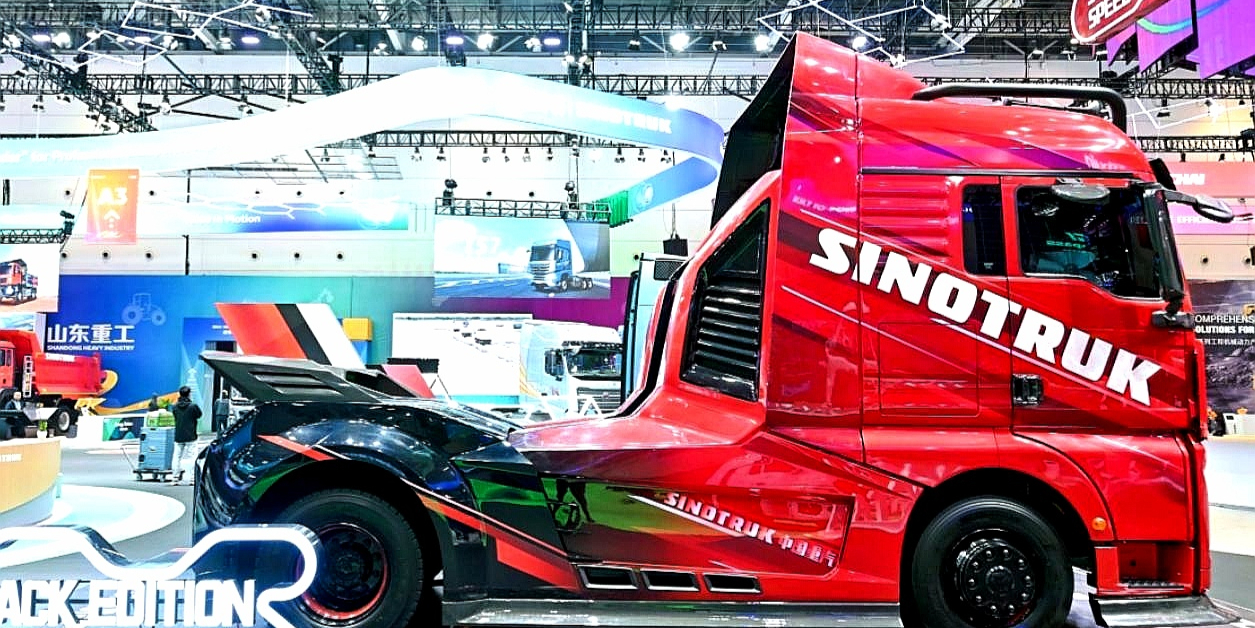
中国重汽2025销量达历史峰值 2030年冲击80万辆“再造一个中国重汽”
Jing Ji Guan Cha Wang· 2025-12-18 08:11
Core Viewpoint - China National Heavy Duty Truck Group (CNHTC) has achieved a historic milestone by surpassing 300,000 heavy truck sales in 2025, becoming the world's top heavy truck brand for the first time [2][4]. Group 1: Sales and Production Achievements - In 2025, CNHTC's heavy truck production and sales exceeded 300,000 units, surpassing the previous record set in 2021 [2][4]. - The company expects total vehicle sales to reach 450,000 units in 2025, indicating a year-on-year growth rate of at least 25% [4]. - Heavy truck exports are projected to exceed 150,000 units, accounting for approximately half of CNHTC's total sales [4]. Group 2: Strategic Advantages - CNHTC attributes its sales growth to five core advantages: a strong R&D team of over 3,000 personnel with an annual investment of approximately 3 billion yuan, a complete industrial chain from key components to vehicle manufacturing, a professional marketing team of over 2,600, comprehensive quality control capabilities, and a diversified overseas market strategy [4]. - The company has established a quality early meeting mechanism to address quality issues promptly, enhancing product quality across all manufacturing processes [5]. Group 3: Future Opportunities and Goals - The company anticipates four market opportunities in 2026: technological transformation leading to new market segments, upgraded market demand focusing on total cost of ownership, deepening market segmentation due to industrial restructuring, and compliance-driven opportunities from stricter regulations [6]. - For 2026, CNHTC has set a sales target of 340,000 units, including 170,000 heavy trucks and 150,000 light trucks, with a focus on technology-driven growth and collaboration with partners [8]. - By 2030, CNHTC aims to achieve total revenue exceeding 400 billion yuan and vehicle sales surpassing 800,000 units, representing a compound annual growth rate of 12.5% over the next five years [9].


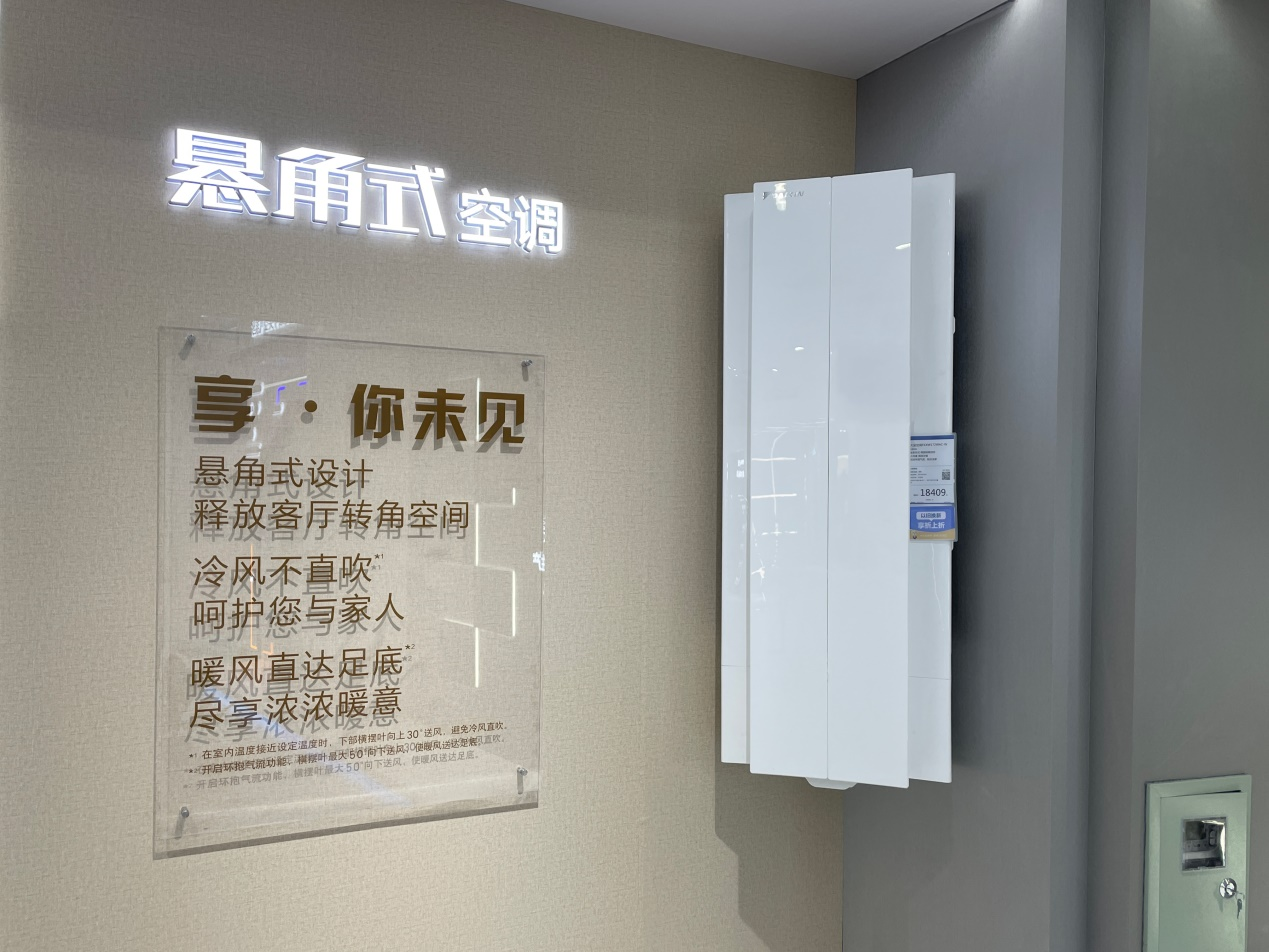
空调竖着挂,电视推着跑,家电“变形”不走寻常路
Zhong Jin Zai Xian· 2025-12-18 07:31
Core Viewpoint - The traditional perceptions of home appliances are being transformed, with innovative designs and functionalities emerging to address specific household needs [1][3]. Group 1: Product Innovations - Home appliances are evolving from standalone devices to integrated solutions that adapt to family spaces and lifestyles [7]. - Examples of innovative products include the "suspended corner air conditioner," which saves 0.5-0.8 square meters of floor space and provides more even temperature distribution [3]. - The "dual washing station MAX" integrates six functions (washing, drying, sweeping, mopping) into a single unit, optimizing space and simplifying household chores [3]. Group 2: Consumer Feedback - Consumers report significant improvements in quality of life due to these innovations, such as the "magic tea table" heater enhancing family gatherings [5]. - The "mobile screen" allows for versatile use across different family activities, demonstrating the convenience of modern appliances [5]. Group 3: Market Trends - Sales data indicates a strong market response, with the "mobile screen" sales increasing by 184% and the no-external-unit kitchen air conditioner growing by 233% year-on-year [7]. - The introduction of over a hundred trend-setting products and substantial subsidies during promotional events reflects the industry's commitment to innovation [8]. - Government initiatives aim to accelerate the innovation and application of smart home technologies, supporting the trend towards more user-centric and scenario-based appliance solutions [8].
德企在华开拓更多创新应用场景
Xin Hua She· 2025-12-18 01:56
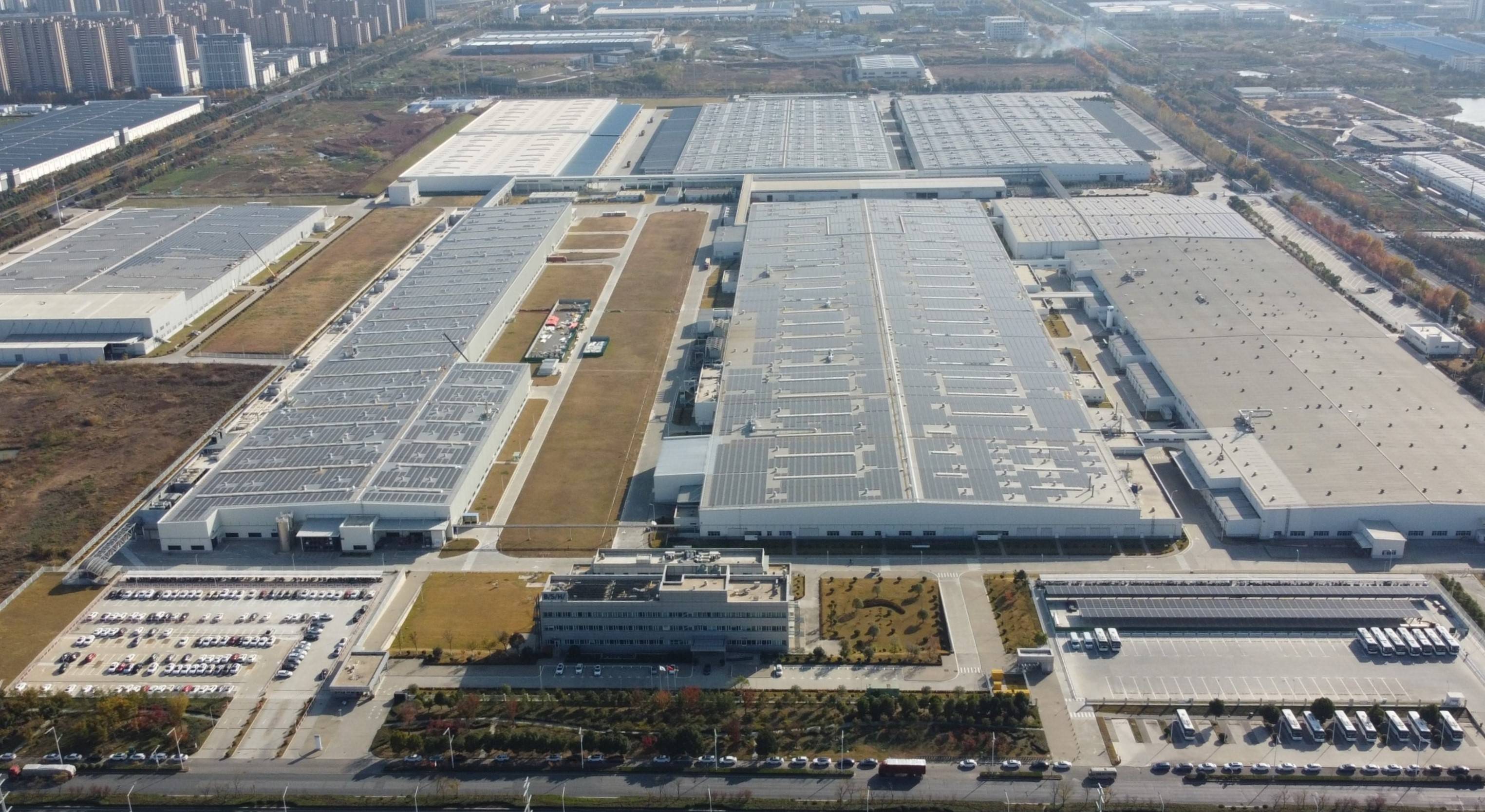
Group 1 - Bosch's dishwasher factory in Chuzhou, Anhui, showcases advanced automation and AI quality inspection, highlighting the company's commitment to innovation and smart manufacturing [2] - Bosch has established its largest global production base in Chuzhou, emphasizing China's role not only as a significant market but also as a platform for innovation [2] - The collaboration between German engineering expertise and China's digital capabilities is seen as a core value for Bosch's operations in China [2] Group 2 - Volkswagen's new testing workshop in Hefei, Anhui, marks the completion of a major expansion, becoming the largest comprehensive R&D center outside Germany with full-process R&D verification capabilities [3] - The new facility, covering approximately 100,000 square meters, includes over 100 advanced laboratories and is expected to reduce vehicle development time by 30% [3] - Volkswagen's experience in China is enhancing its global development, with new model development cycles reduced from 48 months to 30-36 months in Europe [6] Group 3 - Many German multinational companies are increasing investments in China, focusing on innovation applications, with BMW and Porsche expanding their local AI and R&D capabilities [6][7] - A recent survey indicates that 60% of respondents believe Chinese companies will lead in industry innovation, and 56% plan to deepen cooperation with Chinese partners [7] - The bilateral trade between China and Germany reached 185.9 billion euros in the first nine months of 2025, reflecting a 0.6% year-on-year growth, reaffirming China's status as Germany's largest trading partner [7]
研判2025!中国气体灭火设备行业分类、市场规模及重点企业分析:环保转型加速推进,清洁技术成为增量核心[图]
Chan Ye Xin Xi Wang· 2025-12-18 01:36
Core Viewpoint - The Chinese gas fire extinguishing equipment industry is at a critical stage of scaling development and environmental transformation, with a projected market size of approximately 2.358 billion yuan in 2024, reflecting a year-on-year growth of 5.46% [1][10]. Industry Overview - Gas fire extinguishing equipment refers to fixed fire extinguishing systems that store extinguishing agents in liquid, liquefied gas, or compressed gas states, releasing gas to extinguish fires by reducing oxygen concentration or inhibiting combustion reactions [2][4]. Industry Development History - The industry has evolved over 70 years, transitioning from exploration (1950s-1970s) to domestic production (1980s-1990s), and then to large-scale development (2000s-2010s), culminating in an innovation upgrade phase from 2020 onwards, with new standards emphasizing intelligence and environmental requirements [4][5]. Market Size - The market size for gas fire extinguishing equipment in China is expected to reach approximately 2.358 billion yuan in 2024, with a growth rate of 5.46%, driven by ongoing demand in traditional industries, data centers, and construction sectors, alongside a shift towards environmentally friendly extinguishing agents [10][11]. Key Companies' Performance - The competitive landscape of the gas fire extinguishing equipment industry shows a "pyramid + dumbbell" structure, with increasing market concentration. Leading companies like Nanjing Fire Protection and Shanghai Jindun leverage their full industry chain advantages to dominate technology standards and major projects [11][12]. Industry Development Trends 1. **Accelerated Environmental and Green Transformation**: The industry is moving towards environmentally friendly products, with low GWP extinguishing agents like perfluorohexanone and inert gases gradually replacing traditional fluorinated products [15]. 2. **Deep Integration of Intelligence**: Future gas fire extinguishing systems will integrate IoT, AI algorithms, and big data analysis for proactive fire risk management, enhancing operational efficiency and reducing manual intervention costs [16]. 3. **Emerging Application Scenarios**: The industry is focusing on specialized needs in new scenarios, such as developing dedicated extinguishing devices for lithium battery storage stations and optimizing solutions for high-reliability environments like aerospace [17][18].



2025年中国高压开关柜行业产业链、产量、市场规模、重点企业及未来趋势研判:电力需求增长推动行业升级,带动高压开关柜规模突破千亿元[图]
Chan Ye Xin Xi Wang· 2025-12-18 01:29
Core Insights - The high-voltage switchgear market is experiencing steady growth due to the ongoing development of the power industry and the advancement of smart grid construction, with the market size in China projected to increase from 44.519 billion yuan in 2016 to 107.896 billion yuan in 2024, representing a compound annual growth rate (CAGR) of 11.7% [1][11][12] - The demand for high-voltage switchgear is driven by the upgrading of traditional power grids, the integration of renewable energy, accelerated urbanization, and the expansion of industrial electricity consumption [1][11] - The release of the IEC TS 62271-5:2024 technical specification in May 2024 sets new universal technical requirements for high-voltage direct current transmission systems, further enhancing the market's growth potential [1][11] High-Voltage Switchgear Industry Overview - High-voltage switchgear is a critical electrical device used in power distribution systems, allowing for the control and distribution of electrical energy safely and efficiently [3][11] - The industry is characterized by various classifications based on voltage levels, structural types, and insulation types, including armored, compartmentalized, and gas-insulated switchgear [3][4][5] Industry Development Background - Investment in power generation and grid construction in China has significantly increased, with the basic construction investment in power reaching 1,168.7 billion yuan by 2024, growing from 270 billion yuan in 2017, reflecting a CAGR of 23.28% [7][11] - The investment in grid construction also shows steady growth, with completion amounts rising from 531.5 billion yuan in 2017 to 608.3 billion yuan in 2024, at a CAGR of 1.95% [7][11] Industry Chain - The high-voltage switchgear industry chain includes upstream components such as electronic devices and metal materials, midstream manufacturing processes, and downstream applications in various sectors like power plants and industrial enterprises [8][11] Industry Current Status - The production of high-voltage switchgear in China has increased from 1.6225 million units in 2016 to 2.373 million units in 2024, with a CAGR of 4.87% [11][12] - The market is influenced by policies supporting the development of power equipment manufacturing, as well as the push for a new power system aligned with carbon neutrality goals [1][11] Competitive Landscape - The high-voltage switchgear market is competitive, with international brands like Siemens, ABB, and Schneider Electric dominating the high-end market, while domestic companies are improving their technology and product quality to compete effectively [12] - Key domestic players include Pinggao Electric, Jilin Jin Guan Electric, and several others, with varying degrees of market presence and product offerings [12][15] Industry Trends - The industry is moving towards greater intelligence, miniaturization, and sustainable development, with advancements in IoT, AI, and the use of environmentally friendly materials [16][18][19] - The focus on smart technology aims to enhance operational reliability and reduce maintenance costs, while miniaturization addresses space constraints in urban settings [16][18] - The shift towards green technologies is driven by stricter environmental regulations and the need to replace SF₆ gas with more sustainable alternatives [19]


航天智造(300446):双轮驱动打造航天七院优质上市平台
Xin Lang Cai Jing· 2025-12-18 00:35
Core Viewpoint - The company is initiating coverage on Aerospace Intelligent Manufacturing with a "Buy" rating and a target price of 26.00 yuan, based on a 20x PE valuation for 2026, driven by "technological barriers + policy dividends" for growth [1] Group 1: Company Overview - Aerospace Intelligent Manufacturing has undergone a significant asset restructuring, becoming the core listed platform of the Aerospace Seventh Academy by acquiring 100% stakes in Aerospace Energy and Aerospace Molding [1] - The company is expected to achieve revenues of 58.60 billion yuan and 77.81 billion yuan in 2023 and 2024, respectively, representing year-on-year growth of 20.10% and 32.78% [1] - The net profit attributable to shareholders is projected to be 4.23 billion yuan and 7.92 billion yuan for 2023 and 2024, with year-on-year increases of 61.36% and 87.02% [1] Group 2: Automotive Components Business - Aerospace Molding, established in 2000, focuses on the development and production of automotive interior and exterior parts, smart cockpit components, and lightweight engine parts [2] - The company provided components for 10.95 million vehicles in 2023, accounting for 42% of the total passenger car sales in China [2] - The new energy vehicle segment is expected to contribute 72% of new products in 2024, surpassing industry penetration rates, with successful entries into the supply chains of new car manufacturers like NIO and AITO [2] - Revenue for the automotive components business is projected to grow at a CAGR of 20.96% from 2025 to 2027 [2] Group 3: Oil and Gas Equipment Business - Aerospace Energy, founded in 2013, specializes in the research and manufacturing of perforating tools and high-end completion equipment for the oil and gas sector [3] - The company holds over 60% market share in unconventional oil and gas extraction and approximately 35% in conventional oil and gas extraction as of 2021 [3] - The business is expected to benefit from increasing domestic oil and gas production and the development of deep-sea and deep-earth resources, with a projected revenue CAGR of 17.94% from 2025 to 2027 [3] Group 4: Market Perspective - The market underestimates the company's long-term growth potential, particularly in the automotive components sector, which benefits from the electrification, connectivity, and intelligence transformation of downstream customers [4] - The oil and gas equipment business is expected to gain from policy support for deep-sea and deep-earth technologies, leading to increased demand for perforating tools and completion equipment [4] Group 5: Profit Forecast and Valuation - The company is expected to achieve net profits of 9.48 billion yuan, 11.02 billion yuan, and 12.76 billion yuan from 2025 to 2027 [5] - Comparable companies in the automotive and oil and gas sectors have an average PE of 30x for 2026, while Aerospace Intelligent Manufacturing is assigned a target PE of 20x, leading to a target price of 26.00 yuan [5]

第十四届全国政协委员尹艳林: “十五五”规划建议指引产业体系建设再上台阶
Zheng Quan Shi Bao Wang· 2025-12-17 23:39
Core Viewpoint - The article discusses the insights of Yin Yanlin, a member of the 14th National Committee of the Chinese People's Political Consultative Conference, regarding the "15th Five-Year Plan" and its implications for the development of China's industrial system [1][2] Group 1: Achievements and Challenges - During the "14th Five-Year Plan" period, China made significant achievements in industrial development, including the formation of a complete industrial system and steady progress in new productivity, while addressing some critical issues in the industrial chain [1] - However, there remains considerable room for improvement in technological innovation capabilities and the upgrading of industrial structures within China's industrial system [1] Group 2: Strategic Directions of the 15th Five-Year Plan - The "15th Five-Year Plan" is positioned as a critical period for achieving socialist modernization, with goals such as significant improvements in high-quality development and enhanced quality of life for the people [1] - The plan emphasizes the exploration of diverse technological routes, typical application scenarios, feasible business models, and market regulatory frameworks to promote new economic growth points in areas like quantum technology, biomanufacturing, hydrogen energy, nuclear fusion, brain-computer interfaces, embodied intelligence, and 6G mobile communication [1] Group 3: Focus on Traditional Industries - Yin Yanlin asserts that the focus of economic development should remain on the real economy, with traditional industries serving as the foundation of China's industrial system [2] - The transformation and upgrading of traditional industries through new technologies can create new productivity, highlighting the importance of maintaining this sector [2] Group 4: Future Development Principles - The future development of industries should adhere to the principle of combining effective markets with proactive government involvement, ensuring that market forces primarily guide industrial development and resource allocation while the government plays a role in creating a conducive environment [2]
龙华企业上榜全球TOP1000
Sou Hu Cai Jing· 2025-12-17 23:11
Group 1 - The 2025 Hurun Global High-Quality Enterprises TOP 1000 list focuses on companies expected to generate the most profit over the next decade [1] - The United States leads in the number of companies on the list, while China ranks second with 158 companies [3] - Shenzhen has 15 companies on the list, ranking 11th globally, with notable companies like Huichuan Technology [3] Group 2 - Huichuan Technology, established in 2003, specializes in industrial automation and has a market value of 180 billion yuan, making it the top company in China's local robotics industry [3] - The company holds the largest market share in SCARA robots in China and ranks third globally in robot control systems [3] - Huichuan Technology has built a global production and supply network, significantly advancing supply chain digitization and green manufacturing [4] Group 3 - Beijing leads the top 10 cities in China with 53 companies, followed by Shanghai with 16, and Shenzhen in third place [6] - Other notable companies in Beijing include ByteDance and State Grid, while Shanghai features Pinduoduo and SMIC [6] - The favorable industrial ecosystem and innovative atmosphere in Longhua District are expected to foster more globally competitive high-quality enterprises [6]


新质生产力三重演进 共促企业价值提升
Zheng Quan Shi Bao· 2025-12-17 19:27
Core Viewpoint - The "New Quality Productivity" is fundamentally reshaping corporate growth logic and creating new avenues for development, emphasizing the need for companies to leverage rapidly growing AI tools to enhance self-awareness and capabilities, thereby transforming new quality productivity into corporate value [1] Group 1: Empowerment through New Quality Productivity - New quality productivity is essential for high-quality development, as highlighted in the 15th Five-Year Plan, and serves as a critical focus for enterprises [2] - Companies can enhance core competitiveness through systematic upgrades, efficiency revolutions, and value reconstruction, shifting from isolated breakthroughs to ecological competition [2] Group 2: Three Evolutionary Paths - The industrial logic of new quality productivity involves three evolutionary paths: traditional industry replacement and upgrade, integration and growth of emerging industries, and forward-looking layout of future industries [3] - The application of artificial intelligence in the industrial sector has already generated tangible value, linking various production stages and facilitating a growth path of "replacement-integration-leap" for domestic enterprises [3][4] Group 3: Industry-Specific Insights - In the pharmaceutical sector, AI significantly reduces the time required for new drug development from years to mere months, as exemplified by companies like Yabton Chemical [5] - Consulting firms are increasingly required to utilize data more effectively to gain client trust in the AI era, leading to the establishment of vertical models for enhanced data application [5] - The traditional Chinese medicine sector is also embracing AI to improve production control, quality inspection, and sales transparency [5] Group 4: Challenges in Implementation - The fast-moving consumer goods (FMCG) sector faces unique challenges in digitalization due to product variety and market constraints, yet companies are committed to strengthening their digital core strategies [6] - Data security remains a significant concern, as AI enhances management efficiency but poses risks during data exchange processes [6] - The industrial X-ray intelligent detection industry encounters dual challenges in hardware and software, necessitating continuous updates in material design and theoretical calculations [6] Group 5: Integration and Innovation - The difficulty of achieving integration in industries is highlighted, with a focus on understanding the industry thoroughly before implementing digital twin technologies [7] - Companies must embrace advanced technologies while being mindful of their financial health, as innovation should aim to create a value loop rather than being an end in itself [7] - The development of new quality productivity fundamentally relies on human involvement, encouraging a culture of creativity among younger employees to foster value creation [7]

宁波继峰汽车零部件股份有限公司关于2025年第三季度业绩说明会召开情况的公告
Shang Hai Zheng Quan Bao· 2025-12-17 19:12
Core Viewpoint - The company held a Q3 2025 earnings presentation on December 17, 2025, to discuss its performance and future plans with investors [1][2]. Group 1: Earnings Presentation Details - The earnings presentation was conducted online at the Shanghai Stock Exchange Roadshow Center [1]. - Key executives, including the chairman and financial director, participated in the presentation and engaged with investors [2]. Group 2: Investor Questions and Company Responses - The company reported a total of 24 projects for passenger car seats with an estimated total sales of between 960 billion to 1,006 billion yuan as of July 31, 2025, indicating a diverse customer base that includes both domestic and international clients [3]. - The significant improvement in Q3 performance was attributed to cost reduction and efficiency gains from the integration of Grammer, along with the ramp-up of new projects in the passenger car seat business [3]. - The integration of Grammer has shown positive results, with a revenue of 11.19 billion yuan in the first three quarters of 2025, a decrease of 11.5% year-on-year, but a net profit of 150 million yuan, reversing a loss from the previous year [3]. - The company is focusing on the development of passenger car seats as a strategic priority, which has become a key growth driver, while also leveraging its existing products like headrests and armrests to expand its customer base [4].
