用户至上

Search documents
传祺BU,以“特种兵”式突围打造立体化竞争优势
Zhong Guo Qi Che Bao Wang· 2026-02-09 05:49
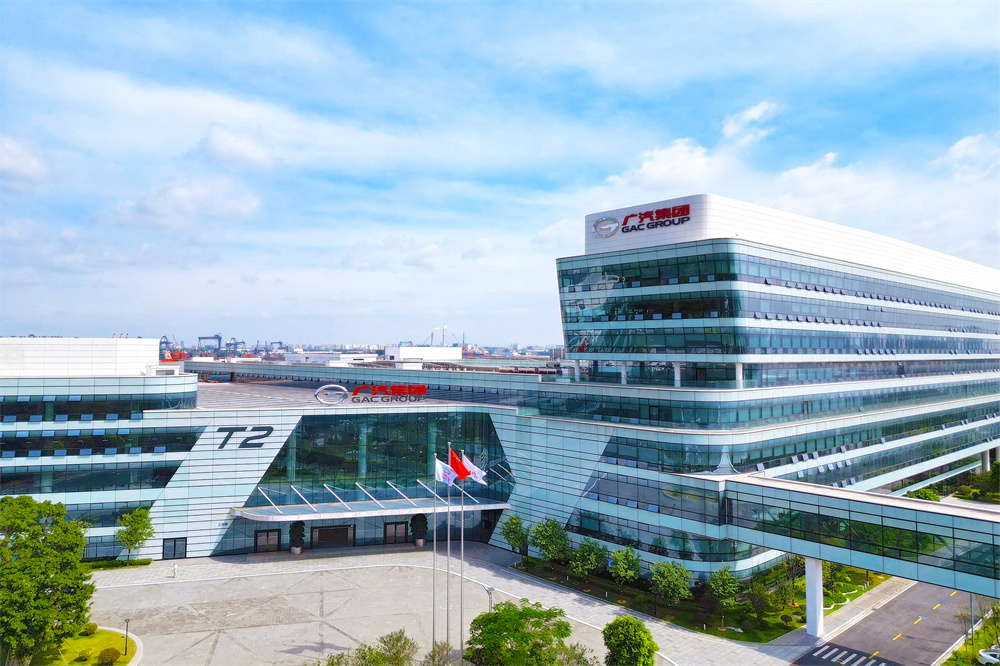
Core Insights - GAC Group's newly established Trumpchi Business Unit (BU) reported a year-on-year sales increase of 51.06% in January 2026, indicating a strong market performance following its formation [2] - The establishment of the Trumpchi BU is part of GAC Group's broader strategy to enhance its autonomous brand reform and adapt to market changes more effectively [3][4] Group 1: Organizational Evolution - The primary goal of establishing the Trumpchi BU is to improve decision-making efficiency, collaboration, and responsiveness to market changes by restructuring the organization [3] - The Trumpchi BU operates as a dedicated entity within GAC Group, integrating resources across the entire value chain to enhance operational efficiency and market responsiveness [4] - The leadership of the Trumpchi BU includes experienced executives from within GAC Group, aimed at reducing internal inefficiencies and enhancing overall operational effectiveness [7] Group 2: User-Centric Approach - The Trumpchi BU is focused on a user-centric strategy, aiming to streamline operations across research, manufacturing, and sales to better meet customer needs [6] - The organization has implemented significant changes in its management structure to ensure rapid and precise responses to market demands [7] Group 3: Strategic Goals and Future Plans - The strategic plan "Intelligent Towards 2030, Creating the Future" aims to establish Trumpchi as a leader in the mainstream automotive market by 2030, focusing on smart and electric vehicle technologies [9] - For 2026, the Trumpchi BU aims to achieve significant sales targets while enhancing user satisfaction and dealer profitability through technological advancements and product innovation [9][10] - The future competition in the automotive industry will hinge on the ability to adapt to changes, respond to diverse user needs, and integrate operations effectively across the value chain [10]


因为热爱,一起纵横,2026纵横家宴一场热爱与归属的双向奔赴
Jin Tou Wang· 2026-02-04 01:34
Core Viewpoint - The event "2026 Zongheng Family Feast" in Wuhu symbolizes the brand's commitment to building a community centered around user engagement, brand confidence, and ecological expansion, emphasizing a two-way relationship between Zongheng and its users [1][18]. Group 1: Brand Development and Achievements - 2025 marked a significant year for Zongheng with the official brand launch on January 22, the G700's participation in the Rally of the Silk Road on May 19, and its domestic and international market entries in October and November, respectively [4]. - The G700 achieved notable recognition through 12 unique brand events, including its international debut at the Burj Khalifa and various community engagement activities, showcasing Zongheng's commitment to global presence and social responsibility [4]. Group 2: User Engagement and Community Building - Zongheng emphasizes emotional connections with users, fostering brand loyalty through shared experiences and community events, including collective vehicle delivery ceremonies and outdoor adventures across various cities [10][8]. - The company has implemented the "Zongheng China Plan" and "Zongheng Ecological Customization" services, providing comprehensive support and personalized vehicle solutions to enhance user experience and satisfaction [12][10]. Group 3: Technological Commitment and Quality Assurance - Zongheng maintains a strong focus on technological innovation and quality control, ensuring that advanced engineering and rigorous production processes underpin the reliability of its products [7]. - User feedback highlights the tangible benefits of Zongheng's technological advancements, reinforcing brand confidence through visible quality and performance [7]. Group 4: Future Initiatives and Ecosystem Expansion - In 2026, Zongheng plans to deepen its core principles of "co-creation, scenarios, and value," aiming to build a vibrant brand ecosystem through user-centric activities and community engagement [15][17]. - The company will recruit "Zongheng Heroes" for social responsibility initiatives and create platforms for photography and creative expression, further enhancing user involvement and brand loyalty [15][17].

雷军直播间"护粉"又"护队":徐洁云致歉背后,是小米8个月舆情战
Sou Hu Cai Jing· 2026-01-07 23:52
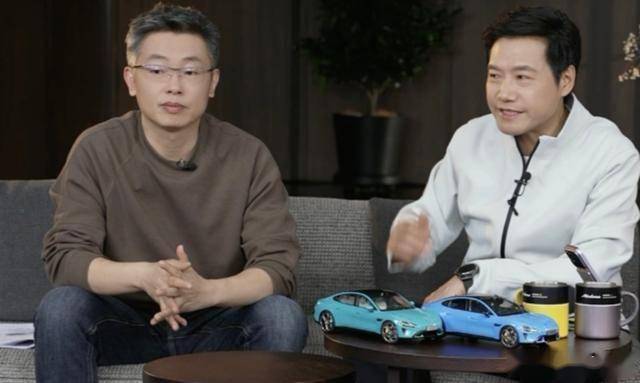
Core Viewpoint - Xiaomi faced a significant trust crisis among its fans due to a controversial collaboration with a KOL known for derogatory remarks about Xiaomi users, prompting a public apology and accountability measures from the company's leadership [1][3][5]. Group 1: Incident Overview - The incident was triggered by Xiaomi's plan to collaborate with a KOL who had previously made negative comments about Xiaomi users, leading to a backlash from fans who felt betrayed [3]. - Xiaomi's public relations team responded quickly, halting the collaboration and announcing disciplinary actions against involved personnel, including the dismissal of the responsible staff and penalties for senior management [5][9]. - The founder, Lei Jun, emphasized the importance of user respect and acknowledged the ongoing challenges faced by the PR team amid a series of negative public sentiments [5][10]. Group 2: Implications for the Company - The incident highlighted the need for careful vetting of KOL partnerships, focusing on value alignment rather than just traffic, revealing internal management oversights [10]. - Xiaomi's commitment to rectify the situation and maintain user trust was seen as a crucial step in rebuilding relationships with its fanbase [9][12]. - The company must continue to prioritize user satisfaction and improve both product quality and communication strategies to navigate the challenges in the new energy vehicle sector [12][13].

十载自研铸剑!零跑如何以中国智造改写全球车市格局?
Xin Lang Cai Jing· 2025-12-24 10:34
Core Insights - Leap Motor celebrates its 10th anniversary in December 2025, achieving nearly 600,000 annual sales and continuous quarterly profitability, marking its transformation from a newcomer to a leader in the electric vehicle market [1][24] - The company's journey reflects the broader shift of Chinese automotive brands from followers to leaders, emphasizing self-research, customer-centricity, and global expansion as key strategies [1][24] Group 1: Self-Research and Innovation - Leap Motor's decade-long journey symbolizes the commitment of Chinese brands to core technology independence, with founder Zhu Jiangming establishing a "full self-research" approach from the outset, covering 65% of vehicle costs through in-house development [3][26] - The company focuses on addressing user pain points, such as winter driving challenges in northern China, by implementing cold-resistant sealing strips and intelligent temperature control systems [5][28] - Self-research has led to cost advantages, allowing Leap Motor to pass on 10% gross margin savings to consumers while maintaining a healthy gross margin of 14%-15% on vehicles [7][30] Group 2: Customer-Centric Approach - Leap Motor adopts a "good but not expensive" philosophy, prioritizing product quality and user experience over short-term marketing gimmicks, which has helped it maintain the top position in new energy vehicle deliveries for eight consecutive months [10][32] - The product lineup effectively meets consumer needs, with models like the T03, C11, B10, B01, and Lafa5 addressing various market segments, achieving significant sales milestones [11][34] - The service system is designed around user needs, simplifying domestic channels and leveraging Stellantis' network for overseas operations, enhancing customer trust through comprehensive service offerings [13][36] Group 3: Global Expansion - Leap Motor's globalization accelerates as it expands into 35 countries, achieving 60,000 overseas deliveries and setting a new benchmark for Chinese automotive exports [14][35] - The company collaborates with Stellantis to penetrate key markets in Europe and South America, with plans for extensive dealership networks in Brazil and Chile [16][39] - Leap Motor's success abroad is supported by the overall growth of the Chinese automotive industry, which now holds a 38% global market share, showcasing the brand's ability to compete internationally [18][42] Group 4: Future Vision and Goals - Looking ahead, Leap Motor aims to become a world-class automotive company focused on sustainable development, with a sales target of 1 million vehicles by 2026 and a commitment to continuous innovation and quality [17][44] - The company emphasizes the importance of maintaining an agile organization while deepening its self-research efforts and enhancing product quality to meet global standards [19][44] - Leap Motor's growth story is a testament to the transformation of the Chinese automotive industry, which has evolved from catching up to leading in the electric vehicle sector [22][46]
乌镇夜话:李书福为什么强调“元动力”
Zhong Guo Jing Ji Wang· 2025-11-11 14:10
Core Viewpoint - Geely Holding Group's Chairman Li Shufu emphasized the company's core values of "User First, Strategic Leadership, and Source of Motivation" during the World Internet Conference, highlighting the importance of user-centric strategies and internal motivation for employees [1][2]. Group 1: Company Values and Strategy - The core values of Geely are articulated as "User First, Strategic Leadership, and Source of Motivation," which reflect the company's commitment to prioritizing user needs and aligning strategies accordingly [1]. - Li Shufu humorously noted that Geely's user base is the reason for his presence on stage, reinforcing that the company's operations are fundamentally driven by user satisfaction [1]. - Geely's strategic framework, exemplified by the recent "Taizhou Declaration," consists of five strategic pillars aimed at ensuring user-centricity [1]. Group 2: Employee Engagement and Motivation - Li Shufu defined "Source of Motivation" as the enthusiasm and commitment of employees to execute the company's strategies and understand the principle of user-first [2]. - The company provides extensive benefits beyond the standard social insurance, including insurance for employees' family members and special provisions for employees' children, demonstrating a commitment to employee welfare [2]. - A culture of respect and honesty is essential for fostering employee loyalty and motivation, as employees are perceptive and will evaluate the company's integrity [2]. Group 3: Cultural Integrity and Employee Relations - Li Shufu shared a historical example of maintaining cultural integrity by prohibiting the use of "water armies" (fake reviews), emphasizing the importance of trust in corporate culture [3]. - The concept of "Source of Motivation" was further illustrated through a story about addressing employee grievances rather than resorting to punitive measures, highlighting the need for understanding and respect [3][4]. - The transition from punitive actions to dialogue with employees led to improved morale and productivity, establishing a foundation for Geely's growth as a leading automotive company in China [4].

明白套餐无需套路
Jing Ji Ri Bao· 2025-11-10 22:20
Group 1 - The core issue highlighted is the complexity and hidden terms in telecom operators' service plans, which mislead consumers and infringe on their rights [1] - Telecom operators are accused of creating information asymmetry to shift business risks onto consumers, violating their right to know and fair trading [1] - Regulatory bodies have initiated multiple corrective actions, including the "Clear and Reassuring Use" campaign launched by the Ministry of Industry and Information Technology in April, aimed at addressing industry pain points [1] Group 2 - Operators are encouraged to provide high-quality services to achieve a win-win situation in economic and social benefits, despite facing operational pressures due to intensified competition and cost reductions [2] - The long-term strategy for operators should focus on integrity and customer-centric practices, as short-term gains from misleading practices can damage corporate reputation [2] - As of the end of 2024, the mobile phone user base in China is projected to reach 1.79 billion, with 5G users at 1.014 billion, indicating significant market opportunities for honest business practices [2]
对用户,张兴海总是多做一步
Xin Lang Cai Jing· 2025-09-30 10:20
Core Insights - The article emphasizes the importance of user engagement and trust in the automotive industry, particularly through the practices of Seres Group and its founder Zhang Xinghai, who personally delivers vehicles to customers to strengthen brand relationships [1][10] Group 1: User-Centric Delivery and Experience - Seres Group has introduced a unique "user approval before delivery" model, allowing customers to participate in the final inspection and testing of their vehicles, enhancing their confidence in the brand [1] - Zhang Xinghai has personally delivered vehicles to customers nine times this year, highlighting the company's commitment to building trust and relationships with users [1] Group 2: Feedback Mechanisms and R&D Integration - The company has established an efficient feedback mechanism through various channels, including an official app, community events, and a service hotline, to ensure user feedback is integrated into research and development [4][6] - Zhang Xinghai actively collects user opinions through face-to-face interactions across different regions, which serve as valuable input for product development [2][4] Group 3: Commitment to Quality and Safety - To address user concerns about vehicle range and safety, Zhang Xinghai led extensive cold-weather testing in extreme conditions, involving over 200 test vehicles and 400 engineers, ensuring reliability far beyond industry standards [6] - The company has committed to continuous improvement, providing OTA updates for older models, ensuring that luxury experiences remain relevant over time [7][10] Group 4: Comprehensive Service and Support - Seres Group has developed a robust service network with over 5,400 rescue service providers and 20,000 certified technicians available 24/7, demonstrating a commitment to customer support in remote areas [8] - The company has successfully executed rescue operations in challenging environments, showcasing its dedication to customer service and safety [7][8] Group 5: Brand Philosophy and Trust - Zhang Xinghai's philosophy centers on exceeding user expectations and fostering trust, with the belief that luxury is defined by the understanding and care shown to customers [10] - The brand's approach to service and user engagement has positioned it as a reliable choice in the automotive market, emphasizing the importance of trust in building customer loyalty [10]

五年“健康守护日”IP沉淀 顶固以品质与温度穿越行业周期
Huan Qiu Wang· 2025-09-26 12:20
Core Viewpoint - The company emphasizes long-term value creation over short-term marketing gimmicks, focusing on quality and health as its dual engines for growth [1][3][10] Internal Development - The concept of health at the company transcends product safety, evolving into a comprehensive "health view" that encompasses mindset, strategy, and channels, reflecting a commitment to long-termism [3][5] - Initiatives like the "World Health Guardian Day" encourage employee engagement in health-related activities, fostering team cohesion and extending the health philosophy to product development and manufacturing [3][5] External Growth - The company believes that healthy channels are vital for external growth, advocating for deep collaboration between manufacturers and distributors rather than mere control or dependency [5][7] - The chairman highlights the importance of a symbiotic relationship with distributors, focusing on shared growth and overcoming challenges together [7][9] Market Positioning - The company is committed to maintaining high quality rather than competing on price, using its established "World Health Guardian Day" as a platform to reinforce its brand identity [9][10] - By shifting from selling products to providing solutions, the company aims to enhance user experience and build trust among consumers [7][10]
直击车展|奇瑞汽车李学用:中国车企听劝,对情绪价值的研究要超过很多国际品牌
Xin Lang Ke Ji· 2025-08-29 07:26
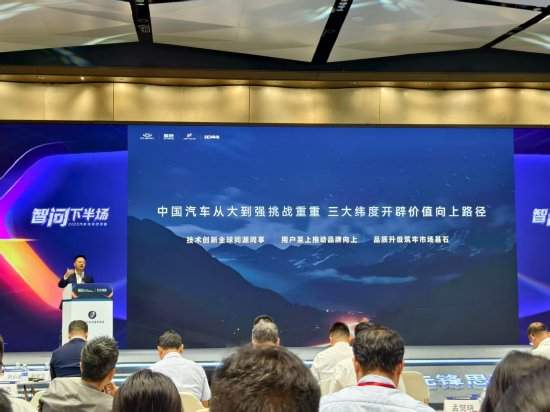
Core Insights - The Chinese automotive industry is positioned to reshape the global market, with a significant market share and technological advancements driving this transformation [2] - In 2024, China's total automotive sales are projected to reach 31.436 million units, accounting for 34.7% of the global market share, while the share of new energy passenger vehicles is expected to be 70.4% [2] - The industry is focusing on value creation rather than just price competition, emphasizing technological innovation, user-centric branding, and quality upgrades as key strategies for sustainable growth [2] Market Position - China is becoming a major player in the global automotive market, with its sales growth being a crucial driver for global automotive volume [2] - The country is not only exporting products but also establishing manufacturing facilities abroad, contributing to a broader cultural and technological influence [2] Technological Leadership - Chinese automotive companies are leading in technology, particularly in hybrid technology and battery advantages, which are setting new global industry standards [2] - The focus on emotional value research is seen as a competitive edge over many international brands [2] Future Challenges - The transition from a large automotive market to a strong one presents challenges, with a call for companies to prioritize value and quality over mere price competition [2] - The industry is encouraged to innovate and share technology globally while enhancing user experience and brand reputation [2]
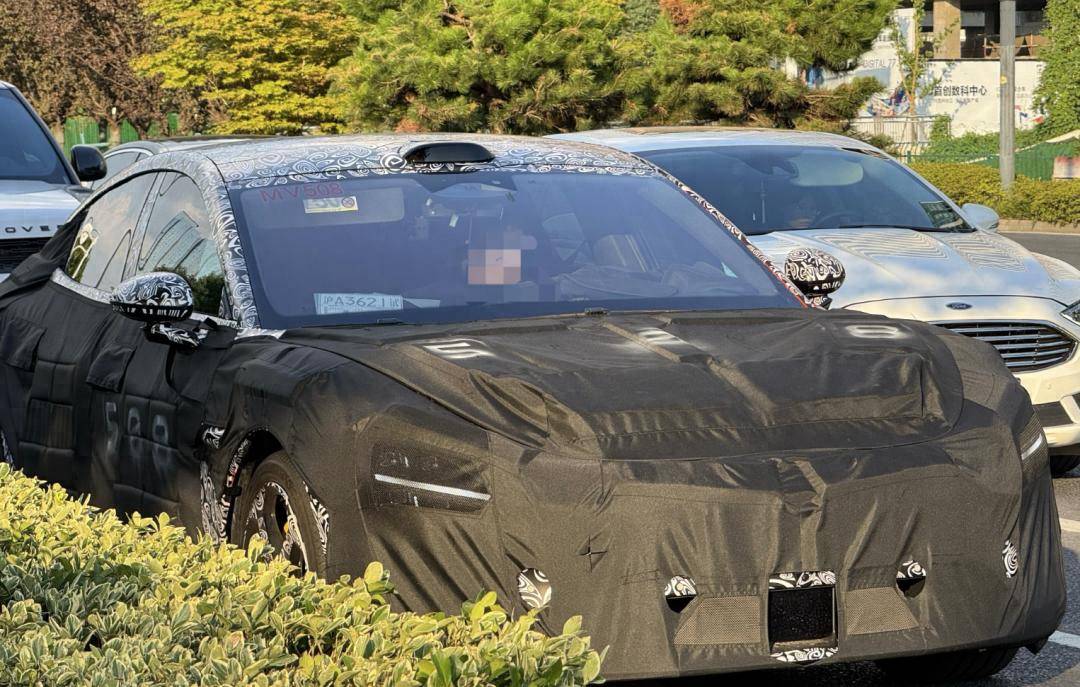
小米SU7L伪装路测曝光:轴距加长,空间大升级!雷军终于“听劝”
Sou Hu Cai Jing· 2025-08-26 05:10
Core Insights - Xiaomi's SU7 L, an extended version of its first electric sedan, has been spotted undergoing road tests, generating significant online buzz. The vehicle features a notably lengthened wheelbase, addressing user concerns about rear space, thus reinforcing Xiaomi's commitment to a "user-first" brand philosophy [1][3][5]. Design and User Feedback - The new design of the SU7 L includes a longer silhouette and extended rear doors, improving visual flow and internal space. This change reflects Xiaomi's responsiveness to user feedback, particularly regarding the practicality of the current SU7 model, which has been criticized for its rear space limitations [3][5]. - The rear legroom in the SU7 L has reportedly reached a level comparable to mid-to-large sedans like the BMW 5 Series or NIO ET7, significantly enhancing comfort for taller passengers. Adjustments to the second-row seatback angle further improve seating posture, reducing fatigue during long journeys [5]. Market Positioning and Strategy - The SU7 L is expected to officially debut by the end of the year, with rear space being a key selling point. Xiaomi is accelerating its entry into the mid-to-high-end electric vehicle market, with the extended wheelbase potentially indicating larger battery capacity and improved range, positioning it against competitors like XPeng P7 [7]. - This upgrade reflects Xiaomi's pragmatic approach in a highly homogeneous electric vehicle market, where comfort is becoming a crucial differentiator. If priced competitively, the SU7 L could attract family users and help Xiaomi transition from a "tech enthusiast" brand to a "mainstream comfort choice," revitalizing the electric vehicle market by 2025 [7].