货币政策宽松预期

Search documents
【公募基金】局势不明,继续防御——公募基金指数跟踪周报(2026.03.23-2026.03.27)
华宝财富魔方· 2026-03-30 09:29
Investment Insights - The article discusses the current volatility in the financial markets due to geopolitical tensions, particularly the ongoing conflict involving Iran and the U.S., which is expected to lead to fluctuations in market conditions until at least April 6 [1][5] - Asian countries are gradually receiving permission for their vessels to pass through the Strait of Hormuz, leading to a decrease in oil prices from a peak of $170 to around $120, which may reduce the direct economic impact on Asia [5] - The article suggests focusing on three main investment themes: sectors benefiting from domestic policy support and upward industrial cycles, long-term growth sectors with relatively low valuations in technology, and undervalued sectors such as coal, chemicals, and finance [1][5] Equity Market Review - The A-share market faced short-term pressure due to external disturbances, with the Shanghai Composite Index briefly falling below 3,800 points, but showed resilience as market sentiment improved later in the week [4] - Average daily trading volume in the A-share market was 21,093 billion, reflecting a decrease compared to the previous week [4] - Key sectors that performed well included basic chemicals, non-ferrous metals, public utilities, and biopharmaceuticals, driven by improvements in fundamentals and external events [4][5] Fixed Income Market Review - The bond market experienced a corrective phase, with 1-year government bond yields decreasing by 0.50 basis points to 1.25%, 10-year yields down by 1.27 basis points to 1.82%, and 30-year yields down by 3.84 basis points to 2.35% [2][6] - The bond market's safe-haven appeal has gained traction amid ongoing geopolitical tensions and high oil prices, leading to a slight recovery in investor sentiment [6] - The article notes that the expectation of continued loose domestic monetary policy remains, with increasing market interest in whether the reserve requirement ratio will breach the 5% lower limit [2][6] U.S. Treasury Market Insights - The U.S. Treasury yield curve steepened, with the 10-year yield rising by 5 basis points to 4.44%, while the 1-year yield fell by 3 basis points to 3.77% [7] - Market focus remains on the Middle East conflict, with traders growing weary of the ongoing situation and increasing risk aversion, leading to expectations of potential interest rate hikes within 2026 [7] REITs Performance - The China Securities REITs total return index fell by 0.83% to 1,013.34 points, with declines in sectors such as warehousing and logistics [7]


铜月报(2026 年1月)-20260130
Zhong Hang Qi Huo· 2026-01-30 12:58
Report Industry Investment Rating - Not provided in the content Core Viewpoints - In January 2026, copper prices showed significant volatility and a generally strong performance. The price increase was driven by multiple factors including macro - liquidity expectations, supply constraints at the mine end, and positive future demand prospects. The market has entered a stage dominated by strong expectations. However, the risk of overheating in the market is accumulating, and sharp fluctuations due to a rapid reversal of sentiment should be highly vigilant. It is recommended to take a bullish approach on dips [7][8]. Summary by Directory 1. Market Review - In January, copper prices were generally strong. At the beginning of the month, prices rose rapidly, reaching 105,320 yuan on January 6th, then entered a high - level consolidation phase. On January 23rd, the upward trend resumed, and on January 29th, the main contract of Shanghai copper (2603) once broke through the 110,000 yuan/ton mark [9][10]. 2. Macro - economic Analysis 2.1 United States - The US economic data is mixed. In December 2025, the seasonally - adjusted non - farm payrolls increased by 50,000, lower than the expected 60,000 and the previous value of 64,000. The unemployment rate in December was 4.4%, slightly lower than the market expectation of 4.5%. The third - quarter GDP in 2025 had an annualized quarter - on - quarter growth of 4.4%, higher than the initial value. The core PCE price index in November increased by 2.8% year - on - year and 0.2% month - on - month, both in line with expectations. The number of initial jobless claims last week was 200,000, lower than the expected 210,000 [13]. - The Federal Reserve kept the benchmark interest rate unchanged at 3.50% - 3.75%. After three consecutive 25 - basis - point interest rate cuts, it paused its actions, which was in line with market expectations. Fed Chair Powell's term ends on May 15th, and the new chair is expected to be either Reed or Walsh. It is anticipated that they will follow Trump's idea of significant monetary easing and continuous interest rate cuts, and another interest rate cut cycle may come in the second half of 2026, which may drive a new round of increases in non - ferrous metals [13]. - Since the New Year's Day, frequent geopolitical events led by the US, such as military actions against Venezuela, tense situation in Iran, and the Greenland issue, have reduced market risk appetite and exerted downward pressure on copper prices. These events have entered a more complex stage, and the future US national security strategy may lead to more geopolitical contradictions and risks [15][16]. 2.2 China - China's central bank maintained the one - year and five - year loan prime rates (LPR) at 3% and 3.5% respectively for eight consecutive months. In 2025, China's GDP increased by 5% year - on - year, reaching 140.19 trillion yuan. The central bank governor stated that in 2026, China would continue to implement a moderately loose monetary policy, with room for reserve requirement ratio cuts and interest rate cuts. The first batch of 936 billion yuan in ultra - long - term special treasury bonds has been issued to support equipment renewal projects, which are expected to drive total investment of over 4600 billion yuan [20]. 3. Fundamental Analysis 3.1 Supply - At the beginning of 2026, the global copper mine supply remained fragile. Labor disputes at the Mantoverde copper - gold mine in northern Chile have not been fully resolved, and Southern Copper has lowered its 2026 production target due to declining ore grades in Peruvian mines. In addition, the supply chain in some African regions has been affected by geopolitical situations, and the output of large mines such as Grasberg in Indonesia is still restricted by previous accidents. These factors have strengthened the market's long - term expectation of tight raw material supply [22]. - As of January 28th, the spot processing fee for copper concentrates was - 50.2 US dollars/ton, remaining in a deep negative range. The China Smelters Purchase Team (CSPT) has effectively abandoned the quarterly guidance price setting, reflecting the extreme shortage of copper concentrate supply. The extremely low processing fees are driving substantial adjustments in the industry, with major smelting enterprises' joint production cuts moving from proposals to implementation. The supply of scrap copper is also temporarily tight due to import policy and tax adjustments, which has further exacerbated the structural pressure on raw material sources at the smelting end [25]. 3.2 Inventory - Domestic copper inventories have been continuously increasing, and COMEX copper inventories have also been piling up. As of January 23rd, the copper inventory on the Shanghai Futures Exchange was 225,900 tons, with a cumulative increase of over 50% since the beginning of the year. As of January 28th, the COMEX copper inventory was 572,300 tons, still at a historical high. The domestic social inventory is at a high level, indicating that downstream acceptance of high copper prices is limited [28]. 3.3 Production - In December 2025, China's refined copper (electrolytic copper) production was 1.326 million tons, a year - on - year increase of 9.1%. The cumulative production from January to December was 14.72 million tons, a year - on - year increase of 10.4%. In January 2026, 5 smelters had maintenance plans, involving a rough - smelting capacity of 1.05 million tons, with an expected impact of about 19,000 tons. Only one of the two smelters originally planned to start production in January was able to do so on time, and the other was postponed to the end of March or early April [31]. 3.4 Import - In December 2025, China's scrap copper imports were 239,000 tons, a month - on - month increase of 14.81% and a year - on - year increase of 9.90%, reaching a new monthly high for the year. Asian countries remained the main suppliers, with Japan still at the top, Thailand's supply increasing month - on - month, and South Korea's supply decreasing significantly. Smelters have strengthened their procurement of scrap copper due to the tight supply of copper mines [34]. 3.5 Downstream Consumption - In December 2025, the production of domestic refined copper rods was 687,400 tons, a month - on - month decrease of 16.61%. The production capacity utilization rate was 51.10%, a month - on - month decrease of 12.22% and a year - on - year decrease of 15.06%. In January 2026, the production of refined copper rods was expected to be 755,900 tons, a month - on - month increase of 9.97%. The production capacity utilization rate was 53.97%, a month - on - month increase of 2.88% and a year - on - year increase of 5.46%. However, due to the extreme copper price movement in January, the overall increase in production was limited [39]. - In 2025, China's automobile production and sales both exceeded 34 million units, reaching a new historical high. New energy vehicle production and sales both exceeded 16 million units, accounting for over 50% of domestic new car sales. In December 2025, the newly - installed photovoltaic capacity decreased significantly, with a year - on - year decrease of 43.3% [46].

【热点追踪】美国再添一把火 黄金6000不是梦
Sou Hu Cai Jing· 2026-01-27 09:46
Core Viewpoint - Gold has maintained a strong upward trend entering 2026, with a maximum increase of over 16% year-to-date, making it one of the most lucrative assets. The price of gold has surpassed the $5,000 mark, driven primarily by U.S. factors such as expectations of monetary policy easing, increasing fiscal stimulus, rising debt risks, and heightened global risk aversion due to geopolitical strategies [1]. Group 1: Monetary Policy and Economic Indicators - Expectations for monetary policy easing in the U.S. have become a clear main theme, with a weak labor market and declining consumer confidence index contributing to rising market expectations for interest rate cuts by the Federal Reserve [3]. - The actual yield on 10-year U.S. Treasury bonds is projected to drop from 2.5% in 2024 to 1.2% by the end of 2025, with the market anticipating 2 to 7 rate cuts in 2026 [3]. - A decrease in actual interest rates directly lowers the holding costs of gold, with data indicating that a 1 percentage point drop in actual rates could raise gold prices by approximately 15% to 20% [3]. Group 2: Fiscal Expansion and Debt Risks - The U.S. federal debt has exceeded $38 trillion, with the fiscal deficit expected to surpass $2 trillion in 2026, and interest payments on debt now account for 6% of GDP [3]. - The weakening of the dollar's credit due to fiscal expansion and debt risks creates a negative correlation with gold prices, as the dollar index has fallen below 100, with potential further declines below 95 that could push gold prices up by 25% to 30% [3]. Group 3: Geopolitical Factors - Recent U.S. military actions, particularly against Venezuela, have sparked increased market demand for gold due to concerns over regional instability and global energy supply [5]. - The military strategies against Iran may lead to further turmoil in the Middle East, potentially resulting in a global economic crisis and tightening energy supplies [5]. - Analysts suggest that U.S. military actions may aim to repair the fractures in the petrodollar system, with the potential for further weakening of U.S. dollar dominance if these efforts fail [5]. Group 4: Price Projections - In the short term, gold is projected to have the potential to reach $5,300, while in the medium term, it may approach the $6,000 mark [5].

黄金又跌价了,26年1月21日金条降价,国内黄金、金条新价格
Sou Hu Cai Jing· 2026-01-23 22:24
Core Viewpoint - The gold market is experiencing a divergence between trading volatility and stable retail prices, with a notable decline in domestic gold consumption and a shift in consumer behavior towards lower-cost options [1][2]. Group 1: Domestic Gold Price Trends - As of January 21, 2026, international gold prices are at $4,673.5 per ounce, while domestic benchmark gold prices fluctuate around 1,046-1,048 yuan per gram, with retail prices for 999 gold remaining firm between 1,400-1,456 yuan per gram [1]. - Major brands like Chow Tai Fook and Lao Feng Xiang are quoting gold prices between 1,450-1,456 yuan per gram, indicating a significant drop from previous highs, while platinum remains at a high of 940 yuan per gram [1]. - Consumer sentiment is cautious, leading to a notable decrease in market transactions as brands increase promotional efforts [1]. Group 2: Consumption Decline - Data from the China Gold Association shows that domestic gold consumption fell by 7.95% year-on-year in the first three quarters of 2025, with gold jewelry consumption plummeting by 32.50% due to high gold prices impacting traditional jewelry purchases [2]. - Retail feedback from cities like Nanjing and Wuhan indicates a more than 30% drop in foot traffic compared to periods of lower gold prices, with brands exploring trade-in options to stimulate sales [2]. Group 3: Price Disparities in the Gold Market - The gold market exhibits significant price stratification, with retail prices for gold jewelry exceeding raw material prices by over 400 yuan per gram, leading to premium rates above 40% for brands like Chow Tai Fook and Lao Feng Xiang [3]. - There is a price gap among brands for similar quality gold products, with prices ranging from 1,410 yuan per gram for brands like Caibai and China Gold to 1,455-1,456 yuan per gram for Chow Tai Fook and Chow Sang Sang, resulting in a price difference of 46 yuan per gram [4]. - Investment-grade gold bars are priced around 1,049-1,050 yuan per gram, while gold jewelry buyback prices are only 1,030-1,040 yuan per gram, indicating a consumption loss of over 400 yuan per gram [5]. Group 4: Factors Driving Gold Price Increases - The recent rise in gold prices is attributed to three main factors: geopolitical risks, weakening dollar credibility, and expectations of loose monetary policy [6][7][8]. - The ongoing Middle East conflicts and instability in South America are driving funds into gold as a safe asset [6]. - The U.S. federal debt surpassing $38 trillion and policy disagreements are diminishing the dollar's attractiveness [7]. - Market expectations of two interest rate cuts by the Federal Reserve in 2026 are favorable for non-yielding assets like gold, with central banks globally increasing gold purchases [8]. Group 5: Consumer Behavior and Brand Strategies - In response to weak consumer demand, brands are adjusting their product offerings, focusing on lightweight designs and cross-category products that combine gold with other materials [9]. - Collaborations with popular IPs to create "fixed-price" products are being employed to emphasize craftsmanship over weight, significantly improving profit margins [10]. - Brands are enhancing digital marketing efforts, utilizing live streaming to showcase traditional gold craftsmanship and attract younger consumers [10]. Group 6: Industry Recommendations - Industry analysts suggest improving profitability through increased brand usage fees, optimizing supply chain efficiency, and enhancing premium design, with potential gross margin improvements of up to 15% per gram [11]. - Short-term traders are advised to focus on gold ETFs and futures while managing positions to mitigate volatility risks [13]. - Long-term investors should prioritize low-premium products like bank gold bars and panda coins to avoid consumption losses associated with jewelry [14]. - Conservative investors may consider gold-themed funds for liquidity and risk mitigation, as current gold prices are at historical highs, with potential for significant corrections [15].

宝城期货国债期货早报(2026年1月15日)-20260115
Bao Cheng Qi Huo· 2026-01-15 01:58
Group 1: Report Industry Investment Rating - Not provided Group 2: Core Viewpoints of the Report - The short - term probability of interest rate cuts is low, but there are still long - term easing expectations. The TL2603 variety is expected to be in a state of shock consolidation in the short, medium and intraday terms, with a weak intraday trend [1][5]. - The intraday view of financial futures in the stock index sector is weak, the medium - term view is shock, and the overall reference view is shock consolidation. The short - term upward and downward momentum of Treasury bond futures is limited, and they will mainly be in shock consolidation [5]. Group 3: Summary by Related Catalogs Variety Viewpoint Reference - Financial Futures Stock Index Sector - For the TL2603 variety, the short - term view is shock, the medium - term view is shock, the intraday view is weak, and the overall view is shock consolidation. The core logic is that the short - term probability of interest rate cuts is low, while long - term easing expectations remain [1]. Main Variety Price Market Driving Logic - Financial Futures Stock Index Sector - The intraday view of varieties TL, T, TF, TS is weak, the medium - term view is shock, and the reference view is shock consolidation. The core logic is that Treasury bond futures oscillated and consolidated yesterday. Afternoon stock market decline increased the demand for Treasury bond hedging, but the market is not panicked in the short term. The upward and downward momentum of Treasury bond futures is limited. On one hand, due to insufficient domestic demand, there is an expectation of policy interest rate cuts, so the downward momentum is insufficient. On the other hand, the strong performance of December's macro - economic data reduces the urgency of short - term interest rate cuts, so the upward momentum is insufficient [5].
现货黄金突破4600美元创历史新高,白银涨至86美元
Sou Hu Cai Jing· 2026-01-13 00:41
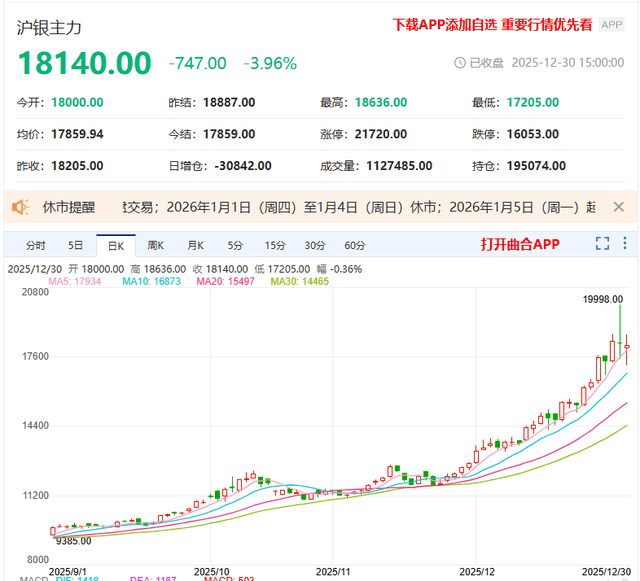
Price Dynamics and Market Response - Spot gold prices surpassed $4600 per ounce for the first time, reaching a peak of $4630, marking a historical high, with a daily increase of over 2% and a monthly rise of $280 [1] - Spot silver prices increased by over 5%, crossing $86 per ounce, while the main Shanghai silver futures contract surged by 14.42%, exceeding 20998 yuan per kilogram [1] - Domestic retail market saw brand gold jewelry prices jump by 19-22 yuan per gram, with major brands like Chow Tai Fook and Lao Feng Xiang quoting prices at 1429 yuan per gram, leading to a doubling of the total price of a 60-gram gold bracelet to over 80,000 yuan since the beginning of the year [1] Core Drivers of Price Increase - Expectations of loose monetary policy due to weak U.S. non-farm payroll data, with the market betting on over 75 basis points of cumulative rate cuts by the Federal Reserve in 2026, causing the U.S. dollar index to drop to a three-year low, thus reducing the holding cost of non-yielding assets [3] - Geopolitical risks, including U.S. military actions in Venezuela and escalating conflicts in the Middle East, alongside global central banks increasing gold holdings for 14 consecutive months, with net purchases of 634 tons in the first three quarters of 2025, driving safe-haven investments [4] Silver Demand and Supply Dynamics - Explosive growth in industrial demand for silver, particularly from photovoltaic installations (accounting for 55% of silver demand), electric vehicles (with silver usage per vehicle being seven times that of gasoline vehicles), and surging demand for AI servers [5] - Silver inventory depletion, with London deliverable stocks at a ten-year low of only 233 tons, leading to spot premiums soaring to 7%-8% [6] Market Divergence and Risk Indicators - Divergent market views with bullish perspectives citing industrial demand, central bank purchases, and a weakening dollar, while cautious views highlight severe overbought conditions, with silver's RSI reaching 93.86, the highest since 1980, prompting warnings of potential short-term corrections to $4280-$4300 [7][8] - Technical indicators suggest a bubble in gold with an RSI exceeding 85, and silver's volatility being three times that of gold, historically associated with significant corrections [8] Practical Strategy Recommendations - For consumers, prioritize bank gold bars (premium ≤ 5%) or gold accumulation plans, and consider processing through Shenzhen's water bay market to avoid high premiums on branded jewelry [10] - For investors, maintain a position management strategy with a maximum allocation of 10% of liquid assets, favoring gold ETFs with fees below 0.5% over leveraged trading, and implement strict stop-loss measures for silver investments [11] - Timing recommendations suggest entering gold positions if prices dip below $4500 and identifying support for silver in the $74-$75 range [12] Long-term Investment Logic - Gold is viewed as an asset "ballast," with strategic value in hedging sovereign credit risks, rather than a short-term speculative tool, emphasizing adherence to the "three no principles": no betting on trends, no leverage, and no risking personal assets [13] Future Key Observation Points - Policy developments to watch include the Federal Reserve's March dot plot, progress on U.S. government shutdown, and signals of inflation data recovery [14] - Industry developments to monitor include advancements in photovoltaic silver substitution technologies and changes in exchange inventories, as continued declines may support precious metal prices [15]
【UNforex财经事件】宽松预期稳固叠加避险回流 金价站上4600美元
Sou Hu Cai Jing· 2026-01-12 03:54
Group 1 - The core viewpoint of the articles indicates that the recent surge in gold prices is driven by a combination of factors including cooling employment data, stable expectations for monetary easing, and rising geopolitical and policy uncertainties [1][2][3] - The U.S. labor market shows signs of cooling, with December's non-farm payrolls adding only about 50,000 jobs, significantly below market expectations, while the unemployment rate slightly decreased to 4.4% [1] - The market's overall judgment on monetary policy direction remains unchanged, with interest rate futures pricing in further easing, which supports gold prices by reducing the opportunity cost of holding gold [1][2] Group 2 - Geopolitical risks, particularly tensions in the Middle East and issues between the U.S. and Venezuela, have contributed to a premium on gold prices, as investors seek safe-haven assets [2] - The uncertainty surrounding the Federal Reserve's internal matters and the upcoming leadership transition has heightened market attention, leading to a reassessment of asset pricing and increasing gold's attractiveness [2] - Following the record high of gold prices, the market has entered a more cautious phase, with investors closely monitoring upcoming U.S. inflation data and Federal Reserve officials' statements to gauge potential changes in interest rate expectations [2][3]
黑色商品日报-20260107
Guang Da Qi Huo· 2026-01-07 02:48
1. Report's Investment Rating for the Industry - No investment rating for the industry is provided in the report. 2. Core Views of the Report - The report analyzes the performance and outlook of various black commodities on January 7, 2026. The overall view for most commodities is a range - bound trend, with steel expected to be weakly range - bound [1]. - Steel: The rebar futures showed a narrow - range oscillation. Although there is an expectation of monetary policy easing, the increase in production and the decline in terminal demand due to cold weather may lead to increased supply - demand pressure. The short - term rebar futures are likely to be weakly range - bound [1]. - Iron ore: The futures price rose. After the year - end shipping rush, the global shipping volume decreased significantly. With the planned blast furnace inspections in steel mills, the inventory at ports is increasing. The ore price is expected to be range - bound in the short term [1]. - Coking coal: The futures price increased. Some coal mines resumed production, increasing the supply. Steel mills have low profits and are resistant to high - priced coal. The short - term coking coal futures are expected to have wide - range fluctuations [1]. - Coke: The futures price went up. Most coke enterprises maintained their previous production levels, and the slowdown in the price decline of some raw coal types strengthened the support for coke prices. However, there is still an expectation of a fifth - round price cut. The short - term coke futures are expected to be in wide - range oscillation [1]. - Manganese silicon: The futures price strengthened in an oscillatory manner. The mainstream steel procurement has no new progress, and the manganese ore price is firm, providing cost support. The inventory is accumulating. The short - term price is expected to be range - bound [1]. - Ferrosilicon: The futures price rose significantly. There is news of an electricity price adjustment for restricted ferro - alloy enterprises in Shaanxi. The supply in December decreased slightly but remained high. During the steel procurement period, demand is supported. The inventory is still at a high level. The short - term upside space may be limited [3]. 3. Summary by Relevant Catalogs 3.1 Research Views | Commodity | Futures Price Movement | Spot Price Movement | Supply - Demand Situation | Outlook | | --- | --- | --- | --- | --- | | Steel (Rebar) | The rebar 2605 contract closed at 3111 yuan/ton, up 7 yuan/ton (0.23%) from the previous trading day, with an increase of 14,600 lots in positions | The spot price was basically stable, with the transaction volume remaining low. The price of Qian'an billets in Tangshan was flat at 2930 yuan/ton, and the price of Zhongtian rebar in the Hangzhou market was flat at 3200 yuan/ton. The national building materials trading volume was 96,600 tons | The production of hot metal and rebar increased. The latest weekly rebar production increased by 38,300 tons to 1.8822 million tons, rising for three consecutive weeks. Terminal demand declined with the drop in temperature | Weakly range - bound [1] | | Iron ore | The main contract i2605 closed at 801 yuan/ton, up 4 yuan/ton (0.5%) from the previous trading day, with a trading volume of 310,000 lots and an increase of 22,000 lots in positions | The spot prices of mainstream varieties at ports increased. For example, the 60.8% PB powder in Rizhao Port rose to 806 yuan/ton, up 4 yuan | After the year - end shipping rush, the shipping volumes from Australia, Brazil, and other countries decreased, and the global shipping volume declined significantly. Steel mills have blast furnace inspection plans, and the port inventory is accumulating | Range - bound [1] | | Coking coal | The coking coal 2605 contract closed at 1096 yuan/ton, up 15.5 yuan/ton (1.43%) from the previous trading day, with a decrease of 2636 lots in positions | The price of main coking coal in Shanxi Lvliang decreased by 40 yuan to 1410 yuan/ton. The price of Mongolian 5 raw coal at Ganqimaodu Port rose to 970 yuan/ton, up 10 yuan; the price of Mongolian 3 clean coal remained unchanged at 1045 yuan/ton | Some previously shut - down coal mines resumed production, increasing the supply. Steel mills have low profits and are resistant to high - priced coal, and there is an expectation of a fifth - round price cut for coke | Wide - range oscillation [1] | | Coke | The coke 2605 contract closed at 1655 yuan/ton, up 6.5 yuan/ton (0.39%) from the previous trading day, with an increase of 1564 lots in positions | The spot price at ports decreased. The price of quasi - first - grade metallurgical coke in Rizhao Port was 1420 yuan/ton, down 20 yuan | Most coke enterprises maintained their previous production levels, and the slowdown in the price decline of some raw coal types strengthened the support for coke prices. The blast furnace hot metal production of steel mills increased slightly, but it is the off - season for steel demand, and there is still an expectation of a fifth - round price cut | Wide - range oscillation [1] | | Manganese silicon | The main contract closed at 5918 yuan/ton, up 0.51% from the previous trading day, with an increase of 83 lots in positions to 269,600 lots | The northern factories' quotes for 6517 are mainly in the range of 5650 - 5700 yuan/ton, and the southern factories' quotes are generally in the range of 5750 - 5800 yuan/ton | The mainstream steel procurement has no new progress. The manganese ore price is firm. The inventory of 63 sample enterprises is still accumulating | Range - bound [1] | | Ferrosilicon | The main contract closed at 5776 yuan/ton, up 2.81% from the previous trading day, with an increase of 30,174 lots in positions to 257,500 lots | The ex - factory prices of ferrosilicon in major producing areas are in the range of 5200 - 5350 yuan/ton | There is news of an electricity price adjustment for restricted ferro - alloy enterprises in Shaanxi. The supply in December decreased slightly but remained high. During the steel procurement period, demand is supported, and the inventory of 60 sample enterprises is gradually decreasing but still at a high level | Limited upside space, range - bound [3] | 3.2 Daily Data Monitoring - The report provides data on contract spreads, basis, and spot prices for various commodities, including rebar, hot - rolled coil, iron ore, coke, coking coal, manganese silicon, and ferrosilicon, as well as profit and spread data such as rebar's盘面 profit, long - process profit, short - process profit, and various cross - commodity spreads [4]. 3.3 Chart Analysis - **3.3.1 Main Contract Prices**: The report presents historical price charts of the main contracts for rebar, hot - rolled coil, iron ore, coke, coking coal, manganese silicon, and ferrosilicon from 2021 to 2026 [6][7][11][14]. - **3.3.2 Main Contract Basis**: It shows historical basis charts for rebar, hot - rolled coil, iron ore, coke, coking coal, manganese silicon, and ferrosilicon from 2021 - 2026 [17][18][21][23]. - **3.3.3 Inter - period Contract Spreads**: The report provides historical spread charts for different contracts (e.g., 01 - 05, 05 - 10, etc.) of rebar, hot - rolled coil, iron ore, coke, coking coal, manganese silicon, and ferrosilicon [26][27][31][33][34][37][38]. - **3.3.4 Cross - commodity Contract Spreads**: It includes charts of cross - commodity spreads such as the spread between hot - rolled coil and rebar, the ratio of rebar to iron ore, the ratio of rebar to coke, etc., from 2021 - 2026 [43][46][47]. - **3.3.5 Rebar Profits**: The report shows historical charts of rebar's盘面 profit, long - process profit, and short - process profit from 2021 - 2026 [49][52]. 3.4 Black Research Team Members Introduction - The black research team of Everbright Futures includes Qiu Yuecheng, Zhang Xiaojin, Liu Xi, and Zhang Chunjie, each with rich experience and professional qualifications in the black commodity field [54][55].
香港第一金:注意本周时间表,黄金大涨后,1月8号-9号是两道“坎”
Sou Hu Cai Jing· 2026-01-06 08:21
Group 1 - The geopolitical actions of the U.S. towards Venezuela, including Switzerland's freezing of Maduro's assets, are creating a strong safe-haven demand for gold [2] - Federal Reserve officials are signaling concerns about unemployment rates, reinforcing market expectations for a loose monetary policy, which is favorable for gold [3] - Gold prices have strongly broken through key resistance levels, attracting trend-following buyers and pushing prices higher [4] Group 2 - From January 8 to 14, Bloomberg Commodity Index will undergo annual rebalancing, which may lead to passive selling of gold by funds tracking the index, creating short-term selling pressure [5] - The U.S. non-farm payroll data for December will be released on January 9, which could significantly disrupt Federal Reserve policy expectations and cause market volatility [5] Group 3 - The current strategy is to "follow the trend but not chase highs," utilizing opportunities to lock in profits or reduce positions while waiting for better entry points after risk events [6] - Key resistance levels are identified in the 4450-4550 range, particularly around the 4500 mark, which is a strong resistance area [6] - Primary support is near 4400, which is a previous breakout level [7] Group 4 - Key support is identified in the 4320-4350 range [8] - Trend support is in the 4150-4250 range, marking a critical point for risk management [9] - It is advised to consider partial position reduction to lock in profits when prices approach the 4450-4480 range, to mitigate potential volatility from the index rebalancing and non-farm data [9] Group 5 - Patience is recommended to wait for a pullback to the 4400-4100 range for light position building, with a stop loss at 4390 and targets set at 4450-4480-4500 [10] - Ideal entry points should be considered after observing market behavior around the key support levels of 4320-4350 or even 4200-4250 following the two risk events [10]
白银突然冲高跳水,华尔街老套路
Sou Hu Cai Jing· 2025-12-30 08:55
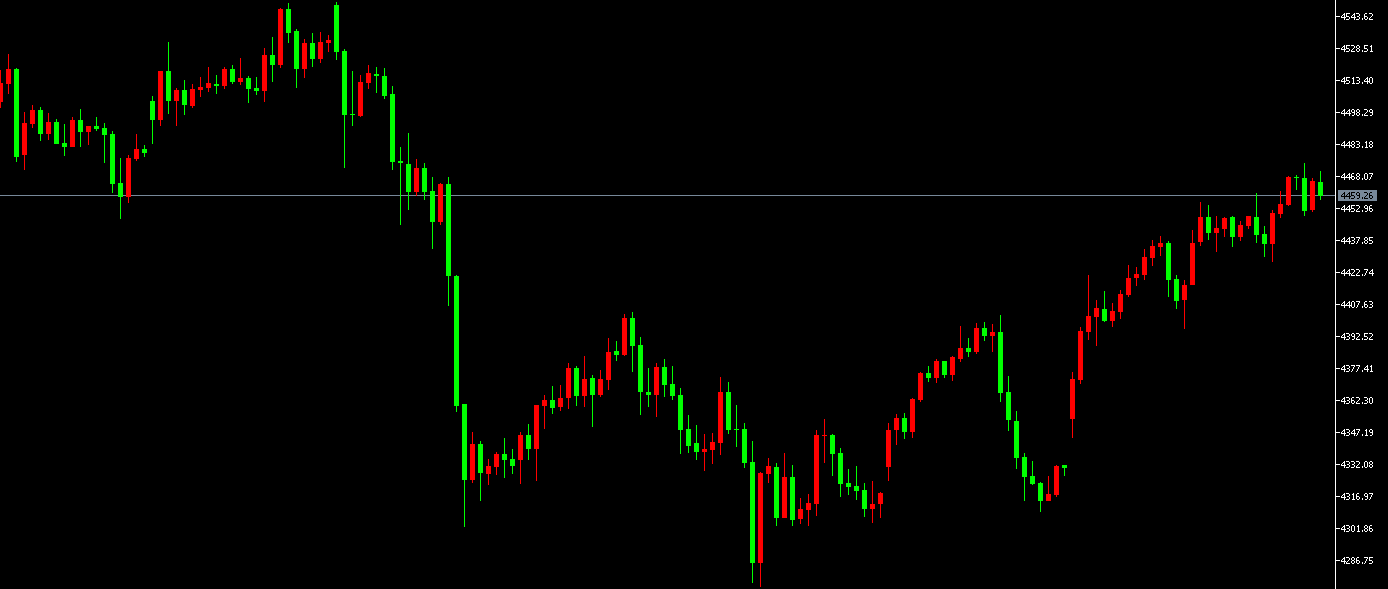
Group 1 - The article discusses a significant drop in silver prices, suggesting it was manipulated by Wall Street capital, which initially drove prices up before a sharp decline [1] - The Chicago Mercantile Exchange announced an increase in margin requirements for various metal futures, including silver, as a measure to "curb speculation and stabilize the market," which directly impacts the cost of purchasing contracts [1] - Historical patterns of manipulation by Wall Street are highlighted, including past instances where price surges were followed by regulatory measures that led to significant price drops, indicating a recurring strategy to attract retail investors before a market correction [2] Group 2 - Current economic conditions in the U.S. show structural disparities in the job market, but the overall risk of recession remains low, with the Federal Reserve exhibiting cautious attitudes towards inflation and employment targets [4] - Market expectations for monetary easing may rise due to comments from influential figures and concerns over the independence of the Federal Reserve, potentially impacting gold prices positively in the long term [4] - Short-term market dynamics may suppress gold price increases, with a need for further economic data and Federal Reserve statements to influence market sentiment and price movements [4]