
商场

Search documents
接待量、营收双增长,春节假期潍坊文旅市场“马力全开”
Qi Lu Wan Bao· 2026-02-24 10:01
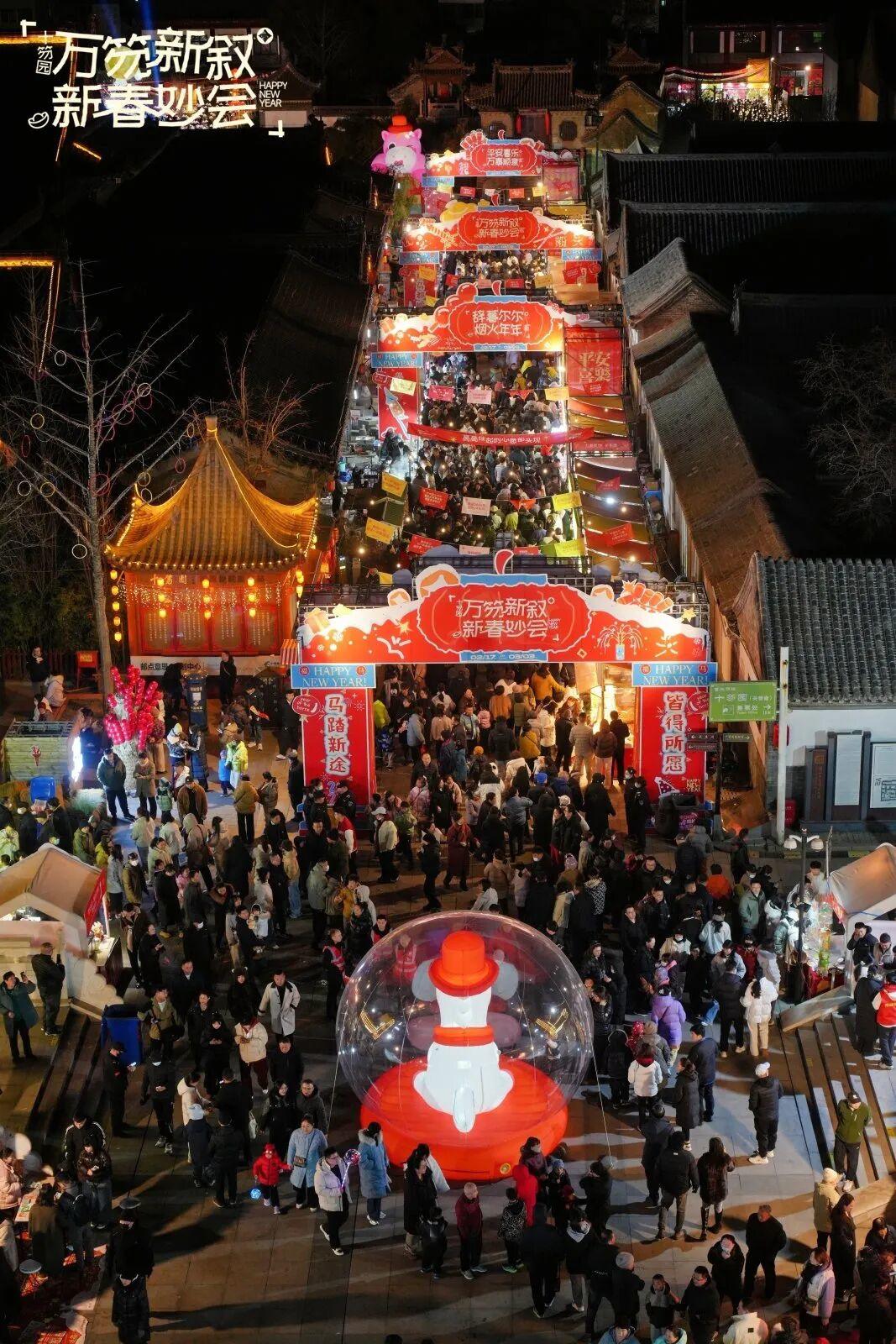
庙会灯会花样吸睛 杨家埠新春民俗灯会今年升级打造,马年主题花灯流光溢彩,千年绝技"打铁花"燃亮夜空,"嫦娥飞天"高空演绎如梦似幻,全天演出、互动巡游、花样美 食......营造了一场非遗与新春的盛宴。 这个春节,十笏园文化街区举办"万笏新叙新春妙会"主题活动,70+美食摊位、创意市集、主题展览、花灯场景、沉浸式歌舞演出、NPC互动巡游、马年 趣味游戏......园内人头攒动、欢声笑语不断,上演着一眼望不到头的火爆盛况。 马年春节,出游热、年味浓、人从众,潍坊文旅"马力全开"!春节假日期间,纳入全市监测直报的20家景区景点,共接待游客368.64万人次,同比增长 17.76%;实现营业收入2.06亿元,同比增长13.04%。纳入全市监测直报的9家旅游住宿设施,共接待游客10927人次,同比增长28.34%;实现营业收入 609.22万元,同比增长22.84%。这个"史上最长春节假期",潍坊全市66项年俗节庆活动、94项文艺演出、72项精品展览、26个冰雪项目、104项促消费活 动,丰富节日文化供给,扮靓春节假期,点燃新春文旅市场。 春节假期前六天,潍坊青州古城景区接待量上榜山东省前五,登上央视《朝闻天下》栏目。 ...

让长者出门在外有呵护
Bei Jing Wan Bao· 2026-02-13 06:47
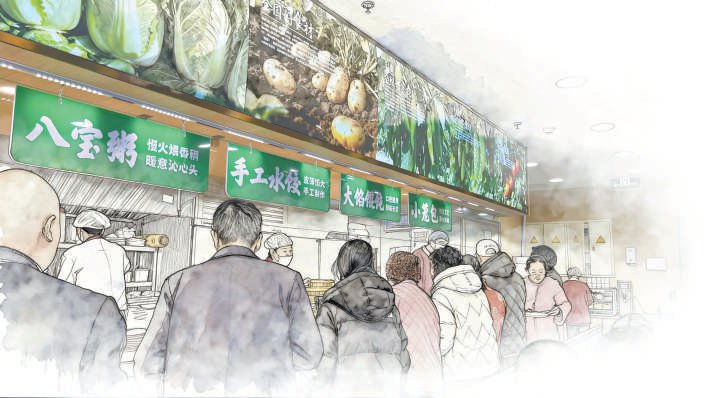
"世界那么大,我想去看看。"无论是风景名胜、大好河山,还是古都新貌、时尚街区,在新春佳节,想 出门看看的不仅是年轻人,还有很多老年人。 北京市的交通场站、公园、博物馆、购物中心,那些为老年人走出家门而准备的适老服务,是否已经安 排妥当、细致到位? 复兴商业城在适老服务上做出精细化工作。 北京西站设有爱心敬老"慢"窗口。 北京西站多项措施保证老年人出门畅行无忧。 畅行无忧 轮椅免费用 迷路有人管 处处有热水 冬日见温情 "小伙子,这儿有热水吗?"北海公园三清茶社,有老年游客手握保温杯进店询问。 "有,大爷,我给您接。"茶社负责人赵强上前一步接过大爷的保温杯,"咱北海公园里头,每个商户都 能接热水。" 春运期间,北京西站客流密集,对于不熟悉站内环境的老年旅客是不小的考验。在北京西站地下二层, 70多岁的秦先生刚从甘肃天水抵京,正带着孙子四处张望。第一次来京的他,因找不到与小女儿约定的 碰面地点,一时间手足无措。 不远处的旅客服务中心,身着"旅客身边人"马甲的志愿者留意到这一老一小后,主动上前询问,得知秦 老先生跟女儿约在了南广场,一边帮忙提行李,一边引领着祖孙俩与家人会合。秦先生说春节计划和小 女儿赴广州过年,于 ...
为市民采买年货保驾护航
Xin Lang Cai Jing· 2026-02-07 06:21
本报讯(记者吴娜)距春节还有一周,置办年货的市民日渐增多,市内一些大型商圈客流集中。交管部 门在部分商城周边增设交通岗,动态调配警力,保障市民出行安全顺畅。 在北门停车场入口处,车辆正缓慢驶入,"这个口比较窄,只要抬杆慢一点,车流瞬间就会排到辅路 上。"东城交通管理支队天坛大队政委姜小川介绍,春节前商城客流较日常显著增多,每天11时到下午 三四时为交通高峰,停车场进出口会排队。 针对节前交通压力,东城交警已联合商城物业推出一系列保障措施。机动车方面,商城腾出空间增设临 时停车位,加派停车管理人员疏导场内秩序,同时全开停车收费口,新增南侧两处进出通道,避免因收 费、找车位造成车流集中;非机动车管理上,商城周边划定专属停车区,交警联动共享单车运营方,及 时挪走乱停车辆、动态调配车辆投放,保障停车空间充足。 "这些举措是春节前的专项保障,也是我们应对商圈大型活动的常规动作。"姜小川介绍,针对商城节前 促销活动集中、客流集中,交警已提前与物业建立对接机制,场内由物业负责秩序,场外交警全力疏 导,内外联动保障通行。 据悉,这一保障模式也将应用于龙潭庙会、天坛公园新春活动等东城春节重点场所,交警已提前调研周 边道路、停车 ...
商务部、中宣部、文旅部、央行、金融监管总局、广电总局、体育总局、中国民航局、国铁集团,联合印发通知
财联社· 2026-02-02 05:23
Core Viewpoint - The article outlines the "2026 'Le Gou New Spring' Spring Festival Special Activity Plan" aimed at stimulating consumer spending during the Spring Festival by promoting various activities and incentives across multiple sectors [1][2][3]. Group 1: Activity Overview - The Spring Festival will have a 9-day holiday from February 15 to 23, 2026, with a focus on enhancing market vitality and enriching cultural life [5]. - The plan emphasizes government guidance, market leadership, and public participation, targeting core consumer needs related to family reunions and shopping [4]. Group 2: Activity Content - Culinary activities will include the "Chinese Food Fair" and "Old Brand Carnival," promoting local delicacies and festive meals, with events like food competitions and community food markets [6]. - Housing and accommodation sectors will offer promotions such as "New Spring Home Renewal" and discounts for extended stays in hotels and resorts [7]. - Transportation sectors will enhance capacity and offer special promotions for travel, including ticket discounts and improved services for travelers [8]. - Retail activities will focus on promoting local products and organizing shopping festivals, encouraging participation from various merchants and communities [9]. - Cultural and entertainment events will include film promotions, public performances, and extended hours for museums and sports venues [10]. Group 3: Support Measures - The plan encourages the implementation of reward invoices and shopping lotteries to attract consumer participation [9]. - Financial institutions are urged to collaborate with merchants to offer special promotions, including consumption red envelopes and discounts [10]. - Cross-industry collaborations are promoted, linking dining, accommodation, and entertainment sectors to enhance consumer experiences [10].
听·见丨莫让消费者成为流量消费的“背景板”
Sou Hu Cai Jing· 2026-01-12 05:20
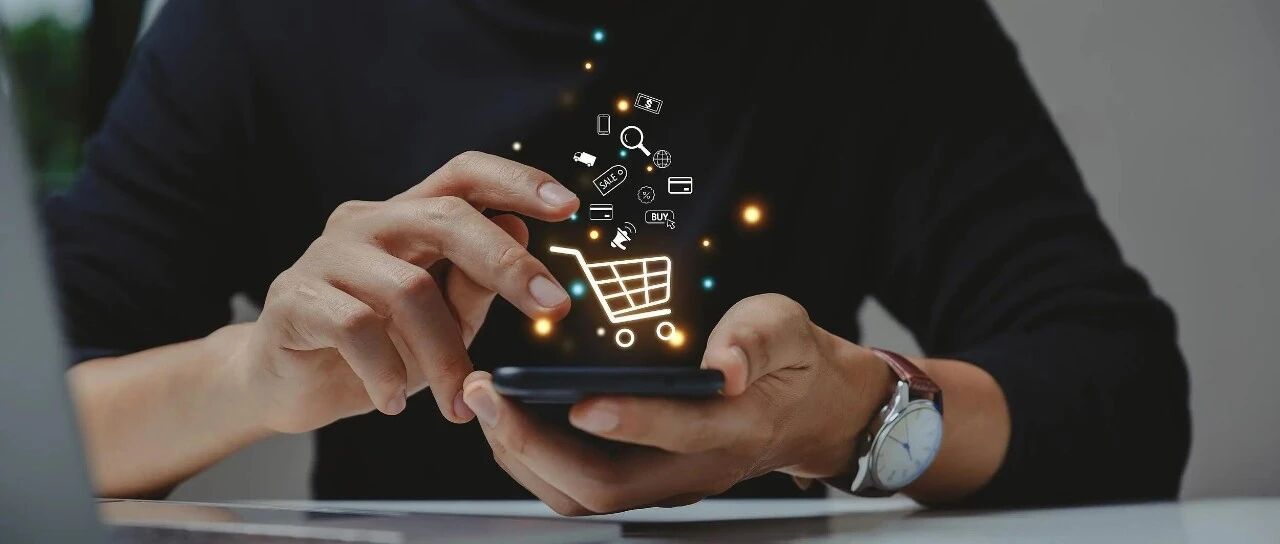
Core Viewpoint - The rise of live streaming in various sectors such as dining, fitness, and retail has blurred the lines between commercial marketing and privacy infringement, as consumers unknowingly become "background props" for businesses seeking to attract traffic [1][2]. Group 1: Live Streaming as a Marketing Tool - Live streaming has become a crucial method for businesses to attract customers due to its real-time interactivity and authentic representation of scenes [2]. - In the restaurant industry, live streaming can effectively showcase the ambiance and popularity of the establishment, making it more appealing than static images [2]. - Fitness institutions utilize live streaming to demonstrate the professionalism of trainers and the quality of facilities, thereby reducing potential customers' decision-making time [2]. - Retail "store exploration live streams" can transcend physical space limitations, accurately targeting online users and boosting foot traffic and sales [2]. Group 2: Privacy Concerns and Legal Implications - Many businesses, in pursuit of higher engagement and conversion rates, have begun to infringe on privacy rights by filming consumers without their consent, treating them as "traffic material" [2]. - The essence of live streaming "background prop" infringement is clearly defined in legal terms, with privacy being recognized as an individual's personal life and private information that should not be disclosed without consent [2]. - The Civil Code stipulates that any organization or individual must not infringe upon others' privacy rights through disturbance, disclosure, or public exposure [2]. Group 3: Solutions and Regulatory Measures - To address the challenges of live streaming "background props," a multi-party governance system is needed to balance traffic benefits and privacy protection [3]. - Businesses can proactively avoid infringement risks by implementing practices such as designating specific areas for live streaming that do not include dining spaces [3]. - Recent regulations, such as the "Live E-commerce Supervision Management Measures," outline the responsibilities of platforms and businesses, emphasizing the need for consent when filming in public settings [3]. - Consumers are encouraged to enhance their awareness of rights and can take actions such as recording evidence, filing complaints, and reporting violations to protect their interests [3].
北京商场开启“元旦模式” 气氛福利全拉满︱提振消费看京潮
Xin Lang Cai Jing· 2026-01-02 12:19
Group 1 - Major shopping malls in Beijing have launched special promotions and events for the New Year holiday, enhancing customer experience through visual and interactive activities [1] - Wanda Plaza has themed its events around "New Year + New Year's Day," featuring unique IP scenarios and activities such as a large cake giveaway and a balloon rain event, which have been well-received by the public [1] - RT-Mart has organized a promotional campaign titled "Once a Year Low Price Storm," offering discounts on over 10,000 products, with prices starting as low as 30% off, ensuring a wide variety of goods are available for consumers [1]
在北京,元旦跨年怎么吃怎么玩?这场发布会都说清楚了
Xin Jing Bao· 2025-12-15 12:36
Group 1 - The event "Chime and Drum Together, Beijing Colorful Journey" will take place from December 21, 2025, to January 3, 2026, featuring a series of themed activities including New Year's Eve events and promotional offers [1] - Key attractions for New Year's Eve include performances at the Bell Temple and the Great Wall, with various activities across major scenic spots and shopping districts to create a festive atmosphere [2] - The Beijing Cultural and Tourism Bureau will launch a map highlighting over 70 activities categorized into four themes: New Year celebrations, winter fun, and cultural events, providing a comprehensive guide for citizens [3] Group 2 - During the winter season, 437 commercial performances will be held, including 69 high-quality concerts and various theatrical productions, enhancing the cultural offerings in the city [4] - The city will introduce 10 winter-themed travel routes focusing on winter tourism, including ice and snow activities, and will host various winter festivals across districts [5][6] - Over 100 promotional activities will be launched by more than 50 key shopping malls, featuring discounts, gift promotions, and themed events to attract shoppers [7] Group 3 - More than 40 museums will host New Year's Eve and extended opening activities, with special interactive projects and events planned to engage visitors [9][10] - The museums will also introduce new cultural products and host community-oriented events, enhancing the cultural experience for families and local residents [10][11]
北京:滑雪场将逐渐成为出行热点 预计周六出京方向通行压力增加
Xin Jing Bao· 2025-11-22 01:37
Group 1 - The traffic pressure in urban areas is significant during morning and evening peak hours, particularly on major roads and bridges, with specific routes experiencing heavy congestion [2][4] - During the morning peak from 7:00 to 9:00, traffic is notably high on routes leading into the city, especially on weekdays when certain license plate numbers are restricted [2] - The evening peak from 17:30 to 20:00 also sees concentrated traffic on routes exiting the city, with additional pressure on Fridays and Mondays due to license plate restrictions [4] Group 2 - Ski resorts are expected to become popular travel destinations as the ski season begins, with increased traffic on highways leading out of Beijing during weekends [6][7] - Major events, such as football matches and performances, will lead to short-term traffic congestion around venues, particularly on the afternoon of the 22nd and in the evening [8][9] Group 3 - Increased foot and vehicle traffic is anticipated around major shopping districts as colder weather drives more visitors to these areas, leading to potential congestion and parking challenges [10] - During weekday morning peak hours, traffic congestion is likely near schools and hospitals, particularly in areas with a high concentration of educational institutions [11] Group 4 - The cold weather and increased traffic during peak hours may lead to accidents, with specific days like Mondays and Friday evenings expected to have heightened traffic pressure [12] - Drivers are advised to stay informed about weather conditions and real-time traffic updates to avoid congested routes and ensure safety [12]
国庆中秋假期约139.4万人次内地旅客访港
Zhong Guo Xin Wen Wang· 2025-10-09 03:36
Group 1 - Approximately 1.394 million mainland visitors traveled to Hong Kong during the eight-day holiday, boosting growth in retail, dining, and hotel industries [1] - K11 MUSEA reported a 12% increase in visitor numbers compared to the same period last year, achieving a record high for the National Day holiday [1] - Tourist spending increased by nearly 20% year-on-year, with some mainland visitors making single purchases exceeding 1 million HKD [1] Group 2 - Hotel occupancy rates and revenues increased, with a 10% rise in room prices observed from October 2 to 3 [2] - Restaurants in popular tourist areas experienced a year-on-year business increase of 10-20%, while non-tourist area restaurants also saw about a 10% growth in revenue [2] - The fourth quarter is expected to be a peak season for tourism, with various events and holidays likely to attract more overnight and business travelers to Hong Kong [2]
海口:今日22时起外卖、快递等企业有序恢复营业
Di Yi Cai Jing· 2025-10-05 12:47
Core Points - Typhoon "Maidam" made landfall in Xuwen County, Guangdong Province on October 5, with predictions indicating a gradual weakening of its intensity [1] - The emergency response level for flood and wind was adjusted from Level II to Level III as of 10 PM on October 5, signaling a return to normalcy in Haikou City [1] - Various businesses, including large shopping malls, markets, and restaurants, began to resume operations in an orderly manner starting from 10 PM on October 5 [1] - Construction projects, factories, tourist attractions, and parks are set to resume operations from 8 AM on October 6, contingent upon ensuring safety and eliminating hazards [1]