动力电池

Search documents
告别退税红利 动力电池出海硬仗开打
Zhong Guo Qi Che Bao Wang· 2026-02-04 09:23
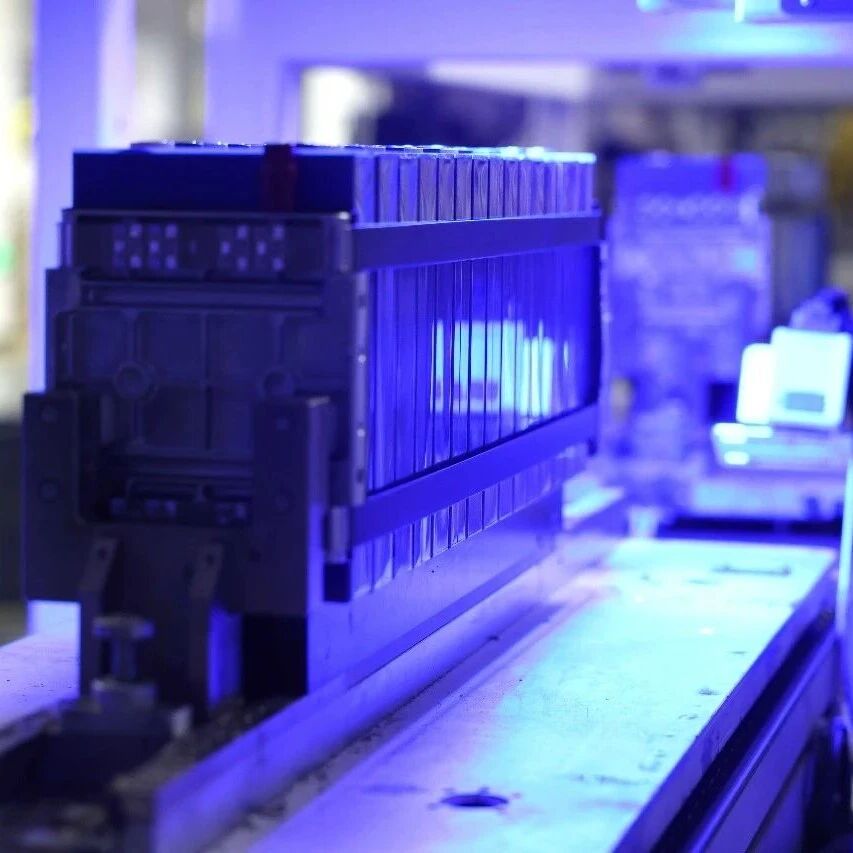
Core Insights - The recent policy adjustment regarding export tax rebates for battery products marks a significant shift in China's battery industry, transitioning from a phase of government support to one driven by market forces [2][3][4] Policy Changes - The Ministry of Finance and the State Taxation Administration announced a phased reduction of the export VAT rebate for battery products, decreasing from 9% to 6% starting April 1, 2026, and eliminating it entirely by January 1, 2027 [2] - This follows a previous reduction from 13% to 9% in November 2024, indicating a tightening of policies as the industry matures [2][4] Industry Maturity - The adjustment reflects the industry's evolution, where leading companies like CATL and BYD have established significant market shares and technological advantages, reducing reliance on export rebates [3][4] - By 2025, the cumulative installed capacity of domestic power batteries is projected to reach 769.7 GWh, a year-on-year increase of 40.4% [3] Competitive Landscape - The removal of export tax rebates is expected to eliminate low-price competition that has been detrimental to industry profitability, pushing companies towards rational competition [4][11] - The current market share of Chinese power batteries stands at 60%, with energy storage batteries at 80%, indicating a transition to a market-driven phase [4] Export Strategies - Companies are responding to the impending cost increases by accelerating production and securing orders before the policy changes take effect [6][7] - The adjustment is prompting a surge in exports as firms seek to mitigate profit pressures and explore new markets [5][8] Long-term Implications - The industry is expected to shift from price competition to value competition, emphasizing technological upgrades and product performance [10][11] - Companies are encouraged to optimize supply chains and explore global production capacities to maintain competitiveness [10][11]



时代长安动力电池有限公司注册资本增至40亿元
Zheng Quan Ri Bao Wang· 2026-02-04 04:12
本报讯(记者袁传玺)天眼查App显示,近日,时代长安动力电池有限公司发生工商变更,注册资本由15 亿元增至40亿元。股东信息显示,该公司由宁德时代(300750)、深蓝汽车科技有限公司、长安汽车 (000625)共同持股。 ...

金属巨震后,年前及年后策略
2026-02-04 02:27
李怡然 兴业证券金属首席: 各位投资者大家早上好,我是兴业金属首席分析师李依然。然后今天早上,借着这个时间 然后跟各位投资者分享一下,就是我们对于整个金属的年前年后的一个策略。其实从整个 上周开始,其实大家也关注到整个商品端出现了一次比较大的波动,这次波动其实各方面 的解释可能更多的聚焦在整个宏观沃什这边,那我们这次想要从另一个角度去。分享一下 我们对于微观面的一些看法。那首先,其实我们能看到,就是上周三周四的时候,其实整 个铜铝商品端,出现了一个单日比较大的一个放量上涨。 那其实这个原,这个点的这个催化,其实我们更多的是认为,其实因为整个交易所前期对 于整个这个广西所这边的监管,带来的一定的这个资金端的这个流转。那其实前期对于整 个差别品种的这个限仓以及限制出金的交易之后,其实更多的资金其实转向了整个上期所 那既然转向了一个相对来说监管比较小的品种,或者说整个资金容纳度比较大的品种,那 在整个声波交易中,其实是放大它的整个投资收益。因此,其实选择了像铜铝这样的一个 比较大的国际化的一个品种去做一个。 这个生波交易。那这个生波交易过程中,其实也能看到,其实外盘的价格其实在被动的跟 着内盘走,基本上可以确定,当 ...
韩国人赚麻了?
虎嗅APP· 2026-02-04 00:15
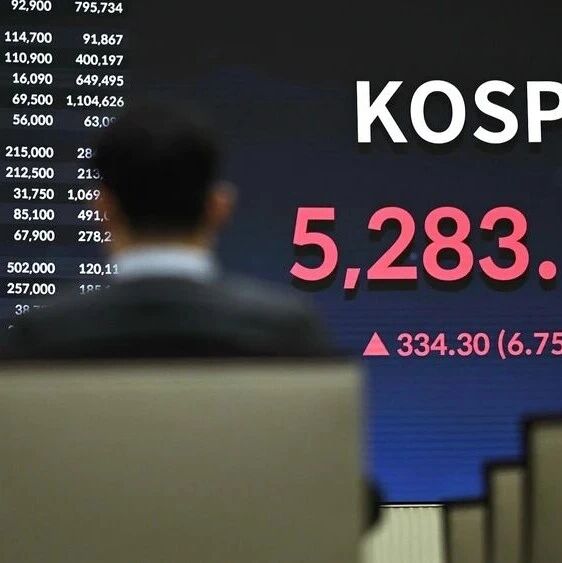
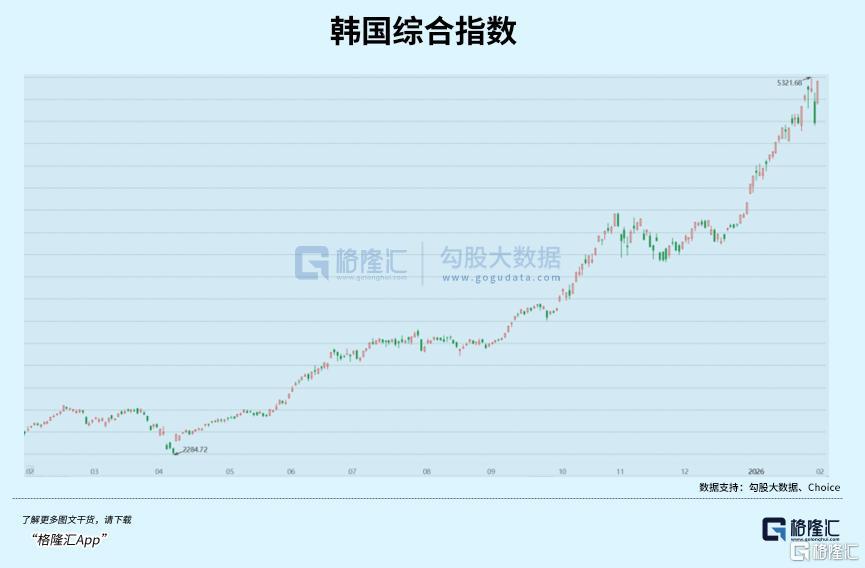
Core Viewpoint - The article discusses the remarkable performance of the South Korean stock market, highlighting its significant gains and the factors driving this growth, including key industries and government reforms [5][38]. Group 1: Market Performance - On February 2, the KOSPI index fell below 5000 points, with foreign investors selling 25.2 trillion KRW and institutions selling 22.1 trillion KRW, while retail investors bought over 50 trillion KRW, setting a historical record [5][6]. - The following day, the market rebounded, rising 6.84%, nearly recovering from the previous day's losses [7]. - Since April of the previous year, the KOSPI has increased by over 130%, surpassing 5300 points [9]. Group 2: Key Industries - The South Korean stock market is heavily weighted, with the top 20 stocks accounting for over 60% of the KOSPI, particularly in semiconductors, shipbuilding, and battery sectors, which contributed over 70% to the recent gains [17][18]. - The semiconductor sector saw a staggering 280% increase, driven by a supply-demand imbalance expected to peak in 2025, with a projected 78% year-on-year growth in semiconductor exports [19][23]. - The shipbuilding industry experienced a 190% increase, with global new ship orders expected to rise by 45% in 2025, with South Korean companies capturing 48% of these orders [29][30]. - The battery sector grew by 120%, focusing on high-end electric vehicles and energy storage, despite a decrease in market share [34][35]. Group 3: Government Reforms - The South Korean government implemented significant reforms in April 2025, including easing foreign investment restrictions and reducing transaction taxes, which led to a net foreign purchase of 38.6 trillion KRW in stocks from April to December 2025 [43][46]. - The National Pension Service (NPS) significantly increased its holdings in domestic stocks, reaching a market value of 247.4 trillion KRW by the end of 2025, focusing on key sectors [50]. - Reforms also included improving short-selling regulations, which increased market participation and led to a surge in retail investor activity, with retail trading accounting for 78% of total trading [60][61]. Group 4: Retail Investor Dynamics - The number of active retail investors surged from 72 million in April 2025 to 98 million by February 2026, indicating widespread participation in the stock market [67]. - Retail investors' total holdings increased from 380 trillion KRW to 920 trillion KRW, reflecting a 142% growth [71]. - Despite the overall market gains, the average profit for retail investors was only about 255,000 KRW, highlighting that many investors did not benefit proportionately from the market's rise [75][78].
韩国人赚麻了?
Ge Long Hui· 2026-02-03 14:17
Group 1 - The South Korean stock market has experienced extreme volatility, triggering circuit breakers due to both significant declines and subsequent recoveries [1][3] - The KOSPI index has seen a remarkable increase of over 130% since April of the previous year, surpassing 5300 points [5][6] - The market's performance is attributed to concentrated weight in key sectors, particularly semiconductors, shipbuilding, and battery industries, which contributed over 70% to the recent gains [10][29] Group 2 - The semiconductor sector has shown a staggering increase of 280%, with expectations of a significant demand surge in 2025 due to AI server needs [11][14] - South Korea's dominance in the HBM market, with SK Hynix and Samsung holding nearly 90% market share, is expected to drive substantial revenue growth [14][15] - The shipbuilding industry has also performed well, with a 190% increase, driven by a global economic recovery and a 45% rise in new ship orders [19][20] Group 3 - The battery sector has seen a 120% increase, with South Korean manufacturers focusing on high-end electric vehicles and energy storage, despite a decline in market share [24][25] - In 2025, the combined contribution of semiconductors, shipbuilding, and batteries to South Korea's GDP is projected to be 28%, accounting for 65% of total stock market profits [29] - The government has implemented reforms to attract foreign investment, resulting in a significant increase in foreign ownership of South Korean stocks [30][32] Group 4 - The South Korean stock market has become highly active, with retail investors significantly increasing their participation, leading to a surge in trading volumes [44][45] - Despite the overall market gains, the majority of retail investors have not profited, with a significant portion experiencing losses [58][60] - The disparity in earnings indicates that while the market is booming, the benefits are not evenly distributed among all investors [57][58]
GGII:2025年国内动力电池装机量TOP10
高工锂电· 2026-02-03 12:35
摘要 在 TOP10 企业中,十家企业同比增速均在22 % 以上。 高工产业研究院( GGII )通过新能源汽车交强险口径数据统计显示, 2025 年我国新能源汽车销售约 1335.9万 辆,同比增长 18% ,带动相应 的动力电池装机量约 717.4 GWh ,同比增长 35% 。 动力电池装机量排名前十企业合计约为 679.2 GWh ,占总装机量的 94.7% ,较去年同期市场集中度份额下降1.5个百分点 。 在 TOP10 企业中,十家企业同比增速均在22 % 以上。其中,七家企业市占率与去年同期相比保持正增长, 国轩高科提升幅度最高 ,市占率同比 上升1.1个百分点 。 数据咨询: 如需了解详细的装机量数据信息,订阅高工(GGII)发布的 《 动力电池装机量月度数据库 》 ( 点击链接查看目录 ) ,敬请联系: 购买咨询: 陈先生 电话:0755-26835600 邮箱:research1@gaogong123.com 梁先生 全球新能源领域高端装备第一梯队企业 First echelon enterprise of high-end equipment in the field of global ...


宁德时代、深蓝汽车、长安汽车合资公司注册资本增至40亿元
Sou Hu Cai Jing· 2026-02-03 03:46
爱企查App显示,近日,时代长安 动力电池有限公司发生工商变更,注册资本由15亿元人民币增至40亿 元人民币,增幅约167%。时代长安动力电池有限公司成立于2023年6月,法定代表人为朱云峰,经营范 围包括电池制造、电池销售、新兴能源技术研发、 新材料技术研发等。股东信息显示,该公司由 宁德 时代新能源科技股份有限公司、深蓝汽车科技有限公司、重庆 长安汽车股份有限公司共同持股。原文 链接 ...
宁德时代、深蓝汽车、长安汽车合资公司增资至40亿,增幅约167%
Sou Hu Cai Jing· 2026-02-03 03:28
时代长安动力电池有限公司成立于2023年6月,法定代表人为朱云峰,经营范围包括电池制造、电池销 售、新兴能源技术研发、新材料技术研发等。股东信息显示,该公司由宁德时代(300750)、深蓝汽车 科技有限公司、长安汽车(000625)共同持股。 天眼查App显示,近日,时代长安动力电池有限公司发生工商变更,注册资本由15亿人民币增至40亿人 民币,增幅约167%。 来源:中国能源网 ...
心智观察所:特斯拉把电池制造的“圣杯”搞定了
Guan Cha Zhe Wang· 2026-02-03 00:17
【文/观察者网专栏作者 心智观察所】 埃隆·马斯克日前在社交媒体上的感叹:"让干电极工艺实现规模化,这在锂电池生产技术上是一个重大突破,其难度超乎想象。" 从"湿法"到"干法":一场颠覆百年电池工业的范式革命 这项名为"干电极"(Dry Electrode)的技术,长期以来被视为锂离子电池制造领域的"圣杯"——它承诺更低的成本、更高的能量密度、更环保的生产过程, 却因工程实现难度极高,数十年来始终停留在纸面或小试阶段。 如今,特斯拉不仅摘下了这顶王冠,还用一整套严密的专利体系将其牢牢锁住。 要理解这一突破的分量,必须先回到锂电池制造的起点。 自1991年索尼首次将锂离子电池商业化以来,其核心制造流程几乎没有本质变化:将正负极活性材料、导电剂和粘结剂混合在有毒有机溶剂(如N-甲基吡 咯烷酮,简称NMP)中,制成浆料后涂覆在铜箔或铝箔上,再送入长达百米的巨型烘箱中烘干。 这套"湿法涂布"工艺看似成熟,实则背负着沉重的代价。首先,能耗惊人——烘干环节占整个电池生产能耗的30%到50%;其次,NMP具有生殖毒性,其回 收处理不仅成本高昂,还带来环境与职业健康风险;更重要的是,高速搅拌和高温干燥会损伤活性材料的微观结构 ...

卖车赚不过卖电池?多家动力电池厂业绩预喜
第一财经· 2026-02-02 15:59
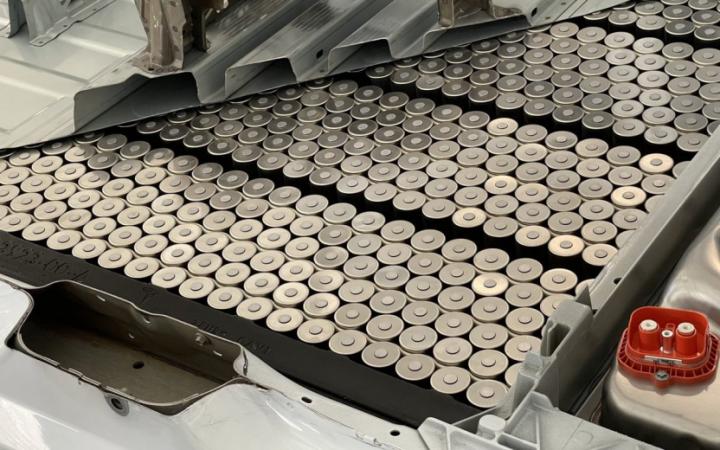
Group 1 - The core viewpoint of the article highlights that compared to automakers, power battery suppliers are potentially more profitable, as evidenced by the financial forecasts of companies like Ruipu Lanjun and Guoxuan High-Tech [2][3]. - Ruipu Lanjun expects a net profit of approximately 630 million to 730 million yuan in 2025, a significant turnaround from a net loss of 1.353 billion yuan in 2024, driven by increased product shipments and improved capacity utilization [2]. - Guoxuan High-Tech anticipates a net profit of 2.5 billion to 3 billion yuan in 2025, representing a year-on-year growth of 107.16% to 148.59% [3]. Group 2 - The profitability of leading power battery companies like CATL is highlighted, with projected net profits of 44.121 billion yuan, 50.745 billion yuan, and 49 billion yuan for 2023, 2024, and the first three quarters of 2025, respectively [3]. - In contrast, leading electric vehicle manufacturer BYD's net profits for the same periods are significantly lower, at 30.041 billion yuan, 40.254 billion yuan, and 23.333 billion yuan [3]. - The automotive industry's sales profit margin is projected to be only 4.1% in 2025, down from 4.3% at the end of 2024, indicating ongoing profitability challenges due to factors like price wars and rising raw material costs [4].