
医疗

Search documents
“十四五”期间深圳九大类民生支出达1.6万亿元
Zhong Guo Xin Wen Wang· 2026-02-11 09:42
Core Insights - During the "14th Five-Year Plan" period, Shenzhen's total expenditure on nine categories of livelihood reached 1.6 trillion yuan, accounting for nearly 70% of fiscal spending [1][3] Education Sector - Shenzhen implemented the "Million Student Places Initiative," adding 980 new or expanded primary and secondary schools and kindergartens, resulting in 1.025 million new educational places, surpassing the total from the previous two five-year plans [1] - The city plans to add over 100,000 public high school places during the "15th Five-Year Plan" period [1] - The education department aims to embrace the intelligent era, focusing on a holistic growth monitoring system and the establishment of future schools to foster innovative skills in students [1] Cultural and Sports Development - Over the "14th Five-Year Plan" period, Shenzhen added more than 1.1 million square meters of public cultural facilities and over 20 million square meters of sports venues, with more than 4.9 million sports facilities available [3] - By 2025, Shenzhen expects to receive 207 million tourists, a year-on-year increase of 10.9%, with total tourism revenue projected at 314.73 billion yuan, up 14.4% year-on-year [3] - The city aims to leverage the APEC meeting to enhance its status as a world-class tourist and leisure destination [3] Healthcare Services - Shenzhen established 21 municipal medical centers and 21 grassroots medical groups, increasing the number of hospital beds to 5 per 1,000 people and doctors to 3.1 per 1,000 people [3] - The city has over 1,000 community health service institutions, achieving a "15-minute community health service circle" [3] - The number of national clinical key specialties increased to 31, and the number of top-tier hospitals reached 33, with a hospitalization rate stabilizing at around 98% [3] Elderly and Childcare Services - Shenzhen built 878 elderly-friendly medical institutions, with over 70% of secondary and higher public hospitals offering geriatric medicine, achieving an elderly health management rate exceeding 80% [4] - The city has created 109,000 childcare places for children under three years old, with integrated childcare institutions covering all districts [4] Urban Development - Shenzhen opened 144 parks during the "14th Five-Year Plan," bringing the total to 1,350 parks, with plans to increase the total to 1,450 by 2030 [4] - The city aims to expand its walking paths to 5,000 kilometers and leisure cycling paths to over 800 kilometers [4]

临平从“融”出发 启“十五五”新程
Hang Zhou Ri Bao· 2026-02-11 05:01
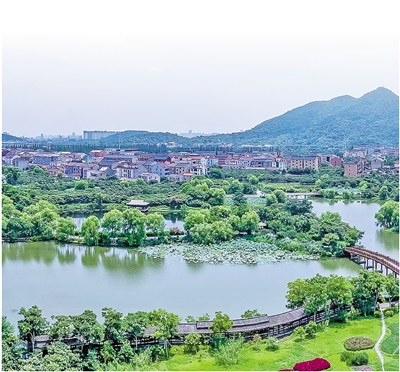
Core Viewpoint - The report emphasizes "integration" as a key theme for the development of Linping District, aiming to establish itself as a hub for deep integration with Shanghai and a model for industry-city integration by 2025 [3][4]. Economic Goals - By 2025, Linping aims to achieve a regional GDP of 121.63 billion yuan, representing a growth of 5.1%. The district also targets a total fiscal revenue of 25.42 billion yuan and a general public budget revenue of 14.63 billion yuan, showcasing the benefits of integration [3]. Infrastructure Development - Significant transportation projects, including the Shanghai-Hangzhou high-speed railway and the fourth phase of Hangzhou Metro, are set to enhance Linping's status as a transportation hub during the 14th Five-Year Plan period [4]. Industry-City Integration - Linping plans to advance its "industry-city integration demonstration zone" by 2026, with a focus on developing three new industry vertical models and targeting an AI industry revenue of 11 billion yuan. The district aims to establish one national-level intelligent factory and one provincial-level future factory pilot enterprise [4][5]. Talent and Human Resources - A new initiative will be launched in 2026 to support the integration of education, science, and talent, including an innovative "AI+OPC" entrepreneurship support model aimed at energizing the local workforce [5]. Rural Development - Linping will deepen urban-rural integration by extending quality public services and promoting rural industry revitalization. Plans include the construction of 19 school projects and various healthcare facilities, as well as initiatives to attract young talent back to rural areas [5].
未知机构:交易台高盛香港市场综述恒生指数06国企指数0-20260211
未知机构· 2026-02-11 01:50
交易台 – 高盛香港市场综述 恒生指数 +0.6% 国企指数 +0.8% 科技指数 +0.6% 成交额:2340 亿港元 领涨板块:医疗保健 +2.1%,能源 +1.8%,材料 +1.3% 落后板块:公用事业 -0.5%,地产 -0.5%,信息技术 -0.3% 港股开盘表现强劲,但很快回吐涨幅,收盘仅小幅走高。 恒生指数一度逼近 27400 点关口,随后回落至 27 交易台 – 高盛香港市场综述 恒生指数 +0.6% 国企指数 +0.8% 科技指数 +0.6% 成交额:2340 亿港元 领涨板块:医疗保健 +2.1%,能源 +1.8%,材料 +1.3% 落后板块:公用事业 -0.5%,地产 -0.5%,信息技术 -0.3% 港股开盘表现强劲,但很快回吐涨幅,收盘仅小幅走高。 内地 A 股表现落后于 H 股,收盘仅小幅上涨。 资金流向方面,交易台买入倾向为2.2 倍,零售板块(泡泡玛特)的回补买盘以及保险板块(友邦保险)的部分买 入使交易台倾向偏多。 交易台今日在大型科技股上也获得了不错的买盘,买入阿里巴巴,同时在美团等股票上进行做空以部分抵消。 材料板块买入持续,紫金矿业和 MMG1208 持续有买盘。 除此 ...
李大伟:积极扩大自主开放的内涵和方向
Jing Ji Ri Bao· 2026-02-11 00:55
Core Viewpoint - The concept of "autonomous opening" is emphasized as a key task in China's strategy for high-level opening to the outside world, transitioning from "following" to "leading" in global cooperation [1][2]. Group 1: Significance of Autonomous Opening - Autonomous opening is essential for promoting high-quality economic development, addressing domestic demand shortfalls, and enhancing economic efficiency and resilience [3]. - It serves as a strategic choice to navigate changes in the global landscape, countering trade protectionism and fostering diversified international markets [3]. Group 2: Characteristics of Autonomous Opening - It involves innovating foreign cooperation models based on national conditions rather than merely imitating other economies [2]. - The approach requires a balanced handling of high-level opening and security, aiming for simultaneous improvements in openness and risk management capabilities [2]. Group 3: Implementation Strategies - There is a focus on aligning with international high-standard economic and trade rules while creating new rules in areas like trade facilitation and fair competition [4]. - The strategy includes expanding unilateral opening measures in service sectors and enhancing market access [4][6]. Group 4: Sector-Specific Focus - Emphasis is placed on attracting quality factors in the service industry, such as telecommunications, culture, healthcare, and education, as key areas for autonomous opening [5][6]. - Development of new trade and investment cooperation models is prioritized, including digital and green trade, to stimulate consumption and investment [6]. Group 5: Belt and Road Initiative - High-quality co-construction of the Belt and Road Initiative is highlighted, with a focus on expanding cooperation in green development, artificial intelligence, and digital economy [7].
上证早知道|5倍大牛股 再发警示公告;葛卫东出资10亿元 认购中国“迈巴赫”
Shang Hai Zheng Quan Bao· 2026-02-10 23:27
今日提示 ·中芯国际2月11日举行2025年第四季度业绩说明会。 ·国新办2月11日举行新闻发布会,介绍2026"乐购新春"等情况。 ·松延动力Bumi-X1智脑版联名机器人2月11日正式预售。 ·*ST立方自查工作完成,公司股票2月11日开市起复牌。 上证精选 ·央行发布2025年第四季度中国货币政策执行报告,其中提出,继续实施好适度宽松的货币政策。把促 进经济稳定增长、物价合理回升作为货币政策的重要考量,根据国内外经济金融形势和金融市场运行情 况,把握好政策实施的力度、节奏和时机。灵活高效运用降准降息等多种政策工具,保持流动性充裕和 社会融资条件相对宽松,引导金融总量合理增长、信贷均衡投放,使社会融资规模、货币供应量增长同 经济增长、价格总水平预期目标相匹配。 ·2月10日,国家发展改革委等部门发布《关于加快招标投标领域人工智能推广应用的实施意见》,其中 提出,积极稳妥推进人工智能在招标投标领域的应用,改进招标投标范式,提升服务和监管的数智化水 平,为保障公共资源公平高效配置、规范招标投标市场秩序提供有力支撑。2026年底,招标文件检测、 智能辅助评标、围串标识别等重点场景在部分省市实现全覆盖应用。 ·2 ...
宜良县去年一般公共预算支出近八成投向民生领域
Xin Lang Cai Jing· 2026-02-10 22:10
Core Insights - The article highlights that nearly 80% of the general public budget expenditure in Yiliang County was directed towards the livelihood sector last year [1] Livelihood Sector - The number of participants in urban employee basic pension insurance reached 53,600, while the number of participants in rural residents' basic pension insurance reached 198,900 [1] - The coverage rate of basic medical insurance for urban and rural residents remained above 98% [1] - Various types of relief funds amounting to over 63 million yuan were distributed [1] - A total of 8,876 employment positions were created, with 1,380 new urban jobs added [1] - 3,098 individuals received vocational skills training, and personal entrepreneurship guarantee loans totaling 79.9 million yuan were issued [1] - Six new home-based elderly care service centers and happy canteens for the elderly were established, achieving full coverage of nursing homes in towns and streets [1] Education Sector - The relocation of Yiliang Experimental School to a new campus was completed, along with the construction of three town and village-level kindergartens [1] - Yiliang Qizhi School was opened, and expansion projects for Yiliang No. 1 and No. 2 High Schools were initiated [1] - The pass rate for the high school entrance examination and the rate of students reaching the undergraduate level in the college entrance examination increased by 10.99% and 8.25%, respectively [1] - The number of students reaching the undergraduate level in vocational education new college entrance examination ranked 8th in the province [1] Medical Services - The "First Diagnosis Benefits the People" initiative and mutual recognition of examination results among medical institutions saved patients 1.096 million yuan in diagnostic costs [1] - Over 10,000 cases of "two cancers" screening were organized [1] - The clinical service "Five Major Centers" of the county medical community passed provincial evaluation, and Yiliang County Traditional Chinese Medicine Hospital was approved as a designated rehabilitation service institution for disabled children [1] - The medical service capacity in the county has significantly improved [1]
DuPont(DD) - 2025 Q4 - Earnings Call Transcript
2026-02-10 14:02
Financial Data and Key Metrics Changes - The company reported full-year organic sales growth of 2%, operating EBITDA growth of 6%, and adjusted EPS of $1.68 per share, up 16% year-over-year [5][6][12] - Free cash flow generation was strong, with expectations for solid free cash flow conversion of greater than 90% in 2026 [12][21] Business Line Data and Key Metrics Changes - Healthcare and Water technologies saw fourth-quarter net sales of $821 million, up 4% year-over-year, driven by 3% organic growth [17] - Diversified Industrials reported fourth-quarter net sales of $872 million, a 3% decline year-over-year, with a 4% organic decline [18] - Organic sales for Healthcare and Water technologies grew 5% in the second half of 2025, while Diversified Industrials experienced a 1% decline [16] Market Data and Key Metrics Changes - Organic growth in Europe was up 2% year-over-year, while Asia-Pacific saw a 2% decline [16] - The company expects mid-single-digit growth in Healthcare and Water technologies for 2026, while Diversified Industrials is expected to grow in the low single digits [22] Company Strategy and Development Direction - The company aims to drive above-market organic growth and build a robust business system while maintaining a balanced capital allocation model [8][11] - The strategic priorities for 2026 include enhancing core values, focusing on growth, and continuing operational excellence [7][9] Management's Comments on Operating Environment and Future Outlook - Management noted a mixed macro environment, with expectations for mid-single-digit growth in Healthcare and Water technologies, while automotive demand is expected to be flat [12][13] - The company is seeing improving order trends in its Industrial Technologies business, indicating market stabilization [14] Other Important Information - The company completed the separation of Qnity Electronics and is focused on operational and portfolio transformation [6][7] - A $2 billion share repurchase authorization was announced, with $500 million executed in the fourth quarter of 2025 [11][50] Q&A Session Summary Question: Insights on industrial orders and channel inventories - Management indicated that industrial orders are picking up, particularly in aerospace, with low double-digit improvements expected [30][32] Question: Pricing and inflation outlook - The company does not expect significant headwinds from inflation and anticipates improvements in gross margins due to productivity initiatives [33] Question: Shelter business outlook - The Shelter business is expected to start slightly down in 2026 but improve throughout the year, aiming for flat performance overall [40] Question: Vitality Index and product innovations - The Vitality Index remains strong at about 30%, with new products contributing positively to both top-line growth and margins [42][44] Question: Margin improvements in diversified segments - Margin expansion in Diversified Industrials was attributed to favorable mix and productivity gains, with benefits from ongoing initiatives expected in the future [56] Question: M&A opportunities - The company is actively scouting M&A opportunities, particularly in the healthcare sector, to enhance its portfolio [106] Question: Water business growth in China - Slower growth in China is attributed to reduced industrial production, but the company expects to ramp up to mid-single-digit growth by the end of the year [68] Question: U.S. construction outlook - The outlook for U.S. construction is flat, with low single-digit growth expected in non-residential and repair and remodel sectors, offset by declines in residential [99]

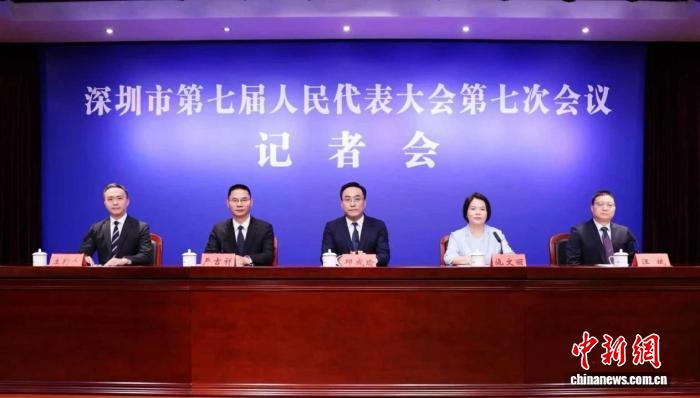
深圳今年如何“花钱”?财政将支持实施提振消费专项行动
Nan Fang Du Shi Bao· 2026-02-10 12:00
Core Insights - Shenzhen's budget report for 2025 and draft for 2026 highlights a strong financial position with a general public budget revenue of 11,302 billion yuan in 2025, marking five consecutive years above 10,000 billion yuan [1] - The report emphasizes a focus on enhancing public welfare and economic development through strategic fiscal policies and spending [6] Revenue Structure - Shenzhen's local revenue reached 4,163.8 billion yuan in 2025, reflecting a growth of 6.4%, with tax revenue contributing 3,510.6 billion yuan, a 7.5% increase, and non-tax revenue at 653.1 billion yuan, growing by 0.6% [1] - Tax revenue accounts for 84.3% of the local revenue, positioning Shenzhen's revenue structure among the best in the country [1] Expenditure Overview - The total general public budget expenditure for 2025 is set at 4,502.5 billion yuan, with nine categories of public welfare spending amounting to 3,048.8 billion yuan, representing 67.7% of total fiscal expenditure [3] - Key areas of spending include education, healthcare, and social welfare, with initiatives for free preschool education and enhanced healthcare funding [3][6] Debt Management - Shenzhen's local government debt limit for 2025 is set at 1,063 billion yuan, with all issued bonds comprising 68 billion yuan in general bonds and 995 billion yuan in special bonds [4] - The focus on special bonds aims to support infrastructure, social welfare, and investment expansion [4] Future Fiscal Policies - For 2026, Shenzhen plans to maintain a proactive fiscal policy, with public welfare spending expected to remain around 65% of total fiscal expenditure [6] - The city aims to stimulate consumption through fiscal subsidies and support for various sectors, including automotive and electronics [8] - There is a commitment to fostering a modern industrial system and enhancing the business environment for private enterprises [8]
深圳市政协七届六次会议闭幕 共收到提案744件
Xin Lang Cai Jing· 2026-02-10 09:49
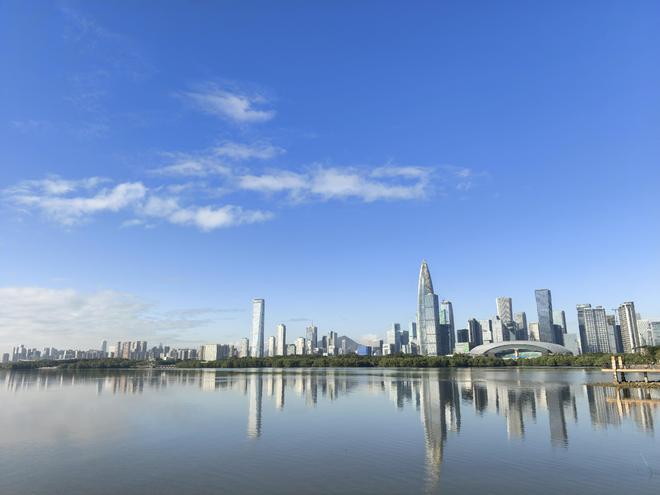
Group 1 - The Shenzhen Municipal Political Consultative Conference successfully completed its agenda, receiving 744 proposals, with 620 officially filed, resulting in a filing rate of 83% [1] - The proposals focus on strategic deployments and key tasks for the "14th Five-Year Plan," emphasizing Shenzhen's role in the Guangdong-Hong Kong-Macao Greater Bay Area and the construction of a new open economic system [1] - Proposals highlight the need for high-quality development in the artificial intelligence industry and the integration of technology and industry innovation to enhance international competitiveness [1] Group 2 - Proposals address key areas of public concern, aiming to improve the quality of life for citizens through enhanced public services and infrastructure [2] - The conference emphasizes the importance of a multi-tiered medical security and public health system, as well as improved elderly care services to increase public satisfaction and security [2] - Following the conference, all proposals will be forwarded to relevant departments for processing, with non-filed proposals potentially being converted into public opinion information for reference [2]
6天6阳,港股通医疗、港股通创新药正加速回暖!
Mei Ri Jing Ji Xin Wen· 2026-02-10 02:39
Group 1 - The Hong Kong stock market for pharmaceuticals and healthcare has shown a strong upward trend since February, with notable performance from ETFs such as the Hong Kong Innovation Drug ETF (520880) and the Hong Kong Healthcare ETF (159137), both achieving six consecutive days of gains [1] - The total transaction scale for China's innovative drug License-out is projected to reach a record $135.7 billion by 2025, with significant collaborations occurring in early 2026, validating the global value of domestic innovative drug pipelines [1] - The Chinese innovative drug sector is transitioning from "scale accumulation" to "value release," indicating a shift towards commercial realization of pipeline expectations, with many quality stocks showing attractive valuation ratios [1] Group 2 - The Hong Kong Innovation Drug ETF (520880) and its associated fund (025221) focus entirely on innovative drug research and development companies, with the top ten weighted stocks accounting for over 73% of the portfolio, highlighting its leading attributes [2] - The Hong Kong Healthcare ETF (159137) targets medical innovation, encompassing trending concepts such as brain-computer interfaces, AI healthcare, and online pharmacies, while also covering leading companies across the entire innovative drug industry chain [2]