扫地机器人

Search documents
东海证券晨会纪要-20251112
Donghai Securities· 2025-11-12 05:12
Group 1: U.S. Employment Situation - The U.S. non-farm data may be overestimated, with concerns about the credibility of employment data rising since Q3 2025 [6][7] - The labor market is experiencing a "local replacement" effect, with a net increase of 1.861 million local workers since March 2025, but this trend may not be sustainable due to demographic challenges [7] - Cyclical industries like leisure, construction, and manufacturing are showing signs of slowdown, while non-cyclical sectors like education and healthcare are facing ongoing employment pressures [8][9] Group 2: Pharmaceutical and Biotech Industry - The pharmaceutical and biotech sector is under pressure, with a slight improvement in Q3 2025; total revenue for 452 listed companies was 1.85 trillion yuan, down 1.9% year-on-year [11][12] - Sub-sectors such as innovative drugs and CXO services are performing well, with revenue growth rates of 23.34% and 12.36% respectively, while overall profitability remains low [12] - Investment opportunities are suggested in innovative drug chains, medical devices, and healthcare services as the industry slowly recovers [12][13] Group 3: Yifeng Pharmacy (603939) - Yifeng Pharmacy reported a revenue of 17.286 billion yuan in the first three quarters of 2025, a year-on-year increase of 0.39%, with a net profit of 1.225 billion yuan, up 10.27% [14][15] - The company is focusing on optimizing its store operations and has seen significant growth in its new retail business, particularly in B2C sales [16][17] - The company plans to continue its cautious expansion strategy, emphasizing mergers and acquisitions to enhance market presence [17] Group 4: Anjieshi (688581) - Anjieshi's revenue for the first three quarters of 2025 was 459 million yuan, a year-on-year increase of 7.51%, but net profit decreased by 10.35% [18][19] - The company is facing challenges from domestic procurement policies and geopolitical factors, but is actively expanding its overseas market presence [20][21] - R&D investment is increasing, focusing on innovative products like surgical robots and energy platforms, indicating a commitment to long-term growth [21] Group 5: Non-Insurance Financial Sector - The non-insurance financial index fell by 0.2%, with a notable divergence in performance between brokerage and insurance indices [23][24] - Recent regulatory changes in non-insurance sectors are expected to create investment opportunities, particularly in health and non-auto insurance [26][27] - The market is anticipated to shift towards blue-chip stocks as investor sentiment stabilizes [25][27] Group 6: Home Appliance Industry - Sales of robotic vacuum cleaners showed a year-on-year increase of 14% in the first 44 weeks of 2025, but a significant decline in October due to high base effects from previous subsidies [28][29] - Innovations in cleaning technology, such as active water washing, are leading to competitive advantages for companies like Ecovacs [29][30] - Southeast Asia is emerging as a new growth market for robotic vacuums, with significant sales growth reported [31]
连换三台新机全故障?云鲸智能快被用户的投诉淹没了
凤凰网财经· 2025-11-01 10:31
Core Viewpoint - The article highlights a significant trust crisis faced by Cloud Whale due to persistent quality issues and inadequate customer service, leading to widespread consumer dissatisfaction and complaints [1][25]. Group 1: Product Quality Issues - Multiple users reported severe malfunctions with Cloud Whale's sweeping robots, including failure to perform core functions like mapping, water leakage, and command failures, with one user experiencing issues with all four units purchased [3][4][14]. - A user detailed a prolonged experience of receiving defective units, leading to a frustrating cycle of repairs and replacements, ultimately resulting in a successful return only after intervention from the platform's customer service [7][14]. - Complaints about the product's reliability are common, with users experiencing issues such as slow charging, frequent disconnections, and persistent noises, indicating a systemic quality control problem [14][25]. Group 2: Customer Service and Support - Users expressed frustration with Cloud Whale's customer service, which often provided unsatisfactory responses, such as only offering repairs after multiple product failures and denying refund requests [7][15][30]. - The article notes that many customers felt their complaints were ignored or inadequately addressed, leading to a loss of trust in the brand [14][30]. Group 3: Market Performance and Challenges - Despite facing quality issues, Cloud Whale achieved an 8.5% global market share in Q2 2025, marking its entry into the top five in the industry, with significant revenue growth reported [25][29]. - The company has experienced a dramatic increase in overseas revenue by 700% and domestic revenue by 200% in 2024, showcasing a stark contrast between market performance and consumer satisfaction [25][29]. - The article discusses the company's historical success and rapid rise in the market, but emphasizes that current quality control issues and customer dissatisfaction pose significant risks to its future [29][30]. Group 4: Future Outlook - Cloud Whale's founder plans to pivot towards "embodied intelligence" products by the end of 2026, which is seen as a high-risk strategy given the current challenges [29][30]. - The article concludes that before pursuing ambitious future projects, Cloud Whale must first address the ongoing trust crisis and restore consumer confidence in its products [30][31].

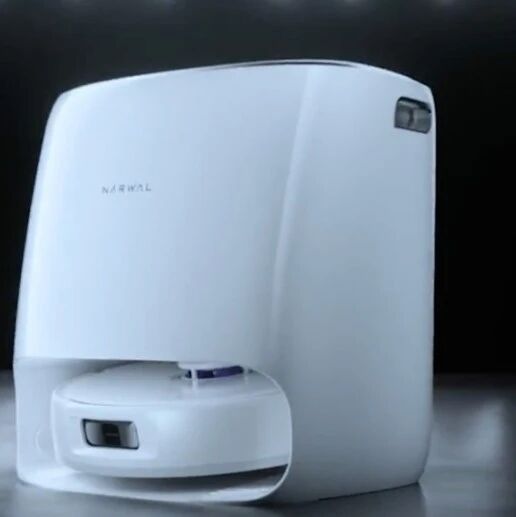
石头科技(688169):收入延续快速增长,业绩恢复增长
Guotou Securities· 2025-10-31 03:03
Investment Rating - The investment rating for the company is maintained at "Buy-A" with a 12-month target price of 235.00 CNY, corresponding to a 24x price-to-earnings ratio for 2026 [3][6]. Core Views - The company has shown rapid revenue growth, achieving 12.07 billion CNY in revenue for the first three quarters of 2025, representing a year-over-year increase of 72.2%. The net profit attributable to shareholders was 1.04 billion CNY, down 29.5% year-over-year [1]. - The third quarter of 2025 saw a revenue of 4.16 billion CNY, up 60.7% year-over-year, with a net profit of 360 million CNY, reflecting a 2.5% increase year-over-year. The strategic adjustments made by the company are beginning to yield results, and profitability is expected to stabilize with the scale effects from revenue growth [1][3]. - The company continues to innovate and expand its product offerings, including the launch of the P20 active water sweeping and mopping robot, which enhances its product matrix [1]. Revenue and Profitability - The company experienced a significant increase in online sales for its sweeping and washing machines, with year-over-year growth of 70% and 1251%, respectively, indicating strong domestic revenue growth [1]. - The gross margin decreased by 11.8 percentage points year-over-year in Q3, primarily due to self-subsidy strategies in response to domestic subsidy limits and the rapid growth of lower-margin washing machine business [2]. - The net profit margin decreased by 4.9 percentage points year-over-year, but the decline in net profit margin was less than that of gross margin due to improved expense control [2]. Financial Forecast - The company is projected to achieve revenues of 191.4 billion CNY in 2025, with net profits expected to be 18.6 billion CNY. The earnings per share (EPS) for 2025 is estimated at 7.20 CNY, with projections of 9.79 CNY and 12.48 CNY for 2026 and 2027, respectively [5][13]. - The company’s revenue growth rate is expected to be 60.2% in 2025, followed by 26.4% in 2026 and 19.8% in 2027 [13].

科沃斯(603486):2025年三季报点评:滚筒活水洗带动内外销增长,新业务进展顺利
Shenwan Hongyuan Securities· 2025-10-26 13:13
Investment Rating - The investment rating for the company is "Buy" (maintained) [6] Core Insights - The company's performance exceeded expectations, with a revenue of 12.877 billion yuan for Q1-3 2025, representing a year-on-year growth of 26%. The net profit attributable to the parent company reached 1.418 billion yuan, up 131% year-on-year [6] - The introduction of the roller active water washing product has driven significant growth in both domestic and international sales, with Q3 revenue reaching 4.201 billion yuan, a 29% increase year-on-year [6] - The company is benefiting from the old-for-new subsidy policy, and new business segments are progressing well, including window-cleaning robots and lawn-mowing robots, which are expected to contribute to revenue in 2025 [6] Financial Data and Profit Forecast - Total revenue projections for 2025 are 19.94 billion yuan, with a year-on-year growth rate of 20.5%. The net profit is forecasted to be 1.975 billion yuan, reflecting a 145% increase year-on-year [2][8] - The gross profit margin is expected to stabilize at around 48.7% for 2025, with a return on equity (ROE) projected at 22.4% [2][8] - The earnings per share (EPS) is anticipated to be 3.41 yuan for 2025, with a price-to-earnings (PE) ratio of 27 [2][8] Market Data - As of October 24, 2025, the closing price of the stock was 91.16 yuan, with a market capitalization of 52.132 billion yuan [3] - The stock has a price-to-book ratio of 6.6 and a dividend yield of 0.49% [3]

达晨肖冰:中国科技牛市已经来临
投资界· 2025-10-25 06:33
Core Viewpoint - In an era of uncertainty, companies must seek certainty in growth by embracing technological revolutions, particularly the AI wave, which presents both challenges and opportunities for new business models and industries [4][6]. Group 1: Changes in the Current Landscape - The relationship between China and the world is shifting, with a notable tilt towards China, impacting capital markets significantly [7]. - The Chinese economy is under pressure due to changing economic conditions, affecting businesses [7]. - The AI revolution is destroying some industries while creating new opportunities for innovative companies [7]. Group 2: Strategies for Growth - Companies should focus on "self-control and import substitution" as a key strategy, particularly in addressing critical technological challenges [8][9]. - Investing in emerging, high-growth industries is crucial, as the economic landscape is undergoing structural changes [10][11]. - Cost reduction is essential for building competitive strength and endurance in the current market environment [12]. - Emphasizing technological innovation can help companies transition from "stock competition" to "incremental competition" [13]. - Companies should consider expanding internationally to tap into larger markets and improve financial performance [14][15]. Group 3: Embracing AI and Ecosystem Development - Companies must identify new business opportunities within the AI wave, which is creating a new incremental market [16][17]. - Building an ecosystem is vital for sustainable growth, as it provides a competitive edge [18]. - Companies should actively engage with the capital market, as a new tech bull market is emerging in China, with significant IPO activity [18].

【财经早报】大增7160.87%!扫地机器人龙头股业绩利好
Sou Hu Cai Jing· 2025-10-25 00:41
Group 1: Market Trends and Economic Indicators - The National Bureau of Statistics reported price changes in 50 important production materials, with 17 products increasing in price and 30 decreasing from late September to mid-October 2025 [4] - The China Logistics and Purchasing Federation released a report indicating that over 11,000 A-level logistics companies have been evaluated over the past 20 years, showing a gradual increase in market concentration and a shift from scale expansion to quality improvement in the logistics industry [4] Group 2: Regulatory Developments - The China Securities Regulatory Commission (CSRC) emphasized enhancing the resilience and risk resistance of the capital market, improving the inclusiveness and adaptability of market systems, and strengthening regulatory enforcement effectiveness [4] Group 3: Company Performance - Ecovacs Robotics reported a net profit of 438 million yuan in Q3, a year-on-year increase of 7160.87%, with a total net profit of 1.418 billion yuan for the first three quarters, up 130.55% [7] - Gree Electric achieved a revenue of 681.07 billion yuan in the first three quarters, a decrease of 2.21%, but a net profit of 25.87 billion yuan, an increase of 10.33% [7] - Meili Technology announced a major asset restructuring plan involving the acquisition of 100% equity in Hitched Holdings 3 B.V., indicating strong synergies in the automotive parts industry [9] Group 4: Investment and Mergers - A new investment initiative was announced by Zhuhai Technology, aiming to establish a joint venture in AI smart terminal solutions, integrating core technological advantages from three companies [10] - The Ministry of Industry and Information Technology revised the steel industry capacity replacement implementation measures, aiming to prevent inefficient investments and control total steel production capacity [5]

大疆降价风暴背后:顶流也有增长焦虑
3 6 Ke· 2025-10-22 02:21
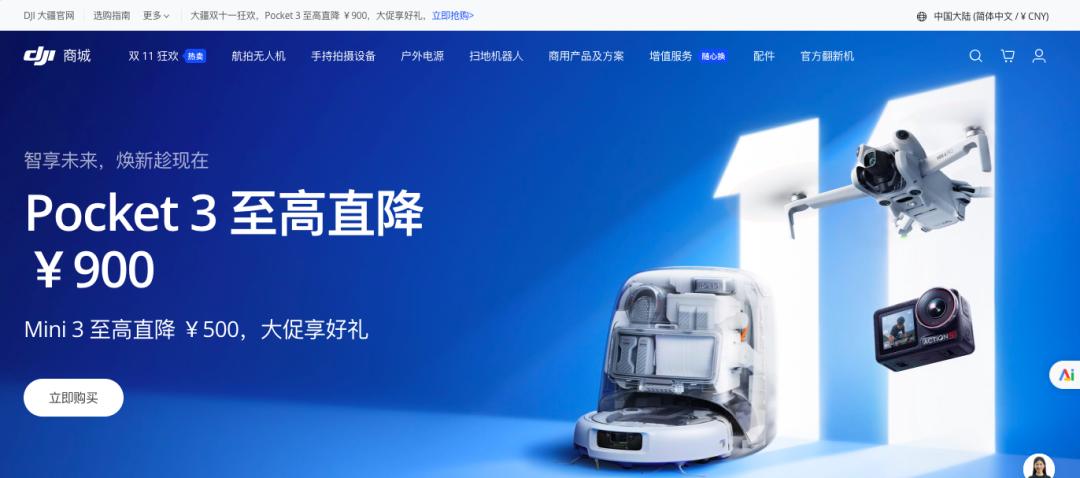
Core Viewpoint - DJI's significant price cuts on various products, including the newly launched Osmo Pocket 3, have sparked consumer backlash and raised questions about pricing policies and compensation measures [1][3][4] Group 1: Price Cuts and Consumer Reaction - DJI has initiated substantial price reductions on multiple products ahead of the "Double 11" shopping festival, with the Osmo Pocket 3 seeing a price drop of up to 900 yuan [1][3] - The price cuts have led to a public outcry, with consumers feeling misled by previous assurances that prices would not drop [3][4] - A refund and rights protection movement has emerged on social media, with consumers seeking clarity on compensation for the price drops [3][4] Group 2: Sales Channels and Policies - DJI's price protection policy is only applicable to purchases made through its official website, leaving consumers who bought through other channels without clear guidance [4][5] - Different sales channels offer varying levels of customer service and price protection, leading to inconsistencies in consumer experiences [4][5] - The lack of a unified policy across different sales channels has contributed to the ongoing consumer dissatisfaction [5] Group 3: Market Dynamics and Competition - DJI's consumer drone business, which accounts for over 70% of its revenue, is nearing market saturation, with growth rates declining significantly [7][12] - The company faces increasing competition from rivals like XAG and emerging players like YingShi, which are expanding their market presence [7][8][12] - DJI's recent price cuts may be a strategic move to maintain market share and disrupt competitors' pricing strategies [11] Group 4: Future Outlook and Product Strategy - DJI is diversifying its product offerings beyond drones, venturing into action cameras and robotic vacuums, but faces stiff competition in these new markets [13][15][16] - The company aims to leverage its established brand reputation in the drone sector to capture market share in consumer electronics [16] - Despite the challenges, DJI's revenue growth remains robust, with projections indicating continued expansion in the coming years [12][13]
21特写|同比增速超70%,中国扫地机器人“淘金”越南
2 1 Shi Ji Jing Ji Bao Dao· 2025-10-16 09:50
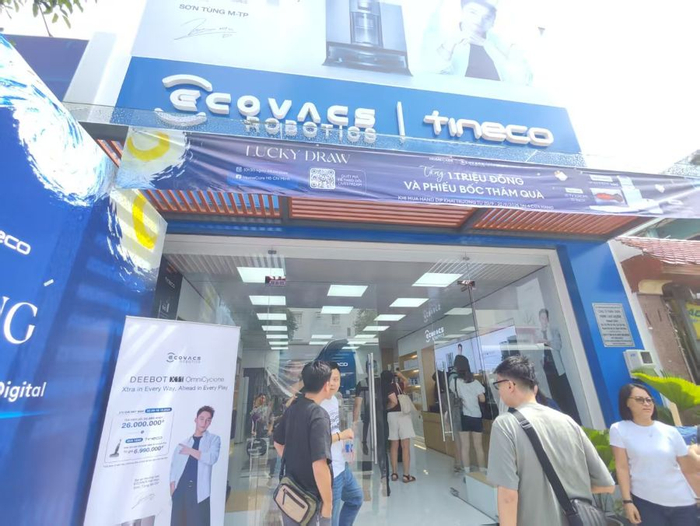
Core Insights - The article highlights the rapid growth of the vacuum robot market in Vietnam, driven by increasing consumer demand and a favorable market environment [3][4][5] - Chinese brands, including Ecovacs, Roborock, and Xiaomi, are expanding their presence in Vietnam, capitalizing on the market's potential and the competitive landscape in other regions [3][5][6] Market Growth - The sales revenue of vacuum robots in Vietnam is projected to grow over 70% year-on-year from January to July 2025 [3] - The average disposable income in Vietnam is expected to reach approximately $2,700 in 2024, with a year-on-year growth of 6.1% [4] - The penetration rate of vacuum robots in Vietnam is currently below 10%, indicating significant room for market expansion [7] Consumer Behavior - Vietnamese consumers have a strong preference for technology products, with a high acceptance rate for new gadgets [5][6] - The cultural practice of maintaining cleanliness in homes drives the demand for cleaning appliances like vacuum robots [4][5] - The average consumer expenditure in Vietnam is around $2,300, with a high consumption rate of 87% of disposable income [4] Competitive Landscape - Chinese brands dominate the Vietnamese vacuum robot market, with the top four brands holding over 90% market share, an increase of nearly 20 percentage points from the previous year [5] - The competition in Vietnam is characterized by a focus on service capabilities and retail coverage, with a strong emphasis on offline sales channels [6][10] Localization Strategies - Companies are adapting their strategies to the local market by establishing physical retail stores and enhancing service capabilities [6][10] - Ecovacs has around 1,000 sales points in Vietnam, with 85% of sales coming from offline stores [10] - Local production and a tailored approach to marketing and sales are crucial for success in the Vietnamese market [11][12] Digital Transformation - The integration of digital capabilities into production and sales processes is seen as essential for enhancing competitiveness in the Vietnamese market [13] - Companies like Xiaomi and Ecovacs are exploring digital upgrades to improve service delivery and consumer engagement [13]

同比增速超70%,中国扫地机器人“淘金”越南
2 1 Shi Ji Jing Ji Bao Dao· 2025-10-16 09:42
Core Insights - The article highlights the rapid growth of the vacuum robot market in Vietnam, driven by increasing consumer demand and a favorable market environment [1][2]. Market Demand - Vietnam's geographical and cultural factors create a strong demand for cleaning appliances like vacuum robots, with a significant need for effective cleaning solutions due to the humid climate [2]. - The average disposable income in Vietnam is projected to be around $2,700 in 2024, with a year-on-year growth of 6.1%, indicating a rising consumer spending capacity [2][3]. - Vietnamese consumers have a high inclination towards technology products, with a notable acceptance of new gadgets among the younger population [3]. Market Share and Competition - Chinese brands dominate the Vietnamese vacuum robot market, with the top four brands—Ecovacs, Roborock, Dreame, and Xiaomi—holding over 90% market share, an increase of nearly 20 percentage points from the previous year [4]. - The competition in Vietnam is characterized by a focus on service capabilities and retail coverage, with a preference for physical stores over online sales [5][6]. Localized Strategies - Chinese brands are increasingly investing in local market strategies, emphasizing the importance of service and retail presence in residential areas to cater to consumer preferences [5][6]. - The penetration rate of vacuum robots in Vietnam is currently below 10%, indicating significant growth potential, especially in less urbanized areas [6]. Production and Distribution - Companies like Roborock have initiated local manufacturing in Vietnam to enhance supply stability and reduce costs, while also establishing comprehensive logistics and after-sales networks [7][9]. - Ecovacs has around 1,000 sales points in Vietnam, with 85% of sales coming from offline channels, highlighting the importance of physical retail in consumer purchasing behavior [7]. Digitalization and Management - The digital transformation of production and sales processes is crucial for enhancing competitiveness in the Vietnamese market, with companies like Xiaomi and Ecovacs exploring digital solutions for better consumer insights and service management [11][12]. - Localized teams and tailored marketing strategies are essential for understanding and responding to the unique preferences of Vietnamese consumers [9][10].
渗透率不足10%,中国品牌已占比80%!越南成扫地机器人新战场
第一财经· 2025-09-25 09:12
Core Viewpoint - The Southeast Asian market, particularly Vietnam, is experiencing significant growth in the robotic vacuum cleaner sector, with Chinese brands dominating the market and increasing consumer acceptance of these products [4][8][14]. Market Growth - The overall sales scale of the robotic vacuum cleaner market in Vietnam is expected to grow by approximately 80% this year, reaching $10 million [5]. - Vietnam is the largest market for robotic vacuum cleaners in Southeast Asia, with a population of about 90 million and a young demographic that is open to new technology [6][14]. - The penetration rate of robotic vacuum cleaners in Vietnam is currently below 10%, indicating substantial market potential [7][14]. Competitive Landscape - Chinese brands, including Ecovacs, Roborock, and others, now account for about 80-90% of the market share in Vietnam, a significant increase from previous years [8][10]. - The competitive landscape has shifted from American brands like iRobot to predominantly Chinese brands, which are now the main competitors in the market [9][10]. - The average selling price of robotic vacuum cleaners in Southeast Asia has increased by over 40% year-on-year, driven by the demand for high-end, intelligent features [10]. Sales Channels - Ecovacs reports that approximately 15% of its sales revenue in Vietnam comes from online channels, while 85% is from offline sales, reflecting the importance of physical retail presence [12]. - The company has established around 1,000 sales outlets across Vietnam, including dedicated stores and counters in major appliance retailers [5][12]. Future Potential - The market for robotic vacuum cleaners in Southeast Asia is expected to continue growing, with increasing consumer income and a focus on product quality and brand reputation [14]. - The potential market size in urban areas like Ho Chi Minh City and Hanoi is significant, with estimates suggesting that a 15% penetration rate could lead to sales of 750,000 units [14]. - Other Southeast Asian countries, such as Malaysia and Thailand, are also experiencing rapid growth in the robotic vacuum cleaner market, indicating a broader regional opportunity [14]. Challenges - Chinese companies face challenges in maintaining healthy competition and educating the market about robotic vacuum cleaners [15]. - There is a need for product differentiation to cater to local consumer preferences, as seen in markets like Indonesia where consumer habits vary [17].