咖啡

Search documents
哈根达斯还是不够贵
Hu Xiu· 2025-07-29 13:17
Group 1 - Haagen-Dazs China significantly contributed to General Mills' ice cream business, accounting for half of its revenue in 2017, but rumors of selling its Chinese stores have emerged for 2025 [1] - General Mills denied the sale plans, but Haagen-Dazs is facing increasing competition and has closed 81 stores nationwide in the past year [2][3] - The brand's sales have declined, with a reported 10% drop in customer traffic in its Chinese stores, reflecting broader struggles in the global market [6] Group 2 - Haagen-Dazs' revenue in the past five years fell from $820 million to $720 million, indicating a significant downturn [7] - The brand's premium pricing strategy, with an average price of $9.89 for a double scoop in China, is the highest globally, but it faces challenges from lower-priced competitors [9][11] - The brand's historical positioning as a luxury product has shifted, as it now competes with a variety of cold dessert products, including tea drinks [4][19] Group 3 - The rise of new tea beverage brands has intensified competition, with Haagen-Dazs struggling to maintain its market share [20][28] - The brand's attempt to diversify by opening a coffee shop in Shanghai was a response to the competitive landscape, but it still faces challenges from established players like Starbucks [21][22] - Haagen-Dazs has shifted focus to retail and e-commerce channels, but the ice cream market's low online penetration complicates this strategy [29][30] Group 4 - The pricing strategies of new tea brands have shifted, with products now priced between 15-25 yuan, making them more accessible to a broader audience [32] - The expansion of tea brands into shopping centers has displaced traditional ice cream brands like Haagen-Dazs, which has struggled to adapt [27][33] - Haagen-Dazs' high operational costs and supply chain challenges hinder its ability to compete effectively with the more agile tea brands [43][45] Group 5 - The brand's ice cream products face limitations in scaling due to their perishable nature and high cold chain costs, making it difficult to compete on price [43][44] - Haagen-Dazs has attempted promotional strategies to attract customers, but its core ice cream line remains difficult to expand rapidly [42][46] - The brand's future may depend on finding unique ingredients and repositioning itself in the market to maintain its premium image [49][50]


美国咖啡店经营者:关税冲击将是严峻考验
Sou Hu Cai Jing· 2025-07-29 12:59
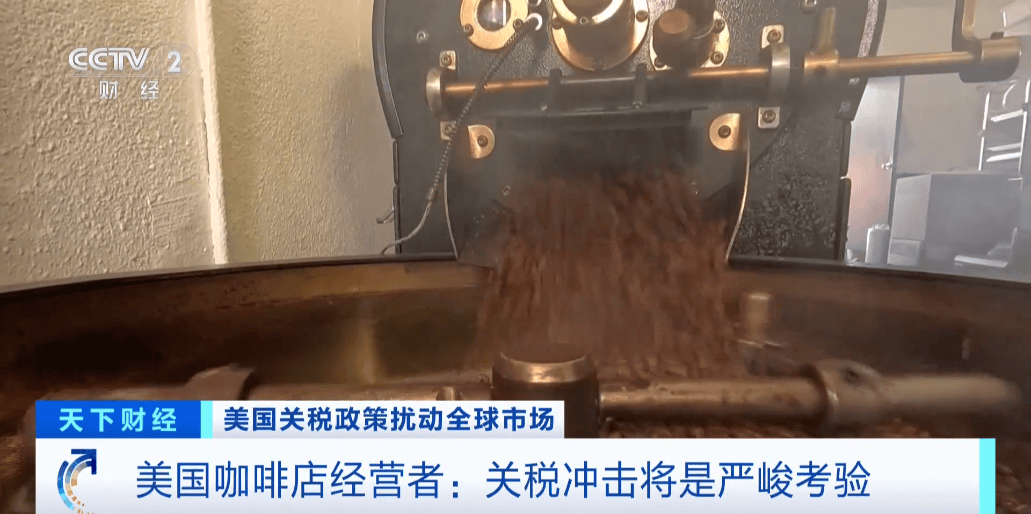
(央视财经《天下财经》)美国对巴西产品加征关税,受伤害的不仅是巴西产业,对于大量进口巴西咖啡豆的美国咖啡行业来说,这一关税政策 给他们也造成严重冲击。 长期以来,美国本土咖啡豆产量仅占其消费量的1%左右,美国咖啡行业十分依赖进口咖啡豆,而巴西咖啡豆因其价格实惠且多样性的拼配选择显 得十分重要。在洛杉矶,乔恩·金纳德的咖啡店已经经营了六年,面对即将到来的关税冲击,金纳德表示这将会是一次严峻的考验。 美国咖啡店经营者 乔恩·金纳德:巴西咖啡豆在我们的业务中如此重要,它价格实惠、易于获取、口感稳定,是大多数混合咖啡的基础,因此市面 上几乎所有拼配咖啡豆中都含有巴西咖啡豆。与单一产地的咖啡豆相比,由巴西咖啡豆调制的拼配咖啡豆每磅便宜了差不多3美元。 金纳德表示,由于近年气候变化和咖啡减产等因素,本已大幅上涨的巴西咖啡豆价格也会因本次关税冲击而进一步水涨船高。金纳德和其他小企 业主正在探索哥伦比亚咖啡豆等替代品,但他们也承认短期内很难彻底取代巴西咖啡豆。他表示大部分美国咖啡店主面临着艰难的抉择:要么承 担成本上涨的压力,要么将其转嫁给顾客,要么在咖啡品质上做出妥协。 转载请注明央视财经 编辑:潘煦 ...
“这里的咖啡主理人密度比上海还高?” 跑到悬崖上喝美式兑茅台的贵州人给一线牛马看傻了
3 6 Ke· 2025-07-29 08:54
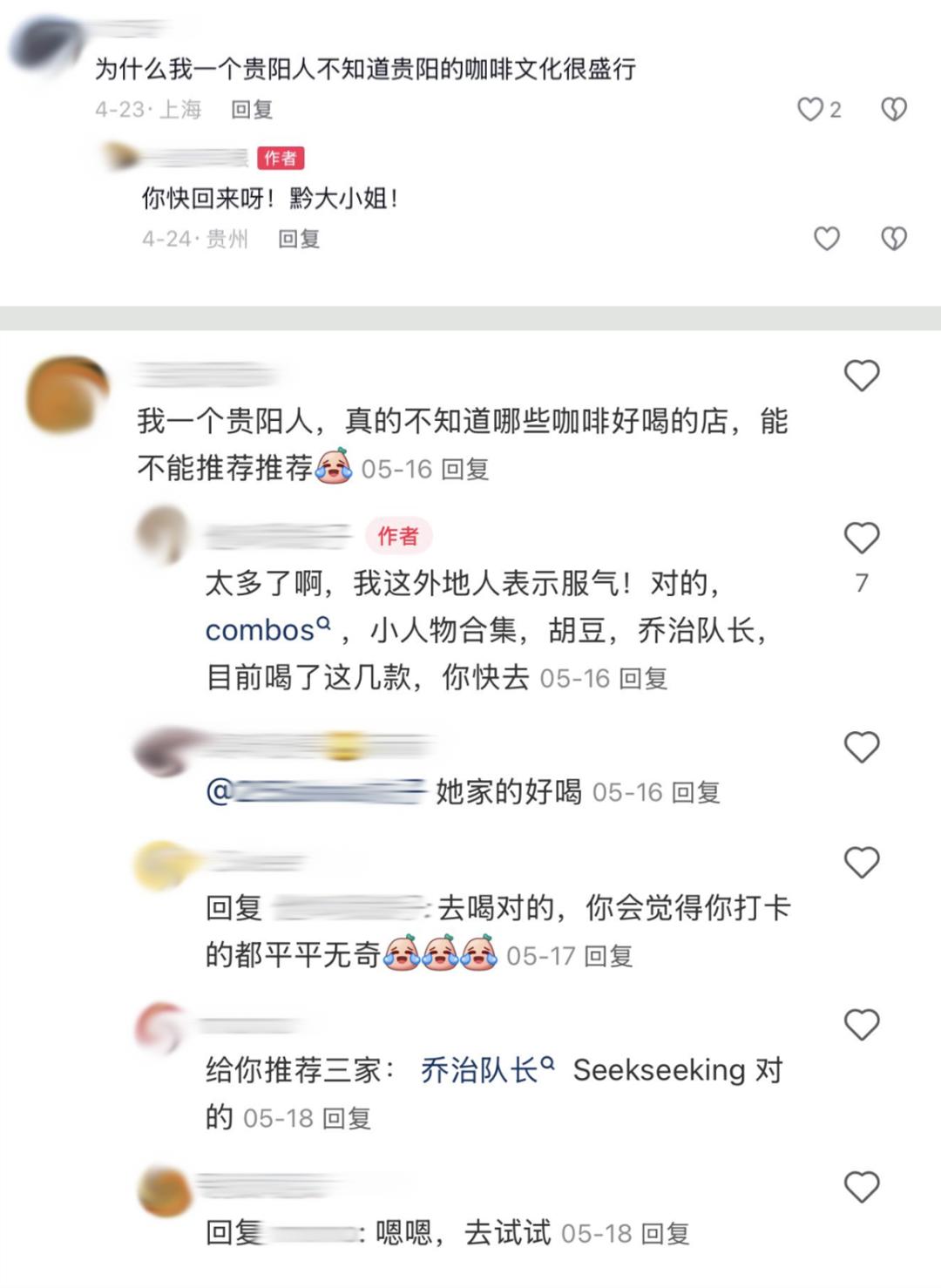
Core Insights - Shanghai, once the global leader in coffee shops with 553 cafes, has been surpassed by Guiyang, which boasts over 3,000 cafes for a population of about 6 million, resulting in a density of 5 cafes per 10,000 people compared to Shanghai's 2.85 [1][32] Group 1: Coffee Culture in Guiyang - Guiyang's coffee scene is characterized by a high number of championship-winning baristas, with at least a dozen champions reportedly working in local cafes, contributing to the city's reputation as a coffee hub [2][7] - The local coffee flavor profile emphasizes unique ingredients, such as incorporating local herbs and flavors like "black garlic" and "Moutai," creating distinctive drinks that appeal to both locals and tourists [8][10] - Tourists are increasingly drawn to Guiyang's coffee culture, often waiting in long lines for the "champion coffee," while locals express curiosity about the influx of visitors [2][10] Group 2: Comparison with Shanghai - In Shanghai, coffee consumption is often tied to work culture, with 84.2% of coffee drinkers being office workers, who view coffee as both a productivity tool and a lifestyle choice [21][24] - Shanghai's coffee culture is marked by a focus on the overall experience, with consumers interested in the story behind the coffee, while Guiyang's approach is more relaxed, prioritizing social interaction over the coffee's narrative [28][30] - The local coffee experience in Guiyang is more about socializing and enjoying the atmosphere, akin to how Chengdu residents frequent tea houses, rather than a deep dive into coffee nuances [24][28] Group 3: Economic and Social Factors - Guiyang's coffee market is thriving, with over 1,248 local coffee brands among the 3,000 cafes, indicating a strong local investment in the coffee culture [32][34] - The willingness of Guiyang residents to spend on lifestyle choices is reflected in their high ranking in a survey on spending to please oneself, surpassing major cities like Beijing and Shanghai [32][34] - Historical influences, such as migration patterns and cultural exchanges, have contributed to Guiyang's unique coffee culture and consumer behavior, fostering a lifestyle that embraces enjoyment and social interaction [34][35]
拉美观察丨美关税大棒砸向巴西 50%税率撕裂美巴贸易互补性
Sou Hu Cai Jing· 2025-07-29 08:52
Group 1: Tariff Impact on Brazilian Industries - The U.S. has raised tariffs on Brazilian goods from 10% to 50%, affecting major exports such as orange juice, coffee, and aircraft manufacturing [1][4] - The Brazilian National Confederation of Industry estimates that this tariff increase will lead to a GDP decline of 0.37% in the U.S. and 0.16% in Brazil, with exports dropping by 52 billion Brazilian Reais and 100,000 job losses [4] - The most impacted sectors include aircraft, shipbuilding, and transportation equipment (22.3% export decline), tractors and agricultural machinery (11.31% decline), and poultry (11.3% decline) [4] Group 2: Specific Industry Concerns - The Brazilian Orange Juice Exporters Association warns that the new tariffs could lead to an "unsustainable state" for the industry, potentially causing harvest interruptions and factory chaos [5] - The Brazilian Coffee Exporters Association highlights that the new tariff will significantly increase the end price for American consumers, affecting over 300,000 coffee farming families in Brazil and 2.2 million coffee workers in the U.S. [6][8] - The Brazilian Aircraft Manufacturing Company estimates that each exported aircraft to the U.S. will incur an additional cost of approximately $9 million due to the tariffs, with potential total losses reaching 2 billion Reais [9] Group 3: Furniture and Other Industries - The Brazilian Furniture Industry Association reports that the U.S. market accounts for 30% of Brazil's finished furniture and mattress exports, with nearly 40% of related materials exported to the U.S. [10] - The furniture sector is experiencing order reductions, shipment pauses, and contract cancellations due to the impending tariff increase [10] Group 4: Broader Economic Implications - The tariff conflict is expected to exacerbate Brazil's economic challenges, including inflation and public debt, especially as the central bank has raised interest rates to 15% [17] - The ongoing trade dispute has led to public protests in Brazil, with citizens demanding respect for national sovereignty [17] Group 5: Diplomatic and Trade Relations - Brazil's government is actively seeking to mitigate the impact of the tariffs and has proposed credit support for affected businesses while exploring new export markets [18] - Analysts suggest that the tariff conflict reflects deeper political tensions, with the U.S. using tariffs as a tool to exert pressure on Brazil's domestic politics [19][20]

美关税大棒砸向巴西 50%税率撕裂美巴贸易互补性
Yang Shi Xin Wen Ke Hu Duan· 2025-07-29 07:33
Group 1: Trade Impact - The U.S. has raised tariffs on Brazilian imports from 10% to 50%, affecting a wide range of products including orange juice, coffee, and aircraft manufacturing [1][2] - Brazil's average tariff on U.S. goods is currently 2.7%, with a projected trade deficit of $43 billion in goods and $165 billion in services with the U.S. from 2024 to 2025 [1] - The Brazilian National Industry Confederation estimates that the new tariffs will lead to a 0.37% decrease in U.S. GDP and a 0.16% decrease in Brazilian GDP, with a potential loss of 52 billion Brazilian Reais in exports and 100,000 jobs in Brazil [2] Group 2: Sector-Specific Effects - The Brazilian orange juice export sector warns that the new tariffs could lead to an "unsustainable state," potentially causing harvest interruptions and factory chaos [3] - The Brazilian coffee export sector, which relies heavily on the U.S. market (16% of total exports), will face significant price increases, impacting over 300,000 coffee farming families and 2.2 million coffee workers in the U.S. [4] - The Brazilian aircraft manufacturing sector estimates that each exported plane to the U.S. will incur an additional cost of approximately $9 million due to the tariffs, with potential total losses reaching 2 billion Reais [5] Group 3: Furniture and Other Industries - The Brazilian furniture industry, which exports 30% of its products to the U.S., is experiencing order reductions and potential job losses for over 1.1 million workers due to the tariff increase [6][7] - The furniture sector has seen tariffs rise from an average of 3.5% to 50%, leading to significant disruptions in operations [7] Group 4: Political and Economic Reactions - Brazilian President Lula has condemned the U.S. tariffs as unacceptable interference in Brazil's sovereignty and has indicated plans for retaliatory measures [8] - The Brazilian government is actively seeking to negotiate with U.S. businesses to mitigate the negative impacts of the tariffs [11] - Analysts suggest that the tariff conflict reflects deeper political tensions, with the U.S. using trade measures as leverage against Brazil's domestic politics [12][13]

休闲餐饮、创意融合菜等黑马频出,杭州要摘掉“美食荒漠”标签!
3 6 Ke· 2025-07-29 02:24
Core Insights - The successful IPO of a green tea restaurant marks it as the first stock of "Chinese fusion cuisine," highlighting the resurgence of local dining brands in Hangzhou [1] - Hangzhou is increasingly recognized for its culinary scene, with a growing number of Michelin-listed establishments and affordable, high-quality baked goods [1] Casual Dining - Pull-Tab, a coffee brand founded in 2022, has rapidly expanded to over 500 stores nationwide within a year and a half, with plans for international expansion starting in 2025 [2] - The brand's unique pull-tab bottle design and interactive coffee experience have contributed to its popularity, with significant sales in its first overseas store in New York [2] - The brand engages in cross-industry collaborations to enhance visibility and brand recognition [4] Traditional and Fusion Cuisine - New brands like "Chunhua Nainai" focus on traditional Jiangnan snacks, emphasizing handmade preparation and fresh ingredients [13] - "You Today Are Beautiful" is a new-style Chinese tavern that creates a casual atmosphere for young people, featuring affordable drinks and interactive dining experiences [15] - "沸点计划" (Boiling Point Plan) aims to establish a unique "natural hot pot" dining experience, with plans to expand to over 50 locations by 2025 [15] International Cuisine - "糯·NOW THAIA" offers a modern take on Southeast Asian cuisine, combining traditional flavors with contemporary design [16] - "七条鱼" (Seven Fish) has grown from a small takeout to a popular chain known for its high-quality Japanese cuisine, with over 20 locations [16] - "囍桔·料理·寿司" creatively merges Japanese and Western culinary styles, quickly establishing a presence with seven locations in less than six months [17]

在中国,绿色“链”接全球丨链博会让供应链不断成为“共赢链”
Ren Min Ri Bao· 2025-07-28 21:32
Group 1 - The third China International Supply Chain Promotion Expo showcased numerous green products and solutions, emphasizing the importance of sustainable practices in supply chains [1] - The event attracted 651 enterprises and institutions from 75 countries and regions, with foreign exhibitors increasing from 32% to 35% compared to the previous year [5] - The expo highlighted the integration of technology and green practices, with a report indicating that technological innovation is driving the global supply chain towards a new phase of digitalization and sustainability [4] Group 2 - China Machinery Industry Group (Sinomach) presented a hybrid agricultural tractor and a comprehensive solution for modern agricultural production, showcasing advancements in green and intelligent agricultural equipment [2] - The company is enhancing its international collaboration in agricultural engineering projects and smart farm management systems, contributing to the global agricultural supply chain's green development [2] - The Iceberg Group displayed its ion compressor technology, which significantly improves efficiency and reduces energy consumption in hydrogen applications [3] Group 3 - MSC Mediterranean Shipping Company demonstrated its sustainable development practices in shipping, including significant progress in logistics decarbonization and a strategic partnership with Hengli Heavy Industry for green shipbuilding [6] - Starbucks showcased its commitment to sustainability through the use of eco-friendly materials and energy-efficient practices in its stores, aiming to integrate sustainable development into its entire supply chain [7] - Contemporary products like the E-space Compact series electric fishing boat from CATL and the Tiger Neo solar panels from JinkoSolar were introduced, reflecting the growing market for electric vessels and solar energy solutions [8][9][10]

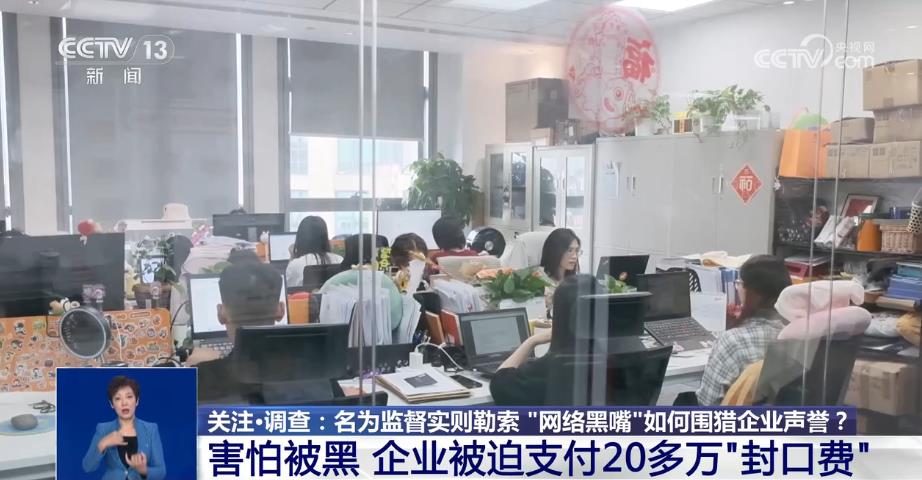
“不给钱就黑你!” 网络“黑嘴”乱象亟需重视
Yang Shi Wang· 2025-07-28 17:34
Core Viewpoint - A new type of business environment issue has emerged, where self-media accounts, under the guise of "public opinion supervision," fabricate and exaggerate negative information about companies to extort money through so-called "business cooperation" [1][10]. Group 1: Incident Overview - A Shanghai coffee company was forced to pay a "hush fee" of 225,000 yuan due to fabricated negative reports claiming a high closure rate of its stores [1][3]. - The negative article claimed that the company's closure rate exceeded 80% over three years, which was later proven to be unfounded [1][12]. Group 2: Impact on the Company - The dissemination of false information severely damaged the company's commercial trust with partners, leading to the suspension of signed projects and difficulties in pursuing new collaborations [3][5]. - The company faced significant costs in attempting to refute the claims, including legal fees for sending cease-and-desist letters, which amounted to 2,000 yuan per letter [9][12]. Group 3: Extortion Tactics - The perpetrator, identified as Su, targeted medium-sized well-known companies that lacked robust legal and public relations teams, especially during critical business phases such as financing or expansion [9][10]. - Su utilized a network of accounts with over 100,000 followers to create a façade of credibility, while the actual operation was conducted by him alone [10][12]. Group 4: Law Enforcement Response - Following the company's report to the police, an investigation revealed that Su had a systematic approach to extortion, leading to his arrest for extortion [7][14]. - The Shanghai Cyber Administration has initiated actions to combat such "black mouth" incidents, aiming to increase the legal costs for offenders and protect businesses from such threats [14][15]. Group 5: Regulatory Measures - The Central Cyberspace Administration of China launched a special action to address the issue of online extortion targeting businesses, focusing on creating a comprehensive governance system [14][15]. - New measures, such as the "Enterprise Infringement Information Processing Service Package 2.0," have been introduced to assist companies in reporting and gathering evidence against such extortion attempts [15][18].
瑞幸咖啡:竞逐全球咖啡市场的标杆
SINOLINK SECURITIES· 2025-07-28 12:36
Investment Rating - The report assigns a "Buy" rating to the company with a target price of 285.77 RMB per ADS, corresponding to 40.01 USD per ADS based on a FY2026 PE of 18X [4]. Core Views - The company has a strong market position with over 24,097 stores as of Q1 2025, focusing on a self-pickup model at an affordable price range of 10-15 RMB [2]. - The company is expected to see significant growth in non-GAAP net profit, projected at 43.42 billion RMB for FY2025, 56.05 billion RMB for FY2026, and 73.12 billion RMB for FY2027, reflecting year-on-year growth rates of +32.1%, +29.1%, and +30.5% respectively [4]. - The coffee market in China is anticipated to grow at a CAGR of 21.6% from 2023 to 2027, indicating substantial potential for the company [49]. Summary by Sections Company Overview - The company operates a self-pickup model and has established itself as a leading player in the coffee market with strong capabilities across products, channels, brands, and supply chains [2]. Investment Logic - The company is positioned to benefit from the growing coffee consumption trend in China, with significant room for growth compared to more mature markets like the US and Japan [49]. Profit Forecast, Valuation, and Rating - The company’s revenue is projected to grow from 24.9 billion RMB in 2023 to 67.9 billion RMB by 2027, with a compound annual growth rate (CAGR) of 20.1% [8]. - The report highlights a healthy growth trajectory in both direct and franchise operations, with direct store numbers expected to increase significantly [70]. Strategic Store Opening - The company has entered a positive same-store sales growth cycle with a Q1 2025 same-store sales growth (SSSG) of +8.1% [15]. - The company has maintained a rapid store opening pace, with a net increase of 1,757 stores in Q1 2025 [32]. Competitive Positioning - The company leads the industry in terms of store count and market share, with a GMV market share of 21.8% as of 2023 [29]. - The company has a robust supply chain and digital capabilities, enhancing operational efficiency and product innovation [46]. Market Potential - The coffee market in China is still in a growth phase, with significant potential for increased per capita consumption [49]. - The company is exploring international markets, having entered regions like Singapore, Malaysia, and the US, with a focus on competitive pricing [56]. Financial Projections - The company expects to achieve substantial revenue growth driven by both direct and franchise operations, with total revenue projected to reach 46.95 billion RMB in FY2025 [70]. - The report anticipates a decrease in fulfillment costs as the number of stores increases, contributing to improved profitability [73].

从-86℃咖啡到布达拉宫观景位,小众咖啡馆们都在抢场景入场券?
Hu Xiu· 2025-07-27 00:26
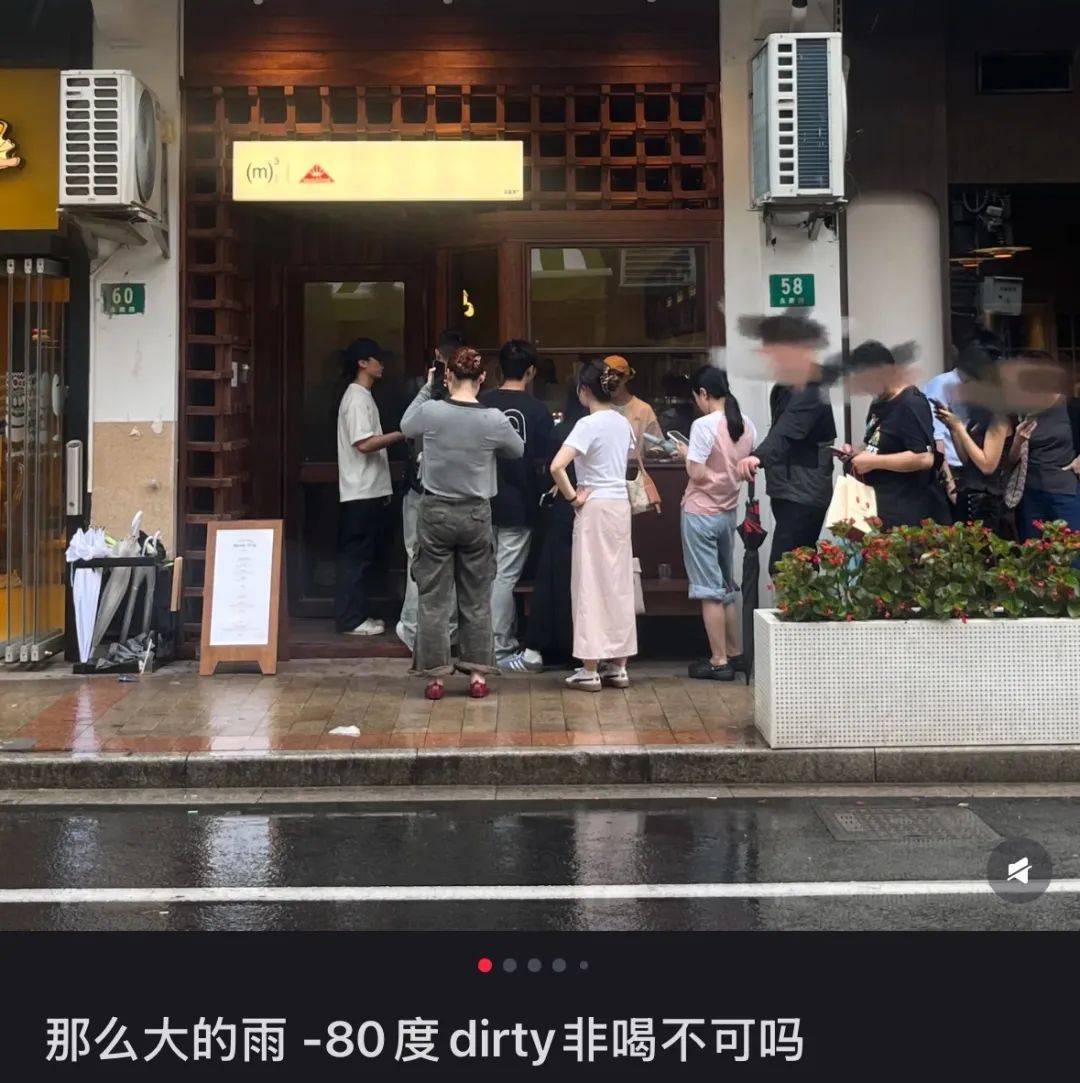
Core Viewpoint - The emergence of the -86℃ coffee trend, initiated by the "三立方丨Mahlkönig Dirty" store, highlights a shift in consumer behavior where the experience and social media appeal of the product outweigh its taste [1][21]. Group 1: Product and Experience - The -86℃ coffee is created using laboratory-grade freezing technology, which enhances the visual appeal and creates a unique drinking experience [3][14]. - The optimal tasting period for the coffee is limited to 30-40 seconds after the milk is poured, emphasizing the urgency and experiential aspect of consumption [4][21]. - Consumers are primarily drawn to the experience of taking photos and sharing on social media rather than the taste itself, indicating a shift towards experiential consumption [12][49]. Group 2: Market Response and Competition - Following the popularity of the -86℃ coffee, various coffee shops across China have introduced similar products, indicating a trend towards unique and experiential offerings in the coffee market [7][20]. - Pricing for the -86℃ coffee varies by region, with Shanghai's "三立方" offering it at 26 yuan, while other cities like Beijing and Chengdu have higher prices, reflecting regional market dynamics [11][12]. - The -86℃ coffee trend is not unique to "三立方," as similar products were previously introduced by other brands, but they did not gain significant traction until now [8][20]. Group 3: Brand Strategy and Positioning - "三立方" was established in 2021 with a focus on affordable coffee, successfully capturing market share through low pricing strategies [23][26]. - The brand differentiates itself through unique design elements and a strong product line, including over 100 merchandise items that enhance customer engagement [30][32]. - The operational model of "三立方" relies on a low-cost structure and a small store footprint, allowing for rapid expansion and competitive pricing against larger chains [35][38]. Group 4: Consumer Behavior and Trends - The trend indicates that coffee is becoming a secondary product in the experience-driven market, where consumers prioritize unique experiences over traditional product attributes [20][49]. - The rise of experiential coffee shops suggests a broader shift in consumer preferences towards niche markets and personalized experiences, as seen in various themed coffee shops [52][69]. - The success of coffee shops is increasingly tied to their ability to create memorable experiences and social media-worthy moments, rather than just the quality of the coffee itself [69].