
新能源车

Search documents
周观点:工信部召开座谈会,治理低价无序竞争-20250706
HTSC· 2025-07-06 08:19
证券研究报告 电力设备与新能源 周观点:工信部召开座谈会,治理低 价无序竞争 华泰研究 2025 年 7 月 06 日│中国内地 行业周报(第二十七周) 周观点:工信部部长召开座谈会,治理低价无序竞争 7 月 3 日,工业和信息化部党组书记、部长李乐成主持召开光伏行业制造业 企业座谈会,聚焦加快推动光伏产业高质量发展,听取光伏行业企业及行业 协会情况介绍和意见建议。14 家光伏行业头部企业及光伏行业协会负责人 作交流发言,介绍企业基本情况、面临的困难和问题,提出政策建议。会议 强调,要依法依规、综合治理光伏行业低价无序竞争,引导企业提升产品品 质,推动落后产能有序退出,实现健康、可持续发展。我们认为本次会议工 信部部长主持,头部企业负责人参会,为历次光伏企业座谈会的最高规格, 明确了政府与行业协同推动供给侧改革的大方向,看好后续供给侧改革细则 陆续落地,推动行业供需格局重塑。 子行业观点 1)新能源车:6 月国内新能源车销量走势较好;2)储能:SPE 提出欧洲储 能十倍扩容目标,我们看好欧洲大储起量;3)光伏:工信部部长召开座谈 会,治理低价无序竞争;4)风电:国内海风招中标稳步推进。 重点公司及动态 1)宁 ...


全球制造:或将复苏:实物需求的新一轮上升周期
SINOLINK SECURITIES· 2025-07-06 07:54
Group 1 - The report highlights a potential recovery in global manufacturing, driven by renewed emphasis on physical demand and infrastructure investment in developed economies, particularly Germany and the United States [3][12][21] - Germany plans to invest €120 billion in infrastructure by 2025, with an additional €800 billion in deficits projected from 2025 to 2029, representing about 20% of its GDP [12][18] - The U.S. "One Big Beautiful Bill Act" increases tax credits for advanced manufacturing investments from 25% to 35% and allows 100% depreciation for fixed assets in the year they are put into use [12][15] Group 2 - The "anti-involution" policy is gaining attention, particularly in industries with high capacity utilization and low product prices, which may see significant profit improvements through capacity restrictions [4][31][33] - The report notes that excess capacity is concentrated in high-end manufacturing sectors like photovoltaics and lithium batteries, where demand growth is expected to continue, making direct capacity reduction less likely [4][31] - Traditional industries with higher capacity utilization and lower prices may benefit more from the "anti-involution" policies, leading to better profit elasticity [31][33] Group 3 - The report discusses a shift from virtual to real assets, indicating that while liquidity may pose risks, the fundamentals present opportunities for investment [5][37] - Chinese companies have increased capital expenditures despite declining ROIC, suggesting a recovery phase for capital returns, particularly in traditional sectors [5][37] - The report recommends asset allocation towards upstream resource products (copper, aluminum, oil) and capital goods (engineering machinery, heavy trucks) to benefit from rising physical asset demand [5][37]
中美之间似乎正在复制美日广场协议,美元继续升值对美国是灾难
Sou Hu Cai Jing· 2025-07-06 07:34
Group 1 - The article draws parallels between the Plaza Accord of 1985, which negatively impacted Japan's economy, and current U.S. strategies aimed at China, suggesting that the U.S. may be attempting to replicate this historical scenario [1][3][9] - The U.S. is facing significant trade deficits, particularly with China, which has emerged as a major manufacturing competitor, holding over 30% of global manufacturing value added in 2022 [5][9] - The strong dollar, driven by aggressive Federal Reserve policies, is seen as a tool to attract global capital back to the U.S. while simultaneously undermining China's economic growth [9][11] Group 2 - The appreciation of the dollar is eroding the profit margins of Chinese exporters, making it difficult for them to compete, as rising costs may lead to orders shifting to other emerging markets like Vietnam and India [7][9] - The U.S. manufacturing sector has diminished, now accounting for less than 11% of GDP, which raises questions about the sustainability of its economic strategies compared to the 1980s [9][11] - Some U.S. states are exploring alternatives to the dollar, reflecting growing concerns over federal debt and the stability of the dollar system, which could signify a fracture in the U.S. financial framework [13][15] Group 3 - The article emphasizes the need for China to find a balance between maintaining currency stability and ensuring export competitiveness, highlighting the challenges posed by potential passive appreciation of the yuan [13][15] - It warns of the spillover effects of U.S. monetary policy on the global economy, underscoring the importance of developing a robust financial infrastructure to mitigate these impacts [15] - The current situation is framed as a gamble for the U.S., betting that China will not resist pressure as Japan did in the past, but the differing economic contexts suggest that outcomes may vary significantly [15]

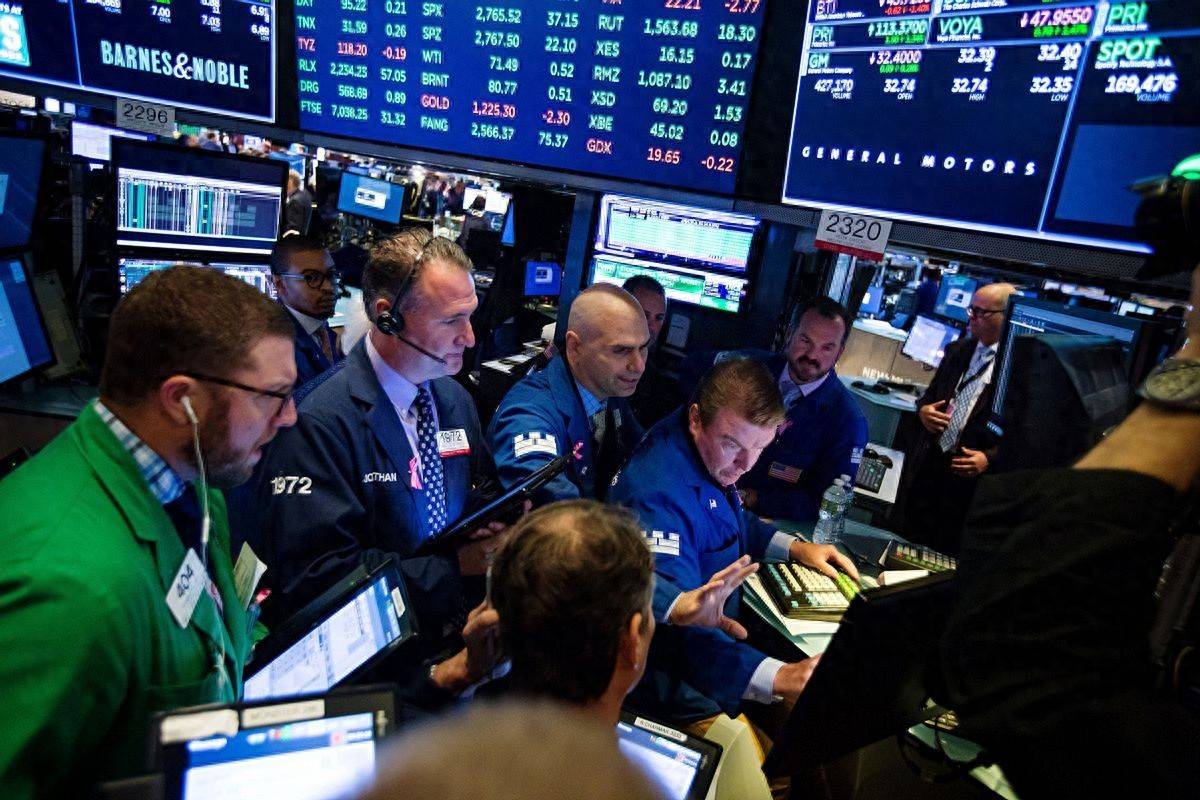
极氪009光辉典藏版交付首批用户,中国汽车史上首个空中交付
Qi Lu Wan Bao Wang· 2025-07-06 06:36
Core Viewpoint - The delivery ceremony of the Zeekr 009 Glorious Edition, China's first airborne car delivery, took place on a private jet, highlighting the luxury and innovative experience of the vehicle [1][3]. Group 1: Product Features - The official starting price of the Zeekr 009 Glorious Edition is 899,000 yuan, featuring luxurious elements such as gold accents and high-quality materials, appealing to high-end consumers [1]. - The vehicle is designed with safety and comfort in mind, including a unique one-piece cast C-ring seat that secures rear seats to the aluminum body, ensuring passenger safety [5]. - It boasts the world's first LC privacy dimming glass, which can switch from bright to dark in one second, with a UV blocking rate of 99.9% and a shading rate of 99.5% [5]. - The seats are made from ultra-soft aniline leather, featuring 11 layers and 12 ergonomic support zones, providing 20 massage points and a graphene thermal SPA experience [5]. Group 2: Market Position and Consumer Insights - The Zeekr 009 Glorious Edition is favored by high-end users, with a significant portion of buyers being executives and entrepreneurs, predominantly male [1][3]. - The vehicle's performance is notable, being the fastest accelerating MPV globally, achieving 0-100 km/h in just 3.9 seconds, and equipped with a battery that allows for over 500 km of range in just 11.5 minutes of charging [5]. - The penetration rate of new energy vehicles in China has surpassed 50%, with domestic brands like Zeekr capturing a significant share of the 600,000 yuan market segment, indicating a shift in consumer preferences towards local luxury vehicles [6].
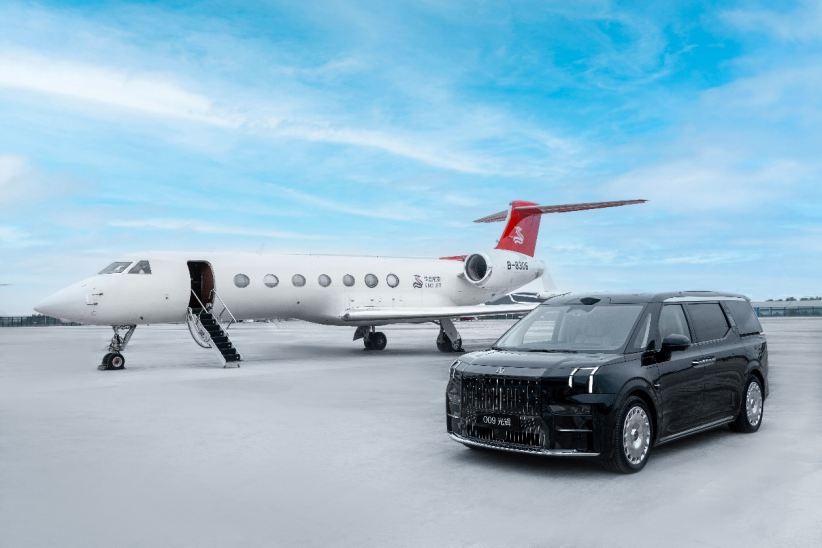
哪些行业将受益于“反内卷”政策?
Soochow Securities· 2025-07-06 04:01
Core Insights - The "anti-involution" policy aims to address the current macroeconomic contradictions and the "prisoner's dilemma" of chaotic competition in industries, emphasizing the need for improved resource allocation efficiency and product quality enhancement [2][4] - The policy is expected to have a more significant impact on emerging industries facing overcapacity, such as photovoltaics and new energy vehicles, compared to traditional industries that have already undergone some consolidation [4][10] Industry Analysis - Since 2020, emerging manufacturing sectors like new energy vehicles and photovoltaics have rapidly developed, leading to significant supply-side homogeneity and price declines, with prices for photovoltaic materials dropping nearly 90% since 2023 [4][9] - The traditional industries, such as steel and cement, have seen improved profitability and price levels compared to ten years ago, indicating that the marginal effects of the "anti-involution" policy on these sectors may be less pronounced than during the previous supply-side reforms [4][10] - The report highlights that the current economic environment and the structure of industries have evolved, making the sectors affected by overcapacity different from those ten years ago, with the focus now on new emerging industries [5][10] Policy Implications - The "anti-involution" measures are expected to be more moderate compared to the previous supply-side reforms, focusing on guiding and regulating rather than enforcing strict capacity reductions [7][8] - The government has emphasized the importance of balancing "anti-involution" efforts with employment stability, indicating that the approach may prioritize positive guidance over aggressive capacity cuts [8][10] - Recent meetings and initiatives from government bodies indicate a strong commitment to addressing low-price competition in emerging sectors, with significant actions already taken by leading companies in the photovoltaic and automotive industries [9][29] Investment Opportunities - The report suggests focusing on sectors such as the photovoltaic supply chain, lithium battery industry, and traditional industries like steel and cement that are experiencing overcapacity [11] - Specific recommendations include prioritizing leading companies in the photovoltaic sector, energy storage, and new energy vehicles, as well as traditional industries that have shown resilience and improved profitability [11][29]
新能源车周报:商务部将加强对二手车出口工作指导
Sou Hu Cai Jing· 2025-07-04 07:13
Industry Overview - As of July 4, the price of battery-grade lithium carbonate is between 61,300 to 63,300 CNY per ton, with an average price of 62,300 CNY per ton, reflecting a week-on-week increase of 200 CNY per ton. Industrial-grade lithium carbonate is priced between 60,200 to 61,200 CNY per ton, with an average of 60,700 CNY per ton, also up by 200 CNY per ton week-on-week. The spot price of lithium carbonate continues to show a slight upward trend due to improved demand expectations for July and strong support from rigid demand [1] - The penetration rate of new energy vehicles (NEVs) in June is expected to reach a new high, with wholesale sales of NEV manufacturers estimated at 1.26 million units, a year-on-year increase of 29%. Cumulatively, from January to June, wholesale sales reached 6.47 million units, a year-on-year increase of 38% [6][5] - In May, the export value of automotive goods reached 20.67 billion USD, marking a year-on-year increase of 12.2%. The total import and export value of automotive goods for May was 25.06 billion USD, with imports valued at 4.38 billion USD and exports at 20.67 billion USD [5][6] Company Developments - XPeng Motors launched the new AI smart family SUV, XPeng G7, with a starting price of 195,800 CNY. The vehicle features advanced AI capabilities and is the world's first L3-level AI car, achieving 2250 TOPS of effective computing power [7] - GAC Group announced that its first model in collaboration with Huawei is expected to be launched in 2026, focusing on the high-end market segment priced around 300,000 CNY [8] - NIO's founder Li Bin stated that the company has achieved its strategic goal of self-developed chips, with the global first automotive-grade 5nm intelligent driving chip, Shenji NX9031, now being applied in several models [9] Policy and Market Trends - The Ministry of Commerce will enhance guidance on the export of used cars to promote healthy and orderly development in this sector. The export business for used cars was officially launched nationwide in February 2024 [4] - Jinan city has initiated its first round of automotive consumption subsidies for the second half of 2025, with a total subsidy amount of 12 million CNY available for individuals and enterprises purchasing non-operational passenger vehicles [4]


恒指收跌151点,两万四失而复得
Guodu Securities Hongkong· 2025-07-04 03:08
Group 1: Market Overview - The Hang Seng Index closed down by 151 points, ending at 24,069, after initially rising to a high of 24,269 before falling below the 24,000 mark [3][4] - The total trading volume for the day was 231.25 billion HKD, with net outflows from northbound trading amounting to 3.05 billion HKD [3][4] - Major blue-chip stocks such as Alibaba, Tencent, and Meituan experienced declines of 2.9%, 0.1%, and 2.5% respectively [3] Group 2: Industry Dynamics - The June PMI for China's service sector showed a slowdown in growth, contributing to the weak performance of the Hong Kong stock market [4] - The ongoing price war in the Chinese electric vehicle market is expected to shift towards non-price incentives starting in 2025, as the market matures [8] - AlixPartners predicts that by 2030, only 15 out of 129 electric vehicle brands in China will remain financially viable, capturing three-quarters of the market share [8] Group 3: Company News - Yuexiu Property reported a contract sales amount of approximately 61.5 billion RMB for the first half of the year, an increase of about 11% year-on-year [12] - Xiansheng Pharmaceutical's drug for ovarian cancer has been approved for market in China, addressing a significant unmet clinical need [13] - Shimao Group announced the sale of a 50% stake in a Beijing project for approximately 156 million RMB, expecting a profit of about 52 million RMB from the transaction [14]
弘则研究 内卷的反内卷:过剩工业品的春天?
2025-07-03 15:28
弘则研究 内卷的反内卷:过剩工业品的春天?20250703 摘要 反内卷与 GDP 高增长目标存在冲突,官方尚未明确解释或调整 GDP 目 标,当前政策对市场更多是短期情绪冲击,难有全局性改变。需关注新 能源领域,特别是光伏和新能源车产业,这两个领域疫情期间产能扩张 显著,可能面临产能约束政策。 焦煤市场受多重因素推涨,包括地缘政治风险和环保限产,市场担忧钢 材产业重蹈 2015 年供给侧改革覆辙。在当前供给侧改革情绪下,不建 议做空焦煤,前期空单可考虑阶段性止损平仓,等待更明确政策出台后 再决策。 钢铁行业 1-5 月粗钢产量低于去年同期,市场已通过价格自我调节,下 半年无显著行政减产必要。焦煤行业资产负债率良好,钢材出口竞争力 增强,适当下行的焦煤价格有利于下游利润和出口,总体而言,钢铁行 业供给侧改革概率不高。 原料市场供应过剩主要因下游需求缺乏支撑,而非供应端增量明显。焦 煤平衡表已从过剩修正为平衡状态,但不会带来向上空间。关注国产矿 产量变化,预计全年度供应过剩问题因进口矿减量有所改善,但整体上 游库存仍预计垒库,对下半年原料市场偏空观点不变。 Q&A 最近中央财经委员会会议提到反内卷以及推动落后产 ...
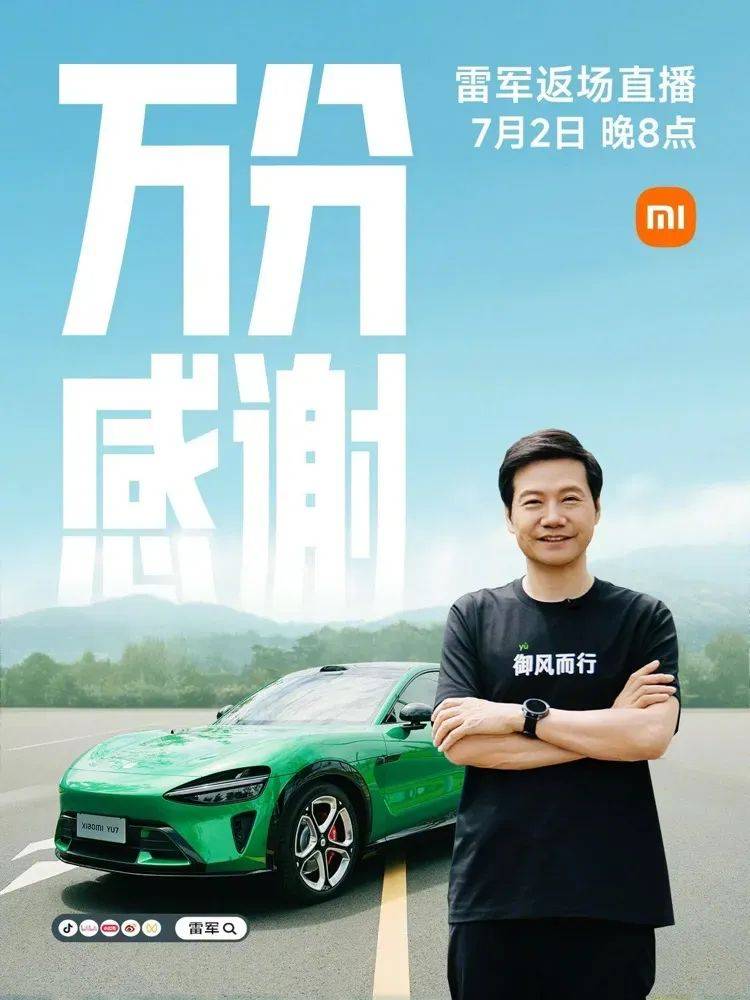
雷军:小米YU7火爆程度超出了我们的预期
Sou Hu Cai Jing· 2025-07-03 14:27
同时,YU7锁单用户平均年龄33岁。其中,女性用户比例30%,比小米SU7同期高 4.5%。女性用户最青睐的颜色是流金粉、丹霞紫;男性用户 最青睐的是喜欢寒武岩灰、深海蓝。 小米YU7的苹果用户占比52.4%,比SU7同期高4.4%。当前订单数最多的TOP3城市分别是上海、杭州、北京。这三个地方也都是Model Y卖得 最好的城市。 随着小米YU7的正式到来,小米创办人,董事长兼CEO雷军也在近日的直播中跟大家聊了YU7和SU7最新情况,以及背后的一些故事。 同时,雷军表示,"上周,小米YU7正式发布,火爆程度超出了我们的预期,真心感谢大家的支持!" 结合雷军给出的信息来看,小米YU7发布后,很多人质疑"7天可退"的原则。实际上,这是行业惯例,也就是车企给大家提供的犹豫期,一般 是3天。小米首销期定了7天,主要是担心门店的试驾安排不过来。 小米YU7开售18小时后,锁单24万单,大家都在关心24小时大定和锁单,小米当时决定不公布了,免得引来各种讨论和质疑。 有人质疑:"订单里有大量转单"。但实际上,小米SU7 和小米SU7 Ultra转单小米YU7的数量,不足小米YU7订单的15%。 雷军还表示: 最近,我看 ...

乘联分会:中国6月初步统计新能源车市场零售同比增长25%,环比增长4%。
news flash· 2025-07-03 08:28
乘联分会:中国6月初步统计新能源车市场零售同比增长25%,环比增长4%。 ...