创新药

Search documents
当前A股市场估值合理且上行的底层逻辑并未发生动摇
Mei Ri Jing Ji Xin Wen· 2025-12-09 01:00
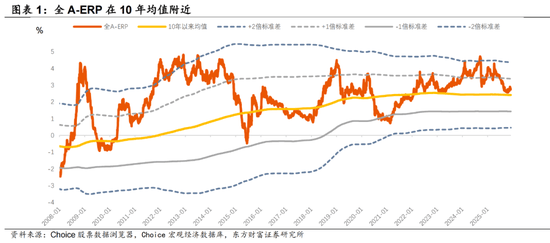
Group 1 - CICC reports that the A-share market has been on a steady upward trend for over a year, and the underlying logic for valuation remains intact despite market fluctuations [1] - CICC has developed a methodology for identifying market "tops" to complement its previous research on "bottoms," forming a framework for market stability monitoring [1] Group 2 - Guotai Junan Securities expresses optimism about the valuation recovery of the brokerage sector, noting that the current PB valuation is only 1.36 times [2] - The brokerage sector has underperformed the Shanghai Composite Index by 15 percentage points from the beginning of the year to December 5, indicating significant room for valuation improvement [2] Group 3 - CITIC Securities highlights a record high success rate of 88% in the recent national medical insurance negotiations, with 114 out of 127 products successfully included in the new drug list [3] - The new commercial health insurance innovative drug directory is expected to provide additional growth opportunities, with 19 drugs included in the first version [3] - The report emphasizes the increasing international competitiveness of China's innovative drug pipeline and the rapid development of the industry driven by new technologies [3]

财信证券吴号:医药生物板块分化加剧 三大投资主线机遇凸显
Zhong Guo Zheng Quan Bao· 2025-12-08 23:21
Core Viewpoint - The pharmaceutical and biotechnology sector has demonstrated resilience and growth potential in 2023, driven by policy support and industry transformation, leading to a high-quality development phase characterized by innovation and cost control [1][4]. Industry Performance - As of December 8, 2023, the pharmaceutical and biotechnology sector has shown a weighted average increase of 30.64% in market capitalization, ranking 14th among 31 primary industries, but underperforming the CSI 300 index by 3.82 percentage points [2]. - The sector has exhibited significant internal differentiation, with innovation-driven segments outperforming others; for instance, other biological products, chemical preparations, and medical R&D outsourcing saw increases of 57.07%, 54.68%, and 51.87% respectively, while traditional Chinese medicine, vaccines, and blood products lagged behind with increases of only 3.89%, -0.73%, and -10.85% [2]. Market Dynamics - The strong performance of the innovative drug industry chain is attributed to four key factors: exceeding expectations in earnings from leading companies like BeiGene and WuXi AppTec, ongoing supportive policies for innovative drugs and devices, increased activity in domestic innovative drug business development (BD) transactions, and substantial clinical data disclosures at major global conferences [2][4]. Recent Adjustments - Since September 2023, the sector has experienced a temporary pullback, with a maximum drawdown of 12.72% from September 1 to November 21, primarily due to prior gains, unmet expectations in BD transactions, and geopolitical disturbances [3]. Valuation Insights - As of December 8, 2023, the sector's price-to-earnings (P/E) ratio stands at 51.75, with a premium of 267.54% over the CSI 300 index and 63.87% over all A-shares (excluding banks), indicating a relatively high valuation compared to historical levels [3]. Policy Support - The "14th Five-Year Plan" emphasizes support for innovative drugs and medical devices, transitioning from process optimization to comprehensive empowerment across the industry chain, with a focus on key technological breakthroughs in areas like dual antibodies, ADCs, and mRNA [6]. Investment Opportunities - Three main investment themes are highlighted: 1. The innovative drug sector, which is expected to thrive due to policy support and market expansion [7]. 2. The CXO sector, benefiting from increased demand for innovative drug development [7]. 3. Consumer healthcare, which is anticipated to recover as consumption policies promote growth [7]. Technological Integration - The integration of AI technologies into the biopharmaceutical industry is expected to enhance research efficiency and product development, with significant growth potential in AI-driven medical diagnostics and treatment processes [8].
财信证券吴号: 医药生物板块分化加剧 三大投资主线机遇凸显
Zhong Guo Zheng Quan Bao· 2025-12-08 20:48
Core Viewpoint - The pharmaceutical and biotechnology sector has demonstrated resilience and growth potential in 2023, driven by policy support and industry transformation, leading to a high-quality development phase characterized by innovation and cost control [1][4]. Industry Performance - As of December 8, 2023, the pharmaceutical and biotechnology sector has shown a weighted average increase of 30.64% in market capitalization, ranking 14th among 31 primary industries, but underperforming the CSI 300 index by 3.82 percentage points [2]. - The sector has exhibited significant internal differentiation, with innovation-driven segments outperforming others; for instance, other biological products, chemical preparations, and medical R&D outsourcing saw increases of 57.07%, 54.68%, and 51.87% respectively, while traditional Chinese medicine, vaccines, and blood products lagged with increases of only 3.89%, -0.73%, and -10.85% [2]. Factors Influencing Growth - The strong performance of the innovative drug industry chain is attributed to four key factors: exceeding expectations in earnings from leading companies like BeiGene and WuXi AppTec, ongoing supportive policies for innovative drugs and devices, increased activity in domestic innovative drug business development (BD) transactions, and substantial clinical data disclosures at major global conferences [2]. Recent Adjustments - Since September 2023, the sector has experienced a pullback due to prior significant gains, unmet expectations in some BD transactions, and geopolitical disturbances, with a maximum drawdown of 12.72% from September 1 to November 21 [3]. Valuation Insights - As of December 8, 2023, the sector's price-to-earnings (P/E) ratio stands at 51.75, ranking 10th among primary industries, with a premium of 267.54% over the CSI 300 index and 63.87% over all A-shares (excluding banks), indicating a relatively high valuation level historically [3]. Policy Impact - The policy environment has significantly upgraded support for the pharmaceutical and biotechnology industry, with the "14th Five-Year Plan" emphasizing the development of innovative drugs and medical devices, and the "15th Five-Year Plan" extending support to the entire value chain [6]. - The focus on key technological breakthroughs in areas such as dual antibodies, ADCs, and mRNA is expected to drive further differentiation within the industry [6]. Investment Opportunities - Three main investment themes are highlighted: 1. The innovative drug sector, which is expected to thrive due to policy support and strong performance from leading companies [7]. 2. The CXO sector, benefiting from increased demand for innovative drug development and showing significant performance improvements [7]. 3. Consumer healthcare companies, which are anticipated to recover as consumer demand increases, presenting dual potential for valuation recovery and earnings growth [7]. Technological Integration - The integration of AI technologies into the biopharmaceutical industry is expected to enhance research efficiency and product development, with AI applications improving diagnostic processes and overall healthcare delivery [8].

医药生物板块分化加剧 三大投资主线机遇凸显
Zhong Guo Zheng Quan Bao· 2025-12-08 20:27
Core Viewpoint - The pharmaceutical and biotechnology sector has shown resilience and growth potential in 2023, driven by policy support and industry transformation, with a clear focus on innovation and cost control shaping the industry landscape [1][5]. Industry Performance - The pharmaceutical and biotechnology sector has achieved a weighted average increase of 30.64% in market capitalization as of December 8, 2023, ranking 14th among 31 primary industries, but underperforming the CSI 300 index by 3.82 percentage points [1]. - The sector has exhibited significant internal differentiation, with innovation-driven segments outperforming others, such as biopharmaceuticals and medical R&D outsourcing, which saw increases of 57.07%, 54.68%, and 51.87% respectively, while traditional segments like traditional Chinese medicine and vaccines lagged behind [2]. Key Factors for Growth - The strong performance of the innovative drug industry chain is attributed to four core factors: exceeding expectations in earnings from leading companies like BeiGene and WuXi AppTec, continuous implementation of supportive policies, increased activity in domestic innovative drug business development (BD) transactions, and substantial clinical data disclosures at global academic conferences [2][3]. Financial Metrics - For the first three quarters of 2023, the pharmaceutical and biotechnology sector reported total revenue of 18,461.96 billion yuan, a year-on-year decrease of 1.27%, while net profit attributable to shareholders was 1,410.97 billion yuan, down 1.63%. However, the third quarter showed signs of recovery with a revenue increase of 1.21% and a net profit increase of 3.79% [4]. Policy Support - The "14th Five-Year Plan" emphasizes support for innovative drugs and medical devices, transitioning from process optimization to comprehensive empowerment across the industry chain, with a focus on key technological breakthroughs in areas such as dual antibodies, ADCs, and digital medicine [5]. Investment Opportunities - Three main investment themes are highlighted: 1. The innovative drug sector, which is expected to be the strongest investment theme due to policy support and market expansion [6]. 2. The CXO sector, benefiting from improved demand for innovative drug development and showing significant performance improvements [6]. 3. Consumer healthcare companies, which are anticipated to see a recovery in demand and performance due to supportive policies [6]. Technological Integration - The integration of AI technology into the biopharmaceutical industry is expected to enhance research efficiency and product development, with AI applications improving diagnostic processes and overall healthcare delivery [7].
首版商保创新药目录公布 相关产品可及性有望提升
Zheng Quan Ri Bao· 2025-12-08 17:07
Group 1 - The "Commercial Health Insurance Innovative Drug Directory (2025)" is the first of its kind in China, focusing on high-innovation drugs with significant clinical value that exceed the basic medical insurance's "basic protection" scope [1] - A total of 121 drug generic names were reviewed for inclusion in the commercial health insurance innovative drug directory, with 19 drugs from 18 innovative pharmaceutical companies successfully included, resulting in an acceptance rate of approximately 15.7% [1] - The directory aims to complement the basic medical insurance directory, supporting the development of innovative drugs and enhancing the multi-tiered medical insurance system [1] Group 2 - The selected drugs reflect advancements in medical technology and address key areas such as Alzheimer's disease and rare diseases prevalent in children [2] - North Sea Kangcheng's drug "Gorain" is the first domestically developed enzyme replacement therapy for Gaucher disease, which has been approved for use in adolescents and adults [2] - Five domestic CAR-T products have been included in the directory, involving companies such as WuXi AppTec and Kintor Pharmaceutical [2] Group 3 - The inclusion of CAR-T products in the directory is expected to significantly reduce patient out-of-pocket expenses and improve accessibility and affordability [3] - The industry anticipates a positive impact from the inclusion of CAR-T products, enhancing commercial accessibility and supporting the growth of the pharmaceutical health sector [3] - Companies are considering expanding their supply chains and collaborating with domestic suppliers to support the rapid scaling of CAR-T products [3]
【招银研究|行业深度】生物医药之创新药——自身免疫病:国产创新药初露锋芒
招商银行研究· 2025-12-08 12:33
Overview of Autoimmune Diseases - Autoimmune diseases are characterized by the immune system's response to its own antigens, leading to tissue damage, with over 100 known types categorized into systemic and organ-specific diseases [2][7] - These diseases are often incurable and can be life-threatening, requiring long-term medication and incurring high treatment costs [10] Drug Development History - The traditional immunosuppressants have significant side effects, and the introduction of TNF-a inhibitors in 1998 marked the beginning of a targeted therapy era, leading to an explosion of innovative drugs [3][12] - The global autoimmune drug market reached $132.3 billion in 2022, with a projected compound annual growth rate (CAGR) of 27.2% from 2022 to 2030, potentially reaching nearly $20 billion in China by 2030 [3][18] Market Potential and Drug Trends - Approximately 7.6% to 9.4% of the global population suffers from autoimmune diseases, with some conditions affecting over 100 million people [3][16] - The global market for autoimmune drugs is dominated by biologics, which accounted for $96.4 billion (72.9%) of the total market in 2022, expected to grow to $176.7 billion by 2030 [18] Emerging Opportunities in Domestic Market - The domestic market for autoimmune drugs is still in its early stages, with a market size growing from $2 billion in 2018 to $2.9 billion in 2022, and expected to reach nearly $20 billion by 2030 [18] - The introduction of innovative domestic drugs is anticipated to accelerate post-2024, with several products expected to launch [31] Heavyweight Products in Autoimmune Drug Market - Autoimmune drugs are prevalent among the top 100 best-selling drugs globally, second only to oncology drugs, indicating a strong market presence [23][25] - Notable products include AbbVie's adalimumab, which has generated over $200 billion in sales from 2012 to 2022, and other drugs like risankizumab and dupilumab showing significant sales growth [25][27] Targeted Therapies and Innovations - The main domestic targets for autoimmune drugs include TNF-a, JAK inhibitors, and interleukins, with a focus on innovative therapies such as TYK2 inhibitors and bispecific antibodies [4][29] - The development of TYK2 inhibitors is gaining momentum due to their improved safety profile compared to earlier JAK inhibitors, with several products in advanced clinical stages [48][52] Conclusion - The autoimmune disease market presents substantial growth opportunities driven by increasing patient populations, innovative drug development, and a shift towards targeted therapies, particularly in the domestic market [3][18][31]


银河证券解读解读政治局会议:明年的结构性主线将更加清晰,重点关注“两条主线+两条辅助线”
Xin Lang Cai Jing· 2025-12-08 11:28
Core Viewpoint - The December Central Political Bureau meeting emphasizes the importance of maintaining a stable yet progressive approach to economic work in 2026, focusing on expanding domestic demand and optimizing supply to enhance resource allocation efficiency [1][6][21]. Economic Goals and Policy Framework - The meeting highlights the need to continue expanding domestic demand and optimizing supply, aiming for both qualitative and quantitative growth in the economy during the "14th Five-Year Plan" period [1][21]. - The overall policy framework for 2026 will maintain a proactive stance, with a focus on enhancing the quality and effectiveness of development, alongside a more active fiscal policy and moderately loose monetary policy [2][8][22]. Industry Policy Deployment - The meeting outlines a clear path for industry planning in 2026, prioritizing domestic demand and innovation, which will benefit sectors such as consumer goods, AI, digital economy, and new energy [3][10][24]. - Emphasis is placed on reform, opening up, and coordinated development to enhance high-quality growth, benefiting state-owned enterprises and infrastructure-related sectors [3][10][24]. Implications for A-Share Investment - The meeting provides initial guidance for economic work in 2026, focusing on domestic demand, innovation, and reform, which is expected to stabilize market expectations and boost confidence in the A-share market [4][17][26]. - Upcoming central economic work meetings are anticipated to detail specific fiscal, monetary, and industrial measures, further activating market vitality [4][17][26]. Investment Focus Areas - The current policy window indicates a clearer structural focus for 2026, with attention on new productive forces such as AI, renewable energy, and quantum technology, alongside recovery paths for manufacturing and resource sectors [12][26]. - The consumer sector is expected to see a favorable investment environment due to policies aimed at boosting domestic demand, while the trend of companies expanding overseas will enhance profit potential [12][26].
医药生物行业快评报告:医保赋能多方合力,共促创新药高质量发展
Wanlian Securities· 2025-12-08 11:24
Investment Rating - The industry investment rating is "Outperform the Market" with an expectation of over 10% relative increase in the industry index compared to the market in the next six months [5][10]. Core Insights - The new medical insurance drug list has been released, adding 50 first-class innovative drugs. A total of 114 new drugs were added, with a success rate of 88%, higher than last year's 76%. The total number of drugs in the list has increased to 3,253, including 1,857 Western medicines and 1,396 traditional Chinese medicines. This new list will be implemented starting January 1, 2026 [3]. - The first commercial health insurance innovative drug list has been published, including 19 drugs from 18 pharmaceutical companies, covering treatments for cancer, rare diseases, and Alzheimer's disease. These drugs are not included in the medical insurance fund payment scope, promoting the development of a multi-tiered medical security system and increasing accessibility to high-value innovative drugs [4]. - The collaboration between the new medical insurance drug list and the commercial health insurance innovative drug list aims to create a new payment structure for innovative drugs, addressing the affordability issue for patients and providing a sustainable return mechanism for pharmaceutical companies, thus driving high-quality development in China's innovative drug industry [4]. Summary by Sections - **New Medical Insurance Drug List**: 50 first-class innovative drugs added, total drugs increased to 3,253, with a record number of 69 innovative drugs approved for market entry this year [3]. - **Commercial Health Insurance Drug List**: 19 innovative drugs included, enhancing accessibility and complementing the basic medical insurance system [4]. - **Policy Impact**: The synergy between the two lists is expected to accelerate the development of China's innovative drug research and create a robust engine for high-quality growth in the industry [4].
从医保准入打开增量,来看轩竹生物-B(2575.HK)以差异化管线筑牢价值根基
Ge Long Hui· 2025-12-08 10:04
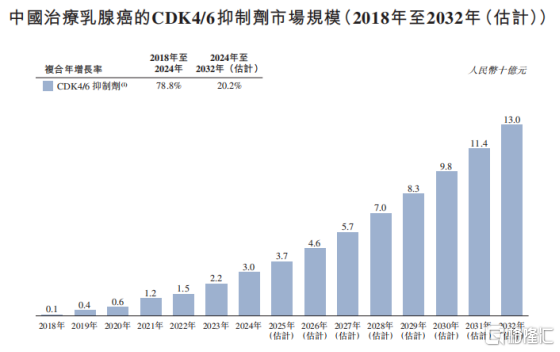
Core Insights - The recent adjustment of the National Medical Insurance Directory for 2025 has significantly benefited XuanZhu Biotech, marking a pivotal moment for its innovative drugs [1][2] - The inclusion of the CDK4/6 inhibitor Palbociclib and the renewal of the proton pump inhibitor Anaprazole in the insurance directory are crucial for the commercialization phase of these products [2][4] Product Developments - Palbociclib is the only approved single-agent treatment for HR+/HER2- breast cancer in China, with a projected market growth from 3 billion yuan in 2024 to 13 billion yuan by 2032, reflecting a compound annual growth rate of 20.2% [5][8] - Anaprazole, as the first self-developed PPI in China, has shown steady revenue growth, achieving approximately 30.1 million yuan and 17.9 million yuan in revenue for the fiscal years ending December 31, 2024, and June 30, 2025, respectively [10] Market Positioning - The successful inclusion of these drugs in the insurance directory enhances patient accessibility and aligns with the industry's trend towards addressing clinical needs and achieving scale [4][10] - XuanZhu Biotech's strategic focus on differentiated innovation and expanding its product pipeline positions it well against the backdrop of increasing competition in the innovative drug sector [12][13] Financial Performance - The company has demonstrated a robust capital structure, with over 20% of its shares held by external investment institutions, indicating strong recognition of its R&D capabilities [2] - The transition from a biotech phase reliant on financing to a biopharma phase capable of generating cash flow is evident as the company’s R&D expenditures decrease while revenue increases [22] Strategic Collaborations - XuanZhu Biotech's collaboration with Akamis Bio to introduce the injectable oncolytic virus therapy NG-350A highlights its commitment to expanding its innovative pipeline and enhancing its market presence [16] - The company is also advancing several first-in-class products, such as the HER2 dual-targeting ADC KM501 and the CD80 fusion protein KM602, which are currently in clinical trials [15] Market Trends - The innovative drug sector is experiencing a shift from a focus on pipeline scarcity to a demand for tangible commercialization results, with investors prioritizing companies that can efficiently convert R&D into marketable products [18][19] - XuanZhu Biotech's established sales teams and distribution networks in the oncology and digestive disease sectors provide a solid foundation for rapid product uptake [20] Long-term Outlook - The combination of immediate revenue growth from newly approved products and a long-term strategy focused on differentiated pipeline development positions XuanZhu Biotech favorably for future valuation increases [25] - The company's ability to balance short-term performance with long-term growth potential is expected to attract investor interest in the evolving landscape of the innovative drug market [23][24]
陈果:继续金融打底,耐心逐步布局
Sou Hu Cai Jing· 2025-12-08 09:23
Group 1 - The market is currently experiencing a period of low trading volume and volatility as investors await guidance from the Central Economic Work Conference, with a focus on domestic demand policies [1][13] - The adjustment of risk factors for insurance companies is expected to enhance their capital allocation capabilities, allowing for increased investment in core assets, dividend stocks, and technology innovation sectors [2][3][18] - The financial regulatory authority has proposed to moderately expand the capital space and leverage limits for high-quality brokerage firms, which is seen as a positive signal for the capital market and non-bank sectors [1][2] Group 2 - The upcoming Federal Reserve meeting is anticipated to provide insights into monetary policy, with market expectations leaning towards a potential interest rate cut in December, despite inflationary pressures suggesting a hawkish stance [5][11] - The divergence in monetary policies between the US and Japan may raise liquidity concerns, as Japan's government has announced a significant economic stimulus plan [11][12] - The overall economic environment in China remains weak, with manufacturing PMI and real estate sales showing continued decline, prompting a cautious approach to investment strategies [13][16] Group 3 - The insurance sector's risk factor adjustments are designed to optimize solvency regulation and enhance long-term investment capabilities, supporting the technology and foreign trade industries [2][3][18] - Financial institutions, particularly those with stable earnings and high dividend yields, are recommended as safe investment options during periods of defensive demand [15][18] - The market is advised to focus on sectors with clear growth trends, such as AI-related industries, renewable energy, and international pharmaceuticals, as liquidity conditions improve [15][18]