
家电

Search documents
为专业影像还原真实视界,海信电视E8S亮相8KRAW年度盛典
Sou Hu Wang· 2026-01-19 09:16
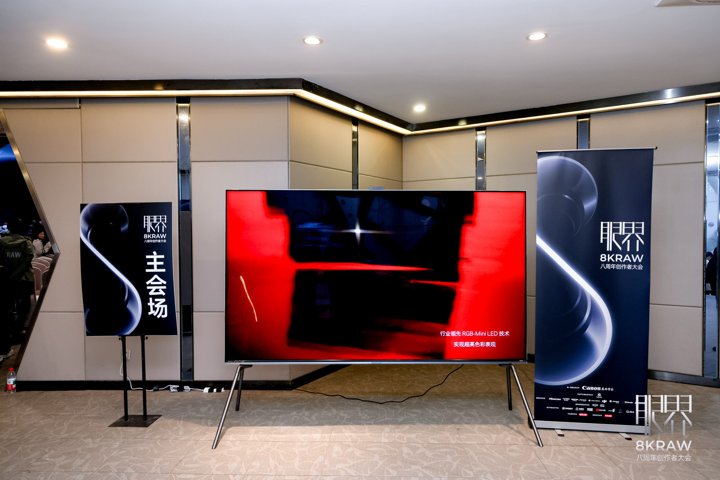
Core Insights - The 8KRAW Creator Conference and Awards Ceremony, celebrating its eighth anniversary, took place in Shanghai, with Hisense TV as the chief partner, showcasing its RGB-Mini LED technology [1][3] - Hisense's E8S series TV served as a significant prize at the event, highlighting the brand's commitment to professional imaging and color accuracy [1][3] Group 1: Event Significance - The 8KRAW Creator Conference is a prominent gathering for photographers, showcasing cutting-edge visual aesthetics and trends in the industry [3] - Hisense's participation signifies a direct dialogue between advanced display technology and professional image creation, enhancing the visibility of its products among top creators [3] Group 2: Technology Advancements - Hisense's RGB-Mini LED technology has made significant strides, introducing a fourth color (cyan) to its backlight system, achieving a color coverage of 110% BT.2020, which enhances the natural spectrum representation [5][7] - The upgraded Hisense AI picture quality chip H7 offers high computational power (134 bits) for precise color and brightness management, ensuring optimal performance even in high-contrast scenes [7] - A comprehensive color management system has been developed in collaboration with top production teams to ensure color consistency and accuracy from content source to screen output, reducing harmful blue light by 75% and energy consumption by 30% compared to traditional Mini LED [7]


第一创业晨会纪要-20260119
First Capital Securities· 2026-01-19 07:47
Group 1: Company Performance - Shenghong Technology (300476.SZ) announced a 2025 profit forecast with a net profit attributable to shareholders expected to be between 4.16 billion to 4.56 billion yuan, representing a year-on-year growth of 260.35% to 295.00. The net profit after deducting non-recurring gains and losses is projected to be between 4.15 billion to 4.55 billion yuan, with a year-on-year increase of 263.59% to 298.64. The fourth quarter net profit is expected to be 1.115 billion yuan, a year-on-year increase of 186% [2] - Lanke Technology (688008.SH) reported a 2025 profit forecast with a net profit attributable to shareholders expected to be between 2.15 billion to 2.35 billion yuan, reflecting a year-on-year growth of 52.29% to 66.46. The net profit after excluding non-recurring gains and losses is projected to be between 1.92 billion to 2.12 billion yuan, with a year-on-year increase of 53.81% to 69.83. The growth is driven by the booming AI industry and increased shipment of interconnect chips [3] Group 2: Automotive Industry - The retail sales of passenger cars in December 2025 decreased by 14.2% year-on-year, with electric vehicle sales showing a slight increase of 2.7%. However, the overall market is experiencing a downward trend due to high base effects. In January 2026, the market further cooled, with retail sales of passenger cars down 32% year-on-year and electric vehicle sales down 38%. The industry is facing a significant decline in orders, with some electric vehicle manufacturers experiencing over a 50% drop in orders [6] - The tightening of policies and consumer hesitation have led to a clear downward trend in the automotive market. The shift in policies regarding trade-in and scrapping has impacted both the mass market and the electric vehicle segment. Car manufacturers are responding by launching limited-time promotions and focusing on product and technology upgrades, with significant upgrades expected to begin after the Spring Festival [6] Group 3: Consumer Sector - In December, China's yarn, clothing, and footwear export values saw a widening decline compared to November, with clothing exports still in an adjustment phase. The core reason is the increased confidence of downstream customers in Southeast Asian production capacities following U.S. tariff policies, leading to cautious ordering from domestic factories. Vietnamese exports of clothing and footwear have shown improvement compared to October and November [8] - In the online home appliance market, December saw a broad decline in sales across various categories. The overall performance of major appliances like refrigerators and washing machines was under pressure, while black appliances showed better price resilience compared to white appliances. There is a need to be cautious about the performance pressure stemming from weak terminal demand [8]


“董明珠健康家”西北首店落子智选电器 健康智慧生活新模式亮相西安
Sou Hu Cai Jing· 2026-01-19 07:42
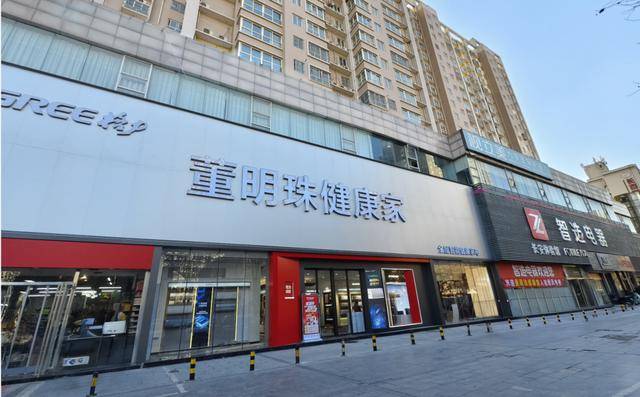
Group 1 - Gree Electric's "Dong Mingzhu Healthy Home" brand has opened its first experience store in the Northwest region, marking the entry of health-focused smart home solutions into the Shaanxi market [2] - The store is not just a product display but a comprehensive solution integrating air management, smart water usage, healthy diet, and comfortable environments, showcasing Gree's innovative achievements [2] - The location of the store in the Zhixuan Electric Chang'an Experience Center reflects the brand's keen insight into regional consumer upgrade trends and contributes to the upgrade of local home appliance retail formats [2] Group 2 - Zhixuan Electric's chairman, Party Xiaobing, stated that the introduction of "Dong Mingzhu Healthy Home" aligns with their goal of providing cutting-edge living experiences for local consumers, confirming the widespread demand for healthy smart home solutions during the trial operation [3] - The store is now fully open to the public and represents an important layout for Gree in the Northwest market, enriching high-end home appliance choices and providing a practical example for local retail to explore a new model of "product + scenario + service" [3]

灵溪实战派创始人张秦华:让成长之火照亮品牌未来
Xin Lang Cai Jing· 2026-01-19 07:14
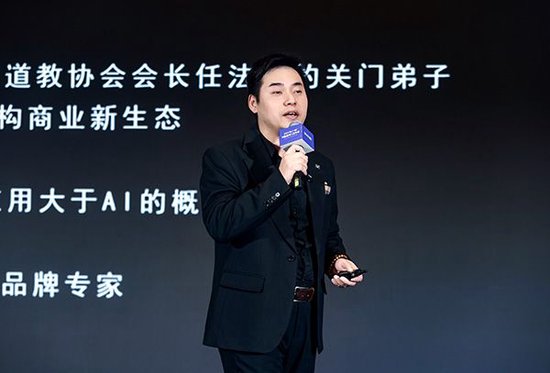
Group 1 - The 20th China Brand Person Annual Conference will be held on December 29 in Shenzhen, focusing on the theme "Who Earns Respect for China" and gathering over 2,000 elites from various sectors [2][26] - Zhang Qinhua delivered a speech titled "Let the Fire of Growth Illuminate the Future of Brands," reflecting on his journey and the spirit of perseverance in building influential enterprises and brands [2][26] - Zhang Qinhua, founder of Lingxi Practical School, stands out among business leaders for his methodology and inspiring entrepreneurial story of rebirth from adversity [2][26] Group 2 - Zhang Qinhua shared his personal story of taking on family responsibilities after his father incurred significant debt due to an accident, managing to repay it within a year and a half through various jobs [5][29] - His entrepreneurial journey includes founding multiple educational institutions, achieving his first million, but also facing setbacks that led to substantial debt [5][29] - At 26, he became the youngest high school principal, helping thousands of students improve their scores, but lacked mentorship which caused him to encounter many obstacles in his career [5][29] Group 3 - Zhang Qinhua's entrepreneurial journey is marked by four significant transformations across different sectors, accumulating practical experience [7][31] - The first transformation was from education to private schooling, achieving a record score increase of over 400 points in one year [7][31] - The second transformation involved entering the new retail and night economy sectors, opening a self-service craft beer bar that achieved remarkable daily sales [7][31] - The third transformation in 2023 led to the establishment of Lingxi Media, which quickly secured a 30,000 square meter live streaming base in Hangzhou [7][31] - The fourth transformation is the creation of Lingxi Practical School, aimed at empowering more small and medium-sized enterprises [7][31] Group 4 - Zhang Qinhua emphasized the importance of building a high-end network for collaboration, sharing experiences with notable leaders from various industries [9][33] - He showcased his connections with influential figures, including former presidents and business leaders, aiming to unite resources in a competitive environment [9][33] - He received a membership certificate from the China Brand Festival Chairman, Dong Mingzhu, highlighting his recognition in the industry [9][33] Group 5 - Lingxi Practical School was founded to support entrepreneurs based on Zhang Qinhua's own experiences, aiming to provide resources and guidance to small and medium enterprises [13][37] - The school invites experienced mentors from Alibaba and other successful entrepreneurs to share practical insights and strategies [13][37] - The curriculum includes a comprehensive growth system called "Qian Kun Da Nuo Yi," focusing on various aspects of business development and management [13][37] Group 6 - Zhang Qinhua's interactions with industry veterans, such as Song Zhiping, reflect the support and recognition from established entrepreneurs towards the new generation [18][42] - His story illustrates that brand growth requires personal effort and leveraging platforms, showcasing resilience and responsibility in entrepreneurship [20][44] - The Lingxi Practical School aims to help entrepreneurs avoid pitfalls and connect them with valuable resources, fostering a supportive ecosystem for business growth [22][46]
创维集团创始人、开沃集团创始人黄宏生:品牌成功源于情感共鸣与时代机遇
Xin Lang Cai Jing· 2026-01-19 07:03
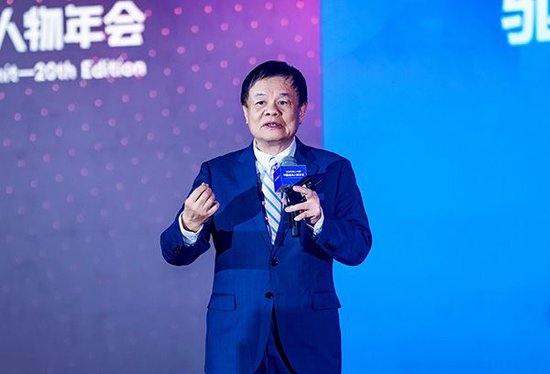
Group 1 - The 2025 (20th) China Brand Person Annual Conference will be held on December 29 in Shenzhen, themed "Who Earns Respect for China," gathering over 2,000 elites from various sectors including politics, business, industry, academia, and media to reflect on the history of Chinese brand development and explore new trends and opportunities in brand building [1][5][11] - Huang Hongsheng, founder of Skyworth Group and Kaiwo Group, delivered a speech titled "Driving Industrial Revolution, Practicing Life Intent," emphasizing that brand success stems from emotional resonance and timely opportunities, while sustainable innovation and a healthy foundation are essential for long-lasting enterprises [3][8] - The award rationale highlights Huang's nearly 40 years of commitment to breaking boundaries, transitioning from a home appliance leader to a player in the new energy and photovoltaic storage electric vehicle ecosystem, creating a closed loop for green development [6][10]
武汉2026年家电数码以旧换新启动 15%补贴带动消费升级
Chang Jiang Shang Bao· 2026-01-19 06:39
Core Insights - Wuhan has launched a new subsidy program for the replacement of home appliances and digital products, effective from January 16, 2026, providing a 15% subsidy on the sales price of eligible products [1][2] - The program aims to stimulate consumer spending and promote green transformation in the industry, covering six categories of home appliances and four categories of digital products [1] Group 1: Subsidy Details - Consumers can receive a subsidy of up to 1,500 yuan for each eligible home appliance purchased, with a limit of one subsidy per category per consumer [1] - In the digital product category, items such as smartphones, tablets, and smart glasses are included, with a maximum subsidy of 500 yuan for products priced under 6,000 yuan [1] Group 2: Participation and Accessibility - The program allows consumers who received subsidies in 2025 to apply for subsidies again in 2026 for similar products, expanding the reach of the policy [2] - A total of 1,021 businesses are participating in the program, with 3,527 stores involved, including 743 home appliance companies and 278 digital product companies [2]
机构普遍看好A股长牛、慢牛行情,A500ETF南方(159352)涨0.62%
Sou Hu Cai Jing· 2026-01-19 06:25
Group 1 - The A-share market has shown a strong start in 2026, with the Shanghai Composite Index, Shenzhen Component Index, and ChiNext Index recording cumulative increases of over 3%, 5%, and 4% respectively as of last week [1] - The A500 ETF from Southern has risen by 0.62%, with notable component stocks such as Zhongce Rubber increasing by 5.44% and Xinyi Technology by 1.03% [1] - Institutional investors express optimism for the entire market in 2026, focusing on new productive forces and global competitive advantages, indicating a long-term bullish trend for A-shares [1] Group 2 - Investor sentiment has been highly active since the beginning of 2026, with the margin balance for margin trading continuing to rise, reflecting a policy signal aimed at guiding rational investment and maintaining market stability [2] - The central bank has implemented a series of measures, including lowering interest rates on various structural monetary policy tools, to support economic structural transformation and enhance market confidence [2] - The China Securities Regulatory Commission (CSRC) emphasized a "stability first" approach during its 2026 work meeting, outlining five key tasks to solidify the foundation for a long-term bullish market, indicating that short-term fluctuations do not alter the long-term positive outlook [2]
记者手记:在阿拉木图,看见具体而生动的“出海”
2 1 Shi Ji Jing Ji Bao Dao· 2026-01-19 04:17
Group 1 - Almaty, known as the "Apple City," remains an economic and cultural center of Kazakhstan despite the capital moving to Astana, showcasing a blend of old Soviet-style buildings and modern architecture [1] - The digital economy is rapidly developing in Kazakhstan, with 95% of the population using smartphones, leading to a mobile-first internet ecosystem that bypassed traditional PC usage [1][2] - Chinese brands have significantly penetrated the Almaty market, with high visibility of logos from companies like Geely, BYD, and Huawei, indicating a strong acceptance and recognition of these brands among local consumers [2] Group 2 - Kazakhstan is viewed as a strategic market for internet companies, particularly Yandex, which sees it as a key area for growth outside of Russia, with a developing consumer base and established habits [2][4] - The market is characterized by rapid change and growth, similar to China's market a decade ago, presenting numerous opportunities for brands looking to expand [4] - The local ride-hailing platform Yandex Go predominantly features Chinese cars, reflecting the increasing presence of Chinese automotive brands in the region [2]
1月19日午间涨停分析
Xin Lang Cai Jing· 2026-01-19 03:53
Group 1: Wind Power and Robotics - Fujian Province's Changzao is involved in the early-stage work and development of wind power projects, being one of the companies in the wind power sector [2] - Hongsheng Huayuan has become a leading supplier of transmission line towers in China, controlled by the State-owned Assets Supervision and Administration Commission [2] - Oko Yi's spiral milling tools and gear hobbing tools have been validated by customers for use in humanoid robot transmission systems, with a projected net profit increase of 67.53%-91.96% in 2025 [2] - Fenglong Co. has seen a significant stock performance, with 22 consecutive trading days of gains [2] - Daying Electronics has successfully developed a resistive electronic skin sample for humanoid robots, aiming to accelerate the layout of flexible tactile sensing products [2] Group 2: Aerospace and Advanced Materials - Aerospace projects are receiving investment from Yuexiu Capital, which manages funds that have invested in several aerospace industry projects [2] - The company Huajing Technology provides smart manufacturing services across various sectors, including home appliances and automotive electronics [4] - The company Lier Chemical is a leading producer of herbicides in China, with significant market share in products like Bick Grass and Toxic Weeding Dragon [5] - The company Guobai is the largest department store chain in Guangzhou, actively developing customized products and indirectly investing in aerospace through its fund [4][5] Group 3: Electric Vehicles and Energy Storage - Hengda High-tech's silicon-carbon anode materials are designed to enhance energy density and fast-charging performance in new energy batteries, applicable in consumer electronics and electric vehicles [3] - The company Baotong Energy is establishing a new aluminum technology company to focus on the electrolytic aluminum business [4] - The company Xinyuan has signed a cooperation agreement to estimate sales of nickel powder products between 4.3 billion to 5 billion yuan [4] Group 4: Consumer Goods and Retail - Jilin Province's leading bottled water brand, Qianyang Spring, has launched new products like birch tree juice [4] - The company Guangbai is expanding its product offerings with diamond DIY and brand IP blind boxes [4] - The company Dalian Shengya operates several scenic projects, including marine and polar worlds, contributing to tourism in the region [4]

换新政策激活天水消费新活力
Xin Lang Cai Jing· 2026-01-19 03:42
Core Viewpoint - The implementation of the 2026 consumer goods trade-in subsidy policy in Gansu Province is expected to significantly boost consumer spending in key sectors such as automobiles, home appliances, and digital products, thereby injecting strong momentum into the local market [1][2]. Group 1: Subsidy Policy Details - The subsidy policy covers three main categories of consumer goods: automobiles, home appliances, and digital products [1]. - For automobiles, the maximum subsidy for scrapping old vehicles to purchase new energy vehicles is 20,000 yuan, while for fuel vehicles, it is 15,000 yuan. The subsidy for trade-in purchases of new energy vehicles is up to 15,000 yuan, and for fuel vehicles, it is 13,000 yuan [1]. - The home appliance trade-in subsidy includes six categories, such as refrigerators, washing machines, televisions, air conditioners, computers, and water heaters, all of which must meet energy efficiency or water efficiency standards [1]. - The digital product subsidy applies to smartphones, tablets, smartwatches, and smart glasses, with a single item price limit of 6,000 yuan [1]. Group 2: Market Response - Following the launch of the subsidy policy, local automobile dealerships have reported an increase in customer inquiries about trade-in options, with foot traffic remaining stable compared to the previous year [2]. - Consumers are showing a strong interest in upgrading their vehicles, with many taking advantage of the subsidies and additional dealer promotions [2]. - Home appliance and digital product retailers are experiencing heightened activity, with government subsidy promotions attracting many customers, particularly for energy-efficient products [2]. Group 3: Implementation and Accessibility - The city has completed the collection of businesses eligible for the trade-in program to ensure consumers can easily access the benefits [3]. - The subsidy application process is streamlined and can be completed online through the "Gankuaiban" app or via WeChat and Alipay mini-programs [3]. - The local commerce bureau will continue to promote the policy, provide support to businesses, and ensure accurate distribution of subsidy funds to maximize the benefits for consumers and stimulate healthy market growth [3].