
石化

Search documents
大宗商品:反转之后的博弈
对冲研投· 2025-07-29 12:04
Core Viewpoint - The recent market volatility is driven by intense corrections in speculation, raising questions about whether the current supply-side policy-driven rally has ended or is merely a "backward catch" opportunity [3][8]. Policy Analysis - The government has emphasized the need to combat deflation through supply-side policies, such as halting the addition of excess capacity and promoting domestic consumption. The scope of supply rationalization measures has expanded to include metals, petrochemicals, and industries like lithium and coal, which have reported supply disruptions [3][9]. - Historical responses to deflation have varied, with the current situation being unique due to the predominance of advanced capacity and the fragmented industrial landscape, alongside high government debt limiting fiscal space [3][9][10]. Commodity-Specific Insights - Lithium prices have rebounded but remain below marginal cash costs of $11,500/ton, with approximately 45% of global capacity unable to cover cash costs at a price of $9,000/ton. This suggests limited downside potential for prices [4][13]. - Recent compliance checks in the lithium sector may lead to short-term supply disruptions, with around 20,000 tons of lithium capacity facing compliance risks, potentially resulting in significant inventory depletion and price rebounds [14]. - In the coal sector, production inspections are focused on preventing overproduction, with expectations of moderate impacts. However, recent price declines may limit further downside [5][15]. Agricultural Sector Developments - The hog farming industry is actively responding to regulatory controls by reducing breeding sow inventories and adjusting market weights, which may support near-term price stability and long-term valuation increases [6][16]. Market Trends and Expectations - The bond market reflects expectations of prolonged deflation, with government policies aimed at supply-side constraints potentially boosting industrial prices and improving upstream profits. This may reduce the urgency for monetary easing [6][17]. - The recent surge in government infrastructure investment, such as the $1.2 trillion Tibet dam project, has also contributed to supply concerns and influenced market dynamics [6][17].


全球最大!300亿元化工项目投产
Zhong Guo Hua Gong Bao· 2025-07-29 09:51
Core Viewpoint - The completion and operation of the world's largest integrated olefin production base by Zhongjing Petrochemical in Jiangyin Port City Economic Zone, Fujian Province, marks a significant milestone in China's high-end petrochemical industry, showcasing the country's innovation capabilities [1][2] Group 1: Production Capacity and Investment - The base has an annual production capacity of 2.8 million tons of propylene and 3.8 million tons of polypropylene, making it the largest in the world [1] - The total investment in the project is 30 billion yuan, with an annual output value of 60 billion yuan, which can drive the upstream and downstream industry chain's output value by over 50 billion yuan [1] Group 2: Technological Advancements and Environmental Impact - The base utilizes a circular economy model, achieving a 40% increase in energy efficiency and a 30% reduction in carbon emissions [2] - It features the world's largest propane dehydrogenation (PDH) unit with an annual capacity of 1 million tons and a domestic equipment localization rate of 99.5%, the highest in the industry [2] Group 3: Industry Records and Future Goals - The project has set 10 global firsts and 8 national firsts in equipment, including the largest PDH unit and the largest co-polypropylene unit [2] - Zhongjing Petrochemical aims to leverage the base's operation as a new starting point to enhance global market influence and move towards becoming a 100 billion yuan BOPP (Biaxially Oriented Polypropylene) industry chain enterprise through technology and innovation [2]
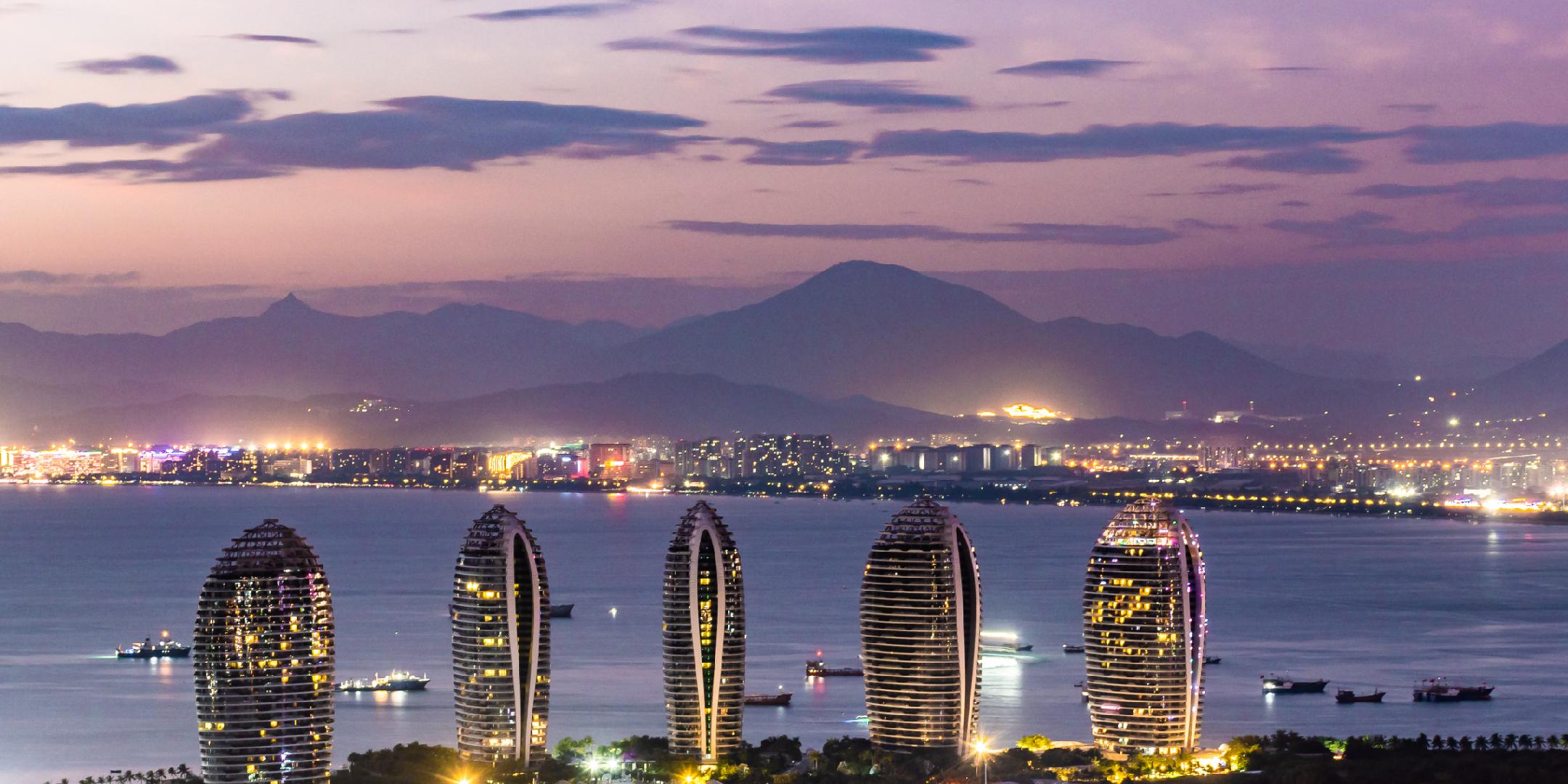
海南自贸港为何不会取代香港、上海、广深?
Jing Ji Guan Cha Wang· 2025-07-29 09:42
Core Points - The Hainan Free Trade Port will officially start its full island closure operation on December 18, 2025, marking a significant milestone in China's highest-level free trade zone construction [2] - Hainan's unique geographical advantages position it as a strategic hub for trade between China and ASEAN, covering a consumer base of 2.1 billion people [3][4] - The province has successfully diversified its economy beyond tourism and agriculture, establishing four pillar industries: tourism, modern services, high-tech industries, and tropical agriculture, which now contribute 67% of the province's GDP [5][6] - Hainan's development has been characterized by a focus on high-quality growth, with significant increases in foreign investment and the establishment of numerous foreign enterprises [6][7] - The collaboration between Hainan and neighboring regions, such as Guangdong and Guangxi, is crucial for maximizing overall benefits and enhancing regional cooperation [8][9] Economic Development - Hainan's per capita GDP has historically lagged behind the national average, but recent years have shown improvement, reaching 79.31% of the national average in 2023 [2] - The province has seen a net increase of 530,000 residents over the past five years, driven by improved ecological conditions and high-value industries [7] - The establishment of the Hainan Free Trade Port is expected to create a strong impetus for deep reforms and optimization of the business environment, attracting both multinational and local enterprises [9] Strategic Positioning - Hainan is viewed as an upgraded version of the free trade zone system, with policies that are not easily replicable in other provinces, making it a unique case in China's economic landscape [3][4] - The province's strategic location as a gateway to the South China Sea enhances its role in connecting China with global markets [4] - Hainan's development is not seen as a threat to established economic centers like Hong Kong and Shanghai, but rather as a complementary force that can create synergies among these regions [8]
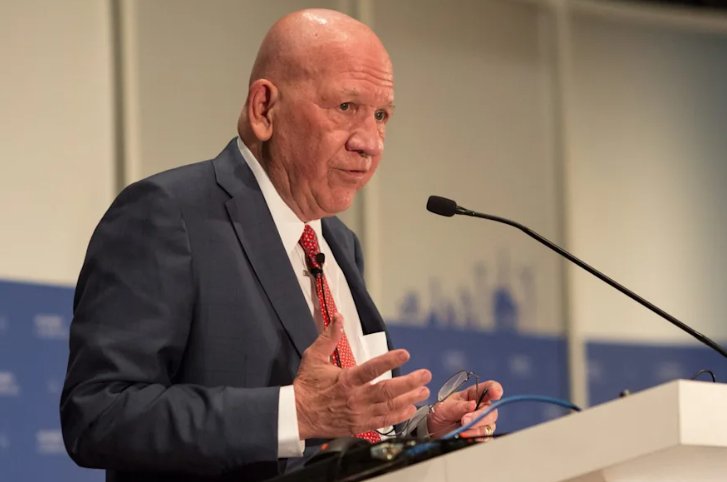
特朗普金主警告:向中国禁运乙烷,只能击中自己
Guan Cha Zhe Wang· 2025-07-29 04:26
Core Viewpoint - The U.S. Department of Commerce has notified relevant companies to resume exports of ethane and other products to China, reversing previous restrictions that were imposed in response to China's limitations on rare earth exports [1][4]. Group 1: U.S. Export Policy and Industry Impact - Jim Teague, CEO of Enterprise Products Partners (EPD), expressed dissatisfaction with the previous administration's attempt to weaponize fossil fuel exports, warning that such actions could backfire and harm U.S. exporters [1][3]. - The U.S. government had previously restricted ethane exports to China, leading to a historic low of 57,000 barrels per day in June [1]. - The restrictions resulted in the loss of at least one non-Chinese customer for EPD, highlighting the negative impact on the U.S. brand image regarding reliable supply and energy security [3]. Group 2: Global Supply Dynamics - Despite the resumption of ethane exports, East Daly Analytics reported that China may seek alternative sources for ethane to avoid geopolitical disruptions, potentially increasing imports from Middle Eastern and European countries [4]. - The report emphasized that while U.S. ethane has been a stable and low-cost resource for the global petrochemical industry, the ongoing trade tensions have introduced uncertainties that could affect long-term demand [4]. Group 3: Diplomatic Context - Following the resumption of exports, a spokesperson from the Chinese Ministry of Commerce confirmed that both countries are working to implement the agreements reached during recent high-level talks, indicating a move towards stabilizing trade relations [4][5]. - The spokesperson emphasized the importance of dialogue and cooperation in U.S.-China economic relations, urging the U.S. to correct its previous mistakes and maintain mutual benefits [5].

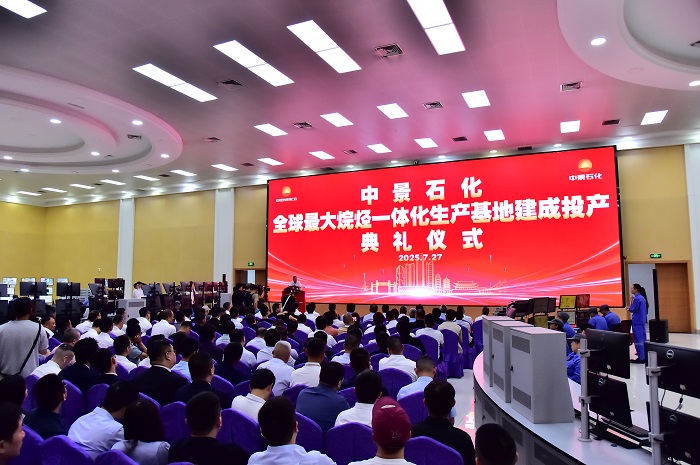
全球最大烷烃一体化生产基地投产
Zhong Guo Hua Gong Bao· 2025-07-29 02:13
Group 1 - The core viewpoint of the article emphasizes the establishment of the world's largest integrated propane dehydrogenation (PDH) production base by Zhongjing Petrochemical in Jiangyin Port City Economic Zone, Fujian Province, which is seen as a "national business card" for China's high-end petrochemical industry [2][5] - The project has a total investment of 30 billion yuan, with an annual output value of 60 billion yuan, and is expected to drive the upstream and downstream industry chain's output value by over 50 billion yuan [5] - The base features three PDH units and four polypropylene units, achieving an annual production capacity of 2.8 million tons of propylene and 3.8 million tons of polypropylene, making it the largest in the world [2][5] Group 2 - The facility has achieved a 40% increase in energy utilization and a 30% reduction in carbon emissions through a circular economy model, highlighting its commitment to green and efficient development [5] - The base includes the world's largest PDH unit with an annual capacity of 1 million tons and a domestic equipment localization rate of 99.5%, which is the highest in the industry [5] - The project has set multiple industry records, including ten global first sets of equipment and eight national first sets, showcasing its technological advancements and achievements in domestic manufacturing [5]
福建海辰化学数字化交付平台建设与实施项目启动
Zhong Guo Hua Gong Bao· 2025-07-29 01:38
Core Insights - The project for the construction and implementation of a digital delivery platform for Fujian Haichen Chemical Co., Ltd. has officially commenced, with a focus on producing 400,000 tons of adiponitrile annually [1][2] - The project aims to integrate engineering digital delivery and intelligent factory operations, laying a solid foundation for Haichen Chemical's digital transformation and "smart upgrade and digital transformation" goals [2] Group 1 - The meeting reached a consensus on the project's overall objectives, implementation scope, key milestones, responsibilities, and management requirements [1] - The Tianchen Company's digital center team will leverage its expertise in engineering digitalization to ensure high-quality project delivery and establish a data foundation for a smart factory [1] - The project marks the official implementation phase, highlighting Tianchen Company's enhanced "T+EPC" full-chain service capabilities in the petrochemical industry's digital delivery management [1] Group 2 - The Haichen Chemical project is a key construction project in Fujian Province, with the digital delivery platform being a crucial component of its digital construction [2] - Tianchen Company aims to closely collaborate with Haichen Chemical and other participating units to fully utilize its engineering experience, digital technology, management systems, and talent advantages [1] - The company is committed to enhancing the brand influence of China Chemical in the field of engineering digitalization [1]

《财富》中国500强出炉 南京区域金融中心地位凸显
Nan Jing Ri Bao· 2025-07-28 23:36
Group 1 - The core viewpoint of the article highlights that Jiangsu province has 26 companies listed in the Fortune China 500, with a diverse representation across industries, particularly in finance and manufacturing [1][2] - The total revenue of the 500 companies in 2024 reached $14.2 trillion, a decrease of approximately 2.7% compared to the previous year, while net profit increased by about 7% to $756.4 billion [1] - Among the 26 Jiangsu companies, manufacturing dominates, with notable private enterprises like Hengli Group (ranked 22), Shenghong Holding (ranked 42), and Shagang Group (ranked 100) excelling in petrochemicals, steel, and new materials [1][2] Group 2 - The financial sector is prominently represented in Nanjing, with eight companies listed, including Jiangsu Bank (ranked 162), Nanjing Bank (ranked 201), and Huatai Securities (ranked 304), underscoring Nanjing's status as a regional financial center [2][4] - The robust performance of the financial industry provides essential funding support to the real economy and enhances the region's economic resilience [3]
利润修复的“起点”? ——6月工业企业效益数据点评(申万宏观·赵伟团队)
申万宏源宏观· 2025-07-28 15:52
Core Viewpoints - The profit growth in June is primarily attributed to improved cost pressures and a rebound in revenue's contribution to profit year-on-year. The profit margin improved as cost pressures eased, with the profit rate rising by 4.6 percentage points to -4.4% [3][8][55] - The "anti-involution" policy is expected to limit the downward space for profits, as it helps alleviate cost pressures and supports the recovery of domestic demand [4][24][56] Revenue and Profit Analysis - In June, industrial enterprises' revenue growth increased by 0.8 percentage points to 1.6% year-on-year, with significant contributions from the instrumentation, automotive, and petroleum coal processing sectors, which saw increases of 7.2, 4.2, and 3.6 percentage points respectively [5][34][57] - The actual revenue growth for the consumer manufacturing chain rose by 1 percentage point to 8.8% due to strong export support, while the coal and metallurgy chains experienced a decline in revenue growth, falling by 0.3 percentage points to -0.9% [4][20][56] Cost Structure and Inventory - The cost rate for industrial enterprises in June was 85.2%, down 32.3 basis points year-on-year, with significant reductions in the petrochemical chain's cost rate, which fell by 37.5 basis points to -0.1% [3][13][55] - Actual inventory growth saw a slight increase, with nominal inventory declining by 0.4 percentage points to 3.1% year-on-year, while actual inventory rose by 0.3 percentage points to 7.3% [42][57] Future Outlook - The ongoing "anti-involution" policy is anticipated to enhance capacity utilization and improve corporate profitability, alongside a continuous recovery in domestic demand, indicating a long-term upward trend in corporate profits [4][24][56] - Attention should be paid to the potential negative impact of "super-inflation" in upstream prices on corporate profitability, as downstream sectors face dual pressures from rigid and elastic costs [4][24][56]
石化行业周报:供给侧预期带动石化走强-20250728
China Post Securities· 2025-07-28 03:40
Investment Rating - The industry investment rating is "Strong over the market" and is maintained [1] Core Viewpoints - Continuous attention is required on the progress of eliminating outdated facilities and upgrading in the petrochemical industry [2] - The oil and petrochemical index reported a performance increase of 2.58%, closing at 2331.15 points, while other petrochemical sectors saw a rise of 6.83% [5] - Energy prices are stable with a slight decline, as U.S. crude oil inventories decreased, and refined oil inventories showed mixed results [6][11] - Polyester filament prices have increased, with price differentials also rising, while the inventory days for polyester filament in Jiangsu and Zhejiang have decreased, and the operating rate of weaving machines has declined [14][19] - Sample polyolefin spot prices remained stable, with a decrease in inventory [22][25] Summary by Sections Oil - Energy prices are stable with a slight decline, with Brent crude oil futures and TTF natural gas futures closing at $68.78 per barrel and €32.29 per MWh, down 0.8% and 4.2% respectively [8] - U.S. crude oil and petroleum product inventories (excluding strategic reserves) decreased by 5,153 thousand barrels to 1,250,684 thousand barrels [13] Polyester - The prices of polyester filament have risen, with POY, DTY, and FDY prices at 6,680, 7,930, and 6,930 yuan per ton respectively, with price differentials increasing by 133 yuan per ton [16] - The inventory days for polyester filament in Jiangsu and Zhejiang are 20.3, 38.1, and 15.5 days for FDY, DTY, and POY respectively, with operating rates of 92.1% and 55.6% for polyester filament and downstream weaving machines [21] Olefins - Sample polyolefin spot prices are stable, with PE and PP prices at 7,700 and 8,140 yuan per ton, showing a change of 0% and -0.73% respectively [25] - The petrochemical inventory for polyolefins is 730,000 tons, down by 40,000 tons from the previous week [25]
全球化工行业未有明显起色——2025年全球化工企业50强榜单浅析
Zhong Guo Hua Gong Bao· 2025-07-28 03:17
Group 1 - The global chemical industry is experiencing stagnation, characterized by a down cycle due to oversupply and weak demand, with the top 50 companies' sales remaining nearly flat for two consecutive years [1][2] - BASF leads the ranking with sales of $70.612 billion, followed by Sinopec at $58.131 billion and Dow at $42.964 billion, with total sales for the top 50 companies amounting to $1.014 trillion, a slight decrease of 0.07% from the previous year [1] - The profits of the top 50 companies reached $56.8 billion in 2024, an increase of 8.1% compared to 2023, following a significant drop of 44.1% in the previous year [1][3] Group 2 - Capital expenditures for the top 50 companies increased by 3.5% to $73 billion, while R&D spending rose by 3.0% to $12.3 billion, indicating a slight recovery in executive confidence [2] - Many companies are downsizing operations, particularly in Europe, due to high energy and other costs, with companies like LyondellBasell and Dow closing or selling facilities [2] - The profitability of the petrochemical sector is mixed, with some companies like ExxonMobil and SABIC showing profit growth, while others like LyondellBasell and Dow experienced declines [3]



