装备制造业

Search documents
专访国家信息中心魏琪嘉:加快全国统一大市场建设,确保公平竞争
2 1 Shi Ji Jing Ji Bao Dao· 2025-07-15 13:58
Economic Overview - The GDP for the first half of the year reached 66,053.6 billion yuan, with a year-on-year growth of 5.3% at constant prices [1][2] - The current economic situation shows a continuous improvement, with significant enhancements in economic strength, technological capability, and comprehensive national power [2][3] Key Economic Development Goals - The main expected target for GDP growth this year is around 5%, with four key areas of focus for achieving this goal: enhancing macro policy counter-cyclical adjustments, expanding domestic demand comprehensively, implementing further reforms, and increasing high-level opening-up [3][5] Industrial Performance - The industrial added value for large-scale enterprises increased by 6.4% year-on-year, with equipment manufacturing and high-tech manufacturing growing by 10.2% and 9.5% respectively, outpacing the overall industrial growth [6][7] - The industrial structure is continuously optimizing, with a steady push towards green transformation and high-quality development [6][7] Challenges and Solutions in Industrial Development - The industrial economy faces challenges such as external uncertainties and the need for better balance between supply and demand [7][8] - Solutions include enhancing effective investment, improving investment efficiency, and fostering orderly development of traditional, emerging, and future industries [7][8] New Industrialization Strategy - The focus of new industrialization remains on strengthening the real economy, with an emphasis on systematic approaches to build a modern industrial system [8][9] - The interaction between industry and technology is crucial, with opportunities arising from the new technological revolution and industrial transformation [8][9] Addressing "Involution" in Competition - The phenomenon of "involution" in competition reflects a dynamic process of supply and demand in emerging industries, necessitating specific analysis rather than a one-size-fits-all approach [9][10] - A comprehensive approach to address "involution" should include optimizing industrial structure, promoting fair competition, and ensuring effective market resource allocation [10][11]
上半年高技术产业“规律性”领跑,产业发展新动能在积聚
2 1 Shi Ji Jing Ji Bao Dao· 2025-07-15 13:38
Core Viewpoint - The industrial production in China showed a rapid growth in the first half of the year, with a year-on-year increase of 6.4% in the value added of industrial enterprises above designated size, driven by strong performance in equipment manufacturing and high-tech manufacturing sectors [1][2]. Group 1: Industrial Growth - The value added of the equipment manufacturing industry increased by 10.2% year-on-year, while the high-tech manufacturing industry saw a growth of 9.5%, both outpacing the overall industrial growth by 3.8 and 3.1 percentage points respectively [3]. - The monthly growth rates for high-tech manufacturing in the first half of the year were consistently above the overall industrial growth, with notable increases of 10.7% in March and 9.7% in June [3]. Group 2: Economic Policy and Support - The government is expected to implement more robust growth policies in the second half of the year, with a focus on stabilizing economic performance and enhancing market order [1][6]. - The central government has a rich "policy toolbox" and is preparing to introduce measures based on market changes to support economic stability [1][6]. Group 3: New Industries and Technologies - New industries and technologies are rapidly developing, with significant year-on-year production increases in 3D printing equipment (43.1%), new energy vehicles (36.2%), and industrial robots (35.6%) [4]. - The contribution of new technologies and products is anticipated to provide new growth points for the economy, potentially becoming a new pillar of growth in the coming years [4]. Group 4: Market Order and Competition - Measures are being developed to address the issue of "involution" in certain industries, aiming to improve market order and enhance product quality while phasing out outdated production capacity [7]. - The Producer Price Index (PPI) decreased by 2.8% year-on-year in the first half of the year, but there are expectations for a moderate recovery in prices in the second half [7].
6月和Q2经济数据点评:5.2%之后,下半年还有哪些变数?
Soochow Securities· 2025-07-15 10:02
Economic Growth Analysis - The actual GDP growth rate for Q2 2025 is 5.2%, with a cumulative growth of 5.3% for the first half of the year, indicating a strong likelihood of achieving the annual target of around 5%[1] - Nominal GDP growth in Q2 is 3.9%, down from 4.6% in Q1, with the GDP deflator index showing a decline of approximately -1.2%[1] - Consumer retail sales increased by 5.0% in the first half, surpassing last year's 3.7% growth, driven by "trade-in" policies[1] Sector Performance - Industrial production saw a significant increase, with June's industrial added value rising to 6.8%, supported by strong external demand and a 5.9% increase in exports[2] - Fixed asset investment growth decreased from 3.7% to 2.8% in June, primarily due to declines in infrastructure and manufacturing investments[4] - The real estate sector showed resilience, with a cumulative sales decline of -3.5% in the first half, significantly better than last year's -19%[1] Consumer Behavior and Trends - Consumer spending growth in Q2 remained stable at 5.2%, with a slight decrease in June due to earlier promotional activities and changing consumption patterns[2] - The "trade-in" program's impact on durable goods consumption is expected to continue supporting consumer spending in the coming months[2] - The income growth rate for residents is 5.3%, consistent with last year's figures, while government revenue growth has improved compared to the previous year[1] Future Economic Outlook - The balance of supply and demand is under pressure, with industrial capacity utilization dropping to its second-lowest level since 2013 at 74%[4] - Key variables for the second half of the year include the evolution of consumer demand, export performance, and real estate sales trends[4] - The effectiveness of new policy measures and financial tools will be crucial in supporting investment and consumption in the latter half of the year[4]
GDP增长5.3%:中国经济的“硬核”动力从何而来|快评
Xin Jing Bao· 2025-07-15 06:15
Economic Overview - China's GDP for the first half of the year reached 66,053.6 billion yuan, with a year-on-year growth of 5.3% [2] - The primary industry added value was 31,172 billion yuan (3.7% growth), the secondary industry was 239,050 billion yuan (5.3% growth), and the tertiary industry was 390,314 billion yuan (5.5% growth) [2] - The GDP growth for Q1 was 5.4% and for Q2 was 5.2%, with a quarter-on-quarter growth of 1.1% in Q2 [2] Industrial Performance - The industrial added value above designated size grew by 6.4%, with equipment manufacturing and high-tech manufacturing leading at 10.2% and 9.5% respectively [3] - Emerging products such as 3D printing equipment, new energy vehicles, and industrial robots saw production increases of 43.1%, 36.2%, and 35.6% respectively, indicating enhanced technological innovation and a solidified position in the global supply chain [3] Service Sector Growth - The tertiary industry increased by 5.5%, with modern service sectors like information transmission, software, and IT services showing significant growth [3] - Despite the manufacturing purchasing manager index remaining in contraction territory, the business activity expectation index reached 52.0, indicating a recovery in market confidence [3] Consumer Insights - The per capita disposable income for residents was 21,840 yuan, with a nominal growth of 5.3%, aligning with GDP growth [4] - Retail sales in various categories showed significant growth, including food and beverage (12.3%), sports and entertainment goods (22.2%), and household appliances (30.7%) [4] Policy Impact - Supply-side growth is supported by the development of technology-intensive industries and targeted macro policies, such as tax incentives for high-end manufacturing and financing support for SMEs [4] - Consumer policies, such as trade-in programs and subsidies, have stimulated short-term consumption and pressured companies to accelerate technological upgrades, creating a virtuous cycle of consumption and industrial upgrades [5] Future Outlook - The consumption market is expected to remain active in the second half of the year, supported by ongoing consumer policies [5] - The cycle of income growth, consumption upgrade, and industrial transformation is anticipated to drive high-quality economic development [5]

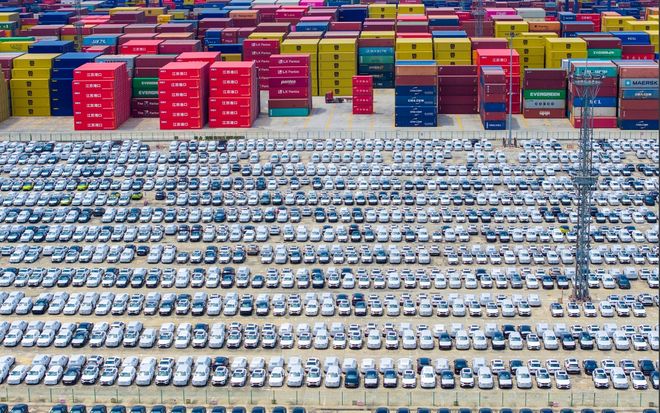
今年上半年我国GDP同比增长5.3%
Xin Hua She· 2025-07-15 06:12
Economic Performance - In the first half of the year, China's GDP reached 66,053.6 billion yuan, with a year-on-year growth of 5.3% at constant prices [1] - The GDP growth for the first quarter was 5.4%, while the second quarter saw a growth of 5.2% [1] - The quarter-on-quarter GDP growth in the second quarter was 1.1% [1] Sector Performance - Agricultural value added grew by 3.7%, with a total summer grain output of 149.74 million tons [1] - Industrial value added for large-scale enterprises increased by 6.4%, with equipment manufacturing and high-tech manufacturing growing by 10.2% and 9.5% respectively, outpacing the overall industrial growth by 3.8 and 3.1 percentage points [1] - The service sector's value added rose by 5.5%, accelerating by 0.2 percentage points compared to the first quarter [1] Investment and Consumption - The total retail sales of consumer goods reached 24,545.8 billion yuan, growing by 5% year-on-year, which is an acceleration of 0.4 percentage points from the first quarter [1] - Fixed asset investment (excluding rural households) amounted to 24,865.4 billion yuan, with a year-on-year growth of 2.8%; excluding real estate development investment, the growth was 6.6% [1] Trade and Employment - The total import and export value of goods was 21,787.6 billion yuan, with a year-on-year increase of 2.9% [2] - The share of private enterprises in total imports and exports rose to 57.3%, an increase of 2.3 percentage points from the previous year [2] - The average urban unemployment rate was 5.2%, a decrease of 0.1 percentage points from the first quarter [2] Consumer Prices and Income - The Consumer Price Index (CPI) decreased by 0.1% year-on-year, while the core CPI, excluding food and energy, increased by 0.4%, expanding by 0.1 percentage points from the first quarter [2] - The per capita disposable income of residents was 21,840 yuan, with a nominal year-on-year growth of 5.3%, and a real growth of 5.4% after adjusting for price factors [2] Policy Outlook - The macroeconomic policies have shown effectiveness, contributing to a stable and improving economic performance [2] - There is a need to strengthen domestic demand and ensure sustainable economic recovery amidst external uncertainties [2]
【数据发布】上半年国民经济迎难而上、稳中向好
中汽协会数据· 2025-07-15 03:32
Core Viewpoint - The national economy has shown resilience and stability in the first half of the year, with a GDP growth of 5.3% year-on-year, driven by effective macroeconomic policies and a focus on high-quality development [1][12]. Group 1: Agriculture and Livestock - Agricultural value added increased by 3.7% year-on-year, with summer grain production totaling 149.74 million tons, a slight decrease of 0.1% from the previous year [2]. - Livestock production saw a growth of 2.8%, with pork, beef, and poultry production increasing by 1.3%, 4.5%, and 7.4% respectively [2]. Group 2: Industrial Production - Industrial value added for large enterprises grew by 6.4% year-on-year, with manufacturing increasing by 7.0% and high-tech manufacturing by 9.5% [3]. - The production of 3D printing equipment, new energy vehicles, and industrial robots surged by 43.1%, 36.2%, and 35.6% respectively [3]. Group 3: Service Sector - The service sector's value added rose by 5.5%, with significant growth in information technology services (11.1%) and leasing and business services (9.6%) [4][5]. - The service industry production index increased by 6.0% year-on-year, indicating robust growth in various service sectors [5]. Group 4: Consumer Market - Retail sales of consumer goods reached 2.45458 trillion yuan, growing by 5.0% year-on-year, with significant increases in sales of upgraded consumer goods [6]. - Online retail sales amounted to 742.95 billion yuan, reflecting an 8.5% increase, with physical goods online sales growing by 6.0% [6]. Group 5: Fixed Asset Investment - Fixed asset investment (excluding rural households) grew by 2.8% year-on-year, with manufacturing investment increasing by 7.5% [7]. - Infrastructure investment rose by 4.6%, while real estate development investment saw a decline of 11.2% [7]. Group 6: Trade and Exports - Total goods import and export value reached 21.7876 trillion yuan, with exports growing by 7.2% and imports declining by 2.7% [8]. - The share of private enterprises in total imports and exports increased to 57.3%, up by 2.3 percentage points from the previous year [8]. Group 7: Employment and Income - The urban surveyed unemployment rate averaged 5.2%, showing a slight decrease, while the average disposable income per capita reached 21,840 yuan, a nominal increase of 5.3% [10][11]. - Rural residents experienced a faster income growth rate compared to urban residents, with rural disposable income growing by 5.9% [11].

二季度GDP增长5.2%,专家解读来了
第一财经· 2025-07-15 03:09
Core Viewpoint - The Chinese economy demonstrated resilience in the first half of 2025, with GDP growth of 5.3% year-on-year, driven by stable production and demand, despite facing various domestic and international challenges [1][2][6]. Economic Performance - The GDP for the first half of 2025 reached 660,536 billion yuan, with a quarterly breakdown showing a growth of 5.4% in Q1 and 5.2% in Q2, exceeding market expectations [1][2]. - The second quarter's GDP growth of 5.2% was above the predicted average of 5.07% by economists [1]. Industrial Growth - In June, the industrial output saw a significant increase, with a year-on-year growth of 6.8%, and an overall growth of 6.4% for the first half of the year [3]. - The manufacturing sector grew by 7.0%, with high-tech manufacturing increasing by 9.5%, indicating strong performance in these areas [3]. Consumer Spending - Social retail sales in June grew by 4.8%, a decrease from the previous month, while the total for the first half was 245,458 billion yuan, reflecting a 5.0% increase year-on-year [4]. - The "trade-in" policy for home appliances significantly boosted consumer spending, with online retail sales for major appliance categories rising by 28.0% in Q2 [4]. Investment Trends - Fixed asset investment (excluding rural households) reached 248,654 billion yuan in the first half, growing by 2.8% year-on-year, with infrastructure investment increasing by 4.6% [5]. - The investment landscape showed a divergence, with manufacturing investment slowing down while infrastructure remained resilient [5]. Policy and Outlook - The Chinese government is expected to continue implementing proactive counter-cyclical policies to stabilize the economy, with GDP growth projected at around 5% for Q3 and 4.6% for Q4 [2][6]. - The emphasis on domestic economic stability and high-quality development is crucial to counter external uncertainties [6].

刚刚!重要经济数据公布:5.3%↑
第一财经· 2025-07-15 02:15
Core Viewpoint - The article highlights the overall stability and positive trends in China's economy during the first half of the year, driven by effective macroeconomic policies and a focus on high-quality development [1][12]. Group 1: Agriculture and Livestock - Agricultural value added increased by 3.7% year-on-year, with summer grain production totaling 149.74 million tons, a slight decrease of 0.1% from the previous year [2]. - Livestock production saw a growth of 2.8%, with pork, beef, and poultry production increasing by 1.3%, 4.5%, and 7.4% respectively [2]. Group 2: Industrial Production - Industrial value added for large enterprises grew by 6.4% year-on-year, with manufacturing increasing by 7.0% [3]. - Equipment manufacturing and high-tech manufacturing sectors showed strong growth, with increases of 10.2% and 9.5% respectively [3]. Group 3: Service Sector - The service sector's value added grew by 5.5%, with significant contributions from information transmission, software, and IT services, which increased by 11.1% [5]. - The service industry production index rose by 6.0% year-on-year, indicating robust growth in modern service sectors [5]. Group 4: Consumer Market - Total retail sales of consumer goods reached 2,454.58 billion yuan, growing by 5.0% year-on-year, with urban retail sales increasing by 5.0% [6]. - E-commerce sales amounted to 742.95 billion yuan, reflecting an 8.5% increase, with physical goods online retail sales growing by 6.0% [6]. Group 5: Fixed Asset Investment - Fixed asset investment (excluding rural households) totaled 2,486.54 billion yuan, with a year-on-year growth of 2.8% [7]. - Manufacturing investment grew by 7.5%, while real estate development investment declined by 11.2% [7][8]. Group 6: Trade and Exports - Total goods import and export value reached 2,178.76 billion yuan, with exports growing by 7.2% [9]. - Private enterprises accounted for 57.3% of total trade, indicating a shift in trade dynamics [9]. Group 7: Price Stability and Inflation - The Consumer Price Index (CPI) saw a slight decline of 0.1% year-on-year, with food prices decreasing by 0.3% [10]. - Core CPI, excluding food and energy, increased by 0.4%, indicating moderate inflationary pressures [10]. Group 8: Employment and Income - The urban unemployment rate averaged 5.2%, showing a slight decrease, while the average disposable income per capita reached 21,840 yuan, a nominal increase of 5.3% [11][12]. - Rural residents experienced a faster income growth rate compared to urban residents, with rural disposable income increasing by 6.2% [12].

国家统计局:上半年,全国规模以上工业增加值同比增长6.4%。装备制造业增加值同比增长10.2%,高技术制造业增加值增长9.5%,增速分别快于全部规模以上工业3.8和3.1个百分点。
news flash· 2025-07-15 02:08
国家统计局:上半年,全国规模以上工业增加值同比增长6.4%。装备制造业增加值同比增长10.2%,高 技术制造业增加值增长9.5%,增速分别快于全部规模以上工业3.8和3.1个百分点。 ...
上半年国民经济迎难而上、稳中向好
Guo Jia Tong Ji Ju· 2025-07-15 02:00
Economic Overview - The national economy has shown resilience and stability, with a GDP of 66,053.6 billion yuan in the first half of the year, growing by 5.3% year-on-year [2][12] - The first industry increased by 3.7%, the second industry by 5.3%, and the third industry by 5.5% [2][12] Agriculture - Agricultural value added grew by 3.7% year-on-year, with summer grain production totaling 149.74 million tons, a slight decrease of 0.1% from the previous year [3] - Livestock production saw an increase of 2.8%, with pork, beef, and poultry production rising by 1.3%, 4.5%, and 7.4% respectively [3] Industrial Production - Industrial value added for large-scale enterprises increased by 6.4% year-on-year, with manufacturing growing by 7.0% and high-tech manufacturing by 9.5% [4] - The production of 3D printing equipment, new energy vehicles, and industrial robots surged by 43.1%, 36.2%, and 35.6% respectively [4] Services Sector - The service sector's value added grew by 5.5%, with significant growth in information transmission, software, and IT services at 11.1% [5] - The service industry production index increased by 6.0% year-on-year, indicating a robust recovery [5] Consumer Market - Total retail sales of consumer goods reached 245,458 billion yuan, growing by 5.0% year-on-year, with urban retail sales at 213,050 billion yuan [6] - E-commerce sales amounted to 74,295 billion yuan, reflecting an 8.5% increase, with physical goods online retailing at 61,191 billion yuan [6] Investment Trends - Fixed asset investment (excluding rural households) was 248,654 billion yuan, up 2.8% year-on-year, with manufacturing investment growing by 7.5% [7] - Infrastructure investment rose by 4.6%, while real estate development investment fell by 11.2% [7] Trade Performance - Total import and export value reached 217,876 billion yuan, a 2.9% increase, with exports growing by 7.2% [8] - The share of private enterprises in total trade increased to 57.3%, up 2.3 percentage points from the previous year [8] Price Stability - The Consumer Price Index (CPI) decreased by 0.1% year-on-year, with food prices down by 0.3% [9] - Core CPI, excluding food and energy, rose by 0.4%, indicating mild inflationary pressure [9] Employment Situation - The urban surveyed unemployment rate averaged 5.2%, slightly down from the previous quarter [10] - The number of rural migrant workers increased by 0.7% year-on-year, reflecting stable employment conditions [10] Income Growth - Per capita disposable income reached 21,840 yuan, a nominal increase of 5.3%, with rural income growth outpacing urban income [11] - The median disposable income was 18,186 yuan, showing a nominal increase of 4.8% [11]