新茶饮

Search documents
上市不满一年,分红比融资还多,古茗疯狂撒钱,这谁看不迷糊?
Sou Hu Cai Jing· 2025-11-29 06:51
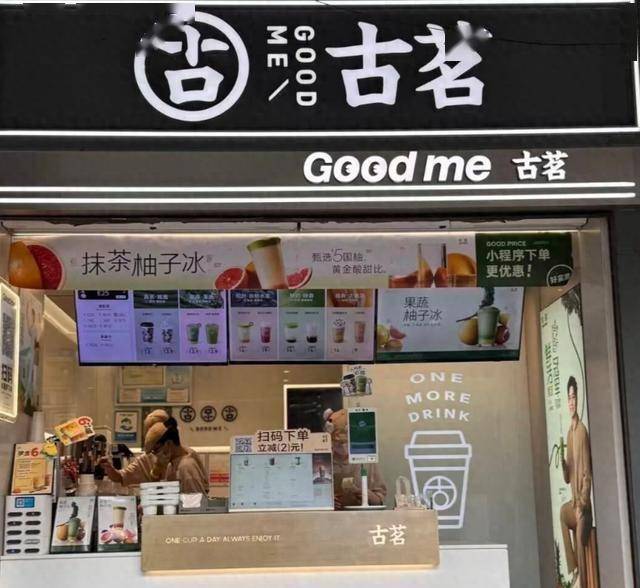
哈喽,大家好,老庐今天得跟大伙聊个新茶饮圈的"反常操作":古茗又在"撒钱"了,11月14日古茗董事 会扔出重磅消息,建议派发每股0.93港元的特别股息,总金额直奔22.1亿港元。 这数字有多夸张?要知道,古茗今年2月在港交所上市时,募资净额才约18亿港元。 上市不到一年,分出去的钱比融来的还多,这操作在新茶饮圈里简直少见,更别提这已是它今年第二次 大额分红,1月上市前就分了17.4亿元。 两次累计超41亿港元,创始人王云安及核心团队拿走了约30亿,这都超过了公司近一年半累计的31亿元 归母净利润。 一边给消费者搞百万免单,一边给股东豪掷数十亿,古茗这波"壕气"背后,到底是真赚钱还是在"提前 兑现"? 分红碾压同行:新茶饮圈独一份的"大方" 在新茶饮行业,分红从来不是常态,古茗的力度更是"独树一帜"。 老庐翻遍了同行财报,茶百道2024年4月上市后3次分红合计才近11亿元,沪上阿姨今年5月上市后中期 分红仅7112万元。 而蜜雪冰城、奈雪的茶、霸王茶姬这些头部品牌,上市以来压根没搞过类似规模的分红。 要知道,古茗这两次分红加起来,已经超过了它近一年半的归母净利润,这种"把利润全分出去"的激进 策略,在行业里找不 ...

新消费行业框架分析:星星之火,灿若星辰
China Post Securities· 2025-11-28 12:45
Investment Rating - The report maintains a strong buy rating for the new consumption industry [3] Core Insights - New consumption is characterized by new demand from emerging consumer groups like Generation Z and a shift from leverage-driven consumption to income-driven consumption among older demographics [5][17] - The supply side benefits from China's robust manufacturing capabilities and the internet's ability to reshape business models and efficiency [5][17] - The report highlights two main investment opportunities: aggressive new consumption sectors such as trendy toys and gold jewelry, and defensive cyclical sectors like liquor and travel [5][4] Summary by Sections New Consumption: What is New Consumption? - New consumption has gained traction in recent years, initially a term from the primary market, now widely recognized [17] - It encompasses both new demand from younger consumers and a shift in older consumers' preferences towards more rational spending [17][21] New Demand: Stars Gather to Form Light - Emotional consumption and the rise of national trends are significant drivers, with luxury attributes associated with products [46] - The report identifies key sectors: IP toys, gold jewelry, and new tea drinks, which align with current consumer trends [5][4] New Supply: Old Trees Sprout New Buds - The report emphasizes that industries with easier pathways develop first, while more challenging sectors follow as technology and information improve [33] - It discusses the efficiency gains in retail and service sectors through standardization and technological advancements [33] Investment Recommendations - The report suggests focusing on two types of opportunities: aggressive new consumption sectors (e.g., trendy toys, gold jewelry) and defensive cyclical sectors (e.g., liquor, travel) [5][4] - Specific companies to watch include Pop Mart, Mijia, and various tea brands [5][4] Emotional Consumption and National Trends - Generation Z's emotional consumption is highlighted, with a significant portion willing to pay for emotional value [21][23] - The report notes the increasing acceptance of Chinese brands among younger consumers, contrasting with older generations' preferences [21][22] Gold Jewelry Market - The gold jewelry market is projected to grow significantly, with ancient gold jewelry gaining popularity due to its cultural significance [86][87] - The market size for ancient gold jewelry is expected to reach 4,214 billion by 2028, with a compound annual growth rate of 21.8% [86][87] IP Toy Market - The report outlines the rapid growth of the IP toy market, with a projected market size of 1,741 billion by 2024, reflecting a compound annual growth rate of 13.6% [69][70] - The emotional value associated with IP toys is a key driver of consumer interest and market expansion [78][79]


纳斯达克上市半年承压:霸王茶姬遭谣言冲击,单店盈利下滑 + 品控问题持续发酵
Sou Hu Cai Jing· 2025-11-28 11:48
Core Viewpoint - The company BaWang Tea Ji, which became a notable IPO in 2025, is currently facing multiple crises including rumors, stock price volatility, slowing growth, and quality control issues, despite its rapid expansion and initial high valuation of nearly $3 billion [1][4]. Group 1: Rumors and Public Response - The founder Zhang Junjie publicly refuted rumors regarding his personal life, emphasizing the need for legal action against false claims that have caused harm to his family [6][9]. - The spread of rumors coincided with a wedding announcement, leading to various unfounded narratives about Zhang's background and business success [3][4]. - The stock market reacted negatively, with BaWang Tea Ji's share price dropping by 8.09% on November 20, 2025, resulting in a market value loss of approximately $210 million [4][6]. Group 2: Business Performance and Challenges - BaWang Tea Ji has experienced a decline in same-store sales, with a reported 23% year-over-year drop in average monthly GMV per store in Q2 2025 [13]. - The company has faced significant quality control issues, including reports of foreign objects found in products, which have raised consumer trust concerns [14][15]. - As of November 2025, the company has accumulated 2,927 complaints on consumer platforms, indicating ongoing operational challenges [16]. Group 3: Expansion and Growth Metrics - BaWang Tea Ji has rapidly expanded its footprint, reaching over 6,000 stores globally by the end of 2024 and achieving a membership base of 178 million [11]. - The company was noted for its aggressive growth strategy, aiming to open 1,000 new stores annually prior to its IPO [11].

多家新茶饮企业驰援香港救灾,总额超4000万港元
Nan Fang Nong Cun Bao· 2025-11-28 11:30
Core Viewpoint - Multiple new tea beverage companies have pledged significant donations to support disaster relief efforts in Hong Kong following a devastating fire in Tai Po, with total contributions exceeding 40 million Hong Kong dollars [3][6]. Group 1: Company Contributions - Mixue Ice City has initiated a donation of 20 million Hong Kong dollars for medical assistance, emergency housing, and living support for affected residents [7][10]. - Heytea and Cha Bai Dao each donated 5 million Hong Kong dollars to aid in resident relief, subsequent housing security, and reconstruction efforts [12][16]. - Luckin Coffee announced an emergency donation of 10 million yuan (approximately 1.4 million Hong Kong dollars) for urgent rescue, humanitarian aid, and post-disaster recovery [20][23]. - Bawang Tea Ji collaborated with the Hong Kong Tung Wah Group of Hospitals to launch disaster relief funds promptly to assist affected residents [18][19]. Group 2: Context of the Disaster - A major fire occurred on November 26 in Tai Po, Hong Kong, resulting in significant casualties and property damage, prompting a nationwide response to the rescue efforts [10][23].



市值1568亿!蜜雪冰城半年净赚27亿,5元早餐低调上线
Jin Rong Jie· 2025-11-28 06:30
Core Viewpoint - The secondary market is closely monitoring the movements of new tea beverage giants, with Mixue Group's stock closing at HKD 413 per share on November 27, resulting in a market capitalization of HKD 156.8 billion. This performance is attributed to the company's low-key testing of new business growth points, including a "breakfast plan" currently trialed in select cities [1][3]. Group 1: Breakfast Strategy - The company has initiated a low-price strategy targeting the breakfast consumption scene, with a recent survey on consumer preferences for breakfast items like soy milk and coffee. A "breakfast series" has been launched in certain areas, featuring products priced at RMB 5 [3]. - The breakfast product lineup includes four types of milk, such as "breakfast coconut milk," with no large-scale promotional plans currently in place. This is not the first attempt by the brand to expand into the morning consumption period, as previous tests included a "coffee + baking" combo sold at RMB 10 [3]. Group 2: Store Network and Financial Performance - The new business trials are supported by the company's extensive offline network and solid financial data, with a reported revenue of RMB 14.87 billion for the first half of 2025, a year-on-year increase of 39.3%, and a net profit of RMB 2.72 billion, up 44.1% [4]. - As of June 30, 2025, Mixue Group has expanded its global store count to 53,014, while its coffee business, Luckin Coffee, has surpassed 10,000 stores, positioning itself as a significant player in the domestic coffee chain market [4]. Group 3: Multi-Category Expansion and Operational Efficiency - In addition to breakfast and coffee, the company is extending its product range through acquisitions, having invested approximately RMB 297 million to acquire a 53% stake in Fresh Beer Fulu, thereby entering the fresh beer market [5]. - The company's profitability remains relatively strong within the industry, with a net profit margin of 18.27% for the first half of 2025, outperforming competitors like Tea Baidao and Bawang Tea Ji. The low-price breakfast initiative is seen as a strategy to leverage existing supply chain advantages and enhance single-store value [5].

美股强势反弹,科技股领涨背后暗藏AI芯片格局变局
Sou Hu Cai Jing· 2025-11-27 05:02
Market Overview - The U.S. stock market experienced a strong rebound after early fluctuations, with all three major indices closing higher. The Nasdaq Composite Index rose by 0.67% to 23025.59 points, the Dow Jones Industrial Average surged by 1.43% to 47112.45 points, and the S&P 500 Index recorded a 0.91% increase to 6765.88 points. Market sentiment showed significant improvement, driven by rising expectations for Federal Reserve interest rate cuts and potential major adjustments in the AI industry [1]. Federal Reserve Rate Cut Expectations - A key factor driving the market's strength is the increasingly clear signal of a shift in the Federal Reserve's monetary policy. According to the CME FedWatch Tool, the market currently estimates an 82.7% probability of a 25 basis point rate cut at the December meeting, a significant increase from approximately 40% the previous week. This shift was catalyzed by dovish comments from New York Fed President and FOMC Vice Chair John Williams, who indicated that there is still room for rate cuts in the near term [2]. - Historical data suggests that a low interest rate environment typically supports risk assets, especially ahead of the year-end holiday shopping season, leading investors to anticipate a "Santa Claus Rally" [2]. AI Industry Developments - A report about Meta potentially collaborating with Google to use Google's Tensor Processing Units (TPUs) in its data centers has caused significant volatility in tech stocks. Following this news, Google's Class A and C shares rose by 1.53% and 1.62%, respectively, nearing a market capitalization of $4 trillion. However, this potential partnership has put pressure on AI chip leader Nvidia, with concerns that a shift to customized ASIC solutions by major tech companies could weaken demand for general-purpose GPUs. Nvidia's stock fell over 7% at one point, ultimately closing down 2.59% [4]. - Nvidia publicly responded to these concerns, emphasizing the significant advantages of its products in terms of performance, versatility, and substitutability compared to ASICs. The broader implications of this development for other major players in the AI chip industry, such as Microsoft and Amazon, are being closely monitored [4]. Wealth of Tech Giants - The strong performance of tech stocks has significantly increased the personal wealth of Google co-founders Larry Page and Sergey Brin, with net worths reaching $268.4 billion and $248.8 billion, respectively, making them the second and third richest individuals globally. Google's stock has surged by 73% year-to-date, positioning the company as a standout winner in the AI wave [5]. - Other major tech stocks also saw gains, with Meta rising by 3.78%, Amazon by 1.5%, and Broadcom by 1.87%. Microsoft and Apple experienced slight increases, while Tesla saw a modest rise of 0.39% [5]. - In contrast, Chinese concept stocks displayed mixed performance, with the Nasdaq Golden Dragon China Index rising by 0.35%. Notable gainers included autonomous driving company Hesai Technology, which surged by 10.98%, while companies like NIO, Alibaba, and Baidu faced declines ranging from 1% to 4% [5].

固体杨枝甘露一天卖出25万份!当液体讲不出新故事,茶饮卷向新赛道
第一财经· 2025-11-25 15:38
Core Viewpoint - The emergence of "solid mango sago" reflects the new tea beverage industry's struggle to differentiate itself in a saturated market, seeking new growth points through innovative product forms [3][5]. Industry Trends - The solid mango sago has gained significant popularity, with brands like Tea Baidao reporting sales of nearly 250,000 cups on its first day of launch [4]. - Various brands, including Tea Baidao, Hushang Ayi, and others, have introduced their versions of solid mango sago, indicating a trend of cross-industry collaboration and product diversification [4][5]. - The competition in the new tea beverage sector is intensifying, leading to a phenomenon of "old products with new forms" as brands innovate to capture consumer interest [5]. Product Innovation - The solid mango sago features fresh mango, live yogurt, and various toppings, enhancing the product's flavor profile and consumer appeal [4]. - The shift from liquid to solid forms is seen as a necessary evolution in a highly competitive market, allowing brands to extend their product offerings and create new consumption scenarios [5][9]. Market Dynamics - Despite the initial success, the profit margins for solid mango sago are relatively low, with costs associated with ingredients and preparation impacting profitability [7]. - Industry experts express caution regarding the solid mango sago trend, suggesting that while it may offer short-term benefits, it could dilute brand focus and quality in the long run [8][9]. - The transition to solid forms may complicate supply chains and operational efficiency, potentially leading to a decrease in scale advantages for brands [9].
茉莉奶白是奶茶品牌,更是文创公司?2000+门店撑起内容生态布局
Sou Hu Cai Jing· 2025-11-25 14:20
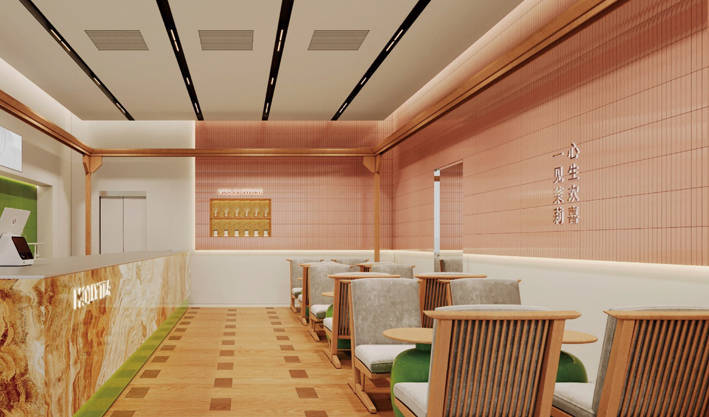
Core Insights - The core viewpoint of the articles highlights the successful expansion and unique business model of the new tea brand, Jasmine Milk White, which has opened 2,000 stores and plans to double its growth by 2025 despite industry challenges [1] Group 1: Brand Strategy and Market Positioning - Jasmine Milk White has established a strong brand identity through its original IP "Jasmine," a character that resonates with consumers and enhances brand value [1][11] - The brand's focus on emotional consumption reflects a shift in consumer behavior, where young consumers seek not just products but also emotional connections and social experiences [2] - The company emphasizes aesthetic experiences in its store design and product presentation, creating a unique visual style that enhances consumer engagement [2] Group 2: Product Innovation and Consumer Engagement - Jasmine Milk White has launched several "local flavor" product series this year, showcasing regional ingredients and vibrant colors to attract consumers [5] - The brand has successfully integrated emotional value into its offerings, understanding that modern consumers desire visually appealing and engaging products [5][6] - The collaboration with popular IPs, such as Pingu, has generated significant buzz and sales, demonstrating the effectiveness of innovative marketing strategies [6][9] Group 3: IP Development and Membership Growth - The brand is actively developing its original IP "Jasmine," which has evolved into a cultural symbol, enhancing consumer interaction and brand loyalty [11][13] - Jasmine Milk White's membership base has doubled, reaching 40 million, indicating the effectiveness of its emotional resonance and content-driven growth strategy [13] - The company aims to create a unique "IP cultural universe" through continuous innovation and member engagement, positioning itself as a cultural creative entity rather than just a beverage company [13]
霸王茶姬创始人迎娶光伏女神,奶茶和阳光到底谁强势?
Sou Hu Cai Jing· 2025-11-25 05:09
Core Insights - The marriage between Zhang Junjie, founder of Bawang Tea Ji, and Gao Haichun, a leader in Trina Solar, symbolizes a strategic coupling of two major industries in China: new tea beverages and photovoltaic energy [2][3] - The two industries are on divergent paths as they approach 2025, with new tea beverages facing a slowdown while photovoltaic energy is experiencing a cyclical downturn [3][9] New Tea Beverage Industry - Bawang Tea Ji is set to go public on NASDAQ in April 2025, becoming the first Chinese new tea beverage company to list in the U.S., with an initial market value nearing $6 billion [3] - The growth rate of the Chinese new tea beverage market has significantly declined from over 25% in 2021 to an expected 6% in 2024, and further down to 1.5% by 2028, indicating a shift from rapid expansion to competition for existing market share [3] - Bawang Tea Ji's flagship product contributes 61% of its GMV, but the company faces challenges in product diversification and has seen a substantial increase in marketing expenses, which rose 11 times to 1.1 billion yuan over three years [3][5] - The company plans to expand into North America, but faces high material costs and a misalignment between consumer preferences for high-sugar drinks and its positioning as a "healthy tea" brand [3][5] Photovoltaic Industry - Trina Solar has experienced a 22.16% decline in revenue year-on-year for the first three quarters of 2024, with a net loss of 847 million yuan, marking its worst performance in recent years [5][6] - The photovoltaic industry is facing challenges such as overcapacity, intense price competition, and changing policy environments, which have led to a restructuring of investment logic [5][6] - Trina Solar is shifting its strategy from component sales to providing integrated energy storage solutions, aligning with global trends towards distributed and intelligent energy systems [6][9] - The photovoltaic sector is expected to undergo a significant clearing process, with a recovery anticipated around 2026 to 2027 [6][9] Comparative Analysis - Both industries have recently faced market corrections, with Bawang Tea Ji's stock price down nearly 40% from its peak and Trina Solar's market value dropping over 75% from its historical high [9][10] - New tea beverages are categorized as discretionary consumption, heavily influenced by economic cycles and consumer confidence, while photovoltaic energy is seen as a foundational infrastructure for the energy revolution, driven by policy and technology [9][10] - The long-term outlook for photovoltaic energy remains positive despite short-term challenges, while new tea beverages are viewed as a fleeting trend with limited growth potential [10][11]

连小料都售罄,为什么古茗也看上了“糖水”这门生意?
3 6 Ke· 2025-11-25 04:24
Core Insights - Gu Ming has entered the "sugar water" business by launching two new products: "Peach Gum Tapioca Stewed Milk" and "Taro Mud Mochi Stewed Milk," which have quickly gained popularity among consumers, leading to some stores selling out [1][3] - The new products emphasize authentic ingredients and slow-cooked flavors, contributing to their success on social media platforms, with the "Peach Gum Tapioca Stewed Milk" topic generating 22,000 posts and over 7 million views shortly after launch [1][3] Product Details - The "Peach Gum Tapioca Stewed Milk" is made with ingredients sourced from Hubei, Guangxi, and Fujian, and is slow-cooked for 60 minutes before being combined with black sugar pearls, small balls, and cold chain fresh milk [1] - The "Taro Mud Mochi Stewed Milk" features Guangxi taro as its base, paired with rice mochi, small balls, sago, and cold chain fresh milk, offering a sweet and sticky taste [1] Pricing Strategy - Both sugar water products are priced competitively, starting at 18 yuan and 16 yuan, respectively, appealing to consumers looking for value [3] Market Trends - Other tea brands, such as CoCo, have also introduced sugar water products, indicating a growing trend in the market. CoCo's "Amber Peach Gum" series has received positive feedback for its rich and balanced flavors [3] - The entry of new tea brands into the sugar water market is attributed to the low barriers to entry and high profit margins, with sugar water products generally having a gross margin exceeding 65% [5] Consumer Preferences - The rise in popularity of sugar water products aligns with the health-conscious trends among younger consumers, who are increasingly drawn to ingredients like peach gum and silver fungus that are perceived as natural and nourishing [5] - The trend reflects a broader shift towards "punk health" choices among young people, with ready-made health teas becoming a popular option [5] Competitive Landscape - The introduction of sugar water products by various tea brands is seen as a strategy to seek growth amid intense competition in the beverage market [5]