
火锅

Search documents
巴奴火锅冲击ipo,前三季度营收21亿,证监会九问还没答完
Sou Hu Cai Jing· 2025-12-20 02:53
Core Viewpoint - The article discusses the competitive landscape of the hot pot industry, focusing on the rise of Ba Nu Hot Pot as a significant challenger to Hai Di Lao, particularly in light of Ba Nu's recent IPO efforts and its unique positioning in the market [1][3]. Company Overview - Ba Nu Hot Pot was founded in 2001 by Du Zhongbing in Anyang, Henan, and has evolved into a leading player in the high-end hot pot sector [2][3]. - The brand's strategy shifted in 2012 from a service-oriented approach to a product-focused one, emphasizing quality ingredients like beef tripe and mushroom soup [3]. Financial Performance - As of the first three quarters of 2025, Ba Nu reported a revenue of 2.077 billion yuan and a net profit of 156 million yuan, surpassing its total revenue for the previous year [3]. - The number of Ba Nu's direct stores has increased to 162, a growth of over 95% since the end of 2021 [3]. Pricing Strategy - Ba Nu's average customer spending has decreased from 150 yuan in 2023 to 138 yuan, yet it remains 40 yuan higher than Hai Di Lao's average of 97.9 yuan [3]. Regulatory Challenges - Ba Nu faces scrutiny from the China Securities Regulatory Commission (CSRC) regarding its financial practices, particularly concerning a significant dividend payout amidst outstanding social security contributions [4]. - The company has been questioned about its workforce structure, with over 80% of its employees being temporary or outsourced, raising compliance concerns as it seeks to go public [6]. Expansion Plans - Ba Nu aims to open over 50 new stores annually from 2026 to 2028, with a goal to double its store count within three years, highlighting its ambition for rapid growth [6].
巴奴加紧扩张:年底44店目标压顶,最后一月任务近半
Hua Er Jie Jian Wen· 2025-12-19 15:41
餐饮行业的压力并未拖住巴奴扩张的步伐。 2025年前三季度,巴奴实现营收约20.8亿元,同比增长24.5%,增幅较2024年的9%显著回升。 门店扩张是助推增长的首要原因。至12月7日,巴奴直营门店达162家,较年初净增18家。 在消费环境趋紧的背景下,新店开设并未对现有门店经营造成明显稀释。 今年以来,巴奴陆续在符合条件的商场延长营业时间,24小时的门店比例有所增加。 前三季度,同店翻台率从去年同期的3.1提升至3.5,带动同店销售额增长4.3%。 然而客单价下滑趋势仍在延续,已从2023年的150元、2024年的142元,进一步降至今年前三季度的138 元。 作为前五大火锅连锁中唯一实现全部门店由中央厨房集中直供的品牌,巴奴凭借"供应链先行"的优势, 能更有效展开区域下沉与纵深布局,而非仅在单一城市进行高密度开店。 巴奴目前仅在十个省会城市开设三家及以上门店,显示低线市场仍有较大渗透空间。年初至今净新增的 18家门店中,有14家位于二线城市。 对于主打品质火锅的巴奴来说,低线城市较低的人力及租金成本还创造了更好的盈利空间。 这意味着需在最后一个月内完成近20家新店开业,接近全年拓店任务的一半。 对于新店集 ...
海底捞首开大排档火锅!“全场景”出击能否打开增长天花板?
Mei Ri Jing Ji Xin Wen· 2025-12-19 10:27
海底捞2025年半年报显示,其营收与利润双双承压,传统门店模型增长见顶。在行业同质化竞争加剧的 背景下,寻找新增长点已成必然。 从全国首家亲子店、社区店到首家宠物友好店、宴会店,再到最新的大排档火锅店,海底捞正加速推进 其"不一样的海底捞"战略,围绕火锅主业进行一系列密集场景创新以突破增长瓶颈。 12月19日,海底捞全球形象大使"小捞捞"怀抱一条"大鱼"亮相广州番禺万达广场,正式宣告全国首家海 底捞大排档火锅店开门迎客。现场充满海洋元素的布置,吸引了不少消费者驻足拍照。 自12月12日试营业起,该门店持续出现排队数小时的现象,引发市场关注。从众多社交平台消费者晒出 的照片来看,店内融合了生鲜市集与大排档场景,消费者推车自选、按盘计价的体验,与海底捞以往的 服务模式形成了鲜明反差。 这并非简单的门店上新,而是火锅巨头在增长压力下,对由区域品牌开创的"海鲜集市火锅"这一新兴赛 道的探索尝试。 海底捞入局海鲜集市火锅赛道 "怒排4小时终于吃上海底捞大排档""为了这一口海底捞排了三个小时队"12月12日开启试营业以来,全 国首家海底捞大排档火锅店成为了广州消费者的热门打卡点之一。 12月19日,《每日经济新闻》记者注 ...



“月薪5千别吃”的巴奴再闯港股,一边欠缴员工社保一边大额分红
Feng Huang Wang Cai Jing· 2025-12-19 08:01
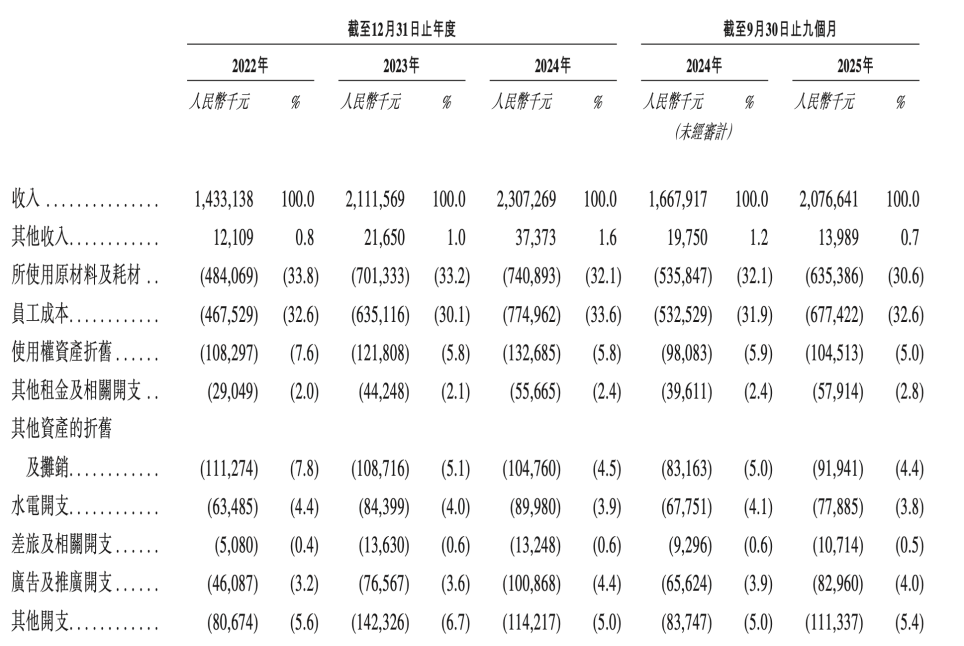
Core Viewpoint - The company, Banu, has updated its prospectus, showing significant financial improvements for the first nine months of 2025, despite previous controversies regarding pricing and product quality [1][2]. Financial Performance - Banu's total revenue for the years 2022 to 2025 (first nine months) is reported as 1.433 billion, 2.112 billion, 2.307 billion, and 2.077 billion RMB respectively, with adjusted net profits of 41.5 million, 144 million, 168 million, and 235 million RMB [2]. - The adjusted net profit for 2024 has decreased from 196 million to 168 million RMB, a reduction of 28 million RMB, while the revenue and profit for the first nine months of 2025 have significantly increased, with an operating profit margin rising from 7.3% in 2024 to 11.3% [2][3]. Cost Management - Banu's operating profit margin has increased from 15.2% in 2022 to 21.5% in 2024, reaching 24.3% in the first nine months of 2025, attributed to standardized and refined operations [4]. - The proportion of raw materials and consumables in total revenue has decreased from 33.8% in 2022 to 30.6% in the first nine months of 2025, marking a significant reduction [5]. Employment Practices - The number of Banu's stores increased from 111 in 2023 to 162 in the first nine months of 2025, a growth of 46%, while the number of formal employees rose by 23% [7]. - The company has significantly increased its part-time workforce, with part-time employees growing by 198% from 1,111 to 3,308, leading to issues with unpaid social security contributions [7][8]. Customer Metrics - The average daily customer count per store has rebounded to 393 in the first nine months of 2025, remaining stable compared to 2023, while the average daily sales per store increased from 5.27 million RMB in 2024 to 5.76 million RMB [11]. - However, the average customer spending has declined from 150 RMB in 2023 to 138 RMB in the first nine months of 2025, despite still being significantly higher than the industry average [15]. Controversies and Challenges - Banu has faced scrutiny over product quality issues, including a scandal involving misrepresented meat products and high pricing controversies, which have affected its public image [16][18]. - The company has been criticized for its high pricing strategy and controversial statements from its founder, which have led to perceptions of disconnect from its customer base [20][22].
“月薪5千别吃”的巴奴再闯港股,一边欠缴员工社保一边大额分红
凤凰网财经· 2025-12-19 07:49
Core Viewpoint - The article discusses the recent updates in the prospectus of the hotpot brand Banu, highlighting its financial improvements and ongoing controversies regarding its operational practices and product quality [1][2][21]. Financial Performance - Banu's total revenue for the years 2022 to 2025 (first nine months) is reported as 14.33 billion, 21.12 billion, 23.07 billion, and 20.77 billion respectively, with adjusted net profits of 415 million, 1.44 billion, 1.68 billion, and 2.35 billion [2][6]. - The adjusted net profit for 2024 was revised down from 1.96 billion to 1.68 billion, a decrease of 280 million, while the revenue and profit for the first nine months of 2025 showed significant improvement, with an operating profit margin rising from 7.3% in 2024 to 11.3% [2][3]. Cost Management - Banu's operating profit margin increased from 15.2% in 2022 to 21.5% in 2024, reaching 24.3% in the first nine months of 2025, attributed to standardized and refined operations [4]. - The proportion of raw materials and consumables in total revenue decreased from 33.8% in 2022 to 30.6% in the first nine months of 2025, marking a significant reduction [5][6]. Employment Practices - Banu's workforce strategy involved a significant increase in part-time employees, with part-time staff rising from 1,111 in 2023 to 3,308 in 2025 (198% increase), while full-time employees grew from 1,604 to 1,974 (23% increase) [7]. - The company faced scrutiny for unpaid social security contributions, with amounts owed decreasing from approximately 1.6 million in 2022 to 500,000 in the first nine months of 2025 [7][8]. Customer Metrics - The average daily customer count per restaurant showed a recovery in the first nine months of 2025, reaching 393, compared to 372 in 2024 [11]. - The average daily sales per restaurant also rebounded to 57,642 RMB in the first nine months of 2025, after a decline in 2024 [11][12]. Product Quality Controversies - Banu faced significant backlash over product quality issues, including a scandal involving misrepresented meat products and the "expensive potato" incident, which drew public criticism [16][17]. - Despite maintaining a high average price point of 138 RMB per person, Banu's perceived value has been questioned due to these controversies and its marketing strategies [15][21]. Conclusion - Banu's financial data reflects a mix of growth and challenges, with improvements in profit margins and customer metrics, but ongoing issues related to employment practices and product quality could impact its market position and IPO success [21][22].

巴奴国际再闯港交所:欠缴社保却大额分红 估值“自循环”暗藏隐忧
Xin Lang Cai Jing· 2025-12-19 02:39
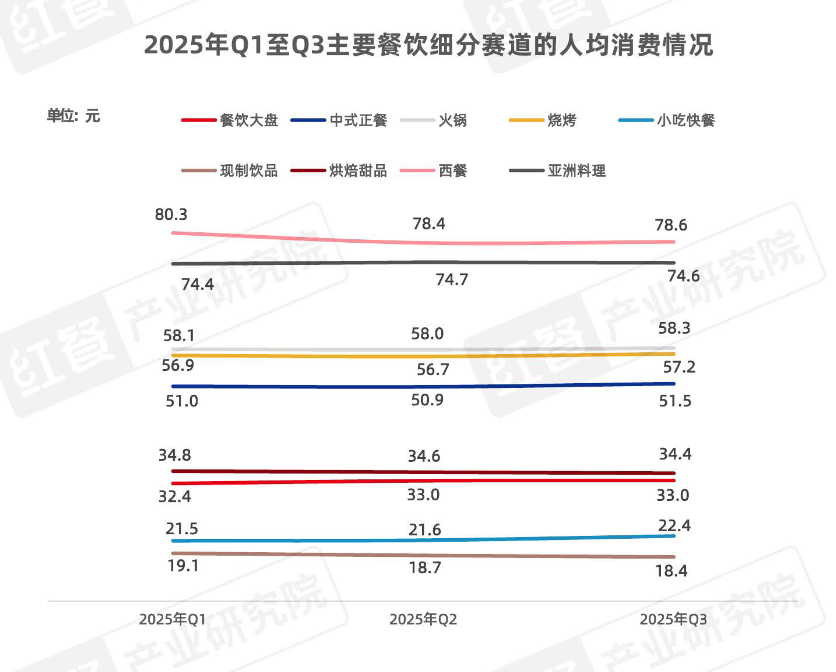
Core Viewpoint - Banu International is rapidly advancing its IPO process in Hong Kong after its initial application was invalidated, showing strong revenue growth and profitability but facing internal governance challenges and compliance issues related to labor practices [1][3][16]. Financial Performance - For the first three quarters of 2025, Banu International reported revenue of 2.077 billion yuan, a year-on-year increase of 24.5% [1][13]. - The adjusted net profit reached 235 million yuan, marking a significant growth of 80.8% compared to the same period in 2024, with an adjusted net profit margin exceeding 10% for the first time since 2022 [1][13]. - The company had 162 directly operated stores as of the last feasible date, with a net increase of 18 stores compared to the end of 2024 [1][13]. Sales and Customer Metrics - Same-store sales growth improved from 2.1% to 4.3% compared to the first quarter, with first-tier cities experiencing a 15.9% increase [1][13]. - The average customer spending remained at 138 yuan, while the average spending in the hot pot category across China was around 58 yuan during the same period [1][13]. Employee Structure and Compliance Issues - As of September 30, 2025, Banu International employed 11,100 staff, with only 1,974 being full-time employees, representing 17.8% of the total workforce [4][17]. - The company has accumulated unpaid social insurance and housing fund contributions totaling 4 million yuan from 2022 to the first three quarters of 2025 [4][19]. - The reliance on part-time and outsourced employees, which make up 82.2% of the workforce, raises concerns about compliance with labor regulations [4][17]. Dividend and Financing Strategy - In January 2025, Banu International declared a dividend of 70 million yuan, which accounted for 41.7% of the adjusted net profit for 2024, despite facing significant short-term debt pressures [21][22]. - As of September 30, 2025, the company had current liabilities of 320 million yuan while cash and cash equivalents were only 69.63 million yuan, a decrease of 68.6% from the end of 2024 [21][22]. Valuation and Investment Dynamics - Banu International's valuation has seen a significant increase, with the founders' investments contributing to a 134.1% rise in valuation over four years [25]. - The company has faced challenges in securing substantial external financing, with a notable failed transaction in 2021 that was expected to raise over 500 million yuan [25].
巴奴火锅向港交所二次递表
Shen Zhen Shang Bao· 2025-12-18 17:21
Group 1 - The core viewpoint of the article is that Banu International Holdings Limited (Banu Hotpot) has faced scrutiny from the China Securities Regulatory Commission (CSRC) regarding its equity structure, dividend rationality, and other issues, leading to a second submission of its prospectus on December 17 [1] - Banu Hotpot was founded in April 2001 and is headquartered in Zhengzhou, Henan Province, with its founder being Du Zhongbing [1] - As of 2024, Banu Hotpot ranks third in the Chinese hotpot market by revenue, following Haidilao and Xiaobuxiang, and holds the top position in the high-end hotpot market with a market share of approximately 3.1% [1] Group 2 - The company received feedback from the CSRC after its initial submission, which included nine major issues that required additional materials, such as equity structure, data security, and dividend rationality [1] - The updated prospectus was submitted with the assistance of joint sponsors, China International Capital Corporation (CICC) and Bank of China International [1]
【马河坎】未来五年开一家成都餐饮火锅的发展趋势是什么?
Sou Hu Cai Jing· 2025-12-18 13:09
Core Viewpoint - The Chengdu hot pot industry is expected to experience significant development trends over the next five years, focusing on health, technology, branding, and cultural integration [1][13]. Health and Nutrition - Consumers are increasingly prioritizing health and nutrition in their dining choices, leading to a demand for high-quality, fresh, and organic ingredients in hot pot [4]. - Traditional high-oil and high-salt hot pot bases will be modified, with a rise in healthier options such as mushroom and tomato broths, as well as customized bases for different demographics [4]. Technology and Digitalization - The integration of smart and digital systems will enhance competitiveness in the hot pot industry, with more restaurants adopting smart ordering systems to improve efficiency and reduce errors [7]. - Digital management systems will allow restaurants to analyze consumer behavior and optimize operations, such as ingredient procurement and staff scheduling [7]. Branding and Chain Expansion - Brand reputation and chain operations will become crucial for growth, with well-known hot pot brands expanding rapidly to leverage their established quality and service standards [9]. - Chain operations will enable cost reductions through unified procurement and shared resources, leading to increased operational efficiency [9]. Culinary and Cultural Integration - The fusion of hot pot with other cuisines will be a highlight, incorporating classic dishes from Sichuan cuisine and Western cooking methods to create unique offerings [10]. - Chengdu hot pot will increasingly reflect local cultural elements in its decor and service, enhancing the dining experience for both locals and tourists [10][11].
巴奴火锅二次递表冲击港股IPO 招股书回应监管“九连问”
Sou Hu Cai Jing· 2025-12-18 05:37
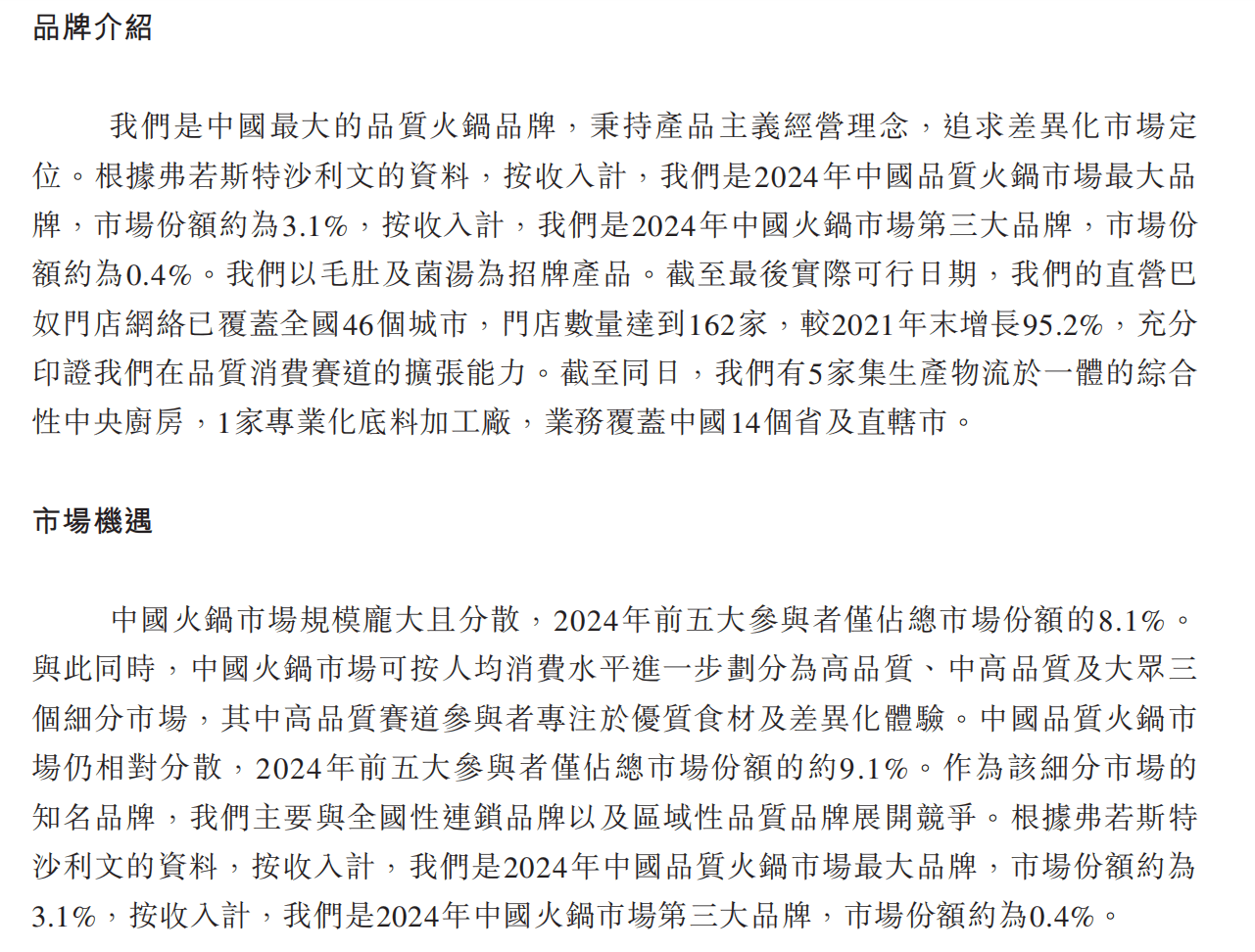
深圳商报·读创客户端记者 詹钰叶 首次递表后,因股权架构、分红合理性、社保欠缴等问题,巴奴国际控股有限公司(简称巴奴火锅)被中国证监会"九连问"。公司于12月17日向港交所二次 递表,并作出针对性解释。若顺利上市,巴奴火锅将成为港股"中式火锅第三股"。 图片内容均来自巴奴火锅本次递交的招股书 12月17日,巴奴国际控股有限公司(以下简称"巴奴火锅"或"公司")更新招股书,中金公司、中银国际为联席保荐人。根据招股书,巴奴火锅成立于2001年 4月,总部位于河南省郑州市,创始人为杜中兵。弗若斯特沙利文数据显示,按收入计,巴奴火锅在2024年中国火锅市场中的排名位于海底捞、呷哺呷哺之 后,位列第三,市场份额约为0.4%;在中国高端火锅市场则排名第一,市场份额约为3.1%。 招股书显示,至12月7日,巴奴火锅的直营门店达162家,覆盖46个城市,较2021年末增长95.2%,"河南模式"成功复制至全国多省份。2022年-2025年前九个 月,公司营业收入分别为14.33亿元、21.12亿元、23.07亿元与20.7亿元,净利润分别为-0.05亿元、1.02亿元、1.23亿元与1.56亿元,毛利率分别为66.2%、 6 ...
巴奴火锅,又发起上市冲锋
3 6 Ke· 2025-12-18 01:39
Core Viewpoint - Banu International Holdings Limited is advancing its listing process on the Hong Kong Stock Exchange, aiming to become the third Chinese hot pot company to go public after Xiaobai Group and Haidilao [1] Group 1: Company Overview - Founded by Du Zhongbing in 2001, Banu started with a single hot pot restaurant in Anyang, Henan, and has grown into a national chain with 162 stores across 46 cities as of December 7, 2025, representing a 95.2% increase since the end of 2021 [2] - The brand name "Banu" is derived from the culture of the boatmen in Chongqing, which is significant to the origins of Sichuan hot pot [2] Group 2: Financial Performance - Banu's revenue is projected to grow from 14.33 billion yuan in 2022 to 23.07 billion yuan in 2024, nearly doubling over three years [4] - For the first three quarters of 2025, Banu reported a revenue of 20.78 billion yuan, reflecting a year-on-year increase of 24.5% [4] - Adjusted net profit increased from 0.42 billion yuan to 1.96 billion yuan from 2022 to 2024, with a significant rise to 2.36 billion yuan in the first three quarters of 2025, exceeding the total for 2024 [4] Group 3: Market Position - Banu ranks third in the Chinese hot pot market by revenue, with a market share of approximately 0.4%, and holds the top position in the high-end hot pot segment with a market share of about 3.1% [4] Group 4: Investment and Governance - Banu's valuation reached 5 billion yuan following multiple rounds of investment, including 1.5 billion yuan from Tomato Capital in August 2022 [2] - The company has a strong governance structure, with the founders controlling approximately 83.38% of the voting rights prior to the IPO [3] - Hu Xiaoming, former Alibaba partner and CEO of Ant Group, has been appointed as an independent non-executive director, bringing extensive management experience to the company [3] Group 5: Regulatory Challenges - Banu has received feedback from the regulatory authority regarding its listing application, particularly concerning its employee social security contributions, which have raised concerns due to a significant number of non-full-time employees [5] - As of September 30, Banu had 1,974 full-time employees, with 3,308 part-time and 5,818 outsourced workers, leading to issues with social security and public fund contributions [5]