
咖啡

Search documents
左手提神,右手燃脂:年轻人咖啡杯里的体重管理
艾瑞咨询· 2025-06-16 08:39
Core Viewpoint - The article discusses the rising trend of fat-burning functional coffee among young consumers, driven by the national "Weight Management Year" initiative, which is expected to create significant market opportunities in the health and fitness sector by 2030 [1][2]. Group 1: Market Opportunity - The national initiative for weight management is expected to lead to a combined market size of nearly 7 trillion yuan in the sports and medical weight loss industries by 2030 [2]. - There has been a 2.3 times year-on-year increase in search volume for "weight management" related products on platforms like JD.com since March 8, indicating a growing consumer interest [2]. - The demand for functional coffee has shifted from merely providing energy to also offering health benefits, with consumers willing to pay a premium for high-quality products that deliver visible results [2][8]. Group 2: Scientific Basis of Fat-Burning Coffee - The caffeine in coffee can enhance the basal metabolic rate by 3%-11% within three hours after consuming 100-200 mg of caffeine, which translates to burning calories even while at rest [3]. - Fat-burning coffee has evolved through different stages, from traditional black coffee to more complex formulations that combine multiple fat-burning ingredients for enhanced effectiveness [4][5][6]. Group 3: Product Evolution - The evolution of fat-burning coffee includes: - 1.0 Era: Traditional black coffee with limited fat-burning effects [4]. - 2.0 Era: Coffee with added ingredients like L-carnitine, improving targeted fat-burning but still limited in overall effectiveness [5]. - 3.0 Era: Composite formula fat-burning coffee, which combines various ingredients for synergistic effects, exemplified by brands like MOCK墨客咖啡 that utilize innovative extraction and preservation techniques [6]. Group 4: Consumer Trends - The target demographic for fat-burning coffee includes individuals seeking to manage weight while maintaining energy levels, with a focus on scientific, personalized, and transparent product offerings [7][10]. - The trend is moving towards personalized fat-burning coffee solutions based on individual health data, as well as the integration of these products into various lifestyle scenarios, from offices to gyms [10].


第四届中非经贸博览会落幕,签约项目176个、金额113.9亿美元,观展人次较上届翻倍
Chang Sha Wan Bao· 2025-06-16 01:52
Group 1 - The fourth China-Africa Economic and Trade Expo concluded successfully, with a total of 176 projects signed, amounting to $11.39 billion, surpassing the previous session [9] - The main exhibition hall attracted over 200,000 visitors, doubling the attendance from the last event, with on-site transactions or intended transactions expected to reach 2.5 billion RMB [2] - The expo featured participation from 53 African countries, 11 international organizations, and over 4,700 enterprises, showcasing a strong interest in cooperation [3] Group 2 - The expo's theme was "China-Africa Cooperation in Action, Pursuing Modernization Together," with over 30 trade activities covering various sectors such as green mining, infrastructure, and cultural trade [7] - A significant number of projects were signed during the expo, with Hunan province alone signing 62 projects worth $3.8 billion, representing one-third of the total signed projects [10] - The expo has evolved into the largest and highest-level comprehensive exhibition between China and Africa over six years [11] Group 3 - The event included the debut of several specialized exhibition areas, such as a second-hand vehicle trade zone and a showcase for African products, highlighting the diversity of offerings [4][5] - The expo facilitated direct procurement cooperation, particularly in commodities like soybeans, coffee, and tea, enhancing trade links between Africa and China [8] - Future plans include the "Going to Africa" initiative to further strengthen economic ties and ensure the successful implementation of signed projects [12]

万宁兴隆,“咖”位十足
Hai Nan Ri Bao· 2025-06-16 01:18
咖啡豆斩获国际订单、研学产品上新、咖啡树认养兴起……兴隆咖啡推动全产业链升级 万宁兴隆,"咖"位十足 海南日报全媒体记者 林博新 6月11日,万宁咖啡产业迎来振奋人心的一幕——正大(海南)兴隆咖啡产业开发有限公司与上海 某企业签下60吨烘焙熟豆大单,预计总金额超500万元。 走进万宁市兴隆华侨旅游经济区,咖啡的醇厚气息早已超越了杯中滋味。在万宁咖啡产业版图中, 各企业正以差异化路径激活产业活力。 海南茁冉咖啡有限公司打造的"世界咖啡竞拍交易中心"平台App"沾沾豆豆"已上线测试,该公司负 责人佟烁介绍:"它将构建起咖啡数字化交易的生态。" 淡季不淡,成为万宁咖啡庄园的新常态。近日,借力芒果TV综艺《友有游几天》出圈,兴隆隆苑 咖啡庄园人气十足。"线上需持续输出差异化内容,我们正策划'咖啡+骑行'亲子研学产品,结合糕点制 作,破解淡季客流瓶颈。"兴隆隆苑咖啡庄园主理人曾威懋透露。 万宁咖啡研学经济的爆发式增长同样值得关注。海南茁冉咖啡有限公司开发的18门研学课程,已接 待俄罗斯、匈牙利等国际团组,今年8月还将迎来600人规模的研学团队。该公司正将兴隆三中旧址改造 为研学营地,串联东山岭、兴隆热带植物园等旅游资源 ...
解锁城市消费新场景!“龙城有意思・一起快乐咖啡”咖啡节第三季在深圳龙岗举行
Sou Hu Cai Jing· 2025-06-15 10:48
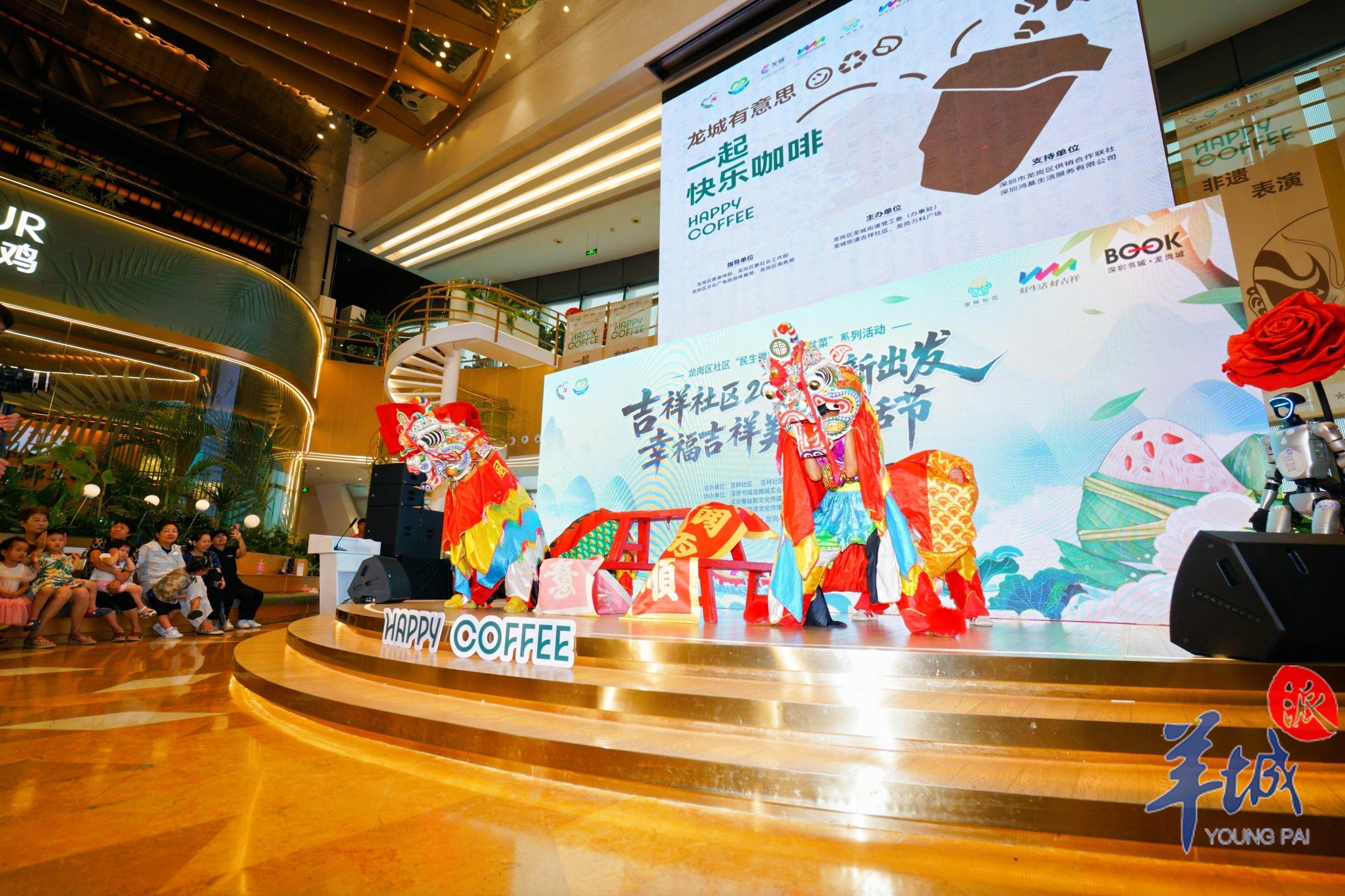
Group 1 - The "Dragon City Interesting・Happy Coffee" festival launched its third season in Longgang District, Shenzhen, focusing on integrating coffee culture with traditional customs and smart technology to create immersive consumer experiences [1][9] - The event featured performances such as lion dancing and Sichuan face-changing, alongside high-tech displays like a robot performing complex movements, enhancing the festive atmosphere [4][8] - The festival transformed the Hongji Commercial Street into a "coffee-themed micro-tourism destination," with 15 coffee shops and 17 dining establishments, leading to an average revenue increase of 40% for local coffee shops [9] Group 2 - The festival's collaboration with major shopping centers like Vanke Plaza and Red Cube created a synergistic effect, promoting consumer engagement through activities like "check-in rewards" and "shopping discounts" [9][12] - The event included various activities such as Starbucks coffee classes, university club concerts, and drone performances, showcasing the vibrant urban culture of Longgang [12] - The festival also featured a "coffee supply chain product exhibition" and a "technology product experience area," allowing attendees to explore the full spectrum of the coffee industry [12]
泡泡玛特珠宝店首店开张;永辉“胖东来模式”调改完成100店;星巴克中国降价 | 品牌周报
36氪未来消费· 2025-06-15 07:58
Group 1 - Pop Mart's independent jewelry brand popop opened its first store in Shanghai, targeting the $50 billion fashion jewelry market with a focus on female consumers [2] - Pop Mart aims to achieve a revenue target of 20 billion yuan by 2025, with overseas markets expected to contribute 10 billion yuan [2] - Inditex's Q1 revenue was €8.27 billion, below analyst expectations, with summer sales growth slowing to 6% compared to 12% last year [3][4] - Inditex operates 5,562 stores globally, and its performance reflects broader challenges in the global retail sector [4] Group 2 - Yonghui Supermarket completed the transformation of 100 stores to the "Pang Dong Lai" model, focusing on enhancing employee skills, product quality, and store experience [5][6] - Yonghui plans to expand the number of transformed stores to 150 by the end of July and aims for 300 by the Lunar New Year in 2026 [6] - L'Oréal announced the acquisition of a majority stake in the UK skincare brand Medik8, enhancing its luxury product portfolio [6][7] - Starbucks is considering selling part of its Chinese business to attract external investors, with plans to increase store numbers from 8,000 to 20,000 [8] Group 3 - Guozi Shule launched a collaboration with "Wu Lin Wai Zhuan," achieving a sales increase from 200 million to 400 million bottles in the past year [9][10] - Dr. Martens reported a 10% decline in revenue to £790 million, with net profit dropping significantly [21] - Salia plans to establish a headquarters in Guangdong to manage its operations in China, where it has around 500 stores [22][23] - Bai Fei Dairy's IPO application has been accepted, marking the first food consumption project in the Shanghai Stock Exchange this year [24]


一杯最低不到两块钱,济南咖啡市场“战事”升级
Qi Lu Wan Bao Wang· 2025-06-15 02:58
Core Viewpoint - The coffee market in Jinan is experiencing an intensified price war, with major brands like Starbucks, Luckin Coffee, and Kudi Coffee significantly reducing their prices to attract customers [1][5][11]. Price War Dynamics - The price war has been ongoing for two years, with recent escalations noted in April and June 2023, as Starbucks joined the trend of lowering prices [1][5]. - Starbucks has reduced prices on several non-coffee products by an average of 3-5 yuan, with some items now priced as low as 23 yuan per cup [1][3]. - Luckin Coffee is offering promotional prices, with some drinks available for as low as 6.9 yuan per cup, leading to increased order volumes [3][4]. Market Competition - Jinan's coffee market is highly competitive, with over 2,600 coffee-related enterprises, including 366 established in the past year [9][11]. - The presence of multiple brands, including Starbucks, Luckin, Kudi, and local cafes, contributes to a dense market environment, particularly in commercial areas [9][11]. Consumer Behavior - Consumers are increasingly price-sensitive, often comparing prices across various platforms before making purchases, with some drinks now cheaper than bottled beverages [5][6]. - The trend of low-priced coffee has attracted new customers who previously did not consume coffee [5][6]. Business Strategies - Kudi Coffee has stated that the 9.9 yuan price point has become a significant price range in the industry, and they plan to maintain this pricing strategy for at least three years [6]. - Industry experts indicate that while low prices may boost sales, they also pose challenges related to supply chain management, service efficiency, and product quality [8][11]. Long-term Outlook - The ongoing price war is reshaping consumer expectations and brand loyalty, with a potential return to rational pricing in the long term [11]. - The industry may face a process of elimination, where only brands that can maintain quality and operational efficiency will survive [11].



乌干达咖啡行业正处于十字路口:从产量到增值
Shang Wu Bu Wang Zhan· 2025-06-13 17:11
Group 1 - Uganda's coffee production is on the rise, increasing from 7.8 million bags in the 2022/23 fiscal year to 8.2 million bags in the 2023/24 fiscal year, with export revenue soaring from $845 million to $1.144 billion [1] - The Ugandan government plans to allocate 30 billion shillings to the National Coffee Research Institute (NaCORI) by the 2025/26 fiscal year to support the development of high-yield, pest-resistant, and climate-adaptive coffee varieties, aiming to boost annual production to 20 million bags by 2030 [1] Group 2 - Despite agriculture providing employment for most of Uganda's population, its contribution to GDP has declined from 34.1% in 2000 to 24.9% currently, indicating low productivity and value addition in the sector [2] - The coffee industry presents a unique opportunity to reverse this trend and catalyze social and economic transformation, necessitating increased local value addition and investment in agricultural industrialization and strategic infrastructure [2] - The Luwero Coffee Project, led by Nonda Commodities in collaboration with Ingazi Group International and the Ugandan government, aims to process over 35,000 tons of coffee annually, becoming one of the largest coffee value addition centers in the country [2]
茶咖日报|被骂上热搜,爷爷不泡茶紧急回应
Guan Cha Zhe Wang· 2025-06-13 14:34
Group 1: Company Developments - San Yuan Foods launched a new IP "Beijing Milk Company" and opened tea shops, focusing on fresh milk and retail products priced between 10.9 to 25.9 yuan, with plans to add 5-6 more stores within the year [1] - PULL-TAB Coffee opened its first store in Singapore, featuring a unique pull-tab design and a variety of coffee products, including local flavor-infused creative coffee drinks, with plans to open 10-20 overseas stores in 2025 [2] - Tims Coffee increased its registered capital from 16,850 million USD to 16,990 million USD, indicating growth and expansion in the Chinese market [5] Group 2: Industry Trends - The tea beverage market is highly competitive, and San Yuan Foods needs to enhance its fresh milk offerings and speed up market response [1] - The beverage industry is undergoing a digital transformation, as seven government departments in China issued a plan to accelerate the digitalization of the food and beverage industry, focusing on innovation and upgrading [6] - Nestlé Coffee exceeded its 2025 target by sourcing 32% of its coffee from farmers using regenerative agricultural practices, reflecting a strong appeal of such practices among coffee farmers [4] Group 3: Brand Reputation Issues - The tea brand "Grandpa Doesn't Brew Tea" faced public backlash for inviting a controversial influencer to an event, raising concerns about the brand's risk awareness and marketing strategies [3]

商业秘密|补贴洪流中的咖啡业:巨头收割,小店挣扎
Di Yi Cai Jing· 2025-06-13 13:15
Core Viewpoint - The coffee industry is experiencing a significant disruption due to an intense price war among delivery platforms, leading to a stark divide where large coffee chains thrive while small brands and cafes struggle to survive [1][5][10] Group 1: Impact on Large Coffee Chains - Major coffee chains are benefiting from the ongoing delivery subsidy war, with sales volumes skyrocketing. For instance, Kudi Coffee's sales reached 80 million cups on June 2 and surpassed 100 million cups by June 9 [3][4] - The average monthly sales for Luckin Coffee are projected to be 250 million cups, indicating a substantial increase in demand driven by aggressive pricing strategies [3] - The price of fast coffee has dropped significantly, with some products available for as low as 5.9 yuan due to various promotional discounts [2][3] Group 2: Challenges for Small Coffee Brands - Small coffee shops and independent brands are facing severe challenges, with reports of sales halving due to the competitive pricing of larger chains [5][8] - Many small brands are unable to compete with the scale and pricing of major chains, leading to a loss of market share and customer base [8][10] - The cost structure for small coffee shops is unsustainable under the current pricing pressures, with some reporting losses on each cup sold after accounting for delivery fees and marketing subsidies [6][7] Group 3: Market Dynamics and Future Outlook - The ongoing subsidy war is reshaping consumer behavior, with many consumers now prioritizing low-cost coffee options over quality [10][13] - The market is witnessing a consolidation phase, where smaller brands may be forced out due to their inability to compete, while larger chains continue to expand their market presence [9][10] - Experts suggest that small brands need to differentiate themselves through unique products and services to survive in this competitive landscape [13]
星巴克降价5块钱有用的话,要瑞幸做什么
3 6 Ke· 2025-06-13 09:57
星巴克想让中国消费者坐回去。 早上七点半,上早班的杨楠点了一杯送到公司的库迪加浓冰美式,免配送费,消费共计8.9元——平台 外卖大战的背景下,这样的价格并不少见。 但如果要问最喜欢哪家连锁咖啡,杨楠的回答是星巴克,库迪、瑞幸则是"班味刷锅水",需要日复一日 地在工作时间服用,以维持头脑高效运转。某种意义上,库迪、瑞幸是为了别人喝,星巴克和旅行期间 探店的高价手冲才是为了自己喝。 杨楠对咖啡连锁品牌的认知在年轻"牛马"中很具代表性:瑞幸、库迪不好喝,但便宜;星巴克口味上过 得去,但贵。过去的很多年中,即便是中国连锁咖啡市场价格战最激烈的2023年,星巴克都在努力坚持 调性,不降价。 不过,竞争带来的增长压力切实存在。过去的两年中,星巴克在股价和财务数据上都表现不佳,2024年 9月上任的CEO倪睿安提出了"重返星巴克"计划,希望通过一系列举措,抑制星巴克在全球不断下滑的 业绩。 这样的大背景下,今年6月,一向拒绝降价的星巴克中国也宣布将下调部分非咖饮品的价格。而在被问 及降价是持续性还是夏季限时,其中国部负责人也松口表示:"未来我们将视顾客反馈,决定后续活动 计划。" 留住客户 自6月10日起,星巴克的三类饮品 ...