电动汽车

Search documents
小米回应“小米汽车突然自己开走” 相关视频;肯德基分公司将公开保密54年的炸鸡配方;Sora冲到美区AppStore第三丨邦早报
创业邦· 2025-10-04 01:09
Group 1: Xiaomi - Xiaomi responded to the viral video of a car allegedly driving itself, stating that an investigation confirmed no quality issues with the vehicle, as data matched user operation logs [3] Group 2: Tesla - Elon Musk's personal wealth surpassed $500 billion, making him the first person to reach this milestone, while Tesla's "Tesla Burgers" sold 50,000 units in 70 days, indicating a successful diversification of its business model [5] - Tesla is facing a lawsuit regarding a design defect in the Cybertruck's doors, which allegedly prevented occupants from escaping during a fatal fire, leading to multiple fatalities [7] - Tesla's website code revealed a new "Model Y Standard" version, priced at $39,990, aimed at budget-conscious consumers, featuring reduced luxury options [10] Group 3: KFC - KFC's African division announced plans to publicly disclose its secret fried chicken recipe, which has been kept confidential for 54 years, consisting of 11 secret spices [5] Group 4: Blackstone - Blackstone's latest Asian acquisition fund successfully raised $10 billion, with expectations to reach a target of $12.9 billion, driven by strong investor interest in its operations in India and Japan [9] Group 5: AI Investment - AI startups attracted a record $192.7 billion in venture capital this year, with projections indicating that 2025 could see over half of all venture capital funding directed towards AI [15] Group 6: Oracle - Oracle confirmed that its e-commerce suite users received ransomware emails, indicating a significant security breach potentially linked to previously identified software vulnerabilities [7] Group 7: DeepL - AI translation platform DeepL is in preliminary discussions for an IPO in the U.S., aiming for a valuation of $5 billion, following a previous funding round that valued the company at $2 billion [10]



美参议院否决两党临时拨款法案 政府停摆持续!美重要经济数据暂停发布!美股三大指数收盘涨跌不一 特斯拉、英伟达均跌
Mei Ri Jing Ji Xin Wen· 2025-10-03 23:11
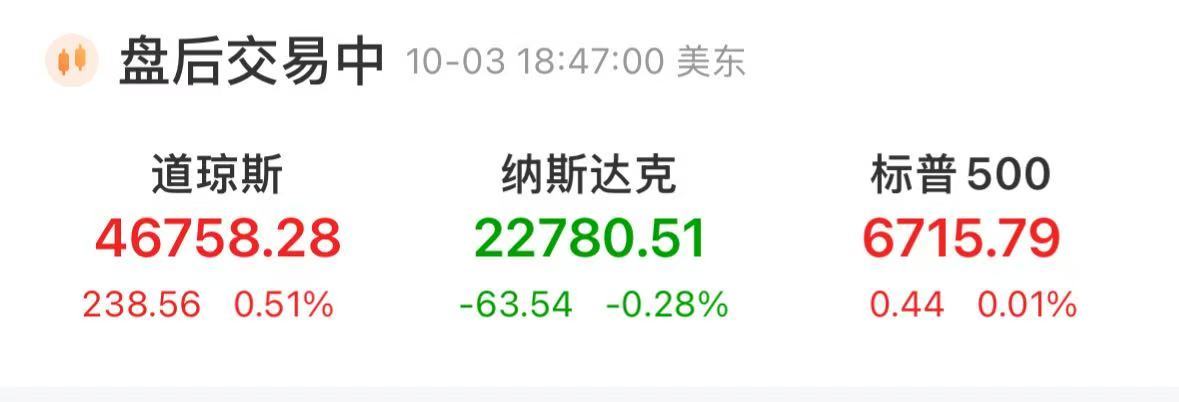
Group 1 - The U.S. federal government has entered a shutdown due to a lack of funding, marking the first shutdown in nearly seven years [2] - The Senate voted on a temporary funding bill proposed by the Democrats, which failed with 46 votes in favor and 52 against, leading to continued government shutdown [1] - The Republican-proposed temporary funding bill also did not receive enough votes to pass [1] Group 2 - The shutdown has caused the U.S. Bureau of Labor Statistics to suspend the release of key economic data, including the monthly employment report originally scheduled for October 3 [3] - The shutdown affects various data collection and reporting activities of the Census Bureau and the Bureau of Economic Analysis, which are critical for economic assessments [4] - Analysts believe the suspension of important data reporting will hinder the Federal Reserve's ability to assess whether economic stimulus is needed amid a complex economic situation characterized by weak employment and persistent inflation [5] Group 3 - The National Nuclear Security Administration (NNSA) has only enough funding to operate for about eight more days before entering emergency shutdown procedures, which could severely disrupt its operations [6] - Approximately 60% of NNSA employees may be forced to take leave, with only 1,575 personnel retained for essential functions related to nuclear weapon safety [6] - The Energy Secretary attributed the funding issues to Democratic obstruction, while Senate Majority Leader Schumer blamed the Trump administration for political maneuvering [6] Group 4 - U.S. stock markets showed mixed results, with the Dow Jones Industrial Average rising by 0.51% and the Nasdaq Composite falling by 0.28% on October 4 [6] - Popular tech stocks mostly declined, with AMD down nearly 3% and Meta down over 2%, while some stocks like Apple and Microsoft saw slight increases [7] - The market also witnessed significant movements in sectors such as weight loss drugs and cryptocurrency mining, with Coinbase and Eli Lilly rising over 2% [7]

金价、油价,大跌!
Sou Hu Cai Jing· 2025-10-03 18:37
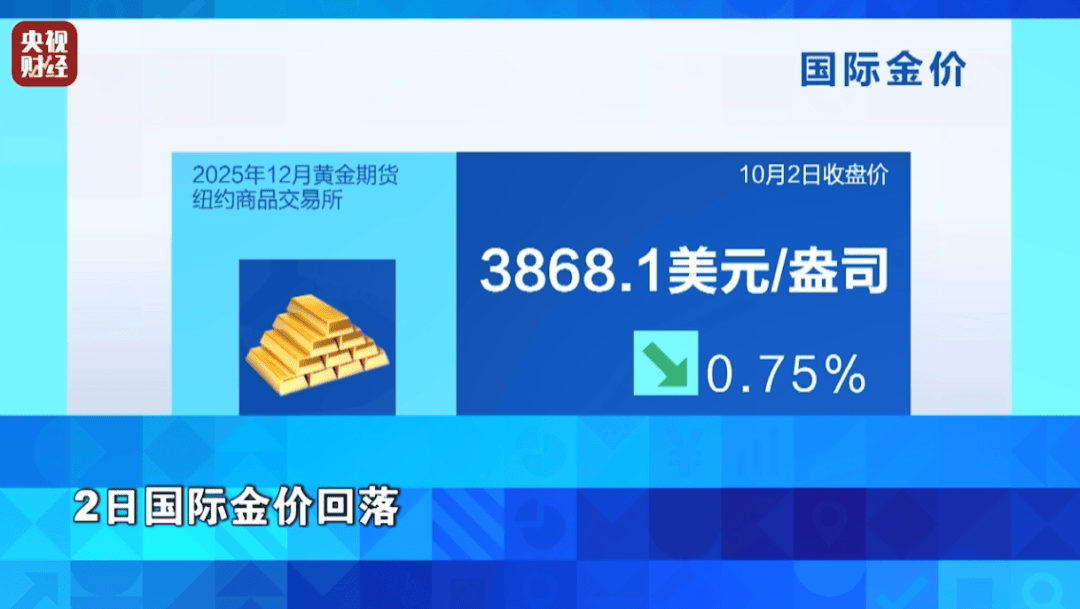
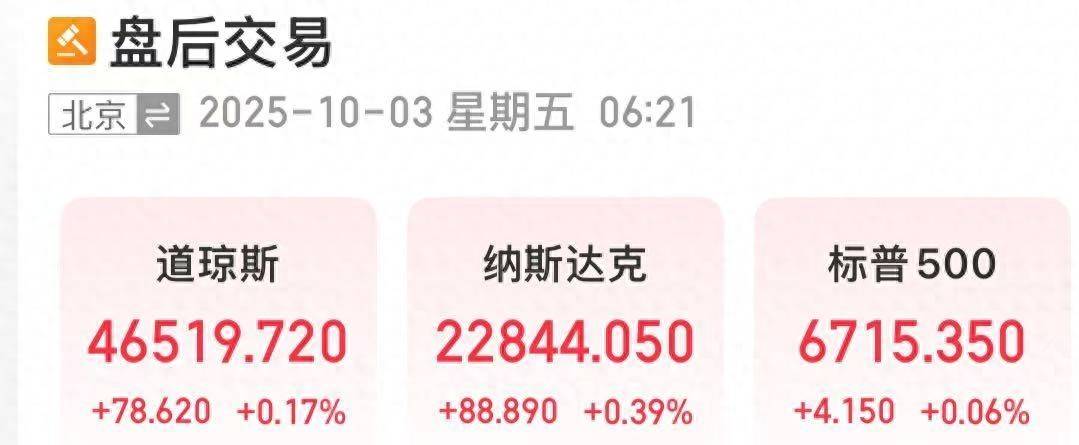
Group 1: Economic Impact and Market Reactions - The U.S. government shutdown has entered its second day, potentially harming economic growth according to Treasury Secretary Yellen [1] - Investor confidence in AI-related sectors has been boosted by OpenAI's supply agreements and its valuation of $500 billion, leading to a rise in major U.S. stock indices [1] - As of the close, the Dow Jones increased by 0.17%, the S&P 500 rose by 0.06%, and the Nasdaq gained 0.39% [1] Group 2: Commodity Market Movements - In the precious metals market, gold prices retreated due to profit-taking and a slight rebound in the U.S. dollar index, with December gold futures closing at $3,868.10 per ounce, down 0.75% [3] - Oil prices fell to a four-month low, with light crude oil futures for November closing at $60.48 per barrel, down 2.1%, and Brent crude for December at $64.11 per barrel, down 1.9% [3] Group 3: Company Performance - Tesla reported a record third-quarter delivery of 497,000 vehicles, exceeding expectations, attributed to consumer purchases before the expiration of government tax credits [6] - Despite an initial rise of over 4% in pre-market trading, Tesla's stock fell more than 5% by the end of the trading day [6] - Stellantis reported a 6% year-over-year increase in U.S. sales for the third quarter, positively impacting its stock price, which rose over 8% in Germany [10]
中方一单不买,反倒下令加税100%!加拿大高官喊话要来中国,想当面求放过?
Sou Hu Cai Jing· 2025-10-03 17:34
Group 1: Canada-China Relations - Canada has shifted from a hardline stance against China to seeking reconciliation, as indicated by Prime Minister Trudeau's signals for dialogue and Foreign Minister Anand's upcoming visit to China [1][10] - The previous strategy aligned with the US "Indo-Pacific Strategy" led to significant tariffs on Chinese products, including a 100% tariff on electric vehicles and a 25% tariff on steel, which strained Canada-China relations [1][10] - The Canadian government is now under pressure to repair relations with China due to the economic fallout from these tariffs, particularly in the agricultural sector [10][11] Group 2: Economic Impact on Canada - China's retaliatory measures included imposing a 100% tariff on Canadian canola seeds and a 25% tariff on pork, severely impacting Canadian farmers and leading to significant financial losses [4][5] - The canola seed industry, which previously relied heavily on China, is facing a crisis with nearly 90% of its exports to China now at risk, resulting in average losses of tens of thousands of dollars per farmer [5][10] - The lack of support from the US, coupled with ongoing tariffs on Canadian steel and aluminum, has compounded the economic difficulties faced by Canada [5][10] Group 3: Strategic Lessons and Future Considerations - The trade conflict has highlighted the importance of diversifying trade partners, as China quickly turned to Australia for canola seed imports, demonstrating the risks of over-reliance on a single market [7][10] - Canadian businesses are advocating for improved trade relations with China to facilitate market expansion and economic growth, indicating a shift in the business community's perspective on foreign policy [11] - The current situation serves as a critical lesson for Canada regarding the consequences of aligning too closely with US policies at the expense of its own economic interests [11]
外媒关注中国电动汽车强劲且高质量“出海”
Yang Shi Xin Wen· 2025-10-03 07:33
Core Insights - Chinese electric vehicles are rapidly evolving from mere product exports to actively exporting technology standards and supply chain systems, significantly altering the global automotive landscape [1] Group 1: Market Performance - In August, Chinese cars achieved a record 9.8% market share in the European hybrid vehicle segment, marking the fourth record-breaking instance for Chinese brands in this category this year [1] - Chinese manufacturers are targeting the growing electric vehicle market in Europe, posing competitive pressure on traditional automakers like Volkswagen Group with their high-cost performance models [1] Group 2: Regional Developments - The sales of affordable Chinese electric vehicles in Southeast Asia have surged, breaking the decades-long dominance of Japanese automakers in the region [1] - According to PwC data, the market share of Japanese manufacturers in Southeast Asia has decreased from an average of 77% in the 2010s to 62%, while China's share has risen to over 5% [1] Group 3: Trade Agreements and Technology - Regional free trade agreements provide Chinese electric vehicles with duty-free market access, encouraging Chinese companies to focus on nearby export markets [1] - Chinese electric vehicle manufacturers are leveraging their leading position in automotive software technology to enhance their competitiveness [1] Group 4: Production Technology - Chinese electric vehicle production technology is now considered world-class, with experts suggesting that it should serve as a benchmark [1] - The advantage of Chinese manufacturers lies in producing smaller and lighter components, resulting in lighter products that perform comparably to high-end German brands [1]
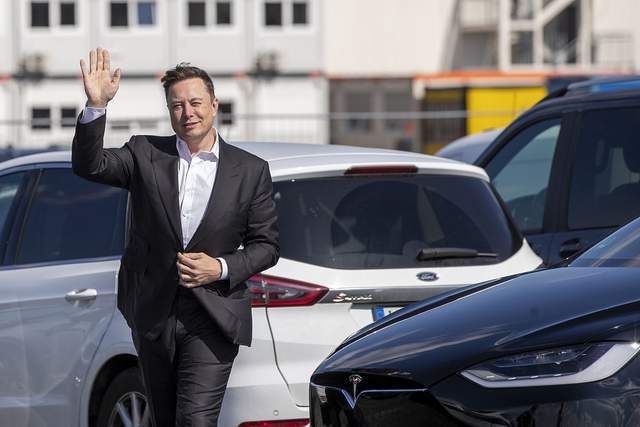
马斯克5000亿美元身家揭秘:特斯拉仅占55%,商业帝国如何炼成?
Sou Hu Cai Jing· 2025-10-03 07:09
Core Insights - Elon Musk's net worth has officially surpassed $500 billion, making him the first person in history to reach this milestone [1] - This wealth is primarily derived from his stakes in three major companies: Tesla, SpaceX, and xAI [14][20] Group 1: Tesla's Contribution - Tesla accounts for 38.2% of Musk's wealth, with his 12% stake valued at $191 billion [3] - The rebound in Tesla's stock price, which nearly doubled after Musk's return to the company, significantly contributed to this wealth increase [3][5] - On October 2, Tesla's stock rose nearly 4%, adding $9.3 billion to Musk's fortune in a single day [5] Group 2: SpaceX's Valuation - SpaceX is valued at $400 billion, contributing 33.6% to Musk's wealth, with his 42% stake worth $168 billion [6] - The growth of SpaceX is driven by its Starlink and Starship programs, which have disrupted traditional aerospace industry norms [10] - Starlink's user base has exceeded 4 million, with projected revenues of $6.6 billion in 2024, marking a shift from losses to profitability [8] Group 3: xAI's Emergence - xAI contributes $60 billion to Musk's wealth, representing 12% of his total net worth [11] - The merger of xAI with the social media platform X has resulted in a valuation of $113 billion, with Musk holding 53% of the shares [11] - Despite the overall valuation, the X platform itself is experiencing a decline, highlighting the strategic use of high-growth AI to enhance asset value [13] Group 4: Wealth Composition and Growth Logic - Over 90% of Musk's wealth is tied to the stock of Tesla, SpaceX, and xAI, showcasing a departure from traditional wealth accumulation methods [14] - The light-asset operational model of these companies allows for reduced costs and increased valuation potential [15] - Musk's focus on high-growth sectors like electric vehicles, commercial space travel, and artificial intelligence positions him favorably in the market [17] Group 5: Market Dynamics and Future Implications - Musk's wealth is largely "paper wealth," subject to fluctuations based on stock performance [19] - The trajectory of Musk's wealth illustrates the potential rewards of investing in technology-driven sectors [20] - The dynamic nature of Musk's wealth emphasizes the risks and opportunities inherent in the tech industry [22]
马斯克万亿美元天价薪酬方案遭遇挑战!特斯拉(TSLA.US)股东团体抗议董事会治理不力
智通财经网· 2025-10-03 06:48
Core Viewpoint - A coalition of Tesla shareholders, including SOC Investment Group and several state officials, is urging investors to vote against Elon Musk's $1 trillion compensation plan at the company's upcoming meeting in November [1][2] Group 1: Shareholder Concerns - The coalition has publicly criticized the board for allegedly making efforts to retain Musk, which they claim has delayed progress on key goals set during the last annual meeting [1] - The group also highlighted concerns over the company's declining operational and financial performance, stating that the board has "failed to provide meaningful real-time oversight" of management [1] Group 2: Compensation Plan Details - Tesla's board proposed a new compensation plan for CEO Elon Musk, potentially worth around $1 trillion, which is unprecedented in U.S. corporate history [2] - The plan aims to incentivize Musk to continue leading Tesla over the next several years, with a series of challenging performance benchmarks that must be met for him to receive full compensation [2] - Key targets include expanding Tesla's robotaxi business and increasing the company's market value from approximately $1 trillion to at least $8.5 trillion over a 10-year period [2] - If Musk meets the conditions of the plan, his ownership stake in Tesla could increase to at least 25% [2]
那天就像过山车,金融市场的惊险故事:特斯拉狂跌与中国资产逆袭
Sou Hu Cai Jing· 2025-10-03 05:44
Group 1: Tesla and Market Reactions - Tesla's stock price dropped significantly, losing over 500 billion RMB, despite reporting higher-than-expected third-quarter delivery numbers [1] - Concerns about the expiration of U.S. electric vehicle subsidies and increased competition are contributing to the stock decline [1] - In contrast, Chinese stocks, particularly those listed in the U.S., such as Alibaba and NIO, saw gains, indicating optimism about the Chinese economy [1] Group 2: U.S. Government Shutdown - The U.S. government is facing a potential shutdown due to a lack of bipartisan agreement, which could lead to many government departments closing [3] - The shutdown has also affected financial regulatory bodies, halting IPO processes, yet the U.S. stock market experienced gains, possibly due to a perceived increase in the value of existing stocks [3] Group 3: Federal Reserve Developments - Speculation is high regarding a potential change in the Federal Reserve chair, with the current Treasury Secretary interviewing candidates [5] - The selection of the new chair is critical as it will have a direct impact on the U.S. and global economy [5] Group 4: Market Trends and Reactions - There is a prevailing belief that the Federal Reserve may lower interest rates, leading to declines in safe-haven assets like gold and silver [4] - The financial market is characterized by volatility, with rapid changes in stock values reflecting broader economic sentiments [6]
Rivian预计2025年销量不超4.35万辆,较去年下降16%
Huan Qiu Wang Zi Xun· 2025-10-03 03:58
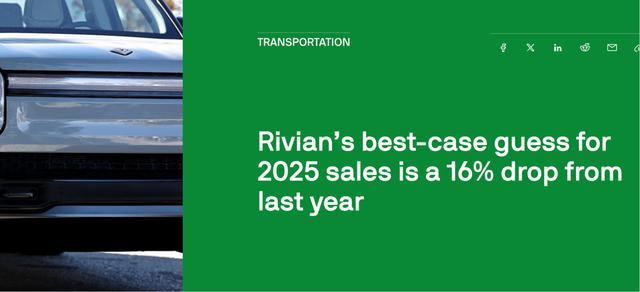
Core Viewpoint - Rivian has revised its delivery expectations for electric vehicles, projecting a decrease in deliveries by nearly 16% compared to the previous year, with a target of no more than 43,500 vehicles by the end of 2025 [1][4]. Group 1: Delivery and Production Data - Rivian's third-quarter delivery reached 13,201 vehicles, an increase from 10,661 in the second quarter and 8,640 in the first quarter, indicating a recovery from a slow start earlier in the year [3]. - The company produced 10,720 electric vehicles in the third quarter, showcasing its production capabilities [3]. Group 2: Future Models and Expansion Plans - Rivian is preparing to launch the R2 SUV model next year, which is anticipated to achieve production and sales in the hundreds of thousands [3]. - To support the R2 and subsequent models, Rivian is investing heavily in expanding its factory in Normal, Illinois, and is also constructing a new facility in Georgia [3]. Group 3: Market Challenges and Adjustments - Earlier this year, Rivian expressed strong confidence in reaching its 2024 sales target, initially estimating deliveries between 46,000 and 51,000 vehicles, but later adjusted this range to 40,000 to 46,000 due to changing trade regulations and consumer demand concerns [4]. - The latest adjustment further narrowed the delivery range to 41,500 to 43,500 vehicles, reflecting ongoing challenges in the U.S. electric vehicle market [4]. Group 4: Industry Context and Competitive Landscape - The U.S. electric vehicle industry is currently facing difficulties, particularly with the Trump administration's cautious stance on electric vehicles and renewable energy, leading several manufacturers to delay or cancel new electric vehicle plans [4]. - Despite these challenges, Rivian's CEO expressed optimism about future opportunities in a post-subsidy era, suggesting that companies focused solely on electrification, like Rivian and Tesla, will have a competitive advantage in a less crowded market by the end of the decade [5][6].

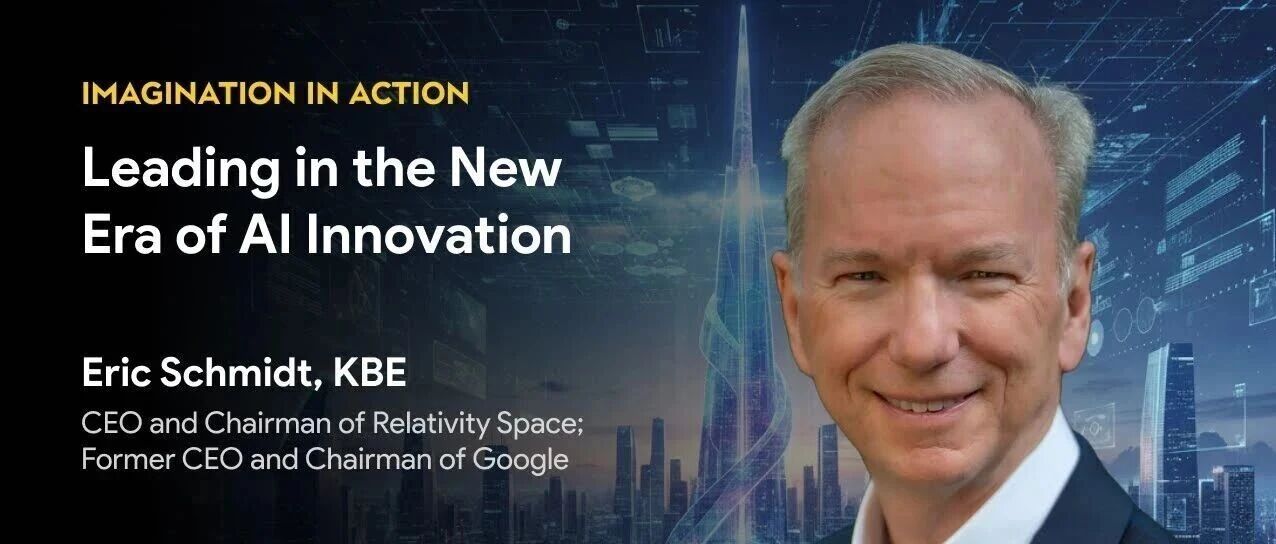
深度|谷歌前CEO:人形机器人或将由中国主导;世界将被廉价的中国机器人淹没,就像它将被廉价的中国电动汽车淹没一样
Z Potentials· 2025-10-03 02:09
Core Insights - The article discusses the competition between the US and China in the field of artificial intelligence (AI), emphasizing the differing approaches and potential outcomes of this rivalry [3][4][5]. - Eric Schmidt highlights the importance of energy supply in the US's ability to leverage its advantages in AI and AGI, suggesting that without sufficient energy, the US may struggle to maintain its lead [5][8]. - The conversation also touches on the potential risks associated with AI, including misinformation, cybersecurity threats, and biological safety concerns, and the need for proactive measures to mitigate these risks [9][10][11]. AI Competition - The US is perceived to be pursuing advanced AI and AGI, while China focuses on applying AI across various products and services in a more traditional manner [4]. - Schmidt believes that the hardware restrictions imposed by the US on China will hinder China's competitiveness in the AI race [4]. - The US has advantages in software development, but China is expected to dominate in the robotics sector, similar to its success in electric vehicles [6][7]. Energy Constraints - The US faces significant energy supply challenges, which could limit its ability to fully utilize its advantages in AI and AGI [5][8]. - Schmidt notes that the US will need to build an additional 92 gigawatts of power generation capacity by 2030 to meet the demands of data centers, highlighting the urgency of addressing energy supply issues [8]. AI Risks and Mitigation - The article discusses the potential for AI-related disasters and the importance of learning from past crises to implement effective regulations and controls [9][10]. - Schmidt identifies misinformation, cybersecurity, and biological safety as key threats that need to be addressed proactively [10][11]. Recommendations for Founders - Schmidt advises founders to focus on rapid action and learning, emphasizing that the barriers to starting a company are lower than ever [16][17]. - He stresses the importance of building scalable platforms that can leverage network effects to create significant wealth for founders [19][20]. Historical Significance - The emergence of AI is compared to historical inventions like electricity and transportation, suggesting that the next decade will be crucial in shaping the future [21][22]. - Companies and nations that embrace AI will likely emerge as winners, while those that lag behind may face significant challenges [22].