
石油

Search documents
一图看懂冲突30天全球资产大洗牌
和讯· 2026-03-27 09:03
Group 1 - The core viewpoint of the article is that the ongoing geopolitical conflict in the Middle East has led to a significant revaluation of global assets, shifting the market logic from "rate cut expectations" to "inflation and geopolitical risk" [5][37]. - The conflict has evolved through a chain reaction: conflict → supply shock → rising inflation → asset repricing, with energy supply becoming the primary variable affecting asset pricing [6][9]. - Brent crude oil prices surged from approximately $66 per barrel before the conflict to a peak of $109.78 per barrel, representing an increase of over 58%, indicating that the price rise is driven by supply constraints rather than demand [14][37]. Group 2 - Gold has underperformed during this conflict, with COMEX gold futures experiencing a maximum decline of over 18%, primarily due to a stronger US dollar and rising interest rate expectations, which have diminished gold's safe-haven appeal [19][20]. - The US dollar has strengthened due to safe-haven demand and expectations of delayed rate cuts, while the Chinese yuan has shown resilience, depreciating less than the dollar has appreciated [23][24]. - Global stock markets have exhibited a divergent pattern, with European and Japanese markets experiencing significant declines, while US stocks have remained relatively stable, reflecting varying degrees of dependence on energy imports [28][29]. Group 3 - Traditional safe-haven assets like government bonds have seen rising yields in the US and Germany, indicating a shift in market dynamics where inflation expectations and central bank policies are dominating over safe-haven demand [33][34]. - The current macro environment suggests that government bonds are no longer purely safe-haven instruments but are highly dependent on each country's inflation and policy cycles [34][37]. - Overall, the conflict has not only caused short-term market volatility but has also led to a fundamental shift in global asset pricing logic, with inflation assets like oil leading the market, while gold has become a significant cognitive bias asset [37][38].


India takes a ‘huge hit' on tax revenue to keep fuel prices from surging during the Iran war
CNBC· 2026-03-27 08:44
Core Insights - The Indian government's tax revenues have significantly decreased due to the reduction of central excise duties on fuel, aimed at stabilizing domestic fuel prices amid global energy supply disruptions caused by the Iran war [1] - International crude oil prices have surged from approximately $70 per barrel to around $122 in the past month, prompting the government to absorb rising energy costs to prevent retail fuel price increases [2] - The excise duty on petrol has been reduced from 13 rupees to 3 rupees per liter, while diesel excise duty has been eliminated, with additional duties imposed on diesel and aviation fuel exports to ensure domestic supply [3] Group 1 - The Indian government has cut central excise duties on petrol and diesel by 10 rupees ($0.11) per liter to mitigate the impact of rising global energy prices [1] - The losses faced by oil companies are approximately 24 rupees per liter for petrol and 30 rupees per liter for diesel, which the tax cuts aim to alleviate [2] - The new excise duty structure includes a zero rate for diesel and a reduced rate for petrol, alongside increased export duties to maintain domestic availability [3]


东南亚国家向日本寻求石油援助
日经中文网· 2026-03-27 08:00
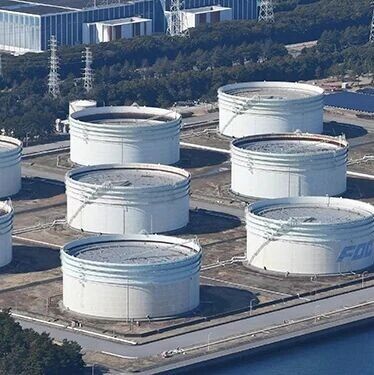
东南亚各国除了能源价格暴涨之外,还面临油轮运行成本和保险费等的上涨,短期的现货采 购方面非常困难。不断有国家向拥有大量储备的日本寻求援助。 千叶县袖之浦市的储油罐 东南亚寻求日本供应石油储备,并在抑制燃料消耗方面展开合作。日本的石油储备能满足自 身约8个月以上的消费,日本政府首先以国内稳定供应为优先,对外援助则要观察对象国的短 缺量和紧急程度等…… 围绕中东局势混乱导致的石油供应隐忧,东南亚各国出现了向日本寻求支援的动向。寻求日 本供应石油储备,并在抑制燃料消耗方面展开合作。日本政府的态度是优先确保国内能源供 应,同时观察各国的需求和紧急度。 日本的石油储备除民间储备之外,还有国家储备等,即使进口停滞,也能满足自身约8个月以 上的消费。 日本政府首先以国内稳定供应为优先,对外援助则要根据对象国的短缺量和紧急程度、能否 进行替代采购等进行判断。 另一方面,在东南亚各国抑制燃料消耗方面,可以运用日本的节能技术经验。例如使用高效 锅炉和变频控制装置的发电、制造工序的高效化等技术。 日本在2022年提出了"亚洲零排放共同体(AZEC)"。该框架旨在推动包括东南亚各国、日 本和澳大利亚在内的11个国家共同实现去碳化和能 ...
中国银河:泰国以国内市场为导向的行业将受燃油价格上涨影响
Xin Lang Cai Jing· 2026-03-27 07:27
Core Viewpoint - The recent fuel price increase in Thailand is expected to significantly impact domestic market-oriented industries, particularly those sensitive to oil prices [1] Industry Impact - The Thai Oil Fuel Fund Committee approved a nationwide fuel price increase of 6 Thai Baht per liter, which will adversely affect oil-sensitive and domestic demand-driven sectors such as transportation, commercial, construction, and non-essential consumer goods [1] - Conversely, the energy sector is anticipated to perform well as rising oil prices will directly boost profitability in this industry [1] Preferred Stocks - The brokerage's preferred stocks in light of the fuel price increase include PTT, PTT Exploration and Production, True Corp., and Bangkok Dusit Medical Services [1]

光大期货能化商品日报-20260327
Guang Da Qi Huo· 2026-03-27 06:03
Report Industry Investment Rating - Not mentioned in the report Core Viewpoints - The report analyzes the market conditions of various energy and chemical products on March 27, 2026, including crude oil, fuel oil, asphalt, polyester, rubber, methanol, polyolefins, and PVC. All products are rated as "oscillating", and the geopolitical situation is the main factor affecting the market [1][3][5][6][7] Summary by Relevant Catalogs Research Views - **Crude Oil**: On Thursday, oil prices moved higher. WTI April contract closed up $4.16 to $94.48 per barrel, a 4.61% increase. Brent May contract closed up $5.79 to $108.01 per barrel, a 5.66% increase. SC2605 closed at 744.6 yuan per barrel, up 16.2 yuan per barrel, a 2.22% increase. Market sentiment towards the geopolitical situation is cautious. The supply disruption in the Strait of Hormuz could lead to a loss of 13 - 14 million barrels of oil per day, but the duration is uncertain [1] - **Fuel Oil**: On Thursday, the main fuel oil contract FU2605 on the Shanghai Futures Exchange closed down 0.18% at 4,393 yuan per ton, and the low - sulfur fuel oil contract LU2605 closed down 1.34% at 5,066 yuan per ton. The fundamentals of both low - sulfur and high - sulfur fuel oil markets remain strong. The short - term crack spreads of high and low - sulfur fuel oil are expected to remain high [3] - **Asphalt**: On Thursday, the main asphalt contract BU2606 on the Shanghai Futures Exchange closed up 4.17% at 4,543 yuan per ton. The expected domestic asphalt production in April 2026 is 1.527 million tons, a decrease of 22.4% month - on - month and 33.3% year - on - year. The short - term asphalt price is expected to remain high [3][5] - **Polyester**: TA605 closed at 6,778 yuan per ton, up 2.82%. EG2605 closed at 5,058 yuan per ton, up 0.44%. PX futures main contract 605 closed at 9,774 yuan per ton, up 2.86%. The short - term polyester price will fluctuate widely following the cost [5] - **Rubber**: On Thursday, the main Shanghai rubber contract RU2605 rose 30 yuan per ton to 16,460 yuan per ton. The spread between natural rubber and synthetic rubber may continue to widen [5][6] - **Methanol**: The inventory has started to decline. The supply from Iranian plants may gradually recover, which may suppress the price increase, but the Iranian situation is unclear [6] - **Polyolefins**: The market is in a de - stocking rhythm, but the short - term geopolitical risk pushes up the cost, compressing the downstream profit margin, and the subsequent demand growth may be hindered [6][7] - **PVC**: The geopolitical situation has a greater impact on the ethylene - based method, while the profit of the calcium carbide - based method has strengthened rapidly. The supply is expected to remain high, and the demand will gradually recover, maintaining a de - stocking rhythm [7] Daily Data Monitoring - The report provides the spot price, futures price, basis, basis rate, and other data of various energy and chemical products on March 26 and 25, 2026, including crude oil, liquefied petroleum gas, asphalt, high - sulfur fuel oil, low - sulfur fuel oil, methanol, urea, linear low - density polyethylene, polypropylene, etc. [8] Market News - Market sentiment towards the geopolitical situation is cautious. The negotiation process between the US and Iran is difficult. If the Strait of Hormuz is blocked for a long time, it may lead to a loss of 13 - 14 million barrels of oil per day. The export volume of Yanbu Port and Fujairah Port has rebounded recently [10] Chart Analysis - **Main Contract Price**: The report shows the historical closing price charts of the main contracts of various energy and chemical products from 2022 to 2026, including crude oil, fuel oil, low - sulfur fuel oil, asphalt, LPG, PTA, ethylene glycol, etc. [12][13][14][15][17][18][21][22][24][26][28] - **Main Contract Basis**: It presents the historical basis charts of the main contracts of various energy and chemical products from 2022 to 2026, such as crude oil, fuel oil, low - sulfur fuel oil, asphalt, ethylene glycol, etc. [30][32][34][36][39][40][41] - **Inter - period Contract Spread**: It shows the historical spread charts of different contracts of various energy and chemical products, including fuel oil, asphalt, PTA, ethylene glycol, PP, LLDPE, natural rubber, etc. [44][46][49][52][53][56][58] - **Inter - variety Spread**: It provides the historical spread and ratio charts between different varieties of energy and chemical products, such as crude oil internal and external markets, fuel oil high - low sulfur, fuel oil/asphalt, BU/SC, ethylene glycol - PTA, PP - LLDPE, natural rubber - 20 - number rubber, etc. [60][62][64][68] - **Production Profit**: It shows the historical production profit and processing fee charts of various energy and chemical products, including LLDPE, PP, PTA, ethylene - based ethylene glycol, etc. [70][72] Team Member Introduction - The report introduces the members of the Everbright Futures energy and chemical research team, including Deputy Director Zhong Meiyan, Research Director Du Bingqin, Analyst Di Yilin, and Analyst Peng Haibo, along with their professional backgrounds, honors, and research areas [75][76][77][78]
战争爆发以来,伊朗平均每天卖油能多赚2400万美元
财联社· 2026-03-27 05:36
Core Viewpoint - Iran has significantly increased its oil revenue since the onset of the US-Iran conflict, earning millions daily from oil sales, primarily due to its unique position as the only major oil exporter in the Middle East able to utilize the Strait of Hormuz [1][2]. Group 1: Oil Revenue and Export Dynamics - Iran's oil exports have remained stable at approximately 1.6 million barrels per day, consistent with pre-war levels, despite the ongoing conflict [2][3]. - The revenue from Iranian Light crude oil sales has risen to about $139 million per day in March, up from $115 million in February, indicating an increase of approximately $24 million daily since the conflict began [3]. - The price discount of Iranian Light crude compared to Brent crude has narrowed to $2.10 per barrel, the lowest in nearly a year, compared to over $10 before the conflict [3]. Group 2: Infrastructure and Export Facilities - The key oil export hub of Khark Island has not been targeted by US strikes, allowing Iran to continue loading tankers and exporting oil [4]. - Satellite imagery indicates a consistent presence of Very Large Crude Carriers (VLCCs) at Khark Island, with an increase in loading activities observed in March [4]. - Iran has also begun exporting oil from the Jask terminal, which has seen limited activity since its opening in 2021, with only five vessels loaded prior to recent developments [5]. Group 3: US Policy and Market Impact - Recent US policy changes have allowed for the sale of Iranian oil and products, which may have contributed to rising prices and reduced discounts compared to Brent crude [5]. - The US has extended the deadline for potential strikes on Iranian energy infrastructure, indicating a temporary easing of tensions [5].
特朗普推迟打击伊朗,中东局势依然胶着
Hua Tai Qi Huo· 2026-03-27 05:25
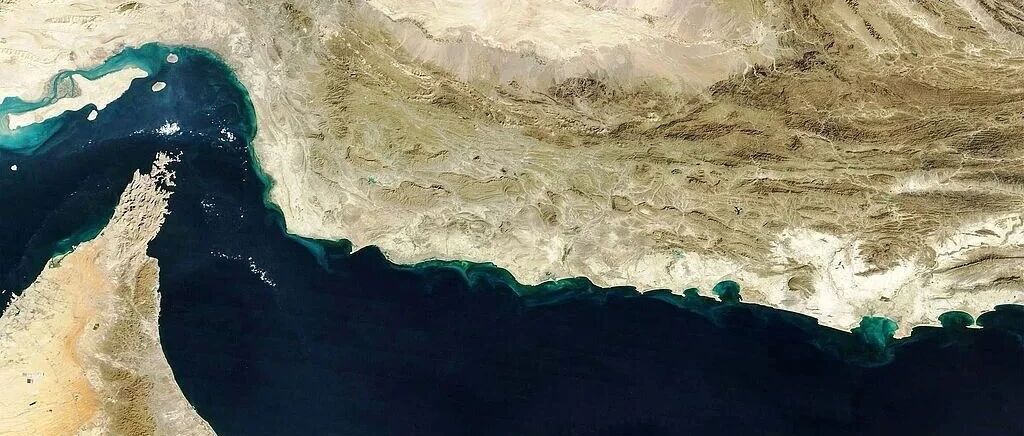
Group 1: Market News and Important Data - New York Mercantile Exchange's May light - sweet crude oil futures rose $4.16 to $94.48 per barrel, a 4.61% increase; May London Brent crude oil futures rose $5.79 to $108.01 per barrel, a 5.66% increase. The SC crude oil main contract closed up 2.22% at 745 yuan per barrel [1] - Trump postponed the planned strike on Iran's energy infrastructure by 10 days to 8 p.m. on April 6, Eastern Time. This provides a short - term respite for the global energy market, but the April 6 deadline is a binary catalyst, and the geopolitical situation remains fragile [1] - Mexico's Navy Minister said a ship's oil spill and natural seepage are the sources of the oil spill along the Gulf of Mexico coast, and Pemex is conducting underwater inspections [1] - Denmark's central bank warned that if the Middle - East conflict persists, the domestic economy may be severely hit. It lowered the 2026 economic growth forecast from 2% to 1.8%, and said the economic growth rate could drop by 0.7 percentage points this year if the oil and gas supply in the Persian Gulf is restricted. Inflation could rise from 1.8% to 4.5% [1] Group 2: Investment Logic - Trump's postponement of the strike on Iran to April 6 helps with further negotiations, but the probability of a new strike increases as the amphibious fleet is almost in place. The war's future is uncertain. Asian countries will face energy shortages starting next week, and some countries may face energy crises [2] Group 3: Strategy - Oil prices are strongly driven up in the short - term due to the closure of the Strait of Hormuz, but are also prone to sharp drops if the situation reverses. High risks are involved in the current oil market, and using options to hedge risks is recommended [3] Group 4: Risk - Downside risk: The Middle - East war eases and the strait resumes navigation - Upside risk: The Strait of Hormuz remains closed longer than expected [4]
中国石化(600028):年报点评:四季度油价下行,公司业绩承压
GUOTAI HAITONG SECURITIES· 2026-03-27 05:02
Investment Rating - The report assigns a rating of "Accumulate" for the company [6]. Core Insights - The report highlights that the company's performance is under pressure due to a decline in oil prices in Q4 2025, with a significant year-on-year decrease in both revenue and net profit [2][11]. - The expected earnings per share (EPS) for 2026-2028 are projected to be 0.41, 0.37, and 0.36 yuan respectively, with a target price set at 6.83 yuan based on a price-to-book (PB) ratio of 1.0 [11][30]. Financial Summary - Total revenue for 2025 is projected at 2,783.58 billion yuan, a decrease of 9.5% year-on-year [4]. - Net profit attributable to shareholders is expected to be 31.81 billion yuan in 2025, down 36.8% from the previous year [4]. - The earnings per share (EPS) for 2025 is estimated at 0.26 yuan, with a return on equity (ROE) of 3.8% [4]. Quarterly Performance - In Q4 2025, the company achieved revenue of 670.14 billion yuan, reflecting a year-on-year decline of 5.35% and a quarter-on-quarter decline of 4.83% [13]. - The net profit for Q4 2025 is reported at 1.83 billion yuan, showing a significant year-on-year decrease of 69.91% and a quarter-on-quarter decrease of 78.53% [13]. Business Segments - Exploration and Production: Revenue for Q4 2025 was 70.80 billion yuan, with a year-on-year decrease of 4.15% and a significant drop in operating profit [20][22]. - Refining: The refining segment reported revenue of 322.40 billion yuan in Q4 2025, with a year-on-year decline of 9.23% [23][26]. - Chemicals: The chemical segment faced substantial losses, with an operating loss of 12.79 billion yuan in Q4 2025, reflecting a year-on-year increase in losses [28]. Valuation Metrics - The current price-to-earnings (P/E) ratio is 22.35, while the price-to-book (P/B) ratio stands at 0.9 [4][7]. - The company’s market capitalization is approximately 711 billion yuan, with a total share count of 12.1 billion shares [6].

美国原油连续累库,加工需求保持韧性
Heng Li Qi Huo· 2026-03-27 03:32
Group 1: Core View - The report focuses on the situation of US crude oil and refined oil, including inventory changes and processing demand [2] Group 2: Data Review - Last week, US crude oil inventory increased by 6.926 million barrels, exceeding expectations and continuously accumulating. US crude oil exports decreased by 1.576 million barrels per day, and the net export volume increased, pushing up the crude oil inventory [2] - The US is currently in a seasonal inventory accumulation cycle, and attention should be paid to the changes in US crude oil inventory under the background of supply shortage [2] - The utilization rate of US refinery capacity increased by 1.5% to 92.9%, the operating rate increased slightly and was higher than the historical average. The crude oil processing volume increased by 366,000 barrels per day, indicating strong demand in the processing sector [2] - US gasoline and diesel inventories changed by -2.593 million barrels and +3.032 million barrels respectively this week. Diesel inventory rebounded, and refined oil is continuously de - stocking, with further decline expected [2]
铜冠金源期货商品日报-20260327
Tong Guan Jin Yuan Qi Huo· 2026-03-27 02:59
1. Report Industry Investment Rating No relevant content provided. 2. Core Views of the Report - The current situation between the US and Iran remains in the stage of "pressuring while negotiating", with the risk of escalation still not eliminated. All kinds of assets are expected to maintain high volatility in the short - term. The A - share market is in an oscillating stage, and the bond market is expected to oscillate. Precious metals, copper, and other commodities will be affected by the US - Iran situation and macro - factors, and most of them are expected to show an oscillating trend [2][3][4]. 3. Summary by Relevant Catalogs Macroeconomics - Overseas: Trump postponed the strike on Iranian energy facilities to April 6, and the US is still preparing more aggressive military options. The price of Brent crude oil has risen to $100, investors' concerns about rising oil prices and persistent inflation have intensified, the 10Y US Treasury bond yield has returned to 4.4%, the US dollar index has risen to 99.9, and risk assets have fallen under pressure [2]. - Domestic: The A - share market declined with reduced trading volume on Thursday. The bond market continued to be warm, but long - term interest rates were constrained. Pay attention to whether the Middle - East situation will actually escalate and subsequent turning points, as well as China's industrial enterprise profits from January to February [3]. Precious Metals - International precious metal futures prices fell again on Thursday. The decline was mainly affected by the deadlock in the US - Iran cease - fire negotiations, the strengthening of the US dollar index, and the large - scale reduction of gold reserves by the Turkish central bank. The US - Iran negotiation is likely to enter a long - term stalemate, and precious metals will continue to adjust [4][5]. Copper - On Thursday, the main contract of Shanghai copper weakened in an oscillating manner. The US - Iran conflict is still uncertain, and the Fed governor's hawkish stance has put pressure on risk assets. The supply of copper mines is tightening, global inventories are falling from a high level, and domestic terminal consumption is slowly recovering. Copper prices are expected to oscillate in the short - term [6][7]. Aluminum - On Thursday, the main contract of Shanghai aluminum closed at 23,725 yuan/ton, down 0.52%. The difference in the US - Iran peace agreement is huge, and the expectation of electrolytic aluminum production cuts in the Middle - East has strengthened again. The overseas aluminum ingot spot is in short supply. The domestic aluminum inventory is approaching the inflection point, and the aluminum price is expected to oscillate in a range [8][9]. Alumina - On Thursday, the main contract of alumina futures closed at 2,931 yuan/ton, down 1.15%. Recently, the profit from delivery is high, and the spot is constantly being sent to the delivery warehouse. The supply of bauxite may be reduced, and the production cost of alumina may rise slightly. In the short - term, the fundamentals of alumina are favorable, and it is expected to oscillate at a high level, but it will be under pressure in the long - term [10]. Cast Aluminum - On Thursday, the main contract of cast aluminum alloy futures closed at 22,760 yuan/ton, down 0.5%. The profit of cast aluminum has narrowed, and the supply increase is limited. The consumption recovery is less than expected, and the overall supply - demand is in a stalemate. Cast aluminum is expected to oscillate in a range [11]. Zinc - On Thursday, the main contract of Shanghai zinc first declined and then rose during the day and oscillated strongly at night. The domestic consumption is moderately recovering, and the social inventory has fallen below 250,000 tons. The raw material supply is tightening, which restricts the upside space of processing fees. Zinc prices are expected to oscillate in the short - term [12]. Lead - On Thursday, the main contract of Shanghai lead oscillated weakly during the day and horizontally at night. The raw material supply is still tight, the downstream battery enterprises' procurement has improved, and the social inventory has continued to decline. However, the demand improvement is limited, and lead prices are expected to run in a low - level range [13]. Tin - On Thursday, the main contract of Shanghai tin oscillated weakly during the day and horizontally at night. The US - Iran situation is still tense, the fundamentals are stable, the supply of tin mines is slowly recovering, and the demand recovery is limited. Tin prices are expected to hover around 350,000 yuan in the short - term [14]. Nickel - On Thursday, the main contract of Shanghai nickel oscillated and declined. The Fed governor's hawkish stance has put pressure on risk assets. The Indonesian government plans to modify the nickel ore HPM benchmark pricing, and the cost side has strong support. Nickel prices are expected to oscillate strongly in the short - term with limited adjustment space [15][16]. Lithium Carbonate - On Thursday, the main contract of lithium carbonate closed at 157,200 yuan/ton, down 0.64%. The uncertainty of the US - Iran war situation is strong, and the lithium carbonate market lacks a clear direction. The export ban on lithium concentrate in Zimbabwe is difficult to relax in the short - term, which may cause a phased supply - demand mismatch. The lithium carbonate market is expected to oscillate at a high level [17]. Steel (Screw and Coil) - On Thursday, steel futures oscillated. The supply of five major steel products decreased slightly week - on - week, the total inventory decreased, and the apparent demand continued to rise. The terminal demand is recovering, and steel prices are expected to oscillate. Pay attention to the realization of demand [18]. Iron Ore - On Thursday, iron ore futures oscillated. The current steel mill production is normal, the overseas shipment and arrival volume have increased week - on - week, and the port inventory is expected to decline. Iron ore prices are expected to oscillate at a high level [19]. Coking Coal and Coke (Double - Coking) - On Thursday, double - coking futures oscillated and adjusted. The spot market sentiment is positive, the upstream coal mine production is stable with a slight increase, the coke production rhythm is accelerating, and the downstream demand is good. Double - coking prices are expected to oscillate at a high level [20][21]. Soybean and Rapeseed Meal - On Thursday, the soybean meal 05 contract rose 0.27%, and the rapeseed meal 05 contract fell 0.30%. The estimated new - season US soybean planting area is 85.55 million acres. The supply of South American soybeans is increasing, and the supply of soybean meal will be loose in mid - April. Soybean meal is expected to oscillate and decline in the short - term [22][23]. Palm Oil - On Thursday, the palm oil 05 contract rose 0.59%. The US - Iran conflict continues, which supports the oil price and the demand for palm oil in the bio - fuel industry. The production of Malaysian palm oil in the off - season has decreased month - on - month, which is conducive to inventory reduction. Palm oil is expected to oscillate and adjust in the short - term [24][25].