证券业

Search documents
外资净增持境内股票和基金101亿美元!国家外汇局最新发声
证券时报· 2025-07-22 10:01
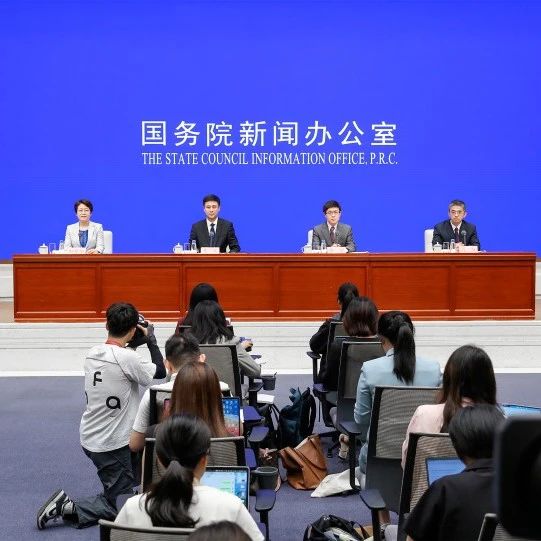
Core Viewpoint - The article discusses the stability and resilience of China's foreign exchange market in the context of a complex global economic environment, highlighting key factors that support this stability, including economic growth, high-level opening up, and enhanced market resilience [3][5]. Economic Performance - China's GDP grew by 5.3% year-on-year in the first half of the year, with domestic demand contributing 77% to economic growth, an increase of 17 percentage points from the previous quarter [3]. - The service trade deficit decreased by 14%, with service trade income growing by 13% and cross-border travel income increasing by 42% [10]. Foreign Exchange Market Dynamics - In the first half of the year, there was a net inflow of $127.3 billion from non-bank sectors, continuing the trend from the second half of the previous year, with a 46% increase in net inflow in the second quarter [6]. - The total net increase in foreign investment in domestic stocks and bonds was $10.1 billion, reversing the net selling trend of the past two years [7]. - The RMB appreciated by 1.9% against the USD in the first half of the year, maintaining stability within a range of 7.15 to 7.35 [12]. Foreign Investment Trends - Foreign investors' holdings of domestic RMB bonds exceeded $600 billion, indicating a stable investment environment [7]. - A survey indicated that 30% of global central banks plan to increase their allocation of RMB assets, reflecting the asset's appeal for diversification and risk management [8]. Banking Sector Developments - Six new banks initiated foreign exchange business reforms in the first half of the year, bringing the total to 22 banks involved in these reforms [9]. - The total volume of foreign exchange transactions in the domestic RMB market reached $21 trillion, a year-on-year increase of 10.2% [14]. Overall Market Activity - The total scale of foreign-related income and expenditure reached $7.6 trillion, marking a historical high for the same period [16]. - The combined scale of bank settlements and sales of foreign exchange was $2.3 trillion, the second-highest for the same period historically [15].

理财净值化与信用债变局
CMS· 2025-07-22 09:40
Group 1: Report's Core View - The capital flow of wealth management products is an important influencing factor in the credit bond market. This report analyzes the changes in wealth management scale and bond - allocation behavior under the background of net - value transformation to enrich the credit bond analysis framework [1][9] Group 2: Wealth Management Scale Trends 2.1 Overall Scale and New Product Term - Deposit interest rate decline drives deposit transfer to wealth management, leading to an increase in wealth management scale. As of Q1 2025, the wealth management product scale reached 29.14 trillion yuan. The average 1 - year fixed - deposit rate of the six major banks was only 0.96% in June 2025, while the wealth management yield was 3.01%. Newly issued products are mainly closed - end, and the term of new products has been extended, with the proportion of new wealth management products with a term over 1 year reaching 47% in June 2025, up about 14 percentage points from March 2024 [10][12] 2.2 Main Expansion Force - Open - ended products are more popular among individual investors. In 2024, the scale of open - ended products increased by 2.7 trillion yuan year - on - year, while that of closed - ended products increased by only 160 billion yuan. The minimum - holding - period products are the main expansion force of wealth management products in 2024, balancing liquidity and yield. As of the end of June 2025, the average maximum drawdown of minimum - holding - period products in the past 1 year was 0.18%, the lowest among open - ended products, and the average annualized yield in the past 1 year reached 2.53%, about 70bp higher than daily - open products [16][17] Group 3: Impact of the "Impossible Triangle" on Bond - Allocation Style 3.1 Bond Allocation Changes - To stabilize the net value of wealth management products, wealth management has reduced bond allocation in recent years and increased the allocation of cash and bank deposits with higher liquidity and lower valuation fluctuations. As of Q1 2025, the scale of wealth management investment in bonds, cash and bank deposits, and inter - bank certificates of deposit was 13.68 trillion yuan, 7.27 trillion yuan, and 4.20 trillion yuan respectively, accounting for 43.9%, 23.3%, and 13.5% of the total investment assets, with changes of - 6.5%, 5.8%, and 0.2% respectively compared to Q4 2022 [23] 3.2 Credit Bond Allocation - Credit bonds are the main investment direction of wealth management funds, accounting for 41% of the total investment assets. As of the end of 2024, the proportions of interest - rate bonds and credit bonds in bond investment were 5% and 95% respectively. In Q1 2025, wealth management preferred to allocate urban investment bonds, secondary perpetual bonds, and industrial bonds, accounting for 35%, 26%, and 23% of credit bonds respectively. Due to the short - term nature of most wealth management products and the instability of the liability side, the duration of credit bond allocation is short [33][37] 3.3 Increased Fund Entrustment - It is difficult for wealth management to meet the performance benchmark by directly investing in bonds. In Q2 2025, the wealth management performance benchmark dropped to 2.88%, still 84 - 87bp higher than the yields of 3Y AA(2) urban investment bonds and 7Y AA+ secondary perpetual bonds. With the blockage of insurance and trust channels, wealth management has increased entrusted investment in funds. The proportion of wealth management's penetrated investment in funds has been rising, indicating an increasing importance of entrusted funds [39][47] 3.4 Bond - Buying Behavior after Self - Built Valuation Model Restrictions - The "self - built valuation model" is a new way for wealth management to smooth net - value fluctuations but has problems such as liquidity risk and unfair returns. After the restriction of the self - built valuation model, some wealth management may reduce the allocation of long - term secondary perpetual bonds and medium - low - rated credit bonds and increase the allocation of short - term high - rated bonds [52][53] Group 4: Impact of Wealth Management on the Credit Bond Market 4.1 Influence of Scale Changes - The bond - allocation rhythm of wealth management is highly correlated with the scale change, which affects the credit spread trend. When the wealth management scale rises, the credit spread tends to narrow; when it falls, the credit spread tends to widen. The seasonal change of wealth management scale also makes the credit spread show seasonal characteristics. Quarter - beginning is a good time for credit spread compression, especially from August to the end of the year. September is a good allocation window, but beware of widening credit spreads in November [3][57] 4.2 Observing Market Adjustment from Wealth Management - During bond market adjustments, pay attention to the risk of "redemption tides". The "redemption tide" occurs when wealth management passively sells bonds due to significant net - value drawdowns. The "redemption tide" is accompanied by an increase in the net - value break - even rate. When the weekly环比 change of the 4 - week rolling net - value break - even rate exceeds 6%, the possibility of a "redemption tide" increases. The maximum drawdown rate of wealth management products can be a leading indicator of credit spread changes, leading by about 7 - 60 days [3][64]
政策与大类资产配置周观察:静待7月政治局会议
Tianfeng Securities· 2025-07-22 08:14
Domestic Policy News - The State Council held a meeting on July 16 to discuss strengthening the domestic circulation, emphasizing the need for optimized policy design and collaboration among departments to promote economic stability and growth [9][10][11] - The National Committee of the Chinese People's Political Consultative Conference convened a meeting on July 18 to analyze the macroeconomic situation for the first half of 2025, highlighting the importance of maintaining employment, enterprises, and market stability amid a complex international environment [11][12] Overseas Policy News - On July 17, the U.S. House of Representatives passed the "Genius Act," establishing a regulatory framework for digital stablecoins, marking a significant legislative reform in cryptocurrency regulation [2][14] - Data from the U.S. Treasury revealed that in May 2025, Japan and the UK increased their holdings of U.S. Treasury bonds, while China continued to reduce its holdings for the third consecutive month [16][20] Equity Market Analysis - A-shares experienced a slight increase in mid-July, driven by better-than-expected economic growth in the first half and policies encouraging long-term capital inflow [22][23] - The MSCI China A-share index rose by 1.2% in the third week of July, while the Southbound capital maintained a net inflow of nearly 20 billion yuan [22][23] Fixed Income Market Analysis - The People's Bank of China indicated a commitment to increasing monetary easing, with a net injection of 9.749 billion yuan into the market through open market operations [3][21] - The central bank's policies have shown a positive impact on supporting the real economy, with a notable increase in the effectiveness of monetary policy [3][21] Commodity Market Analysis - The prices of non-ferrous metals showed a slight rebound, while crude oil prices experienced a minor decline [3][21] - The Ministry of Industry and Information Technology announced the implementation of a work plan to stabilize growth in ten key industries, including steel and non-ferrous metals [3][21] Foreign Exchange Market Analysis - The U.S. dollar index strengthened slightly, closing at 98.46 on July 18, while the renminbi faced depreciation pressure, trading at 7.18 [4][20] - A joint announcement from seven departments encouraged foreign investment in domestic reinvestment, aiming to enhance the investment environment [4][20] Major Asset Rotation Outlook - The report anticipates further fiscal expansion and moderate monetary easing in the second half of the year, with a focus on structural adjustments to address uncertainties from U.S. trade policies and geopolitical risks [4][20]
如何看待“反内卷”、“严格账期”对债券市场的影响
Xinda Securities· 2025-07-22 01:10
Report Industry Investment Rating - Not provided in the document Core Viewpoints of the Report - The bond market remains in a narrow - range oscillation. Factors such as "anti - involution" and "strict payment terms" are structural reform measures that may have short - term impacts on the bond market sentiment, but the overall situation of the bond market has not changed. It is recommended to maintain a portfolio of 3 - year policy financial bonds + 10 - year + 4 - 5 - year credit bonds [2][3][57] - The "anti - involution" and "strict payment terms" are beneficial for improving resource allocation efficiency, but their short - term impact on investment demand may be limited. The long - term impact on the economy needs to be further observed [3][38][54] Summary by Relevant Catalogs I. The central bank maintains relative looseness within the established framework, and the unfreezing of collateral bonds has limited benefits - In June, the excess reserve ratio rose to 1.3%, lower than the expected 1.5%. The increase in the central bank's claims on other depository corporations was basically in line with high - frequency data, which might be the core factor for the lower - than - expected excess reserve ratio [6] - The central bank's short - term motivation to further relax the aggregate policy has weakened, but its concern about the bond investment risks of small and medium - sized banks has eased, and the constraint of long - term interest rates on liquidity loosening has decreased [13] - The actual capital situation was affected by the tax period. The central bank increased its net investment, and the capital tightened first and then loosened slightly. The short - term capital factor may not drive the interest rate to a new low [14][16] - The central bank's proposed cancellation of the freezing of collateral bonds for bond repurchases may indicate a consideration to restart bond purchases. The expectation of bond purchases may have a limited positive impact on the short - end, but it is unlikely to drive the interest rate to a new low in the short term [16][18] II. Domestic demand weakened significantly in June, but the improvement of financial data boosted macro - expectations - In June, the industrial added - value growth rate reached 6.8%, driven by the increase in export delivery value. However, the Q2 GDP growth rate dropped to 5.2% due to the negative growth of the construction industry [19] - From the demand side, except for the improvement of external demand driven by export rush, consumption and investment growth declined significantly in June. The pressure on external demand may further emerge after July, and consumption growth may face pressure without further policy support [25][29] - In June, fixed - asset investment growth rate turned negative, and real - estate sales declined. The sustainability of the rebound in real - estate new construction and completion needs to be observed [32] - In June, financial data was relatively strong. The increase in social financing scale and credit was mainly due to government bond financing and enterprise short - term loans, which may be affected by the strict payment terms of central and state - owned enterprises. This has boosted the expectation of economic improvement and affected the bond market sentiment [35][37][38] III. "Anti - involution" and "strict payment terms" are part of the structural reform, and their short - term impact should not be overestimated - "Anti - involution" and "strict payment terms" are structural reform measures to improve resource allocation efficiency. Strict payment terms are beneficial for accelerating the cash recovery of upstream and mid - stream enterprises, but may not significantly boost investment demand in the short term [3][38][47] - The "anti - involution" mainly restricts local government behavior. The current over - capacity is mainly concentrated in the mid - and downstream sectors, and it is more difficult to clear the over - capacity through administrative orders. Without demand - side support, its impact on inflation may take longer to appear [50][51][54] - The implementation of "anti - involution" needs to be further observed, as the central bank's policy on credit has changed between 2024 and 2025 [56] IV. The main contradiction in the bond market has not changed. Be patient and wait for the break of the oscillation pattern - The main contradiction in the bond market has not changed. The narrow interest - rate spread space makes it difficult for the slowdown of economic momentum to prompt the central bank to implement a new round of loosening policies. The long - term interest rate remains in a narrow - range oscillation [57] - If the incremental policies of the Politburo meeting in late July are limited, the A - share market may enter a correction, and the downward pressure on the fundamentals may further appear, which may drive a qualitative change in the bond market. It is recommended to switch from non - active bonds to active bonds and maintain the current bond portfolio [57][58]
冠通期货资讯早间报-20250722
Guan Tong Qi Huo· 2025-07-22 00:41
1. Report Industry Investment Rating No relevant content provided. 2. Core Viewpoints of the Report The report comprehensively presents the overnight performance of the futures market, important macro - level news, updates in various industries such as energy, metals, black - series, and agriculture, as well as the trends in the financial market including stocks, bonds, foreign exchange, and the upcoming events schedule [2][9][36]. 3. Summary by Relevant Catalogs Overnight Night - Market Trends - Domestic futures: On Monday night, domestic futures had mixed results. Coking coal rose over 6%, while alumina, soda ash, glass, and coke rose over 3%. SC crude oil and asphalt fell over 1%, and soybean oil, rapeseed meal, and low - sulfur fuel oil (LU) fell nearly 1% [2]. - International precious metals: COMEX gold futures rose 1.55% to $3410.30 per ounce, and COMEX silver futures rose 2.02% to $39.24 per ounce [3]. - International oil prices: WTI crude oil fell 0.41% to $65.78 per barrel, and Brent crude oil fell 0.36% to $69.03 per barrel [4]. - London base metals: LME nickel rose 1.92% to $15510.00 per ton, LME zinc rose 0.92% to $2844.50 per ton, and LME copper rose 0.91% to $9867.00 per ton [5]. - International agricultural products: US soybeans fell 1.22%, US corn fell 1.10%, US soybean oil rose 0.41%, US soybean meal fell 1.17%, and US wheat fell 0.82% [6]. Important News - **Macro - news**: The central bank kept the one - year and five - year LPR unchanged at 3% and 3.5% respectively; the "Housing Rental Regulations" will be implemented from September 15, 2025; the Shanghai Export Container Settlement Freight Index (European route) dropped 0.9% to 2400.50 points; in June, total social electricity consumption was 867 billion kWh, a year - on - year increase of 5.4% [9][10]. - **Energy and Chemical Futures**: The premium for the alternative delivery product of caustic soda futures was adjusted from 80 yuan/ton to 150 yuan/ton; on July 22, 2025, the listing benchmark price of the first batch of propylene futures contracts was 6350 yuan/ton; as of July 21, the MEG port inventory in the East China main port area continued to decline [20][22]. - **Metal Futures**: Yichun Yinli plans to shut down for equipment maintenance; in June 2025, global primary aluminum production was 6.045 million tons; in the third week of July 2025, Brazil's copper and aluminum ore shipments increased compared to the same period last year [24]. - **Black - series Futures**: From July 14 - 20, 2025, the arrival volume of iron ore at Chinese ports decreased; the global iron ore shipment volume increased; coke enterprises decided to raise prices; in the third week of July 2025, Brazil's iron ore shipments decreased compared to the same period last year, but the daily shipment volume increased [26][28][29]. - **Agricultural Futures**: From July 1 - 20, 2025, Malaysia's palm oil production increased, but exports decreased; India's vegetable oil inventory increased significantly; it is estimated that Brazil's corn production in the 2024/2025 season will reach 136.3 million tons; in the third week of July 2025, Brazil's soybean shipments decreased compared to the same period last year, but the daily shipment volume increased; as of July 20, the US soybean and corn good - to - excellent rates were reported [31][33][34]. Financial Market - **Financial**: The A - share market continued to rise, with the Shanghai Composite Index hitting a new high for the year; the Hong Kong stock market also rose, and the number of IPOs and the amount of funds raised in Hong Kong increased significantly; some Hong Kong and US stock investors received tax - supplement notices; the top three stocks held by active equity funds were Tencent, CATL, and Kweichow Moutai [36][37][39]. - **Industry**: As of June 2025, China's Internet user scale reached 1.123 billion, with an Internet penetration rate of 79.7%; China's express delivery volume ranked first in the world for 11 consecutive years; Chengdu introduced 17 new real - estate policies [43][45]. - **Overseas**: In Japan's Senate election, the ruling coalition lost its majority; Fitch downgraded the outlook of 25% of US industries; the "OBBBA" bill will increase the US fiscal deficit by $3.4 trillion in the next decade; the EU may take counter - measures against the US [46][48]. - **International Stock Markets**: US and European stock markets had mixed results; the London Stock Exchange is studying the feasibility of extending trading hours; South Korea is considering raising the stock trading tax; Stellantis reported a net loss in the first half of the year; Verizon's second - quarter revenue exceeded expectations [51][52][53]. - **Commodities**: Propylene futures were listed on July 22; international precious metals rose, international oil prices fell slightly, and London base metals rose [55]. - **Bonds**: The central bank plans to cancel the freeze of bond repurchase collateral; the domestic bond market weakened; the euro - zone and US bond yields fell [57][58][60]. - **Foreign Exchange**: The on - shore RMB against the US dollar fell slightly; the US dollar index fell [61]. Upcoming Events On July 22, there are multiple events including central bank operations, policy announcements, corporate earnings reports, and new stock subscriptions; on July 22 - 23, the 12th Trusted Cloud Conference will be held; propylene futures and options will be listed on the Zhengzhou Commodity Exchange [64].
《住房租赁条例》公布;京东首家自营外卖门店开业|南财早新闻
2 1 Shi Ji Jing Ji Bao Dao· 2025-07-21 23:55
Group 1 - The newly published "Housing Rental Regulations" prohibit the separate rental of non-residential spaces such as kitchens and bathrooms for living purposes, effective from September 15 [1] - The European Council President and the European Commission President are scheduled to visit China on July 24 for the 25th China-EU Leaders' Meeting [1] - China's LPR remained unchanged for the second consecutive month in July, with the 1-year rate at 3.0% and the 5-year rate at 3.5%, aligning with market expectations [1] Group 2 - In the first half of 2023, Hong Kong welcomed 52 IPOs, a 30% increase year-on-year, raising a total of 124 billion HKD, a 590% increase, making it the top global market for IPOs [2] - The latest holdings of actively managed equity funds show Tencent Holdings as the top holding, followed by CATL and Kweichow Moutai, with a notable reduction in concentration among the top 20 holdings [2][3] - The domestic TDI price has increased for five consecutive working days in July, with a monthly rise exceeding 3,900 RMB per ton, marking a 23% increase year-to-date and a 20% year-on-year increase [3] Group 3 - The first national standard for campus catering services has been released, set to take effect on December 1, 2023 [1] - The State Energy Administration reported that the total electricity consumption in June reached 8,670 billion kWh, a year-on-year increase of 5.4% [2] - The Hainan Free Trade Port has released pilot guidelines for cross-border asset management, with an initial total scale limit set at 10 billion RMB [2]
光电股份: 北方光电股份有限公司关于开立募集资金专项账户并签订募集资金专户三方监管协议的公告
Zheng Quan Zhi Xing· 2025-07-21 16:17
Fundraising Overview - The company has received approval from the China Securities Regulatory Commission to issue 73,966,642 A-shares at a price of RMB 13.79 per share, raising a total of RMB 1,019,999,993.18, with net proceeds of RMB 1,009,449,486.02 after deducting issuance costs of RMB 10,550,507.16 [1][2] Fund Management and Regulatory Agreement - The company has established a special account for the management and use of the raised funds, signing a tripartite supervision agreement with its sponsor, CITIC Securities, and China Merchants Bank [1][3] - The special account is exclusively for the storage and use of the raised funds, prohibiting any non-fund deposits or alternative uses [3][4] - The company is authorized to invest temporarily idle funds in cash management products, with specific reporting obligations to the sponsor [3][4] Compliance and Oversight - The sponsor is responsible for ongoing supervision of the fund management, including conducting site investigations and providing monthly reports on the status of the funds [4][5] - The agreement stipulates that any changes in the sponsor's representatives must be communicated in writing, ensuring transparency and compliance [5][6] - The agreement will remain effective until all funds are fully utilized and the oversight period concludes, allowing the company to apply for account cancellation thereafter [6]

全球利率策略:等待关税 “靴子” 落地-Global Rates Strategy_ Waiting for the tariff shoe to drop
2025-07-21 14:26
Summary of Key Points from the Conference Call Industry Overview - The conference call primarily discusses the global rates strategy, focusing on developments in the US, Eurozone, and Japan markets, particularly in relation to interest rates and tariffs. Core Points and Arguments 1. **Tariff Announcement Impact**: A 30% tariff rate on EU goods was announced by Trump, effective after August 1, which was higher than expected. The EU has suspended retaliatory measures but is preparing countermeasures if negotiations fail. Market reactions were muted as investors focused on potential negotiations rather than the tariff rate itself [2][2][2]. 2. **US Curve Steepening**: The US curve steepened by 6 basis points this week, influenced by concerns regarding the independence of the Federal Reserve amid rumors about Chair Powell's potential dismissal. This led to a partial retracement of the steepening move, but uncertainty remains about political influence on the Fed [3][3][3]. 3. **Eurozone Rate Expectations**: The European Central Bank (ECB) is expected to keep rates on hold in the upcoming meeting, with a 42% probability of a rate cut in September. The ECB's recent commentary has been relaxed regarding downside risks to growth and the appreciation of the Euro [35][35][41]. 4. **Market Movements**: Mixed rate movements were observed across developed markets, with Euro rates rallying by 4-5 basis points, while UK gilts sold off. The overall market sentiment appears cautious ahead of the summer holiday period [1][1][44]. 5. **Swaps Seasonality Analysis**: There is no clear evidence of seasonal patterns in swap levels or curves for EUR, GBP, and USD, although some flattening in 10s/30s USD swaps has been noted since 2021. The analysis suggests that summer carry trades can work unless idiosyncratic factors disrupt the market [12][12][18]. 6. **Political Uncertainty in Japan**: In Japan, rates sold off amid political noise ahead of the upper house election, with liquidity conditions remaining poor. The outcome of the election is uncertain, which could impact fiscal policies [4][4][4]. 7. **Inflation Data**: Recent inflation data showed mixed results, with core CPI in the US surprising to the downside while UK CPI delivered an upside surprise. This indicates varying inflationary pressures across regions [47][47][47]. 8. **Central Bank Policy Rate Expectations**: The call highlighted expectations for central bank policy rates across various regions, with J.P. Morgan's forecasts indicating potential adjustments in response to economic conditions [50][50][50]. Other Important but Overlooked Content - The analysis of yield pick-up available via foreign bonds indicates varying opportunities for investors based on currency hedging strategies, with specific yield differentials noted for different maturities [54][54][54]. - The discussion on the potential for larger fiscal outlays suggests that while the overall impact on issuance may be limited, the risk balance is shifting [6][6][6]. This summary encapsulates the key insights and data points from the conference call, providing a comprehensive overview of the current state of the global rates strategy and its implications for investors.
7月经济价升量落,低位平衡点逐步形成
China Post Securities· 2025-07-21 09:08
Economic Overview - In July, economic prices increased while volumes decreased, indicating a search for rebalancing in supply and demand, with marginal economic growth expected to slow down[1] - The Producer Price Index (PPI) showed a month-on-month increase, with the year-on-year decline in growth narrowing, primarily driven by the "anti-involution" policy expectations[1][45] Real Estate Market - The sales sentiment in the real estate market weakened, with both month-on-month and year-on-year growth turning negative; the average daily transaction area in 30 major cities decreased by 15.85% compared to June[2][11] - It is anticipated that first-tier city housing prices may stabilize by the end of the year, while second-tier cities may see stabilization by June next year[2][48] Industrial Demand - Industrial demand showed a mild recovery, with the rebar production rate increasing to 43.06%, up 0.87 percentage points from June, while prices slightly decreased by 0.16%[15] - The average operating rate for asphalt plants rose to 32.4%, indicating a recovery in demand, with asphalt inventory decreasing by 7.31%[18] Consumer Behavior - July consumer spending is expected to remain resilient, supported by a surge in tourism during the summer, with domestic tourism projected to exceed 2.5 billion trips, recovering to over 115% of 2019 levels[26] - The average daily subway ridership in major cities increased, reflecting a rebound in travel demand during the summer[23] Risks and Challenges - Potential risks include unexpected intensification of global trade frictions, geopolitical conflicts, and policy effects falling short of expectations[3]
中美日三大经济体负债:美国36万亿,日本9.1万亿,中国令人意外
Sou Hu Cai Jing· 2025-07-21 08:21
Group 1 - The United States has a national debt of $36 trillion, with annual interest payments amounting to $1.1 trillion, which significantly strains the country's finances [3][6][25] - The Trump administration's push for the Federal Reserve to lower interest rates is aimed at reducing interest payments, but this poses risks of inflation [5][6] - The U.S. faces a potential fiscal crisis as foreign countries hold a substantial portion of its debt, and any reduction in demand for U.S. debt could exacerbate the situation [6][10][23] Group 2 - Japan's debt stands at $9.1 trillion, which is over twice its economic output, but the country has valuable assets that mitigate the threat posed by this debt [12][14] - The Bank of Japan has invested heavily in domestic stocks, providing some financial relief, but rising domestic prices are causing public discontent [16][28] - Japan's economic stagnation is characterized by low wage growth and consumer reluctance to spend, leading to a cycle of low demand and limited business expansion [29][32] Group 3 - China's debt is approximately $12 trillion, which is higher than Japan's, but the country possesses significant assets that support its ability to manage this debt [19][21] - China's debt is primarily productive, generating cash flow, which contrasts with the debt situations of the U.S. and Japan [21][32] - The economic models of the U.S., Japan, and China differ significantly, with the U.S. relying on debt for consumption, Japan facing stagnation, and China maintaining a manageable debt level with valuable assets [32][33]