化工

Search documents
第三批碳足迹核算规则团体标准推荐清单来了!涵盖13个重点行业
2 1 Shi Ji Jing Ji Bao Dao· 2026-02-06 12:48
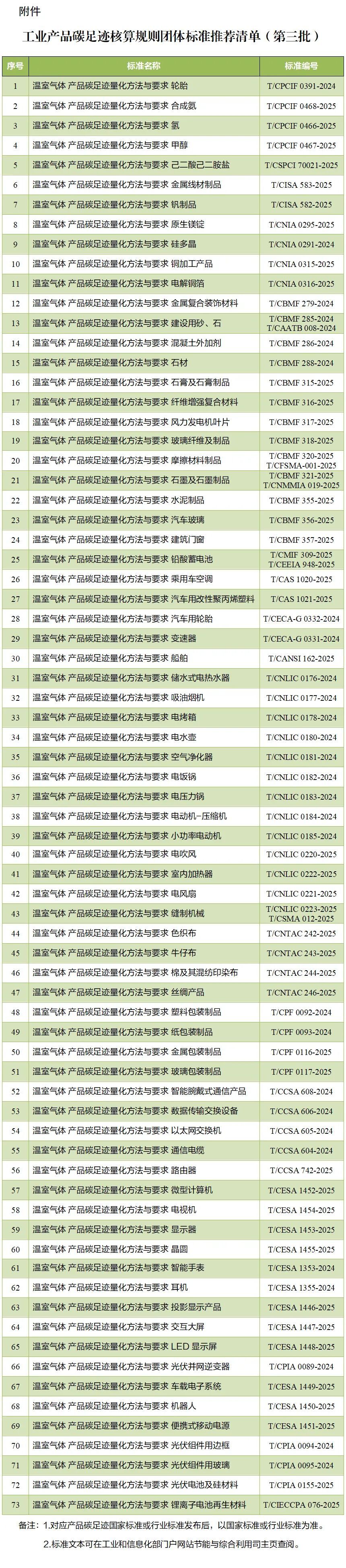
Core Viewpoint - The Ministry of Industry and Information Technology, along with other departments, has released a list recommending 73 carbon footprint accounting standards for industrial products, covering 13 key industries including petrochemicals, chemicals, steel, non-ferrous metals, construction materials, textiles, light industry, machinery, packaging, automotive, shipping, electronics, and communications [1]. Group 1: Recommended Standards - A total of 111 carbon footprint accounting standards have been recommended across three batches, focusing on products with significant market demand and emission reduction potential [5]. - The recommended standards include various products such as high furnace-converter steel products, electric furnace short-process steel products, ethylene, and cement [6]. - The standards have been widely applied in carbon footprint labeling certification, database construction, and information disclosure [6]. Group 2: Industry Impact - The construction materials industry is a major contributor to energy consumption and carbon emissions in China, accounting for over 10% of national carbon emissions, with cement and lime contributing significantly [6]. - The China Building Materials Federation has developed a unified carbon footprint standard system for the industry, addressing the lack of standards for carbon footprints in construction materials [7]. - The federation has published 22 carbon footprint standards for key products, with several already converted into national standards, ensuring comprehensive coverage of major products in the industry [7]. Group 3: Future Directions - Future efforts will focus on improving the carbon footprint standard system, promoting the conversion of group standards into national or industry standards, and developing a unified carbon footprint database and accounting platform [8]. - The China Building Materials Federation plans to expand the coverage of carbon footprint standards, targeting products with trade demand and significant carbon emission data [9].

2月6日中国能化现货估价指数(CECSAI)较前一工作日下跌0.67%
Xin Lang Cai Jing· 2026-02-06 12:41
Core Insights - The China Energy and Chemical Spot Price Index is reported at 819.26 points as of February 6, 2026, reflecting a decrease of 5.51 points or 0.67% from the previous working day, and a decline of 180.74 points or 18.07% from the base period of July 2, 2024 [1] Industry Summary - The oil industry price index stands at 783.04 points, down by 8.66 points or 1.09% from the previous working day [2] - The natural gas industry price index is at 904.77 points, with a decrease of 1.9 points or 0.21% from the previous working day [3] - The chemical industry price index is reported at 843.15 points, down by 2.48 points or 0.29% from the previous working day [4] Market Conditions - The domestic energy and chemical spot price index has declined again, influenced by a significant drop in international crude oil prices, which has weakened cost support and put pressure on market conditions [6] - There is a lack of confidence in the market, as indicated by the mixed performance of commodity futures, with many prices trending downward [6] Price Changes in Key Products - Crude oil import price at Shandong port is 3461 CNY per ton, down by 102 CNY or 2.86% [7] - Gasoline prices in North China decreased by 50 CNY to 7250 CNY per ton, a drop of 0.68% [7] - Diesel prices in North China fell by 40 CNY to 5900 CNY per ton, a decrease of 0.67% [7] - LNG prices in Inner Mongolia decreased by 25 CNY to 3865 CNY per ton, a drop of 0.64% [8] - PTA prices in East China fell by 30 CNY to 5090 CNY per ton, a decrease of 0.59% [8] Index Methodology - The China Energy and Chemical Spot Price Index is jointly launched by the Xinhua Index Research Institute, Jinlianchuang Network Technology Co., Ltd., and the Data Price Professional Committee of the China Price Association. It monitors 17 typical products with significant consumption and market activity across key regions [9]
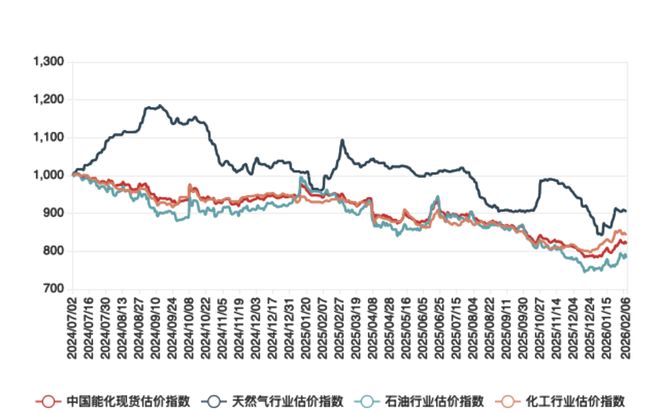
「数据看盘」超6亿元资金抢筹恩捷股份,IM期指空头大幅加仓
Sou Hu Cai Jing· 2026-02-06 12:09
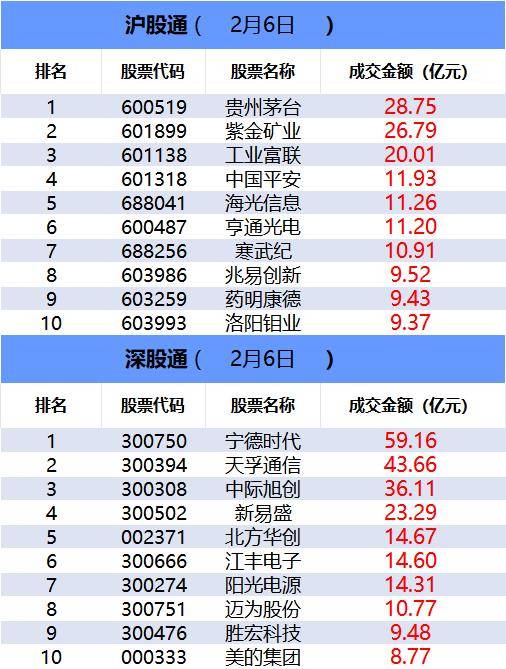
Core Viewpoint - The trading volumes of the Shanghai and Shenzhen Stock Connects indicate significant investor activity, with notable inflows and outflows in various sectors and stocks, reflecting market sentiment and investment trends. Trading Volume Summary - The total trading amount for the Shanghai Stock Connect was 134.14 billion, while the Shenzhen Stock Connect reached 153.30 billion [1]. Top Stocks by Trading Volume Shanghai Stock Connect - The top traded stocks included: - Kweichow Moutai (28.75 billion) - Zijin Mining (26.79 billion) - Industrial Fulian (20.01 billion) [2]. Shenzhen Stock Connect - The leading stocks were: - CATL (59.16 billion) - Tianfu Communication (43.66 billion) - Zhongji Xuchuang (36.11 billion) [3]. Sector Performance - Sectors such as oil and gas, batteries, and chemicals showed strong performance, while consumer sectors experienced declines [4]. Major Fund Inflows and Outflows Fund Inflows - The top sectors with net inflows included: - New Energy (51.65 billion, 1.97%) - Basic Chemicals (37.74 billion, 3.09%) [5]. Fund Outflows - The sectors with the highest net outflows were: - Defense and Military (50.28 billion, -5.27%) - Cultural Media (42.94 billion, -4.62%) [6]. Individual Stock Fund Monitoring Net Inflows - The stocks with the highest net inflows included: - Wuzhou Xinchun (11.85 billion, 30.31%) - Daji Shares (10.68 billion, 35.91%) [7]. Net Outflows - The stocks with the highest net outflows included: - Xinyi Sheng (29.11 billion, -17.14%) - Zhongbiao Xuchuang (15.56 billion, -8.69%) [8]. ETF Trading Summary Top ETFs by Trading Volume - The leading ETFs by trading amount included: - Gold ETF (19.03 billion, -5.10%) - A500 ETF Fund (14.96 billion, -4.58%) [9]. ETFs with Highest Growth in Trading Volume - The ETFs with the highest growth in trading volume included: - Brazil ETF (19.82 billion, 298.93%) - Hang Seng Dividend Low Volatility ETF (4.25 billion, 178.74%) [10]. Futures Positioning - Among the four major futures contracts, both long and short positions were reduced, with the IM futures contract seeing a significant increase in short positions, indicating heightened bearish sentiment [11]. Institutional Activity Buying Activity - Notable institutional buying included: - Enjie Shares (10.00%, 180 million) - Red Treasure (1.94%, 113 million) [12]. Selling Activity - Significant selling activity was observed in: - Jieli Suojun (2.79 billion) [13]. Retail and Quantitative Fund Activity Retail Activity - Retail investors showed reduced activity, with notable purchases in: - Jieli Suojun (1.63 billion) [14]. Quantitative Fund Activity - Quantitative funds were active, with significant purchases in: - Enjie Shares (1.07 billion) [15].



自欺欺人!欧洲衰落怪中国?78岁德拉吉:世界秩序名存实亡
Sou Hu Cai Jing· 2026-02-06 11:31
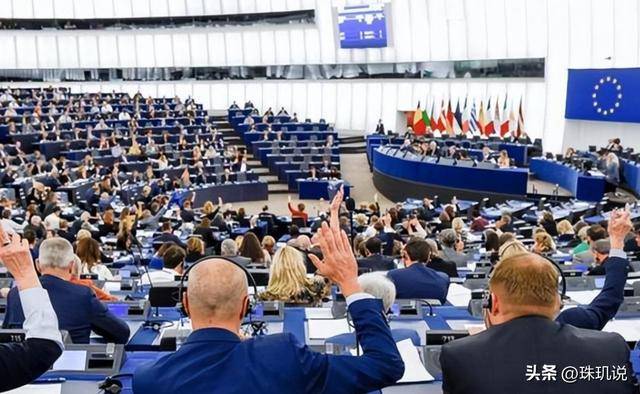
Group 1 - The article discusses the current challenges faced by Europe, including stagnant economic growth, declining industrial competitiveness, and internal divisions, leading to a more passive global position [1] - Former Italian Prime Minister Draghi attributes Europe's decline to China, claiming that the global order has deteriorated since China's entry into the WTO, which he believes has negatively impacted Western trade [3][10] - The article criticizes Western politicians for shifting blame onto others instead of addressing internal issues, highlighting that Europe's aging population and declining workforce are significant factors in its economic struggles [4][6] Group 2 - The article emphasizes the importance of cooperation in a globalized world, arguing that viewing normal trade relations as threats leads to missed opportunities and exacerbates internal conflicts [7] - It points out that Europe's welfare system is under strain, creating significant fiscal pressure that complicates necessary adjustments [8] - The article argues that the real culprit behind Europe's challenges is not China, but rather the unilateralism of the United States, which disrupts global trade and forces Europe into geopolitical conflicts [13][21] Group 3 - The article highlights that Europe possesses high-end manufacturing capabilities and strong brands, particularly in sectors like automotive, chemicals, and luxury goods, which benefit from trade with China [17] - It notes that Chinese products, known for their cost-effectiveness, help reduce production costs for European companies and lower prices for consumers, thereby improving living standards [19] - The article concludes that Europe must confront its internal issues and focus on rational governance and innovation, rather than framing economic problems as ideological conflicts with China [25][26]
化工板块震荡拉升
Di Yi Cai Jing· 2026-02-06 11:27
Group 1 - Baichuan Co., Ltd. has reached the daily limit increase, indicating strong market interest and positive investor sentiment [1] - Other companies such as Demei Chemical, Baihehua, Xiongdi Technology, Hongbaoli, Jinjis Co., Ltd., Cangzhou Dahua, and Shuangle Co., Ltd. have also seen their stock prices rise in response [1]



芦哲、王洋(芦哲系东吴证券首席经济学家、中国首席经济学家论坛理事)
Xin Lang Cai Jing· 2026-02-06 11:20
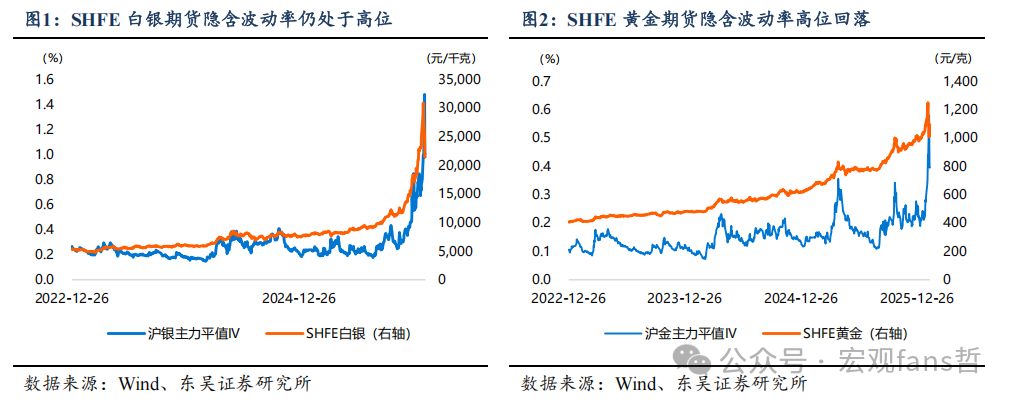
Core Viewpoints - Silver futures have ended their limit down, indicating that the current liquidity shock is largely over. Since November 2025, silver has become a leading indicator of bullish sentiment in the commodity market, alongside gold and copper, activating a rotation sequence in commodities [2][12] - The recent decline in silver futures has triggered a liquidity risk contagion in the commodity market, leading to widespread sell-offs in related sectors. The opening of the limit down on February 3rd suggests a relief in market risks [2][12] Market Events - On February 3, 2026, the Shanghai Futures Exchange (SHFE) silver futures opened limit down, closing at 21,446 CNY/kg, a decline of 16.71%. The London silver spot price was 79.2 USD/oz, with the SHFE silver futures premium dropping from 29.8% at the end of January to 7.46% by February 3 [1][11] - On February 4, the SHFE silver main contract night session rose by 5.93%, closing at 22,393 CNY/kg [1][11] Volatility Analysis - The implied volatility of silver futures remains high, with a peak of 148% on February 2, indicating that while the limit down has been lifted, the market still needs to stabilize from liquidity risks. Gold futures also show elevated volatility, suggesting that both metals require time to fully absorb the liquidity shock [3][13] Commodity Market Dynamics - The core logic of the commodity market remains unchanged despite liquidity shocks. Some commodities, which were mispriced due to liquidity risks, may return to their fundamental pricing logic as the market stabilizes. The 2026 asset allocation report highlights three main lines for the commodity market post-liquidity shock [4][14] - Precious metals are expected to enter a consolidation phase after a period of broad increases, supported by long-term narratives such as the weakening of global sovereign currency credit and the "de-dollarization" trend [4][17] Non-Ferrous Metals - Non-ferrous metals like copper and aluminum are expected to benefit from structural changes in demand driven by new economic sectors such as AI and renewable energy. Despite recent adjustments due to liquidity shocks, the fundamental pricing mechanisms for these metals remain robust [5][18] Chemical Sector - The chemical sector is anticipated to see continued improvement in market conditions, driven by supply-side adjustments and structural changes in demand. The sector is becoming a key area for capital inflows, despite recent declines linked to precious metals [6][19] New Energy Metals - New energy metals, particularly lithium carbonate, are expected to gradually move towards supply-demand balance, supported by policy adjustments and demand growth. The sector remains a focal point for bullish investment opportunities [7][20]

按兵不动?
第一财经· 2026-02-06 11:09
Market Overview - The three major A-share indices experienced a slight decline with reduced trading volume, where the Shanghai Composite Index showed relative stability due to the strength of cyclical sectors like oil, chemicals, and electricity, providing support to the index [3] - The Shenzhen Component Index and the ChiNext Index were primarily dragged down by adjustments in the technology growth sector [3] Market Performance - A total of 2,748 stocks rose while 2,549 stocks fell, indicating a structural market where more stocks increased than decreased [4] - The market showed significant sector differentiation, with rising sectors concentrated in resource products (oil, petrochemicals, chemicals, energy metals) and new energy growth tracks (humanoid robots, solid-state batteries), while declining sectors included consumer goods (liquor, retail, tourism) and defense industry [5] Trading Volume - The total trading volume of the two markets was approximately 2 trillion yuan, reflecting a mild decrease of 1.39%, yet overall market liquidity remains ample [6] - The Shanghai market saw a reduction in trading volume, while the Shenzhen market experienced a counter-trend increase, driven by profit-taking in previously high-performing blue-chip stocks and increased interest in lower-priced small and mid-cap growth stocks, indicating a structural rotation [6] Fund Flow - There was a net outflow of funds from institutional investors, while retail investors saw a net inflow [7] - Institutions shifted their focus from previously high-performing consumer and military sectors to oil, petrochemicals, electrical equipment, humanoid robots, and energy metals, while retail investors favored small and mid-cap growth stocks, showing a trend of continuous net inflow and accelerated buying towards the end of trading [8] Investor Sentiment - Retail investor sentiment was reported at 75.85%, indicating a generally optimistic outlook among individual investors [9] - The sentiment analysis showed that 21% of investors increased their positions, while 19.64% reduced their holdings, with 59.36% remaining unchanged [12] Positioning and Profitability - The average position of investors was reported at 67.95%, with 47.22% fully invested, 28.67% holding less than half, and 6.48% in cash [18] - In terms of profitability, 4.54% of investors reported gains exceeding 50%, while 41.32% were within a loss of 20% [20]

贵金属暴涨暴跌是实体经济毒药!央行购金才是涨跌核心
Sou Hu Cai Jing· 2026-02-06 10:53
Group 1 - The core driver of recent fluctuations in precious metals is the large-scale gold purchases by central banks, which have shifted from being market observers to "super players" influencing supply and demand dynamics [3][4] - In 2022, global central banks purchased a record 1,136 tons of gold, followed by 1,081 tons in 2023, marking two consecutive years of historical highs [3] - The recent price drop in precious metals is largely a market reaction to expectations of reduced central bank gold purchases, leading to a technical sell-off [3][4] Group 2 - Traditional factors such as Federal Reserve policies and dollar strength have been fully absorbed by the market, and their influence on gold prices is now limited [4] - The extreme volatility in precious metals prices cannot be explained by conventional economic analysis, as central bank gold purchases have become a new variable that disrupts historical norms [4][5] Group 3 - Silver, with over 60% of its demand coming from industrial applications, is particularly affected by price volatility, which poses a significant threat to the real economy [6][7] - The demand for silver in the electric vehicle sector has surged from under 1,000 tons in 2020 to over 3,500 tons in 2023, driven by increasing penetration rates [6] - The solar photovoltaic industry has also seen a dramatic increase in silver demand, with usage rising from 3,672 tons in 2022 to 6,017 tons in 2023, a nearly 64% increase [7] Group 4 - The extreme fluctuations in silver prices can severely impact production costs for industrial companies, particularly in the electric vehicle and solar sectors, where rising costs can erode profit margins [6][8] - The current economic recovery is fragile, and the volatility in precious metals prices acts as a barrier to growth, affecting production and consumer confidence [8][10] Group 5 - To mitigate the adverse effects of precious metal price volatility on the real economy, governments and central banks must take action to stabilize prices through coordinated communication and macroeconomic policies [9] - Companies should innovate to reduce reliance on silver, employing new technologies to offset rising raw material costs [9][10] - A consensus on the importance of stabilizing the precious metals market is crucial for the healthy development of the real economy, as speculative financial behaviors should not undermine industrial production and economic recovery [9][10]
金浦钛业(000545.SZ)多家子公司累计到期未付应付账款总额约3.92亿元
智通财经网· 2026-02-06 10:52
智通财经APP讯,金浦钛业(000545.SZ)公告,公司子公司南京钛白化工有限责任公司、徐州钛白化工有 限责任公司、安徽金浦新能源科技有限公司累计到期未付的应付账款总额约为3.92亿元,占2024年度经 审计净资产28.08%,占2024年度经审计总资产13.25%。公司暂无金融债务逾期。 ...

中国神华千亿级资产重组获审核通过!
中国能源报· 2026-02-06 10:44
Core Viewpoint - China Shenhua Energy Co., Ltd. has received approval from the Shanghai Stock Exchange for a significant asset restructuring project involving the acquisition of various subsidiaries from its controlling shareholder, China Energy Investment Corporation, and the issuance of A-shares to raise supporting funds [2][3]. Group 1: Transaction Details - The transaction involves the acquisition of 100% equity stakes in multiple companies, including Guoyuan Power Co., Xinjiang Energy Chemical Co., and others, with a total transaction value of 133.598 billion yuan [3][4]. - The payment structure for the transaction consists of 30% in shares and 70% in cash, aimed at enhancing the company's core business capacity and resource reserves [3][4]. Group 2: Impact on Resources and Earnings - Post-transaction, the coal reserves of China Shenhua will increase to 6.849 billion tons, representing a growth rate of 64.72%, while the recoverable coal reserves will rise to 3.45 billion tons, with a growth rate of 97.71% [4]. - The coal production capacity is expected to reach 512 million tons, reflecting a growth rate of 56.57%, and the basic earnings per share (EPS) for 2024 is projected to increase to 3.15 yuan, enhancing by 6.10% [4]. Group 3: Strategic Benefits - The completion of this transaction will create a complete industrial chain for China Shenhua, covering coal mining, coal power generation, coal chemical production, and logistics, significantly strengthening the company's operational capabilities [4]. - This restructuring will also resolve the long-standing issue of competition with China Energy Group, aligning with the State-owned Assets Supervision and Administration Commission's encouragement for state-owned enterprises to enhance core competitiveness through mergers and acquisitions [4].