
生物医药

Search documents
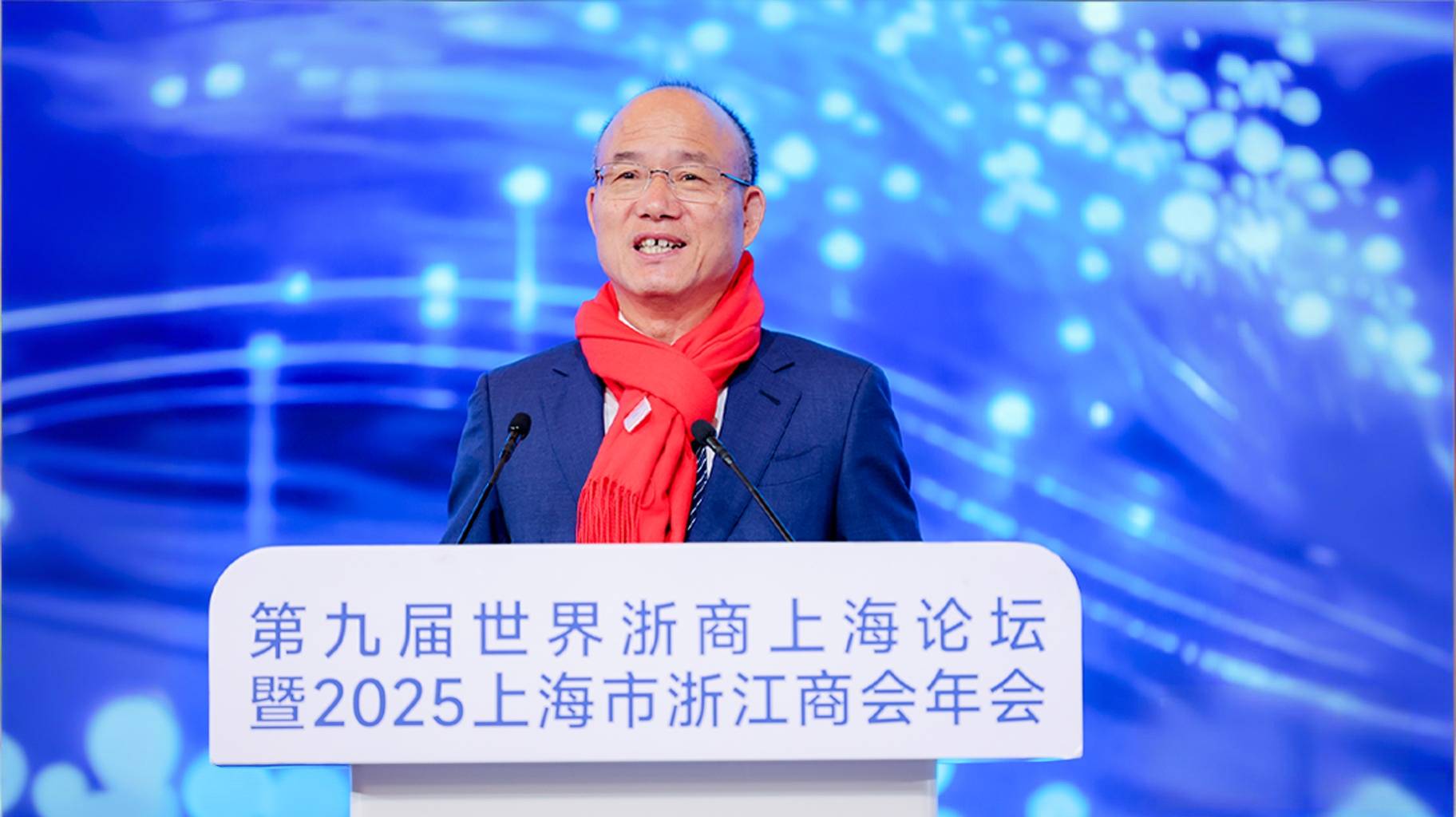
郭广昌:机会始终存在,复星将坚定创新与全球化之路
Sou Hu Cai Jing· 2026-01-19 03:57
Core Insights - The forum emphasized the resilience, innovation, and aspirations of Zhejiang merchants amidst the waves of the Chinese economy, with notable discussions on macroeconomic trends and opportunities for private enterprises [1] - Guo Guangchang expressed optimism for 2026, highlighting the gradual digestion of negative factors and the inherent resilience of the Chinese economy [1] Economic Resilience and Innovation - Guo noted that the current economic climate is warmer compared to the previous year, indicating a recovery in both weather and economic conditions [1] - He emphasized the importance of private enterprises, particularly in technology, showcasing their global competitiveness in emerging industries like AI, robotics, and biomedicine [3] - The success of Fosun's biopharmaceutical platform, including the global breakthroughs of its products, illustrates the potential for significant market opportunities, with several products having a global market potential of billions [3] Globalization and Market Strategy - Guo highlighted the competitive landscape between the US and China, asserting that the two economies are interconnected, which provides opportunities for collaboration despite competition [3] - Fosun's global strategy includes significant partnerships, such as the agreement with Pfizer for a GLP-1 drug, with a potential total value exceeding $2 billion, and a collaboration with Clavis Bio worth up to $7.25 billion [4] - The company aims to leverage China's market size and efficiency advantages to enhance its global presence, with overseas revenue reaching 46.67 billion yuan in the first half of 2025, accounting for 53% of total revenue [9] Consumer Market and Product Development - The focus on product strength and innovation is crucial for capturing opportunities in China's vast consumer market, which remains robust despite economic challenges [7] - Fosun's ventures in tourism and consumer goods have shown positive market responses, with high occupancy rates in hotels and successful product launches in the consumer sector [7][8] - New products from Fosun's ecosystem, such as the "Old Beijing Fresh Milk" and "Shede Zizai" liquor, have gained popularity, demonstrating the effectiveness of product innovation [8]


港股速报 | 调整来袭 港股低开 航空股逆势走高
Sou Hu Cai Jing· 2026-01-19 03:17
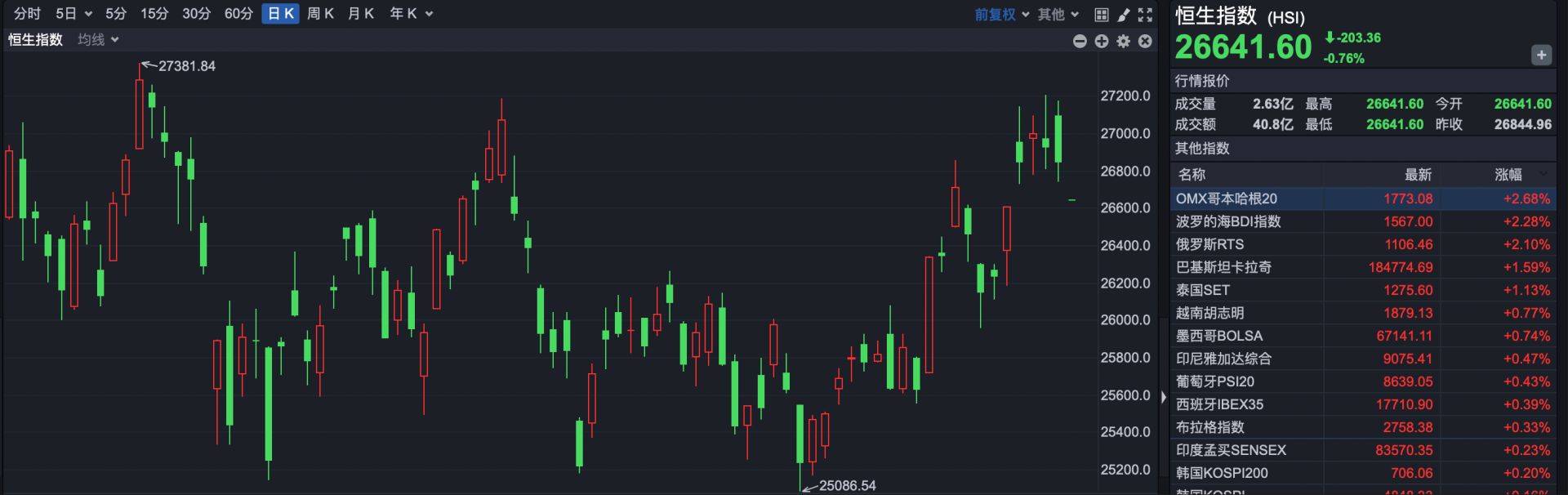
Market Overview - The Hong Kong stock market opened lower on January 19, with the Hang Seng Index at 26,641.60 points, down 203.36 points, a decline of 0.76% [1] - The Hang Seng Tech Index opened at 5,777.07 points, down 45.11 points, a decrease of 0.77% [4] Airline Sector Performance - Airline stocks showed resilience, with China Eastern Airlines (HK00670) rising over 6%, and both China Southern Airlines (HK01055) and Air China (HK00753) increasing by more than 2% [3] - China Eastern Airlines reported a 4.93% year-on-year increase in passenger capacity for December 2025, with passenger turnover up 7.61% and a seat load factor of 85.65%, up 2.14 percentage points [6] - China Southern Airlines announced an 11.89% year-on-year increase in passenger capacity for December 2025, with passenger turnover up 11.20% and a seat load factor of 84.05%, down 0.53 percentage points [7] - Air China reported a 4.0% year-on-year increase in passenger capacity for December 2025, with passenger turnover up 10.0% and a seat load factor of 82.2%, up 4.5 percentage points [7] Other Sector Movements - The technology sector saw widespread declines, with Bilibili dropping over 4%, Alibaba and Kuaishou down over 2%, and Xiaomi and Meituan down over 1% [7] - The metals sector was active, with Zijin Mining opening over 1% higher [7] - The lithium battery sector experienced mostly gains, with BYD rising over 1% [7] - The domestic real estate sector faced declines, with Country Garden falling over 10% [7] - The biopharmaceutical sector opened lower, with Tigermed down over 2% [7] Economic Outlook - According to Galaxy Securities, the U.S. CPI for December 2025 rose 2.7% year-on-year, with core CPI up 2.6%, both in line with previous values [8] - The U.S. PPI for November increased by 3%, exceeding the forecast of 2.7% [8] - Initial jobless claims in the U.S. decreased by 9,000 to 198,000, significantly below the market expectation of 215,000, marking the lowest level since November of the previous year [8] - China's foreign trade in 2025 reached 45.47 trillion yuan, a year-on-year growth of 3.8%, marking nine consecutive years of growth [8] - The M2-M1 spread at the end of December 2025 was 4.7 percentage points, widening from the previous month's 3.1 percentage points [8] Investment Recommendations - The technology sector remains a long-term investment focus, benefiting from price increases in the supply chain, domestic substitution, and accelerated AI applications [8] - The consumer sector is expected to continue benefiting from policy support, with attention needed on policy implementation and improvements in consumption data [8] - Given the escalating geopolitical tensions, precious metals and other safe-haven assets are likely to benefit [8]
融资政策收紧背景下泓博医药股价 “过山车” 非理性炒作引警惕
Quan Jing Wang· 2026-01-19 02:52
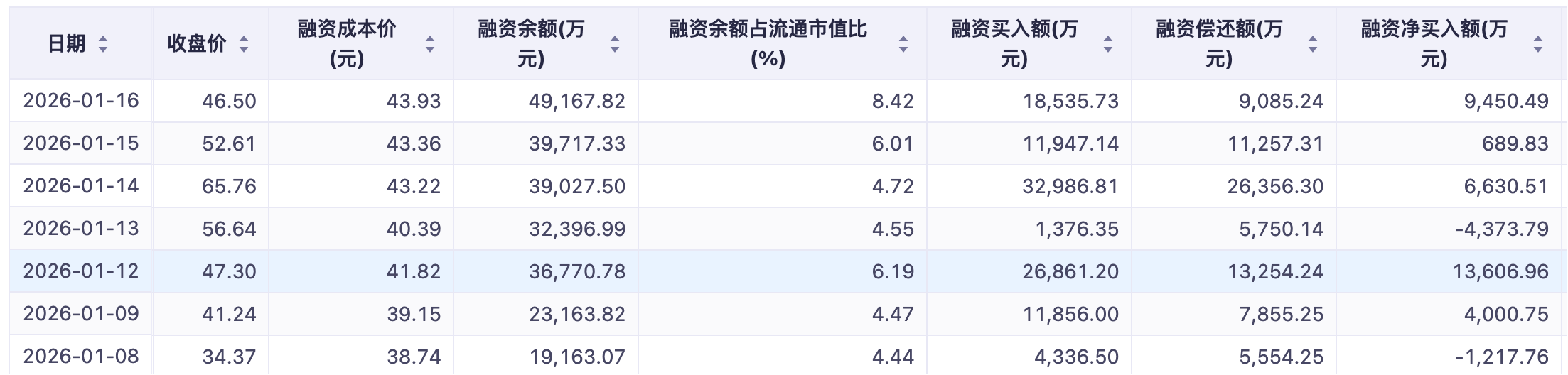
Core Viewpoint - The stock price of Hongbo Pharmaceutical (301230) experienced extreme volatility, with a cumulative increase of over 100% in five trading days before a significant drop following the announcement of a financing margin policy adjustment by the stock exchanges, highlighting short-term speculative risks in the market [1][2]. Group 1: Stock Price Movement - From January 8 to January 14, the company's stock price surged over 100%, with a notable increase of over 30% on January 13 and 14, leading to a classification of severe abnormal volatility [1]. - On January 15, the stock price hit a limit down, closing at 52.61 yuan, with a trading volume of 8.88 billion yuan, and the next day it continued to decline, closing at 46.50 yuan with a trading volume of 10.09 billion yuan [2]. Group 2: Financing Policy Impact - On January 14, the stock exchanges announced an increase in the minimum financing margin ratio from 80% to 100%, effective January 19, aimed at reducing market leverage and preventing speculative risks [1]. - The adjustment was based on previous active financing trading and ample liquidity, intending to protect investors' legal rights [1]. Group 3: Valuation Concerns - As of January 14, the company's rolling price-to-earnings ratio reached 250.87 times, significantly exceeding the industry average of 33.34 times, indicating a notable bubble characteristic [2]. - The stock price volatility is attributed to a lack of substantial fundamental support, with market analysts suggesting that the speculative influx was driven by a "last train effect" before the financing policy adjustment [4]. Group 4: Company Operations and Shareholder Actions - The company clarified that its operations are normal and there are no undisclosed significant matters, with the revenue from the DiOrion platform's drug development services being minimal and not materially affecting overall operations [1]. - On January 5, the company disclosed a shareholder inquiry regarding a 5% stake transfer, which is a non-public agreement and not a statutory lock-up release, with a six-month lock-up period for the buyer [4].
港股开盘:恒指跌0.76%、科指跌0.77%,科网股及生物医药股走低,有色金属概念股活跃,锂电池板块走高
Jin Rong Jie· 2026-01-19 01:30
Market Overview - The Hong Kong stock market opened slightly lower on January 19, with the Hang Seng Index down 0.76% at 26,641.6 points, the Hang Seng Tech Index down 0.77% at 5,777.07 points, the State-Owned Enterprises Index down 0.76% at 9,151.07 points, and the Red Chip Index down 0.4% at 4,122.65 points [1] - Major tech stocks experienced declines, including Alibaba down 2.53%, Tencent down 0.65%, JD.com down 0.53%, Xiaomi down 1.29%, NetEase down 0.83%, Meituan down 1.2%, Kuaishou down 1.53%, and Bilibili down 2.69% [1] - The non-ferrous metals sector was active, with Zijin Mining rising over 3%, while the lithium battery sector saw most stocks increase, with BYD rising over 1% [1] - Some domestic property stocks fell, with Country Garden down over 10%, and the biopharmaceutical sector opened lower, with Tigermed down over 2% [1] Company News - China Shenhua (01088.HK) expects coal sales volume in 2025 to be 431 million tons, a year-on-year decrease of 6.4% [2] - New China Life Insurance (01336.HK) anticipates cumulative original insurance premium income in 2025 to reach 195.899 billion yuan, a year-on-year increase of 15% [3] - Yongjia Group (03322.HK) projects a revenue growth rate of approximately 16% for its high-end fashion retail business in the fourth quarter of 2025 [4] - Ronshine China (03301.HK) expects total contract sales in 2025 to be approximately 3.777 billion yuan, a year-on-year decrease of 50.96% [5] - Tianhong International Group (02678.HK) issued a profit warning, expecting a net profit increase of about 60% for the 2025 fiscal year due to a recovery in domestic and international market orders [5] - Qizhi Group (00917.HK) anticipates turning a profit in 2025, with net profit estimated between 270 million to 330 million yuan, compared to a loss of 1.663 billion yuan in the previous year [5] - October Rice Field (09676.HK) issued a profit warning, expecting adjusted net profit of approximately 550 million to 590 million yuan in 2025, a year-on-year increase of about 57.6% to 69.1% [5] - China Boton (03318.HK) issued a profit warning, expecting goodwill impairment losses of no less than approximately 750 million yuan for its tobacco flavor business in 2025 [5] Strategic Insights - Guojin Securities suggests that the Hong Kong stock market is entering a "spring market" at the beginning of 2026, likely to continue until mid-year, driven by domestic and international easing expectations and policy collaboration [9] - Galaxy Securities anticipates narrow fluctuations in the Hong Kong stock market due to reduced short-term interest rate cut expectations from the Federal Reserve and increased global geopolitical uncertainties [9] - GF Securities views the chemical industry as a typical cyclical sector, predicting a "dawn" phase for the chemical industry amid capital expenditure growth turning negative and a focus on domestic demand expansion [9]
上海,重大发布!“十五五规划建议”全文来了
证券时报· 2026-01-19 00:38
Core Viewpoint - By 2035, Shanghai aims to double its per capita GDP compared to 2020, focusing on maintaining economic growth, enhancing productivity, and developing key industries and services [1]. Group 1: Economic Growth and Development Goals - Shanghai's "15th Five-Year Plan" emphasizes achieving reasonable economic growth while synchronizing with national trends, improving total factor productivity, and maintaining a balanced manufacturing sector [1]. - The plan includes significant advancements in service sector innovation and the establishment of a modern rural industrial system [1]. - By 2035, Shanghai aims to upgrade its "five centers" functions, achieving international leadership in key development indicators [1]. Group 2: Key Industry Focus Areas - Shanghai will focus on agile development in quantum technology, brain-computer interfaces, controlled nuclear fusion, biomanufacturing, and sixth-generation mobile communications [1][4]. - The city plans to enhance its international economic center status by developing three leading industries, including integrated circuit equipment and biomedicine [3][4]. - The promotion of artificial intelligence innovation and the establishment of six emerging pillar industry clusters are also key components of the plan [4]. Group 3: Financial Sector Development - Shanghai aims to strengthen its international financial center by establishing a global RMB asset allocation center and risk management center [5]. - The city will enhance financial market connectivity and develop a comprehensive technology-driven financial service system [5]. - Initiatives will include the promotion of green finance and the development of inclusive finance to address challenges faced by small and medium-sized enterprises [5]. Group 4: International Trade and Shipping - The plan emphasizes enhancing Shanghai's role as a global trade hub, focusing on high-value product exports and the development of service trade [6]. - Shanghai will work on becoming a leading international shipping center by improving its global maritime and air transport capabilities [6]. Group 5: Technological Innovation and Talent Development - The plan includes deepening basic research and optimizing investment mechanisms to produce significant original outcomes in high-risk, high-value areas [7]. - It aims to create a talent development system that aligns with technological innovation, fostering a new generation of scientists and entrepreneurs [7]. Group 6: Reform and Opening Up - Shanghai's strategy includes deepening high-level reforms and opening up to enhance the vitality of various business entities [9]. - The city will focus on market-oriented reforms and the establishment of an open economic system [10][11]. - Specific measures will include optimizing state-owned enterprise reforms and supporting the growth of the private economy [9][10].

全文公布!上海“十五五”规划建议
财联社· 2026-01-18 23:44
Core Viewpoint - The article outlines the strategic recommendations for Shanghai's 15th Five-Year Plan, emphasizing the construction of a modern industrial system centered on advanced manufacturing, digital transformation, and green development, aiming to enhance Shanghai's global competitiveness and establish it as a world-class international metropolis [1][2]. Group 1: Economic and Social Development Goals - The 15th Five-Year Plan period is crucial for accelerating the establishment of a globally influential socialist modern international metropolis, with a focus on high-quality development and the enhancement of urban functions [3][4]. - The plan aims for significant achievements in high-quality development, with economic growth synchronized with national trends, improved productivity, and a robust service sector [11][12]. Group 2: Industrial and Technological Innovation - The plan proposes a "2+3+6+6" modern industrial system, focusing on advanced manufacturing, digitalization, and green transformation, while promoting the application of robotics and intelligent manufacturing [15]. - It emphasizes the development of three leading industries: integrated circuits, biomedicine, and artificial intelligence, aiming for breakthroughs across the entire industrial chain [15]. Group 3: Urban and Regional Development - The plan highlights the importance of optimizing urban spatial layout and promoting regional coordinated development, particularly in the Yangtze River Delta region [35][39]. - It aims to enhance the core functions of the city, improve public services, and ensure a balanced urban-rural development [13][36]. Group 4: Financial and Trade Enhancements - The plan focuses on strengthening Shanghai's position as an international financial center, enhancing cross-border financial services, and promoting the internationalization of the Renminbi [19][20]. - It aims to upgrade the international trade center by optimizing trade structures and enhancing the capabilities of service trade and digital trade [22][23]. Group 5: Cultural and Social Development - The plan emphasizes the importance of cultural development, promoting socialist core values, and enhancing the city's cultural soft power [42][43]. - It aims to improve the quality of life for residents, ensuring equitable access to public services and promoting sustainable urban living [13][37].
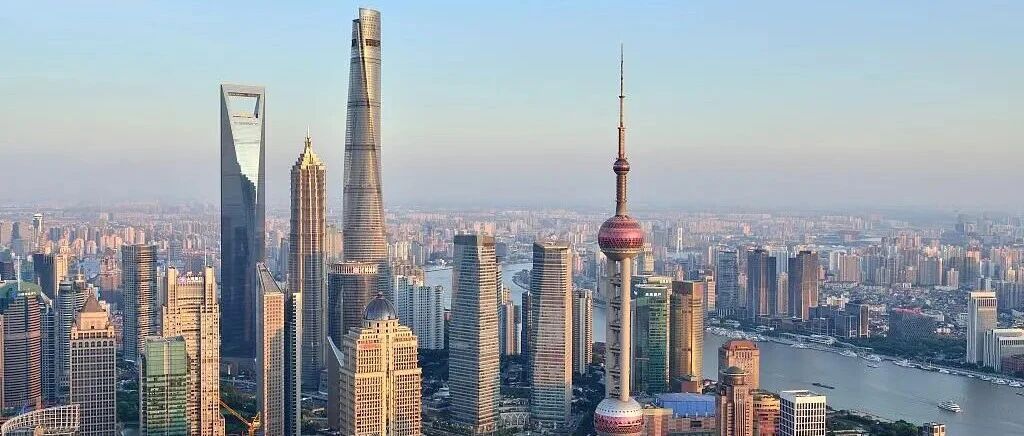
全文公布!中共上海市委关于制定上海市国民经济和社会发展第十五个五年规划的建议
第一财经· 2026-01-18 23:44
Core Viewpoint - The article emphasizes the importance of the "15th Five-Year Plan" period for Shanghai's development, highlighting the need for strategic advancements to build a world-class socialist modern international metropolis [2][3]. Group 1: Achievements and Context - During the "14th Five-Year Plan" period, Shanghai achieved significant progress, becoming one of the top five global cities in terms of economic scale, with a focus on high-quality development and resilience against challenges such as the pandemic [3]. - The "15th Five-Year Plan" period is positioned as a critical phase for Shanghai to enhance its global influence and address both opportunities and challenges arising from complex international relations and domestic conditions [4][6]. Group 2: Development Goals and Principles - The guiding principles for the "15th Five-Year Plan" include adhering to Marxism, prioritizing high-quality development, and promoting comprehensive reforms to enhance economic resilience and social progress [8][10]. - Key goals include achieving significant economic growth, enhancing urban core functions, and improving social civilization levels, with a focus on sustainable development and ecological balance [12][13]. Group 3: Economic and Industrial Development - The plan aims to strengthen Shanghai's position as an international economic center by developing a modern industrial system and promoting advanced manufacturing and service sectors [15][16]. - There is a strong emphasis on expanding domestic demand, enhancing consumption, and fostering a favorable investment environment to stimulate economic growth [17][18]. Group 4: Financial and Trade Enhancements - The strategy includes enhancing Shanghai's international financial center status by improving cross-border financial services and promoting the internationalization of the Renminbi [19][20]. - The plan also focuses on upgrading the international trade center by optimizing trade structures and expanding high-value product exports [22][23]. Group 5: Infrastructure and Urban Development - The development of modern infrastructure is prioritized, with plans for a comprehensive transportation system and urban renewal initiatives to improve living conditions [40][41]. - The article highlights the importance of regional coordination and integration, particularly in the Yangtze River Delta, to enhance overall economic performance [39]. Group 6: Cultural and Social Development - The plan emphasizes the promotion of socialist core values and cultural prosperity, aiming to enhance Shanghai's cultural soft power and improve the quality of life for its residents [43][44]. - Efforts will be made to foster a vibrant cultural scene and support the development of cultural industries, ensuring that cultural achievements benefit the public [45].

30支科创团队展开硬核交锋 雨花区首届青年人才创新创业大赛科创组决赛收官
Xin Lang Cai Jing· 2026-01-18 23:36
Core Insights - The "Ten Miles Guitang·Dream Gathering" Youth Talent Innovation and Entrepreneurship Competition in Changsha showcased 30 top teams from over 260 technology projects, focusing on cutting-edge fields such as artificial intelligence, advanced manufacturing, biomedicine, and green technology [1] Group 1: Competition Highlights - The competition format included an "8-minute presentation + 3-minute Q&A," emphasizing both technical and commercial viability [2] - Notable projects included a laser cladding brake disc developed by Changsha Zhirong New Materials, which reduces costs to one-sixth of imported materials, targeting a trillion-level market in automotive industry upgrades [2] - The HUST team presented an AlGaN deep ultraviolet light source, achieving several times higher electro-optical conversion efficiency compared to peers, enhancing semiconductor lighting and sterilization applications [2] Group 2: Learning and Growth - The competition served as a growth platform, with participants gaining valuable insights into company management and operations through expert guidance [3] - The TiB ceramic cutting tool developed by Xiangtan Teli De has a lifespan improvement of over 30% and costs only one-twentieth of imported products, with contracts signed with over 10 companies [3] - The Hunan Precision Intelligent Control Transportation team utilized AI algorithms to enhance traffic light efficiency, improving overall traffic flow by over 10% and reducing queue lengths by approximately 30% in pilot areas [3] Group 3: Ecosystem and Support - The competition also functioned as a resource integration and ecosystem cultivation platform, featuring an "investment intention raising" segment where multiple investment institutions expressed interest in collaboration [4] - Rainflower District, a key area in Changsha, ranked 10th in the national innovation index and is home to 735 high-tech enterprises and 1,075 technology-based SMEs, with a technology contract transaction volume of 51 billion yuan, accounting for 20.4% of its GDP [4] - The district has established eight youth innovation and entrepreneurship platforms and introduced supportive policies like the "Rain Dew Plan" to attract young talent and foster entrepreneurship [4]

本市已培育科创领域青年突击队300余支
Xin Lang Cai Jing· 2026-01-18 22:33
Group 1 - Beijing Youth League has established over 300 technology innovation youth commando teams, focusing on key areas such as quantum computing and artificial intelligence, achieving over 600 patents and more than 50 international awards [1][2] - The "One Team, One Station, One Competition" model aims to enhance the systematic upgrade and innovative development of youth commando teams, promoting high-quality development and mobilizing youth participation in technological innovation [2] Group 2 - Since 2012, nearly 200 youth innovation workstations have been built, completing over 980 national key projects and various standard compilations, and receiving more than 590 provincial and ministerial awards [2] - The "Zhongguancun U30" youth innovation and entrepreneurship competition has nurtured 2 listed companies and 90 specialized small and medium enterprises, creating tens of thousands of jobs [2]
上海“十五五”规划建议:推动人工智能全栈创新 加强高性能智算芯片、高质量语料、高效能智算集群协同发展
Mei Ri Jing Ji Xin Wen· 2026-01-18 22:33
Core Insights - The Shanghai Municipal Party Committee has released suggestions for the 15th Five-Year Plan, emphasizing the acceleration of three leading industries [1] Group 1: Semiconductor Industry - The plan aims to enhance the capability, manufacturing level, and design ability of integrated circuit equipment, promoting an overall breakthrough and growth of the entire industry chain [1] Group 2: Biopharmaceutical Industry - There is a focus on strengthening the research and development of important innovative drugs and medical devices, with strategies including the development of new drug targets and mechanisms, accelerated transformation of results, improved clinical trial efficiency, and innovative multi-payment methods [1] Group 3: Artificial Intelligence Industry - The initiative promotes full-stack innovation in artificial intelligence, emphasizing the development of high-performance intelligent computing chips, high-quality datasets, and efficient intelligent computing clusters, while also advancing the iteration of foundational large models and the maturation of embodied intelligence technologies [1]