
外卖

Search documents
对话山东大学曲创:治理内卷,应注重保护平台企业竞争积极性
Nan Fang Du Shi Bao· 2025-08-12 15:33
Core Viewpoint - The recent "takeaway war" has intensified due to marketing strategies like "the first cup of milk tea in autumn," highlighting the tea and coffee sectors as primary battlegrounds for delivery subsidies [1][8] Group 1: Nature of Competition - Price competition is a common market strategy, but attention should be paid to whether platforms force merchants to participate in subsidies and if these subsidies favor leading brands over smaller businesses [3][5] - The essence of the "takeaway subsidy war" is competitive behavior, driven by optimistic economic expectations, which should be protected [4][20] - "Involutionary" competition is characterized by low-price, low-quality dynamics, necessitating a focus on the underlying causes and key players involved [5][6] Group 2: Market Dynamics - "Involutionary" competition often arises from external forces, such as government subsidies in the new energy vehicle sector, which distort normal market competition [7] - The current competition landscape is shifting towards instant retail, appealing to the consumption habits of younger generations [9][10] - Platforms are willing to invest heavily in subsidies as an effective customer acquisition strategy, reallocating funds from traditional advertising to user subsidies [10][17] Group 3: Impact on Merchants - The surge in orders due to subsidies can overwhelm merchants' production capacities, leading to potential quality degradation or operational challenges [12][14] - Smaller merchants, particularly niche shops and family-run businesses, face significant challenges in participating in subsidy programs, which may threaten their survival [15][16] - The competitive advantage of smaller merchants may diminish as larger brands benefit more from subsidy programs, even when subsidies are applied uniformly [14][16] Group 4: Regulatory Considerations - Regulatory focus should be on whether platform subsidies harm market competition or consumer interests, with a need for nuanced, case-by-case analysis rather than blanket restrictions [16][21] - Encouraging platforms to support small merchants through favorable policies can help maintain a diverse market and effective competition [16][21][22] - The current economic climate suggests that regulatory measures should not stifle competitive behavior, as active competition reflects market vitality [20][21]


谁对外卖食品安全负责?市监总局拟新规,三大平台商家规范升级中
2 1 Shi Ji Jing Ji Bao Dao· 2025-08-12 12:41
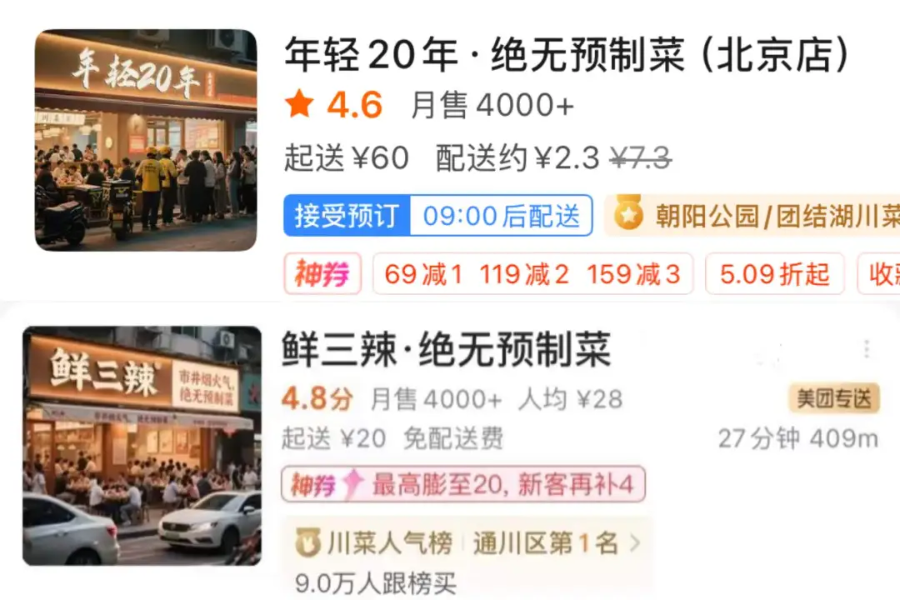
Core Viewpoint - The State Administration for Market Regulation (SAMR) has released a draft regulation aimed at enhancing food safety responsibilities for online food trading platforms, including delivery, live streaming, social media, short video platforms, community group buying, and self-built websites [1][2]. Group 1: Regulatory Framework - The draft regulation consists of 23 articles covering five main areas: overall requirements, responsibility allocation, personnel requirements, roles and responsibilities, and penalties for violations [2]. - Platforms are required to ensure that their branches, agents, and partners comply with unified food safety management responsibilities [3]. Group 2: Food Safety Management - Platforms engaging in self-operated food sales must assume the responsibilities of food sales enterprises [4]. - The regulation mandates platforms to establish a "daily control, weekly inspection, monthly scheduling" system and appoint food safety directors and personnel commensurate with transaction volume [4]. Group 3: Risk Management and Compliance - Upon identifying food safety risks, platforms must take actions such as blocking, removing, or deleting food information or links, and halting related sales activities [5]. - Previous regulations have highlighted the platforms' obligations to audit and manage merchants, but practical implementation has revealed ambiguities in responsibility allocation [5]. Group 4: AI and Marketing Practices - The regulation addresses the use of AI-generated images by merchants, which has raised concerns about misleading marketing practices [6]. - Platforms like Meituan and JD have implemented stricter review requirements for images used by merchants, particularly those generated by AI, to prevent misleading consumers [8].


客流到门店、订单向线下 美团外卖推“堂食提振”计划增强商家信心
Zhong Guo Jin Rong Xin Xi Wang· 2025-08-12 12:28
Core Viewpoint - Meituan is launching a "Dine-in Boost" plan to encourage in-store consumption and support the restaurant industry amid challenges from delivery subsidies and competition [1][2]. Group 1: Dine-in Boost Plan - The "Dine-in Boost" plan will issue in-store consumption vouchers to all members, aimed at increasing foot traffic and sales for restaurant businesses [1]. - Meituan has previously initiated a "Small Shop Support Fund," providing up to 50,000 yuan to small restaurants to help them cope with operational difficulties [1]. - The plan will cover various food categories, with the platform fully bearing the costs of the vouchers to attract customers to dine in or pick up orders [1]. Group 2: Impact on Consumer Behavior - Recent surveys indicate that specific promotional vouchers have effectively increased in-store dining, with a 60% rise in self-pickup customers among Meituan's premium members [2]. - The sharing feature of consumption vouchers has led to over 10 million shares in a single day, enhancing customer acquisition and order completion for merchants [2][3]. - Consumers are reported to purchase additional items when visiting stores due to the vouchers, thus boosting overall sales for participating restaurants [3]. Group 3: Industry Perspective - The integration of instant retail with traditional retail is seen as a way to bridge the gap between online and offline sales, creating a complementary ecosystem [3]. - Meituan's commitment to the "Dine-in Boost" plan aims to promote healthy development within the restaurant industry, currently covering 100,000 physical stores with plans for further expansion [3].
外卖“暗战”停不下来:美团线下扶持堂食,淘宝线上冲单量
第一财经· 2025-08-12 12:06
2025.08. 12 本文字数:2028,阅读时长大约4分钟 作者 | 第一财 经 陆涵之 在8月初同时宣布"休战"后,外卖平台之间仍然暗流涌动。 淘宝闪购方面,则通过"秋天第一杯奶茶"继续冲击单量,而这也直接拉高了淘宝骑手的活跃度。根据公开数据显示,截至7月底,淘宝闪购的 骑手月活数量整体增长181%,其中众包骑手整体增长236%。 美团"转弯" 尽管释放出了"休战"的声音,但美团在线下却动作频频。 8月12日,美团提出"堂食提振",并表示此举是为了支持线下门店订单增长,鼓励用户更多到店消费,维持餐饮行业的健康生态。美团 称,"堂食提振"计划将以堂食消费券的形式展开,将针对茶饮、餐食等品类发放到店消费券,成本由平台全部承担,引导消费者到店聚餐或到 店自提,把顾客和订单留给门店。 美团外卖此前调研发现,通过特定爆款品类的优惠券吸引顾客到店消费,可以有效带动用户进店,不仅有利于门店获得更多附近消费者,消 费者在到店后,通常还会下单更多商品。近期,自提消费券有效带动了线下门店的堂食增量,美团黑钻黑金会员的礼赠互动增加了60%的门 店自提人数,"兑券后再次下单"的消费形式带动了相关门店堂食销量增长。 未来一周内, ...


京东CEO许冉回应“反制美团”质疑:聚焦行业痛点,不关注对手
Sou Hu Cai Jing· 2025-08-12 11:35
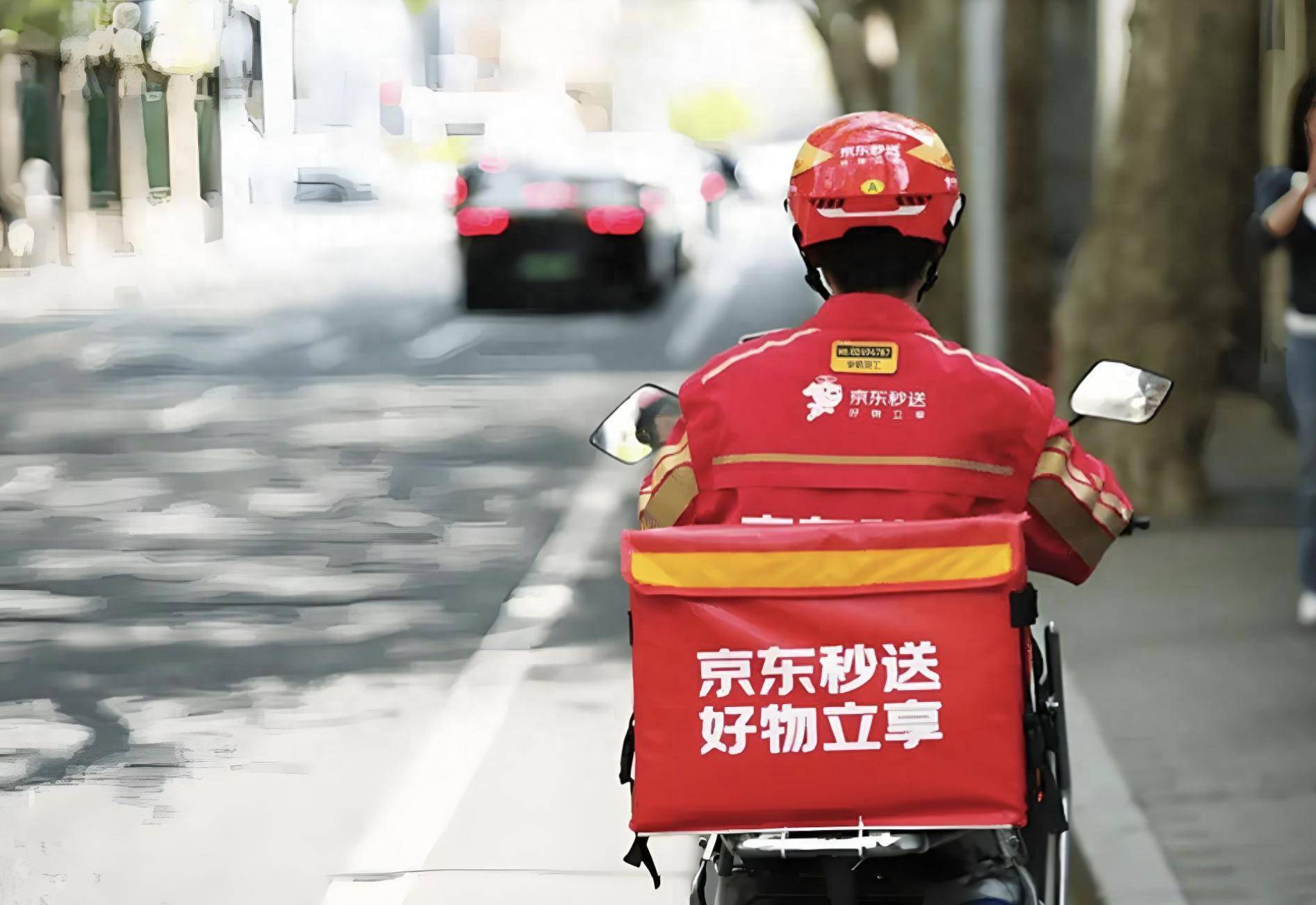
Core Insights - JD Group's recent initiatives, such as "zero commission for merchants" and "providing social insurance for over 150,000 full-time couriers," have been interpreted by some as "moral coercion against competitors," particularly aimed at countering Meituan [2][3] - JD's CEO Xu Ran clarified that the company's decisions are based on industry pain points and long-term value rather than direct competition with rivals [2][3] Group 1: Industry Pain Points - JD identified three structural contradictions in the current food delivery industry: high platform commissions leading to cost-cutting by merchants, lack of basic social security for millions of couriers, and price wars disrupting market stability and service quality [2][3] - The company aims to address these issues by lowering operational barriers for small and medium-sized merchants and shifting the industry focus from "price competition" to "quality competition" [5] Group 2: Strategic Initiatives - JD's "zero commission" policy, effective from February 2025 for certain merchants, has already attracted nearly 200 restaurant brands achieving over one million orders within four months, validating the quality-focused approach [5] - The company has committed to paying full-time couriers' social insurance and has invested 2 billion yuan in upgrading benefits, including allowances and vehicle purchase rebates [5] Group 3: Market Positioning - JD emphasizes that its entry into the food delivery market is not a reaction to competitors but a strategic move based on its long-term planning and market needs [7] - The company has chosen to refrain from participating in aggressive subsidy wars initiated by competitors, which it views as detrimental to market health and service quality [5][7] Group 4: Future Outlook - JD is focusing on enhancing its system capabilities and underlying architecture for food delivery and other instant retail businesses, with plans to launch new user recommendation products in the third quarter [7] - Analysts suggest that JD's approach to resolving pain points for merchants, couriers, and users may create differentiated competitive advantages, but the effectiveness of this model in a subsidy-driven market remains to be seen [7]
外卖“暗战”停不下来:美团线下扶持堂食,淘宝线上冲单量
Di Yi Cai Jing· 2025-08-12 10:58
Group 1 - The core viewpoint of the articles highlights the ongoing competition and strategic maneuvers between food delivery platforms, particularly Meituan and Taobao [1][2][4] - Meituan has launched a "Dine-in Boost" plan to encourage in-store consumption by distributing dining coupons to all members, aiming to increase foot traffic and sales for restaurants [2][3] - Meituan's initiative is expected to cover over 100,000 small restaurants by the end of the year, with individual support reaching up to 50,000 yuan [3][4] Group 2 - Taobao Flash Sale has seen significant growth, with a 181% increase in monthly active riders by the end of July, and a 236% increase in crowd-sourced riders [1][8] - The "First Cup of Milk Tea in Autumn" campaign has become a key marketing event, with over 300,000 small restaurants achieving peak sales on August 7, and a 255% week-on-week increase in new customers for tea merchants [8][9] - Taobao's strategies include large-scale subsidies and collaborations with celebrities to enhance user engagement and drive sales [9][11] Group 3 - The competitive landscape is evolving, with Meituan focusing on small stores and local services, while Taobao integrates e-commerce with food delivery and instant retail [11] - Meituan's approach aims to stabilize the ecosystem by reducing commission rates and enhancing merchant retention [5][4] - JD.com has also entered the fray with its own promotional activities, indicating a multi-dimensional competition among the major platforms [11]
淘宝闪购像做双11一样做“秋奶”,外卖行业正在变天
36氪未来消费· 2025-08-12 10:36
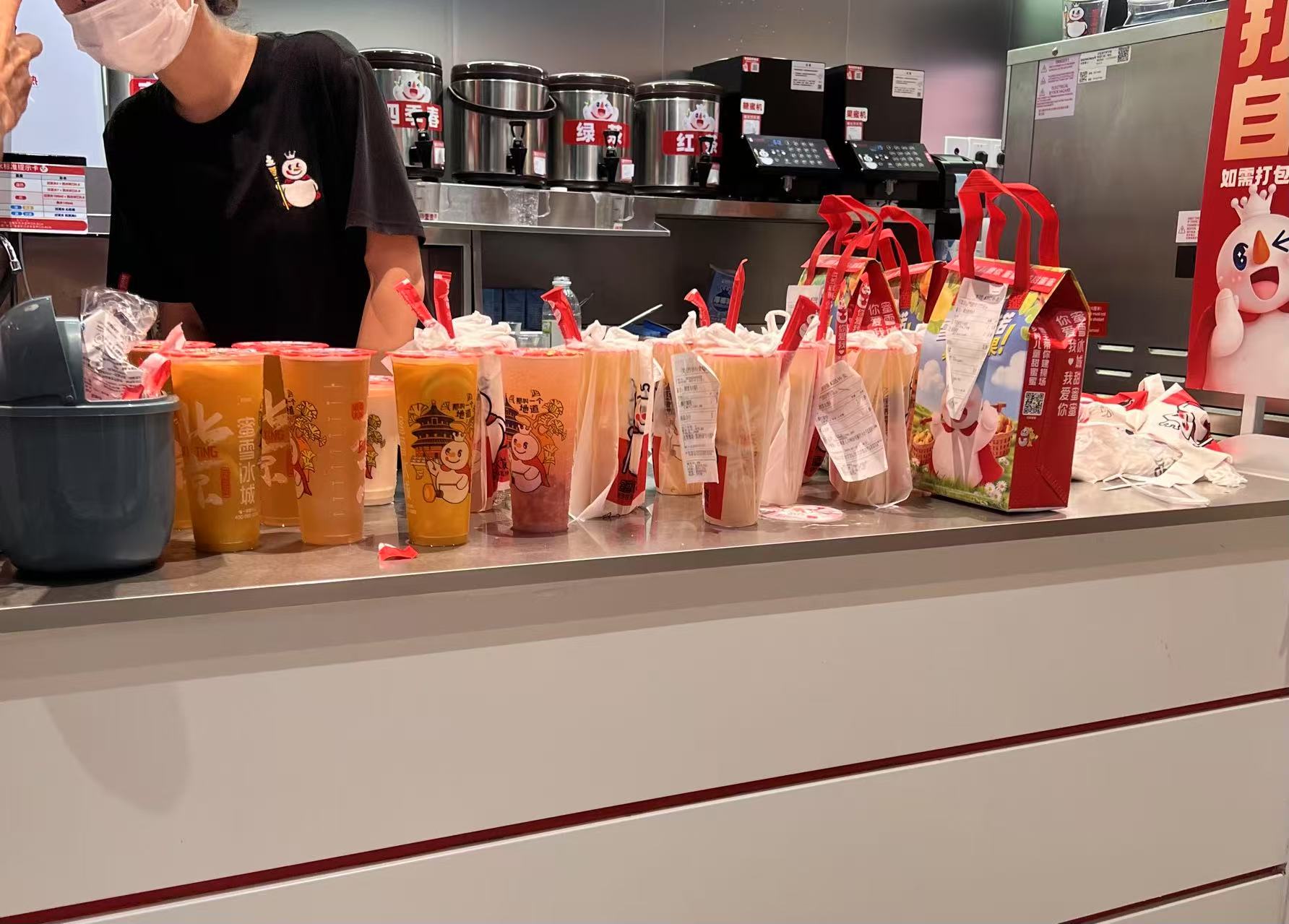
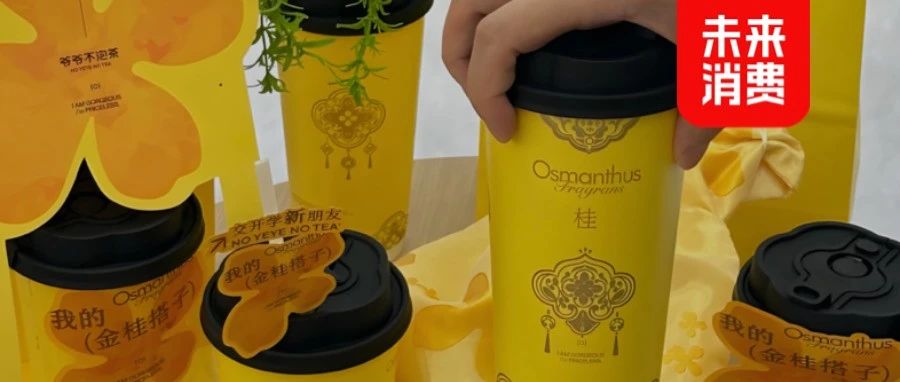
Core Viewpoint - The "Autumn Milk" promotion, initiated by Meituan, has set a new record in the takeaway industry, with Taobao Flash Sale surpassing Meituan in order volume for the first time during this event [5][6][7]. Group 1: Promotion Overview - The "Autumn Milk" promotion took place from August 7 to 10, coinciding with traditional seasonal changes and various marketing events [5]. - On the first day, Taobao Flash Sale achieved over 120 million orders, surpassing Meituan's order volume during the subsequent weekend [6]. - Both platforms did not set specific order targets, focusing instead on testing peak order volumes and enhancing team capabilities [7]. Group 2: Market Dynamics - The promotional period was extended to 10 days, leading to increased preparation time for brands, with many top brands starting their preparations 1-2 months in advance [8]. - Market share among takeaway platforms has shifted, with Meituan and Taobao now at a ratio of 5:4, compared to the previous 7:3 split [8]. Group 3: Brand Performance - Leading tea brands experienced significant growth during the "Autumn Milk" promotion, with some brands reporting over 1000% year-on-year growth in GMV [12]. - Brands like Yihe Tang prepared extensively for the event, resulting in a tenfold increase in traffic and visibility compared to previous promotions [11][12]. Group 4: Supply Chain and Strategy - Taobao Flash Sale is focusing on enhancing supply chain efficiency, particularly in non-food categories, while also increasing the density of convenience stores and flash warehouses [14][15]. - The strategy includes targeting underdeveloped markets, with significant growth in order volume and new user acquisition in rural areas [20]. Group 5: Competitive Landscape - The competition between Taobao Flash Sale and Meituan is likened to the early days of Pinduoduo challenging Taobao, with both players leveraging subsidies to capture market share [20].
全员社保:被看见的与被忽视的
36氪· 2025-08-12 09:40
Core Viewpoint - The article discusses the challenges and reforms in China's social security system, particularly focusing on the implications of the new regulations regarding social insurance contributions for flexible employment workers and the need for a more inclusive social security framework [4][5][6]. Group 1: Social Security Coverage - As of the end of 2024, China's basic pension and medical insurance systems cover approximately 1.066 billion and 1.326 billion people, respectively, marking a significant achievement in social security [4]. - The new regulations emphasize that any agreement between employers and employees to not pay social insurance is invalid, highlighting the mandatory nature of social insurance contributions [5][7]. - The current minimum social insurance contribution base is set at 60% of the average monthly wage of urban employees, which can create a financial burden for low-income workers [7][8]. Group 2: Employment and Social Insurance - The article notes that over 840 million new employment workers exist in China, representing about 21% of the total workforce, with many lacking adequate social insurance coverage [13][14]. - A significant portion of new employment workers, such as delivery riders, have low participation rates in social insurance, with over 60% of instant delivery riders not enrolled in basic pension insurance [14][15]. - The lack of social insurance among flexible employment workers is attributed to the imbalance of power between employers and employees, often leading to agreements that disadvantage workers [10][11]. Group 3: Legal and Institutional Reforms - The article highlights the need for legal reforms to address the gaps in social insurance coverage for flexible employment workers, as existing laws do not impose strict requirements on individual contractors and flexible workers [16][25]. - The introduction of pilot programs for occupational injury insurance in several provinces aims to provide some level of protection for workers in new employment forms, but these measures are seen as temporary solutions [16][19]. - The case of JD.com providing full social insurance for its delivery riders marks a significant shift in the industry, indicating a potential trend towards better social security for workers in the gig economy [17][19]. Group 4: Economic Implications - The article argues that while the short-term costs of providing social insurance may pressure profit margins, long-term benefits include enhanced competitiveness and employee loyalty [28][30]. - The median income of flexible employment workers is only 44.4% of the average social wage, which often forces them to prioritize immediate cash income over long-term social security benefits [26][27]. - The relationship between business ethics and economic efficiency is emphasized, suggesting that compliance with social insurance obligations can strengthen a company's market position and brand value [20][29].

外卖“踩刹车”?美团“堂食提振”来了,餐饮生态修复仍需多管齐下
Mei Ri Jing Ji Xin Wen· 2025-08-12 08:17
Core Viewpoint - The takeaway from the articles is that Meituan is shifting its strategy in the food delivery market by launching the "Dine-in Boost" plan to support physical restaurants and counter the impact of fierce competition from rivals like Alibaba and JD.com [1][2][3]. Group 1: Meituan's Initiatives - Meituan has initiated the "Dine-in Boost" plan, distributing in-store consumption vouchers to encourage customers to dine in or pick up food, with the cost fully borne by the platform [1][2]. - The plan currently covers 100,000 physical stores, with plans for further expansion [2]. - Meituan has also launched a support program for small and medium-sized merchants, providing financial assistance to over 100,000 small restaurants by the end of the year, with individual support reaching up to 50,000 yuan [2]. Group 2: Market Competition - The competition in the food delivery market has intensified among Meituan, Ele.me, and JD.com, leading to a collective commitment to curb excessive subsidies and promote quality and service over price wars [2][3]. - Recent data indicated that Taobao's flash sales surpassed Meituan in order volume for the first time, highlighting the competitive pressure Meituan faces [1][3]. Group 3: Industry Impact - The "takeout war" has significantly affected dine-in services, with many restaurant owners reporting a decline in dine-in traffic despite increased overall revenue from delivery [3]. - Industry experts suggest that the shift from a "traffic price war" to a "merchant value war" is underway, as Meituan aims to restore balance in the restaurant ecosystem [3][4]. - The integration of instant retail and traditional retail is seen as a way to bridge the gap between online and offline sales, fostering a complementary ecosystem [5].
美团启动“堂食提振”计划,发放进店消费券,已覆盖10万家实体门店
Xin Lang Cai Jing· 2025-08-12 08:09
今年以来,随着外卖补贴大战持续,餐饮外卖行业生态遭遇巨大挑战,大量餐饮小店遭遇连锁品牌与平 台的补贴压力,陷入经营困境。此外,巨额补贴也导致堂食出现萎缩局面。针对上述情况,美团此前已 宣布启动小店助力金计划,将为餐饮小店发放最高5万元的助力金。 美团外卖相关产品负责人表示,将 持续落实"反内卷",通过"堂食提振"计划,美团将坚持为实体门店导流,促进行业健康发展,这一计划 目前已覆盖10万家实体门店,未来将进一步扩大覆盖范围。(智通财经记者 范佳来) 8月12日,美团外卖正式启动"堂食提振"计划,首批将向全量会员发放进店消费券。 ...