茶饮

Search documents
“茶饮顶流”,变了?
3 6 Ke· 2025-07-08 23:38
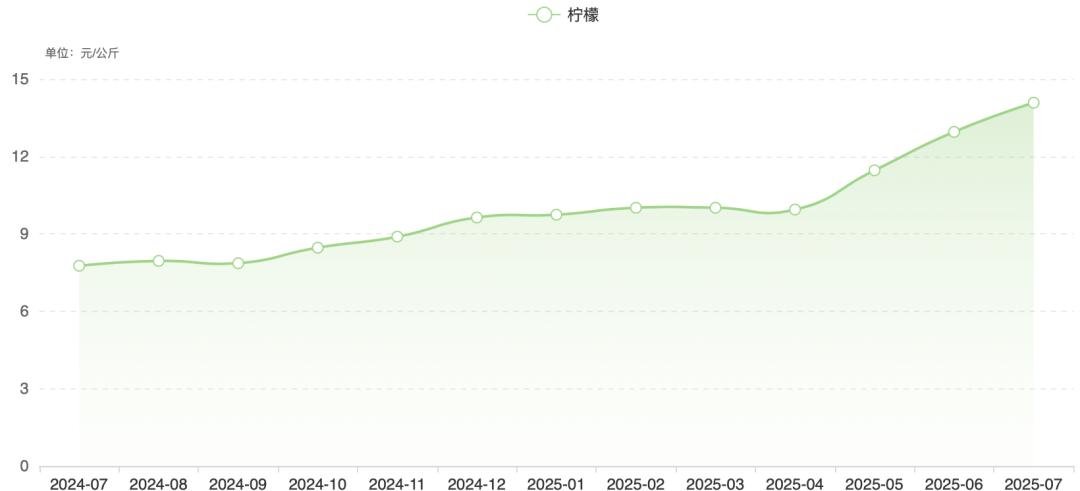
Core Insights - The price of lemons has surged significantly this summer, with wholesale prices reaching 14.08 yuan per kilogram in July 2025, up from 7.76 yuan per kilogram in the same month last year, marking an increase of over 80% [1][3][23] - The most affected variety is the yellow lemon, which has seen its price double in some regions, such as Anju County, where the price reached around 8 yuan per jin [3][23] - The rising prices are attributed to supply-demand imbalances caused by extreme weather conditions affecting lemon production in key regions like Turkey, Spain, and Sichuan, which produces over 70% of China's yellow lemons [21][23] Industry Impact - The tea beverage industry is experiencing a shift in lemon sourcing, with many brands transitioning from yellow lemons to the more stable-priced fragrant lemons due to cost pressures [24][30] - Major tea brands like Mixue Ice City and Luckin Coffee have been impacted by the rising costs, with reports indicating that some stores are now selling lemon drinks at significantly higher prices [9][20] - The demand for fragrant lemons is increasing as they are favored for their aromatic qualities, which enhance the sensory experience of tea beverages [25][30] Market Trends - The trend of using fragrant lemons is becoming more prevalent, with a notable increase in their usage in new beverage products, as evidenced by a report showing that 48 out of 201 new products contained fragrant lemons [25][30] - The market for lemon tea has expanded rapidly, with a significant increase in the number of dedicated lemon tea stores, reflecting a growing consumer preference for lemon-based beverages [27][30] - Despite the rising prices, some traditional restaurants continue to use yellow lemons for their distinct flavor in drinks, indicating a potential market segment that may resist the shift to fragrant lemons [19][30]

茶咖日报|“长得比我姥姥年纪都大”,奈雪的茶兼职员工称遭职场霸凌
Guan Cha Zhe Wang· 2025-07-08 12:31
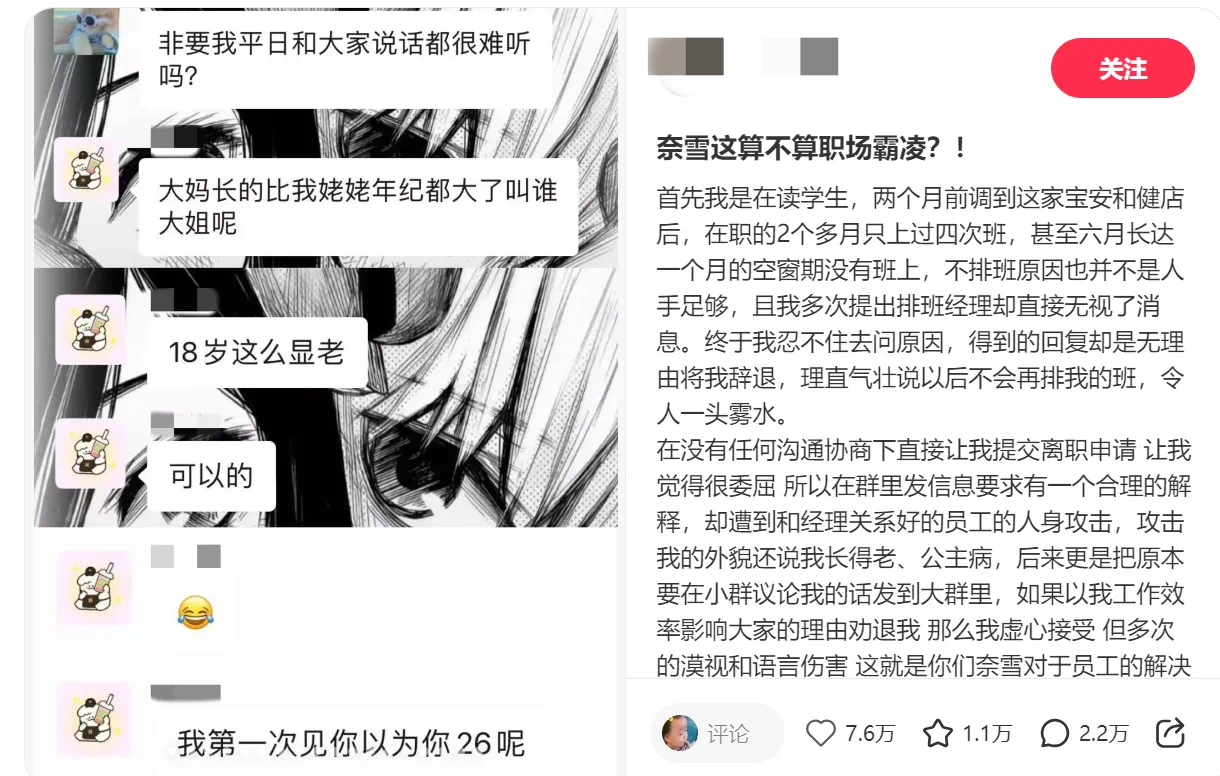
Group 1 - A part-time employee at Nayuki Tea in Shenzhen reported workplace bullying and sudden dismissal, claiming verbal abuse from staff [1][3] - The incident highlights a pattern of complaints from part-time workers at Nayuki Tea regarding poor training and management attitudes [3] Group 2 - Bawang Tea Ji opened its first tea garden-themed store in Beijing, integrating traditional architecture with modern design to create a unique consumer experience [3] - This store is part of Bawang Tea Ji's strategy to differentiate its market presence through innovative store formats [3] Group 3 - Lipton's Greater China General Manager conducted a site visit in Huangshan for a new project with an investment exceeding 50 million, aimed at improving logistics and supply chain efficiency [4][5] - The project, named Liheng Central Warehouse, is expected to generate over 20 million in annual output value upon completion [4] Group 4 - Galaxy Securities released a report projecting the coconut water market in China to reach approximately 70 billion by 2024, with a compound annual growth rate (CAGR) of about 20% over the next five years [5] - The report emphasizes the potential for growth in the coconut water category, identifying supply chain and distribution as key competitive advantages [5] Group 5 - Jia Lian Technology confirmed its provision of various packaging products to popular tea brands, including customized solutions for cups and lids [5]
古茗:进可攻,退可守,“茶饮界Costco”能笑到最后么?
海豚投研· 2025-07-08 11:23
Core Viewpoint - The article discusses the growth potential and investment value of the tea brand Guming, emphasizing its efficient store operations and management as the foundation for expansion, while also analyzing its current market position after a significant stock price increase [1][13]. Group 1: Store Operations and Management - Guming's franchise selection process is rigorous, requiring franchisees to operate stores actively, unlike competitors who attract franchisees with lower fees and less operational scrutiny [2]. - The company employs a supply chain processing model that includes pre-processing of fresh ingredients at regional centers, ensuring consistency and efficiency in product preparation [2]. - Guming has a high supervisor-to-store ratio, with 660 supervisors covering an average of 15 stores each, allowing for close monitoring and support of franchise operations [3]. Group 2: Expansion Potential - As of the end of 2024, Guming has opened 9,914 stores, indicating significant room for growth through regional densification and expansion into unentered provinces [6]. - The company faces challenges in northern and western provinces due to weaker supply chain infrastructure and lower brand recognition compared to competitors [7][8]. - Guming's potential for store openings is estimated to be between 21,000 to 22,000 stores, representing a doubling of its current footprint [12]. Group 3: Investment Value Assessment - Guming's growth strategy focuses on steady expansion, with an expected annual opening of 1,500 to 2,000 stores, primarily in lower-tier cities [13]. - Despite recent challenges, including a slight decline in same-store revenue, Guming is projected to recover and achieve a compound annual growth rate (CAGR) of 21% in revenue from 2025 to 2029 [14][17]. - The company's profitability is expected to improve, with a projected CAGR of 25% in profits, driven by enhanced operational efficiency and reduced marketing costs over time [17]. Group 4: Competitive Positioning - Guming is positioned favorably compared to competitors in the mid-range price segment, leveraging its supply chain and operational capabilities to maintain a competitive edge [23]. - The company is expected to benefit from entering the coffee market, which will provide additional revenue streams without the need for separate store operations [24]. - Overall, Guming's strategy of cautious expansion and focus on operational excellence positions it well for future growth in a competitive landscape [25].
一场「史诗级」外卖撒券大战
3 6 Ke· 2025-07-08 10:34
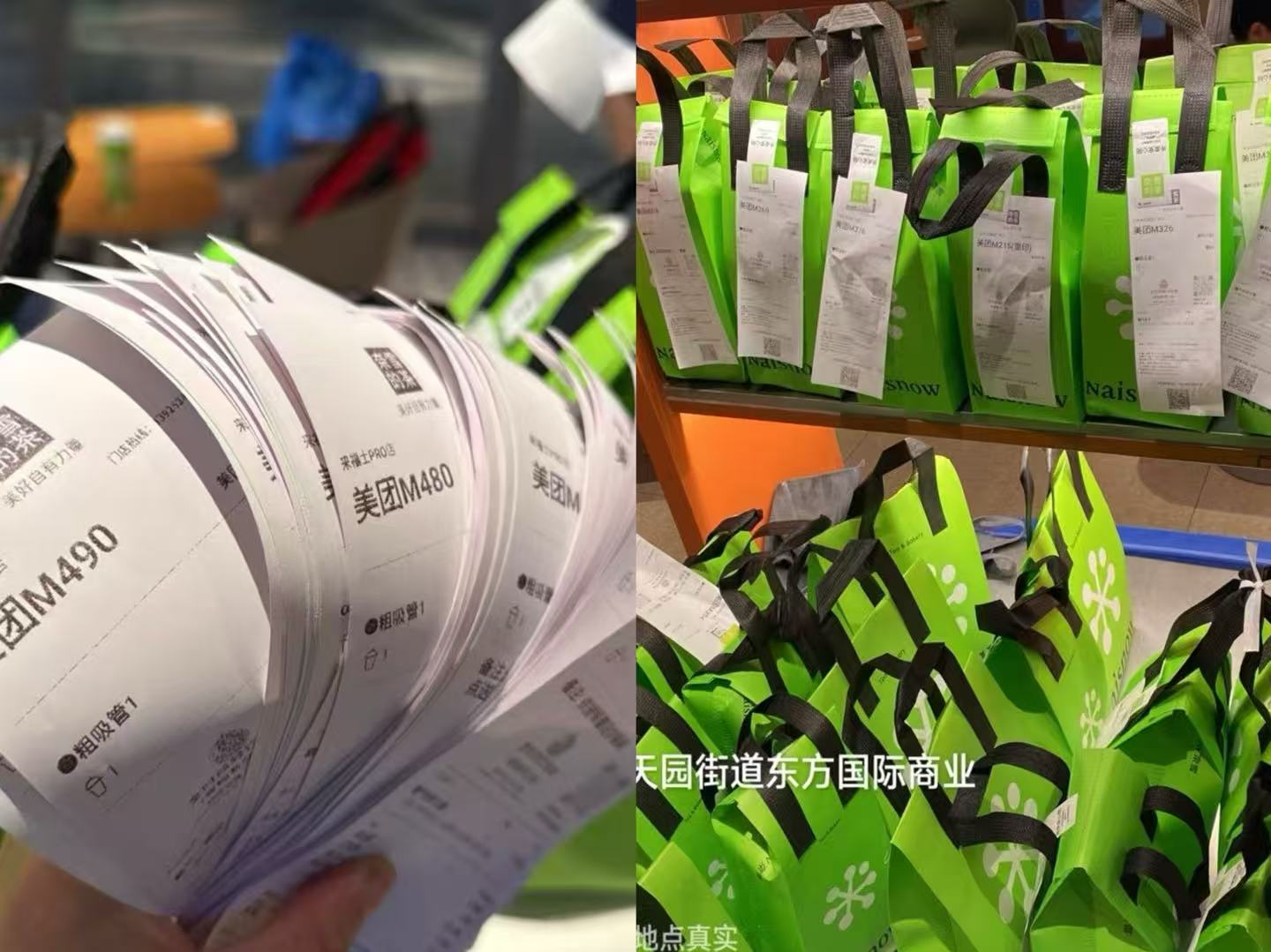
Core Viewpoint - The recent surge in orders for food delivery services, particularly in the tea and coffee sectors, has created unprecedented pressure across the entire supply chain, driven by aggressive coupon subsidies from major platforms like Alibaba and Meituan [1][2][3] Group 1: Consumer Behavior - Consumers are actively participating in the subsidy war, sharing their experiences of obtaining significant discounts and free items on social media, leading to a collective frenzy [4][6][7] - Many consumers are stockpiling drinks and food items due to the overwhelming availability of discounts, with some humorously noting the excessive consumption of sugary drinks [6][7] - The competition has led to some consumers missing out on deals due to late notifications about the offers, highlighting the chaotic nature of the promotion [7] Group 2: Merchant Experience - Merchants are experiencing extreme pressure with a sudden influx of orders, leading to overwhelmed staff and operational challenges, despite not necessarily seeing significant profit from the increased sales volume [8][9][10] - The profitability of individual orders has decreased due to the high level of discounts being offered, making it difficult for smaller businesses to sustain operations [9][10] - Some merchants have reported that the promotional strategies employed by platforms are leading to unsustainable business practices, with many considering halting their participation in delivery services [10] Group 3: Platform Dynamics - The competition between platforms has intensified, with Meituan and Alibaba's Taobao Flash Sale engaging in a fierce battle for market share, resulting in record-breaking order volumes [11][12] - On July 5, Meituan achieved a new record of 1.2 billion orders, showcasing its operational capabilities and strategic response to the competitive landscape [11] - The ongoing rivalry is prompting platforms to innovate and adapt their strategies, with indications that more aggressive marketing and promotional tactics will continue in the future [12][13]

热浪滚滚,阿里美团开战外卖茶饮
Guang Zhou Ri Bao· 2025-07-08 04:31
Core Viewpoint - The competition in the food delivery market is intensifying, with major players like Meituan and Alibaba engaging in a "subsidy war" to attract consumers and expand the instant retail market [1][2]. Group 1: Market Dynamics - Meituan and Alibaba are offering unprecedented subsidy levels to drive consumer engagement and increase order volumes, particularly in the beverage sector [1][2]. - As of July 5, Meituan reported over 1.2 billion orders in a single day, with more than 1 billion of those being food delivery orders [2]. - The competition has led to significant stock price increases for beverage companies, with notable gains for brands like Tea Baidao (up 11.04%) and Nayuki (up 3.95%) [2]. Group 2: Strategic Focus - The current subsidy strategy is aimed at not just acquiring new users but also activating existing demand, focusing on high-frequency consumption scenarios like fresh produce and daily necessities [2][4]. - Alibaba's Taobao Flash and Ele.me reported a surge in daily orders from over 10 million to 80 million within two months, indicating rapid growth in the instant retail sector [3]. Group 3: Long-term Considerations - Industry experts emphasize the importance of customer retention over time, noting that high subsidies cannot be sustained indefinitely [4]. - Future competition will likely hinge on factors such as fulfillment efficiency, supply chain capabilities, service quality, and ecosystem development, which are crucial for retaining users [4].

港股午评:恒生指数涨0.78% 恒生科技指数涨1.29%
news flash· 2025-07-08 04:02
港股午间收盘,恒生指数涨0.78%,恒生科技指数涨1.29%。港股光伏概念股大涨,新特能源涨超10%, 福莱特(601865)玻璃、协鑫科技涨超9%,信义光能涨近6%。港股中资券商股再度活跃,国泰君安国 际涨超16%,信达国际控股涨超9%。港股茶饮股延续涨势,茶百道涨超9%,奈雪的茶涨超3%。 ...
喜茶纤体瓶杀进山姆,从“被嫌弃”到品牌疯抢,食品圈都在赌下一个超级食材?
3 6 Ke· 2025-07-08 03:25
Core Insights - Kale has transitioned from being an unpopular vegetable in China to a trendy health food, driven by consumer demand for health-conscious products and effective marketing strategies by brands like Heytea [2][3][5] - The introduction of kale-based drinks by Heytea, particularly the "Super Plant Tea," has significantly increased kale consumption, with over 100,000 pounds consumed within a month of launch [5][6] - The rise of kale reflects a broader trend in the food industry towards health-oriented products, with various brands innovating around kale to meet consumer health concerns [8][10] Group 1: Market Dynamics - Heytea's marketing strategy effectively addressed the taste issues associated with kale by incorporating it into familiar beverage formats, thus enhancing consumer acceptance [3][5] - The health trend in China has been amplified by the association of kale with fitness and weight management, appealing to consumers' health anxieties [3][8] - The kale market has seen a significant increase in product offerings, with various brands launching kale-infused beverages and snacks, indicating a shift towards a more diverse product range [10][11] Group 2: Industry Innovations - The introduction of pre-packaged kale products, such as those using NFC technology, has expanded the market beyond fresh beverages, allowing for greater accessibility [6][10] - Innovations in kale cultivation and processing have improved its taste and marketability, with brands investing in quality control and new varieties to enhance consumer experience [13][15] - The success of kale in the beverage sector has led to its application in various food products, indicating a shift from immediate health benefits to regular dietary inclusion [11][26] Group 3: Global Comparisons - The rise of kale in China mirrors its earlier success in Western markets, where it became popular through culinary innovation and celebrity endorsements [15][19] - The commercial trajectory of kale in the U.S. involved a combination of taste improvement, marketing, and scientific validation, which is now being replicated in China [21][25] - The kale trend in China is part of a larger movement towards "superfoods," reflecting changing consumer preferences for health and wellness products [26][27]
茶百道、奈雪的茶、古茗、沪上阿姨,集体大涨!
新华网财经· 2025-07-08 03:23
7月8日,港股茶饮股再度拉升,截至发稿,茶百道涨超15%,奈雪的茶涨超8%,古茗涨超5%,沪上阿 姨涨超2%。 7月5日至7月6日,阿里、美团外卖大战白热化。两个平台分别发放外卖大额券,其中包括"满25减 21""满25减20""满16减16"等多张无门槛的外卖券。 东吴证券指出,本次外卖大战,各主要平台优惠券针对的价格带主要是20元左右,这常常是茶饮和低价 快餐所处的价格带;而对于50元左右高单价则优惠力度不明显。外卖茶饮龙头有望从中受益。 来源:第一财经 关注" 新华网财经 "视频号 更多财经资讯等你来看 往期推荐 李 斌:蔚来的钱都亏在明处,资产负债表非常干净 永辉超市:禁止任何员工私自推荐供应商 7月5日,"美团崩了"登上热搜。7月5日夜间,美团发布了战报,表示截至当日22时54分,美团即时零售 当日订单已经突破了1.2亿单。其中,餐饮订单已超过1亿单。 在此背景下,多家茶饮店迎来爆单。奈雪的茶方面数据显示,7月5日至7月6日周末两天外卖订单破峰 值,两天突破100万单,环比增长50%,单店最高环比增长230%。 ...

茶百道、奈雪的茶、古茗、沪上阿姨,集体大涨!
第一财经· 2025-07-08 03:09
在此背景下,多家茶饮店迎来爆单。奈雪的茶方面数据显示,7月5日至7月6日周末两天外卖订单破 峰值,两天突破100万单,环比增长50%,单店最高环比增长230%。 7月5日至7月6日,阿里、美团外卖大战白热化。两个平台分别发放外卖大额券,其中包括"满25减 21""满25减20""满16减16"等多张无门槛的外卖券。 7月5日,"美团崩了"登上热搜。7月5日夜间,美团发布了战报,表示截至当日22时54分,美团即时 零售当日订单已经突破了1.2亿单。其中,餐饮订单已超过1亿单。 7月8日,港股茶饮股再度拉升,截至发稿,茶百道涨超15%,奈雪的茶涨超8%,古茗涨超5%,沪 上阿姨涨超2%。 东吴证券指出,本次外卖大战,各主要平台优惠券针对的价格带主要是20元左右,这常常是茶饮和 低价快餐所处的价格带;而对于50元左右高单价则优惠力度不明显。外卖茶饮龙头有望从中受益。 ...
美团阿里商战,奶茶店员和骑手崩溃了
Di Yi Cai Jing· 2025-07-08 02:32
Core Insights - The recent subsidy war among major platforms like Meituan and Alibaba has led to an unprecedented surge in orders for tea and coffee products, significantly impacting both store staff and delivery riders [1][21][15] - The intense competition has resulted in record-breaking sales for many beverage stores, with some reporting order volumes doubling compared to the previous year [3][7][21] - Despite the increase in sales, the pressure on staff and delivery riders has intensified, leading to extreme working conditions and challenges in managing the overwhelming order flow [9][22][21] Group 1: Sales and Order Growth - Many beverage stores experienced a dramatic increase in orders, with some reporting a 30% week-on-week growth and a doubling of orders compared to the same period last year [3][21] - Specific stores, such as a Milk Tea shop, saw daily sales jump from approximately 13,000 yuan to 17,000 yuan, setting new revenue records [7] - The surge in orders is attributed to aggressive promotional activities, with drinks being offered at significantly reduced prices, sometimes as low as 0.01 yuan [1][7] Group 2: Operational Challenges - Stores had to rapidly increase staff numbers to handle the influx of orders, with some locations doubling their workforce from two to four employees [3][21] - The overwhelming volume of orders led to operational strain, with some stores temporarily halting services to manage the backlog [8][9] - Delivery riders faced similar challenges, with order volumes increasing by 1.5 times, leading to longer working hours and heightened stress levels [22][9] Group 3: Industry Dynamics - The competition among platforms is seen as a strategic move to capture market share in the high-frequency consumption category of tea and coffee, which is sensitive to pricing and social sharing [15][21] - The subsidy war has not only increased sales but also highlighted underlying issues in supply chain responsiveness and workforce management within the industry [22][21] - Industry experts predict that the current level of subsidies will continue until at least the end of August, but brands need to prepare for a post-subsidy marketing strategy [22][21]