
健身

Search documents
超六成受访大学生曾为“轻体”消费
Zhong Guo Qing Nian Bao· 2025-06-15 22:29
Core Insights - The article highlights the growing trend of weight management and healthy consumption among university students in China, driven by a national initiative and increasing awareness of health and fitness [2][12]. Group 1: Market Demand and Consumer Behavior - 81.37% of surveyed university students express a need for weight loss and fat reduction, with over 70% achieving their goals through exercise and healthy eating [1][3]. - The survey indicates that approximately 60% of respondents have engaged in related consumption in the past six months, reflecting a robust market for weight management products and services [2]. - The primary areas of expenditure for students include light meals and fat-reducing foods (59.80%), gym memberships and exercise courses (37.71%), and sports equipment (31.90%) [1][5]. Group 2: Motivations for Weight Management - The motivations for weight loss among students include improving physical appearance (54.97%), health concerns (25.69%), and social confidence (14.44%) [3]. - Students like Wu Nan and Ni Mengqi illustrate the dual physical and psychological benefits of fitness, emphasizing the importance of visible results in their weight management journeys [3][8]. Group 3: Challenges and Perceptions - Many students face challenges with the cost and availability of healthy food options, with basic meal sets priced around 20-40 yuan, which can be prohibitive for students [6][10]. - There is a significant concern regarding the credibility of weight loss products, with 70.20% of students recognizing issues of false advertising in the weight management market [12]. - The survey reveals that 63.14% of students trust authoritative sources for weight loss information, indicating a preference for scientifically backed advice over social media influencers [9]. Group 4: Expectations for the Market - Students express a desire for more affordable and diverse healthy food options, as well as better access to fitness resources and educational programs on nutrition [13][14]. - There is a call for stricter regulations on weight loss products and clearer labeling of ingredients and side effects to ensure consumer safety [14].
为什么力量训练又重新流行了?
3 6 Ke· 2025-06-05 02:54
Core Insights - Strength training is experiencing a resurgence in popularity, becoming a mainstream fitness trend rather than a niche activity [1][4][21] - The shift in fitness culture is evident as more individuals, including women, are engaging in strength training, with a notable increase in participation and acceptance [5][16][21] Industry Trends - Social media platforms are driving the popularity of strength training, with significant growth in related content, such as "female strength training" notes on Xiaohongshu increasing by over 150% in a year [1] - Fitness facilities are adapting to this trend, with more training studios opening and traditional gyms incorporating strength training equipment into their offerings [1][5] Brand Strategies - Major brands like lululemon, adidas, and Nike are expanding their product lines to include strength training apparel and equipment, indicating a shift towards making strength training a part of everyday life [4][10][19] - The introduction of specialized training programs and equipment, such as Nike's "Strength Training Studio" and adidas's redesigned footwear, reflects the growing emphasis on strength training as a key market segment [10][19] Consumer Behavior - The perception of strength training is evolving, with more individuals recognizing its benefits for overall health, emotional stability, and body control, moving beyond traditional views of it being solely for bodybuilders [14][16][21] - Home fitness is also adapting, with consumers increasingly investing in strength training equipment for personal use, such as dumbbells and kettlebells, as part of their home workout routines [7][8] Market Opportunities - The rise of strength training presents new opportunities for the fitness industry, with a focus on light strength training becoming a standard practice, particularly for beginners and women [22][26] - The global fitness trend rankings indicate that traditional strength training remains a core component, highlighting its sustained relevance in the market [22]



银发消费不应有“年龄歧视”
Jing Ji Ri Bao· 2025-06-03 22:12
Core Viewpoint - The article highlights the issue of "age discrimination" faced by the elderly in various consumer sectors, which hinders the development of the silver economy and overlooks the diverse needs of older consumers [1][2]. Group 1: Age Discrimination Impact - Age discrimination leads to the exclusion of elderly consumers from services such as gyms, travel groups, and housing rentals, primarily due to businesses' concerns over service risks associated with older individuals [1]. - This discrimination not only neglects the significant demand from middle-aged and younger seniors in areas like fitness, travel, and education but also results in a lack of market supply to meet these needs [1]. - The stereotype of elderly individuals limits innovation in products and services aimed at them, resulting in outdated designs and a narrow range of offerings that fail to cater to their diverse requirements [1]. Group 2: Solutions to Age Discrimination - To combat age discrimination, businesses should recognize the vast potential of the silver economy and focus on understanding the consumption needs of older adults, leading to targeted innovations in products and services [2]. - There is a need for improved legal frameworks to protect the rights of elderly consumers, clarifying responsibilities to alleviate businesses' concerns about potential disputes [2]. - Increased policy support is essential to enhance societal engagement in serving the elderly, including financial incentives for companies to invest in the silver economy and the development of innovative insurance products to mitigate risks associated with elderly consumption [2].
24小时无人健身房爆火:“无推销”成核心竞争力
Qi Lu Wan Bao Wang· 2025-05-29 12:41
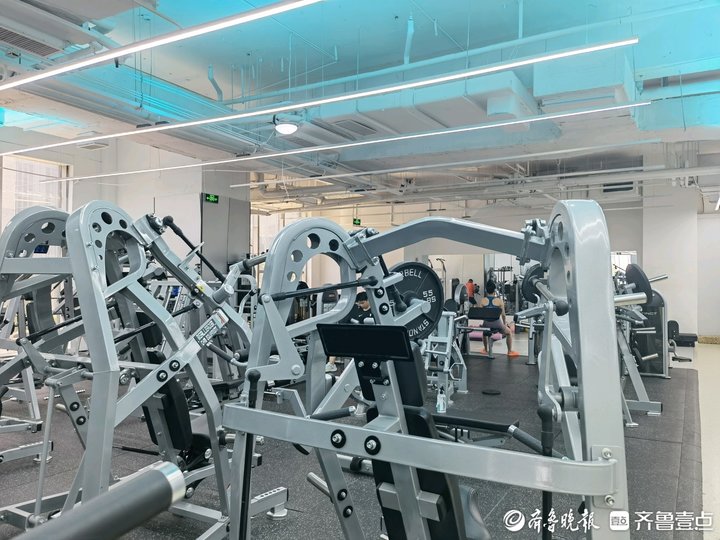
Core Insights - The rise of 24-hour self-service gyms, characterized by "no sales pressure" and "full self-service," is rapidly gaining popularity among fitness enthusiasts across China [1][2][5] - The number of such gyms has exceeded 12,000 by the end of 2023, marking an 85% increase since 2021, with 70% of new gyms located in first and second-tier cities [2][3] - The fitness market is transitioning from "wild growth" to "refined cultivation," with traditional gyms facing challenges due to prepayment models, while self-service gyms and monthly payment models are becoming more prevalent [2][3] Industry Trends - The appeal of "no sales pressure," "pay-per-use," and "flexible hours" particularly attracts the 20-35 age demographic [3] - In Jinan, the number of 24-hour self-service gyms has reached approximately 50, indicating a competitive and expanding market [3] - The emergence of self-service gyms has not diminished the value of fitness trainers; instead, it has created opportunities for trainers to offer services on-demand without sharing revenue with gyms [4] Future Projections - The fitness industry is expected to evolve towards greater intelligence and all-scenario services, with predictions indicating that the smart fitness equipment market in China will exceed 50 billion yuan by 2025, with an annual growth rate exceeding 20% [4]
乐刻健身房里就该加麻将桌
半佛仙人· 2025-05-29 04:35
Core Viewpoint - The article suggests that integrating a Mahjong table into fitness centers like LeKe could enhance member engagement and motivation, making workouts more enjoyable and less of a chore [2][6][10]. Group 1: Fitness Industry Insights - The primary issue facing gyms is not the quality of equipment or professionalism of trainers, but rather the low attendance of members who often stop coming after a few visits [2][6]. - The concept of combining Mahjong with fitness activities could transform the perception of workouts from a tedious task to an engaging game, thereby attracting more members [10]. Group 2: Member Engagement Strategies - By introducing a Mahjong table, gyms can leverage the competitive nature of members, encouraging them to participate in fitness activities through game-like penalties and rewards [6][10]. - The article emphasizes that modern individuals are more motivated by immediate gratification rather than delayed rewards, suggesting that integrating fun elements like Mahjong can drive attendance and participation [10]. Group 3: Competitive Landscape - The biggest competition for fitness centers may not be other gyms, but rather places like Mahjong parlors, indicating a shift in how fitness facilities need to think about their offerings [7][10]. - The integration of leisure activities such as Mahjong could help gyms maintain a vibrant atmosphere, especially during off-peak hours, thus increasing overall member retention [10].

济南预付宝“加持”,健身消费“套餐”更多元
Qi Lu Wan Bao Wang· 2025-05-27 13:01
Core Viewpoint - The introduction of monthly gym memberships in Jinan provides consumers with more flexible payment options, addressing concerns over prepayment risks associated with annual memberships [3][10]. Group 1: Monthly Membership Options - Many gyms in Jinan now offer monthly memberships alongside annual and seasonal options to cater to diverse customer needs [4][5]. - GT Gym offers monthly memberships priced at over 600 yuan, while another location offers a monthly rate of 399 yuan, with installment options available for annual memberships [5]. - Latte Gym provides a monthly membership for 299 yuan, with a continuous monthly option at 180 yuan, contingent on a 12-month commitment [7]. Group 2: Prepayment Security Measures - The "Jinan Prepayment Treasure" initiative was launched to enhance the security of prepaid consumer funds, with 15 gyms participating in this program [10][12]. - The program ensures that consumer funds are monitored by a platform, releasing payments to merchants as services are rendered, while also allowing merchants to apply for loans based on prepaid funds [10][12]. - As of May 25, 2185 businesses have successfully joined the "Jinan Prepayment Treasure," including 15 in the fitness sector [12]. Group 3: Government and Market Regulation - The Jinan market supervision authority encourages businesses to join the "Prepayment Treasure" platform to implement trust-based regulation for prepaid consumption [15]. - The introduction of monthly memberships is a strategic decision by businesses, with no mandatory requirements imposed by government authorities [15].
从第五消费时代思考到AI应用与可选消费如何布局
2025-05-20 15:24
Summary of Conference Call Notes Industry Overview - The conference call discusses the **Chinese consumer market**, highlighting its transition into a new consumption era characterized by emotional consumption and the integration of AI applications. [1][2][5] Key Insights and Arguments - The **fifth consumption era** in China emphasizes "well-being," which includes both physical and emotional health, leading to a diversification of emotional consumption patterns, especially in first-tier cities. [1][7] - The **media sector** is positioned as a dual attribute of technology and discretionary consumption, benefiting from both new consumer trends and AI applications, which are expected to drive valuation reassessment. [1][6][10] - **Policy support** from the government is crucial in driving market growth, with a focus on urban renewal and the application of new technologies to stimulate economic activity. [1][9] - The **Japanese experience** in transitioning through consumption eras serves as a model for China, particularly in understanding consumer behavior and the importance of emotional value in purchasing decisions. [2][3][6] Emerging Trends - Emotional consumption is gaining traction as it reflects changes in social and economic cycles, aligning with the "well-being" concept introduced in Japan's fifth consumption era. [8] - The **rise of new consumer demands** in sectors such as beauty care, fitness, and card games is noted, particularly in lower-tier markets, indicating potential growth opportunities. [1][5] Important but Overlooked Content - The **impact of AI and new media** on the media sector is highlighted, with a focus on the integration of AI applications in enhancing consumer engagement and content delivery. [3][10] - The **China Securities Regulatory Commission's** policies on mergers and acquisitions are expected to invigorate the market, allowing companies to leverage strategic partnerships for growth. [3][11] - Specific **media sector companies** to watch include cinema chains like Wanda Film and Hengdian Film, as well as companies involved in IP derivatives and digital marketing, indicating a diverse investment landscape. [12][13] Conclusion - The conference call emphasizes the importance of understanding the evolving consumer landscape in China, driven by emotional values and supported by government policies, while also recognizing the potential of AI applications in reshaping the media sector. [1][2][10]




六十五岁以上不接待?银发消费岂能一拒了之(民生观)
Ren Min Ri Bao· 2025-05-19 21:47
Core Viewpoint - The aging population, particularly those aged 65 and above, presents a significant opportunity for consumption growth, necessitating the removal of age discrimination in service provision and the optimization of consumption scenarios to better cater to this demographic [1][2][3]. Group 1: Market Potential - By the end of 2024, the population aged 65 and above in China is expected to exceed 200 million, accounting for 15.6% of the total population [1]. - The average life expectancy for Chinese residents is projected to reach 79 years in 2024, indicating that many seniors are healthy and willing to engage in consumption [1]. Group 2: Service Adaptation - Businesses should adapt their services to meet the needs of older consumers rather than rejecting them based solely on age, which can be seen as age discrimination [1]. - Examples of service adaptations include installing handrails in swimming pools and creating dedicated swimming lanes for seniors [1]. Group 3: Legal and Policy Framework - There is a need for improved legal regulations to eliminate age discrimination against older consumers and to create a fair market environment [2]. - Tax incentives and subsidies could encourage innovation in services targeting the elderly, such as insurance products tailored for fitness and housing [2]. Group 4: Consumer Responsibility - Older individuals are encouraged to take responsibility for their health and assess their physical condition when engaging in consumption activities [2].
逃离健身房的户外小白,开始逃回来了
Hu Xiu· 2025-05-19 00:16
Core Insights - The article emphasizes the importance of indoor training for outdoor sports enthusiasts, particularly beginners, to build foundational strength and prevent injuries [32][33][36] - It highlights the specific physical requirements for various outdoor activities such as hiking, cycling, and climbing, indicating that these activities demand a certain level of fitness and stability [18][19][24] Group 1: Outdoor Activities and Training Needs - Hiking beginners often face challenges such as significant elevation gain and the need for proper ankle stability and leg strength, which can lead to discomfort if not adequately prepared [8][9][18] - Cycling requires maintaining a specific posture for extended periods, necessitating core strength and stability to avoid discomfort in various body parts [5][12] - Each outdoor sport has unique physical demands, and participants must engage in targeted training to meet these requirements effectively [13][18][19] Group 2: Importance of Indoor Training - Indoor training is essential for building the necessary strength and stability for outdoor activities, as it allows for focused workouts that can enhance performance [6][30][32] - Many outdoor enthusiasts initially resist indoor training due to perceptions of it being boring, but it is crucial for injury prevention and performance improvement [30][32] - The article suggests that consistent indoor training can lead to significant improvements in outdoor performance, as seen in various personal anecdotes [35][36] Group 3: Trends in Outdoor Enthusiasts - A significant portion of outdoor enthusiasts are beginners, driven by interest and recommendations, but they often lack the foundational skills required for their chosen activities [32][33] - There is a growing trend among individuals to seek strength training to enhance their performance in various sports, moving from aesthetic goals to performance-oriented objectives [33][34] - The article notes that even experienced participants can benefit from incorporating strength training into their routines to achieve new levels of performance [34][35]
预付式消费不能透支信任
Jing Ji Ri Bao· 2025-05-18 21:55
Group 1 - Prepaid consumption has become popular in various sectors such as fitness, education, and beauty services, offering convenience and discounts to consumers, but it also carries risks like service reduction, refund difficulties, and business closures [1] - The implementation of the Supreme People's Court's interpretation on civil disputes related to prepaid consumption aims to address consumer rights violations, including issues like "running away with funds" and "unfair contract terms," thereby enhancing consumer protection [1] - Strengthening regulatory and enforcement measures is essential, including the establishment of a monitoring platform for prepaid consumption that utilizes big data and cloud computing to oversee business operations in real-time [1] Group 2 - A healthy market ecosystem requires collective efforts from society, including the establishment of a blacklist sharing mechanism by industry associations and regular credit ratings for businesses to guide consumer choices [2] - Introducing third-party safeguarding mechanisms, such as a prepaid fund custody system, is crucial to ensure the safety of consumer funds, along with encouraging businesses to purchase prepaid consumption insurance for consumer protection [2] - Enhancing consumer awareness and education about prepaid consumption risks is vital, necessitating a multi-channel approach to cultivate public risk awareness [2]