
新能源

Search documents
【光大研究每日速递】20260317
光大证券研究· 2026-03-16 23:06
Core Viewpoint - The article discusses the potential investment opportunities in various sectors amid rising concerns of "stagflation" in overseas economies, suggesting a focus on upstream resource products, essential consumer goods, and sectors benefiting from government policies and technological advancements [5]. Group 1: Investment Strategies - In the event of stagflation, upstream resource products such as oil, coal, non-ferrous metals, and agricultural products are recommended as core holdings [5]. - Essential consumer sectors including food and beverage, pharmaceuticals, and essential retail are highlighted as stable investment options [5]. - The article suggests exploring hard technology sectors like semiconductors, aerospace, high-end equipment manufacturing, and AI computing as flexible investment choices, alongside traditional and new infrastructure related to government spending [5]. Group 2: Market Performance - The article notes that the domestic equity market showed mixed performance, with the ChiNext Index rising by 2.51% [6]. - New energy-themed funds outperformed, with a net value increase of 4.22%, while other sector-themed funds experienced declines [6]. - The issuance of public funds, particularly FOF products, has been robust, with 30 new funds established, including 7 FOF funds [6]. Group 3: Sector-Specific Insights - The article mentions that oriented silicon steel prices have increased for the first time since October 12, 2024, indicating a potential upward trend in metal prices [7]. - The construction materials sector is experiencing significant price increases, with a focus on traditional materials and new materials, particularly in the fiberglass and electronic fabric segments [9]. - The disposable glove industry is expected to see price increases, benefiting domestic leading companies due to cost control and market share expansion [10].

今天V型反弹的几个原因
表舅是养基大户· 2026-03-16 13:37
Core Viewpoint - The article discusses the strong performance of Hong Kong stocks, particularly the Hang Seng Technology Index, amidst rising oil prices and highlights the potential investment opportunities in the Chinese market driven by various factors [1][4]. Group 1: Market Performance and Influences - The Hang Seng Technology Index has outperformed globally, with significant gains noted in the context of rising oil prices [1]. - Michael Burry's bullish stance on the Hang Seng Technology Index has been validated by recent market movements, indicating a positive sentiment among investors [3]. - The strong performance of Hong Kong stocks has contributed to a V-shaped rebound in A-shares, driven by several key factors [4]. Group 2: Capital Inflows and Sector Performance - There are rumors of increased capital inflows from the Middle East into Hong Kong stocks, driven by a demand for safe-haven assets [5]. - Specific stocks like CATL and BYD have shown strong performance in both A-shares and H-shares, with H-shares outperforming [7]. - CATL's H-shares have surged over 35% since the onset of the Iran conflict, indicating a significant premium over its A-shares [9]. Group 3: Semiconductor Sector and Economic Data - The semiconductor sector has been a key driver of the market's V-shaped rebound, particularly following breakthroughs by Huahong in 7nm chip technology [12][13]. - Positive macroeconomic data for January-February has exceeded expectations, with notable growth in consumer spending, particularly in the food and beverage sector [16][18]. - The retail sales data for January-February shows a total of 86,079 million yuan, with a year-on-year growth of 2.8%, indicating a recovery in consumer confidence [21]. Group 4: Real Estate Market Trends - The real estate market in first-tier cities appears to be stabilizing, with a reduction in the rate of price declines [23]. - Recent data indicates that the decline in real estate prices is narrowing, which is crucial for maintaining consumer confidence and supporting the stock market [24]. - The trend suggests that high-quality properties in prime locations will be the future focus of the real estate sector, rather than a broad market recovery [28]. Group 5: Geopolitical and Economic Risks - The ongoing geopolitical tensions in the Middle East continue to pose uncertainties for the market, particularly with rising oil prices impacting economic stability [34][39]. - Institutional investors are currently exhibiting cautious behavior, with significant fund redemptions observed, indicating a risk-averse sentiment [40][42]. - The potential for price increases in consumer electronics due to rising storage chip costs could impact market dynamics, particularly for lower-end brands [44].

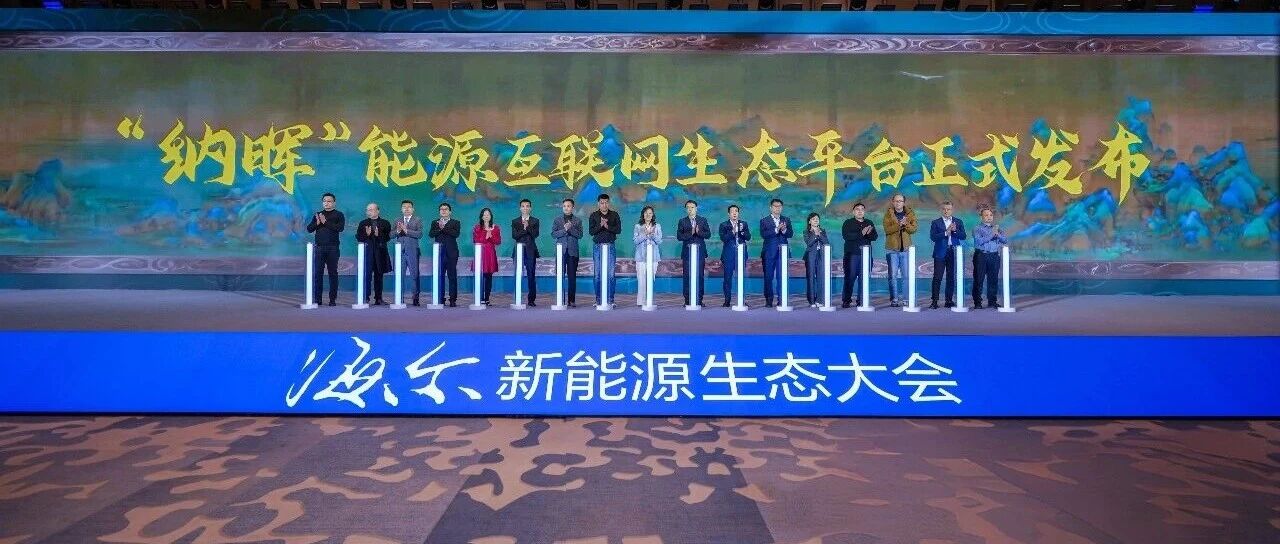
海尔新能源以数智生态驱动行业高质量发展
中国能源报· 2026-03-16 10:52
Core Viewpoint - Haier New Energy has launched the "Nahui" energy internet ecosystem platform, which integrates AI technology with the energy industry to support the construction of a new energy system and promote green low-carbon transformation [3][5]. Group 1: Platform Features and Innovations - The "Nahui" platform transitions energy supply from "single supply" to "multi-collaboration" and from "passive response" to "intelligent prediction," providing a full-link, full-scenario energy value closed loop [3][5]. - The platform utilizes a "cloud-edge-end" three-tier intelligent architecture, where the cloud acts as the "brain," edge devices serve as the "small brain," and terminals function as sensory ends, enabling digital, networked, and collaborative upgrades [6][7]. Group 2: Market Trends and Policy Alignment - User demand for energy services is shifting from single electricity supply to comprehensive energy efficiency enhancement and value addition, with on-site consumption and carbon management becoming necessities [5]. - The platform aligns with national policies aimed at integrating AI with energy, with goals set for 2027 and 2030 to establish a robust innovation system and achieve world-leading levels in AI applications within the energy sector [5]. Group 3: Business Strategy and Global Expansion - Haier New Energy is focusing on digital intelligence operations and overseas expansion, having extended its business footprint from over 30 domestic provinces to more than 70 countries and regions across Europe, Southeast Asia, South Asia, and Africa [9]. - The company emphasizes a differentiated development path based on "digital intelligence, integration, and full-cycle asset operation," aiming for high-quality growth through three strategic curves: solidifying the foundation, iterating microgrid solutions driven by AI, and creating long-term value through full-cycle asset operations [9]. Group 4: Future Outlook - The energy industry is experiencing rapid changes due to policy adjustments, technological iterations, and innovative models, necessitating a user-centered approach and technological innovation to seize opportunities [10]. - Haier New Energy aims to continue collaborating with upstream and downstream ecosystem partners to address industry challenges and contribute to green low-carbon transformation and the construction of a new energy system [10].
对冲油价上行的四条配置思路
摩尔投研精选· 2026-03-16 10:19
Group 1 - The article discusses four strategies for hedging against rising oil prices, emphasizing that high inflation may weaken non-US assets while making Chinese assets more attractive due to lower dependency on oil [1][2] - The ongoing rise in oil prices is expected to drive up prices in the basic chemical and related agricultural sectors, with oil prices remaining the primary trading focus [1][2] - The article highlights the impact of soaring energy prices, suggesting a dual focus on coal and renewable energy construction, particularly in storage, wind, solar, lithium batteries, and grid infrastructure [2] Group 2 - The steel industry is undergoing a significant transformation due to policy changes and geopolitical factors, with domestic emission reduction policies marking the practical implementation of carbon neutrality [3] - The article notes that the overseas steel supply-demand balance is expected to reverse by 2024, with a projected shortfall rate of -2.3% by 2025, driven by high energy costs affecting overseas electric furnace production [3][4] - China's crude steel production peaked around 2020, with a compound annual growth rate of -1.43% expected from 2020 to 2024, and a target of approximately 850 million tons by 2030 [4]

【华创策略】十五五专栏看行业配置线索
Huachuang Securities· 2026-03-16 07:45
Core Conclusions - The report highlights the dual emphasis on "technology" and "international" in the latest five-year plan, indicating a strengthened focus on technological self-reliance and open cooperation, while also prioritizing the enhancement of development efficiency and solidifying industrial foundations [3] - The analysis of policy intensity reveals an increase in the focus on "new quality productivity," "strong domestic economy," "cultural construction," "population development," "green development," and "safe China," reflecting a heightened concern for sustainable development and social stability [6][11] - The report identifies over 100 specific industry allocation clues under 15 major themes, with a focus on sectors such as innovative pharmaceuticals, deep-sea technology, the inaugural economy, catering and tourism, Hainan Free Trade Port, urban village renovation, vocational education, and cybersecurity, which show favorable valuation and profit matching [3] Frequency Statistics of Keywords in Previous Five-Year Plans - The report utilizes keyword frequency analysis to show that "development" and "construction" remain dominant themes across five-year plans, with "technology" and "international" entering the top twenty for the first time in the latest plan, indicating a shift towards practical guidance focused on enhancing development efficiency [4] - The report provides a detailed frequency count of keywords across different five-year plans, showing the evolution of policy focus over time [4] Chapter Arrangement and Length Statistics of Previous Five-Year Plans - The report analyzes the chapter arrangement and length of previous five-year plans, noting that the latest plan has improved rankings in chapters related to modern industrial systems, digital China, and foreign openness, with significant increases in chapter length for themes such as foreign openness and cultural construction [5] - The report highlights the percentage increase in chapter length for various themes, indicating a shift in policy focus and priorities [5] Policy Intensity Analysis - The report assesses the policy intensity of various themes, noting that "new quality productivity" and "strong domestic economy" have seen increases in both intensity and chapter length, reflecting a more proactive policy stance [6] - The report also indicates that "cultural construction" and "population development" have increased in policy intensity and length, emphasizing the importance of investing in human capital [11] - The report highlights the increased focus on "green development" and "safe China," indicating a strategic direction towards sustainable development and social stability [25]
张瑜:十大增量信息——“十五五”规划纲要学习心得
一瑜中的· 2026-03-16 07:35
Economic Goals - The outline states that by 2035, the per capita GDP is expected to double compared to 2020, reaching a level comparable to that of medium-developed countries, with an average annual growth rate of 4.17% over the next decade [3][16]. Major Goals - The "15th Five-Year Plan" outlines 20 major goals, including maintaining GDP growth within a reasonable range, increasing the proportion of nursing beds in elderly care institutions, and improving the enrollment rate of children under three years old [4][17]. Major Projects - A total of 109 major projects will be implemented during the "15th Five-Year Plan," focusing on enhancing industrial capabilities, fostering new industries, and advancing cutting-edge technology [5][19]. Integration of Technology and Industry - The outline emphasizes the deep integration of technological innovation and industrial innovation, including the establishment of a corporate R&D reserve fund and support for high-quality tech companies to go public [6][22]. Digital China Development - The outline includes significant new content on advancing digital China, emphasizing the strengthening of computing power facilities and promoting the iteration and innovation of models and algorithms [7][24][25]. Family-Friendly Society - A new chapter focuses on building a family-friendly society, highlighting the importance of policies that support childbirth and childcare, including flexible work arrangements for parents of young children [8][27]. Infrastructure Development - The plan prioritizes new infrastructure, renewable energy, and urban renewal, with specific targets for the construction and renovation of urban utility networks [9][29][30]. Emerging Industries - The outline mentions various emerging industries, including new energy, advanced manufacturing, and biotechnology, with a focus on building industry clusters that leverage regional strengths [10][32].
商品期权周报-20260316
Guo Tai Jun An Qi Huo· 2026-03-16 05:18
1. Market Overview - The trading volume of the market this week was 11,521,370.6, with a week - on - week increase of 0.51%, and the open interest was 8,953,943, with a week - on - week decrease of 0.01% [4]. - The trading volume of agricultural products this week was 2,487,110.4, with a week - on - week increase of 2.76%, and the open interest was 3,248,462, with a week - on - week increase of 0.16% [4]. - The trading volume of energy and chemical products this week was 7,108,318.2, with a week - on - week increase of 0.61%, and the open interest was 3,498,076, with a week - on - week decrease of 0.15% [4]. - The trading volume of black commodities this week was 531,268.4, with a week - on - week increase of 1.04%, and the open interest was 825,749, with a week - on - week decrease of 0.05% [4]. - The trading volume of precious metals this week was 325,839.8, with a week - on - week decrease of 1.22%, and the open interest was 341,823, with a week - on - week increase of 0.05% [4]. - The trading volume of non - ferrous metals and new energy products this week was 1,068,833.8, with a week - on - week decrease of 1.45%, and the open interest was 1,039,833, with a week - on - week increase of 0.14% [4]. 2. Market Data 2.1 Market Overview - The report provides the implied volatility, quantile, and skew of various commodity options, such as the implied volatility of corn options was 15.72%, and the skew was 47.0% [5]. 2.2 - 2.61 Option Data of Each Commodity - For each commodity option (such as corn, soybean meal, etc.), the report details the closing price, trading volume, open interest, volume PCR, open interest PCR, implied volatility, HV - 10 days, HV - 20 days, and skew of the main and secondary contracts, as well as the overall contract data [6][7][8]...[65].
早盘直击|今日行情关注
申万宏源证券上海北京西路营业部· 2026-03-16 02:25
首先,中东地缘事件尚未平息,不确定性因素继续压制市场风险偏好 。上周全球市场继续受到中东地缘事件的影响,总体处于调整态势。A股市场体 现出一定韧性,回调幅度相对较小,一旦局势缓和,反弹幅度也较大。 展望未来,上市公司的年报数据和1、2月份的宏观经济数据即将进入密集披露期,投资者将更聚焦基本面的数据变化,预计市场将围绕宏观数据和微 观业绩展开行情。上周市场震荡分化,日均量能下降。沪指周初先探底后回升,周四开始再次向下调整,周末收盘失守所有短期均线。深圳成指表现强于 沪市,周五收盘略低于5天均线。量能方面,上周两市日均量能约24000亿元,较前周有所下降。 上周市场热点主要集中在煤炭和新能源行业。 中证2000与沪深300的比值(归一化处理后)为1.47,较前周有所回落。从运行节奏看,沪指处于箱体 整理阶段。沪指月初创出本轮行情的新高后,向下回落并进入箱体震荡格局。从目前情况看,下方主要支撑位在60天均线附近;上方的压力位就在月初的 高点附近。周五沪指收盘于5天均线下方,需要密切关注市场能否重返短期均线之上。 风险提示: 国际地缘、贸易冲突超出预期;全球金融市场风险暴露;国内上市公司业绩增速回落超预期;全球经济衰 ...

算电协同进展如何-空间有多大
2026-03-16 02:20
Summary of Key Points from Conference Call Industry Overview - The conference call discusses the "computing power and electricity synergy" policy in China, which has become a national strategy aimed at utilizing surplus electricity from renewable energy sources to support the growing demand for AI chips and computing power [1][3][4]. Core Insights and Arguments - **Surplus Electricity Utilization**: By 2025, China's renewable energy capacity is expected to reach 1.8 billion kilowatts, leading to increased electricity wastage, particularly in the "Three North" regions and Yunnan and Guangxi, where wastage rates may exceed 50% [1][3]. - **Green Electricity Direct Connection**: The "green electricity direct connection" model can reduce electricity costs by 1-4 cents per kilowatt-hour, with extreme cases showing costs dropping from 0.3-0.4 yuan to over 0.1 yuan [1][5][6]. - **Policy Requirements**: The policy mandates that eight major computing power hubs must use at least 80% green electricity, driving centers to engage in green electricity transactions or purchase green certificates [1][11]. - **Migration of Computing Loads**: There is a clear trend of computing loads migrating westward to areas with lower electricity prices, such as Ulanqab, which offers special transmission and distribution discounts [1][4][10]. - **Storage Demand**: The demand for energy storage is driven by both policy and market needs, with mandatory storage configurations becoming a trend for green electricity direct connection projects [1][13]. Additional Important Content - **Dynamic Pricing and Decision Systems**: A differentiated transmission and distribution pricing discount for computing power centers is expected to be introduced within six months, with a refined dynamic trading decision system becoming a core software requirement for cost reduction [2][17]. - **Electricity Market Reforms**: Since 2016, China's electricity market reform has led to 62.7% of electricity being traded, with computing power centers seeking stable, reliable, and low-cost electricity supplies [3][4]. - **Economic Viability of Green Electricity Direct Connection**: Despite additional costs associated with grid fees, the green electricity direct connection model remains economically advantageous due to lower prices from third-party investments and self-built power plants [7][8]. - **Regulatory Framework**: The implementation of the 80% green electricity requirement is achieved through direct purchases in the electricity market or by buying green certificates, which have a limited impact on overall costs [11][12]. - **Future Policy Outlook**: The government is expected to introduce more attractive incentive policies to promote the green electricity direct connection model, which could significantly enhance its economic viability [9][15][20]. This summary encapsulates the key points discussed in the conference call, highlighting the strategic importance of the computing power and electricity synergy policy, its implications for the energy market, and the expected regulatory developments.
同力天启20260313
2026-03-16 02:20
Summary of the Conference Call Company Overview - The company, formerly known as Tongli Risheng, has transitioned from a traditional elevator component and metal materials manufacturer to a dual business model focusing on "elevator components + new energy" through the acquisition of Tianqi Hongyuan [2][3]. Core Business and Financial Highlights - The new energy business has surpassed the elevator segment, becoming the core profit source for the company [2][3]. - The company has signed a strategic cooperation agreement for the Qingyang Green Power Direct Connection Project, expected to generate over 3 billion yuan in annual output value upon reaching full capacity by 2025 [2][5]. - The company has a robust order backlog, with projects like the Tianjin 100MW and Chengde 300MW wind power projects already connected to the grid, contributing to revenue [2][6][7]. New Energy Business Strategy - The new energy business focuses on both existing and emerging markets, employing differentiated strategies: - In the existing market, the company targets high IRR regions to secure stable long-term returns [4]. - In the emerging market, the company aims to bind quality loads, particularly data centers, to meet the demand for new loads and nearby consumption [4]. Collaboration and Projects - The company has established several strategic partnerships: - A collaboration with Gansu Mobile to enhance clean energy consumption in information infrastructure through distributed photovoltaic and storage systems [6]. - A partnership with Hangzhou Xinfengwei to develop energy solutions for AI training centers and zero-carbon parks [6]. - The company is also working with Shell on a fully immersed liquid cooling technology for energy storage systems, with commercial operations expected by the end of 2025 [8]. Traditional Elevator Business Outlook - The traditional elevator business is expected to maintain stable profits of approximately 70 million to 80 million yuan annually, supported by policies for old elevator renovations and installations [9][10]. - The business has largely mitigated downward risks, with a focus on the replacement cycle and maintenance services [10]. Future Growth and Valuation - If the company successfully acquires the remaining 49% stake in Tianqi Hongyuan by 2026, profits could exceed 700 million yuan by 2027, leading to a valuation of around 10 times earnings, indicating significant growth potential [9].
