
服饰

Search documents
“叫我主理人”,装吗
Zhong Guo Qing Nian Bao· 2025-08-27 00:38
Core Perspective - The rise of the term "主理人" (main operator) reflects a shift in the mindset of the younger generation, who seek independence, innovation, and self-worth in their work, moving away from traditional employment models [1][2] Group 1: Emergence of "主理人" - The term "主理人" has gained popularity among young entrepreneurs, symbolizing their desire to break free from conventional job roles and create unique consumer experiences [1][2] - Young operators are redefining business spaces, integrating multiple functions such as learning experiences in cafes and combining different entertainment formats in venues [2] Group 2: Community Building - "主理人" fosters a new type of community based on shared values, transforming consumers from mere buyers into active participants and co-creators [3] - The cultural expression and lifestyle transmission inherent in "主理人" businesses create a more engaged and loyal customer base [3] Group 3: Criticism and Challenges - The identity of "主理人" has faced dilution, with some individuals misusing the title for marketing purposes without delivering quality products or services [3][4] - There is a growing trend of "pseudo-main operators" who lack genuine brand planning and quality, leading to consumer skepticism [4] Group 4: Shift in Attitude - Some young entrepreneurs are adopting more humble titles to focus on product quality rather than the allure of trendy labels, aiming to regain consumer trust [4] - The emphasis on sincerity and product excellence over superficial branding is becoming increasingly important in the competitive landscape [5]


为进穆斯林市场,连AI医疗都要做清真认证了
Hu Xiu· 2025-08-26 09:11
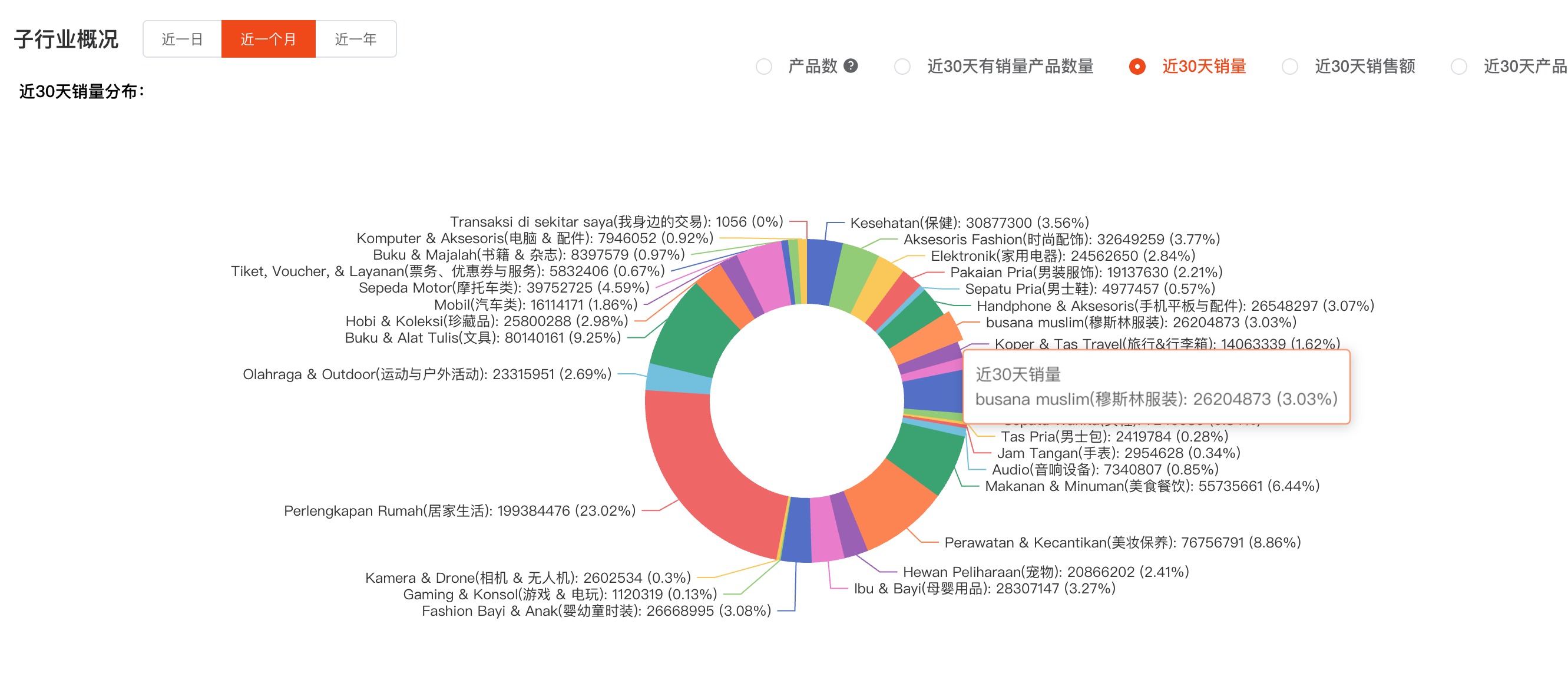
Market Size and Potential - The global Islamic finance market is projected to reach $3.18 trillion by 2024, while the halal food and beverage market was valued at $2.09 trillion in 2021, and the halal cosmetics market is expected to reach $47.7 billion by 2024 [2] - The Muslim market, with over 2 billion people, remains largely untapped by Chinese companies, contrasting with the intense competition faced by these companies in Western markets [2] Challenges and Barriers - Entering the Muslim market involves navigating cultural, religious, and commercial barriers, with many Chinese companies struggling with halal certification and local regulations [3][23] - Issues such as unfamiliarity with local contract laws and the complexities of halal certification processes have led to significant financial losses for Chinese contractors in the Middle East [3][24] Key Markets and Consumer Segments - Key markets for Chinese companies include Indonesia, Malaysia, Saudi Arabia, and the UAE, with a focus on sectors like home goods, food, beauty, and maternal and infant products [4][9] - The demand for Muslim fashion on platforms like TikTok is particularly strong, with peak sales periods around significant events like Ramadan [5][6] Halal Certification Importance - Halal certification is crucial for products that come into contact with skin or are ingested, and the certification process can be lengthy and complex, often taking up to six months [11][17] - The certification not only ensures compliance with religious standards but also signals respect for Muslim culture, which can influence consumer choices [16][18] Emerging Opportunities - The construction sector in Muslim countries is experiencing growth due to initiatives like Saudi Arabia's Vision 2030 and Indonesia's new capital plan, creating demand for infrastructure projects [9] - New technology infrastructure, such as data centers, presents additional opportunities for Chinese companies, leveraging their experience in these areas [9] Cultural and Operational Challenges - Cultural differences, such as local labor practices and religious observances, pose operational challenges for Chinese companies, requiring adaptations in management and logistics [27] - Legal complexities in contract negotiations and compliance with local laws can lead to significant risks for companies unfamiliar with the market [24][25]
品牌的敌人,从来都不是大促
虎嗅APP· 2025-08-23 13:30
Core Insights - The article discusses the development of a "Consumer Quality Index" that evaluates the quality of products based on consumer purchasing behavior, aiming to provide a clearer understanding of consumer preferences and market trends [2][5][10] - It highlights the ongoing trend of consumption upgrading in China, where consumers are increasingly willing to pay for higher quality products, even during major sales events [12][16] Group 1: Consumer Quality Index - The "Consumer Quality Index" (CBI) is the first global brand value assessment system based entirely on actual consumer purchasing behavior, filling a gap left by traditional macroeconomic indicators [5][10] - The CBI has shown a significant increase, with the index rising from 63.38 in Q1 2025 to 65.17 in Q2 2025, indicating a 2.14% year-on-year growth [10] - This index reflects a shift in consumer behavior, where a substantial portion of consumers are moving towards brands that have recently entered the top 500 rankings [10] Group 2: Consumer Behavior and Sales Events - Contrary to traditional beliefs that major sales events lead to a decline in product quality, data shows that during events like "618" and "Double 11," the CBI actually increases, indicating consumers are more discerning and willing to invest in quality [16][18] - The article emphasizes that consumers view major sales as opportunities to purchase high-quality products at discounted prices, rather than merely as clearance sales [16][17] - The psychological impact of pricing during sales events plays a crucial role, as consumers perceive significant discounts on established brands more favorably than on lesser-known brands [17] Group 3: Brand Strategy and Market Dynamics - The article argues that brands should not view participation in major sales events solely as a means to boost short-term sales, but rather as an opportunity for brand value validation and consumer relationship building [27][29] - New brands particularly benefit from major sales events, as they can gain consumer attention and feedback quickly, allowing for rapid product iteration and market entry [26][27] - The CBI serves as a scientific framework for brands to understand consumer preferences and adapt their strategies accordingly, highlighting the importance of staying connected with consumer needs and market changes [29][30]

服饰行业周度市场观察-20250823
Ai Rui Zi Xun· 2025-08-23 08:32
Investment Rating - The report does not explicitly provide an investment rating for the apparel industry Core Insights - The luxury brand market in China is experiencing a slowdown, with a 38% decrease in new store openings and a 30% decline in store renovations in the first half of 2025, yet brands like Louis Vuitton and Tiffany continue to invest in large store openings, indicating confidence in the market [4][6] - The outdoor sports brands are increasingly capturing market share from luxury brands by adopting high-end strategies and innovative designs, with a focus on enhancing customer experience [6][7] - The domestic sportswear market is facing challenges, with growth slowing to 5.9%, and major brands like Anta and Li Ning experiencing stagnation, prompting a need for strategic shifts [7][9] - The rise of natural materials in clothing, particularly linen, is becoming a trend, with a reported 3.1% increase in retail sales in the apparel sector [13] - The sunscreen clothing market is projected to exceed 80 billion yuan in 2024, driven by increased consumer awareness and demand for outdoor activities [14] Industry Trends - The perfume business is becoming a significant area for fashion brands, with the global perfume market expected to grow from $53 billion in 2025 to $77.53 billion by 2032, highlighting a trend towards high-end niche fragrances [4] - The luxury goods sector is facing a potential zero growth period globally, with a significant drop in consumer spending among Generation Z, leading to a shift towards more value-driven purchases [9] - The innerwear market is undergoing a transformation, with traditional brands struggling while new brands focusing on comfort and innovative designs are gaining traction [10] - The trend of debranding is emerging, with niche retro brands gaining popularity by emphasizing craftsmanship and authenticity [10] Brand Dynamics - Bosideng is expanding into the sunscreen clothing market, but faces challenges in maintaining high-end positioning while competing with more cost-effective options [16] - La Chapelle has successfully transitioned from bankruptcy to becoming a top seller on Douyin by adopting a brand authorization model, although it faces challenges in quality control [17] - District Vision is establishing itself in the outdoor fashion space with high-end sports eyewear, focusing on craftsmanship and sustainability [20] - Lao Pu Gold is experiencing significant revenue growth, with projected earnings of 12 to 12.5 billion yuan in the first half of 2025, driven by product optimization and channel expansion [20] - The brand GU is closing stores in China as part of a strategic realignment, indicating challenges in market penetration despite initial growth [24]

天机控股(01520.HK)盈警:预计中期亏损增加至不少于4000万港元
Ge Long Hui· 2025-08-22 09:40
Core Viewpoint - Tianji Holdings (01520.HK) anticipates an increase in losses for the six months ending June 30, 2025, projecting a loss of no less than HKD 40 million, compared to a loss of approximately HKD 28.4 million for the same period ending June 30, 2024 [1] Financial Performance - The expected increase in losses is primarily attributed to share-based compensation expenses of approximately HKD 10 million due to the granting of incentive shares [1] - Revenue decline in the apparel business is also a contributing factor to the increased losses [1] - Initial expenditures related to the expansion of new business ventures have further impacted financial performance [1] - The anticipated losses have been partially offset by a significant decrease in financial costs [1]
瞄准「精英阶层」的品牌们,盯上帆船运动
3 6 Ke· 2025-08-21 00:22
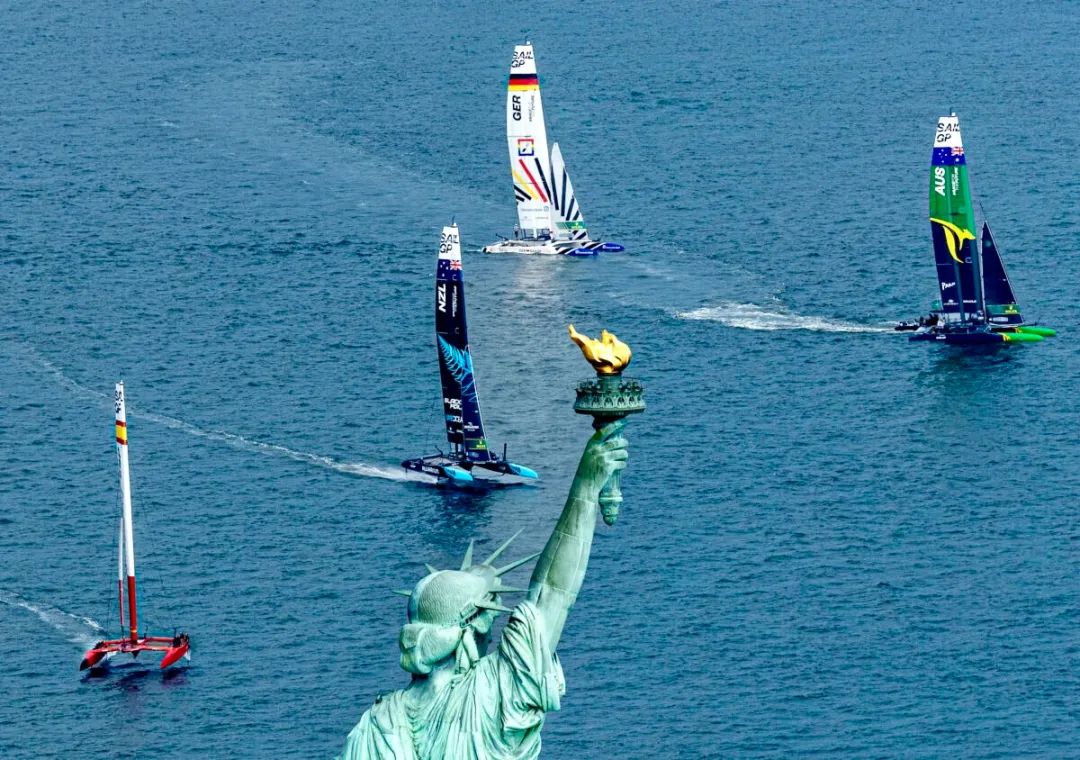
0.004%,这是我国常年从事帆船运动人群的占比。即便放眼全球,除了西方个别水上运动发达的国家,这项运动依旧小众。 但就是这样一个对绝大多数人有着遥远距离感的运动,却吸引着包括奢侈品和专业运动在内的一众品牌入局, 每 年投入高额的预算,进行深度绑定,争 取一个露出的机会。 海面之上,一场席卷精英阶层的「老钱风暴」,正在吹鼓远洋帆船的风帆。 01 "精英们的运动" 如今, 帆船运动在全球范围蓬勃发展,其独特的「精英美学」,也在更多元的舞台上持续扩散着影响力。 作为一项高投入、低普及的运动,一艘竞技级别的船只造价动辄数十万甚至上百万美元,后续的维护、泊位和保险等费用更是一笔不小的支出;光是有钱 还不够,帆船航行本身极为耗时, 登船之前,航海知识、操控技术以及气象学的学习也需要长时间的投入—— 种种因素累积起的高参与门槛,构筑了这 项运动的「精英」属性。 不仅如此,帆船运动的发展历史,也给这项运动的文化气质留下了深刻的烙印。 17世纪,痴迷海洋、热衷冒险的欧洲皇室与贵族,将帆船当作奢华的游乐方式,英国国王查理二世甚至亲自参与帆船驾驶,成为了世界上第一批帆船游艇 「运动员」,推动了帆船运动在英国的兴起。 但彼时,高昂 ...
在华多地关店!无印良品遭遇十面埋伏,“日系白月光”失色
Hua Xia Shi Bao· 2025-08-20 14:28
Core Insights - MUJI is experiencing a wave of store closures in China, including its Beijing Shimao Gong 3 store, which is set to close by August 31, 2025, amidst a changing consumer landscape that favors affordability over premium pricing [1][2] - The brand, which has been a symbol of quality for middle-class consumers since entering the Chinese market in 2005, is now facing intense competition from local brands and online channels that offer lower prices [1][3] Store Closures - The closure trend is not isolated to the Beijing Shimao Gong 3 store; other locations in cities like Shanghai, Changsha, and Suzhou have also announced closures [2] - MUJI has stated that despite the closures, it has opened 19 new stores in mainland China since 2025, maintaining a net growth strategy [2] Market Performance - As of August 18, 2023, MUJI operates 421 stores in mainland China, making it the second-largest market after Japan [3] - The East Asia division of MUJI reported a revenue increase of 14.1% for the nine months ending May 31, 2025, with profits rising by 27.5% [4] Pricing and Competition - MUJI's pricing strategy in China is perceived as high-end compared to its original positioning in Japan, which has led to a mismatch with current consumer trends favoring lower prices [4][5] - Local competitors like Miniso and Xiaomi have rapidly expanded, with Miniso reaching 7,488 stores globally, further intensifying the competitive landscape [5] Future Strategy - MUJI acknowledges the shift in consumer behavior towards quality and purpose-driven purchases, planning to enhance product quality and service competitiveness [5] - The company aims to open approximately 40 new stores annually, focusing on first, new first, and second-tier cities, while also considering potential in third-tier cities [5]
服饰企业上半年业绩曝光,哪些品类下降最大?
3 6 Ke· 2025-08-20 09:35
Group 1 - The "Guzi Economy" in China is projected to reach a market size of 168.9 billion yuan in 2024, with expectations to grow to 308.9 billion yuan by 2029, indicating a sustained upward trend in consumer spending on related products [3] - The rise of "Guzi" consumption has negatively impacted traditional apparel sales, as consumers shift their spending towards "Guzi" products, leading to a decline in clothing performance [3][5] - Among 32 listed apparel companies, 44% reported losses in the first half of 2025, with 59% experiencing a decline in performance, highlighting significant challenges in the apparel sector [5] Group 2 - In the sportswear segment, 5 out of 6 companies reported growth, with Anta, Li Ning, and Xtep International showing varying degrees of sales increases [6][9] - Anta's retail sales are expected to see mid-single-digit growth, while FILA is projected to achieve high-single-digit growth, indicating strong performance in the sportswear market [9] - 361 Degrees reported a revenue increase of 11% year-on-year, while Sanfu Outdoor also showed significant profit growth [9][10] Group 3 - The men's apparel sector is struggling, with 6 out of 10 companies reporting losses, while China Lilang remains the most profitable with a net profit of 243 million yuan [11][12] - Nine Mu Wang is expected to see a substantial profit increase of 200% to 260%, contrasting with other brands that are facing losses [12] - The women's apparel sector is performing relatively better, with only 1 out of 7 companies reporting a loss, and notable growth from brands like Langzi and Xinhe [16][18] Group 4 - The children's clothing segment is facing challenges, with all three companies reporting losses, while the lingerie sector is also experiencing declines [24][25] - The footwear and bag categories are similarly struggling, with 4 out of 6 companies reporting losses, although Tian Chuang Fashion successfully turned a profit [28][32] Group 5 - Apparel companies are actively seeking new growth avenues by optimizing online and offline channels, with some successfully reducing losses through strategic adjustments [34] - Leading companies are exploring flagship store models to enhance growth, with 361 Degrees and Taiping Bird launching innovative retail formats to attract consumers [35][37] - The focus remains on creating appealing products and effectively positioning them in the market to resonate with consumer preferences and brand loyalty [38]
科尔尼2025消费者压力指数报告:消费者不是压力太大,而是无趣太久
科尔尼管理咨询· 2025-08-19 09:40
Core Viewpoint - The article discusses the evolving consumer behavior amidst economic pressures, highlighting a shift from impulsive spending to more intentional and selective purchasing decisions. Consumers are adapting to uncertainties and maintaining a sense of control over their spending choices [2][6][21]. Group 1: Consumer Pressure Index - The latest Consumer Pressure Index report from Kearney indicates that while economic pressures persist, they have not significantly increased in most regions [2][4]. - Inflation and housing costs are identified as the two main sources of anxiety for global consumers, with rising expenses in food and energy contributing to ongoing stress [4][5]. Group 2: Changing Consumer Behavior - Consumers are transitioning from a mindset of "buying everything" to "selectively choosing," reflecting a return to a sense of control over their purchases [7][8]. - The concept of "revenge spending" has evolved into a more restrained yet powerful form of consumer expression, where individuals make conscious choices to assert their preferences in a volatile market [8][21]. Group 3: Consumer Mindsets - Consumers can be categorized into three psychological states: "Enjoyment Tribe," "Scarcity Tribe," and "Neutral Tribe," each exhibiting different spending behaviors based on external circumstances [16][11]. - The article suggests that consumers are not merely reacting to pressure but are also seeking novelty and meaningful experiences in their purchases [17][19]. Group 4: Trends and Implications for Brands - The market is entering a phase of brand consolidation, where established brands may struggle if they do not adapt to changing consumer values that prioritize relevance over mere recognition [22][23]. - Brands that focus on delivering emotional value and joy, rather than amplifying consumer anxiety, are more likely to succeed in the current environment [21][26]. - The article highlights three emerging trends: the rise of selective purchasing, the importance of emotional engagement in branding, and the redefinition of everyday value through smarter consumption [22][25][26].

报喜鸟(002154):收入下降叠加费用刚性 短期盈利承压
Xin Lang Cai Jing· 2025-08-17 00:33
Core Viewpoint - The company's mid-year earnings fell short of market expectations due to declining revenue, rigid expenses, and increased asset impairment, with a significant year-on-year profit drop of 71% in the second quarter [1] Revenue Performance - The revenue decline in the second quarter was similar to the first quarter, but the profit drop was more pronounced, indicating increasing short-term performance pressure from weak retail demand and rising costs [1] - The Haggis brand showed resilient growth with an 8.37% increase despite only two new store openings, largely driven by online sales [1] - The Baoniao brand faced significant pressure, with a 9.6% year-on-year revenue decline and four store closures in the first half of the year [1] - The Baoniao group buying business experienced a 22.53% revenue decline, exceeding previous market estimates [1] - The smaller outdoor brand Lefeiye performed well, maintaining around 20% revenue growth, indicating that outdoor apparel remains a strong segment [1] Expense Trends - Despite a challenging retail environment, the company continued to increase its expenditure for long-term development, leading to expected short-term performance challenges [2] - The acquisition of the American outdoor brand Woolrich resulted in increased expenses and intangible asset amortization, contributing to a rise in sales and management expense ratios by 3.66 and 2.27 percentage points, respectively [2] - While expenses may be slightly controlled in the second half of the year, they are still expected to pose challenges to short-term performance [2] Future Outlook - The company is one of the more mature multi-brand apparel firms in China and is expected to recover growth as consumer demand gradually improves [2] - There is optimism regarding the sustainable growth of the Haggis and Lefeiye brands, as well as positive expectations for the mid-term development of the newly acquired Woolrich brand [2] - The Baoniao brand is undergoing a transformation towards a younger and more fashionable image, which may benefit from a potential consumer recovery [2] Earnings Forecast and Investment Recommendation - Based on the mid-year report, the company's earnings forecast has been revised downwards, with expected earnings per share of 0.28, 0.34, and 0.41 yuan for 2025-2027 [3] - A target price of 4.20 yuan has been set, based on a 15 times PE valuation for 2025, while maintaining a "buy" rating for the company [3]
