
时尚

Search documents
听说要和中国打关税战,在座的欧洲各国领导人,没一个人敢吱声
Sou Hu Cai Jing· 2025-08-15 12:44
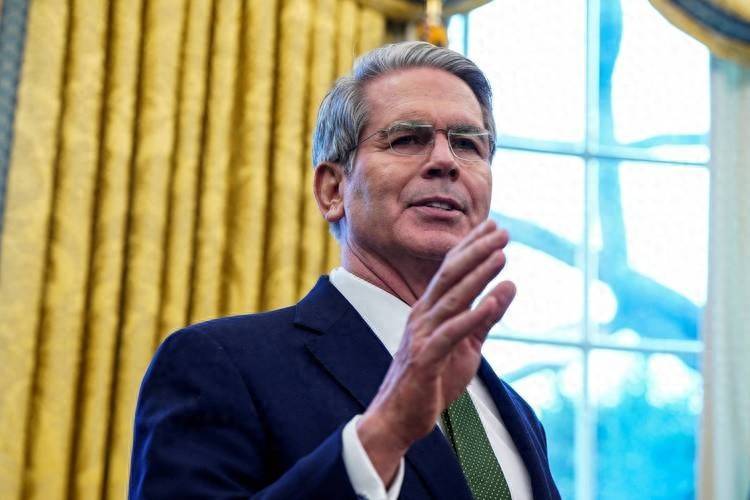
Group 1 - The core issue revolves around the potential for a 200% secondary tariff on China discussed at the G7 summit, highlighting the divisions within the Western alliance regarding trade policies and sanctions against Russia [2][3][5] - The U.S. Treasury Secretary's comments reflect a growing frustration with European leaders' reluctance to impose strict tariffs on China, despite their vocal support for sanctions against Russia [2][5][7] - European countries, particularly Germany and France, are heavily reliant on trade with China, making the prospect of high tariffs economically damaging and politically sensitive [3][5][9] Group 2 - The G7 summit revealed significant discord among member nations, as the U.S. seeks to unify allies against China while facing pushback from Europe, which fears economic repercussions [7][9] - The U.S. has been inconsistent in its approach to sanctions, with recent actions against India indicating a focus on market access rather than a unified front against Russia and China [5][9] - The situation underscores the complexities of global trade dynamics, where countries must balance their economic interests with geopolitical pressures, particularly in the context of U.S.-China relations [7][9]

从悉尼妹代言AE广告风波,看美国的文化战争
3 6 Ke· 2025-08-14 03:44
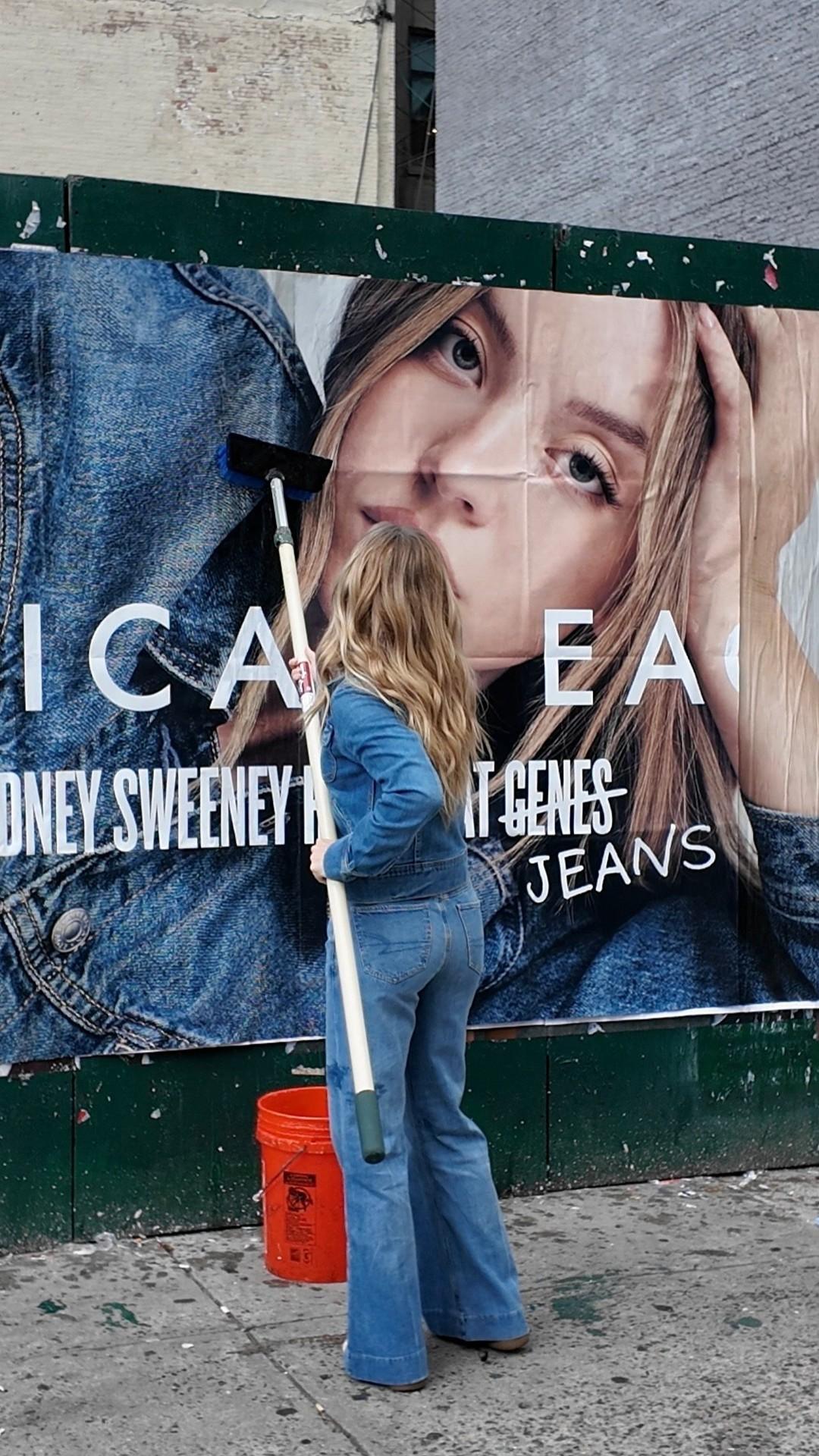
Core Viewpoint - The controversy surrounding American Eagle's advertisement featuring Sydney Sweeney highlights the cultural divide in the U.S., where marketing strategies can provoke significant public discourse and backlash, reflecting broader societal tensions [4][5][9]. Group 1: Advertisement Details - The advertisement plays on the pun between "genes" and "jeans," which sparked debate over its implications regarding race and identity [4][5]. - Critics argue that linking superior genes to a white female celebrity suggests racial superiority, while supporters view it as a humorous take [4][5][10]. - American Eagle's response emphasized that the ad was about jeans and personal stories, aiming to deflect the controversy [5][10]. Group 2: Cultural Context - The advertisement exists within the context of the "woke" versus "anti-woke" cultural battleground, where brands navigate complex social issues [5][6][9]. - The "woke" culture advocates for awareness of social injustices, while the "anti-woke" camp criticizes perceived excesses of political correctness [6][9]. - American Eagle's choice of a traditionally attractive white female model and the controversial wording reflects a subtle stance in this cultural debate [9][10]. Group 3: Marketing Strategy - American Eagle's approach can be seen as a calculated risk, leveraging controversy to generate discussion and visibility, a tactic known as issue marketing [14][15]. - The ad's release led to a significant increase in social media mentions, with a reported 18-fold rise in engagement following the controversy [18][22]. - The brand's strategy appears to resonate with younger consumers, particularly Generation Z, who value authenticity and rebellion against conventional norms [19][20]. Group 4: Market Reaction - Following the controversy, American Eagle's stock price surged approximately 23%, indicating a positive market response [18]. - Internal polling revealed that 71% of respondents found the advertisement appealing, and third-party data showed a favorable sentiment ratio of 63.7% positive to 29.4% negative [13][18]. - The advertisement's success in generating sales and brand visibility suggests that the calculated risk paid off for American Eagle [23][28].

经济大省新亮点丨创新引力更是营商磁力——上海持续成为外商投资热土
Xin Hua Wang· 2025-08-13 11:16
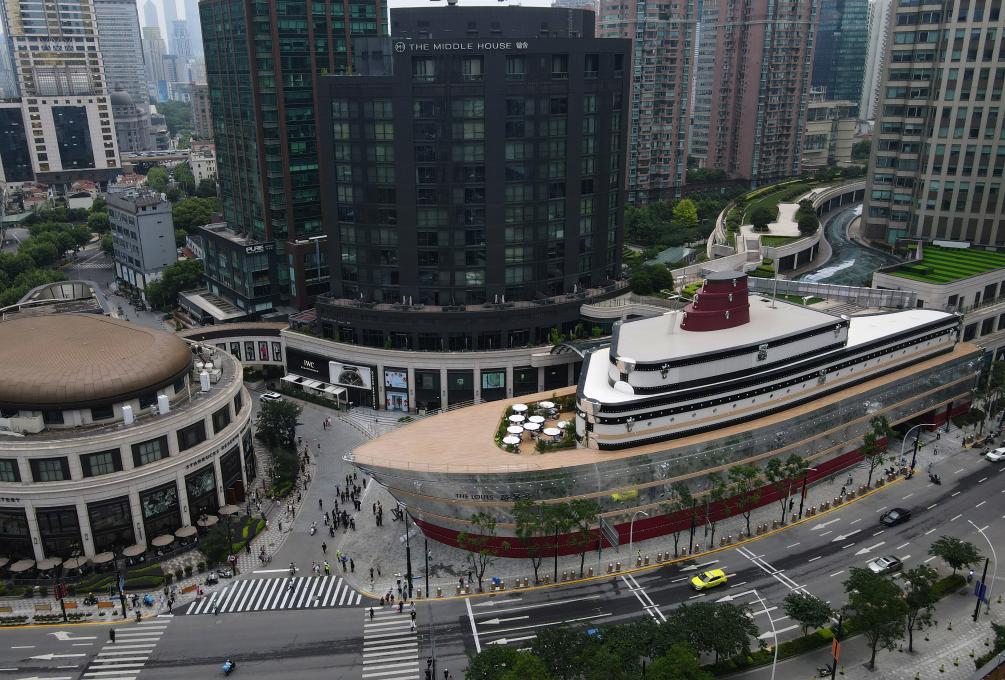
Group 1 - Shanghai has established itself as a preferred destination for foreign investment, with over 3,000 new foreign-funded enterprises and actual foreign investment exceeding $8.5 billion from January to June this year [1] - The city is home to 1,042 regional headquarters and 605 foreign-funded R&D centers, showcasing its strong appeal in the context of global economic uncertainty [1] - Recent foreign investment projects signed in Shanghai total approximately $3.68 billion, covering key sectors such as biomedicine, fashion consumer goods, finance, automotive, and business services [4] Group 2 - Notable projects include Toyota's establishment of a pure electric vehicle and battery R&D production company, and the opening of the first LEGO theme park in China, which has quickly become a new cultural landmark [2][4] - The "Shanghai speed" in project execution is highlighted by the rapid development of the Louis Vuitton flagship store, which took only six months from project initiation to opening [9] - The local government has implemented innovative measures to enhance the business environment, including specialized services and expedited processes for foreign investors [9][11] Group 3 - Foreign companies are increasingly leveraging Shanghai as a global innovation hub, with local R&D centers playing a crucial role in driving innovation and market insights [7][8] - Companies like Cabot are expanding their production capabilities in Shanghai to meet the demands of the rapidly growing electric vehicle and lithium-ion battery sectors [7] - The emphasis on intellectual property protection in Shanghai has bolstered investor confidence, as noted by LEGO's CEO [11]
SMCP - Return of the shares to European Topsoho and clarification of shareholding situation
Globenewswire· 2025-08-11 15:40
Core Points - The Singapore High Court ruled on July 4, 2025, that the 15.5% stake in SMCP, previously transferred to Dynamic Treasure Group in 2021, has been returned to European Topsoho S.à r.l. (ETS) on August 11, 2025 [1] - ETS entered bankruptcy proceedings in February 2023 and is currently under the management of a curator supervised by the Luxembourg court [1] - The return of shares clarifies the shareholding situation of SMCP, allowing the company to focus on its profitable growth strategy [2] Company Overview - SMCP is a global leader in the accessible luxury market, featuring four unique Parisian brands: Sandro, Maje, Claudie Pierlot, and Fursac [3] - The company operates in 55 countries with a network of over 1,600 stores and a strong digital presence in key markets [3] - Founded by Evelyne Chetrite and Judith Milgrom, Sandro and Maje were established in 1984 and 1998, respectively, and continue to receive creative direction from their founders [3] - Claudie Pierlot and Fursac were acquired by SMCP in 2009 and 2019, respectively [3] - SMCP is listed on the Euronext Paris regulated market under ISIN Code FR0013214145 and ticker SMCP [3]
出海下半场:在这些国家和产业里藏着赚钱机会
Hu Xiu· 2025-08-11 09:17
Group 1 - The article emphasizes the shift of focus from domestic markets to overseas opportunities as a consensus among business leaders, highlighting that "going abroad" is not as simple as a plane ticket or merely replicating domestic models [1][2] - The article introduces the "Going Abroad · 502 Series Closed-Door Meetings," designed for C-level decision-makers, focusing on practical methods and real-world case studies rather than generic trend reports [3][31] Group 2 - The first closed-door meeting will address opportunities and challenges in the Muslim industry, noting that there are over 1.9 billion Muslims globally, projected to reach 3 billion by 2030, representing a market worth over $1 trillion [4][5] - The meeting will explore local channel and brand building strategies to effectively reach Muslim consumers [6][19] Group 3 - The second closed-door meeting will focus on the Indonesian market, which is Southeast Asia's largest economy and the world's fourth most populous country, with 70% of its population under 40 years old, indicating a strong demand for diverse consumer goods [7][8] - The meeting will analyze macro trends, core market insights, and compliance challenges in the Indonesian market [9][14] Group 4 - The third closed-door meeting will discuss the Saudi market, driven by the "Vision 2030" initiative, which aims to diversify the economy away from oil dependency, with significant government investment in infrastructure and e-commerce [10][11] - The meeting will provide insights into the growth of the Saudi e-commerce market, projected to grow at an annual rate of 13.5% [11][15]

8点1氪|张女士回应被爱康国宾索赔1000万;理想汽车将追责“乱停车”等负面评价;OpenAI正式发布GPT-5
3 6 Ke· 2025-08-07 23:58
Group 1 - A lawsuit has been filed by Aikang Guobin against lawyer Zhang, claiming 10 million yuan for defamation related to false statements about the company's health check services [1] - Zhang plans to contest the lawsuit, asserting jurisdictional objections as the dispute is linked to a Beijing-based entity [1] - Aikang Guobin argues that Zhang's claims have severely damaged its reputation in the health check industry [1] Group 2 - Li Auto has announced plans to pursue legal action against negative online reviews that it claims mislead consumers and harm its brand image [1] - The company is gathering evidence to take legal steps, including civil lawsuits and criminal reports, to protect its users and corporate rights [1] Group 3 - OpenAI has launched GPT-5, its most advanced AI model, which integrates reasoning capabilities with rapid response features [2] - The CEO of OpenAI highlighted that this model allows users to create software applications using simple English prompts, enhancing accessibility [2] Group 4 - Zara's advertisements have been banned in the UK for featuring models deemed "unhealthily thin," with the Advertising Standards Authority citing concerns over body image [2] - Zara has removed the ads and stated that the models involved have medical proof of their good health during the shoot [2] Group 5 - OpenAI plans to offer a $1.5 million bonus to each employee over two years to counteract high salary offers from Meta [4] - This initiative aims to retain talent amid competitive pressures from other tech companies [4] Group 6 - Intel has reaffirmed its commitment to U.S. national and economic security, announcing significant investments in domestic semiconductor manufacturing [4] - The company has been criticized by former President Trump, who called for the resignation of Intel's CEO [4] Group 7 - The Chinese government has introduced a policy to waive childcare fees for all kindergarten seniors, benefiting approximately 12 million children [5] - This initiative aims to ensure equitable access to early childhood education across public and private institutions [5] Group 8 - SoftBank Group reported a net profit of 421.82 billion yen for the first quarter, exceeding expectations [17] - Sony Group's first-quarter net profit reached 259 billion yen, marking a 23% year-on-year increase [17] - Toyota's first-quarter net profit fell by 37% to 841.4 billion yen, with a downward revision of its annual profit forecast due to U.S. tariff impacts [17] Group 9 - The "Artificial Productivity" AI hardware company has completed a multi-million dollar seed round of financing [18] - "Lingxin Qiaoshou," a high-freedom dexterous hand enterprise, has secured hundreds of millions in angel round financing to enhance its technology and application processes [19] - "Vita Power," a consumer-grade embodied intelligence company, has also completed an angel round financing, with plans to launch its first smart companion robot by the end of the year [20] Group 10 - Google is developing a new "Action Corners" feature for Android, allowing users to trigger specific actions by moving the cursor to the corners of the screen [21] - Apple is reportedly adjusting the design of the iPhone 17 Pro series official cases to include two new lanyard holes [23]


政策驱动下的五大消费新场景
Bei Jing Shang Bao· 2025-08-07 12:27
Core Viewpoint - Consumption is increasingly recognized as a key driver of economic growth, with a series of high-quality consumption policies being introduced since 2025 to invigorate the consumption market and accelerate the development of new consumption scenarios driven by technology and policy [1] Group 1: Launch Economy - Establish a new matrix for fashion launches by accelerating the construction of international consumption experience zones and encouraging the opening of flagship and innovative concept stores [3][4] - Create a global launch center to support the establishment of flagship stores and innovative concept stores in various districts, while promoting high-profile launch events [4] - Develop new international food brands by supporting high-quality development of catering enterprises and encouraging the establishment of flagship stores for domestic and international brands [4] Group 2: Digital Consumption - Support enterprises in innovating e-commerce models, including live streaming e-commerce and instant retail, to enhance service quality and digital consumption experiences [6][8] - Encourage the integration of traditional brands with digital transformation and cross-industry collaborations to stimulate the market potential of domestic products [7] - Establish a new benchmark for digital consumption by promoting the development of digital consumption experience centers and supporting innovative activities in live streaming e-commerce [8][9] Group 3: Event Economy - Promote high-profile sports events to enhance market operation capabilities and stimulate event-driven economic vitality [10] - Focus on cultivating a system of high-quality events, including international and local competitions, to enrich related consumption products and services [10][11] Group 4: Scene Integration - Strengthen the integration of tourism with various industries, creating demonstration scenarios for industrial tourism and enhancing rural tourism infrastructure [12] - Promote the development of diverse commercial spaces and encourage innovative operational models to revitalize commercial consumption areas [12][13] Group 5: Cultural Consumption - Explore new connotations of cultural and entertainment consumption by leveraging capital cultural resources and supporting the development of online performances and exhibitions [14][15] - Encourage the construction of cultural tourism projects and enhance the integration of cultural and commercial elements in urban spaces [14][15] Group 6: Technological Innovation - Promote the deep integration of artificial intelligence and gaming industries, supporting technological innovation in game development and operations [16] - Encourage the international expansion of gaming and e-sports enterprises, providing financial incentives for significant achievements in overseas markets [16] Group 7: Characteristic Consumption Districts - Develop characteristic consumption districts by integrating historical and cultural elements, enhancing the shopping environment, and promoting local fashion brands [17]

韩政府发放消费券一周后,小微企业销售额增长2%
Shang Wu Bu Wang Zhan· 2025-08-07 06:08
据韩联社8月4日报道,韩国信用数据(KCD)4日发布统计数据显示,韩政府发放"民生恢复消费券"一 周后,小微企业销售额较前一周增长约2%,服务业销售额同比增长5.1%。从行业看,眼镜店销售额增 长57%,时尚、服装、餐饮等行业销售额增长约20%。从地区看,庆尚南道(9.4%)、全罗北道 (7.5%)、江原道(6.6%)、忠南(5.8%)、蔚山(5.8%)、大邱(5.7%)等地销售额较前一周大幅 增长,首尔(-4.0%)、济州岛(-0.8%)销售额有所下降。 KCD数据负责人姜艺源(音)表示,希望发放消费券政策能够带动更多本地企业复苏。 ...
爱马仕、普拉达业绩增长不佳;加拿大鹅喜获高增长
2 1 Shi Ji Jing Ji Bao Dao· 2025-08-04 01:29
Group 1: Financial Performance - Hermès reported a 9% sales growth in Q2, reaching €3.9 billion, with all regions showing growth [15] - Adidas achieved a 7.3% increase in net sales to €12.1 billion, with a significant 70% rise in operating profit to €1.2 billion [2] - Prada's net revenue for H1 reached €2.74 billion, reflecting a 9.1% growth at constant exchange rates [3] - Canada Goose experienced a robust start to the fiscal year with a 22.4% increase in global revenue to CAD 107.8 million [10] - L'Oréal's sales for H1 were €22.47 billion, with a 1.6% growth, and an operating profit margin of 21.1% [9] - SMCP reported a 2.7% increase in sales to €601.1 million, with growth in all regions except Asia [11] Group 2: Management Changes - Kering appointed Luca de Meo as CEO, offering a €20 million signing bonus, which positively impacted the stock price [4] - PUMA appointed Andreas Hubert as COO, aiming to streamline operations by integrating various functions [8] - Arena announced Mark Pinger as the new Chief Brand Officer, effective October 1, 2025 [8] - Jil Sander's CEO Serge Brunschwig resigned after six months in the position [14] Group 3: Brand and Market Insights - The performance of Prada's main brand declined by 1.9%, while Miu Miu surged by 49.2%, indicating a divergence in brand performance [3] - Hermès' leather goods sales grew by 14.8%, while the watch segment faced challenges with a 5.5% decline [15][16] - L'Oréal's digital transformation efforts are beginning to show results, with a growth acceleration from Q1 to Q2 [9] - The luxury market is showing resilience, with brands like Canada Goose capitalizing on strong demand [10]




Quince获融资;大悦城地产拟退市;雀巢任命在华咖啡负责人
Sou Hu Cai Jing· 2025-08-02 03:33
Financing and Valuation - Quince, a DTC luxury brand, raised approximately $200 million in its latest funding round, achieving a valuation of over $4.5 billion, doubling its valuation since the beginning of the year [3] - The funding round was led by Iconiq Capital, indicating strong confidence in Quince's business model and growth prospects [3] Business Strategy and Expansion - The funds from the latest financing are expected to accelerate product development and international expansion for Quince, strengthening its competitive position in the global market [3] Corporate Transactions - FrieslandCampina announced the sale of its Romanian business to Bonafarm Group as part of its strategy to streamline operations in Europe [5] - The sale includes the Napolact dairy brand and related production facilities, pending regulatory approval [5] Mergers and Acquisitions - The European Commission has paused its antitrust investigation into Mars' $36 billion acquisition of Kellanova, awaiting necessary data from both companies [7] - This acquisition is expected to be Mars' largest since its $23 billion purchase of Wrigley in 2008 [7] Market Dynamics - Joy City announced plans for privatization and delisting from the Hong Kong Stock Exchange, aiming to optimize its governance framework and organizational structure [9] - Adidas reported a 12% increase in global revenue for Q2, reaching €6 billion, with a 58% rise in operating profit [12] Financial Performance - Zegna Group reported a 3.4% decline in revenue for the first half of the year, with a notable drop in wholesale channel income [13] - Unilever's revenue fell by 3.2% in the first half of 2025, with plans to divest its ice cream business and lay off 7,500 employees to cut costs [17] Leadership Changes - Serge Brunschwig left Jil Sander after six months, with Ubaldo Minelli taking over as CEO to ensure strategic continuity [21] - Pamela Takai has been appointed as the head of Nestlé's coffee business in China, expected to bring significant value to the market [23]


