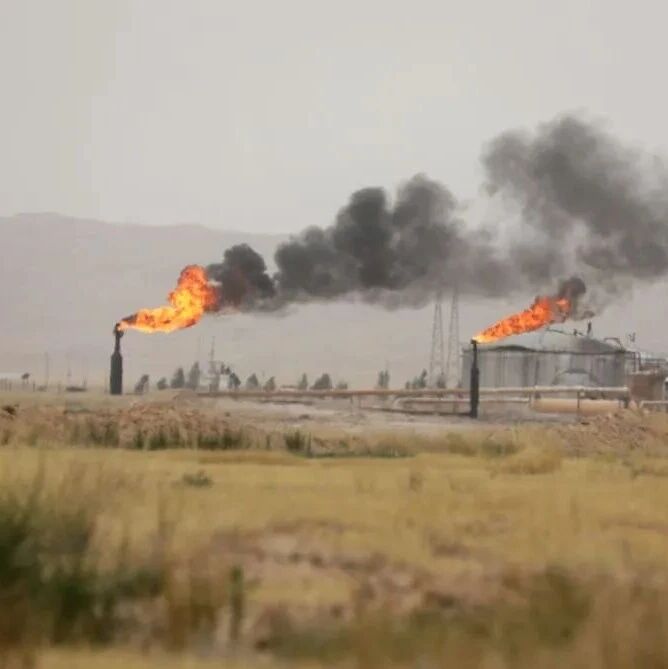
石油

Search documents
S&P 500 Index: US Stocks Slide as Oil Prices Rise and Treasuries Climb
FX Empire· 2026-03-26 18:52
Group 1 - The rise in Treasury yields, particularly as the 10-year yield approaches 5%, is influencing professional money managers to consider reallocating funds from stocks to guaranteed Treasury yields, especially in a declining market environment [1] - Professional investors prioritize overall annual returns over market fluctuations discussed on social media, indicating a potential shift towards fixed income instruments if the market signals such a move [2] - The ongoing tensions between the United States and Iran are impacting oil prices, with uncertainty surrounding the conflict affecting investor sentiment and market stability [3][4] Group 2 - Major indexes are currently at their 200-day moving averages, which is not indicative of panic but rather a normal market response involving position-trimming and profit-taking [5] - The potential escalation of conflict in the Middle East, along with sustained high oil prices (Brent crude over $100 per barrel), could lead to broader economic impacts, starting from the Middle East and affecting Asia and Europe before reaching the U.S. [5] - Inflation is being closely monitored, with concerns likely to arise if a major central bank decides to raise interest rates in response to economic conditions [5]


能源日报-20260326
Guo Tou Qi Huo· 2026-03-26 13:44
Report Industry Investment Ratings - Crude oil: ☆☆☆ (indicating a more distinct upward trend and a relatively appropriate investment opportunity currently) [2] - Fuel oil: ☆☆☆ [2] - Low-sulfur fuel oil: ☆☆☆ [2] - Asphalt: ☆☆☆ [2] Core Viewpoints - The short-term oil price has a high risk of two-way fluctuations, and the core variable determining the long-term oil price trend lies in whether the Strait of Hormuz can remain open [2] - The market for fuel oil is mainly trading on the war situation. Geopolitical factors provide support for fuel oil in the short term, and any progress in peace talks will cause wide fluctuations in the market [3] - The price trend of asphalt mainly follows crude oil. The marginal improvement of the fundamentals gives asphalt sufficient upward elasticity, and the callback space is expected to be limited [4] Summary by Related Catalogs Crude Oil - Last night's EIA data showed that US crude oil inventories increased significantly more than expected [2] - The US has stated that the negotiations with Iran are productive, while Iran denies having negotiations with the US [2] - The transportation capacity of the alternative oil pipeline in the Middle East still has a huge gap compared with the normal shipping volume through the strait [2] - The release of strategic petroleum reserves by IEA member countries is only for emergency buffering, and there is a need for replenishment later [2] - The geopolitical situation is still unclear, and only a very small number of ships are passing through the Strait of Hormuz under the control of the Iranian army [2] Fuel Oil & High-Sulfur Fuel Oil - The US proposed a peace negotiation plan to Iran yesterday, and the geopolitical situation showed a glimmer of improvement, but Iran's hardliners rejected the proposal [3] - The actual passage volume through the Strait of Hormuz is still extremely limited, and only two ships passed through yesterday [3] - The Houthi armed forces said they were ready to control the Bab-el-Mandeb Strait, and the risk of Red Sea pipeline transfer has significantly increased [3] - The LNG gas field has also been affected, and the shortage of gas sources may lead to more demand for fuel oil substitution as the summer power generation peak approaches [3] - On the low-sulfur side, Kuwait's supply has decreased due to the war, and other overseas refineries have also shrunk. In addition, domestic production has declined due to raw material problems, and the high crack spread of refined oil provides continuous component support for low-sulfur fuel oil [3] Asphalt - Domestic refining enterprises are worried about future import raw material problems, and some refineries have started or plan to reduce the utilization rate of their production facilities [4] - Most major refineries in the East and South China regions have stopped producing and distributing asphalt. Today's daily asphalt production is as low as 45,000 tons, and the production plan for March has been revised down. The refinery production in April will further decline to 1.58 million tons, which is the absolute low for the same period in recent years [4] - The shipment volume of sample refineries this week has significantly decreased both year-on-year and month-on-month, and the cumulative year-on-year decline has further expanded [4] - The refinery inventory has decreased month-on-month, the social inventory has turned negative year-on-year, and the overall commercial inventory level is low [4]
地缘变局下的原油市场后市如何展望-煤炭行业资深专家
2026-03-26 13:20
Summary of Key Points from Conference Call Records Industry Overview - The records primarily discuss the **oil market** and the impact of geopolitical events, particularly focusing on the **Middle East** and the **Hormuz Strait**. Core Insights and Arguments 1. **Impact of Geopolitical Events**: The blockade of the Hormuz Strait has led to a reduction in Middle Eastern oil production by approximately **10 million barrels per day**, which is ten times the scale of the initial impact from the Russia-Ukraine conflict in 2022 [1][2][3]. 2. **Storage Capacity and Production Shutdowns**: Oil-producing countries have critical storage capacities, with Iraq having only **6 days** of storage left, while Saudi Arabia has **36 days**. Countries like Iraq have already begun to shut down production due to exhausted storage [1][6]. 3. **Strategic Oil Reserves**: The International Energy Agency (IEA) released **426 million barrels** of strategic reserves, which can only cover about **20 days** of the supply interruption caused by the blockade [1][10][11]. 4. **Price Predictions**: Goldman Sachs predicts that if the blockade lasts over **60 days**, Brent crude oil prices could rise to **$145 per barrel**, and if it exceeds **3 months**, prices may reach between **$150 and $170 per barrel** [1][8][24]. 5. **China's Oil Reserves**: China has sufficient oil reserves to last over **4 months**, but it relies on the Hormuz Strait for **52%** of its maritime imports. The country is diversifying its sources to mitigate risks [1][13]. 6. **U.S. Shale Oil Dynamics**: The U.S. shale oil sector is shifting its focus towards shareholder returns, resulting in a decrease in production elasticity. Even with high oil prices, production is expected to increase by only **400,000 barrels per day** [1][19]. 7. **Historical Context of Oil Price Movements**: The records highlight historical price movements during geopolitical conflicts, noting that sustained price increases require significant impacts on oil supply [4][21]. 8. **Market Reactions to Supply Interruptions**: The blockade has led to a significant drop in the number of vessels transiting the Strait, affecting global oil logistics and prices [5][3]. 9. **Future Production Recovery**: If the Hormuz Strait reopens, the recovery of oil production will be phased, taking approximately **30 to 45 days** to return to normal levels [9][10]. Additional Important Content 1. **Quantitative Assessments**: Market institutions have quantified the potential impacts of the blockade, with estimates of supply losses ranging from **700,000 to 1,000,000 barrels per day** [5][11]. 2. **OPEC's Production Decisions**: OPEC has been increasing production since 2025, but the current geopolitical situation may limit its ability to compensate for losses from the Middle East [14][17]. 3. **Iran's Oil Production and Geopolitical Risks**: Iran's oil production is gradually recovering, but geopolitical tensions remain high, particularly concerning the Hormuz Strait [15][22]. 4. **Global Oil Inventory Trends**: Global oil inventories have been declining, with significant impacts from the ongoing geopolitical tensions, leading to a supply-demand imbalance [18][20]. 5. **Economic Implications of High Oil Prices**: High oil prices can lead to inflationary pressures, affecting economic growth and potentially leading to a recession if sustained [21][24]. This summary encapsulates the critical insights and data points from the conference call records, providing a comprehensive overview of the current state and future outlook of the oil market amidst geopolitical tensions.
高盛闭门会-地缘政治与能源交汇-供应冲击-贸易流动与价格形成
Goldman Sachs· 2026-03-26 13:20
Investment Rating - The report suggests a bullish stance on core spreads to mitigate upside risks due to high volatility in the front end of the market [1][12]. Core Insights - The daily flow through the Strait of Hormuz has dropped from 20 million barrels to 1 million barrels, creating a supply gap of 19 million barrels per day, which can only be offset by policies managing 4-5 million barrels [1]. - The price of Dubai crude has surged to $130 per barrel due to Middle Eastern supply shortages and increased near-term procurement demand from Asian refineries [1]. - Qatar's LNG supply has been impacted, leading to a projected long-term capacity loss of 3% globally, with net supply losses expected to reach 26 million tons per year by 2026 [1][13]. - The TTF gas price forecast for Q2 has been raised to €72 per MWh, with extreme scenarios potentially reaching €100 [1][13]. - The U.S. government is managing expectations through social media to prevent speculative investments from exacerbating oil prices, with current speculative positions lower than during previous crises [1][10]. Summary by Sections Geopolitical Impact - The current Middle Eastern situation represents a fundamental change, introducing a permanent risk premium in the energy market due to underestimations of Iran's regime stability [3]. - Key signals to monitor include the internal stability of the Iranian regime and potential shifts in leadership dynamics, which could indicate changes in policy direction [4]. Energy Supply Dynamics - The report highlights that the ongoing supply shock is unprecedented, with the potential for significant demand destruction needed to rebalance the market [7][19]. - The report emphasizes that the current market is not adequately pricing the risks associated with energy infrastructure and the potential for prolonged supply losses [19][20]. Market Strategies - The recommended trading strategy is to go long on core spreads, as the volatility in the front end is high, and the risk-reward ratio is favorable [12]. - Producers are advised to sell call options in the back end starting from the second half of 2026 to capitalize on high volatility and time value [12]. Future Outlook - The report anticipates that energy security concerns may lead to a structural shift in energy production, with a potential move away from natural gas towards coal and renewable energy sources [2][18]. - Despite short-term supply disruptions, the long-term outlook for LNG remains bearish, with expectations of oversupply persisting beyond 2028-2029 [14][15].
事关中东战争,G7成员国发出警告
财联社· 2026-03-26 13:09
Core Viewpoint - The G7 European member states have warned that the war between the US and Israel against Iran is having a "catastrophic impact" on the global economy [1] Group 1: Economic Impact - The conflict has led to a significant increase in international energy prices since the military actions began in late February [4] - Approximately 30% to 40% of refining capacity in the Gulf region has been damaged or destroyed, with about 17% of natural gas production capacity also affected, leading to a recovery period of several years [6] - The closure of the Strait of Hormuz by Iran has severely restricted global energy supplies, marking a "critical moment" according to EU leaders [5] Group 2: Diplomatic Efforts - European leaders are expected to urge the US to seek a de-escalation path with Iran during the upcoming G7 meeting [2] - The G7 meeting will include representatives from the EU and guest representatives from countries such as Saudi Arabia, Brazil, India, South Korea, and Ukraine, indicating a broader international concern [7] Group 3: Military Developments - The US is reportedly increasing its military presence in the Middle East, with thousands of soldiers being deployed for potential further military actions [9] - There are indications that the US Defense Department is developing a "final strike" military option against Iran, which may involve ground troops and large-scale airstrikes [9][10]

“油价飙升至200美元”?白宫紧急回应
第一财经· 2026-03-26 13:01
Core Viewpoint - The article discusses the potential economic impact of rising oil prices, particularly in the context of geopolitical tensions, and highlights differing perspectives from U.S. officials and market analysts regarding the implications of these price changes on inflation and economic growth [3][4]. Group 1: Oil Price Impact - Oil prices have surged since the onset of the Middle East conflict, with WTI prices increasing by approximately 30% to around $91 per barrel, and Brent crude prices rising nearly 40% to about $102 per barrel [7]. - Analysts warn that if oil prices reach $200 per barrel, it could lead to significant global economic repercussions, with even a sustained price of $170 per barrel likely to elevate inflation and suppress economic growth [7]. - The current conflict is estimated to contribute about one-third of the recent oil price increases, and prolonged disruptions could further escalate costs, potentially affecting the global economy [7]. Group 2: U.S. Economic Outlook - The U.S. Treasury Secretary has expressed concerns about the conflict's potential to raise oil prices and harm economic growth, indicating that these worries predate the current crisis [5]. - Despite rising energy costs, former President Trump suggested that higher oil prices could benefit the U.S. economy, claiming that the country stands to gain significantly as the largest oil producer [6]. - The Federal Reserve is closely monitoring the inflationary effects of rising oil prices, with Chairman Powell stating that it is too early to determine the exact impact on the U.S. economy [6]. Group 3: Market Reactions - U.S. stock markets have shown resilience, with major indices like the Dow Jones and Nasdaq experiencing gains, attributed to strong corporate earnings despite geopolitical uncertainties [8]. - Market analysts note that while the energy sector is significantly affected by geopolitical events, the overall stock market performance is influenced by corporate profitability, valuation levels, and cash returns [8][9]. - There is a cautious sentiment among investors regarding valuation multiples, which have begun to contract, reflecting concerns about potential slowdowns in corporate earnings growth as inflation pressures consumers [9][10].
石油危机与滞胀幻影:黄金与科技股该如何配置?
李迅雷金融与投资· 2026-03-26 13:00
Core Viewpoint - The article argues that the current oil price shock due to the US-Iran conflict is unlikely to lead to a typical stagflation scenario similar to the 1970s, despite rising oil prices and market concerns about inflation [1][43]. Group 1: Oil Price Shock and Stagflation - The oil price shock is primarily driven by the geopolitical tensions in the Strait of Hormuz, which is a crucial passage for global oil supply, accounting for about 20% of global oil consumption [1][3]. - The conditions that led to stagflation in the 1970s, such as high concentration of oil supply in the Middle East, high oil intensity per GDP in developed economies, and lack of domestic supply buffers in the US, are not present today [2][3]. Group 2: Changes in Oil Supply and Demand Dynamics - The concentration of oil supply from the Middle East has decreased significantly, with Iran's share of global oil production expected to drop from 8.5% in 1978 to 3-5% by 2026, while non-Middle Eastern supply sources are increasing [3][4]. - The energy structure has changed, with a significant reduction in oil intensity per GDP from approximately 0.92 barrels per thousand dollars in the 1970s to 0.32 today, indicating a lower dependency on oil [6][10]. Group 3: Impact of Energy Transition and US Supply Flexibility - The rapid adoption of electric vehicles in China is expected to change the trajectory of oil demand, with a potential inflection point around 2024-2025 [10]. - The US shale oil revolution has enhanced supply flexibility, allowing the US to increase its oil production from about 5 million barrels per day to 13-14 million barrels per day, making it the largest oil producer globally [11][43]. Group 4: Limited Transmission of Oil Price Increases to Inflation - The article highlights that the transmission of oil price increases to inflation is limited due to the current structure of the Consumer Price Index (CPI), where major components like housing and medical costs are less sensitive to oil price changes [18][21]. - Historical data from the 2022 Russia-Ukraine conflict shows that even significant oil price increases had a limited impact on overall CPI, primarily due to pre-existing inflationary pressures from other sectors [12][16]. Group 5: Corporate Responses to Cost Increases - Companies are likely to respond to rising costs from oil price increases by focusing on cost-cutting measures rather than passing costs onto consumers, which contrasts with the conditions of the 1970s where demand was strong enough to allow for price increases [22][23]. - The adoption of AI technologies may accelerate as companies seek to reduce costs in response to rising input prices, leading to a shift in resource allocation towards efficiency rather than consumer expansion [24][30]. Group 6: Market Implications and Asset Performance - Gold is facing short-term pressures due to liquidity constraints and market expectations of limited interest rate cuts by the Federal Reserve, despite a potential long-term upward trend [44]. - The technology sector, particularly AI-related investments, is expected to experience a divergence in performance, with short-term pressures but long-term growth potential driven by increased capital expenditures [45][47].
特朗普还能压制油价多久?时间节点爆出来了
华尔街见闻· 2026-03-26 12:11
Core Viewpoint - The current tension in the global energy market is characterized by a disconnect between physical realities and financial narratives, as evidenced by the WTI oil price remaining below $100 despite a significant daily shortfall of 10 million barrels of crude oil due to geopolitical conflicts [4][7]. Group 1: Market Dynamics - The closure of the Strait of Hormuz and ongoing US-Iran conflict have resulted in a daily crude oil supply gap of at least 10 million barrels, which historically could trigger an energy crisis [7]. - Despite this supply disruption, WTI crude oil prices have been maintained below the psychological threshold of $100, currently around $94, due to strategic interventions by the White House [7][9]. - The market's unexpected stability, with WTI remaining in the $90 range during the month-long closure of the Strait, has surprised many observers [9]. Group 2: Intervention Strategies - The White House has employed a multi-faceted approach to suppress oil prices, including the release of strategic petroleum reserves, easing sanctions on Russia and Iran, and ongoing verbal interventions [7]. - Trump's "TACO" strategy, which reflects his unpredictable nature, has created uncertainty in the market, preventing traders from fully committing to bullish positions [11]. - Social media has been utilized as a real-time market intervention tool, with Trump making statements that have temporarily calmed market fears and delayed price surges [12][13]. Group 3: Physical Market Pressures - Industry leaders, including Chevron's CEO, have noted that the physical supply disruptions have not yet fully impacted the oil futures market, indicating a potential future reckoning [17]. - Countries like South Korea and the Philippines are already implementing measures in response to rising fuel prices, highlighting the real-world effects of the supply crisis [17]. - The next two weeks are critical for the physical oil market, as the US and Iran are both aware that the situation could escalate if no ceasefire is reached [18]. Group 4: Future Outlook - The initial expectation was for a four to five-week conflict, and as the situation approaches the fifth week, market sensitivity to verbal interventions may diminish significantly [20]. - If a ceasefire is not achieved, the physical oil shortages currently seen in Asia are likely to spread to Europe and the US West Coast, potentially undermining the effectiveness of verbal interventions [20]. - The ongoing battle between verbal narratives and physical realities is approaching a critical juncture, with the potential for significant market shifts as inventory levels deplete [21].

美国决定颁布紧急豁免令
中国能源报· 2026-03-26 11:33
Core Viewpoint - The article discusses the rising fuel prices in the U.S. and the Environmental Protection Agency's (EPA) emergency waiver allowing the continued sale of ethanol-blended gasoline to alleviate consumer pressure and increase fuel supply [1]. Group 1: Emergency Waiver Details - The EPA announced a temporary emergency fuel waiver allowing the sale of ethanol gasoline for an additional 20 days after the current sales season ends [1]. - From May 1 to May 20, gasoline blended with 15% ethanol can continue to be sold nationwide, and all federal sales restrictions on gasoline blended with 10% ethanol have been lifted [1]. - The EPA Administrator stated that this emergency action aims to increase fuel supply and consumer choices, thereby easing the pressure on American households [1]. Group 2: Context of Fuel Price Increase - The article notes that U.S. retail gasoline prices have surged significantly due to disruptions in shipping through the Strait of Hormuz following attacks by the U.S. and Israel on Iran [1]. - According to the American Automobile Association, the average price of regular gasoline in the U.S. has increased by 33.88% compared to one month ago [1].

伊拉克无法通过霍尔木兹海峡出口原油,仓储空间告急,不得不减产石油,南部主要油田产量暴跌
中国能源报· 2026-03-26 11:33
路 透 社 援 引 伊 拉 克 能 源 部 门 3 名 官 员 的 话 报 道 , 伊 拉 克 南 部 主 要 油 田 的 产 量 减 少 约 80%,降至日均约80万桶。美国和以色列对伊朗发动打击前,这些油田的产量约为日 均430万桶。本月早些时候,行业消息人士披露,这些油田的产量已下跌约70%,至日 均约130万桶。 伊拉克能源部门官员25日说,由于霍尔木兹海峡陷入事实性封锁状态,伊拉克无法通 过该海峡出口原油,仓储空间告急,因此不得不减产石油,该国南部主要油田的产量暴 跌八成。 出口受阻,伊拉克南部油田产量暴跌八成。 这 些 官 员 说 , 伊 拉 克 决 定 自 24 日 起 继 续 减 产 石 油 , 已 向 相 关 能 源 企 业 发 送 了 减 产 通 知。伊拉克要求英国石油公司将巴士拉省鲁迈拉油田的日产量从约45万桶降至约35万 桶;要求意大利埃尼公司将巴士拉省祖拜尔油田的日产量从33万桶削减至26万桶。此 外,据消息人士称,伊拉克已大幅削减多个国有油田的产量。 ▲ 这 是 2025 年 12 月 31 日 拍 摄 的 伊 拉 克 首 都 巴 格 达 街 头 景 象 。 新 华 社 发 ( 哈 ...