智能手机

Search documents
段永平:普通人不要炒股!
Sou Hu Cai Jing· 2025-11-15 04:10
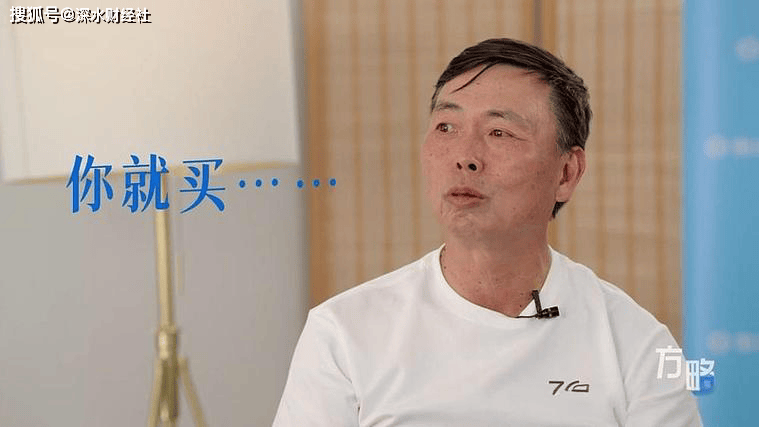
Core Insights - The core message emphasizes that investing in stocks is fundamentally about understanding the underlying companies, with a significant majority of retail investors failing to achieve profitability in both bull and bear markets [1][3][9] Investment Philosophy - The principle of "buying stocks means buying companies" is highlighted, with only about 1% of investors truly grasping this concept [3][4] - Understanding a company's business model and future cash flows is crucial, and the notion of "margin of safety" relates more to comprehension than price [3][5] - Segmenting investments into a few well-understood companies is preferred over diversifying into many unknowns [9][12] Core Holdings - The investor's primary holdings include Apple, Tencent, and Kweichow Moutai, chosen for their strong corporate culture and clear business models [4][5] - The investment in Apple was based on its transition from a hardware company to a comprehensive platform [6] - Kweichow Moutai is viewed as distinct from other liquor brands due to its unique flavor and cultural significance [7] Market Outlook - Caution is expressed regarding the electric vehicle industry, with a prediction that many current players will not survive due to minimal differentiation [7] - The investor acknowledges a past mistake in selling Tesla shares but cites personal values as a reason for not investing further in the company [7] Advice for Investors - A straightforward recommendation is made for those unfamiliar with investing: avoid participation [9] - The importance of understanding opportunity costs in investment decisions is stressed, along with the notion that long-term holding should not preclude selling when necessary [12][13] - Investors are advised to be prepared for significant price fluctuations, suggesting that if one cannot withstand a 50% drop, they should not invest in that stock [13]




免税新政释放红利,iPhone成“爆款特产”
Qi Lu Wan Bao· 2025-11-14 13:24
Group 1 - The new duty-free policy in Hainan has significantly boosted consumer activity in Sanya, even during the traditionally low tourist season of November [1][2] - The policy allows for an expanded range of duty-free products, including certain domestic items, with an annual shopping limit of 100,000 yuan per person and no restrictions on purchase frequency [1][4] - Sales data indicates that in the first week following the policy's implementation, duty-free shopping in Hainan saw a year-on-year sales growth of over 30%, with the new policy contributing approximately 1.5 percentage points to this growth [2][3] Group 2 - The iPhone 17 series has become a hot-selling item in the duty-free stores, often referred to as a "Sanya specialty," with prices being 200-800 yuan lower than those in mainland Apple stores due to various subsidies [2][3] - The duty-free shopping policy is seen as a trial for local residents, allowing them to enjoy benefits from the upcoming closure of the island while testing the risk management capabilities of the new regulations [4][6] - The concept of "closure" in this context refers to Hainan becoming a special regulatory zone, facilitating a high level of openness and potentially transforming it into the largest free trade port in China [5][6]
iOS 为微信小程序「正名」,腾讯移动生态的新转机
3 6 Ke· 2025-11-14 10:15
Core Insights - Apple has launched the Mini Apps Partner Program, establishing a compliance framework for mini-programs in the Chinese market, which is significant for the app ecosystem [3][6][7] Group 1: Commission Structure - Developers participating in the program will only pay a 15% commission on in-app purchases, a significant reduction from the standard 30% Apple tax, benefiting many developers, especially those relying on ad monetization [6][14] - This new commission structure allows mini-programs to finally gain a legitimate commercial position within the iOS ecosystem, which had previously been a gray area for over seven years [7][8][14] Group 2: Regulatory and Technical Requirements - To join the program, mini-programs must comply with Apple's regulatory framework, which includes using specific APIs for transparency and control over transactions and user data [16][19] - The program requires mini-programs to integrate with Apple's In-App Purchase system, ensuring that all transactions are processed through Apple's payment system [19][20] Group 3: Strategic Implications - The partnership between Apple and Tencent is crucial, as both companies rely on each other for access to the vast Chinese market and user base [22][26] - The new policy is seen as a response to global regulatory pressures and aims to provide a controlled environment for mini-programs while allowing Apple to tap into a previously inaccessible market [28][30] Group 4: Future Outlook - The introduction of mini-programs is viewed as a step towards a future where applications are more lightweight and integrated with AI capabilities, potentially transforming how users interact with apps [31][32] - Apple's move to officially recognize mini-programs marks a significant shift in its approach to app distribution and monetization, paving the way for future developments in the app ecosystem [33]
传音控股拟赴港上市
WitsView睿智显示· 2025-11-14 08:24
Core Viewpoint - Transsion Holdings plans to issue shares overseas (H-shares) and list on the main board of the Hong Kong Stock Exchange to enhance its competitive edge and international brand image while leveraging international capital markets and diversified financing channels [1]. Group 1: Company Overview - Transsion Holdings, established in 2013, is a provider of smart terminals and mobile internet services, primarily focused on mobile phones [3]. - The company operates three major mobile phone brands: TECNO, itel, and Infinix, covering both feature phones and smartphones, along with accessory brand oraimo and home appliance brand Syinix [3]. - Transsion Holdings has manufacturing centers in emerging markets such as Ethiopia, India, and Bangladesh, and is recognized as the "King of African Phones" due to its early entry and high sales in the African smartphone market [3]. Group 2: Financial Performance - The company has shown consistent revenue growth from 2022 to 2024, with projected revenues of 46.6 billion yuan, 62.29 billion yuan, and 68.72 billion yuan respectively [3]. - The net profit attributable to the parent company is expected to be 2.484 billion yuan, 5.537 billion yuan, and 5.549 billion yuan for the same period [3]. - The successful listing on the Hong Kong Stock Exchange is anticipated to further expand Transsion's main mobile business in the global market, contributing to sustained performance growth [3].

2万字收藏,段永平罕见公开访谈
点拾投资· 2025-11-14 07:07
Core Views - The essence of investing is to understand that "buying stocks is buying companies," a concept that only about 1% of people truly grasp [3][6][61] - Investment is simple but not easy; it requires a deep understanding of the business and future cash flows [6][52] - The importance of company culture is highlighted, as a good culture helps a company return to the right path after mistakes [7][30] Investment Philosophy - "Buying stocks is buying companies" emphasizes the need to understand the business behind the stock [6][52] - The concept of safety margin is not just about price but about how well one understands the company [6][52] - Rationality in investment is challenging; the probability of making mistakes is similar across investors, but the key is to minimize those mistakes [6][39] Understanding Companies - Understanding the business is crucial; without it, investing becomes very difficult [6][51] - The speaker feels relatively knowledgeable about companies like Apple, Tencent, and Moutai, but acknowledges limitations in understanding other businesses [6][51] Company Culture - A strong company culture guides the organization and helps it stay on the right path [7][30] - Good culture does not prevent mistakes but allows the company to correct its course [7][30] Decision-Making and Management - The decision to pivot from feature phones to smartphones was driven by market necessity rather than initial support [36][39] - The management style emphasizes delegation and trust in the team, allowing them to make decisions independently [38][47] Investment Experience - The speaker's investment journey began post-retirement, focusing on understanding businesses rather than just stock prices [50][51] - Significant investments include companies like NetEase, Apple, and Moutai, with a focus on understanding their business models [53][60] Market Trends and Adaptation - The rapid decline of feature phones was unexpected, highlighting the need for sensitivity to market changes [40][41] - The transition to smartphones was a response to market demands, showcasing the importance of adaptability in business strategy [39][40]

国元香港晨报-20251114
Guoyuan International· 2025-11-14 02:49
Group 1: Economic Indicators - The U.S. labor statistics office failed to release the October CPI report as scheduled, which may impact market expectations [3] - The White House officials predict a 1.5 percentage point decrease in Q4 GDP growth due to the government shutdown [3] - China's social financing increased by 0.81 trillion yuan in October, with new RMB loans amounting to 0.22 trillion yuan [3] Group 2: Market Performance - The Nasdaq index closed at 22,870.36, down 2.29%, while the Dow Jones Industrial Average fell by 1.65% to 47,457.22 [5] - The Hang Seng Index rose by 0.56% to 27,073.03, and the Hang Seng Tech Index increased by 0.80% to 5,981.30 [5][8] - The Baltic Dry Index decreased by 2.03% to 2,030.00, indicating a decline in shipping rates [5] Group 3: Sector Developments - Several silicon wafer companies have united to resist low-price competition and support price increases [3] - BlackRock increased its holdings in NVIDIA by nearly 19.5 million shares while reducing its stake in Apple during Q3 [3]
内外双卷不确定下找到百亿品牌的持续结构增长逻辑?
Jing Ji Guan Cha Bao· 2025-11-14 02:23
Core Insights - The article discusses the challenges and strategies for companies transitioning from a billion-level revenue to a hundred-billion-level brand, emphasizing the need for a deep understanding of core advantages and strategic optimization in a competitive market [1][38]. Group 1: Current Challenges in Revenue Growth - Companies face significant challenges in revenue growth due to market saturation and intensified competition, with traditional linear growth models becoming ineffective [3]. - The loss of clear causal relationships complicates growth strategies, making it difficult for companies to predict and drive growth as they scale [3]. - Increased market uncertainty from macroeconomic changes, technological advancements, and competitor strategies further complicates long-term planning [3]. Group 2: Differences in Growth Logic - Companies at the billion-level focus on product line breakthroughs, optimizing existing products and expanding variations to meet diverse consumer needs [5][6]. - In contrast, hundred-billion-level brands shift focus to brand expansion, enhancing brand influence and market positioning through diversified product portfolios [6][7]. - Successful large enterprises recognize the limitations of relying on a single product line and adopt multi-faceted strategies for sustained revenue growth [6][7]. Group 3: Strategic Approaches for Growth - The transition from billion to hundred-billion revenue requires a shift from a map strategy, which relies on clear market positioning and plans, to a puzzle strategy that emphasizes flexibility and adaptability in a dynamic market [8][9]. - Companies must integrate various business units and market opportunities to create a complex growth network, allowing for rapid adaptation to market changes [9]. Group 4: Building a Hundred-Billion Brand - Companies should focus on core advantage development and reasonable structural extensions to diversify and expand their market presence [11]. - The growth process should transition from category expansion to business expansion, ultimately enhancing brand value and market leadership [13][14]. - Successful examples include Huawei, which leveraged its core technology in telecommunications to expand into smartphones and smart home products [12]. Group 5: Multi-Category and Multi-Business Strategies - Companies should start with a strong single product and then expand into related categories based on market validation [15][16]. - The example of Bosideng illustrates how a focus on a core product can lead to successful category expansion, achieving significant revenue growth [17]. Group 6: Multi-Brand Strategy - Companies can consider a multi-brand strategy when market maturity limits growth potential, leveraging established brand reputation to enter new markets [22]. - Anta's multi-brand strategy demonstrates how a company can cover various market segments, enhancing competitiveness and brand influence [24]. Group 7: Internal and Structural Growth - Companies must recognize external challenges and effectively integrate internal resources to achieve structural growth [36][37]. - The experiences of Haier, Midea, and Gree highlight the importance of understanding core brand genes—service, channel, and product—as pathways to growth [34][35]. Group 8: Future Growth Pathways - The article outlines a framework for companies to transition from billion to hundred-billion brands, emphasizing the importance of strategic planning and resource optimization [39][42]. - The future growth stages include transitioning to a thousand-billion platform and a ten-thousand-billion ecosystem, requiring a comprehensive understanding of market dynamics and consumer needs [41][44].
通用汽车下令数千家供应商剥离中国供应链,2027年前完成;苹果获得微信小游戏抽成15%;阿里秘密启动千问项目,对标ChatGPT
雷峰网· 2025-11-14 01:01
Group 1 - General Motors has ordered thousands of suppliers to eliminate Chinese components from their supply chains, aiming to complete this by 2027 [5][6] - Alibaba has secretly launched the "Qianwen" project to develop a personal AI assistant app, competing directly with ChatGPT [8] - Apple has reached an agreement with Tencent to take a 15% commission from WeChat mini-games, potentially earning 9 billion yuan annually [9][10] - Domestic GPU company Muxi has received approval for its IPO on the Sci-Tech Innovation Board, aiming to raise 3.904 billion yuan [10][11] - Tencent reported a Q3 profit of 63.13 billion yuan, with employee numbers exceeding 115,000 [15][16] Group 2 - Faraday Future announced it will adopt Tesla's NACS charging standard for its future models, allowing access to over 28,000 Tesla Superchargers [13][14] - Transsion Holdings plans to issue H-shares and list on the Hong Kong Stock Exchange, despite a 3.33% revenue decline in the first three quarters of the year [15] - The Ministry of Public Security in China is proposing new safety standards for vehicles, including limiting acceleration to under 5 seconds [19][20] - The Chinese government is mandating the use of domestic AI chips in cloud services, prioritizing Huawei's Ascend series [24][25] - Baidu's CEO stated that the majority of search results are now generated by AI, with a significant increase in rich media content [26] Group 3 - Microsoft CEO Satya Nadella revealed that the company has access to all research data from OpenAI's chip development [33][34] - Synopsys announced a layoff of about 2,000 employees as part of a restructuring plan to focus on AI chip design [35][36] - AMD's CEO Lisa Su expressed confidence in the company's growth, aiming to capture a significant share of the AI market currently dominated by NVIDIA [42][43] - Toyota plans to invest up to $10 billion in the U.S. over the next five years, marking a significant increase in its historical investment [45][46]






传音控股股价年内跌30%拟赴港IPO 归母净利连降六季609家机构撤离
Chang Jiang Shang Bao· 2025-11-13 23:52
Core Viewpoint - Transsion Holdings, known as the "King of Mobile Phones in Africa," plans to list its shares in Hong Kong to enhance its international brand image and diversify its financing channels amid declining performance pressures [1][3]. Group 1: Financial Performance - For the first nine months of 2025, Transsion Holdings reported a revenue of 49.543 billion yuan, a year-on-year decrease of 3.33%, and a net profit attributable to shareholders of 2.148 billion yuan, down 44.97% [1][6]. - The company has experienced a continuous decline in net profit for six consecutive quarters since Q2 2024 [1][6]. - The gross profit margin decreased from 21.59% in the previous year to 19.47% in the first three quarters of 2025 [7]. Group 2: Market Position and Stock Performance - Despite the announcement of the Hong Kong IPO, Transsion's stock price fell by 1.31% on November 13, 2025, closing at 64.99 yuan per share, marking a nearly 38% drop from its peak of 104.9 yuan per share on September 25, 2025 [1][7]. - The company has underperformed the market, with a cumulative decline of 29.89% in 2025 [7]. Group 3: Shareholder Activity - As of the end of September 2025, the number of institutions holding shares in Transsion decreased by 609 from the previous quarter, with total shares held dropping from 941 million to 828 million [2][8]. - Major shareholders, including social security funds and pension funds, have reduced their holdings in the company [2][8]. Group 4: Future Plans and Use of Proceeds - The funds raised from the Hong Kong IPO will be allocated to AI technology research and development, international marketing expansion, brand enhancement, and general business purposes [3][4]. - The company is currently in discussions with intermediaries regarding the specifics of the H-share issuance and listing [3].
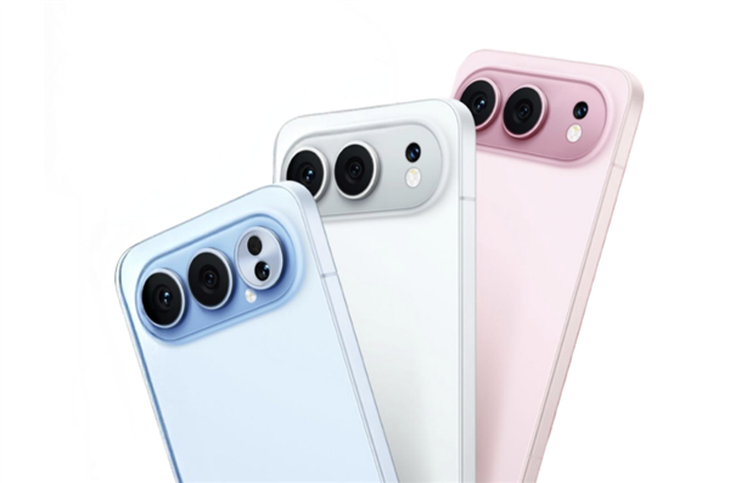
荣耀500 Pro外观揭晓 和iPhone Air一样的横向镜头模组设计
Xin Lang Cai Jing· 2025-11-13 16:22
Core Points - The Honor 500 series has officially started reservations, with the Honor 500 Pro's design being revealed for the first time [1] - The design language of the Honor 500 Pro is similar to the standard version, but features a new circular module for improved visual harmony [1] - Both the standard and Pro versions of the Honor 500 series are confirmed to have three camera lenses, contrary to earlier rumors suggesting a dual-camera setup for the standard version [1] Design and Build - The Honor 500 series adopts a slim body design similar to the iPhone Air, but surpasses it in imaging capabilities [3] - The series utilizes a one-piece cold-formed back panel, a technique that is becoming mainstream in the Android sector, enhancing the overall quality [3] - The devices feature a flat-edge design and large rounded corners on the screen, improving visual appeal and user experience [3] Camera Features - The side of the Honor 500 series devices includes an independent camera button, akin to the iPhone Air, but with enhanced functionality [7] - This camera button allows for quick capture, customizable features, and serves as an AI entry point, improving operational convenience [7] Hardware Specifications - The entire Honor 500 series is powered by Qualcomm's Snapdragon 8 series flagship platform [10] - The standard version is equipped with the fourth-generation Snapdragon 8s, while the Pro version features the more powerful Snapdragon 8 Gen 2, ensuring robust performance [10]