
半导体制造

Search documents
普冉股份: 普冉半导体(上海)股份有限公司关于为员工租房提供担保的公告
Zheng Quan Zhi Xing· 2025-05-30 12:13
Core Viewpoint - The company is providing a guarantee for its employees' rental housing to alleviate their living pressures and enhance their sense of belonging and happiness, which in turn is expected to improve operational efficiency and sustainable development [3][4]. Summary by Sections 1. Guarantee Overview - The company plans to provide a guarantee for its employees' rental housing, with a total guarantee amount not exceeding 500,000 RMB. As of the end of 2024, the actual guarantee amount provided to employees is 179,400 RMB [1][7]. - The guarantee is subject to approval by the shareholders' meeting after being passed by the board of directors and the supervisory board [1][4]. 2. Basic Information of the Guaranteed Parties - The guarantee is intended for employees who have signed formal labor contracts with the company, excluding directors, supervisors, senior management, and their related parties [2][4]. 3. Main Content of the Guarantee Agreement - The guarantee is specifically for renting public rental housing, with the rental management company being Suzhou Industrial Park Public Rental Housing Management Co., Ltd. The company will assume responsibility for the guarantee during the contract period [2][4]. 4. Reasons and Necessity for the Guarantee - Providing guarantees for employees' public rental housing helps reduce their living pressures, fosters stability in their lives, and enhances their loyalty and happiness, which is beneficial for the company's overall performance [3][4]. 5. Relevant Review Procedures - The proposal for the guarantee was approved in the board and supervisory board meetings held on May 30, 2025, and is pending approval from the shareholders' meeting [4][6]. 6. Special Opinion Statement - The supervisory board believes that the guarantee aligns with the company's operational realities and development plans, and the associated risks are manageable within the company's control [4][6]. 7. Cumulative External Guarantee Amount and Overdue Guarantees - As of the end of 2024, the company has provided guarantees totaling 179,400 RMB, with no overdue guarantees reported [4][5].

探访富士康郑州工厂:iPhone产线和工人都在向智能升级;天问二号任务发射圆满成功丨智能制造日报
创业邦· 2025-05-30 03:34
Group 1 - Samsung SDI and LGES will establish lithium iron phosphate (LFP) battery production lines in the U.S. for electric vehicles, with a joint factory in Indiana set to introduce LFP production by 2027, previously focused on high-nickel ternary lithium batteries [1] - Foxconn's Zhengzhou factory has implemented significant automation upgrades for iPhone production, achieving over 100% efficiency improvement through modular design and real-time monitoring systems [2] - The Tianwen-2 mission successfully launched to explore and sample asteroid 2016HO3, marking a significant step in China's planetary exploration efforts [3] - The largest silicon carbide wafer factory in Wuhan has commenced production, expected to contribute 30% of China's silicon carbide wafer capacity, addressing the semiconductor shortage in the new energy sector [4] - DJI has acquired land in Shenzhen for 2.287 billion yuan to develop a global headquarters for smart aviation systems, with a construction timeline of 2.5 years to start and 6 years to complete [5]

韩国四月生产、消费、投资环比全面下滑
news flash· 2025-05-30 02:27
Core Insights - In April 2023, South Korea experienced a simultaneous decline in industrial production, consumption, and investment for the first time since January, indicating a concerning trend in the economy [1] Group 1: Industrial Production - The overall industrial production index for South Korea in April was 113.5, reflecting a month-on-month decrease of 0.8% [1] - Automotive production decreased by 4.2%, marking the first decline since November 2022, attributed to the impact of the 25% tariffs imposed by the U.S. starting April 3 [1] - Semiconductor production also saw a decline of 2.9%, highlighting vulnerabilities in key sectors due to external trade policies [1] Group 2: Domestic Demand Indicators - Service sector production fell by 0.1%, with notable declines in professional, scientific, and technical services by 3.6%, and financial and insurance services by 1.2% [1] - Retail sales decreased by 0.9%, indicating weakening consumer demand [1] Group 3: Investment Trends - Investment in semiconductor manufacturing machinery and other machinery decreased by 4.5%, while overall equipment investment fell by 0.4% [1] - Construction investment also showed a downward trend, with completion value declining by 0.7% for two consecutive months [1]
美国削减国债拍卖规模,聚焦OPEC+关键会议
Hua Tai Qi Huo· 2025-05-29 02:56
Report Industry Investment Rating - The overall rating for commodities and stock index futures is neutral, waiting for fundamental verification; gold is recommended for long - term allocation on dips [4] Core Viewpoints - The market should focus on economic fact verification. In April, domestic economic data was mixed, with short - term export support, weakening investment, rising fiscal revenues and expenditures, and slightly pressured consumption. Attention should be paid to the possibility of further fiscal expansion. The RMB is expected to be more stable. The market should also focus on whether there will be a new round of "rush to export" after the tariff negotiations [1] - The downgrade of the US sovereign rating and the expectation of fiscal expansion have led to a continuous rise in long - term US Treasury yields, and potential liquidity risks should be noted. The US Treasury has reduced the issuance of short - term Treasury bonds. US - EU trade negotiations have complex progress. The economic data of the US and the eurozone show different trends [2] - For commodities, attention should be paid to the transmission of fundamentals in the short - term and stagflation allocation in the long - term. Different commodities have different responses to tariffs, and the supply of crude oil is expected to be relatively loose in the medium - term [3] Summary by Related Catalogs Market Analysis - In April, domestic exports were slightly better than expected, with obvious re - export support and eased Sino - US tariffs. Investment data weakened, especially in the real estate sector. Fiscal revenues and expenditures increased, supported by land transfer fees, and consumption was slightly pressured. The PBOC will conduct a 500 billion yuan MLF operation on May 23. The Sino - US Geneva economic and trade talks made substantial progress, and the RMB is expected to be more stable. The market should pay attention to whether there will be a new round of "rush to export" after the tariff negotiations [1] US and Global Economic Situation - Moody's downgraded the US sovereign rating, and the US debt expectation is rising. The Fed may adjust the interest - rate setting framework, and the first interest - rate cut expectation is postponed to September. The US Treasury has reduced the issuance of four - week and eight - week Treasury bonds. US - EU trade negotiations have complex progress. Japan's overseas net assets reached a record high but lost the position of the world's largest creditor nation. The eurozone's economic data weakened, while the US economic data improved [2] Commodity Market - From the 2018 tariff review, different commodities have different responses to tariffs. For industrial products, beware of the emotional impact from the US stock market adjustment. For agricultural products, the probability of price increase due to tariffs is higher. The supply of crude oil is expected to be relatively loose in the medium - term, and OPEC+ will hold meetings to discuss production quotas [3] Strategy - The overall rating for commodities and stock index futures is neutral, waiting for fundamental verification; gold is recommended for long - term allocation on dips [4] Important News - China may relax rare - earth export controls on European chip companies. The US Treasury has reduced the issuance of short - term Treasury bonds. Trump praised the EU's progress in trade negotiations. Japan's Nippon Steel plans to acquire US Steel. Japan proposed to buy billions of dollars of US semiconductor products. Japan's 40 - year Treasury bond auction had a low bid - to - cover ratio, and bond yields rose. OPEC+ will hold meetings to discuss production quotas [5]
长飞先进:武汉SiC基地已投产,年产能达36万片
行家说三代半· 2025-05-29 02:42
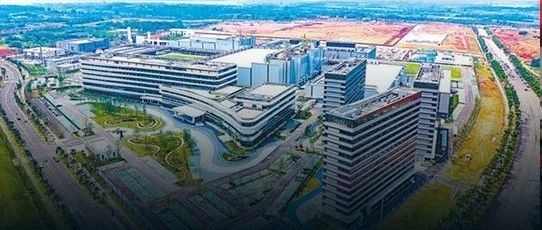
Core Viewpoint - The article highlights the successful launch of Changfei Advanced's silicon carbide (SiC) wafer production line in Wuhan, marking a significant milestone in the company's investment and production capabilities in the semiconductor industry [4][6]. Group 1: Company Overview - Changfei Advanced specializes in the research and manufacturing of silicon carbide (SiC) power semiconductor products, possessing a complete industrial chain capability from epitaxial growth to module packaging [7]. - The company has established a first-class 6-inch production line and advanced supporting systems, offering a full range of SiC SBD and MOSFET products for various applications including electric vehicles, photovoltaics, energy storage, and charging stations [7]. Group 2: Production Milestones - The Wuhan base, with a total investment exceeding 20 billion yuan, has officially commenced production, with an annual capacity of 360,000 silicon carbide wafers [4]. - The construction of the Wuhan facility was completed in under 10 months, showcasing a rapid development pace for large-scale investment projects [4]. Group 3: Technological Advancements - The Wuhan base is equipped with 6/8 inch compatible equipment, aligning with international standards for SiC device manufacturers, and features a fully automated crane system to enhance production efficiency [6]. - The facility has achieved a chip yield rate of 97%, which is considered internationally advanced, thanks to the deployment of an A3-level crane system that minimizes human interference [6]. Group 4: Market Impact - The production capacity of the Wuhan base is projected to supply the "heart" for 1.44 million electric vehicles annually, indicating a significant contribution to the electric vehicle market [6]. - The facility has already established collaborations with leading global automotive companies, with several SiC chip models undergoing testing and validation [6].
天风证券晨会集萃-20250529
Tianfeng Securities· 2025-05-29 00:11
Group 1 - The report highlights the successful hosting of COMPUTEX, focusing on AI, data centers, and robotics as key trends, with major chip manufacturers showcasing innovations [4][35][36] - In April, the semiconductor market showed signs of recovery, with stable chip delivery times and strong AI-related orders, while automotive and industrial demand began to rebound [4][38] - The report anticipates a structural growth driven by AI in Q2, with recommendations to focus on SoC, ASIC, storage, and CIS opportunities [4][39] Group 2 - The report on Lian Micro (立昂微) indicates a record high revenue of 3.092 billion yuan in 2024, a 14.97% increase year-on-year, despite a net loss of 266 million yuan [10][25] - The company is expanding its production capacity and optimizing its product structure to meet the growing demand in AI, electrification, and smart technology sectors [10][27] - The report projects a downward adjustment in profit forecasts for 2025 and 2026, with net profits expected to be 89 million yuan and 180 million yuan respectively, while maintaining a "hold" rating due to anticipated growth in downstream markets [10][29] Group 3 - The report on Huazhi Wine (华致酒行) reveals a significant decline in Q1 2025 revenue and net profit, with a 31.01% drop in revenue to 2.852 billion yuan [11][31] - The company is implementing a comprehensive adjustment strategy to address inventory and sales challenges, aiming for a recovery in profits by 2025 [11][33] - Future revenue projections for 2025-2027 are set at 9.910 billion, 10.670 billion, and 11.192 billion yuan respectively, with a significant expected increase in net profit [11][33]
巨头收购!
Zhong Guo Ji Jin Bao· 2025-05-28 12:25
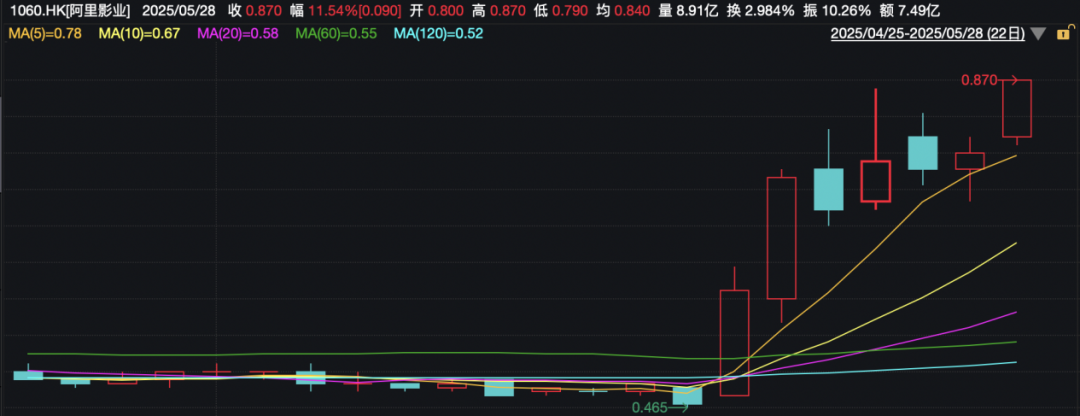
Market Overview - The Hong Kong stock market opened high but closed lower, with the Hang Seng Index down 0.53% at 23,258.31 points, the Hang Seng Tech Index down 0.15% at 5,174.64 points, and the Hang Seng China Enterprises Index down 0.31% at 8,443.87 points [1]. Film and Entertainment Sector - Alibaba Pictures, Emperor Culture Industry, and Huayi Brothers saw significant stock price increases of 11.54%, 7.69%, and 7.50% respectively [1]. - Alibaba Pictures' management indicated a cautious approach to film investment over the next 2-3 years, focusing resources on the Damai business and IP merchandise sales [4]. - Citigroup's report highlighted that major IPs like "Chiikawa" and "Crayon Shin-chan" are expected to contribute incremental revenue in the new fiscal year, with potential for valuation reassessment as current valuations do not fully reflect the growth potential of IP derivative businesses [4]. Restaurant Sector - Restaurant stocks such as Jiumaojiu, Tehai International, and Haidilao experienced gains of 5.53%, 2.59%, and 2.30% respectively, driven by the upcoming Dragon Boat Festival holiday which is expected to boost dining consumption [5]. - The National Bureau of Statistics reported a 4.7% year-on-year increase in retail sales from January to April 2025, with a 5.1% increase in April alone [5]. - Industry experts predict a long-term trend of increasing consumption share over the next 10 to 20 years [5]. Technology Sector - Major tech stocks showed mixed performance, with Alibaba down 1.95%, Tencent down 1.17%, and JD.com down 1.4%, while NetEase rose 2.81%, Kuaishou up 5.95%, and Bilibili up 2.29% [5]. - The semiconductor sector faced declines, with leading company SMIC down 2.5% [6]. Data Center Sector - GDS Holdings saw a significant drop of nearly 10% after announcing a $500 million convertible senior bond issuance with a 2.25% interest rate and an initial conversion price of $33.08 per American depositary share [6]. Investment Trends - Huatai Securities noted that technology and consumer sectors now account for a significant portion of the Hong Kong stock market, indicating a shift from the previous dominance of finance and real estate [8]. - There is a notable interest from long-term foreign capital in China, with Hong Kong's market conditions favorable for these investments [8]. - The focus for investment is on sectors benefiting from RMB appreciation and large-cap stocks with narrowing AH premium trends [8]. Tencent Music - Tencent Music is set to become the second-largest shareholder of SM Entertainment after acquiring approximately 9.38% of its shares for about 243.3 billion KRW (approximately 1.45 billion HKD) [9]. - Tencent Music's Q1 2025 financial report showed revenue of 7.36 billion yuan, a year-on-year increase of 8.7%, and an adjusted net profit of 2.23 billion yuan, up 22.8% [10].
三星将内存工厂,转为封装厂
半导体芯闻· 2025-05-28 10:17
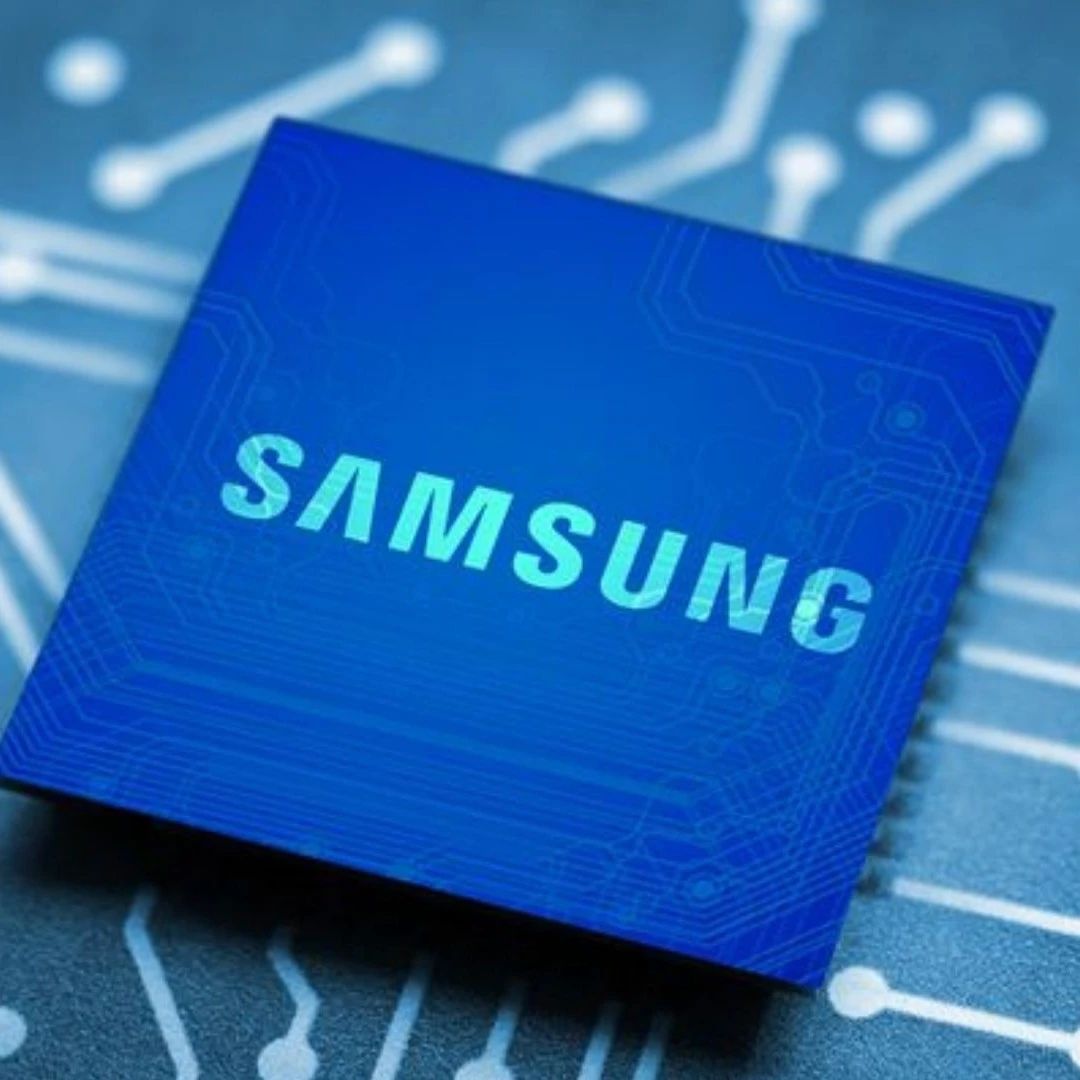
Group 1 - Samsung Electronics is restructuring its Hwaseong factory's old memory production line into a packaging production line, with the transfer of facilities expected to begin in the second half of this year [1][2] - The H1 factory, which houses the 12th and 13th production lines, is transitioning due to declining shipments of older NAND and DRAM products in the domestic memory market [1][2] - The plan to convert the 13th line to CIS (image sensors) has been delayed due to the downturn in the CIS industry, prompting Samsung to focus on packaging capabilities instead [1][2] Group 2 - The H1 factory's manufacturing environment is outdated, making it difficult to upgrade to the latest generation of memory, unlike the more advanced 15th and 16th lines [2] - The lower technical difficulty of post-processing technology allows for easier conversion, and consolidating small packaging equipment nearby can enhance management and investment efficiency [2] - Industry insiders indicate that Samsung is looking to introduce relevant equipment to the H1 factory to reorganize its old memory business while expanding packaging capacity [2]
长飞先进武汉基地实现6寸碳化硅晶圆量产通线
news flash· 2025-05-28 08:32
Core Viewpoint - Changfei Advanced's Wuhan base has achieved mass production of 6-inch silicon carbide wafers, marking a significant milestone in the semiconductor industry [1] Group 1: Company Overview - Changfei Advanced's Wuhan base project has a total investment of 20 billion and covers an area of 498 acres [1] - The first phase of the project occupies 344 acres and is expected to reach an annual production capacity of 360,000 pieces of epitaxial wafers, 360,000 pieces of 6-inch silicon carbide wafers, and 61 million silicon carbide power modules [1]
苏州固锝: 关于对外投资暨与关联方共同投资的关联交易的公告
Zheng Quan Zhi Xing· 2025-05-27 11:24
证券代码:002079 证券简称:苏州固锝 公告编号:2025-026 苏州固锝电子股份有限公司 关于对外投资暨与关联方共同投资的关联交易公告 本公司及董事会全体成员保证信息披露的内容真实、准确、完整,没有虚假记载、误导 性陈述或重大遗漏。 一、对外投资暨关联交易概述 苏州固锝电子股份有限公司(以下简称"公司"或"苏州固锝")和昆山双睿启航创业 投资合伙企业(有限合伙)(以下简称"昆山双睿")投资共计2,000万元认购中晶微电(上 海)半导体有限公司(以下简称"中晶微电"或"标的公司")新增注册资本61.8776万元。 其中,苏州固锝投资1,000万元认购上述新增注册资本中的30.9388万元,对应本次增资后中 晶微电2.5316%的股权。 苏州汇明创芯创业投资合伙企业(有限合伙)(以下简称"汇明创芯"或"苏州汇明") 持有中晶微电3.15%的股权,苏州固锝为汇明创芯的有限合伙人持有其45.45%的份额,苏州 固锝与汇明创芯构成关联方,本次投资事项构成与关联方共同投资。 事会审批权限范围内,无需提交股东大会审议。本次关联交易不构成《上市公司重大资产重 组管理办法》规定的重大资产重组,无需经过有关部门批准。 二 ...
