
外卖

Search documents
达达「变身」,京东即时零售有了新阵脚
雷峰网· 2025-07-30 13:56
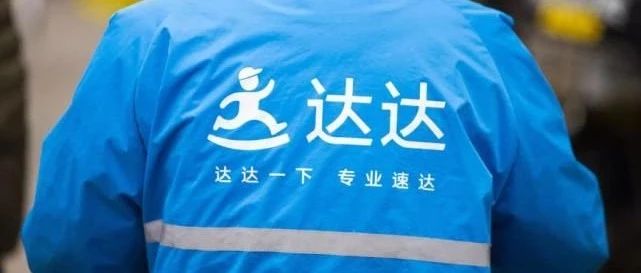
Core Viewpoint - The article discusses JD's acquisition of Dada and its implications for the local life service sector, suggesting that JD aims to replicate Meituan's success by integrating Dada into its ecosystem and enhancing its instant retail strategy [2][25]. Group 1: Acquisition and Integration - Dada has been rebranded as the Local Life Service Group under JD, indicating a strategic upgrade in JD's instant retail approach and the end of the "Dada era" [2][5]. - JD completed the acquisition of Dada for a valuation of $520 million, with the share price dropping significantly from its IPO price of $16 to $2, reflecting market concerns over Dada's financial integrity [7][12]. - Dada's internal financial discrepancies led to a significant drop in stock price, with a reported revenue inflation of approximately 568 million yuan and operational cost inflation of about 576 million yuan [8][17]. Group 2: Historical Context and Development - Dada's journey includes its founding in 2014, merging with JD's O2O subsidiary in 2016, going public in 2020, and finally being privatized in 2025 [10][4]. - JD's shareholding in Dada increased over time, reaching 63.2% after acquiring shares from Walmart, which aligns with JD's broader strategy to enhance its instant retail capabilities [17][18]. Group 3: Strategic Focus and Future Plans - JD's strategy is shifting from direct competition in the food delivery market to focusing on supply chain integration and operational efficiency across various sectors, including food delivery, travel, and home services [25][22]. - The appointment of "Old K" Guo Qing, a former Meituan executive, is seen as a strategic move to bolster JD's capabilities in the local life service sector [20][21]. - JD's new self-operated brand "Seven Fresh Kitchen" aims to provide a unique dining experience, indicating a shift towards a more integrated supply chain model [23][24].


中央政治局定调下半年经济工作 传递多重有力信号
Zhong Guo Xin Wen Wang· 2025-07-30 12:34
在今年二季度以来国际形势急剧变化、外部压力明显加大的情况下,中国经济表现好于预期。 除了上半年5.3%的国内生产总值(GDP)增速快于去年同期和全年,人流、物流、资金流都在改善。 一个突出例子是,上半年中国市场销售环比逐季增长,社会消费品零售总额达24.55万亿元人民币, 52%的经济增长由消费这架"主引擎"贡献。 政治局会议对此给予肯定,认为中国经济"展现强大活力和韧性"。会议提醒,要"用好发展机遇、潜力 和优势,巩固拓展经济回升向好势头"。 (经济观察)中央政治局定调下半年经济工作 传递多重有力信号 中新社北京7月30日电 题:中央政治局定调下半年经济工作 传递多重有力信号 中新社记者 王恩博 中国"十四五"规划将于今年底收官,下半年经济走势如何,既关乎完成全年发展目标,也关乎为又一个 五年画上圆满句号。 中共中央政治局7月30日召开会议,分析研究当前经济形势和经济工作,传递多重有力信号。 ——经济顶压前行展现活力 国家信息中心经济预测部产业经济研究室主任魏琪嘉分析称,中国经济的体量、韧性以及产业领域积累 的深厚基础、关联关系等,是当前经济稳健运行的强有力保障。加之经营主体的能力和本领在市场竞争 中不断提 ...
【评论】“外卖大战”并非良性竞争,整治“内卷”需标本兼治
Sou Hu Cai Jing· 2025-07-30 11:29
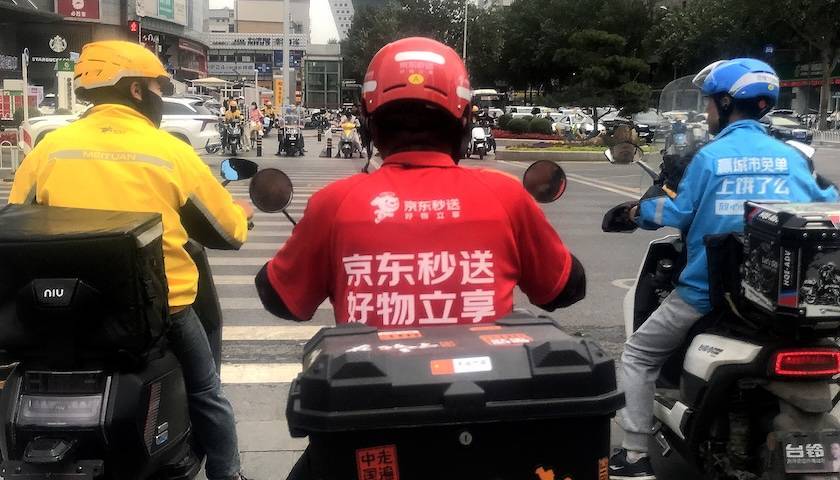
文丨马亮 (北京大学政府管理学院教授) 随着京东高调入局和淘宝加大布局,中国外卖行业陷入以巨额补贴和价格战为表征的"内卷式"竞争。 市场竞争允许乃至鼓励企业降价,但出现大规模击穿成本底线的价格之后,就是恶性竞争,而"赔本赚吆喝"也无法持 续。平台可以抢市场份额,餐饮企业可以降价求生,但平台不能裹挟商家制造内卷式竞争。特别是平台企业的隐性补 贴,会导致"平台保护主义" ,进而带来不正当竞争。良性竞争可以围绕价格而展开,而纯粹的价格战则是无序竞争, 需要通过市场监管走向有序竞争。 一些声音认为,新平台掀起的"补贴大战",可以有效刺激消费扩容,是正常市场竞争范畴。但需厘清的是,正常、理 性、适度的价格竞争,的确可以促进市场活力,也会提升整个行业生态的繁荣度。而超低价格、超大规模的高烈度竞 争,只会在短期内催生出需求泡沫,"增量不增质";而且突破成本临界的餐饮价格,也会进一步扭曲供需机制,带 来"零和博弈"。 近期在美团召开的商家恳谈会上,就有商家反映:用户价格敏感度提升,外卖订单的到手收益下降了15%。而且,高端 品牌也在打价格战,降价之后对中小商家造成"降维打击"。为了避免客户流失,中小商家也被迫加入到平台价格战 ...

壹快评丨警惕外卖大战及“新战场”的负面影响
Di Yi Cai Jing· 2025-07-30 10:50
Core Viewpoint - The ongoing subsidy war has severely impacted physical stores, and the emergence of a "new battlefield" may pose even greater challenges to the industry [1][2]. Group 1: Impact on Physical Stores - The subsidy war has led to a significant increase in sales volume for some businesses, but profits are declining [1]. - A chain fast-food brand founder expressed a desire to limit the proportion of takeaway orders, indicating a preference to avoid being forced into the subsidy competition [1]. - Many merchants feel compelled to participate in the subsidy war due to their high dependency on delivery platforms, leading to intensified competition and reduced profits [1]. Group 2: New Battlefield and Industry Dynamics - The "new battlefield" refers to the shift from simple delivery services to a more integrated model involving production and delivery, which some platforms are adopting [1]. - The emergence of "new battlefield" dynamics may lead to a restructuring of the entire restaurant industry chain, with potential positive or negative outcomes [2]. - The capital-driven restructuring could either promote industry advancement and consumer benefits or result in chaos and disorder within the market [2]. Group 3: Regulatory Environment - Recent meetings of the Central Financial Committee and the Political Bureau emphasized the need to regulate low-price and disorderly competition in the market [3]. - Although the subsidy war has not been explicitly labeled as low-price disorderly competition, it exhibits characteristics of such competition, leading to regulatory scrutiny [3]. - The National Market Supervision Administration has engaged with relevant companies, indicating that continued non-compliance will not be overlooked [3].
京东七鲜小厨:3年万店计划挑战“幽灵外卖” 重塑餐饮供应链
Xin Lang Zheng Quan· 2025-07-30 10:07
Core Insights - JD.com has launched its first "Qixian Kitchen" store, which operates without dining tables and focuses on takeout orders, achieving high demand on its opening day [1] - The company plans to invest 1 billion yuan to recruit "dish partners" for 1,000 signature dishes and aims to establish over 10,000 Qixian Kitchen locations nationwide within three years, with an investment exceeding 10 billion yuan [1][2] Group 1: Business Model Innovation - The "dish partner" model allows partners to provide recipes and participate in development without bearing the costs of opening a store, receiving a guaranteed minimum share of 1 million yuan and ongoing sales commissions [2][3] - JD.com aims to reclaim market share from low-quality "ghost kitchens" by offering a competitive and transparent business model, focusing on food safety and quality [2][4] Group 2: Supply Chain and Operational Efficiency - JD.com leverages its supply chain advantages by using high-quality ingredients from reputable brands and ensuring strict quality control through centralized operations [3][4] - The operational model minimizes hygiene risks by eliminating food preparation at the store level, with all kitchens equipped with 24-hour live streaming for transparency [4][9] Group 3: Market Positioning and Competitive Landscape - The pricing strategy targets the low-cost segment, with dishes priced between 10-20 yuan, aiming to compete directly with low-quality alternatives [4][10] - The rapid response from the market, with nearly 8,000 applications for dish partners within 24 hours, indicates strong interest and potential for growth [4][12] Group 4: Technological Integration - The use of cooking robots is a key feature in the Qixian Kitchen model, addressing labor shortages and standardizing food quality [5][6] - The integration of technology in operations is seen as a solution to high labor costs and the challenges of maintaining consistent food quality [5][6] Group 5: Industry Impact and Future Outlook - The establishment of Qixian Kitchen represents a significant innovation in the food delivery market, potentially reshaping the supply chain dynamics within the industry [9][10] - If successful, the plan to open 10,000 locations could position JD.com as a major player in the instant retail sector, enhancing its influence in the food supply chain [12]
外卖生意火了 专家热议骑手高收入现象:最近朋友圈最多的广告是招人
Zheng Quan Ri Bao Wang· 2025-07-30 09:48
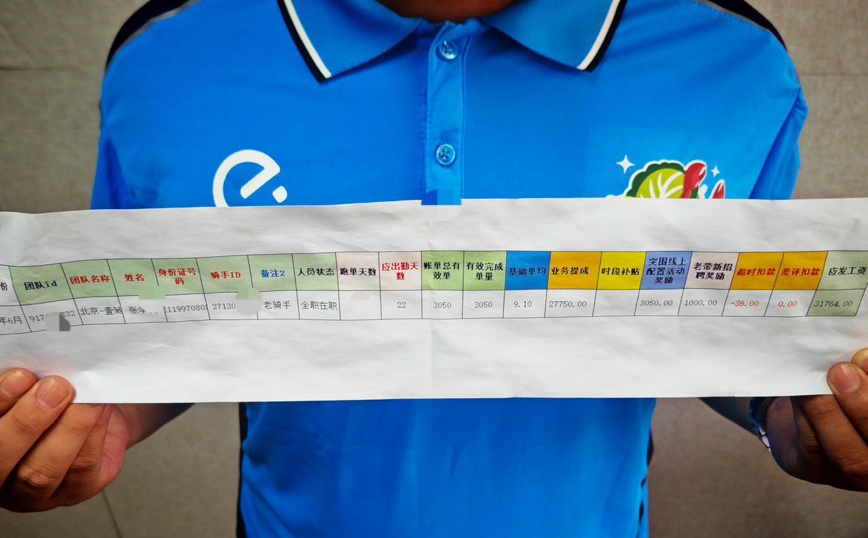
Core Insights - The takeaway from the articles is that the food delivery industry, particularly through platforms like Ele.me, is experiencing significant growth, leading to increased earnings for delivery riders and enhanced business performance for merchants [1][2][4]. Group 1: Delivery Riders' Earnings and Employment - In the Beijing He Sheng Hui business district, five delivery riders earned over 30,000 yuan in a month, with 70% of riders making over 10,000 yuan [1][2]. - The overall number of riders has increased by 78% since the launch of Taobao Flash Purchase, with crowd-sourced riders seeing a 120% growth [4][10]. - The average monthly income for active crowd-sourced riders is over 12,500 yuan, indicating a substantial rise in earnings [4]. Group 2: Merchant Performance and Market Dynamics - Merchants are benefiting from increased orders, with some reporting a doubling of orders and a 50% increase in profits since the introduction of new delivery services [5][6]. - The introduction of Taobao Flash Purchase has led to a significant rise in order volume, with one merchant noting a 100% increase in orders from June to July [6]. - The overall ecosystem is thriving, with a positive feedback loop established: increased consumer demand leads to higher merchant revenues, which in turn boosts rider earnings and employment opportunities [1][8]. Group 3: Economic Impact and Future Outlook - The total daily orders for food delivery and flash purchase have surpassed 250 million, reflecting a robust recovery in consumer confidence and spending [8][10]. - The food delivery sector is expected to create new job opportunities beyond delivery roles, including positions in live streaming sales, instant retail operations, and digital store management [10]. - The industry is seen as a key player in stimulating economic growth and enhancing consumer spending, contributing to a more dynamic market environment [10].
字节回应造车传闻;影石创始人回应进入无人机市场
2 1 Shi Ji Jing Ji Bao Dao· 2025-07-30 04:43
Key Points - OpenAI launched ChatGPT Study learning mode aimed at the education sector, providing interactive prompts and personalized guidance for students [1] - Apple announced the closure of its first direct store in Dalian, set to close on August 9, while planning to open a new store in Shenzhen on August 16 [2] - Alibaba's Tongyi Qianwen released a new version of its Qwen3-30B-A3B model, enhancing long text understanding capabilities [3] - Meituan committed to not self-operating food delivery services, focusing on infrastructure support for merchants, with significant increases in search volume and order quantity for its new brand [4] - ByteDance denied rumors about launching a car brand, stating that its subsidiary Volcano Engine does not have plans for smart driving business [5] - Former Ant Group VP Wang Xiaohang joined Ping An Group as CTO, aiming to enhance AI technology development [6] - YingShi announced its entry into the drone market, planning to launch the world's first panoramic drone [7] - The 2025 Fortune Global 500 list showed that 130 Chinese companies made the list, with Pinduoduo, Meituan, and Lenovo achieving significant ranking improvements [9] - Lenovo Holdings reduced its stake in Lakala, decreasing its ownership from 26.54% to 25.86% [10] - Wantong Intelligent Control signed an exclusive authorization agreement with Shanghai Shenming Aosi for smart chip sales [11] - Daoshi Technology signed a strategic cooperation agreement focusing on humanoid robot components [12] - Cadence agreed to pay over $140 million to resolve charges related to illegal sales of chip design software to Chinese institutions [13] - China Unicom plans to procure nearly 90,000 general servers, with over 90% being domestically produced [13] - Dongfang Materials' chairman resigned for personal reasons, continuing as a board member [14] - Shenghong Technology plans to issue H-shares for listing on the Hong Kong Stock Exchange [15] - Huajin Technology intends to acquire a 6% stake in Jinghe Integrated for approximately 2.393 billion yuan [16] - Fourth Paradigm announced a joint venture with Jiuyang Technology to focus on fintech services [17] - Zhongbei Communication terminated its acquisition of PT.Semesta Energi Services due to unmet conditions [18] - Quzhou Development plans to purchase shares in Xiandian Electronics and raise matching funds [18]
互联网烧钱,餐饮老板流血
21世纪经济报道· 2025-07-30 04:10
Core Viewpoint - The fierce competition in the food delivery market is significantly impacting the pricing power of restaurant owners, leading to a detrimental price war that they are forced to participate in [1][2][3]. Group 1: Market Dynamics - In the past three months, major platforms like JD and Alibaba have invested 80 billion yuan in subsidies for the food delivery market, resulting in a surge in daily orders from 100 million to approximately 250 million [5][6]. - The price war in the restaurant industry is intensifying, with well-known brands experiencing a decline in average transaction value. For instance, over 80% of restaurants with an average price above 100 yuan are seeing a drop in customer spending [7][8]. - The number of restaurant closures has reached 4.09 million in 2024, with a closure rate of 61.2%, indicating a severe impact from the ongoing price war [7]. Group 2: Loss of Pricing Power - Restaurant owners are losing their pricing power as the final selling price is often determined by the amount of subsidy provided, leaving them with little control over their pricing strategies [8]. - The pressure to maintain order volumes forces restaurants to accept lower prices, even in the absence of subsidies, risking their already thin profit margins [8][9]. Group 3: Future Outlook - The sustainability of the food delivery price war largely depends on the financial capabilities of the internet platforms involved. Projections indicate significant profit declines for major players like Alibaba and JD in the coming years [12][13]. - Regulatory scrutiny is increasing, with the market regulator urging platforms to adhere to legal standards and promote rational competition, which could influence the dynamics of the price war [14]. - The restaurant industry may need to accelerate its transformation to adapt to the changing market landscape, focusing on cost-effective and high-quality offerings to survive [16][18].


外卖补贴狂欢后 隐忧谁买单?
Xiao Fei Ri Bao Wang· 2025-07-30 03:06
Core Viewpoint - The recent regulatory actions against major food delivery platforms like Ele.me, Meituan, and JD.com signal the government's intent to regulate market order and promote healthy development in the food service industry [1][7]. Group 1: Market Dynamics - A significant subsidy war has erupted among major food delivery platforms since July, leading to record-breaking order volumes, with Meituan reaching 1.5 billion orders and Ele.me surpassing 80 million daily orders [2][3]. - The "0 yuan purchase" promotions have attracted considerable consumer attention, with users actively sharing their experiences on social media [3]. Group 2: Impact on Stakeholders - Delivery riders have seen a notable increase in their earnings, with some reporting a rise in daily deliveries from 40-50 to 60-70, resulting in potential monthly earnings of an additional 2,000 yuan [4]. - However, the surge in orders has placed immense pressure on merchants, leading to staffing shortages and operational challenges, with some stores needing to temporarily suspend their delivery services [4][5]. Group 3: Sustainability Concerns - The reliance on subsidies raises questions about the sustainability of this growth model, as many merchants report operating at a loss due to the high costs of fulfilling discounted orders [4][6]. - The potential for a "vicious cycle" of subsidies leading to market imbalance is a concern, with warnings from industry insiders about the long-term implications for service quality and food safety [6]. Group 4: Regulatory Response - The government has taken steps to curb "zero-sum" competition by mandating the cessation of certain promotional activities, indicating a push towards more sustainable practices in the industry [7].
全省新就业形态劳动者集中入会活动举行
Liao Ning Ri Bao· 2025-07-30 01:04
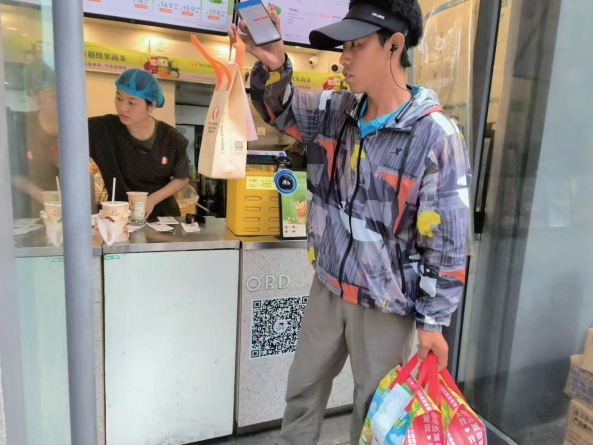
Core Points - The "Flowing Warm New" event for new employment form workers was held in Shenyang, organized by the provincial federation of trade unions [1] - Over 200 new employment form workers from platform companies like Meituan, SF Express, Didi, and Ele.me joined the trade union [1] - A cooperation agreement was signed to boost cultural and tourism consumption, representing a collaborative effort for high-quality industrial development [1] Group 1 - The event featured various services such as a mobile sports event, mobile supermarket, and mobile stage to support new employment form workers [1] - The provincial, municipal, and district trade unions provided startup funds to support the newly established industry chain unions [1] - The "Flowing Warm New" brand was created to address the unique characteristics and needs of the mobile and dispersed new employment form worker group [1] Group 2 - Since last year, over 150 activities have been conducted under the "Flowing Warm New" initiative, focusing on assistance, health care, and cultural activities for workers [1]